
Healthy Choices Are the Norm: Our 2025 National Conference on Tobacco or Health Presentation on Youth Prevention
-
Using local survey data that students recognize and trust
-
Keeping messages simple, fresh, and youth-friendly
-
Empowering youth to design and deliver the messages
-
Involving trusted adults to reinforce positive norms
-
Measuring results to track real impact


Nicotine: Big Tobacco’s Latest Dangerous Lie
When I started consulting in tobacco prevention nearly three decades ago, some of the anti-tobacco pioneers I came across seemed almost paranoid to me. It was like they saw Big Tobacco conspiracies everywhere they turned.
Well, as the saying goes, you’re not paranoid if they’re really out to get you.
Over time I learned that the tobacco industry’s dirty tricks are stranger than fiction, and much more deadly.
Here’s the simple truth: Big Tobacco’s superpower is that its customers are physically addicted to its products. It’s the best customer retention strategy ever.
This strategy had just one flaw: Cigarettes kill about half of lifelong smokers. So, the customers were hooked, but they then died, an inconvenient fact for the industry.
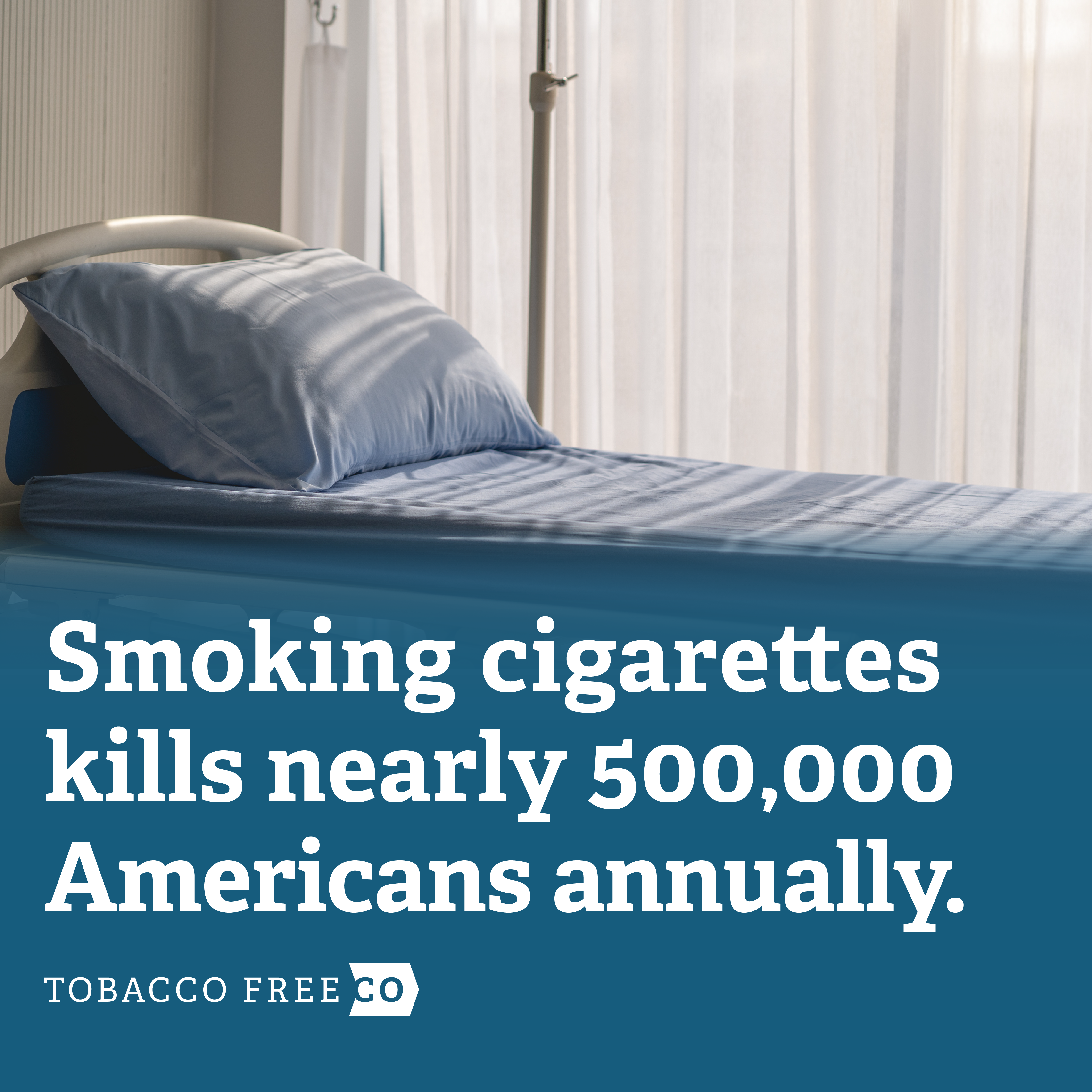
That’s why the industry lured kids to pick up smoking. They were, as one industry memo stated, “replacement smokers.” The marketing formula: Teen-focused ads, discounts for cost-sensitive teens, and fruity and menthol (i.e., minty) flavors that masked tobacco’s harshness for young smokers.
Technological advances allowed Big Tobacco to move beyond cigarettes to flavored vape and now oral nicotine products (ONPs) — and attempt to launder its dirty past.
If you aren’t familiar with ONPs, look at the signs and the displays at your local convenience store. They are discreet, cheap, and ultra-potent. A winning formula for addicting kids.
Some claim ONPs like Zyn from Philip Morris International U.S., which now has a factory in Adams County, Colorado, offer “harm reduction” for smokers, providing nicotine without the risks from burning tobacco. (It also was the pitch of Juul Labs, before that lie was exposed.)
 But this pitch ignores the harms of nicotine itself. Nicotine is a naturally occurring insecticide because it’s poison. The health risks to humans are well documented, beyond addiction.
Yet the latest tobacco industry trick is to reframe nicotine as “misunderstood,” even claiming alleged cognitive benefits.
After three decades of work in this sector, I am no longer surprised.
The Big Tobacco playbook is to lie and deny.
Deny that nicotine is addictive (until that lie ran its course).
Deny that the industry markets to kids (despite the mounting volume of evidence to the contrary, including its own internal documents).
To readers, it may seem that I’ve become one of the advocates who I once discounted as almost paranoid. I encourage you to venture out on your own fact-finding journey. You may be amazed and dismayed by what you find.
You may want to start with this short piece on ONPs and tobacco industry claims.


My Journey Reveals the Human Cost of Gaps In Trans Healthcare
Picture this: you have an appointment with a dermatologist to discuss acne treatments. For the paperwork, you have to use a name that isn’t yours, and makes you uncomfortable when people use it and say that you’re a woman on paper, even though you aren’t. Nowhere does it ask if you go by another name, even a nickname, and when you arrive, the wrong name is used repeatedly, and people keep calling you “she” and “her.” When you’re taken back to see the doctor, they ask what medications you’re on. You don’t want to leave anything out, so you say it.
“Testosterone.”
The doctor raises an eyebrow, and instead of asking you what to call you or how you’d like to be referred to, he makes assumptions and begins a spiel about how you’ll never be able to fully treat your acne since as long as you’re on hormones, you’re in an eternal “puberty,” and the only option is Accutane, which requires a monthly pregnancy test. While this diagnosis has some merit, such a snap assessment isn’t true.
Since I started my transition and journey as a transmasculine (a term used for those assigned female at birth who lean towards being more masculine-identified, but not necessarily a man), nonbinary individual, I have had countless interactions with doctors, other health professionals, and staff along these lines.
It’s experiences like this that make trans folks around the world feel alienated and alone every day. For trans women, trans men, and people who identify elsewhere off the spectrum, the experience is often similar. A glaring lack of trained professionals is evident, and while many have good intentions, it can be tempting to avoid medical care whenever possible.
Shedding Light on Transgender Healthcare Services in the United States
The United States faces a significant deficiency in comprehensive and educated health professionals, particularly doctors, when it comes to transgender healthcare. Despite strides (and steps back) in societal understanding and acceptance of diverse gender identities, the medical field has lagged in providing adequate training and education on transgender-specific health issues.
Many healthcare providers lack the knowledge and cultural competence necessary to deliver affirming and effective care to transgender individuals. The consequences of this gap are profound, as it contributes to the perpetuation of health disparities and barriers to accessing essential services.
Healthcare settings and practitioners generally emphasize “men’s health” or “women’s health,” overlooking gender-diverse individuals. Registration forms typically lack options for indicating a gender identity distinct from the assigned sex at birth, and health screenings and insurance policies are based on a binary male-female model, neglecting the needs of gender-diverse patients.
Medical education is affected by societal biases, sometimes leading to stereotypes and prejudices by medical students. Only 26% of doctors overseeing family medicine clerkships feel comfortable teaching transgender healthcare to students.
Recognizing this deficiency, the Association of American Medical Colleges advocates for a comprehensive approach to LGBTQ+ health education at all levels of medical training. It suggests a “layered” strategy, integrating gender-affirming healthcare education throughout the curriculum. However, many medical schools still fall short of incorporating such care seamlessly, often resorting to add-on approaches like standalone lectures or small-group activities. On average, medical schools provide just five hours of instruction on gender-affirming healthcare practices, highlighting the lack of comprehensive training in this crucial area.
Lack of Educated Doctors Equals Avoidance of Treatment
Another instance of incompetent care I experienced was in 2021 when I received top surgery (subcutaneous mastectomy, male/masculinizing chest contouring) through Kaiser Permanente in Denver.
My surgeon was well-intentioned and really took the time to listen, inspired by her trans best friend to provide comprehensive and continually improving care. However, despite her best efforts, many other staff fell far short of her level of understanding.
After completing the World Professional Association for Transgender Health or WPATH screening (a grueling process trans folks have to complete by answering questions with a licensed therapist to prove that their care is necessary) and having many appointments up until the surgery, I arrived the day of the surgery and was called every pronoun under the sun, mostly incorrect — I use they/them — when my surgery team should have been prepped on what to call me.
My partner was also misgendered through my surgery and their own about six months later by the same team for the same procedure. Of course, people make mistakes, and I don’t expect perfection, but I expect some level of effort when receiving care.
Due to limited training on gender-affirming care during medical education, gender-diverse individuals often find themselves educating their primary care providers. I have found myself in the position of teacher instead of simply being a patient over the years. This deficiency in understanding and provision of competent care has significant consequences, with one in three gender-diverse adults avoiding preventive care or not being offered such services. Alarmingly, 19% of transgender individuals report being outright refused care.
These disparities may contribute to the higher rates of tobacco use, obesity, alcohol consumption, depression, and cancer risk factors among gender-diverse populations.
With so much stress surrounding being transgender already, I know many people who will outright avoid going to the doctor and instead get hormones and even services without safe consultation, relying on more shady methods such as buying from a friend who has a prescription or even relying on illegal and risky sources.
I know a trans woman, for instance, who went in to see her doctor and disclosed at the beginning of the appointment that she was trans and hadn’t yet had bottom surgery. They got through most of the exam, talking about how she had been buying unused hormones from other trans women and how she wanted to start her transition properly with a doctor. After this whole conversation, the doctor told her to prep for a pap smear, leading to an awkward experience for both of them when the doctor should have known that wasn’t something physically possible to provide yet.
Transgender Health Services are Life Saving
A 2020 study in The American Journal of Psychiatry revealed that transgender individuals who underwent gender-affirmation surgery experienced an 8% reduction in the likelihood of seeking mental health treatment each year post-surgery. This surgery also brought about various positive effects, such as improved self-image, enhanced sexuality, sexual satisfaction, and increased social affirmation, contributing to a better quality of life.
I know many people who have struggled emotionally with depression and suicidal ideation while awaiting surgeries and care around their identities. While gender-affirming services aren’t a cure-all, they greatly increase quality of life once completed.
Despite these evident health benefits, a substantial knowledge gap exists among physicians when it comes to caring for transgender patients. Many doctors lack training in gender-affirmation procedures, leading to inadequate care, especially when complications arise from these surgeries. This gap is particularly problematic since trans patients often seek surgery in states where such procedures are legal, yet aftercare is managed by primary physicians unfamiliar with transgender care. This overall lack of awareness and training can significantly impact the outcomes for trans patients.
When I started hormone replacement therapy in 2019, I started with Plume Health (when it was still called Mariposa), a trans-led healthcare company that offers discreet hormone prescriptions and monitoring for $100 a month. Initially, the company didn’t accept insurance, but I didn’t want to use insurance anyway for safety purposes within my family. Now, Plume offers its services for $40/month with qualifying insurance, but even with that, care like this is often out of reach financially. You shouldn’t have to go somewhere special to get the care you deserve that will likely change the course of your life for the better.
The barriers are manyfold, whether it be uneducated doctors, the WPATH process, getting good therapists, financial roadblocks, etc. These services are guarded, and they make sure you really need it before it’s provided. Only about 3% of adults who transition end up de-transitioning.
How Can We Do Better?
So, what can be done to help address this issue? Behavior change marketers can be crucial in addressing the lack of trauma-informed, culturally relevant, and trans-specific healthcare by implementing targeted strategies that promote awareness, education, and inclusivity. (Similar progress, of course, must be made in closing broader health inequities).
For trans-specific health care, I recommend:
- Creating inclusive messaging:
- Develop messaging that is inclusive, respectful, trauma-informed, culturally diverse, and affirming of gender identities and sexual orientations for doctors and healthcare professionals.
- Collaborating with advocacy groups and healthcare professionals
- Work closely with LGBTQIA+ advocacy groups, healthcare professionals, and organizations to gain insights and collaborate on creating effective campaigns.
- Creating educational campaigns
- Develop educational campaigns that raise awareness about trauma-informed care, cultural competence, and trans-specific healthcare needs for doctors and healthcare professionals, as well as transgender individuals and allies.
- Helping facilitate and encourage training for healthcare providers
- Invite healthcare providers who are knowledgeable and sensitive to the community’s needs to offer training sessions to increase their peers’ understanding of trans-specific healthcare needs.
- Using positive role models and testimonials
- Highlight positive stories and testimonials from individuals within the trans communities who have had positive healthcare experiences to inspire and encourage individuals to keep medical care.
- Showcase diverse role models within the healthcare field to inspire confidence and trust in providing the correct care to the community.
- Addressing systemic barriers
- Advocate for policy changes and institutional practices to eliminate systemic barriers to trauma-informed, culturally relevant healthcare and ensure inclusive healthcare policies.
- Providing accessible resources
- Develop easily accessible resources, such as brochures, online materials, and helplines, that offer information on trauma-informed, culturally relevant, LGBTQIA+, and trans-specific healthcare services for doctors, healthcare workings, and patients.
By employing these strategies, we can create a more inclusive and supportive healthcare environment and happier, healthier patients.


Colorado Counties Collaborate on an Awareness Campaign to Dispel Stigma and Promote Recovery from Addiction
“Recovery starts when stigma ends.”
That’s the message of a new local public awareness campaign created to dispel stigma around addiction, including opioid use disorder, and to inspire the community to rise together to meet the challenge of this devastating epidemic.
The bilingual campaign, a collaborative effort of Chaffee, Custer, Fremont and Park counties, directs the community to information and resources available at EndStigmaStartRecovery.org and ParaElEstigma.org.
The campaign notes that one in six Americans has a substance use disorder. It states: “Whatever the substance, these are our neighbors, friends and family members. They deserve compassion, support, and evidence-based treatment to recover and thrive. We all can play an important role.”
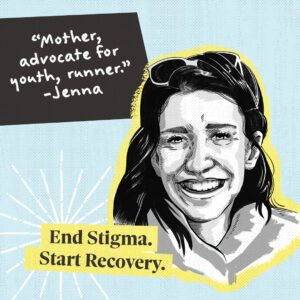
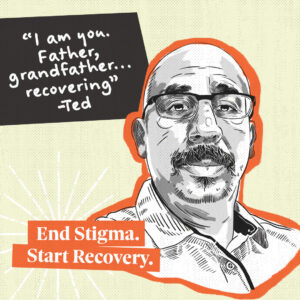
The campaign features original portraits of four Coloradans who are in recovery from substance use disorder. Their nuanced portraits and the words they chose to describe themselves – dad, mother, grandfather, son, adventurer, advocate, runner, community member – illustrate their multifaceted identities.
The campaign uses digital ads, billboards, posters, drink coasters, and pocket cards to spread the word around the region.
 The four counties are organized as the Region 15 Opioid Abatement Council, one of 19 regions established by the Colorado Department of Law to distribute opioid settlement funds for substance use disorder treatment, recovery, harm reduction, law enforcement, and prevention/education programs.
The Colorado Department of Law has sued pharmaceutical manufacturers and distributors and is on track to receive over $750 million in opioid settlement funds.
“Many people unintentionally became addicted to opioids, which were aggressively and misleadingly marketed by drug companies,” said Andrea Carlstrom, director of Chaffee County Public Health. “People with opioid use disorder or other types of substance use disorder need support and evidence-based treatment to recover and thrive. This campaign aims to inspire more people to start their recovery journey.”
“Our community can and must rise to meet the growing threat of fentanyl, which has caused a surge in overdoses,” said Patrick Fiore, substance abuse coordinator with the Custer County Public Health Agency.
“Effective treatment for opioid use disorder requires that we prevent overdoses. That entails making naloxone, known by the brand name Narcan, widely available, learning how to use it, and keeping it nearby.”
“Openly and candidly discussing these issues with friends and loved ones is an essential step toward recovery,” said Paula Buser, director of Fremont County Public Health and Environment. “This campaign is designed to spark those discussions across our community and among local families.”
“People recover from addiction, going on to live long, healthy, and rewarding lives,” said Lynn Ramey, director of the Park County Public Health Agency.
“Recovering from an opioid use disorder or dependence on another substance requires more than just willpower. Evidence-based treatment works.”
The campaign was created by SE2, a Colorado-based behavior change marketing agency. The portraits were drawn for SE2 by Javier Robles, a Colorado illustrator.
“We’re grateful for the vision of these health leaders at the four counties and for the courage of the local folks in recovery who agreed to be featured in the campaign,” said SE2 Co-Founder Eric Anderson. “Our team has been touched personally by this issue and we’re honored to be able to highlight how we all have a role to play in addressing it.”


A Generational Turning Point: The Juul Settlement's Promise of a Nicotine-Free Future
In the ongoing effort to address the epidemic of youth vaping, the recent settlement six states plus the District of Columbia secured against Juul presents a groundbreaking opportunity to secure the future health and well-being of an entire generation.
Using this $460 million-plus settlement to advance youth prevention isn’t just an investment; it’s a chance to avoid a new generation of nicotine-addicted adults.
Youth vaping is more than just a trend; it’s a public health crisis. Research shows that nicotine, regardless of how it’s derived or delivered, harms developing brains. We also know that teens become addicted to nicotine through vaping and often end up smoking regular cigarettes.
Big Vape, the Netflix four-part documentary series based on the book by the same name, vividly describes how Juul marketed its highly addictive devices to teens, causing an epidemic of underage use.
The legal settlement with Juul offers an unprecedented opportunity. By investing the funds into comprehensive and evidence-based prevention campaigns, we can start rewriting this grim narrative.
Prevention is, without a doubt, the most cost-effective and impactful way to address this issue. Every dollar directed towards campaigns aimed at dissuading young people from vaping has the potential to save countless more in future healthcare expenses. In fact, a body of research shows that there is a positive return on every dollar invested in prevention campaigns – with some analyses showing as much as $18 saved for every $1 spent.
The Juul settlement provides an infusion of resources that can be channeled into comprehensive educational programs and community outreach. These campaigns will provide youth with the knowledge they need to make informed decisions to support their health.
These investments offer a profound return on the broader societal scale. A generation of healthier, addiction-free individuals is better able to live happy, productive lives and contribute to our communities. By curbing youth vaping now, we pave the way for a stronger, more prosperous future. And as research indicates, nicotine addiction can pave the way for other addiction later in life. This underscores the importance of preventing addiction early on, not only as a morally sound choice but also to mitigate societal impacts in the future.
Yet, the significance of these prevention campaigns extends far beyond the immediate health and economic benefits. It is intertwined with the crucial aspect of youth connection.
Adolescents often turn to unhealthy behaviors like vaping when they lack a sense of belonging, purpose, or connection. By directing settlement funds into youth engagement and support programs, we not only address the symptoms but the root causes of a wide range of unhealthy or risky behaviors.
Youth connection initiatives not only create a sense of belonging but also provide opportunities for skill-building, resilience, and personal growth. When our young people are connected to trusted adults and peers, they are happier and healthier. By nurturing their sense of purpose, we create an environment where the choice to vape becomes less enticing and less likely.
Our communities and schools can become hubs of connection, where young people can explore their interests, passions, and futures while avoiding substances that would only get in the way of their dreams. When we connect our youth with mentors, positive role models, and resources, we offer them alternatives that will enrich their lives rather than endanger them.
The Juul settlement dollars offer an unprecedented chance to rewrite the story of our youth, to prevent lifetimes of nicotine addiction.
This is not just a financial investment; it’s a moral one. It’s an investment in the health, well-being, and potential of our nation’s youth. We cannot afford to let this opportunity pass us by. It’s a chance to save a generation, and we must seize it. Their future depe

National Youth Prevention Summit Highlights Colorado Campaign to Protect Teens from Fentanyl
A national youth prevention summit organized by the National High-Intensity Drug Trafficking Areas (HIDTA) Program in October highlighted Colorado’s new youth fentanyl prevention campaign, which uses the power of positive social norms to limit pill misuse by adolescents.
The National HIDTA Program, which was created by Congress with the Anti-Drug Abuse Act of 1988, works to disrupt and dismantle the market for illegal drugs in the United States. ADAPT serves the unique needs of the HIDTA region across the Nation in advancing substance use prevention by providing technical assistance for substance use prevention.
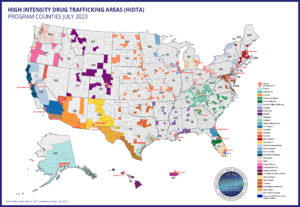
ADAPT organized the 2023 HIDTA Prevention Summit, which addressed complex prevention issues of today with a focus on integrating activities focused on current and emerging substances into a comprehensive strategy. Two important tools were released to support communities in developing a comprehensive community-based prevention plan and sharing substance-related information with youth while preventing unintended harm. More than 1,100 people from across the nation attended.
To inform the campaign, the Colorado Attorney General’s Office turned to ADAPT early on for guidance on the science around effective communication strategies for substance use prevention and that sparked further exploration of the social norms intervention.
Eric Anderson and Brandon Zelasko, principals at SE2, the behavior change marketing agency chosen to create and implement the campaign, described the research that led to the campaign. That included surveys of youth and parents, focus groups and engagement with youth organizations like Rise Above Colorado, which served as a partner in the campaign.
“It started to become clear that fear-based campaigns were not the right approach for our work here in Colorado. Social norming emerged as a promising approach to opioid prevention,” Zelasko said.
The science of social norms shows that humans are influenced by peer norms. While perceived norms are one of the strongest predictors of behavior, youth overestimate how many of their peers use substances, and underestimate how many would act to protect themselves or others.
Colorado surveys of youth supported that. Anderson said: “We found that youth overwhelmingly make healthy choices not just related to pills, but much more broadly in terms of the various choices they make to support their health. But at the same time, and our partner Rise Above Colorado talks about this, they overestimate the percentage of their peers who make unhealthy choices.”
At the same time, Anderson noted, it was clear that the campaign could not perpetuate stigma, which can result in risky behaviors like using substances alone while also creating barriers to treatment. “We do believe that you can reduce stigma and promote social norms by taking a carefully crafted approach and walking the line between those two strategies,” Anderson added.

The campaign also leveraged the proven value of connection – both peer-to-peer and youth-to-parent – as a powerful upstream protective factor.
The result is the Connect Effect campaign (ConnectEffectCO.org). It highlights, among other statistics, that 87% of Colorado teens would act to protect their friends from pills that could contain fentanyl. It also includes facts about fentanyl’s risks, interactive quizzes, tips to promote connection and conversation, and information about naloxone, which can reverse opioid overdoses.
The campaign includes videos promoted on TikTok and Instagram, digital display ads, and collaboration with community organizations to extend its reach through trusted nonprofits.
The Colorado Attorney General’s Office is eager to share the campaign with organizations that want to use the framework in their communities.
Recordings of the full summit, including the presentation on the Colorado campaign and related materials, can be accessed at ADAPT’s website.
How to Prevent Opioid Misuse and Protect Youth on Medication Takeback Day
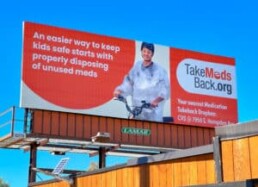
In the ongoing efforts against opioid misuse, one event supports a comprehensive opioid prevention strategy: the Annual Medication Takeback Day on Oct. 28.
This initiative, which is supported locally through the Colorado Department of Public Health and Environment’s Medication Takeback Program, has emerged as a vital component of a comprehensive strategy to curb the opioid crisis and protect youth from the risks of drug experimentation. 
The Medication Takeback Program is just one of the many opioid prevention initiatives across Colorado that we support. They’re each important pieces of the state’s comprehensive strategy this life-and-death issue demands.
Understanding the Opioid Crisis
Opioids, recklessly marketed by unscrupulous pharmaceutical manufacturers and distributors, have caused a wave of addiction and overdose deaths.
Often, the path to opioid addiction begins with curiosity and experimentation, including among the youth. In fact, our recent research for the Colorado Attorney General’s youth opioid prevention campaign showed that most kids who experiment with pills started by trying pills they found at home in their family’s medicine cabinets. The consequences can be devastating and long-lasting, making it essential to prevent such experimentation from happening in the first place.
The Power of Medication Takeback Day
The Annual Medication Takeback Day is a nationwide effort that encourages everyone to return their unused or expired prescription medications to designated drop-off locations. The significance of this event lies in its multifaceted approach to tackling the opioid crisis and safeguarding youth.
Medication Takeback Day underscores the belief that every pill counts. A single unused prescription pill can save lives by preventing youth experimentation and furthering the fight against opioid misuse. Moreover, it highlights the power of community action in solving complex societal problems.
As we come together for the Annual Medication Takeback Day, we take a collective step towards protecting our youth, reducing the availability of opioids, and preventing the often tragic consequences of addiction.
Take Action
Many Colorado communities will host events for National Prescription Drug Take Back Day from 10 a.m. to 2 p.m. A list of drop-off locations is available at the National Prescription Drug Take Back Day website.
By safely disposing of unused medications, we contribute to the health and well-being of our communities, ensuring that curiosity doesn’t lead kids down a dangerous path. It’s an important initiative that holds the promise of a safer, healthier future for all.

Using Social Media to Support Mental Health: How Users Marshal Engagement on the R/Anxiety Subreddit
It’s no secret that social media can be toxic and exacerbate mental health issues.
But can it also offer support?
When the pandemic started, social media was an easy place to find a distraction and to keep the mind busy. Of course, when upsetting imagery saturates all of social media, this distraction suddenly only worsens things.
Having said that, I think it’s important that we acknowledge the help some forms of social media can provide us. Reddit is one of the social media sites that we can use to support our mental health.
Reddit is filled with thousands of communities, known as subreddits, tailored to attract specific fan bases and to bring people together.
I’ve found that it’s almost impossible to think of a subreddit that doesn’t already exist. Case in point: Want someone else’s opinion if you’re in the wrong? See r/AITA (Am I the Asshole?).
The subreddit r/Anxiety was a particular favorite and frequently visited site of mine. This subreddit was created in 2008 and has accumulated over 600,000 members.
When I was struggling with my anxiety it was relieving to hear of others going through the same waves and how they’ve made it through to the other side.
However, I couldn’t help but notice the hundreds of posts that never received any interaction from other community members. All of those questions and concerns left unanswered and floating in Reddit cyberspace….
I’ve spent the past nine months researching and writing my undergraduate thesis paper about what, how and why certain posts within r/Anxiety receive more engagement than others. Let’s break down what my research revealed and what we can take from it.
To measure the level of engagement of a post, you can look at upvotes and clicks but, for the purpose of my research, I used the number of replies to a post as an indicator of the level of engagement. The post that received the most engagement had 633 replies and the least had 0 replies.
To directly compare the posts with higher levels of engagement and lower levels of engagement, I pulled 999 posts from the r/Anxiety subreddit and organized them from the most replies to the least.
There are direct and indirect ways of marshaling social support.
Direct methods include:
- Defending aspects of their mental health such as their perspective and experience
- People reexamined beliefs that they held about their mental health
- Solicitation and direct requests of specific forms of social support (informational, esteem, emotional, and social presence)
Indirect methods include:
- Self-enhancement: when posters shared good news and updates on their mental health
- Other-enhancement: when poster aimed to increase the esteem of the reader through encouragement, compliments, etc.
- Highlighting positives: poster actively notes the positive qualities of their mental health
- Recruitment for help with their mental health
My data revealed that posts that used a direct support marshaling strategy, but more specifically solicited informational and social presence support, received the most engagement from the community.
In the low-engagement posts, highlighting positives was the most used form of support marshaling. Highlighting positives would look like someone updating the community about their improvements and progress.
While it seems odd that this type of post usually receives little engagement, it gives us insight into why people use the r/Anxiety subreddit. The users are not there to individually congratulate other members on their mental health progress, but instead they are there to provide actionable advice.
This doesn’t mean that there is no space on Reddit for users to share their growth. Many subreddits are tailored for more specific uses, such as sharing accomplishments.
From this research, we can better understand how Reddit users can receive the most help when posting on r/Anxiety. Given that the direct support marshaling strategies resulted in higher engagement levels, if users ask direct questions that ask for information or social presence, they’ll have a better chance of getting a response. These posts could look like: “What do I do if I missed one dose of my medication?” and “I’m feeling really lonely today, does anyone want to chat?”.
Avoiding vague and non-engaging posts such as “I have so much anxiety, this is the worst” could increase the chances of getting engagement. Perhaps it can help to imagine if you were another user reading your post; if there isn’t something concrete you can touch on or help with, you’re probably less likely to take the time to write a comment.
If you would like to read more about my research, my full thesis can be found on my LinkedIn page.
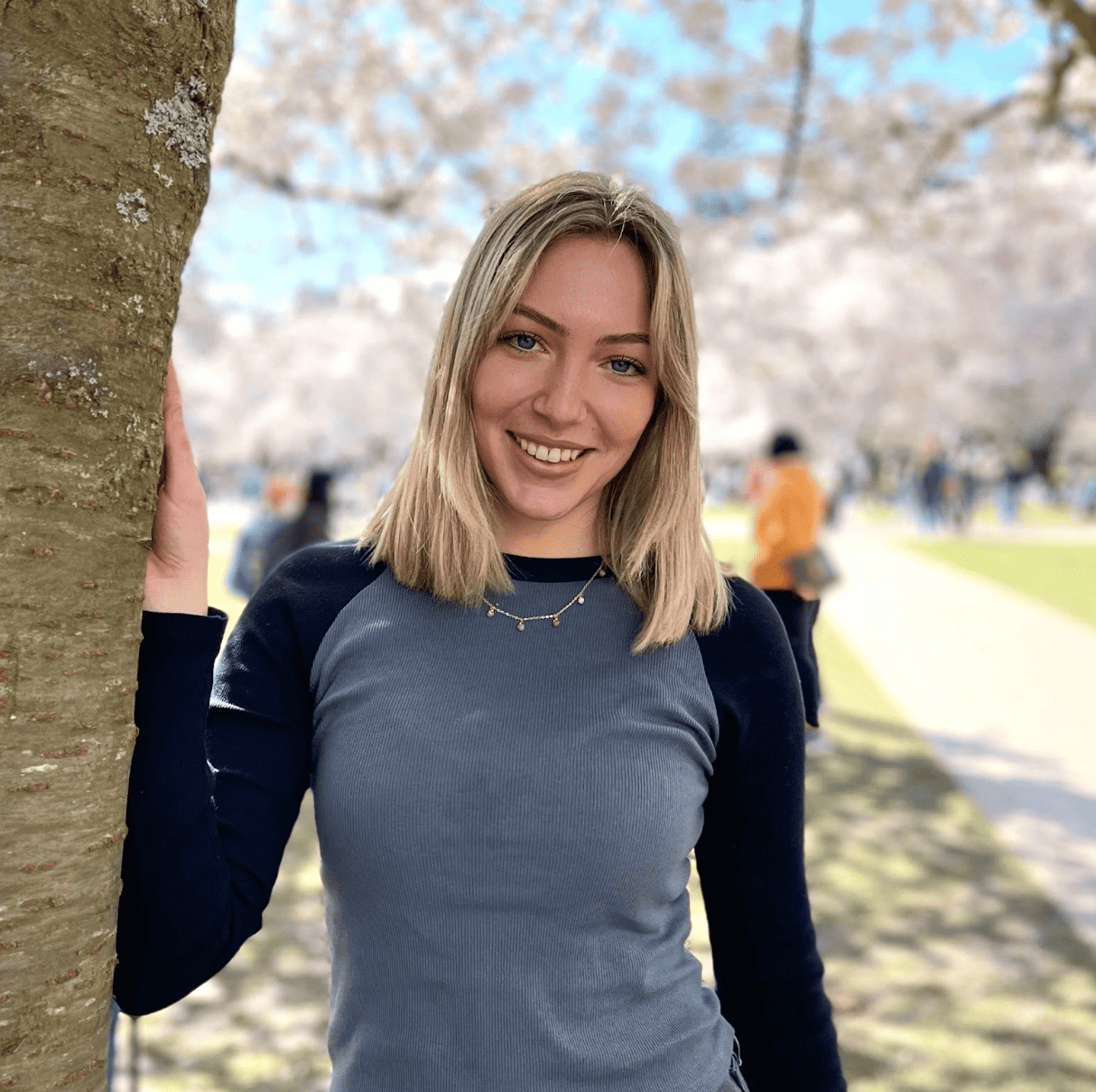 Isabel Anderson will graduate from the University of Washington in December of 2023 with Honors from the Communication Department.
LinkedIn: https://www.linkedin.com/in/isabel-anderson-331962211/
Gmail: isabelanderson72@gmail.com


More than Ever, Authentic Community Engagement in Public Health Matters. Here’s Why
Rising vaping, alcohol abuse, food insecurity, gun violence, mental health disparities, and social isolation. Public health officials are working hard to find and communicate solutions for these pressing topics.
Because these issues disproportionately affect low-income and minority populations, public health professionals must rethink how they can effectively each these communities and create long-term positive change.
Increasingly, public health officials have turned to the most-impacted communities. After all, who best to innovate solutions than those closest to the issues?
What does authentic community engagement look like?
Authentic community engagement means more than public health entities simply surveying the community for their thoughts or allowing them to host events. It should aim to go past focus groups, or even just grants. The ideal version of these community partnerships should be community leaders and members at a shared table with officials. One way to model this could look like this:
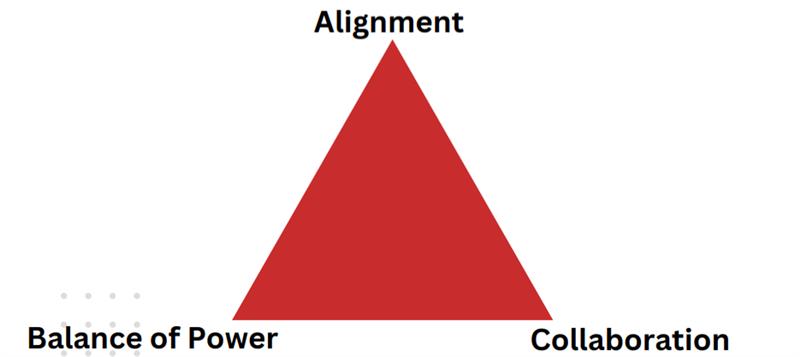 Graphic credit: Yu, E. (2022). Community engagement. American Public Health Association.
Alignment
For change to be sustained, communities’ values and behaviors must align with the solutions. Ensuring these align also ensures that a mutual investment is established to continue the work beyond any official public health partnership.
It’s also important to align with communities on what is reasonable in terms of time, resources, and interest. Asking a community with limited leadership, volunteerism, or resources to take on a more prominent place in your partnership than they can reasonably sustain would not be aligned with the work.
Balance of Power
Successful community engagement should also balance power between communities and public health officials, with the ideal moving in the direction of community members. It’s not making room for communities at the table; it’s allowing them to create their own space.
Collaboration
The goal here is moving beyond community participation to community integration — from working for the community to working with communities as equal strategic partners.
Ultimately this can be boiled down to the following quote.
“What matters to community members matters the most.”
Yu, E. (2022). Community engagement. American Public Health Association.
Recently, we engaged with a youth LGBTQIA+ organization in a partnership that aimed to move beyond promotion or grant work.
After digging into their social media and program work, we came up with specific ideas of what we thought might make sense for our campaign. But after meeting with them and listening to their priorities, our ideas seemed out of touch – because they were.
These are the leaders, the folks doing the work, day in and day out, working firsthand with LGBTQIA+ youth.
How can we engage with communities in our work?
So how do we do it? The specifics around how to engage depend greatly on the work to be done, the community, and the resources available to do it. However, there are a few things to keep in mind while doing the work:
- Reduce barriers to participation.
- Ensure strategies are aligned.
- Create a culture of accountability, healing and trust and acknowledge, confront and work against power dynamics/ structures.
- Connect authentically.
- Be a vehicle to tell their stories for positive change.
All these things have one thing in common: to release control. To truly engage with communities, we must release control over the outcome and listen to and let these communities lead.
We must also connect authentically, consistently immersing ourselves in the issues and their work, not just as it serves our needs. Attending the events and coming to the table with a base knowledge of what they are all about and the power structures that oppose them are the first steps towards building the necessary relationships for community engagement.
One of the most powerful, authentic, and successful ways we can do this in our work is through storytelling. We are storytellers who need stories. Stories about what’s going right and what may be going wrong to illustrate the issue.
Why do we engage with communities in our work?
“Do you understand what you intend to do and what you have the power to do?”
-Jessica Mulcahy, MA + Emily Yu, MBA
Yu, E. (2022). Community engagement. American Public Health Association.
More importantly, beyond the how lies the why.
Why is it important and valuable to prioritize marginalized communities in finding and implementing solutions to their public health issues? Because it challenges the status quo historically established against these groups’ autonomy. Because it makes the most sense and is just the right move. And frankly, its success can reverberate across governmental institutions.
When we ask ourselves what we have the power to do when engaging with communities affected by the issues, the answer is quite powerful to imagine. When communities are trusted with their own solutions, trust is built, health equity is enhanced, and change is sustained, creating healthier communities overall.
Recently, a campaign allowed us to meet unhoused youth at shelters statewide, asking for their experience for authentic messaging and feedback. Many of them spoke of being asked about their experiences as a step in the right direction. For some, it had been years of not feeling heard or valued by those outside of their community. Hearing their experiences firsthand provided us with knowledge that we literally wouldn’t have been able to find otherwise. And more importantly, it served as a great reminder of what is possible with this work.
Authentic community engagement is more than just something to tack onto a campaign; it means giving those who feel voiceless the opportunity to be heard.


Going Upstream: How a Preventative Campaign is Investing in Connections Now for Teens’ Futures

Unprecedented. Postponed. Rescheduled.
When talking with youth and parents across Colorado this year, I realized that prefixes have swelled in our vocabularies as we start to bisect life into the categories of pre- and post-pandemic.
Our communications agency — one that is focused on issues related to behavior change and social impact — conducted phone interviews in early 2021 to hear how the pandemic was affecting relationships for youth. We asked about both their friendships with their peers and their connections to parents and other trusted adults.
In these interviews, we heard the prefixes abound: youth and parents were overwhelmed, overburdened, under-resourced and — as a result — disconnected from others.
Thanks to a preventative campaign focused on teen relationships, we were poised to help.
The Forward Together campaign, an initiative launched by the Colorado Department of Public Health and Environment (CDPHE) and Colorado Department of Human Services (CDHS), launched in 2020 to help young people feel more connected – to peers, parents, and other trusted adults.
The campaign takes a preventative approach to a variety of health outcomes for young people. Research shows that youth who are connected to positive relationships are less likely to smoke, drink, vape, use marijuana, or have feelings of depression.
After hearing this year from teens and families about the relational challenges they experienced during the pandemic, we had a deepened sense of urgency and a strengthened conviction about the correlation between youth connectedness and youth health.
By investing in deeper, healthier relationships for youth today, this campaign aims to prevent negative health outcomes in the future.
Here are three things we learned in our research this year — and how we are trying to chip away at the challenges.
1 | Lean into the nuance
We heard that many young people lost contact with friends and peer acquaintances during the height of the pandemic in 2020. Most adults nationwide reported similar experiences.
But our conversations revealed that this narrowing wasn’t all negative. The friendships that youth did maintain grew deeper. In fact, youth said it often takes just one positive relationship to impact a young person for the better.
We heard from Abel, a teen who was preparing to join a gang until a mentor intervened. This mentor helped him get into boxing and, in the process, Abel found friendships that were far more genuine than what the gang offered.
We talked to Sahara, a teen who went through a gender transition during the height of the pandemic. She was relieved that the pandemic gave her a break from her old social circles and let her start anew. After connecting online with an LGBTQ+ youth organization, Sahara deepened a few friendships where she felt the most accepted.
Indeed, many youth of color and LGBTQ+ youth we talked to said that at-home learning was a welcomed reprieve from feeling unaccepted at school.
We are telling these youth stories through our campaign, and normalizing these nuanced experiences in the process.
As young people see that relationships come with their ups and downs, they are more likely to take a chance on connection — and a healthier future.
2 | Equip parents and mentors
During our interviews, we also learned that adults had to navigate unforeseen challenges during the pandemic — like becoming their child’s “teacher”, or fielding questions about social justice issues. For parents with fewer resources, issues like food and housing insecurity weighed heavily on them, and created stress in their families, too.
But overall, parents really stepped up to try to be there as best they could. They just needed the right support.
Rather than preaching a list of “shoulds” to add to parents’ already lengthy to-do lists, the Forward Together campaign is providing parents with easy, specific ideas on how to deepen their relationships with teens.
Youth who feel more connected to parents report lower levels of depressive symptoms, suicidal ideation, non-suicidal self-injury, and challenges with behavior. Youth who feel connected to parents or adults also report having higher self-esteem and more confidence maintaining a variety of hobbies and relationships in their free time.
Ultimately, we hope to equip parents and other adults who support teens with the tools they need to engage teens — and normalize that it’s a learning process for everyone.
We share tips in a variety of formats — from both experts and real parents. We share social media content that’s digestible for parents on the go. We host Facebook Live events for a deeper dive on important topics.
We’re tackling questions like, “How do I respond to my teen’s frustration and anger?” and “How do I help my teen navigate tough emotions?”
We’re also telling the stories of real parents through paid media. We heard from Estevan, the mentor who helped Abel turn his life away from gang violence. We heard from Christine, Sahara’s mom, who admitted that she didn’t always get it right when it came to supporting her child through her gender transition.
But in both cases, these adults kept trying — and that made all the difference.
3 | Progress over perfection
A theme has emerged as we have talked to and created media for both parents and youth: Growth and progress in relationships matters far more than always getting it right.
The Forward Together campaign uses a Positive Youth Development model — an approach that sees youth as full of potential rather than overwhelmed by problems that need to be solved. It also promotes the idea that adults can make significant and positive differences in young people’s lives by focusing on enhancing the positive qualities adolescents already possess.
There is growing evidence that adding these principles in youth-serving programs can be particularly effective when working with vulnerable and underserved adolescents, including those who are part of racial/ethnic minority groups.
Through the Forward Together campaign, we champion progress over perfection for all audiences, letting parents know that their effort and presence can go a long way, and encouraging teens to keep giving friendships a chance, even through discouragement.
The relational challenges we all experienced during the pandemic were felt in deeper and more acute ways by teens and the adults that support them — especially in rural and marginalized communities.
By hearing their real, nuanced stories, and normalizing the learning process for everyone, we’re helping parents and teens take small steps toward connection. And those small steps might just lead to big shifts in the future.

Drinking Increased During the Pandemic. What Happens Now?
Originally published in SWHelper.org.
During the pandemic, many people turned to alcohol as a release valve. Indeed, drinking — including day drinking and overdrinking — became somewhat of a punchline, not to mention a social norm. Think about how many times the media recommended Zoom cocktail hours as a way to connect.
In such an alcohol-friendly environment, it’s no surprise that 60% of adults in a recent research study admitted to an increase in alcohol consumption during COVID-19. What’s more, 23% of people attribute their heightened alcohol intake to stress, according to the American Psychological Association.
With numbers like this, the only real winners are beer, wine, and liquor makers and distributors. It’s time we begin to address the overconsumption of alcohol, on a societal and personal level.
Addressing Overconsumption of Alcohol
This ramped-up alcohol intake isn’t just a short-term concern. It’s worrisome for the long haul, too, if it becomes the new normal. Overdrinking has been shown to harm people’s mental, physical, and even social well-being. When it comes to physical health, you’re probably familiar with the risk alcohol poses to the liver, but did you know that alcohol is the third leading preventable cause of cancer (behind only tobacco and obesity)?
With overdrinking, it’s a time for empathy, not shaming. This past year and a half should highlight just how easy it is to slip into unhealthy habits and how difficult it can be to regain your footing afterward. After all, increased alcohol intake wasn’t the only concern during the pandemic. Many individuals struggled with weight gain, insomnia, and screen time, just to name a few areas of concern.
Whether it’s stress eating or doomscrolling, most people are struggling with moderation in one way or another. As more normal life returns, the nation faces a once-in-a-generation liminal moment that a recent Harvard Business Review article described as “an ‘in-between’ time, when perspectives shift, old certainties are challenged, and new ideas emerge.” This moment provides an opportunity to fundamentally change behavior and social norms.
The key to helping others overcome their unhealthy habits is to approach them with empathy and support, not judgment. Certainly, alcohol use disorder is a disease that may require treatment. But can you encourage anyone you know to take stock of their relationship with alcohol and consider whether they would benefit from leveling off their drinking?
Instead of demonizing all alcohol intake — an approach that is likely to be a conversation stopper — you can encourage those who drink to rethink their behavior and attitudes around alcohol. This approach requires more careful communication and messaging, but it can start a productive discussion.
In the same way, social norms have changed regarding smoking, attitudes about drinking can also change. Subtly shifting social norms could lead to more (or less) drinking over time with huge implications for Americans’ health. However, the key is providing a supportive environment with the resources necessary to help anyone who may be struggling with the overconsumption of alcohol.
How to Encourage Healthier Habits Around Drinking
Overconsumption of alcohol can be a life-threatening problem, but that doesn’t mean that anyone should get preachy about what’s best for other people. Instead, you can help others evaluate their relationship with drinking and whether they want to adjust their habits. Here are three ways to be supportive:
1. Ask more questions.
Why are people drinking more? Is it stress? Social expectations? Boredom? There are a lot of reasons people can overindulge, but you won’t know what they are until you start asking. Don’t worry: You don’t have to get confrontational. Instead, you can ask simple questions about habits. Where do they tend to drink? How much have they had in the past week? What other ways do they address boredom or stress besides drinking? These questions can serve as prompts to help people decide the implications for themselves.
2. Make people aware of the support that’s available.
One silver lining of the pandemic has been the number of telehealth services and virtual support groups that have sprung up. Although the original goal was to help people stay healthy while adhering to quarantine and social distancing restrictions, these convenient resources are here to stay. Anyone who needs a little extra help sticking with a new habit just needs a phone or computer.
Moderation Management, for example, is an online community that offers peer accountability and support through virtual meetings and forums. There’s also Cutback Coach, an app that helps users track their drinking habits and set regular goals for themselves. Both of these options are easy to access and use, which can make a big difference for people who need help doing something hard.
3. Encourage people to consider what the experts have to say.
Federal public health experts recommend no more than one drink a day for women and two drinks a day for men. However, many scientists are now saying that one drink per day is enough.
Attempts at humor about portion size aren’t helpful. A full bottle of wine is not considered a single drink, even if you can fit it into a novelty glass. The Centers for Disease Control and Prevention provides guidelines regarding what constitutes one drink. This can be a useful guide or reminder for people who might not realize that they’re drinking more than they should. That generous pour of wine or liquor or the high-alcohol IPA is not considered only one drink.
As the world moves into the post-pandemic era, it will be important to have candid, compassionate conversations about the ways people can live healthier, happier lives. When it comes to drinking, this means changing social norms to encourage moderation instead of normalizing the problem with memes about drinking too much. By working together, we can usher in a future without alcohol reliance or addiction.
Note: SAMHSA’s National Helpline 1-800-662-HELP (4357) is a free, confidential, 24/7, 365-day-a-year treatment referral and information service (in English and Spanish) for individuals and families facing mental and/or substance use disorders.

Is Cannabis Doomed to Repeat E-Cigarette Brands’ Mistakes?
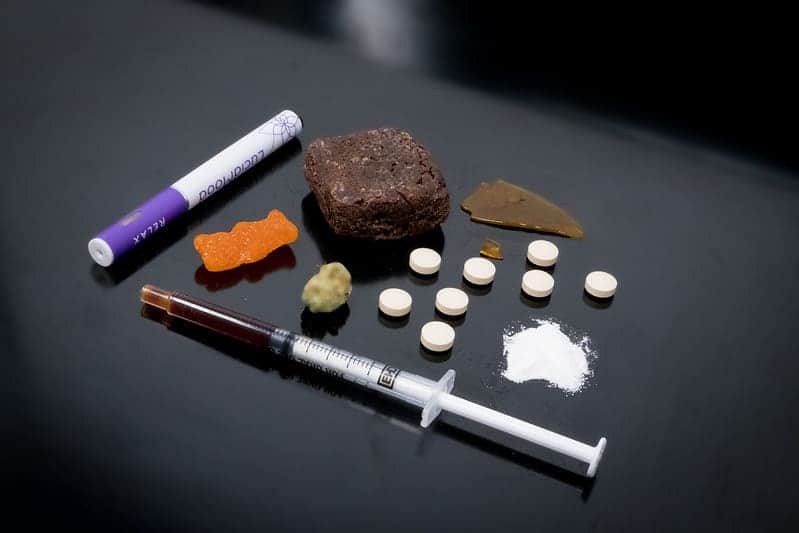
In early September, the Food and Drug Administration faced a deadline. It was due to respond to applications from e-cigarette brands on whether they could remain in the U.S. market. Though the FDA had already denied applications for tens of thousands of vape products, regulators said they needed more time to decide the fate of big, tobacco industry-backed e-cigarette brands like Vuse and Juul. To stay on the market, they needed to demonstrate that their products helped adults quit smoking and didn’t appeal to underage teens who could become new nicotine addicts.
A little over a month later, the FDA recognized the first e-cigarette product to do just that: the Vuse Solo Power e-cigarette and its tobacco-flavored nicotine cartridges. The FDA’s authorization marks an important first for the industry, although the decision was sharply criticized by public health advocates. The fate of Juul, which has been condemned for driving the youth vaping epidemic, remains undecided.
Juul and other vape brands invited this scrutiny because they flouted ethical practices in marketing, causing teen e-cigarette usage to skyrocket. Even those outside of the market should follow e-cigarette regulation news. History has a funny way of repeating itself, after all. If they’re not careful, marijuana businesses could find themselves in the hot seat next.
What’s Next for Cannabis?
The legal marijuana market is having a moment. Much like e-cigarettes were on an upward trajectory five years ago, the marijuana business is booming. Increased legalization means it might be worth more than $70 billion globally in just seven years.
The question is: When will the other shoe drop? If the marijuana industry prioritizes ethical practices in marketing over short-term profits, marijuana businesses won’t have to face the same fall from grace as Juul.
Juul’s early ads were packed with young models having fun while vaping. Though executives tried to argue that their products were for adult use only, the advertising spoke for itself. On top of clearly appealing to youth in advertisements, Juul and other e-cigarette brands sold numerous sweet-flavored products, which naturally appealed to minors and nonsmokers.
It’s important to note that the FDA’s recent Vuse authorization applies only to tobacco-flavored e-cigarette cartridges. In fact, it rejected other requests for flavored products from Vuse. By allowing tobacco-flavored products only, the FDA is sending a message: These products aren’t candy; they’re tools for smoking cessation.
Practicing Ethical Marijuana Advertising
The cannabis industry’s products can be responsibly used by adults. However, the lines become blurred in the case of cannabis-infused chocolates and other candies. We’ve seen increased reports of children accidentally ingesting THC-laced products.
Marijuana businesses need to address this problem and clarify what their products are and are not used for — and stop selling products that are too easy to mistake as kid-safe. If sweet or fruity flavors are wrong for nicotine, they’re also wrong for THC vape products. If marketing that reaches and influences youth is wrong for Juul, it’s wrong for marijuana companies, too.
Visionary leaders must step up to set a high bar for this market and avoid the lessons that e-cigarette brands had to learn the hard way.

Facebook is the New Big Tobacco
The recent coverage of Facebook’s manipulative practices is hardly an anomaly. Through its 17-year history, the company has built its fortunes through exploitation, manipulation, and deceit.
Its own internal research showed that its algorithm radicalizes and polarizes many of its users. It helped foment the deadly Jan. 6 insurrection at the U.S. Capitol. It amplifies misinformation that has increased vaccine hesitancy and harmful conspiracy theories. And it has helped radical leaders to come to power by turning a blind eye to disinformation networks.
There is a precedent for this type of corporate behavior.
For decades, Big Tobacco has preyed on people through its deceitful and manipulative practices. The tobacco industry knew perfectly well, as evidenced through a trove of research exposed in the 1990s, that it was addicting kids and killing its customers. Big Tobacco put profits over people.
And just as businesses and communities had to make a choice in the 1990s – to either ignore the clear evidence that tobacco was killing people to make a profit or to take a stand against Big Tobacco – we need to make a choice today.
Back then, most of our competitors in the public affairs sector happily cashed tobacco industry checks. It was easy money but we never took it.
In fact, our roots are in the anti-tobacco movement. More than 20 years ago, CEO Susan Morrisey led the state’s tobacco prevention coalition and hired SE2 to support the nonprofit’s work. She chose SE2 based on our already strong record in the tobacco prevention movement at that time.
SE2 helps clients create meaningful, positive change. We collaborate with clients to improve teens’ mental health and wellness, and bring people together to solve today’s toughest issues.
Facebook and its Instagram platform contribute to teens’ anxiety and depression and amplify content that further divides society.
To put it bluntly: Facebook’s actions stand in direct conflict with our values and our clients’ goals. And so, we can no longer idly sit by and ignore the intentional harm that Facebook commits.
Until Facebook institutes meaningful changes that contribute to our collective good, we will no longer recommend to our clients that they spend money on its products, including paid promotion of their content on Facebook or Instagram. Furthermore, SE2 will no longer spend its own money on Facebook’s platforms. (In just the past two years, our own spending on Facebook platforms totaled over $15,000.)
Just as we turned down Big Tobacco dollars in the late-90s – joining public health’s fight to protect people against deadly products – we now choose to stop supporting Facebook.
We recognize that we’re a small fish and that the revenue Facebook loses from our decision to pull advertising dollars off its platform won’t put the tiniest dent in its earnings.
But when is it enough? For us, it’s now.
We’re asking our clients, other agencies, and advertisers to join us (and the dozens of other human rights, public health, nonprofit and private businesses) in demanding change.
Not giving Facebook our money is one small thing we can do to live our values, but, perhaps more importantly, it also brings greater public awareness and public pressure on Facebook to change and will protect us from other digital media networks that attempt the same harmful tactics.
Together we can solve our world’s biggest challenges – and Facebook is one of the main problems right now.
We welcome the opportunity to discuss and debate this decision with our clients, partners and colleagues across the industry. Do you have questions, comments or concerns? Let’s talk.
Eric Anderson | Eric [at] SE2ChangeForGood [dot] com
Susan Morrisey | Susan [at] SE2ChangeForGood [dot] com
Brandon Zelasko | Brandon [at] SE2ChangeForGood [dot] com

Why Local Governments Should Engage Youth Around Digital Campfires
By Raya Patel
In 2020, as concerns about the COVID-19 pandemic rippled worldwide, youth audiences turned to the digital campfire platform TikTok. Small communities with like-minded individuals cropped up around distinct subcultures (such as #cottagecore, #darkacademia, and #witchtok) and provided young people with an avenue for interaction even when they had to social distance and quarantine.
What are digital campfires? According to Sara Wilson’s article in the Harvard Business Review, they’re “closed, and often more private and interactive online spaces.” In other words, it’s a social media micro-community that offers a space of safety and belonging to the youth community, typically those between 12 and 24. Platforms such as TikTok, Roblox and Snapchat offer less interference from “authorities” and allow for a more private online experience where youth can bond over mutual interests.
It might seem like these examples fall under the definition of a mainstream site, but the key difference is who uses them and where they congregate. TikTok has over 1 billion monthly users, for example, but about 47% are under 30. And unlike Facebook, which acts more like a broadcasting medium for individuals, digital campfires cater to niche audiences and give youth a private space to use their voices and experiment with their identities.
It’s clear that the usefulness of digital campfires extends far beyond shared experiences and entertainment. But what state and local governments might not realize, however, is that these platforms offer an extraordinary avenue to reach and mobilize young constituents.
Using Digital Campfires to Spur Youth Engagement
If the past year has taught the government anything, it’s that current and future officials need young people on their side — and not just to win elections. Think about the COVID-19 vaccine rollout. There’s currently vaccine hesitancy among young populations because they feel invincible, are worried about side effects, or got spooked by confusing and contradictory online information. It’s clear the government hasn’t done enough to engage young audiences.
Traditionally, government communication has operated under a one-way or broadcast model. But research shows that when public servants have a conversation with young audiences, rather than talk at them, messages stick better. So, after failing to meet its July Fourth vaccination goal, the federal government changed tactics. Recently, Dr. Anthony Fauci appeared on TikTok with multiple influencers to promote vaccination among young populations.
That said, government officials need to proceed with caution. Young audiences want to feel as if their elected leaders understand their perspectives, but the last thing they want is to be “marketed to.” The lack of authorities on digital campfire platforms helps young audiences feel safe enough to be authentic. If officials invade their spaces, they might not listen (at best) or may abandon their digital campfires (at worst). Many youth perceive the government as overarching, which is why officials should tap young people to do outreach on their behalf. After all, youth want to hear from other youth.
Putting Youth in the Driver’s Seat
By all accounts, Dr. Fauci was able to reach millions of people on TikTok, but the White House made an even smarter move when it began building a community corps of young people to build vaccine confidence among their peers. Seeing an official talk about COVID-19 vaccines might not influence a hesitant teen, but being able to ask friends or community members about their experiences getting inoculated could personally encourage them to follow suit.
State or local agencies that want to promote their government initiatives need to put younger officials to good use. When it comes to government, many young people are more apt to listen to individuals who fall into their age groups and understand where they’re coming from.
U.S. Rep. Alexandria Ocasio-Cortez is a perfect example of this. She’s been able to connect with young voters because she’s willing to get on their level. In November 2020, for example, she live-streamed herself playing “Among Us” on Twitch to an audience of 400,000 viewers. Ocasio-Cortez is a federal official, but that doesn’t mean state and local representatives can’t do something similar on a smaller scale with digital campfires to achieve their own goals. And who knows: Getting on the same campfire can appeal to their own inner youth, providing a win-win for both parties.
A Final Note
The youth audience is not a monolith, and treating them as such will put government officials in hot water. So before exploring the inner aspects of digital campfires, officials need to understand who they’re trying to reach and the specific messaging that will resonate with them. A target audience between 12 and 16 years of age is very different from an audience within the 18- to 24-year-old range. Adjust messaging accordingly.
No one knows how successful these vaccine campaigns will be, but one lesson is clear: The government needs to meet teens in the online spaces they spend most of their time. More young Americans are politically engaged than ever, and state and local governments can capitalize on this trend by using digital campfires to create safe spaces online.
Raya Patel is a youth advisor at Denver-based SE2, a collective of creatives, challengers, and change-makers on a mission to make an impact at the heart of today’s most important issues.

Building Trust in the Covid-19 Vaccine Among People of Color
This article was originally published on Route Fifty, a national publication that connects state and local government leaders
The darkest days of the pandemic are hopefully behind us now that coronavirus vaccines are being distributed to millions of Americans. The long-awaited promise of protection provides much-needed hope to an exhausted public.
But we’re not yet at the finish line. While state and local governments are working to combat distrust in vaccines through education campaigns, not all concerns can be easily addressed, particularly among communities of color.
Unfortunately, decades of skepticism—largely the result of a long history of racist policies—have made people of color less likely to obtain the Covid-19 vaccine. For example, the Pew Research Center found that while 61% of white survey respondents would “definitely or probably” get vaccinated, only 42% of African Americans would.
That apprehension is understandable given the many examples of past medical abuses perpetrated against people of color. The most well-known example is the Tuskegee experiment, where for 40 years Black men were lied to about receiving medical care for syphilis while in fact, they were being observed to document the effects of the disease when left untreated. Less well-known is the story of medical abuses against Native Americans, including the sterilizations of Native women without their consent. More recently, Latina immigrants have reported medical abuse while in custody of the U.S. Immigration and Customs Enforcement.
After violations like these, rebuilding trust takes a lot of work. And accepting any vaccine requires trust from the recipient. That’s why state and local governments need to focus a large share of their efforts on communicating with people of color.
Three Golden Rules
When it comes to public health campaigns, it’s important to identify best practices and replicate them. Creativity is always important to making marketing campaigns stand out, but creativity has to build on a foundation of proven strategies. Being creative just for the sake of being different isn’t a formula for success. The primary focus should be on connecting with audiences in a relevant and impactful way that acknowledges language and cultural differences and respects the lived experiences of the people we’re trying to reach.
While campaigns must reflect the unique traits of the communities they serve, they also can tap into these best practices that hold true across communities:
1. Pass the mic. Give the platform to people of color to speak and connect directly to their communities. Health care providers of color can be especially trustworthy and influential, but the more people, the better. Public health and health care organizations have also highlighted people of color who are stepping up to say they’re getting the vaccine and recommending that others do as well. This sends a powerful message.
The Colorado Department of Public Health and Environment is conducting a Covid-19 vaccine campaign that highlights health care providers of color discussing why they got the vaccine and how it can help the state move closer to recovery. Similar initiatives around the country are leveraging similar strategies.
Dr. Anthony Fauci, director of the National Institute of Allergy and Infectious Diseases and chief medical advisor to President Joe Biden, has highlighted the key role that Dr. Kizzmekia Corbett, a Black scientist, played in the development of one of the Covid-19 vaccines. Showcasing her valuable work in the National Institutes of Health’s efforts with pharmaceutical company Moderna can help alleviate the trepidation and hesitancy that many African Americans feel around getting vaccinated.
2. Acknowledge the elephant in the room. There’s no way to run from the uncomfortable truths of the past, so it’s better for state and local governments to recognize the roots of distrust among people of color and address their concerns directly. This is something the first American vaccine recipient, Sandra Lindsay, a Black nurse and the director of critical care nursing at the Long Island Jewish Medical Center, did when she explained she volunteered to “inspire people who look like me, who are skeptical in general about taking vaccines.”
3. Educate and collaborate. It’s critical to provide updated information and to make it accessible to your audience. That includes monitoring media coverage and social media for misinformation and addressing frequently mentioned issues head-on.
Accessibility also requires you to consider the mediums for outreach—for example, text messaging to reach adults in low socioeconomic conditions and call lines for seniors who may prefer talking to a live person about their questions and concerns.
Grassroots efforts to ensure vaccine access to people of color have sprung up in communities across the nation. Because many minority populations are at an elevated risk of contracting and dying from the coronavirus, partnering with the diverse nonprofits in disproportionately affected neighborhoods can help state and local governments learn the complexities around vaccination distrust and help heal old wounds. Organizations representing people of color should lead these efforts.
There is still a lot of work to be done regarding the Covid-19 vaccination, its distribution and its public perception—particularly in communities of color. Like all effective communications, success starts and ends with trust.

Turning Screens, Stages, and Stories into Youth Vaping Prevention Power
Challenge:
Teens in our state are vaping nicotine at twice the national average – the highest of all 37 states surveyed by the U.S. Centers for Disease Control and Prevention. While only 7 percent of high school students currently smoke cigarettes, one in four Colorado adolescents vapes nicotine – sometimes known as JUULing.
Then-Gov. John Hickenlooper of Colorado energetically engaged in the issue, eager to shed the state’s dubious distinction and protect the health of kids.
It was a disturbingly familiar story – an industry addicts youth through marketing tricks to hook the next generation of customers. It was time to amplify the voices of youth who refuse to be manipulated by these “vape tricks.”
Approach:
SE2 conceived of an event that would do more than fill an auditorium for a single day. It would give teens a visible platform to speak out — and generate immediate statewide attention around youth vaping.
Imagine 250 freshmen packed into the auditorium at Denver South High School, energized by performances from the drum line, cheerleaders, and dance team. More than 50 handmade posters dotted the crowd — #NoMoreVapeTricks, No Pods for My Squad, Don’t Cloud My Future. Former Gov. Hickenlooper joined student leaders at the podium, speaking not only to the teens in the room but to a throng of reporters and cameras capturing the moment.
The rally created strong earned media coverage and positioned youth as credible, authentic messengers in the prevention conversation.
At the same time, SE2 advanced a complementary multimedia prevention strategy designed to reach young people and the adults in their lives wherever they were — in schools, online, and in their communities.
Video storytelling played a central role. Separate from the event, SE2 developed compelling video content that elevated youth perspectives, addressed common myths about vaping, and modeled refusal and resilience. These videos were deployed across social media platforms and digital channels to sustain awareness and reinforce prevention norms beyond a single moment in time.
School-based advertising extended the message directly into student environments, placing prevention messaging in hallways and shared spaces where it could influence daily decision-making. Meanwhile, a customizable toolkit equipped local partners with ready-to-use materials — social posts, graphics, messaging guidance, and outreach assets — enabling consistent messaging across communities statewide.
Together, the live event and the broader multimedia campaign created layered reinforcement. The rally generated visibility and urgency. The videos, social media, school placements, and partner toolkit sustained reach and deepened engagement. By combining youth-led visibility with strategic media execution, SE2 helped ensure vape prevention messaging was not confined to one stage or one day — but echoed across platforms and throughout Colorado communities.


The Impact
Youth vaping in Colorado has declined sharply since its peak in the late 2010s. After reaching a statewide high of roughly 27 % of high school students reporting current vaping in 2019 — when Colorado led the nation in youth e-cigarette use — that rate dropped to about 16 % by 2021 and further to around 9 % by 2023–24.
While multiple factors contributed to this decline — including policy changes, pandemic disruptions, and broader public health action — targeted prevention work has played a role in shaping perceptions and norms. Efforts like statewide multimedia campaigns, youth-led events, and adult education helped reinforce the risks of vaping, correct misperceptions, and amplify protective messages in schools and communities. These activities, especially when paired with data-driven messaging and trusted voices, aligned with decreasing prevalence and contributed to a sustained downward trend in youth vaping.