Aligning Families, Providers, and Systems for Early Learning Success
The Challenge
Early childhood systems are complex by design. Families, providers, and educators must navigate eligibility rules, funding shifts, workforce shortages, and evolving policies, often at moments when stress and time constraints are highest. For many parents and caregivers, especially those facing language barriers, economic pressure, or limited trust in public systems, information about early learning and care can feel fragmented, overwhelming, or inaccessible.
At the same time, early childhood agencies are tasked with communicating across diverse audiences and geographies, from rural communities to urban centers, while aligning messages across multiple programs and partners. Campaigns must build awareness and drive action without increasing demand beyond system capacity or creating confusion across services.
The challenge was to translate complex early childhood systems into communications that felt clear, culturally relevant, and supportive, while strengthening trust and alignment across families, providers, and public institutions.
Our Approach
SE2 supported early childhood initiatives through a research-informed, community-centered communications approach that treated families and providers as partners, not targets.
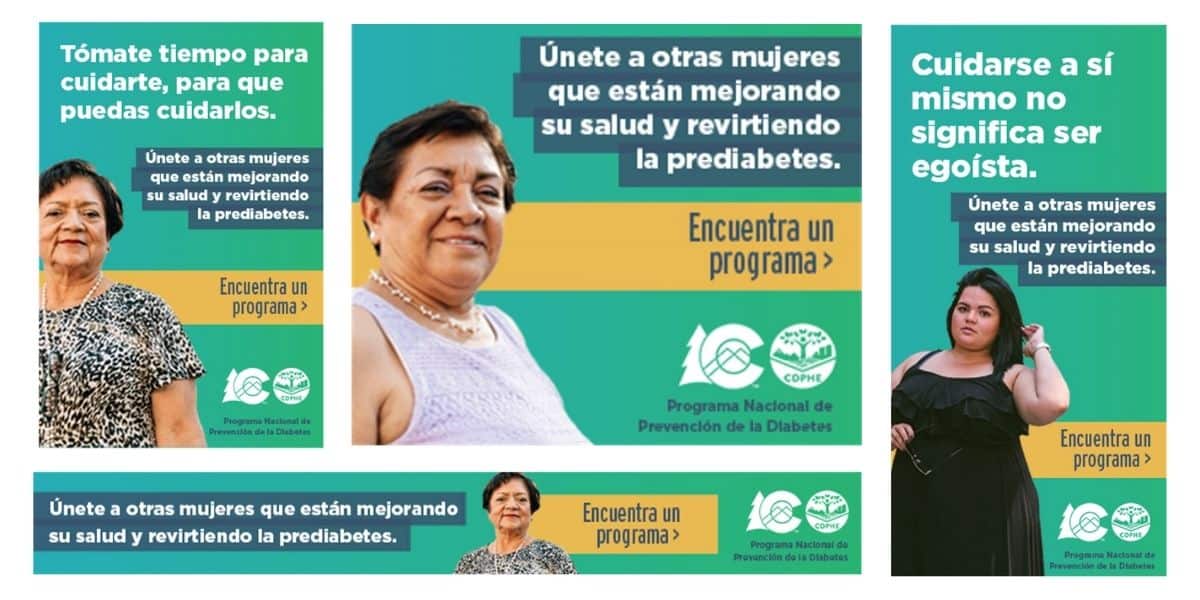
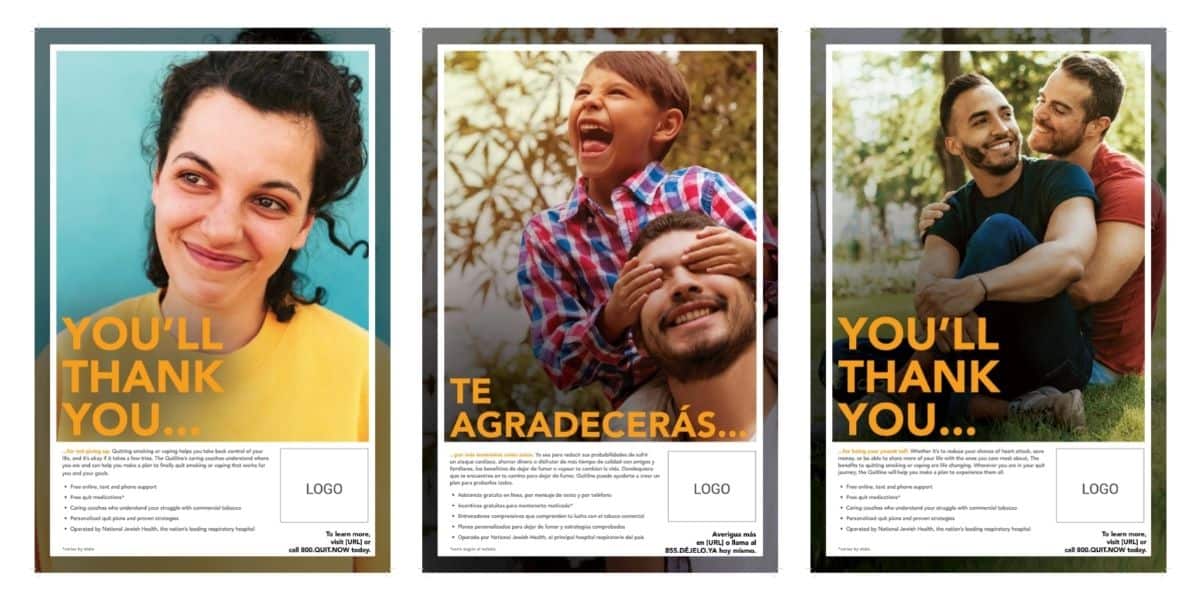
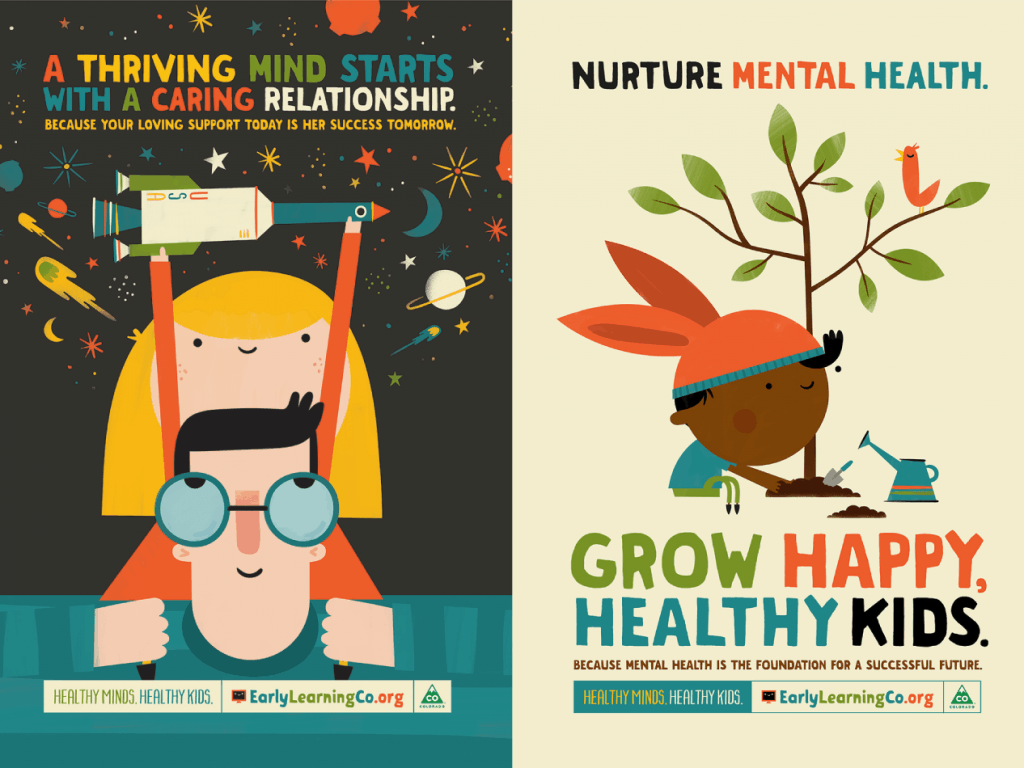
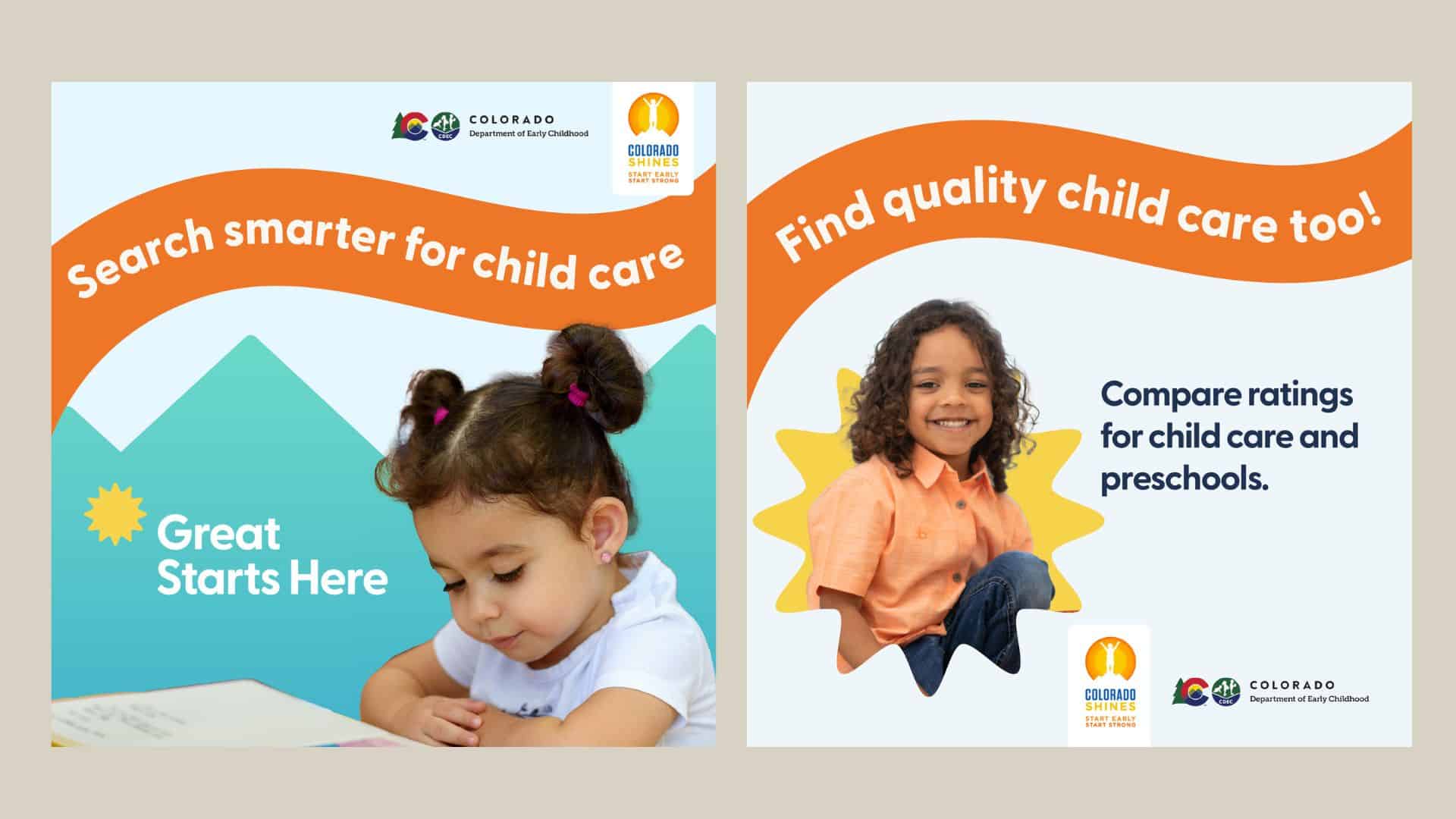
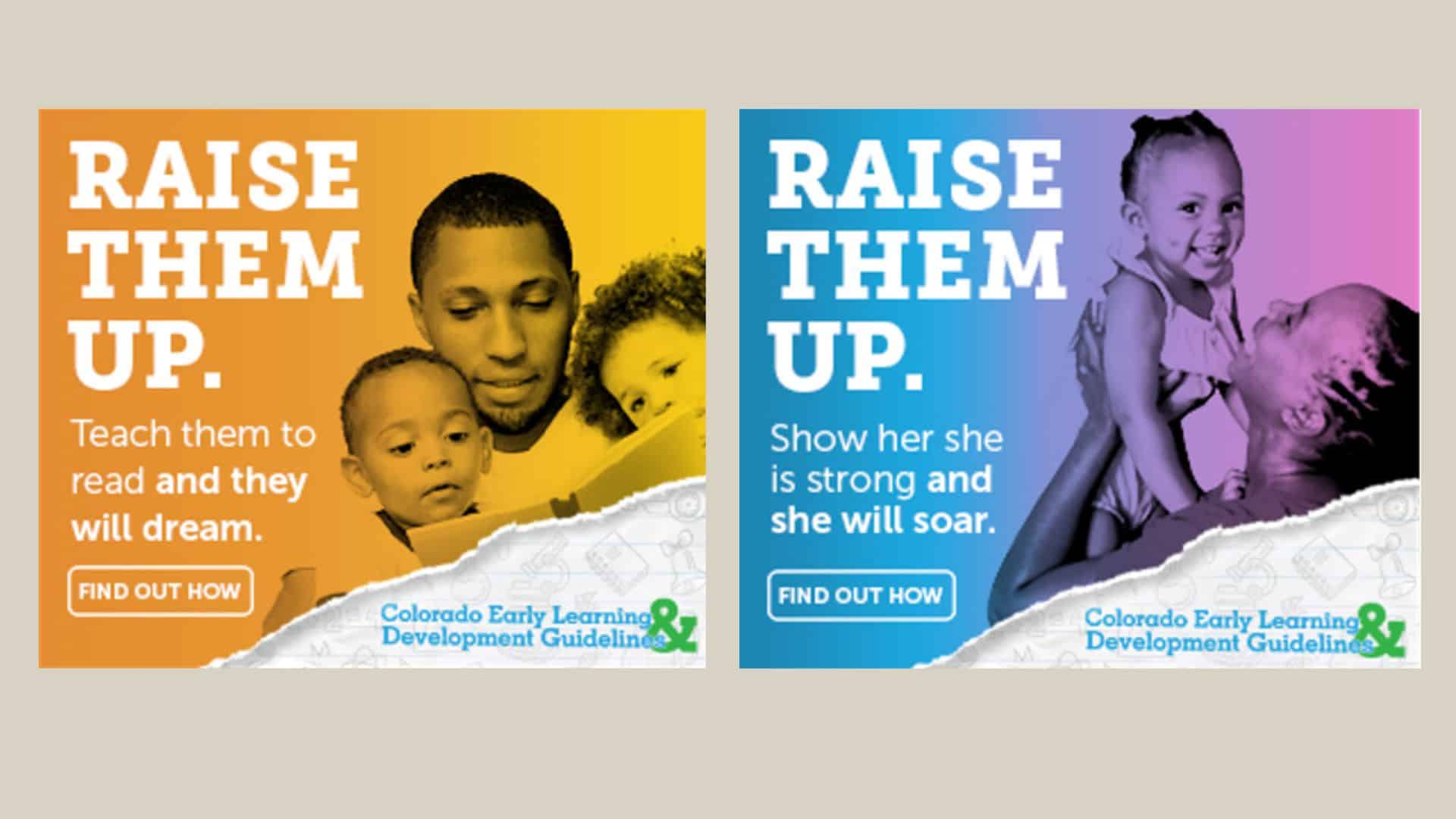
Across ECE campaigns, SE2 focused on plain language, cultural relevance, and real-world usability. Messaging emphasized shared responsibility between families, educators, and systems, reinforcing that early learning success is a collective effort. Rather than relying on one-size-fits-all outreach, SE2 developed adaptable toolkits, bilingual materials, and campaign assets that could be used consistently across regions while still allowing for local customization.
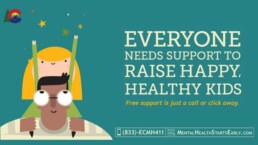
For family-facing communications, SE2 prioritized clarity and reassurance. Campaigns met parents and caregivers where they were, using digital media, social platforms, community-based outreach, and trusted messengers to deliver information in moments of need. Messaging normalized common questions and challenges, reduced stigma around seeking help, and offered practical next steps that felt manageable and relevant.
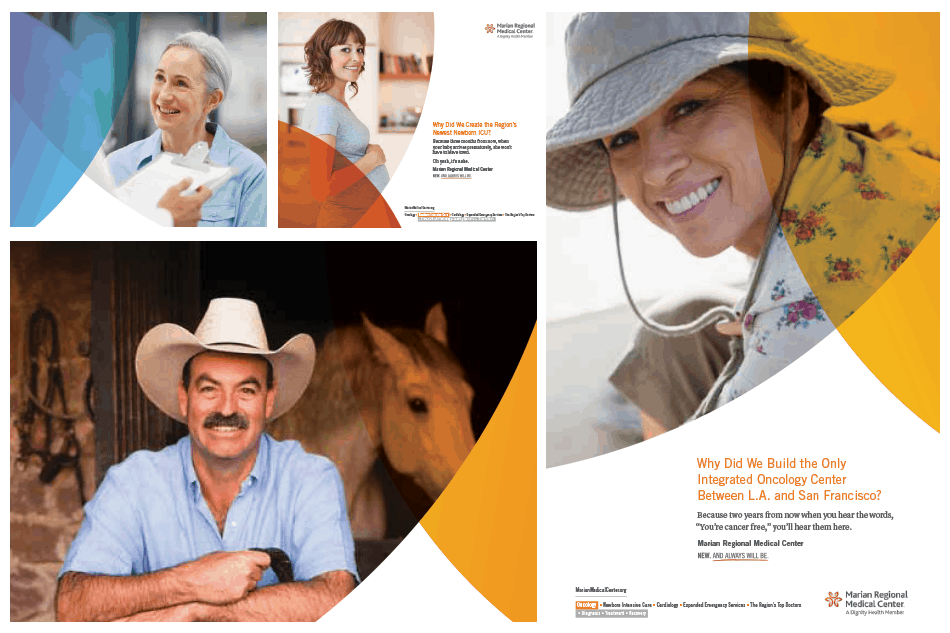
For provider- and workforce-facing efforts, SE2 translated policy and system changes into clear, actionable guidance. Communications supported recruitment, retention, and professional pride, while acknowledging the realities of working in early childhood settings. Throughout, equity was embedded in both strategy and execution, with multilingual content, culturally responsive design, and outreach strategies tailored to communities historically underserved by traditional media.
SE2 also supported the development of accessible digital hubs that centralized information, reduced navigation burden, and helped users quickly find what mattered most to them. These platforms served as durable resources that could evolve alongside policy and program changes.


The Impact
SE2’s early childhood education work strengthened understanding, trust, and engagement across families, providers, and systems.
Campaigns reached diverse audiences statewide, with particularly strong engagement among Spanish-speaking families and communities that often face barriers to accessing early childhood information. Clear, culturally relevant messaging helped families feel more confident navigating early learning resources and initiating conversations with educators and providers.
For agencies and partners, SE2’s work delivered flexible, reusable communications assets that improved consistency across programs while allowing for local adaptation. Digital platforms and toolkits extended the life of campaigns beyond individual media flights, supporting long-term awareness and system readiness.
Together, this body of work demonstrated SE2’s ability to support early childhood systems at scale. By translating complexity into clarity and grounding communications in lived experience, SE2 helped create pathways that support children’s development, strengthen families, and build a more resilient early childhood system.


Make It Easy for Your Audience: Accessibility Improves Every Message and Campaign
Improve Readability and Visual Connection
Most Americans read at a sixth-grade level (source)—yet too many marketing campaigns use language that’s overly complex. If a message takes too much effort to understand, people tune out. Plain, direct language always wins.
Start with strong, clear writing:
- Use simple, everyday words.
- Keep sentences short.
- Cut out jargon and acronyms.
- Write the way people talk.
Tip: Reading your copy out loud takes time—but it works. If it sounds awkward, it probably reads that way too.
Use visuals that support the story—not distract from it.
People want to see themselves—or people like them. Choose images that feel real and add meaning. Skip anything that adds clutter or confusion. And of course avoid cheesy stock photos that look staged.
- Make It Visually Accessible: Design choices can either include or exclude people. Accessibility helps everyone, especially people with vision impairments, learning differences, or just aging eyes.
- Use high-contrast colors: Black text on a white background remains one of the most readable combinations. Avoid light gray text, bright yellow text, or text over busy images. Use a contrast checker (like WebAIM) to confirm your design meets WCAG (Web Content Accessibility Guidelines) standards.
- Pick readable fonts—and size them up: Use sans serif fonts like Arial, Helvetica, or Verdana. Keep body text at least 16 point font. For printed materials, 12-point font or larger works best.
- Avoid ALL CAPS and italics: All caps slows reading speed. Italics can blur on screen. Use bold type for emphasis instead.
- Break up the page: Add white space between lines and sections. Use headers, bullet points, and short paragraphs. This keeps readers engaged and prevents overwhelm.
Go Beyond Compliance: Design with People in Mind
Accessible content isn’t just a box to check—it’s a mindset. We build stronger campaigns when we center them around the needs of the people we’re trying to reach.
More accessibility tips:
- Add image alt text for screen readers.
- Open caption videos.
- Avoid flashing elements.
- Write descriptive link text (“Read more about accessible design” beats “Click here”).
- Test your content with real users, not just internal teams.
Accessibility Is Good Strategy
When you make your message easier to understand, you expand your reach. It brings more people in, keeps them engaged, and shows you care enough to meet them where they are.
Want help building a more accessible campaign? Let’s talk.


A New Chapter in the Heart of Denver: Our Move to The Sudler
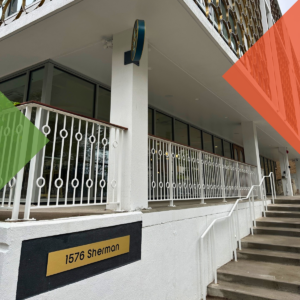
Big news—we’ve officially moved into our new office in The Sudler building, right in the heart of Denver! We’re now just a block from the State Capitol, surrounded by energy, history, and some of the best coffee in Denver.
Why We Chose The Sudler
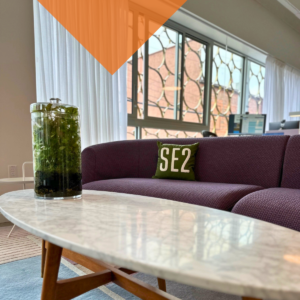
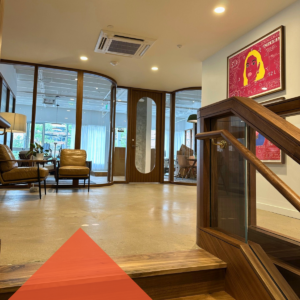
The Sudler is a beautifully restored mid-century building with big windows, lots of natural light, and cool design details that make it feel both modern and full of character.
It’s the kind of place that sparks creativity—something that’s really important to us.
Being downtown also helps us stay connected.
We’re close to the people and organizations we work with every day, whether that’s in public health, education, or community outreach. It puts us right where we need to be to do our best work: in the mix, face-to-face, and part of what’s happening in our city.

A Moving Experience That Meant Something
We also want to shout out the amazing team that helped us move: The Other Side Movers. This isn’t your typical moving company. They hire people who are rebuilding their lives after time in prison or recovery. And they do an incredible job.
For us, choosing them wasn’t just about getting boxes from point A to point B—it was about supporting a mission we believe in: creating opportunity, building community, and lifting people up.
Come See Us!
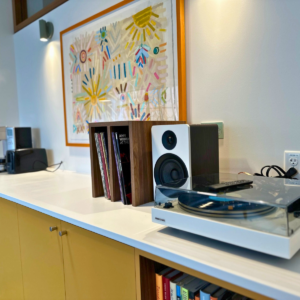
We’re proud of our new space and what it represents. It’s more than just an office—it’s a place where ideas can grow, partnerships can thrive, and we can stay grounded in the community we care so much about.
If you’re ever in the neighborhood, come by and say hi. We’d love to show you around.


Get Uncomfortable. Get Loud. Return to Pride’s Radical Roots.
Sponsors love rainbows until doing real work gets involved. They slap logos on floats, pump cash into parades, and post glossy allyship on June 1. Then they vanish.
This year, corporate sponsors ghosted Pride events faster than a closeted politician in an election year. Organizers announced cancellations. Cities scaled back. Brands blamed “safety concerns.” But let’s name it: These corporations folded under pressure. Far-right blowback scared them, and instead of standing with the LGBTQ+ community, they sprinted for the exit.
No explanation can excuse that.
If a company can’t show up when people face real threats, then it never stood with us in the first place. It stood with marketing. It stood with visibility, not vulnerability. And visibility without courage means nothing.
Stop Pretending Pride Needs Sponsors
Pride started as a riot. Not a brand partnership.
No one threw bricks at Stonewall for the chance to snag a Gatorade logo on a banner. They fought for survival, for dignity, for breath. Pride lived in alleyways, church basements, dance floors, clubs, and marches where no one handed out coupons. We showed up because we had each other. Not because someone handed us a branded stress ball.
And here’s where the mirror turns: some Pride organizers helped the shift to commercialization happen. Some traded people for polish. They built events that looked good on Instagram but felt hollow on the ground. They let brand money dictate the vibe. They chased clean, “family-friendly” images that erased the drag performers, trans folks, sex workers, and fierce femmes of color who built the movement.
So now, when those same brands flake out, we see the cost.
Kick Cowardice Out of the Parade
Corporations can’t lead this movement. They never did. But we can hold them accountable.
Stop calling them allies. Call them what they are—cowards.
Stop begging them back. Build something stronger.
Fill the gaps with local vendors, resource organizations, community mutual aid, and unapologetic queer joy. Fund drag shows with grassroots dollars. Pack parks and streets with families, elders, youth, and fierce-as-hell trans folks who never needed a bank logo behind them.
Queer people never relied on approval before. We don’t need it now.
Bring Pride Back to the Street
Let’s end the illusion: Rainbow capitalism won’t save us.
Community will.
We can’t let sponsors define our visibility. We can’t let glossy campaigns erase the mess, the grief, the joy, and the power that make Pride real. This moment calls for more than just celebration. It demands reckoning. And resurrection.
Let’s build Pride that scares cowards again.
Let’s build Pride that honors its roots—loud, sweaty, righteous, and bold.