
Elevating Opioid Awareness and Youth Prevention in Douglas County, Colorado
The Challenge
Douglas County, Colorado, like many communities across the U.S., has experienced growing concern about opioid misuse—particularly with the rise of fentanyl and the risks it poses to youth and families. At the same time, stigma surrounding substance use disorder often prevents individuals and families from seeking help, discussing substance use openly, or accessing available resources.
Nationally, legal settlements with companies that contributed to the opioid crisis resulted in over $50 billion shared with states. Colorado’s portion – anticipated to be nearly $900 million over 18 years – is being divided among 19 regional abatement councils, including one covering Douglas County.
To distribute those funds locally, community leaders came together to form the Douglas County Opioid Council. This group recognized that prevention and recovery efforts required an approach that reflected the community’s values. To be effective, campaigns needed to resonate with local residents, address misconceptions about teen substance use, and replace stigma with understanding and connection.
The Douglas County Opioid Council partnered with SE2 to develop two complementary, community-centered campaigns that addressed these challenges from different angles: one focused on reducing stigma among adults and the other focused on promoting prevention among teens.
Our Approach
SE2 supported the Douglas County Opioid Council and its community partners to develop two parallel campaigns rooted in authentic storytelling and community engagement. Close collaboration with the council and county leaders ensured the campaigns authentically reflected the community’s values.
1. Re:Life – Adult Anti-Stigma Campaign
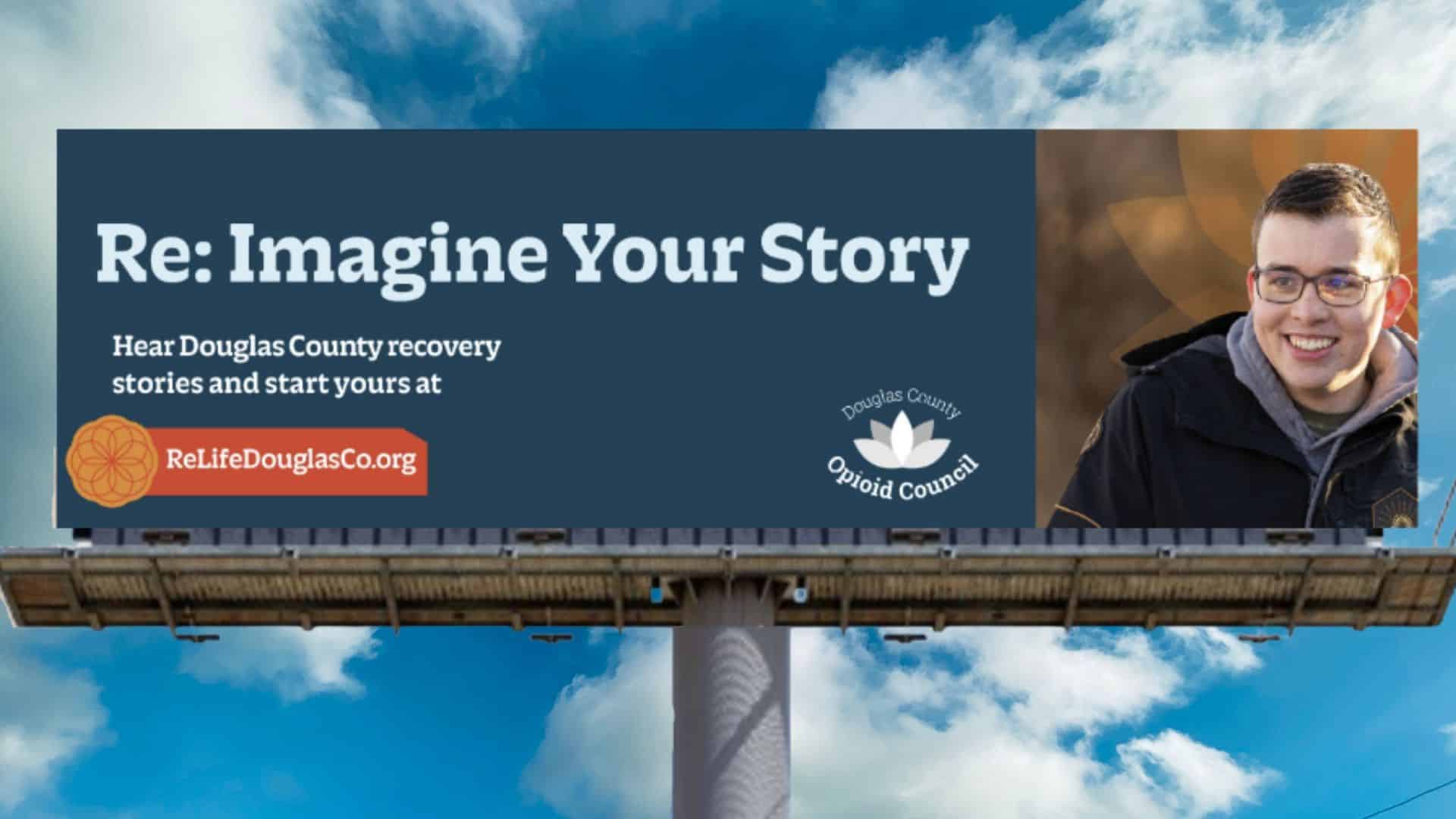
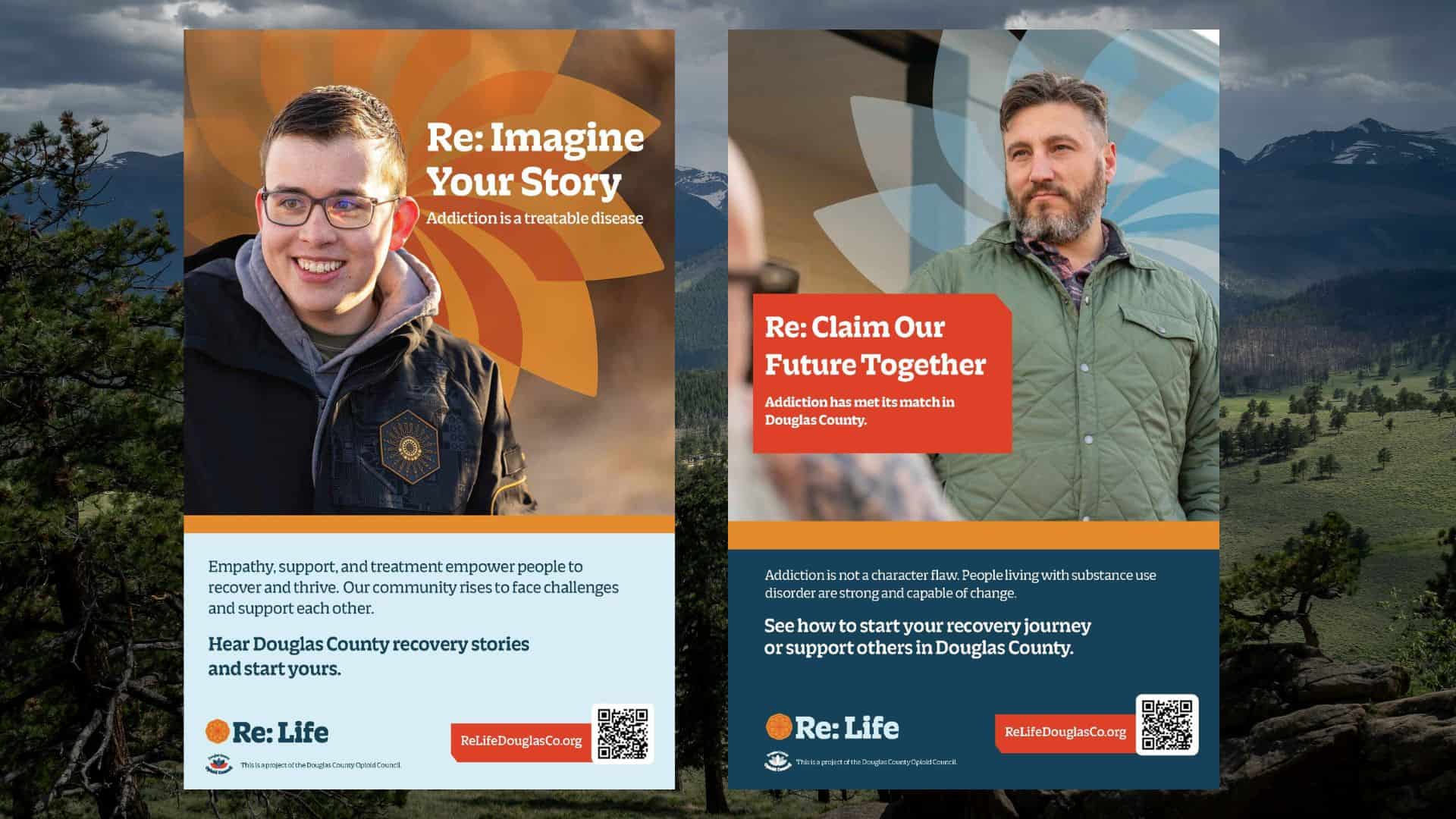
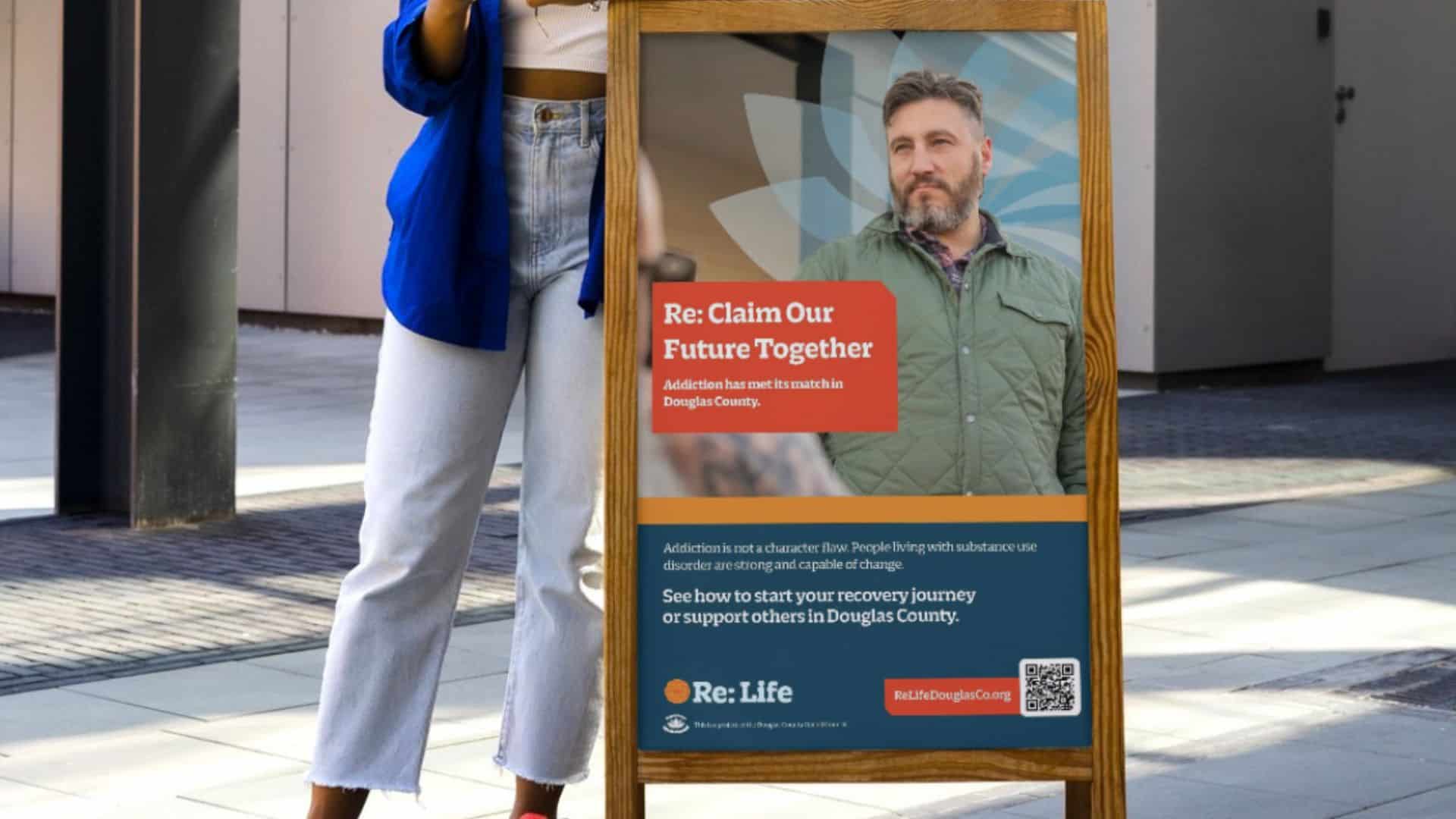
The Re:Life campaign sought to humanize addiction and recovery by sharing real stories from Douglas County residents. Through documentary-style videos and portraits, community members spoke openly about substance misuse, recovery, and the strength it takes to ask for help.
The campaign reframed recovery as a journey supported by the community rather than an individual struggle—aligning with values widely embraced in Douglas County, such as family support, personal responsibility, and neighbors looking out for one another. Targeted digital ads, hyper-local media placements, and a campaign website directed residents to local treatment resources and recovery support services.
2. Our Unfiltered Voices – Youth Prevention Campaign
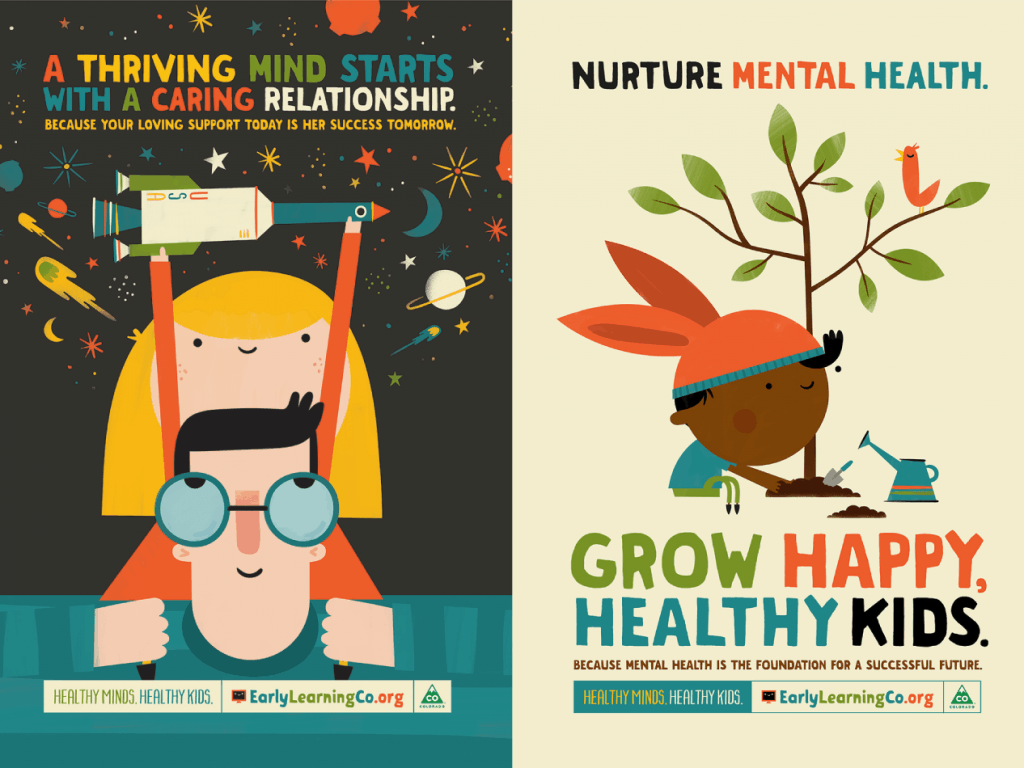
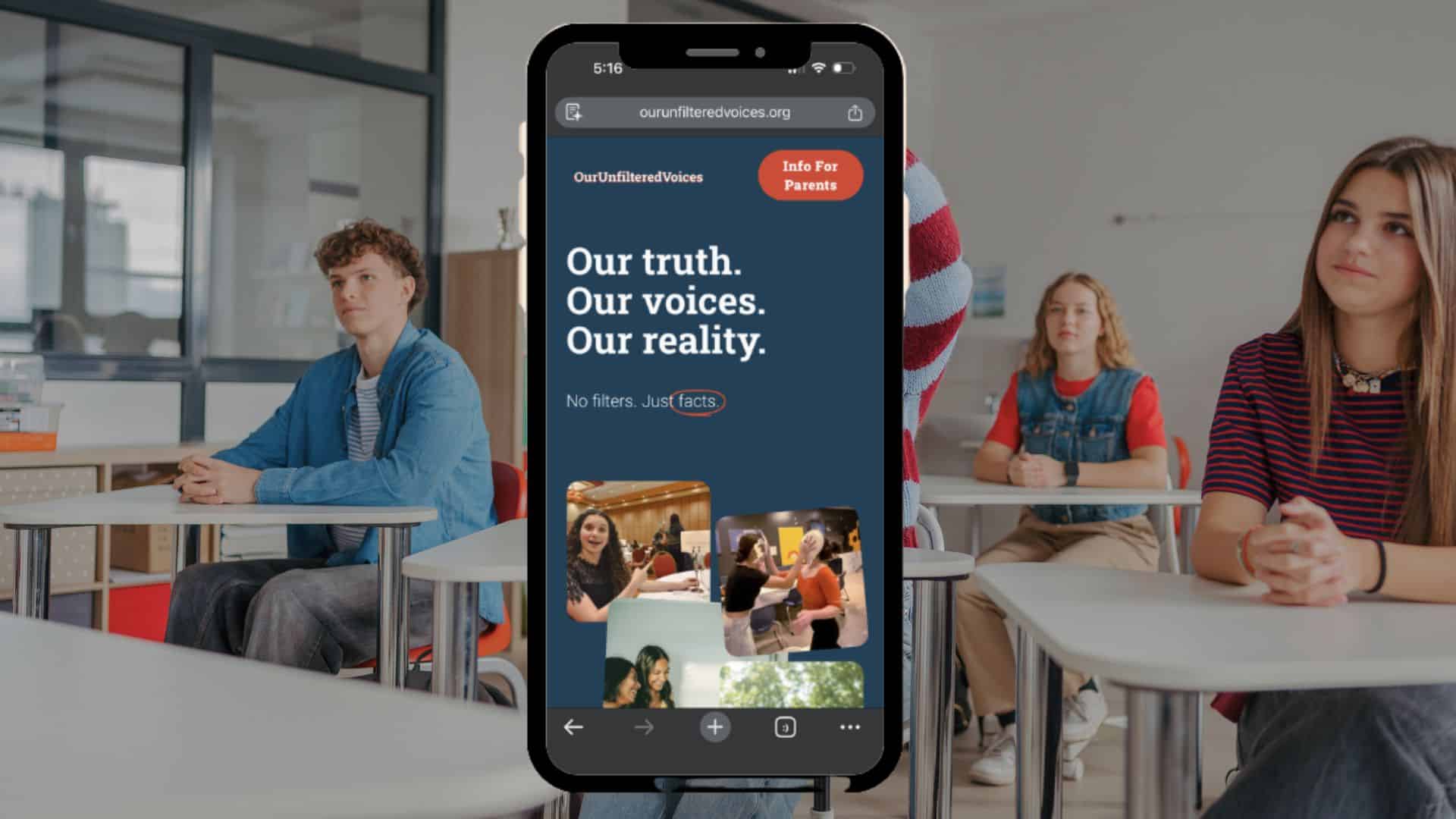
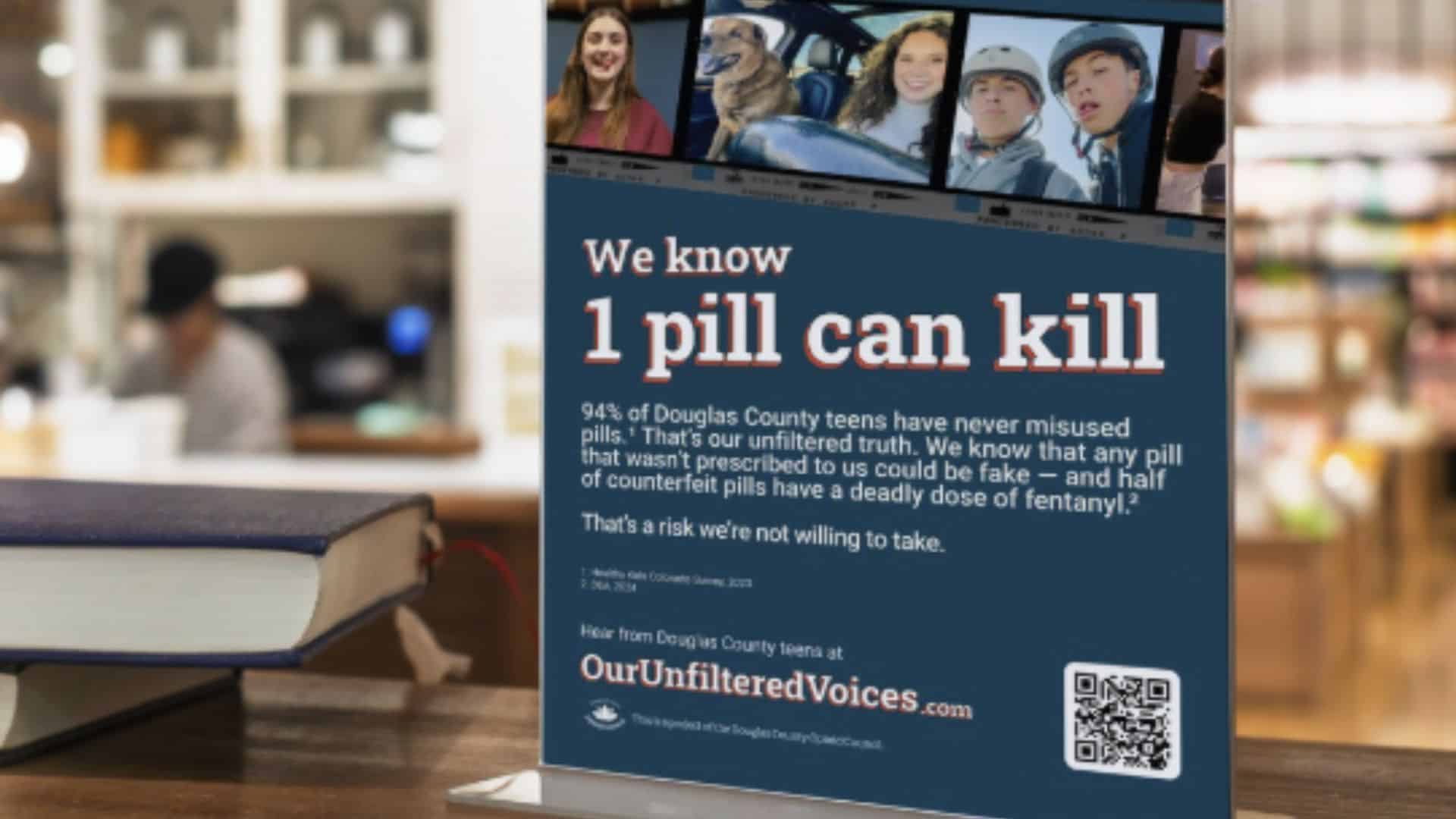
The youth-focused campaign, Our Unfiltered Voices, positioned Douglas County teens as creators. Students documented their substance-free reality using cameras, producing photos and videos that reflected their everyday experiences. Because local survey data showed that most teens in Douglas County do not use substances, the campaign used a positive social-norming approach to illustrate that reality and correct misperceptions. By showing that most of their peers are choosing to stay substance-free – and that, because of fentanyl, “one pill can kill” – the campaign reinforced healthy behavior, highlighted the risk, and encouraged peer support.
Across both initiatives, the multi-channel communications strategy included digital and social media advertising, movie theater placements, local news and sponsored content placements, out-of-home advertising in community spaces and schools. Together, these tactics ensured the campaigns reached community members through multiple touchpoints—meeting people wherever they were, whether online or in the community.
3. Local Expertise
Because the messenger matters as much as the message, SE2 and the Douglas County Department of Communication & Public Affairs worked to position the Douglas County Opioid Council as the trusted sponsor of both campaigns.
About the Douglas County Opioid Council
In 2020-2021, opioid settlements were reached nationwide with Johnson & Johnson and the nation’s three largest drug distribution companies to resolve claims by state and local governments that these companies contributed to the opioid epidemic.
The Douglas County Opioid Council is comprised of local law enforcement, local government representatives, nonprofit partners, and experts in substance use recovery. The Council receives opioid settlement funding to address gaps and opportunities in prevention, treatment, and recovery services for people with opioid use disorder (OUD) as well as other co-occurring substance use disorders (SUDs) and mental illnesses in the region.
The Douglas County Opioid Council has decided to dedicate dollars to six areas: Withdrawal Management, Medications for Opioid Use Disorder (MOUD)/Medically Assisted Treatment (MAT), Peer Support, Expansion of the CRT and HEART programs, Youth Prevention, Transportation, and Case Management. Funding awards to local organizations in each area began in 2024 and are ongoing.
Branding the Douglas County Opioid Council
To establish a clear voice for the Council, the team developed a logo and brand. A lotus flower was chosen for its ability to bloom in dark places – symbolizing that recovery is possible in Douglas County and that the Council is committed to providing those resources.
The cool, blue tones in the logo are associated with trust and reliability. This fits the brand well to position the Council as a known and trusted entity in Douglas County. The bright red accent evokes feelings of energy and excitement. This helped establish the Council as a leader in action on opioid use recovery and prevention in Douglas County.
The Impact
Together, the campaigns generated significant reach and engagement across Douglas County and helped shift the conversation around addiction and prevention. Community members said the stories felt relatable.
Across paid media, owned media, and community placements, the campaigns delivered more than 18.4 million impressions, expanding awareness of substance misuse and available support services throughout the county.
Digital media efforts alone generated more than 65,000 clicks, demonstrating strong engagement with campaign messages. Video placements featuring Douglas County residents across both campaigns generated strong engagement. Campaign websites attracted over 51,000 visits, with visitors averaging over two minutes exploring information and resources related to substance misuse and recovery.
Importantly, engagement extended beyond awareness. Traffic to local resource pages nearly doubled during the campaign period, suggesting that residents were actively seeking information and support after encountering campaign messages. The campaign also established the Douglas County Opioid Council as a trusted messenger guided by political and community leaders who ensure it reflects local priorities.
Story-driven video content proved particularly effective, exceeding performance benchmarks, with adult-focused video ads achieving nearly an 80% completion rate, demonstrating the power of community voices in public health messaging.
Finally, earned media coverage—including 18 media mentions with an estimated 2.7 million impressions—amplified campaign messages and reinforced the community conversation around prevention and recovery.
“I hope this campaign reminded people that life is the most wonderful adventure and at the end of the day, we’re all trying our best, no matter what that looks like.”
– Amara, 17, Unfiltered Voices participant


Advancing Tobacco Prevention Across Colorado Communities
The Challenge
For more than a decade, Colorado has worked to reduce the health and economic harms caused by tobacco and nicotine use. While progress has been made, particularly in reducing cigarette smoking, new challenges continue to emerge.
The tobacco landscape has evolved rapidly. Youth vaping surged. New nicotine products entered the market. Tobacco companies intensified marketing toward populations already facing health disparities. And many Coloradans—especially those experiencing economic stress, behavioral health challenges, or social marginalization—continued to rely on nicotine as a coping mechanism.
At the same time, tobacco control in Colorado relies on a complex ecosystem of partners. Local public health agencies, community organizations, schools, and advocacy groups all play critical roles in advancing prevention, cessation, and policy change. These partners need consistent, credible communications tools that can be adapted to their local communities.
The Colorado Department of Public Health and Environment’s State Tobacco Education and Prevention Partnership (STEPP) needed a long-term communications partner who could:
- Educate Coloradans about the harms of tobacco and nicotine
- Encourage people who use nicotine to seek help and quit
- Support public understanding of tobacco control policies
- Provide communications technical assistance to a statewide network of grantees and partners
The work required more than advertising. It demanded sustained storytelling, culturally responsive messaging, and tools that could help communities lead change on their own terms.
Our Approach
For more than 12 years, SE2 has partnered with CDPHE to support tobacco prevention, cessation, and policy education across Colorado through an integrated communications strategy that combines statewide campaigns, digital platforms, community storytelling, and grantee support.
Statewide Advertising Campaigns
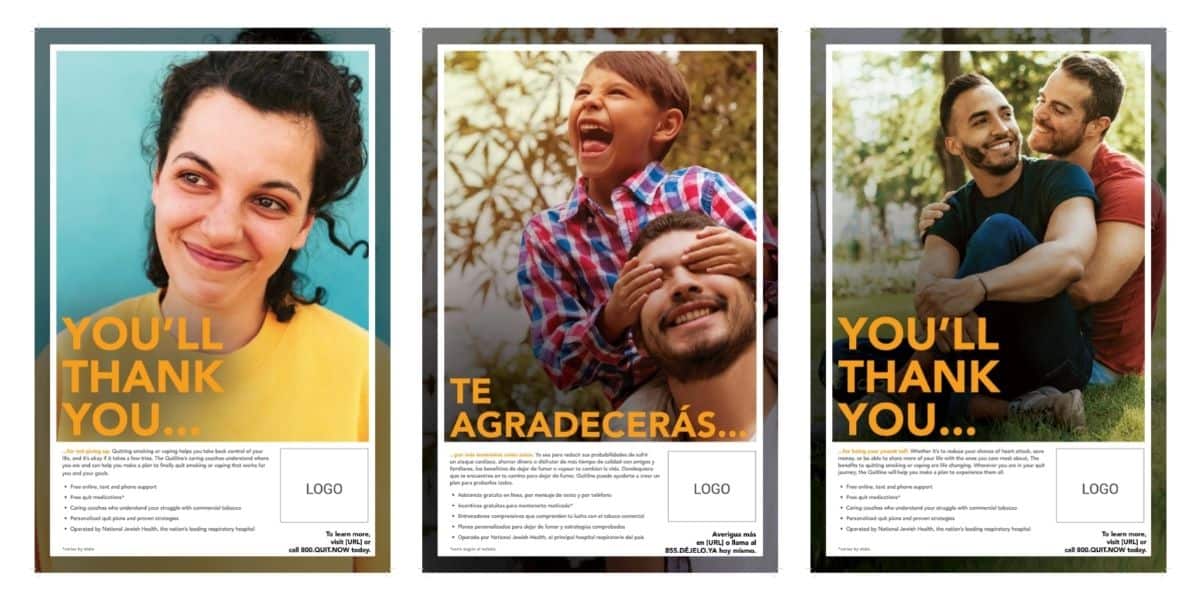
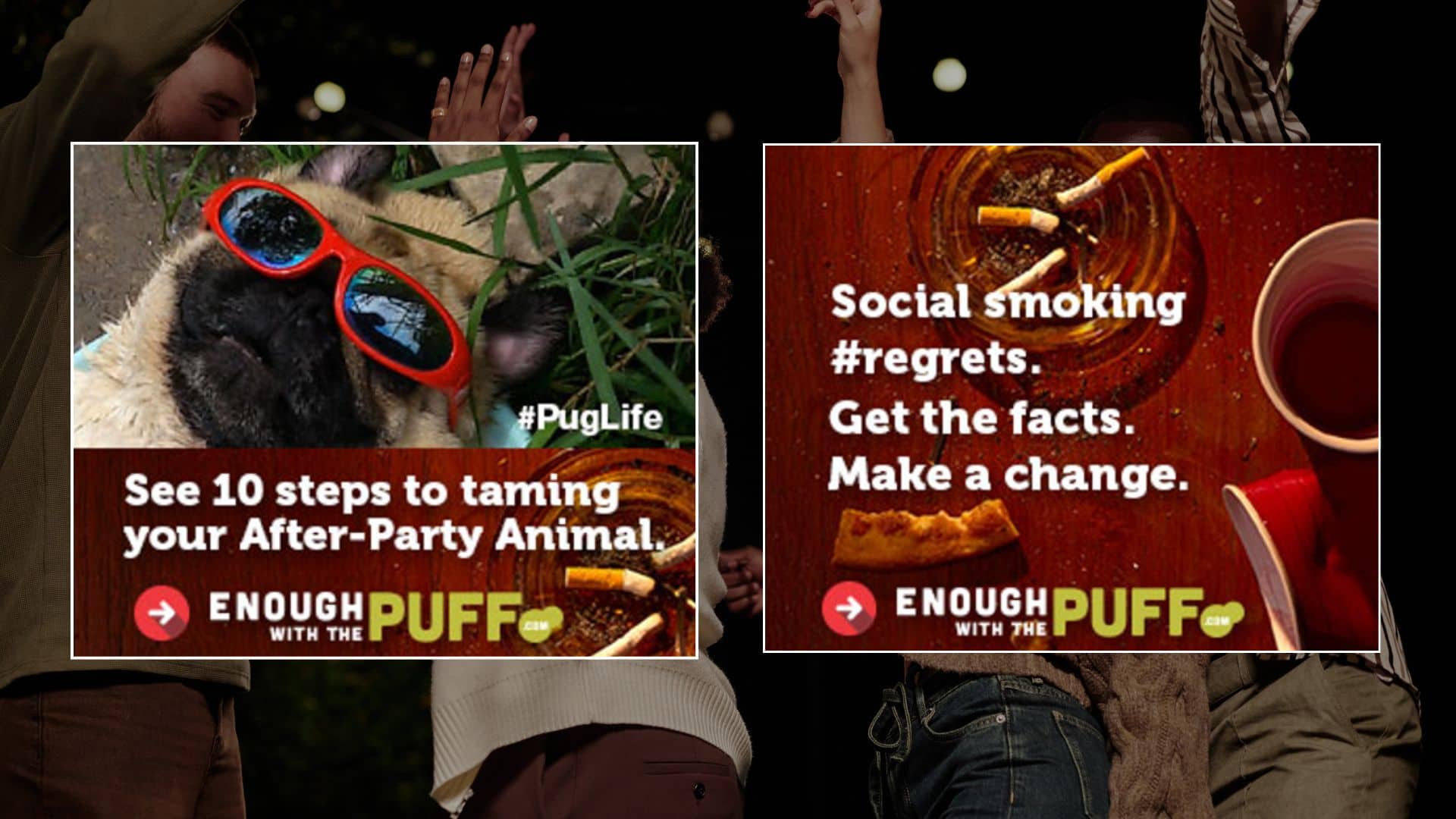
SE2 has developed and implemented research-informed social marketing campaigns designed to shift attitudes, increase awareness of tobacco harms, and encourage quitting.
Campaigns addressed a wide range of topics, including:
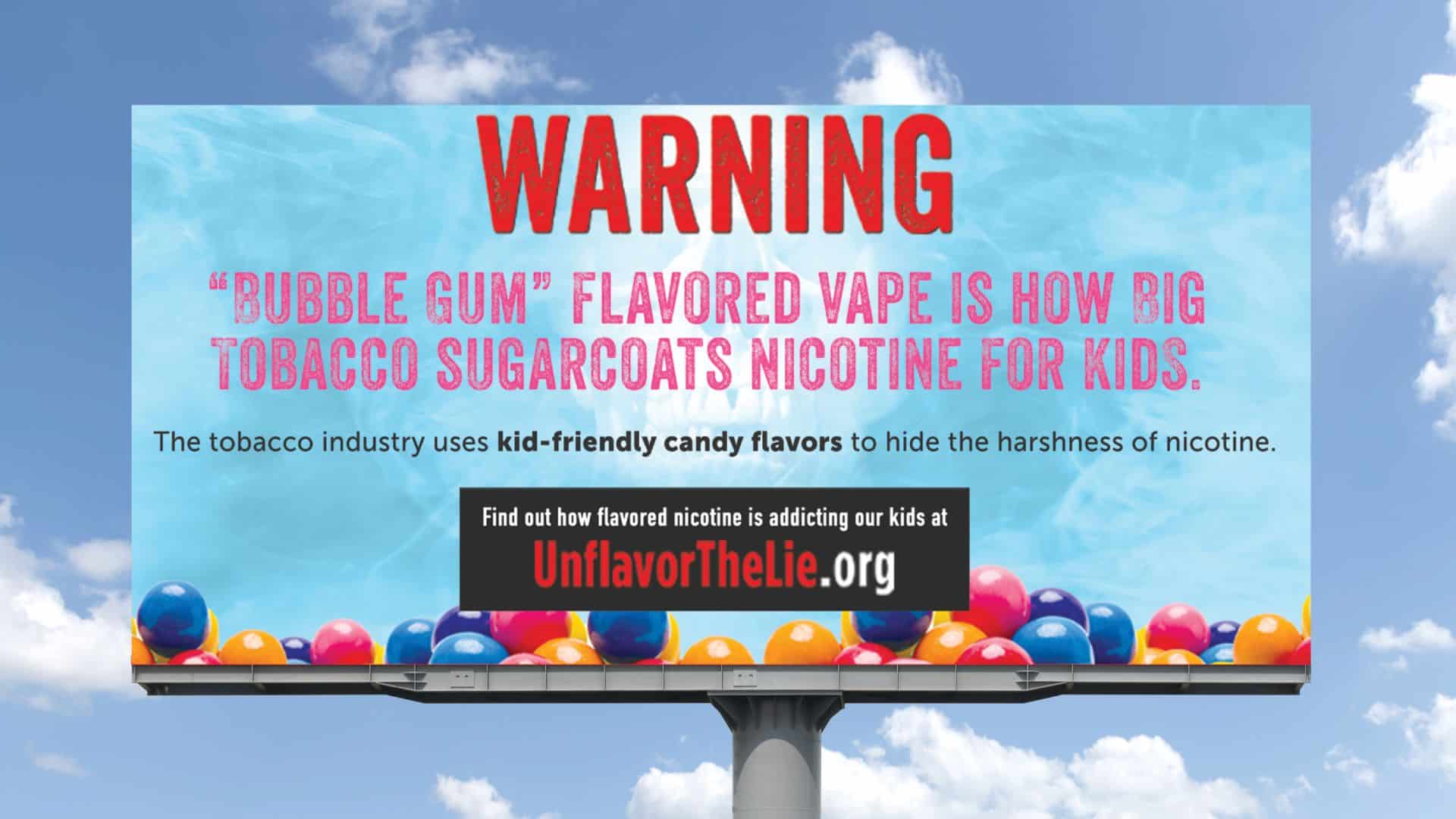
- Youth vaping prevention
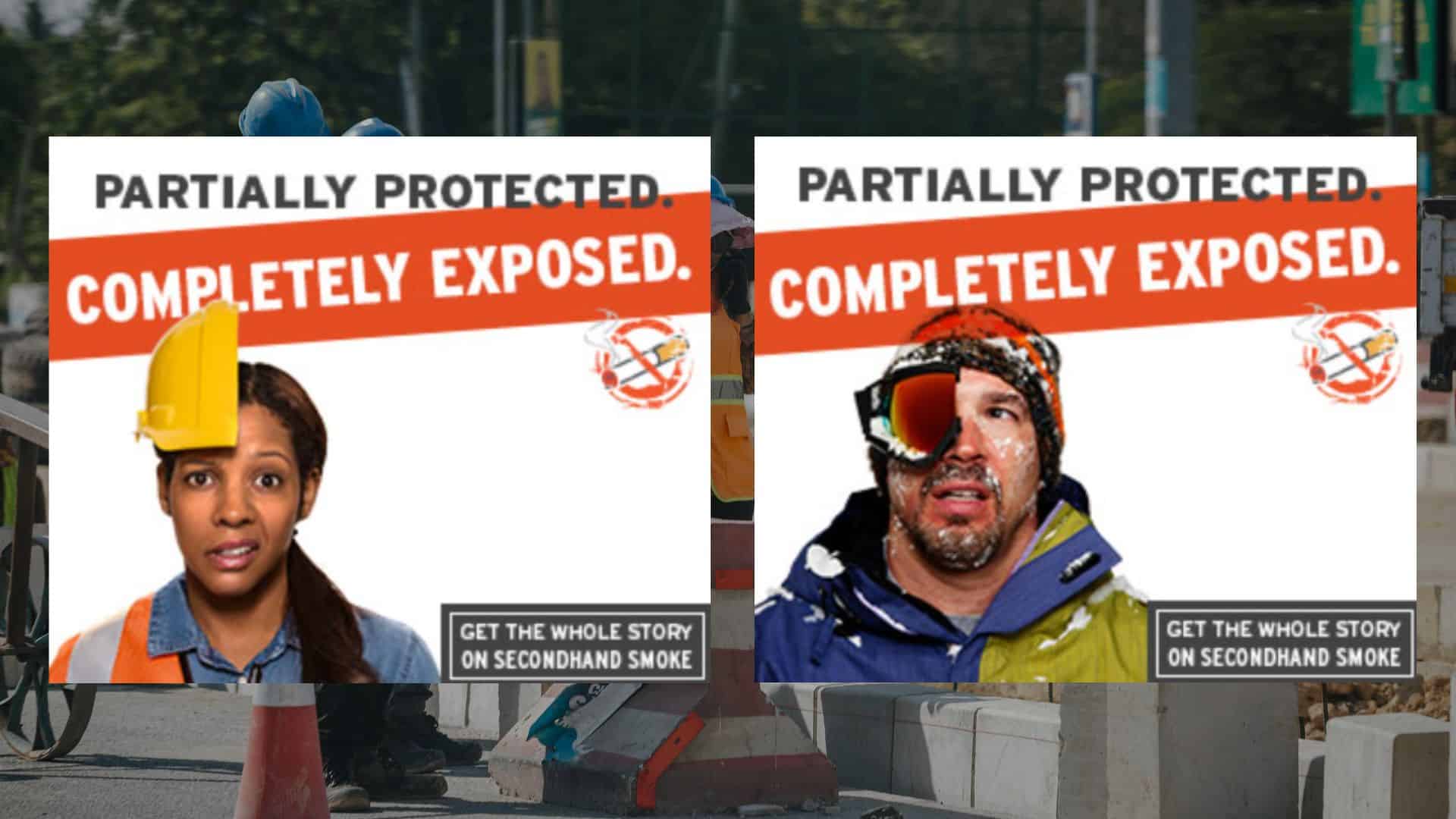
- Secondhand smoke and vapor exposure
- Adult cessation and support resources
- Emerging nicotine products and industry tactics
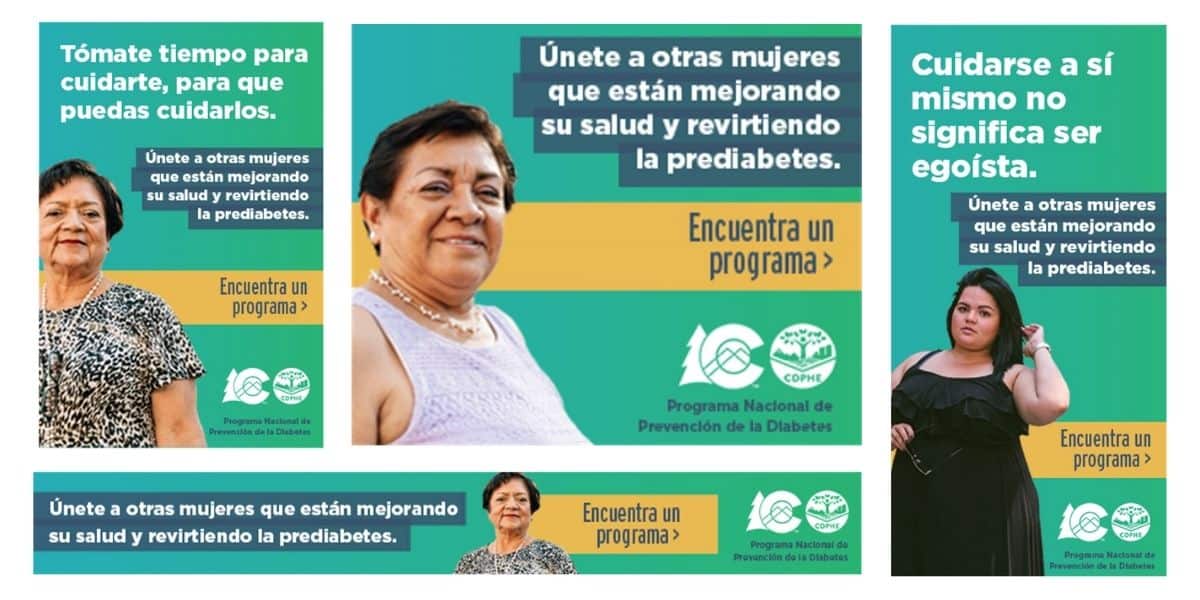
Creative strategies focused on meeting people where they are—using digital, social, video, and traditional media channels to reach diverse audiences including youth, rural residents, Hispanic/Latino communities, Black Coloradans, Indigenous communities, and people experiencing behavioral health challenges.
These campaigns were grounded in behavioral science and informed by research on the motivations, stressors, and cultural contexts that shape nicotine use.
Storytelling that Humanizes Quitting
Recognizing that quitting nicotine is rarely a simple or linear journey, SE2 developed storytelling initiatives that centered real Coloradans and their experiences with nicotine use and recovery.
These efforts reframed quitting as human, complex, and possible, helping reduce stigma and encouraging people to seek support. Through documentary-style storytelling and community narratives, the work highlighted diverse voices and lived experiences across the state.
Stories were distributed through digital media, social platforms, partner networks, and campaign websites, helping audiences see themselves reflected in the path to quitting.
Policy Education and Public Awareness
Public understanding plays a critical role in advancing tobacco control policies. SE2 developed policy education campaigns and communications materials that helped communities understand issues such as:
- Smoke-free environments
- Tobacco industry marketing tactics
- Youth access and flavored products
- Secondhand smoke exposure
These resources translated complex policy issues into accessible, plain-language materials that could be used by community leaders, advocates, and public health partners.
By connecting policy changes to real-world health impacts, the communications helped build public support for tobacco control efforts across the state.
Grantee Communications Toolkits and Technical Assistance
A defining element of SE2’s work with CDPHE has been supporting the statewide network of STEPP grantees and partners. Over the course of the partnership, SE2 has developed customizable communications toolkits, templates, and training resources that local partners can adapt for their communities.
Support has included:
- Customizable campaign assets and messaging guides
- Earned media templates and outreach support
- Social media content and graphicsWebsite resources and digital assets
Digital Platforms and Resource Hubs
SE2 has also supported the development and ongoing management of key digital platforms that serve as the public-facing hub for tobacco prevention and cessation resources in Colorado. These include:
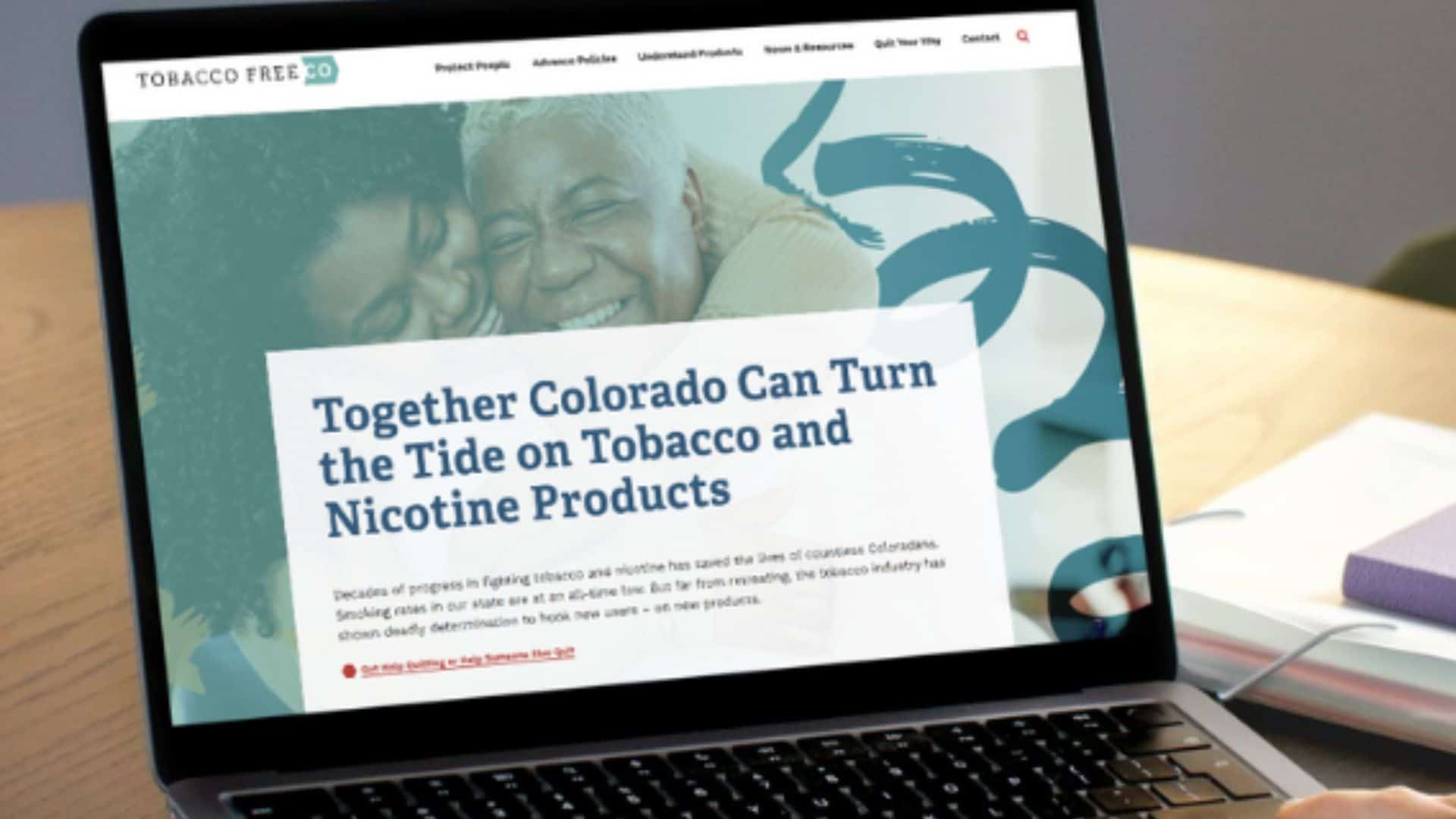
- TobaccoFreeCO.org
- ColoradoSinTabaco.org
- Social media channels and digital engagement platforms
These platforms provide accessible information about tobacco harms, quitting resources such as the Colorado QuitLine, and tools for community partners working on tobacco prevention.


The Impact
Over more than a decade of partnership, SE2’s work with CDPHE has helped build a sustained communications infrastructure supporting tobacco prevention, cessation, and policy change across Colorado.
Key outcomes include:
Statewide Reach and Awareness | Integrated advertising campaigns have reached millions of Coloradans across digital, broadcast, and community channels, helping increase awareness of tobacco harms and available cessation resources.
Support for Diverse Communities | Campaigns and outreach strategies were tailored to reach populations disproportionately affected by tobacco and nicotine use, including youth, rural residents, and historically marginalized communities.
Strengthened Local Capacity | Through communications toolkits, training, and technical assistance, SE2 has helped empower local public health agencies and community organizations to lead tobacco education efforts within their own communities.
Sustained Public Engagement | Digital platforms and storytelling initiatives have helped maintain ongoing public dialogue around tobacco harms, nicotine addiction, and the importance of prevention and cessation.
A Foundation for Long-Term Change | By combining statewide campaigns with local capacity building, this work has supported Colorado’s broader tobacco control goals—helping reduce tobacco use, shift social norms, and build healthier communities across the state.

Empowering Affordable Housing Advocates
The Challenge
The affordable housing movement faces a paradox: Everyone agrees on the pressing need for more housing, but specific projects often face significant public opposition.
Local opponents may perceive clear risks – traffic, construction, disruption to views or open space they take for granted – and are highly motivated and well-positioned to speak up. NPR’s Planet Money described research describing some of these dynamics: “Homeowners are much more likely to participate in the crucial local political and regulatory meetings that govern new housing supply…. They were less likely to work full-time or at all. They were less likely to be students or young professionals. They were less likely to have young kids, with all the time pressures they impose. And they were more likely to be resistant to change in their neighborhoods.”
But we can make affordable housing advocacy more effective if supporters can deploy research-tested strategies and messages.
Our Approach
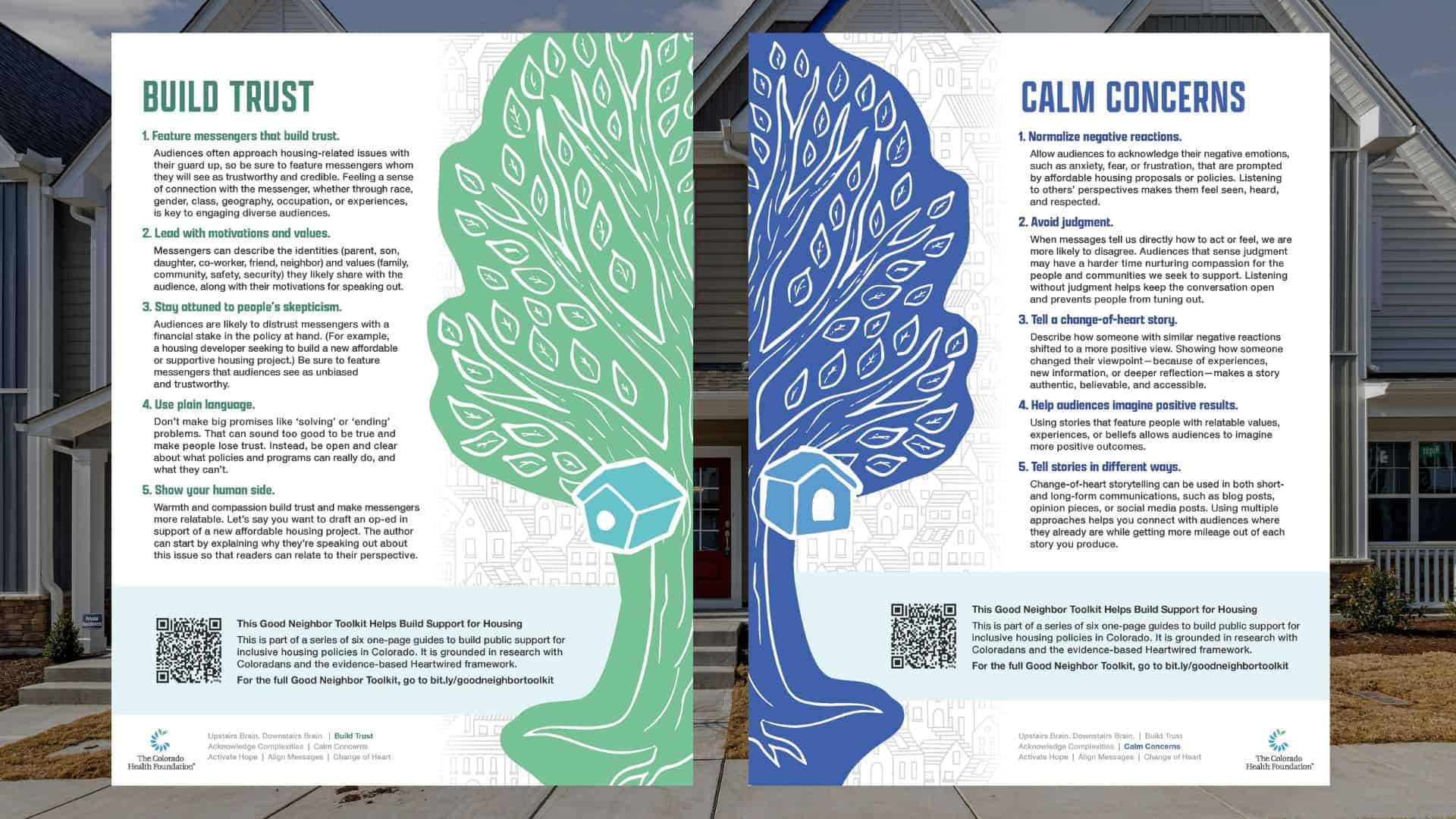
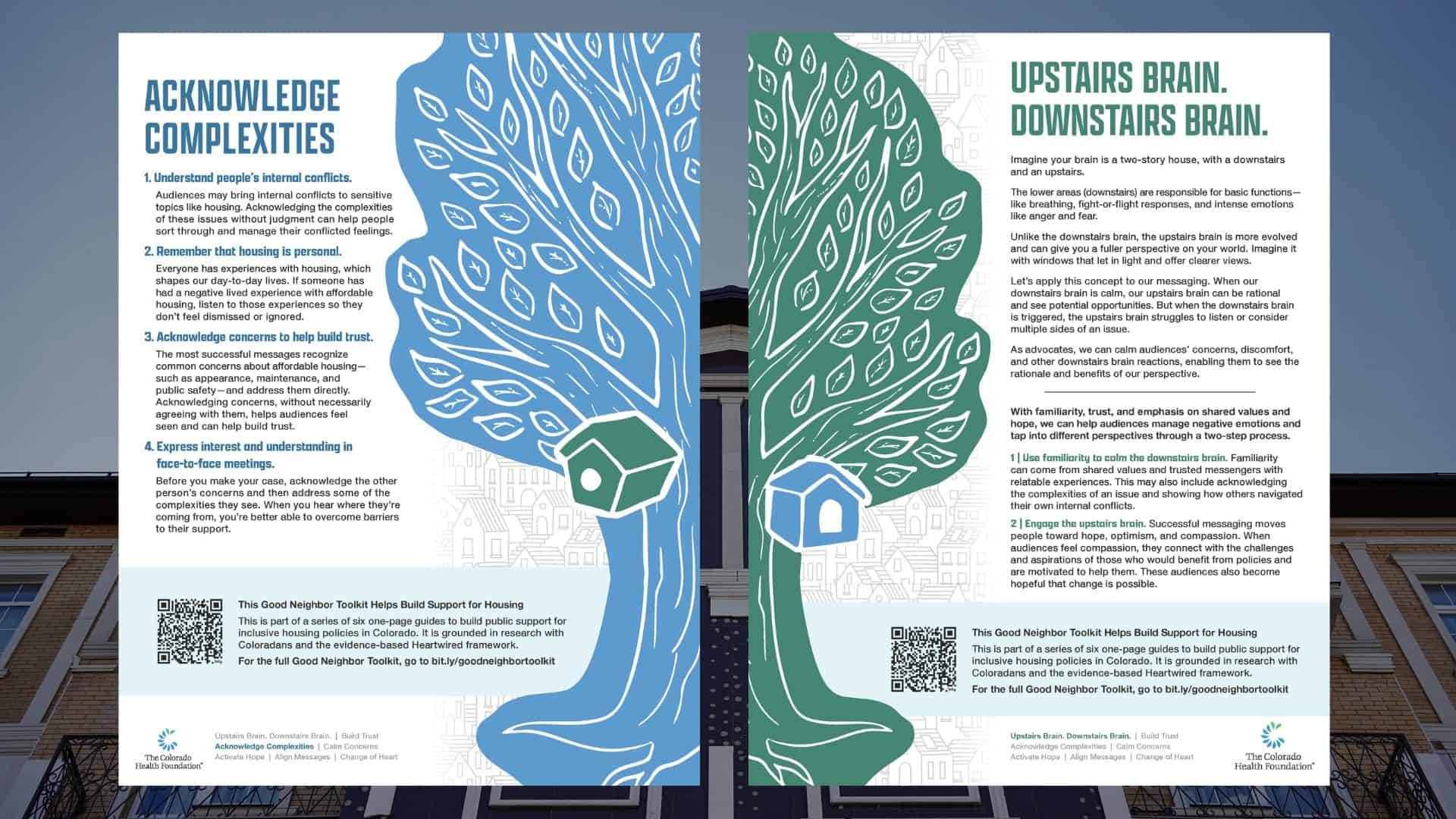
In 2024, the Colorado Health Foundation released the Good Neighbor Messaging Guide, based on deep multi-year audience research, on how to deploy effective persuasive messaging about affordable housing policies. This guide shows how to activate supporters, move those who are conflicted or concerned, and neutralize opposition messages.
The Colorado Health Foundation then chose SE2 to distill the robust research into easily digestible pieces: an introductory video, six one-page guides, and a checklist to help keep advocates on track.
This engaging bilingual toolkit makes research insights accessible and actionable for community advocates seeking to address local opportunities or challenges.
The Impact
Advocates who want to support affordable housing in their communities can now more effectively activate supporters, shift the opinions of those who are conflicted or concerned, and neutralize opposition messages.
More housing options create healthier communities. Those with stable, safe housing that fits their budget are more likely to be healthy, and they can better access educational and economic opportunities. That’s good for everyone.
The Good Neighbor toolkit is available here: The Good Neighbor Guide Toolkit | The Colorado Health Foundation

What SE2 PowerMap® Is — and Why It Matters
At SE2, our work has always been rooted in one core belief: Real change happens through people, relationships, and trust. While today’s communications often focus on technology, platforms, and media channels, the most powerful driver of change remains human connection.
That belief is the foundation of SE2 PowerMap®, a strategic framework used at SE2 to understand how influence flows through communities and how trusted networks can be mobilized to advance meaningful social change.
For me, PowerMap is not just a methodology, it reflects decades of experience working in communities, in media, and in the political arena where relationships and trusted voices often determine whether a message truly resonates.
What SE2 PowerMap® Is
SE2 PowerMap® is a community-centered strategy that identifies and activates trusted networks, leaders, and influencers within communities to drive awareness, engagement, and action.
Rather than relying solely on traditional advertising or top-down messaging, PowerMap focuses on understanding how communities communicate internally who people trust, where information flows, and how influence spreads across relationships.
Through this process, we:
- Identify key community leaders and connectors
- Build coalitions and partnerships around shared goals
- Co-create messages with the community
- Deliver messages through credible voices
- Mobilize communities to participate in solutions
In essence, PowerMap helps ensure that communications efforts move through authentic, two-way human networks rather than simply broadcasting messages outward.
Where the Approach Comes From
My understanding of PowerMap grew out of years of experience across community organizing, media, and public affairs.
I have seen firsthand how important it is to meet communities where they are. Early in my career, I worked extensively in both Spanish-language and general-market media. That experience showed me how different audiences consume information and, more importantly, how trust shapes whether a message is accepted or ignored.
In broadcasting, the most effective communicators are those who understand their audience and reflect their audience’s lived experiences. The same principle applies to public policy and community engagement, people listen to voices they know, respect, and identify with.
Later, through my work in political campaigns and community organizing, I saw how critical these networks could be when mobilizing voters, advancing policy initiatives, or addressing complex public issues. Campaign success often depended less on paid media and more on trusted messengers within neighborhoods, faith communities, local organizations, and advocacy networks.
Those experiences reinforced a simple but powerful lesson: Influence travels through relationships.
Strengthening the Model: The PowerMap Advisory Council
As the PowerMap model continued to evolve and shape how we approach communications and community engagement at SE2, it became clear that the model itself should reflect the very principles it is built on, collective wisdom and trusted leadership.
To deepen this work, we established the PowerMap Advisory Council, a group of respected community leaders, advocates, and subject-matter experts who bring diverse perspectives and lived experiences to the table.
The Advisory Council helps ensure that PowerMap strategies remain grounded in the communities they serve. By bringing together voices from different sectors, community leadership, advocacy, public health, civic engagement, and education, the council provides invaluable insight into how messages resonate, how communities mobilize, and how trust is built.
The creation of the PowerMap Advisory Council represents an important evolution of the framework. It reinforces our commitment to collaboration, accountability, and community-centered strategy, ensuring that PowerMap is continually informed by the voices and experiences of the people closest to the issues.
Why PowerMap Matters in Today’s Communications Landscape
Today’s information environment is more crowded and fragmented than ever. Traditional media alone rarely reaches audiences in ways that inspire action. The rise of AI creates a tsunami of slop that is both overwhelming and alienating.
SE2 PowerMap® addresses this challenge by recognizing that people often rely on their personal networks, friends, community leaders, local organizations, and cultural institutions, as their most trusted sources of information.
By mapping these networks and engaging them intentionally, we:
- Build credibility and trust with communities
- Reach audiences that traditional media may overlook
- Deliver culturally relevant and authentic messages
- Strengthen coalitions around shared goals
- Drive sustained behavioral and policy change
In many cases, this approach turns communications campaigns into community movements rather than one-way messaging efforts.
How SE2 Uses PowerMap
PowerMap guides how we approach complex issues across public health, education, environmental sustainability, and civic engagement.
A PowerMap-driven strategy typically includes:
- Community listening and research | Understanding the needs, concerns, and cultural context of the communities involved.
- Identifying trusted messengers | Working with community leaders, educators, health professionals, advocates, and local organizations that already have credibility.
- Coalition building | Aligning partners and stakeholders around shared messaging and goals.
- Strategic communications integration | Combining community engagement with earned media, digital outreach, and paid media to amplify reach and impact.
This integrated approach ensures that campaigns are not only visible—but also inspire action.
SE2 PowerMap® and the Future of Community Engagement
As communications technology continues to evolve, the importance of human relationships becomes even more apparent. Algorithms and platforms may change, but trust remains the constant.
SE2 PowerMap® recognizes that communities themselves hold the power to create lasting change. When campaigns invest in authentic partnerships and elevate trusted voices, they do more than share information, they build momentum, ownership, and collective action.
That results in change for good.
For me, PowerMap represents the intersection of everything I have learned over more than two decades working in communications, media, and civic engagement. It reflects the belief that the most effective campaigns are built with communities, not just directed at them.
That philosophy continues to guide our work every day as we partner with organizations, leaders, and communities to create change that is inclusive, lasting, and driven by the people most affected.