
The West Needs to Use Less Water: Behavioral Science Can Help
The West has a water problem. That’s not news to those of us who live here. But the numbers are getting harder and harder to ignore.
The Colorado River supplies water to more than 40 million people, 30 Tribal Nations and 5.5 million acres of agricultural land. More than two decades of drought have put the system under enormous strain.
A record-low snowpack in the winter of 2025–26 has caused Lake Powell and Lake Mead to fall to their lowest levels since before Lake Powell began filling more than 60 years ago.
So, do we need people to conserve water? Yes. A lot of it. But what’s the best way to get them to do it?
Knowing there’s a problem isn’t always enough
For over 15 years, I have worked with governments to help people change behavior. The instinct is often to make sure they understand the problem.
Tell people how bad the problem is. Show them the impact. Remind them of things they can do to fix it.
Oftentimes the media highlights bad actors, those who violate the rules.
But one of the most important lessons from behavior-change work is that knowing something is important and actually changing what you do are two very different things.
When people already understand that water is scarce, cheeky campaigns that remind people of that fact aren’t going to cut it. Sure, it might make a PR splash, but it doesn’t follow best practices for behavior change.
Shaming those who overwater is similarly ineffective and may backfire by suggesting that many people are violating the rules.
What does behavioral science show motivates people to conserve?
We have evidence to answer this question: Show them that conservation is the norm in their community.
Imagine opening your water bill and seeing:
8 in 10 of your neighbors are taking steps to use less water and together, we’re saving millions of gallons every month.
Now you have some context. And, perhaps more importantly, you have a little motivation not to be the household using way more water than everyone else.
That’s not just a theory. The community norm approach has been proven to promote positive behavior in areas ranging from traffic safety to vaccinations to drug prevention.
It uses local data points about a community’s positive behaviors or beliefs that often contradict the negative narratives promoted by the media and politicians.
We can make conservation feel normal
Positive community norms work because most of us look to the people around us for cues about how we’re supposed to behave. We do it constantly, often without realizing it.
- If everyone brings their own bags to the grocery store, you notice when you’re the one who doesn’t.
- If everyone on your block puts out their recycling bin, recycling starts to feel like simply what people in your neighborhood do.
Water conservation can work the same way. Most current water conservation messages are prescriptive:
- Water your lawn less often.
- Take shorter showers.
- Don’t incur the wrath of authorities.
Positive community norms give us another reason to act: other people are already conserving.
Imagine learning, for example:
- 74% of people in your community keep showers under five minutes.
- 85% of households in your neighborhood water their lawns just two days a week.
- 3 out of 4 homeowners are choosing plants that need less water.
That’s the power of a social norm. It changes the message from “You should conserve water” to “This is what people like me do.”
Positive community norms won’t solve the West’s water crisis
This complex challenge requires a multifaceted approach. Strategies can include price tiers that charge higher rates for more use, mandatory restrictions, and smart meters that provide real-time data.
As water supplies tighten and states are increasingly asked to do more with less, we should use everything we know about what actually helps people change.
Start with the behavior we need. Understand what’s getting in the way. Use evidence-based strategies to address those barriers. Test them. And evaluate whether they actually worked.
Because the measure of a water conservation media campaign shouldn’t be how clever, memorable, or award-worthy it is. It should be whether people use less water.


222 Meetings Reinforced Lessons about Building Community Trust
So far this year, the SE2 team has facilitated 222 public meetings.
Engaging with thousands of residents, local advocates, and project leaders reinforced a fundamental lesson: effective community engagement is not about broadcasting a fixed plan or perspective, but about building authentic, long-term trust.
When organizations foster safe environments for open conversation, community members and organizations can achieve their shared vision together.
Moving Beyond “Outreach Theater”
Public engagement is most effective when it goes beyond simply holding meetings and creates meaningful opportunities for community members to help inform and shape decisions.
The outdated, top-down model leaves community members feeling unheard and damages public trust, with negative effects that linger long after a specific issue is resolved.
To foster genuine relationships, SE2 goes beyond basic outreach to real co-creation.
In traditional, top-down outreach, residents play a passive role, simply receiving a pre-packaged message. In co-creation, residents work side by side with project leads to solve complex local problems.
When community members see their own ideas reflected in the final plan, they develop a profound sense of pride and shared ownership in co-created solutions.
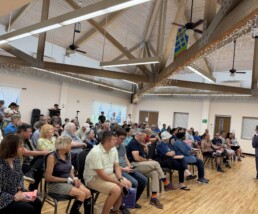
So far this year, the SE2 team has facilitated 222 public meetings.
Engaging with thousands of residents, local advocates, and project leaders reinforced a fundamental lesson: effective community engagement is not about broadcasting a fixed plan or perspective, but about building authentic, long-term trust.
When organizations foster safe environments for open conversation, community members and organizations can achieve their shared vision together.
Moving Beyond “Outreach Theater”
Public engagement is most effective when it goes beyond simply holding meetings and creates meaningful opportunities for community members to help inform and shape decisions.
The outdated, top-down model leaves community members feeling unheard and damages public trust, with negative effects that linger long after a specific issue is resolved.
To foster genuine relationships, SE2 goes beyond basic outreach to real co-creation.
In traditional, top-down outreach, residents play a passive role, simply receiving a pre-packaged message. In co-creation, residents work side by side with project leads to solve complex local problems.
When community members see their own ideas reflected in the final plan, they develop a profound sense of pride and shared ownership in co-created solutions.
A Step-by-Step Methodology for Authentic Engagement
Meaningful community engagement doesn’t happen by chance; it requires a disciplined, structured approach. Projects fail because organizers skip critical steps to connect or neglect to listen before taking action.
A planning or infrastructure team may miss valuable opportunities to move the conversation forward without a skilled communications and engagement lens to recognize them.
Our engagement process follows a comprehensive seven-step cycle:
- Research: Uncovering the unique history, needs, and dynamics of the community.
- Listen: Creating open, multilingual spaces to gather honest community feedback.
- PowerMap: Identifying trusted community leaders beyond standard official titles.
- Co-Design: Partnering directly with residents to shape practical solutions.
- Implement: Putting community-backed plans into action.
- Evaluate: Reviewing project results and measuring ongoing community impact.
- Report Back: Demonstrating to residents how their input directly influenced final decisions.
A key insight from our work is that building authentic relationships starts with identifying who residents truly trust within a neighborhood and doesn’t only rely on formal leadership structures.
Large-scale public initiatives often involve technical complexities that can feel overwhelming to laypeople. Our responsibility is to translate these complex ideas into clear, accessible language so everyone can participate meaningfully.
We manage all event logistics—from selecting welcoming venues to providing childcare and language justice—removing barriers to participation. By handling these vital details, residents to shape their own communities and clients can turn initial skepticism into meaningful success.
Expanding Capacity with Fractional Community Engagement
Many organizations recognize the vital need for genuine community engagement but lack the full-time bandwidth or dedicated, expert internal team to execute it. That is where our fractional community engagement services come in.
Acting as your off-site engagement department, we bring our SE2 PowerMap™ methodology and deep regional networks to projects through a flexible, project-based model. Key benefits include:
- Strategic Insight & Execution: Benefit from expert strategy and hands-on event logistics without maintaining full-time in-house staff overhead.
- Authentic Relationships: Build on trusted local connections specifically tailored to your project goals.
- Community-Backed Results: Evolve from simple announcement campaigns to sustainable partnerships that deliver broad, sustainable community support.
To discuss these concepts further, please email Alvina Vasquez at Alvina@SE2ChangeForGood.com.

Stories Make Facts Matter
We don’t encounter facts in a vacuum. We interpret them through stories.
That doesn’t make facts less important. It means the way we frame them matters.
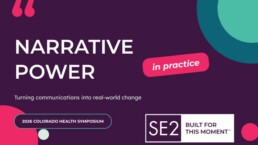
At the Colorado Health Foundation’s 2026 Colorado Health Symposium, my SE2 colleague Elizabet Garcia and I led a workshop on narrative power—the stories and assumptions that shape how people understand an issue before a message even reaches them.
One idea anchored the conversation: Narratives are not messages. They are the stories that make messages make sense.
Narratives develop through patterns of stories told over time. They shape what facts mean and what people believe is possible. A message can reinforce or challenge a narrative, but a message alone doesn’t change a narrative.
Every fact enters a story already in progress.
Communities must help shape and tell the stories that affect them.
Narrative change is cumulative. Consistency matters more than a clever turn of phrase.
What Narrative Change Demands
Understand the context
People bring existing beliefs and experiences to every discussion. Before deciding what to say, ask: What story are people already hearing? Does it reinforce scarcity or shared opportunity? Blame or collective responsibility? Fatalism or the possibility of change?
Communities author their stories
The narratives we amplify influence who feels seen, heard, and valued. Elizabet reflected on the people behind the headlines, policies, and statistics—and the importance of communities telling their own stories rather than having those stories told for them.
Work through trusted messengers
People assess information partly by considering who is sharing it and whether that person understands their lives. The right messenger is not always the person with the most formal authority. Create space for those voices and support people in speaking for themselves.
Keep the focus
Narratives rarely shift because of one campaign, report, or perfectly worded message. Simple, consistent, values-based communication can feel less exciting than new, creative concepts. But repetition builds familiarity—and familiarity can build trust, belonging, and momentum.


Why is Drug Prevention Last in Line for Funding?
Notes from July’s Inaugural Fentanyl Free America Summit in Orlando:
- Even in a muggy week in Florida, Drug Enforcement Agency officials wear dark suits and ties.
- The DEA gets that addressing the drug crisis requires both cutting the supply and reducing the demand.
Yet prevention – keeping drugs from ever harming young people – is consistently shortchanged nationally when it comes to addressing the opioid epidemic and the radically new drugs flooding your local gas station or corner store.
The importance of rigorously enforcing drug laws is intuitive. Immoral drug traffickers relentlessly pursue illicit profit without regard for the high human cost of their illegal products. Law enforcement holds them accountable and reduces the flow of their deadly substances. That’s the supply-side intervention.
Addressing the demand side by reducing the market for drugs is a more nuanced effort that lacks the drama we expect from drug busts on the news or in popular culture.
But that was the focus of the conference, hosted by the Community Anti-Drug Coalitions of America (CADCA) and the DEA. The sessions were full of hundreds of engaged teens and community leaders from around the country putting their heads together to support young people in making healthy choices.
No one questions the need to provide treatment and recovery services for those who want to get clean, including those who were deceived by unethical marketing to believe that prescription opioids were safe.
But as Allison Dodge of One Chance to Grow Up, a nonprofit dedicated to protecting young people from the harms of high-potency marijuana and other substances, and I outlined in a presentation at the conference, primary prevention focused on young people offers the highest return on investment. (It provides $18 return on a $1 investment, according to one study sponsored by the U.S. Substance Abuse and Mental Health Services Administration.) It also has the longest-lasting benefits.
As Colorado’s state and local governments continue to appropriate our share of $59 billion of national opioid settlement funding, it’s worth considering the data.
Nationally, only 9% of the funding is going to prevention. But consider the benefits of this approach, as described in this year’s National Drug Control Strategy:
“A well-known public health parable illustrates our approach to the drug crisis. Villagers living by a river were alarmed when children began floating downstream, struggling. They organized rescue teams, pulling victims from the water, but soon became overwhelmed as more people were swept away. Finally, one villager declared, ‘Instead of only pulling people out, I’m going upstream to see why they are falling in!” This simple story holds a profound truth: while rescue is vital, prevention is paramount.’”
Prevention may be paramount, but it is always a hard sell.
If the parable above included a TV news crew, it would be filming the dramatic rescues, not the exploration upstream.
Stories of people who have recovered from addiction are deservedly compelling. But the narrative of how many young people never use drugs or experience substance use disorder doesn’t have the same intense drama. The crisis that never happened is hard to describe, but it is life-altering.
When it comes to prevention, behavioral science, pioneered by nationally renowned experts like the Colorado State University Prevention Research Center, shows us what works, based on decades of data.
Drug prevention doesn’t rely on some dated “just say no” cliche. Rather, today’s youth prevention blueprint includes:
- Nurturing strong connections with peers, parents, and other trusted adults like coaches and teachers.
- Understanding that most teens are making healthy choices (the positive community norms approach).
- Clear rules, support, and open conversations at home.
We know what works, but it must be prioritized.
Kids don’t typically testify at hearings or write funding proposals, so their voices aren’t heard as loudly as others.
As adults, it’s our job to speak up for them. We’ll all benefit from their healthy choices – for generations to come.


Positive Community Norms 101: How Telling the Truth Can Change Behavior
Imagine a town with 500 houses. One catches fire.
Which house makes the evening news?
The burning one.
That’s understandable. News organizations exist to report what is unusual, urgent, and alarming. Prevention campaigns have often done the same thing. We focus on overdoses, youth vaping, bullying, unsafe driving, or vaccine hesitancy because those are the problems we’re trying to solve.
And, as a former journalist, I realize that’s what is newsworthy, shaping perceptions that these challenges are prevalent – even the norm.
But here’s the catch: If we spend all of our time talking about the one house that’s on fire, we may unintentionally convince people the neighborhood is burning down.
Positive Community Norms, also known as Positive Social Norms, asks us to tell a more complete—and more accurate—story.
It’s about the 499 houses that aren’t on fire.
That idea feels counterintuitive. In fact, that’s often the first reaction people have when they encounter Positive Community Norms. Surely we should focus on the problem if we want to solve it.
Behavioral science suggests otherwise.
For decades, researchers have demonstrated that making healthy behavior visible can often be more effective than amplifying the problem of unhealthy behavior. Rather than ignoring problems, Positive Community Norms helps communities recognize that healthy choices are frequently far more common than people realize.
That’s why Positive Community Norms has become one of the most influential communication frameworks in modern prevention. It’s grounded in a simple but powerful insight: people are more likely to adopt positive behaviors when they understand those behaviors are already the norm.
What Is Positive Community Norms?
Positive Community Norms is an evidence-based communication approach that identifies healthy behaviors already occurring within a community and makes those behaviors more visible.
Instead of saying: “Too many teens are vaping.”
Positive Community Norms might communicate: “Nine out of ten local teens choose not to vape.”
Both statements may be true. Only one reinforces the behavior we hope to strengthen.
The approach is grounded in research showing that people routinely overestimate unhealthy behaviors while underestimating healthy ones.
Students may believe “everyone drinks.”
Parents assume “everyone lets their kids drink at parties.”
Residents think “nobody stores medications safely.”
Communities may believe vaccine hesitancy is widespread because that’s what dominates headlines and social media.
Reliable local data frequently tells a different story.
Those misperceptions matter because human beings are deeply social. We constantly look to others to determine what is normal, acceptable, and expected. Psychologists call these descriptive norms—our beliefs about what other people actually do.
When we correct those perceptions with accurate local data, behavior often follows.
Why This Feels So Strange
Positive Community Norms challenges one of our strongest communication instincts. Most of us believe that if we want people to change, we need to emphasize the seriousness of the problem.
Media rewards conflict. Politics rewards conflict. Social media rewards conflict. Even many prevention campaigns have highlighted worst-case scenarios.
Positive Community Norms flips that instinct on its head.
Instead of asking, “How do we convince people the problem is serious?” it asks, “What if most people are already making the healthy choice—and they simply don’t know they’re the majority?”
That’s a profound shift.
Rather than amplifying unhealthy behavior, Positive Community Norms amplifies healthy behavior that already exists.
It doesn’t minimize challenges. It puts them into their proper context.
Communities often need time to embrace this way of thinking because it feels almost backward. Yet that’s exactly why it works. Humans naturally conform to what they believe is normal. When communities accurately communicate that healthy behaviors are already common, they strengthen those behaviors rather than inadvertently normalizing unhealthy ones.
Simply put, if we spend all our time talking about the one house that’s burning, people may conclude the neighborhood is unsafe.
When we truthfully acknowledge the other 499 houses that are standing strong, we reinforce the behaviors that keep communities healthy in the first place.
The Science Behind Positive Community Norms
Positive Community Norms is built upon decades of research in prevention science, psychology, and behavioral economics.
Among the leading researchers advancing this work is Dr. Nathaniel Riggs at Colorado State University’s Prevention Research Center. His research has explored how community environments, protective factors, and social norms influence youth development and substance use prevention. Rather than waiting until problems emerge, his work emphasizes strengthening the conditions that help young people thrive.
Nationally, organizations like ADAPT, the prevention arm of the High Intensity Drug Trafficking Areas (HIDTA) program, have helped communities implement Positive Community Norms strategies. Their work translates social norms research into practical prevention campaigns that help communities reduce substance misuse by accurately communicating healthy majority behaviors.
The evidence consistently shows that people frequently overestimate risky behaviors among their peers. Correcting those misperceptions has been associated with improvements in alcohol use, tobacco prevention, impaired driving, prescription drug misuse, and other public health outcomes.
Importantly, Positive Community Norms is not about putting a positive spin on difficult issues.
It depends on:
- Credible local data
- Honest reporting
- Scientific evaluation
- Community engagement
- Strategic communication
- Repetition over time
If the data don’t support the message, practitioners don’t use it. Truth—not optimism—is the foundation.
From Substance Use to Vaccines—and Beyond
Although Positive Community Norms first gained traction in substance use prevention, researchers increasingly recognize that the underlying behavioral science applies to many challenges.
One emerging example is vaccine confidence.
As Dr. David Higgins of the University of Colorado has observed, the same social norms principles that reduce substance misuse can also strengthen confidence in vaccines. Instead of centering conversations on misinformation or hesitancy, communities can accurately communicate that most parents vaccinate their children, most healthcare professionals recommend vaccination, and most families choose prevention.
The psychology remains remarkably consistent: People are more likely to adopt healthy behaviors when they understand that those behaviors are already common.
Positive Community Norms in Practice
Positive Community Norms has moved well beyond academic research.
At SE2, Positive Community Norms has become one of the behavioral science frameworks that informs our strategies. Whether we’re working with youth substance use prevention, opioid settlement initiatives, vaccine confidence, or broader community engagement, we begin by asking an important question:
What strengths already exist that deserve to be made more visible?
That philosophy has informed projects including:
- Safe Yakima Valley, where Positive Community Norms principles helped elevate healthy choices and trusted local voices within community prevention efforts.
- The Connect Effect, developed with Rise Above Colorado for the Colorado Department of Law, emphasizes how most teens would take action to protect their peers from risky pills.
- Communications supporting Colorado’s opioid settlement regions, helping communities frame prevention around protective behaviors instead of focusing exclusively on addiction and crisis.
Across each of these efforts, we’ve seen the same lesson reinforced: Communities are often far stronger than residents believe.
Our role is not to manufacture optimism. It is to uncover authentic strengths through credible data, behavioral science, and strategic storytelling—and then help communities recognize those strengths in themselves.
When people understand that healthy behavior is already normal, healthy behavior becomes even more normal.
Why Positive Community Norms Matter More Than Ever
We live in an era where algorithms reward outrage. Social media amplifies extremes. News coverage understandably focuses on crises. The result is that people often mistake the loudest voices for the largest groups.
Positive Community Norms offers an important recalibration. It reminds us that the overwhelming majority of people are already doing many of the things that make communities healthier.
Parents are talking with their children.
Young people are choosing not to misuse substances.
Families are safely storing medications.
Healthcare providers are recommending evidence-based care.
Neighbors are supporting one another.
Those stories rarely become headlines. But they’re true. And they’re powerful.
One More Thing!
Patty Ferssizidis, PhD of ADAPT reminds us that Positive Community Norms is one strategy within a larger set of prevention strategies. Positive Community Norms can be paired with other strategies that address other risk and protective factors, she notes. I encourage anyone interested in a deeper dive to explore the ADAPT online resources and, if possible, attend one of the ADAPT trainings. ADAPT is the gold standard for prevention best practices.

Meet Jennifer Ramos: She's Energized By Community at SE2 and at Home
SE2 is thrilled to welcome our newest associate, Jennifer Ramos, who brings deep experience in community engagement and will support our SE2 PowerMap strategies to drive positive change. Jennifer answers three questions about what has shaped who she is and how she approaches her work.
How did your upbringing shape who you are today?
I grew up in Adams County, just north of Denver. My family immigrated from Mexico, and as the oldest daughter, I was raised to be comfortable with responsibility and to take care of others. That shaped me because I feel accountable for others’ well-being. I carry those values with me every day; they shape how I show up, not only in my career but also in my personal life.
What motivates you at SE2?
I am motivated to make change through causes because of my upbringing and my heritage as a first-generation Mexican American. Despite having a good childhood, I realized there were opportunities and resources that were not accessible to me. Systems were not set up equitably. If someone like me, who had grown up with reasonable means, had missed certain opportunities, I could not even imagine what that meant for people who had grown up with fewer resources. That is what feeds my internal fire — the realization that not everyone is getting the same shot. My personal experience is woven into my work, and that is why I put my heart into recognizing the stories of community members and elevating their power.
When you’re not driving social change at work, what energizes you?
I am energized by the community. To me, community is a group of people that is connected by shared values and goals. Community does not have one singular look in my world. It can look like my friends, my family, my Pilates class, or my book club. I am energized by the feeling of belonging to something bigger than myself, while also being able to share it with others.

Colorado Charts Its Own Course on Vaccines Amid Federal Pullback
This article, which originally appeared in KFF Health News, features SE2’s Elizabet Garcia and highlights the Colorado Chooses Vaccines coalition, which SE2 helped create. SE2 also provided communications support for the coalition.
In response to abrupt and politicized changes to federal vaccine policy, concerned Coloradans have taken several steps to shore up support for vaccine science.
A bill passed by the state legislature in March then signed into law by Democratic Gov. Jared Polis allows Colorado to further uncouple itself from federal guidance.
The law allows health officials to follow the recommendations of national medical groups when making decisions such as purchasing bulk vaccines for the Medicaid program.
“We are insulating our state from the dysfunction coming out of Washington,” said Democratic state Sen. Kyle Mullica, a co-sponsor of the bill and a registered nurse. “We’re going to rely on science.”
“From fighting during the pandemic for Coloradans to get vaccines as quickly as possible to combating the Trump Administration’s barriers to getting vaccinated, we have expanded access to vaccines for Coloradans who want them,” Polis said in a statement when he signed the law.
Colorado is one of at least 29 states that, along with Washington, D.C., have taken steps to bypass the new federal recommendations amid worries that the changes could chip away at public trust in vaccines and erode broad vaccine coverage.
Previously, Colorado, like most states, had followed federal guidance set by the Centers for Disease Control and Prevention. In January, CDC advisory panelists, selected by Health and Human Services Secretary Robert F. Kennedy Jr., removed six pediatric immunizations from the agency’s universal recommendation list.
Last year, doctors, scientists, local leaders, and other supporters came together to form an outreach and advocacy coalition called Colorado Chooses Vaccines.
The group aims to offer a clear, unified voice on the proven benefits of vaccines and reassure residents confused by the many federal changes.
Carol Boigon, a former Denver City Council member, joined the group because she wants more people to hear her own chilling story about vaccine-preventable illness.
“Every summer everybody got sick,” Boigon said, recounting her childhood in 1950s Detroit.
The illness was polio, a highly contagious viral disease that attacks the nervous system, sometimes causing partial or full paralysis.
During the summer of 1953, “the whole block was sick and some of us got crippled, and that was just the way it was,” she said.
New Group Steps Up
Boigon’s personal history will be part of the coalition’s work to educate new generations about the dangers of infectious diseases that were once common in the U.S. but are now relatively rare.
The group, which formed last September, will also compile vaccine information from medical groups and the state health department and advocate for policy proposals with the state government.
Several pieces of paper are arranged on a table. One is a professional biography of Carol Boigon from the Denver City Council. Next is a clipping from The Detroit Times. Last is a 1985 Colorado Press Award.
Boigon shows memorabilia from her life and career. (Kevin J. Beaty/Colorado Public Radio/Denverite)
“It was in direct response to the federal threats,” said another coalition member, former state lawmaker Susan Lontine. She leads the nonprofit Immunize Colorado.
Another member, public relations specialist Elizabet Garcia, wants more outreach to Hispanics, whose vaccination rates lag behind other groups’.
“A lot of time it’s this fear that they’re going to have to pay out-of-pocket, that their insurance doesn’t cover it, that they might not even have insurance in general,” Garcia said.
Boigon was 5 when she got sick and was hospitalized for six weeks with a fever. The virus attacked her spine.
“None of my limbs worked immediately afterwards,” Boigon said.
Although she regained function in her other limbs, her right arm never fully recovered. She had to adapt, relearning everyday tasks such as reaching out to shake hands with people with her left hand.
In 1955, not long after she got sick, the new polio vaccine became more widely available to the public. As vaccinations took off, U.S. cases of polio, once one of the nation’s most feared diseases, dropped by an estimated 85%-90%.
Increasing Public Trust
State leaders have taken other steps to promote public health. After the Trump administration pulled the U.S. out of the World Health Organization, several states, including Colorado, decided to join the WHO’s Global Outbreak Alert and Response Network on their own.
Colorado also joined a multistate lawsuit challenging the Trump administration’s changes to the childhood vaccine schedule.
And the new state law has provisions besides allowing the state to diverge from federal recommendations. It codifies pharmacists’ ability to prescribe and give vaccines themselves. It also increases legal protections for healthcare workers who give vaccines.
“This law will provide more clarity to guide all Coloradans, including providers who administer vaccines,” Lontine said.
But the legislation has opponents who say it would interfere with parental choice and claim vaccines might be unsafe or ineffective.
“I just want to make sure we’re not just getting into a big political dispute between the federal recommendations — the CDC and so forth — and different political views in Colorado here,” said Republican state Sen. John Carson, who voted against the vaccine bill.
NPR contacted the U.S. Department of Health and Human Services about Colorado’s new law. Spokesperson Emily Hilliard answered in an email: “The updated CDC childhood schedule continues to protect children against serious diseases.”
Preventable Illnesses Surge
The flurry of statewide activity comes as Colorado and the nation have seen surges in illnesses such as flu and measles.
As of mid-May, Colorado had recorded 22 measles cases this year. In 2025, it registered 36 cases, according to the state health department, far surpassing totals from previous years.
Across Colorado, kindergarten vaccination rates for measles were 88% last school year — with only a few counties achieving rates of 95%, the level needed for herd immunity, according to data published by The Washington Post in December.
This has also been Colorado’s worst flu season in recent years.
Vaccination rates for both flu and covid-19 have dropped slightly in Colorado, according to the state health department.
Eight children in Colorado have died this season from flu; one from covid; and one from RSV, or respiratory syncytial virus. Vaccines for all three are available for children and recommended by the state’s health department.
Kennedy, a longtime anti-vaccine activist, has defended his decisions to overhaul the recommended schedule for childhood vaccinations.
In March, a federal judge put on hold many of the changes.
“We’re not taking vaccines away from anybody. If you want to get the vaccine, you could get it. It’s going to be fully covered by insurance just like it was before,” Kennedy told CBS News in January.
When a reporter suggested the new changes could result in fewer people getting a flu vaccine, Kennedy said: “Well, that may be, and maybe that’s a better thing.”
Boigon is sometimes incredulous at everything that has happened.
“It’s like we’re going backwards,” she said. “It’s like we have decided we don’t want a modern life; we want to be back in the 1950s, where children are sick and dying.”
This article is from a partnership with Colorado Public Radio and NPR.
KFF Health News is a national newsroom that produces in-depth journalism about health issues and is one of the core operating programs at KFF—an independent source of health policy research, polling, and journalism. Learn more about KFF.


Public Health Is Losing the Vaccine Narrative. Here’s How to Take It Back.
Immunization misinformation is eroding trust in health institutions and in vaccines, leading to outbreaks of preventable disease, unnecessary hospitalizations, and death.
Inaccurate information is filling a vacuum with a clear, though misleading, story that is increasing vaccine skepticism.
Federal budget cuts have reduced vaccine promotion nationwide. Many state and local public health agencies now operate with fewer staff and fewer resources to run sustained, science-based vaccine promotion campaigns.
Public health officials are under pressure to be more muted about vaccines. Political leaders try to walk rhetorical tightropes. Institutions and advocates are just plain tired.
Media now report that Washington federal health officials, including Health and Human Services Secretary Robert F. Kennedy Jr., have been told to ease up on anti-vaccine messaging to boost Republicans’ chances in mid-term elections. It’s a tempting moment for vaccine advocates to take a breather. That would be a mistake.
This is not the moment to pause, but to build a better vaccine story.
When the health sector pulls back, misinformation moves in. It keeps telling the same story with clarity and repetition. It fills the space with claims about freedom, risk, and distrust. It gives people a language to explain their frustration with institutions and politics.
That is how narrative power works, regardless of the facts.
A narrative is not a single message. It is a pattern people absorb over time. It shapes how they understand what is happening, who is responsible, and what they should do.
Right now, a negative pattern is forming without enough counterweight.
Vaccine advocates have tried to respond with science. That matters but it can’t compete with the vivid anecdotes people hear from neighbors, social feeds, and prominent vaccine skeptics every day.
If advocates are waiting for public health agencies to lead a new vaccine narrative, they will be waiting in vain.
This next phase belongs to the broader network that shapes how people understand health every day, like clinics, schools, employers, community organizations, faith leaders, local media, and advocacy groups.
These people have the reach, trust, and flexibility needed.
But we must move strategically.
Vaccine misinformation has evolved so that it can spread more widely.
It says your health is your choice, institutions don’t tell the truth, strong parents question authority, and refusal = agency. Who could argue with this?
Public health still answers that story as if it were a technical error—sending data, issuing guidance, correcting claims.
The real problem is not a lack of information. It is a gap in meaning.
People make vaccine decisions based on the realities of their lives. They think about whether they can miss work. Whether the clinic is open when they are free. Whether they felt respected the last time they sought care. Whether a vaccine itself has ever made them feel under the weather. Whether the rules seem to keep changing. Whether anyone in power seems to understand their daily life.
Those experiences shape the stories people tell, and those stories become the narrative.
If you want to rebuild confidence, you have to show how health decisions are shaped by the conditions people live in every day. Access. Cost. Time. Trust. Stability. These are not side issues. They are the experiences people use to decide what is credible.
Advocates must step out of a reactive mode, where they wait for the next false claim or political flashpoint. They can use this period of relative quiet on the federal front to build a stronger narrative before the noise returns.
A better story starts with a clearer and more straightforward frame.
Vaccination helps your child stay in school and allows you to go to work, so your family doesn’t lose income. Getting your vaccines protects your loved ones who may be more vulnerable to disease because they’re very young, older, or have chronic health conditions.
This narrative aligns with values people already hold. Stability. Care for family. The freedom that comes from not being knocked off course by preventable illness.
Advocates are not bound by the same constraints as public agencies. They can speak more freely, move faster, and coordinate across sectors. They can test and repeat messages in real time.
But that requires discipline.
- Move from waiting for the next crisis to leading.
- Use trusted voices outside of public health.
- Tell stories grounded in relatable experiences. Show how people navigate work, school, and family decisions.
- Make action easy and visible. Say where to go, what it costs, and what to expect, removing friction.
- Stay consistent. Overarching narratives shift through repetition across settings and over time.
This is not about saying more. It is about filling a vacuum with a better story.
Right now, misinformation is doing that work and it’s winning.
If advocates step in now with a clear, consistent narrative rooted in how people experience health, they can shape what people believe before the next wave of federal political messaging takes over.
If we wait, we will be back in reactive mode, trying to catch up to a story that has already hardened.
This is the opening to tell a better story.

The Barrier to Support Line Use Isn’t Just Stigma – It’s Our Tendency to Over-Sanitize the Experience
For years, we have treated stigma as the primary barrier to using support lines. We have built campaigns to normalize help-seeking, reduce shame, and encourage people to take that first step.
And yet, hesitation persists.
We may have been solving the wrong problem.
When people pause, it is not because they feel judged. It is because they are worried about what will happen next.
What People Are Trying to Figure Out
When someone considers reaching out, the questions are not abstract. They are practical and immediate: Is this free? Is it confidential? Who answers. Is it a real person? What happens after I start? Can I get out of it? Will this create unintended consequences?
Those questions are shaped by more than the moment itself. They are shaped by the broader environment we all face every day.
We are accustomed to subscriptions that are hard to cancel, services that overpromise and underdeliver, hidden fees, and systems that escalate our commitment once we enter them. We all have learned from experience to be cautious.
So when users encounter a support line, they do not assume it is simple and contained. They assume it comes with strings attached or hard-to-spot fine print or catches.
At that point, the decision is not about whether help is needed. It is about whether the experience feels safe enough to try.
Where Behavior Breaks Down
In behavior change, uncertainty is not a minor barrier. It is often the deciding one.
When people cannot predict what will happen next, they default to protecting themselves. Behavioral research shows that people weigh potential losses more heavily than gains. When the outcome is unclear, the perceived downside expands, even if the actual risk is low and the potential benefits are high.
Ambiguity also increases cognitive load. The brain has to simulate possible outcomes without enough information. Especially in emotionally charged moments, that extra effort may be enough to stop action. So people pause. They delay. They tell themselves they will come back later. Many may not.
From the outside, this looks like people are afraid of the stigma and judgment that come with seeking support. In reality, this hesitation is largely driven by uncertainty.
The Gap We Miss
The modern approach to driving support line usage has largely focused on reducing stigma. We normalize help-seeking. We reinforce that people are not alone. Those messages are important, but they do not resolve the core issue: People are not just asking whether it is acceptable to reach out. They are trying to understand what they are stepping into.
If that question goes unanswered, they answer it themselves. And the brain tends to fill in gaps with worst-case scenarios. The interaction may escalate. It may feel out of their control. It may require more than they are ready to give. It may backfire on them.
None of that has to be true to influence behavior. It only has to be believed.
What Actually Moves People to Action
In our work with support and cessation lines, the most effective changes have not been about persuasion. They have been about clarity.
When people can see what the first interaction looks like, engagement increases. When expectations are clear, perceived risk drops. When the experience feels bounded and predictable, people are more willing to take the first step.
What is often missing is not awareness, but clarity. And clarity is not only about adding information, but also about removing ambiguity.
- Show a sample interaction, not a polished description.
- Let people see how it begins, how it sounds, and how contained it is.
- Make clear what will not happen: No sign-ups. No pressure. No loss of control.
Realism Builds Trust
One way to reduce uncertainty is to make the human on the other side feel real.
This is often approached as a branding exercise, with stock imagery or generic descriptions of trained counselors. That does little to build trust. Rather, we have seen and heard from potential users – through surveys and focus groups – that it creates distance.
What people are trying to assess is not credentials. It is the authentic nature of the interaction.
Real conversations are not polished. They start unevenly. People hesitate, backtrack, and figure out what they want to say as they go. When we only show the ideal version of the interaction, it can feel like something they have to perform correctly.
What builds confidence is seeing that the experience can accommodate uncertainty.
A conversation that starts with “I am not sure why I am reaching out” is more relatable than one that begins with clarity and intent. It signals that people can enter the interaction as they are, not as they think they should be.
That shift reduces pressure and makes the step feel more accessible.
Redefine the First Step
Another common barrier is how the first interaction is framed.
Many support lines unintentionally position engagement as the beginning of a process. Even subtle, even well-intentioned cues can make it feel like a commitment. For someone who is unsure, that is enough to stop them.
A more effective approach is to define the first step as contained and reversible. A single conversation. An opportunity to ask a question. A way to explore without obligation.
This reframing reduces perceived risk and aligns with how people actually approach change.
A Different Way to Think About the Problem
If we want more people to use support lines, we need to expand the question we are asking. It is not just about making this feel more acceptable, but about making it more understandable.
Because when people understand what will happen, the first step seems smaller And smaller steps are the ones people are more likely to take.
AI Can Augment, Not Automate, People-centered Strategies
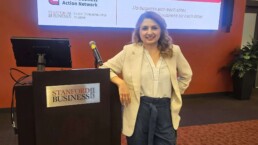
Last month, I began my journey at Stanford University through the Latino Business Action Network Scaling Program. Nearly 100 entrepreneurs from around the world came together to do what we do best—build bigger, better, and more profitable businesses that shape our economy.
The coursework covered many topics that are highly relevant to today’s business challenges. But what stayed with me most wasn’t just the content; it was a shift in perspective.
When I went to Stanford to study AI, I expected to come back talking about models, tools, and technology. And yes, I learned all of that.
But the most meaningful takeaway had little to do with the technology itself.
It came from Professor Michael Lepech, Professor and Senior Fellow at the Woods Institute for the Environment. He kept returning to a simple but powerful idea: AI is not a technology problem. It is a people problem.
That stuck with me.
As a Latina entrepreneur, I’ve always built with people in mind first – relationships, trust, and understanding how people actually experience a product or service. So hearing this in the context of AI didn’t feel abstract. It felt real.
A recent New York Times article explores how AI is reshaping jobs, not just eliminating them. That resonated, too. The work isn’t disappearing; it’s evolving. And the people who will thrive are those who learn to work with AI, not against it.
Stanford helped me understand why so many companies struggle with this shift.
There’s a statistic I keep coming back to: 85% of AI projects fail. Not because the technology doesn’t work, but because organizations don’t know how to apply it in ways that create real value.
That’s the gap.
AI is powerful, but it can’t repair a broken understanding of your community. It can’t heal lived experiences or past trauma, and it can’t spark the passion required to transform systems so they truly serve people.
It doesn’t fix processes that were never designed with ALL people in mind.
A reminder that the work we do at SE2 matters deeply. Slow down. Pause. Sit with people. Listen to their stories. Build real connection.
At its core, the SE2 PowerMap® framework is about people. We help individuals navigate important decisions. We build trust in moments that matter. We operate in complexity that is not just technical but also emotional.
That kind of work isn’t something AI replaces. It’s something AI should support.
One of the biggest mindset shifts for me was understanding the difference between automation and augmentation.
- Automation is about efficiency—handling simple, repeatable tasks.
- Augmentation is about empowering people to make better decisions, especially when the stakes are high.
SE2 operates in that latter space.
The decisions our clients, governments, elected leaders, and communities face require context, trust, and judgment. That’s where people matter most.
So when I think about AI in our world, I don’t think about replacing human interaction; I think about improving it.
Another framework we explored at Stanford was Product, Organization, and Process.
Most companies focus heavily on the product; they want to add AI features, build smarter tools, and move fast. But what I’ve seen, both in my own work and through this lens, is that organization and process matter just as much.
At SE2, relationships aren’t an afterthought; they’re the foundation. And that’s a strength, especially right now. Because the more AI becomes embedded in how we work, the more valuable human connection becomes.
That’s the biggest shift in how I think about all of this.
AI isn’t just artificial intelligence; it’s a way to scale collective intelligence. But that only works if people are at the center.
- People are still the ones making decisions.
- People are still the ones building trust.
- People are still the ones accountable for outcomes.

Videos Bring Quit Stories to Life, Earn National Recognition
Quitting tobacco isn’t a straight line. It’s personal. Sometimes messy. For many, it takes time, support, and more than one try.
We believe in telling stories that reflect the full experience—not just the outcome.
With the Colorado QuitLine Stories campaign, we focused on honesty over perfection. When people see themselves in someone else’s journey, it builds understanding, reduces stigma, and makes change feel possible.
We’re honored that this work earned Best of Show at the Web Marketing Association’s 2026 Internet Advertising Competition, but what matters most is the brave people behind the stories and the impact of their stories
The campaign videos, which won Best Government Online Video Campaign and Best in Show – Online Video Campaign, are available as a supercut on Vimeo, offering a taste of the stories and creative approach.

Building Belonging Through Narrative Change
The Challenge
Immigration is often communicated through statistics, policy debates, and crisis-driven headlines. But facts don’t arrive in a vacuum. People interpret them through the stories and assumptions they already hold.
The Colorado Immigrant Rights Coalition (CIRC) wanted to create a different starting point for conversations about immigration—one rooted not in political divisions or immigration status, but in the values and aspirations Coloradans share.
The challenge was bigger than finding the right words. It was about helping strengthen a different narrative about who belongs in Colorado and who gets to be part of its future.
Our Approach
Narratives are bigger than messages. They are the stories that make messages make sense.
Working with CIRC, SE2 developed a messaging framework around a simple idea: from many paths, one home.
Instead of beginning with immigration policy or responding to divisive rhetoric, the messaging begins with hope.
People come to Colorado wanting to put down roots, care for their families, and build a future. Those aspirations connect immigrant experiences to a much larger Colorado story, one shaped across generations by people searching for possibility and building communities together.
That framing allowed the campaign to move the conversation from “us and them” toward a shared identity: neighbors, coworkers, parents, business owners, and community leaders who all have a stake in the place they call home.
Communities Author Their Stories
Narrative change requires more than talking about people. Communities need the opportunity to shape and tell the stories that affect them.
That principle became central to The Colorado Story.
Rather than relying primarily on statistics to demonstrate immigrants’ contributions, the website introduces visitors to people whose experiences make larger issues tangible. Their stories include hope and opportunity, but they also reveal exploitation, instability, and the consequences of systems that don’t always live up to our shared values.
- Luis’ experience shows what happens when a worker’s hard work can be exploited because protections are out of reach.
- Sandra’s story demonstrates the human cost of spending decades contributing to a community while living without stability.
- Marge’s family history connects today’s conversation about belonging to an earlier chapter in which Japanese American families were forcibly incarcerated and stripped of their rights.
Each story stands on its own. Together, they reinforce a larger narrative about dignity, fairness, opportunity, and belonging.
Designing a Home for the Narrative
SE2 translated the messaging strategy into TheColoradoStory.org , creating a digital experience where the narrative could unfold through people, values, and stories rather than a conventional policy argument.
The site moves visitors from shared aspirations – we all want safety, dignity and the opportunity to build stable, joyful lives for our families – to individual experiences, then connects those experiences to broader themes:
- Economic fairness. When workers are treated fairly and have the opportunity to succeed, Colorado’s entire workforce and economy are stronger.
- Dignity and belonging. Everyone who calls Colorado home deserves to feel safe, valued, and respected.
- Collective strength. Colorado is stronger when people from different cultures, backgrounds, and experiences have the opportunity to contribute.
The Colorado Story website also gives the narrative room to travel beyond a single campaign. Visitors can share stories, attend or host screenings, and access messaging resources in English and Spanish.
The Impact
Narratives rarely change because of one campaign, one website, or one perfectly crafted phrase. They change as people encounter consistent stories that reinforce a different way of understanding an issue.
That is what The Colorado Story was designed to support. The project gives CIRC and its partners a shared narrative and practical language they can return to again and again—one that acknowledges real barriers and injustice without allowing those barriers to define the people experiencing them.
Instead, the focus remains on what Coloradans share: our hopes for our families, our contributions to our communities, and our belief that everyone deserves the opportunity to build a good life.
Because immigration is part of the Colorado story, and from many paths, we can build one home.
Videos were produced in collaboration with Colorado-based video production company Degotelo Studios.

Filling the Federal Vaccine Information Void
The Challenge
Federal disruption and widespread vaccine disinformation created confusion about vaccine safety, effectiveness, and access. As national vaccine policy and messaging became confused, Coloradans needed a credible, coordinated source of science-based information. SE2 helped create the Colorado Chooses Vaccines coalition to fill that gap with trusted voices, public education, policy support, and rapid response to federal changes that could undermine vaccine confidence and access.
Our Approach
SE2 supported Colorado Chooses Vaccines in building a clear, unified communications platform for healthcare providers, public health leaders, community organizations, and advocates. The work centered on making credible vaccine information easy to find, understand, and share.
Key elements included:
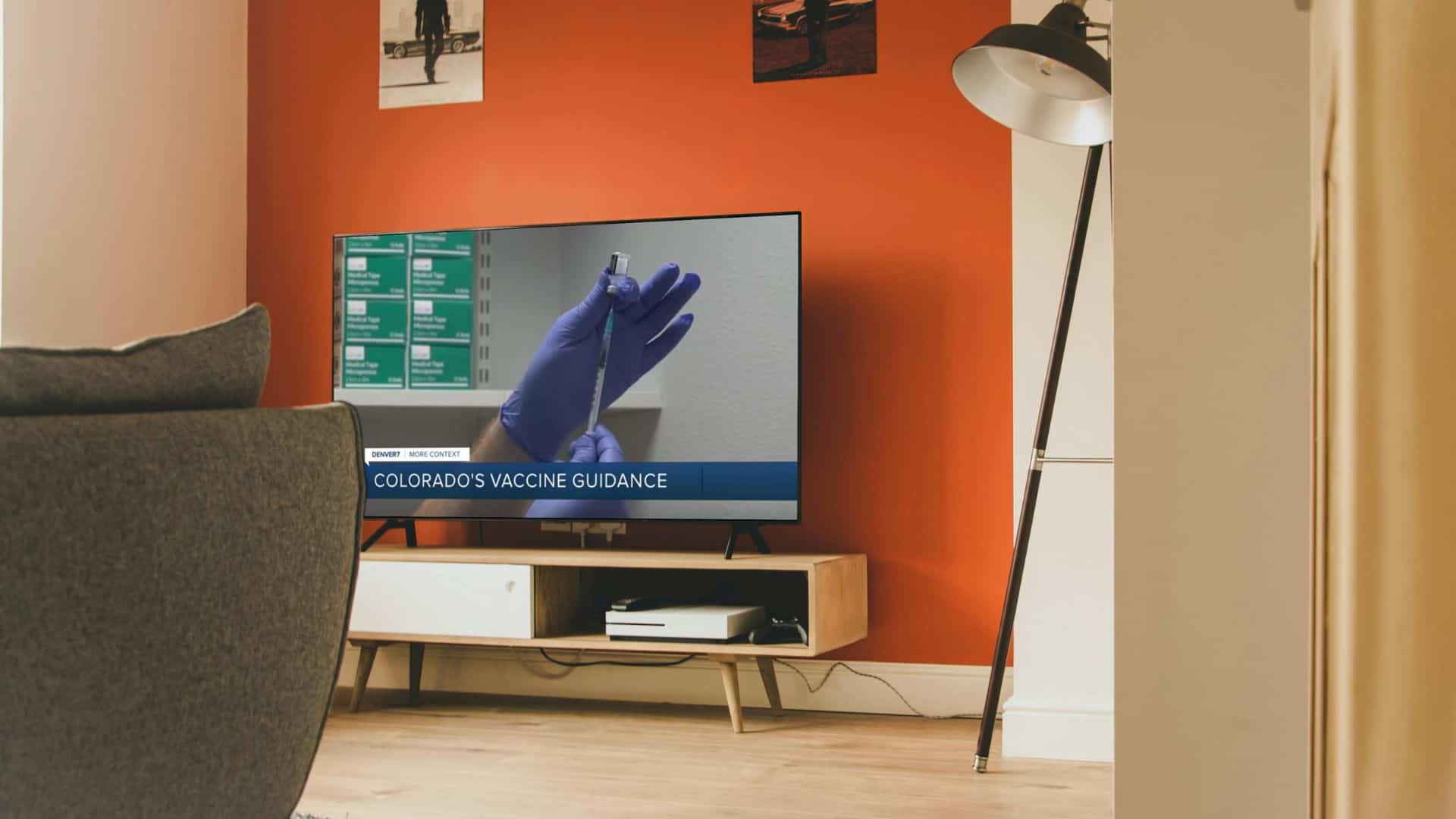
- Coalition messaging and rapid response: Helping partners respond quickly to federal actions and disinformation with consistent, fact-based messages from trusted sources, including physicians.
- Media outreach: Elevating coalition experts and shaping coverage (in Spanish and English) about Colorado’s response to federal vaccine changes.
- Public education: Supporting CoChoosesVaccines.org as a trusted resource hub featuring medical information and reliable guidance amid conflicting national messages.
- Advocacy support: Supportive messaging in news and opinion coverage bolstered coalition-backed legislation that supported Colorado vaccine access.
- Coalition promotion: Helping demonstrate the breadth of support behind vaccine access and public trust.


The Impact
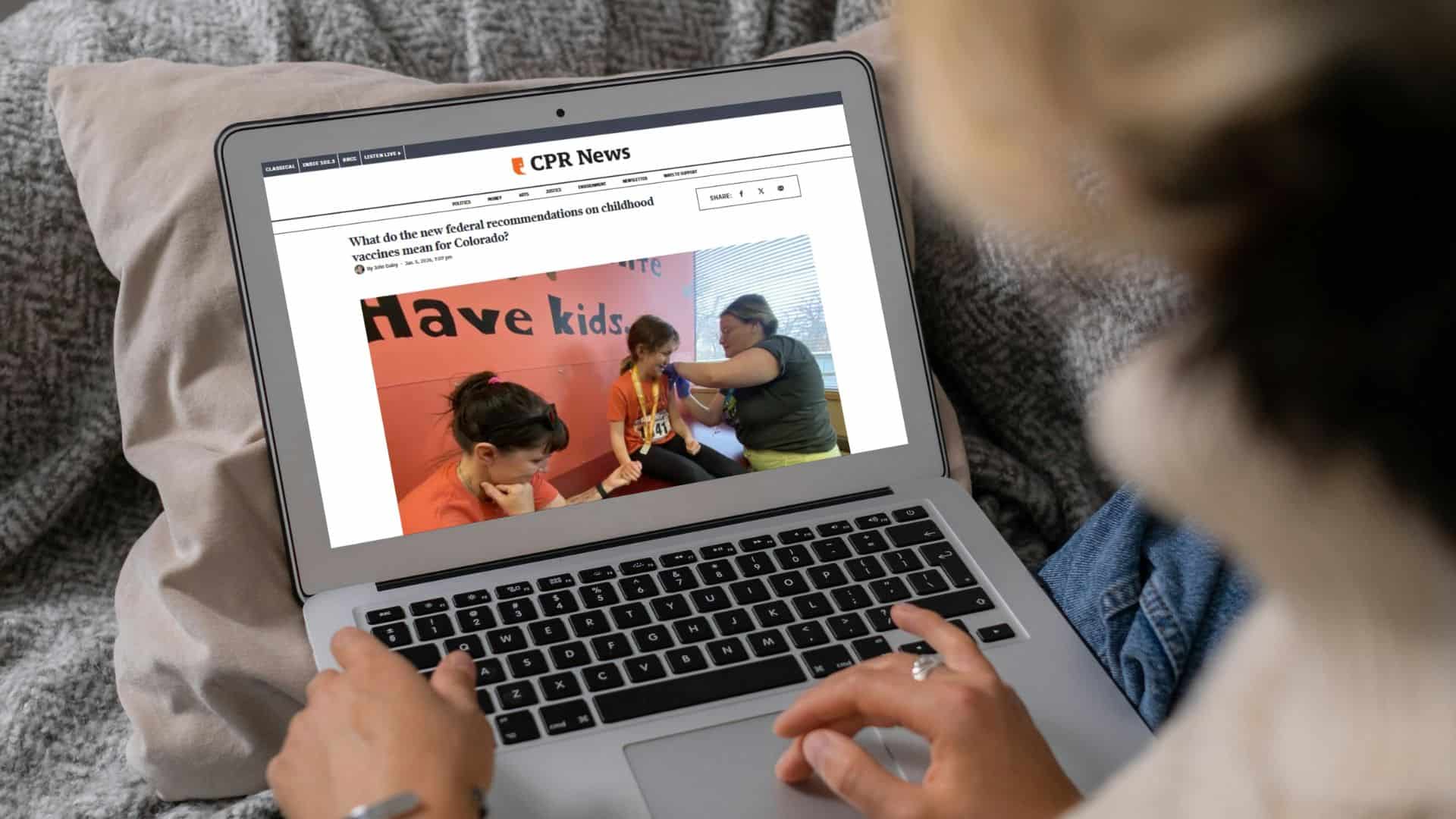
Colorado Chooses Vaccines quickly became a visible, trusted voice and a national model for how states can lead on this issue. Colorado’s independent, proactive approach to protecting vaccine access and confidence drew national coverage from major outlets, including PBS NewsHour, NBC News, KFF Health News, and NPR, as well as a stream of local coverage directly addressing Coloradans’ need for accurate, trustworthy information.
- 236 media reports placed or influenced with a total reach of 278 million impressions and advertising value equivalent to $2.57 million.
- Average website engagement of 3:24, exceeding the 2:58 benchmark for health websites.
- A broad statewide coalition of healthcare, public health, and community organizations aligned around vaccine access and trust.
Together, these efforts helped Colorado Chooses Vaccines fill a critical information void, reinforce public trust in science-supported vaccines, and mobilize a statewide network prepared to respond to shifting federal policy and ongoing misinformation.


Turning Developmental Guidance into Daily Moments of Learning
The Challenge
Colorado’s Early Learning and Development Guidelines provide a framework for understanding how children grow and learn from birth through age eight. These guidelines are intended for educators, caregivers, and families to support developmental milestones.
The guidelines are comprehensive but complex, making them difficult to translate into everyday practice. Many caregivers and providers were either unaware of the guidelines or unsure how to apply them. The challenge was simplifying and activating the content so it could be easily understood and used across diverse audiences.
Our Approach
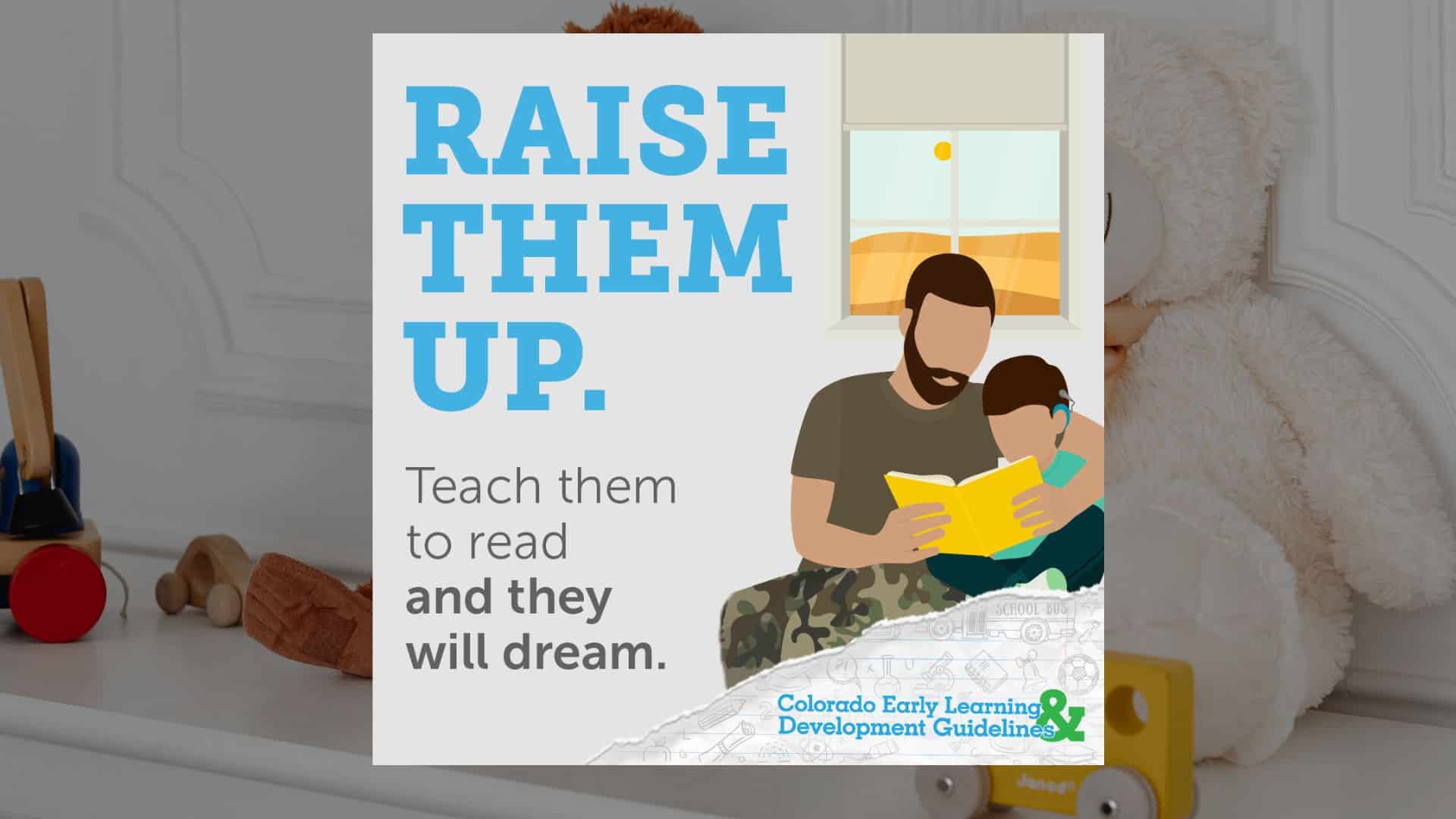
SE2 approached this work through a sustained, multi-year strategy designed to translate Colorado’s Early Learning and Development Guidelines into practical, everyday use for both caregivers and providers.
At the core was an always-on paid media effort that built ongoing awareness and encouraged caregivers to engage with the guidelines over time. This was paired with a user-centered website experience that allowed families to easily explore content tailored to their child’s age, making developmental information feel relevant, timely, and actionable.
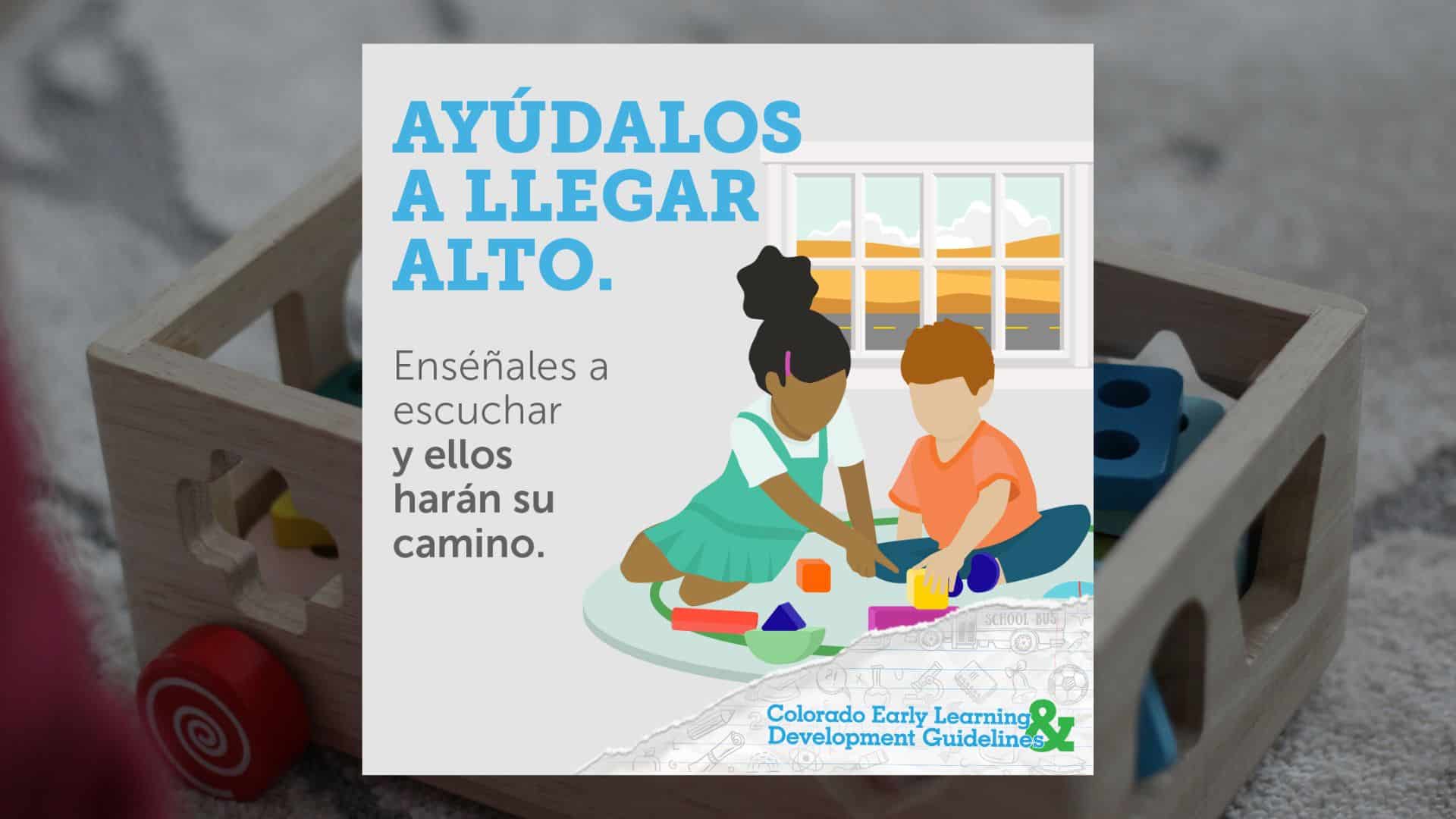
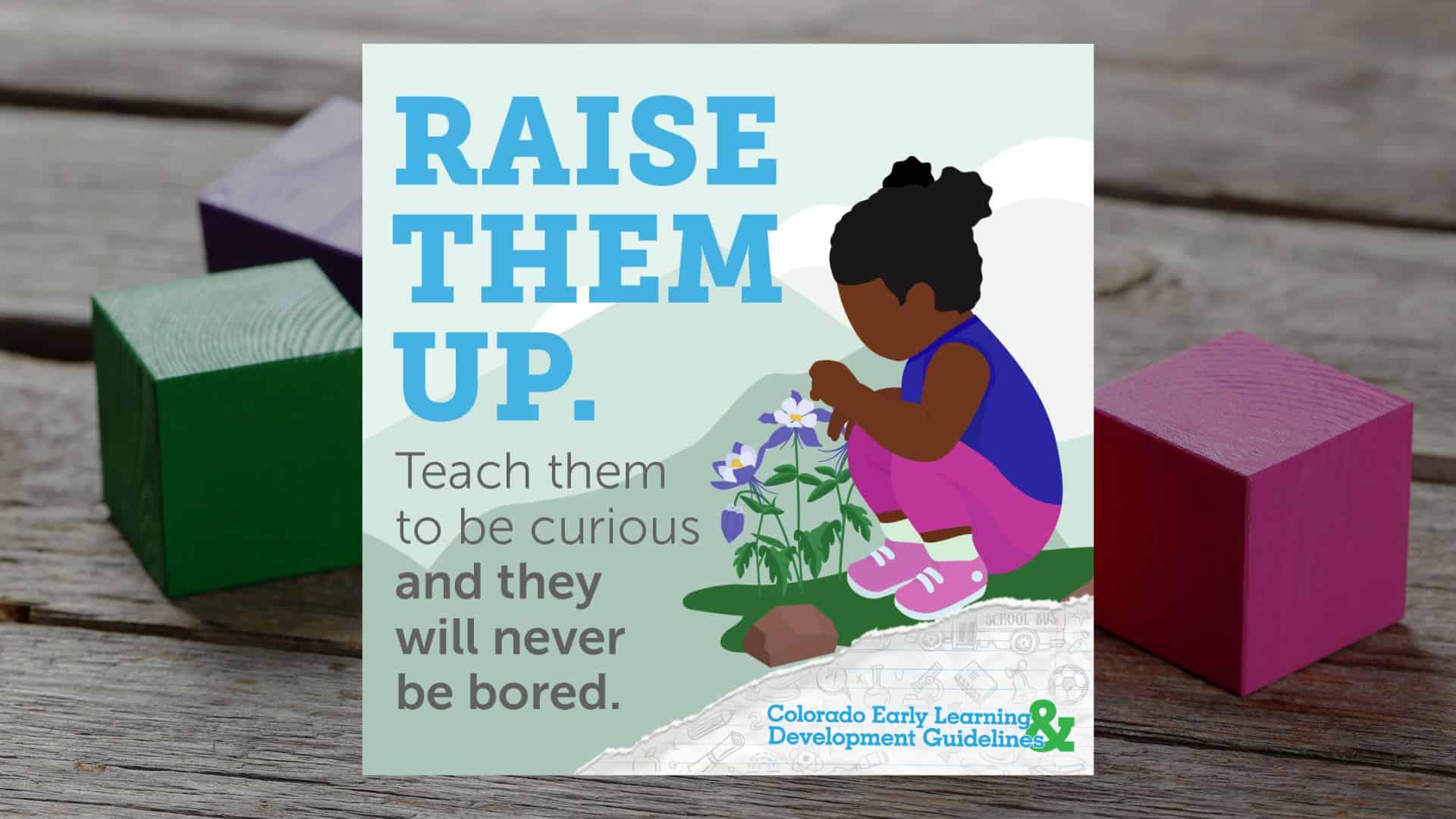
To extend impact beyond awareness, SE2 developed toolkits in English and Spanish that equipped providers with resources to better educate and engage parents in early childhood learning. These materials helped bridge the gap between what children need to thrive and how caregivers can support that development at home.
Statewide and niche earned media was used to reach parents and caregivers through parenting sites and news articles.
In parallel, additional resources were created specifically for providers to support the delivery of high-quality early childhood experiences, ensuring the guidelines were not only understood but consistently applied in care settings across Colorado.

The Impact
The Early Learning and Development Guidelines helped establish a shared understanding of child development across Colorado’s early childhood system—aligning providers, educators, and families around common milestones and best practices. By translating research into practical, age-based guidance, the Guidelines supported more consistent, developmentally appropriate care and learning experiences across settings.
Earned media and communications efforts significantly expanded awareness of the Guidelines statewide. Coverage included features on Univision Colorado and Educa Radio, reaching both English- and Spanish-speaking audiences. Social media amplification further extended reach, with key coverage generating over 59,000 impressions, SE2 content adding 15,700+ impressions, and partner shares contributing an additional 19,000+ impressions—driving broad visibility without additional media spend.
Reaching Rural Communities with Messages of Dignity, Recovery, and Hope
The Challenge
Rural communities across Region 15 (Colorado’s Chaffee, Custer, Fremont, and Park Counties) faced the opioid crisis under uniquely difficult conditions. Geographic isolation, limited treatment availability, workforce shortages, and transportation barriers made accessing care harder than in urban areas. At the same time, stigma surrounding substance use disorder ran deep in small communities where privacy is limited and fear of judgment can prevent people from seeking help.
Many residents did not see treatment as accessible or meant for them. Misconceptions about addiction, recovery, and medication-assisted treatment continued to reinforce silence and delay care. Region 15 needed a campaign that could reduce stigma, normalize recovery, and connect people to local treatment and support in ways that felt credible, respectful, and relevant to rural life.
The challenge was not only to raise awareness, but to create trust and open the door to treatment in communities where asking for help often feels risky.
Our Approach
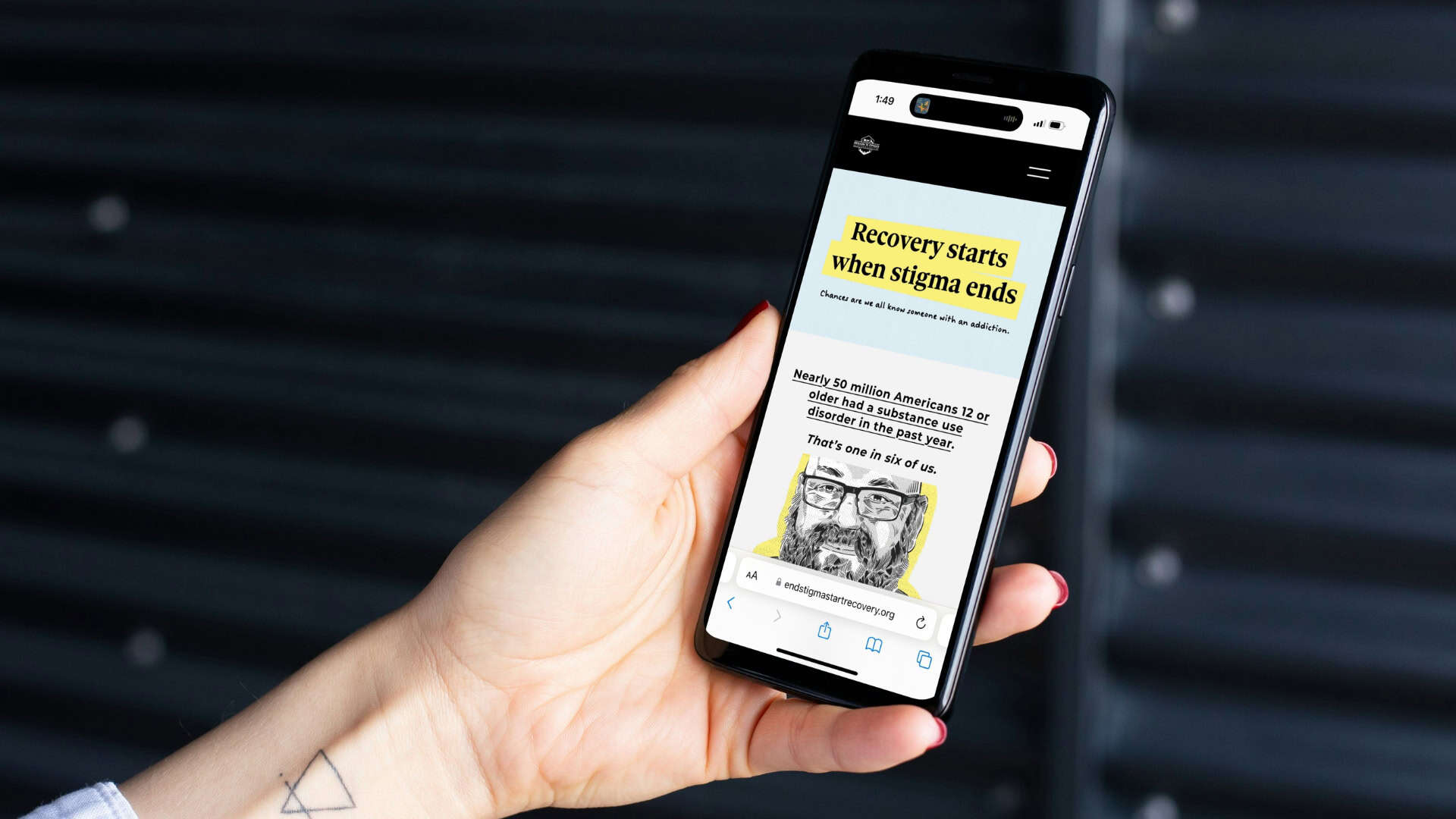
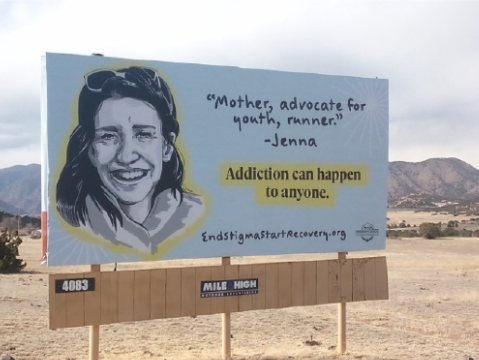
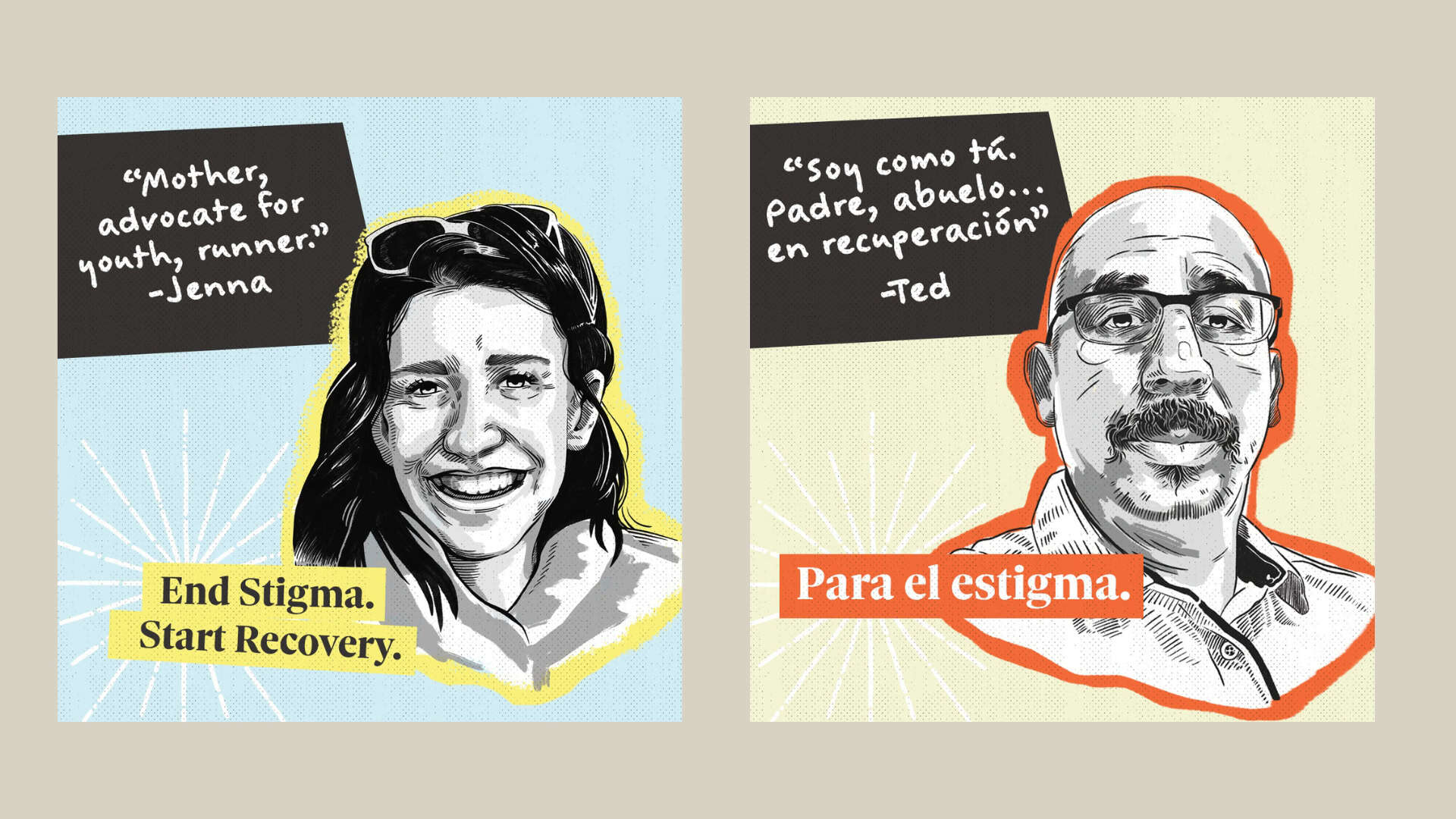
SE2 partnered with the Region 15 Opioid Governance Committee to develop a stigma-reduction and treatment awareness campaign grounded in real stories, rural identity, and harm-reduction principles.
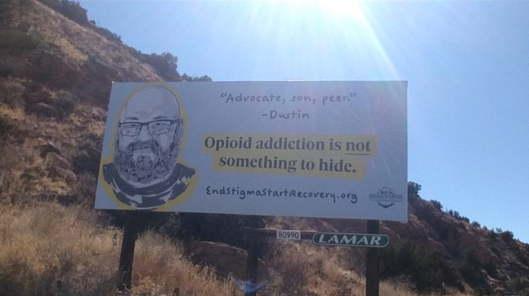
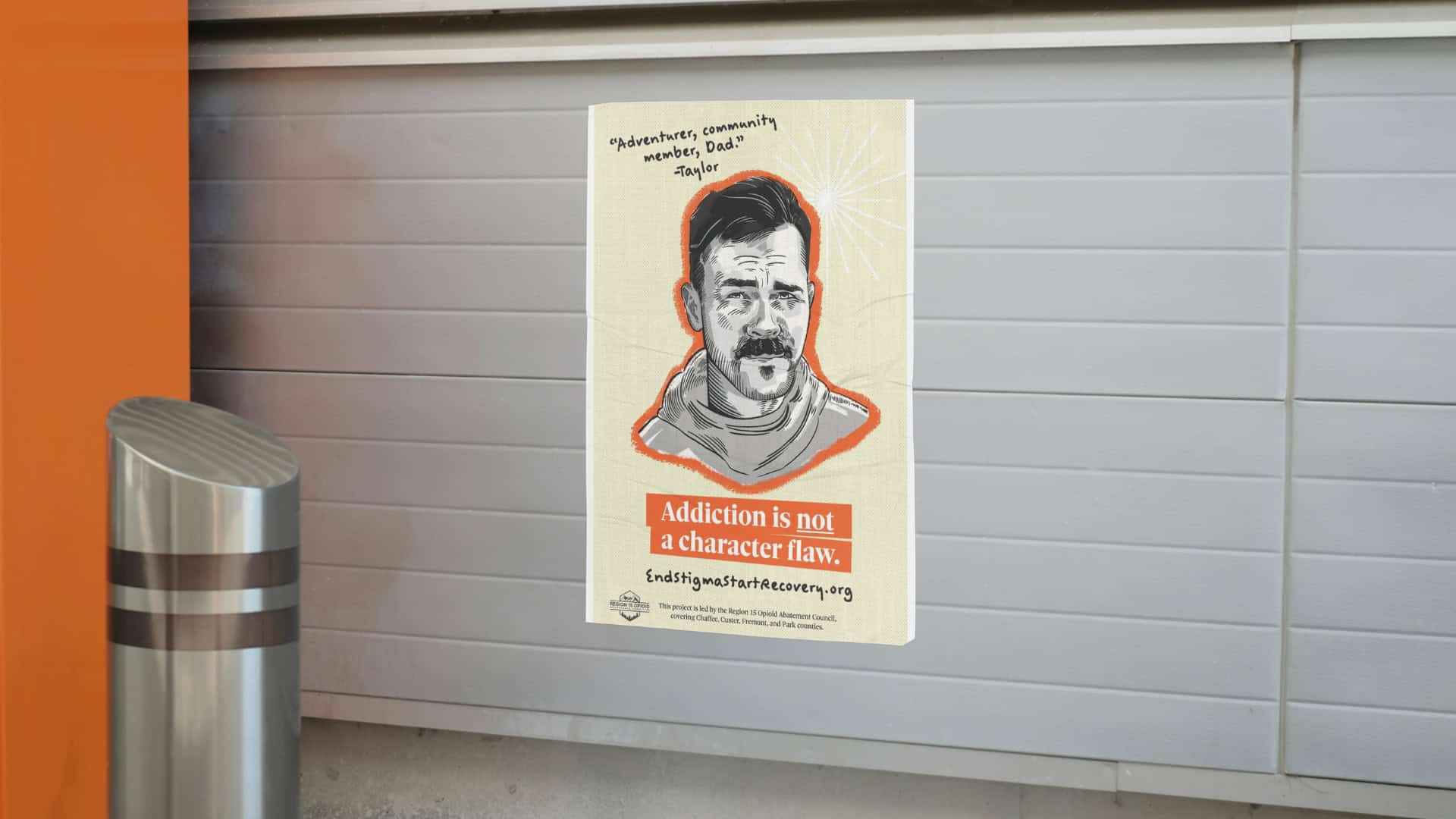
The campaign centered on storytelling that reflected the lived experiences of people in recovery, family members, and community members. Creative featured real voices and plainspoken language, reinforcing that recovery is possible and that people who use drugs are neighbors, parents, workers, and friends. Messaging emphasized dignity, connection, and hope rather than fear or shame.
To reach rural audiences effectively, SE2 deployed a multi-channel strategy that balanced scale with relevance. Paid media ran across Meta, Display, and YouTube, with creative optimized for mobile-first consumption. Display and social placements ensured repeated exposure in everyday digital environments, while video storytelling on YouTube allowed space for deeper engagement and emotional resonance.
Earned media amplified the campaign through trusted local outlets, helping normalize conversations about addiction and recovery within communities themselves. In parallel, SE2 supported the development and promotion of a campaign website that served as a central hub for treatment information and local resources. The site provided a clear, stigma-free pathway to help, designed to be accessible and easy to navigate for both English- and Spanish-speaking users.
Throughout the campaign, SE2 used performance data to guide optimization, ensuring resources were focused on the channels and creative approaches that resonated most with rural audiences.
The Impact
The Region 15 campaign demonstrated strong reach, engagement, and early signs of stigma reduction across rural communities. Key outcomes included:
- More than 3.1 million impressions delivered across paid media channels in the first month, providing broad regional visibility.
- Over 10,000 total clicks, with an overall 0.32% click-through rate, indicating strong engagement for a public health stigma-reduction campaign.
- Earned media coverage across local outlets, generating 23,000 impressions and reinforcing campaign messages through trusted rural news sources.
- More than 6,000 website visits to the campaign resource hub in the first month, creating a direct pathway to treatment information and local support.
Together, these results show that stigma-reduction messaging rooted in storytelling and rural realities can break through silence and connect people to care. The Region 15 campaign helped shift the narrative around opioid use from shame to support, reinforcing that recovery is possible and treatment is available, even in the most rural parts of Colorado.

Elevating Opioid Awareness and Youth Prevention in Douglas County, Colorado
The Challenge
Douglas County, Colorado, like many communities across the U.S., has experienced growing concern about opioid misuse—particularly with the rise of fentanyl and the risks it poses to youth and families. At the same time, stigma surrounding substance use disorder often prevents individuals and families from seeking help, discussing substance use openly, or accessing available resources.
Nationally, legal settlements with companies that contributed to the opioid crisis resulted in over $50 billion shared with states. Colorado’s portion – anticipated to be nearly $900 million over 18 years – is being divided among 19 regional abatement councils, including one covering Douglas County.
To distribute those funds locally, community leaders came together to form the Douglas County Opioid Council. This group recognized that prevention and recovery efforts required an approach that reflected the community’s values. To be effective, campaigns needed to resonate with local residents, address misconceptions about teen substance use, and replace stigma with understanding and connection.
The Douglas County Opioid Council partnered with SE2 to develop two complementary, community-centered campaigns that addressed these challenges from different angles: one focused on reducing stigma among adults and the other focused on promoting prevention among teens.
Our Approach
SE2 supported the Douglas County Opioid Council and its community partners to develop two parallel campaigns rooted in authentic storytelling and community engagement. Close collaboration with the council and county leaders ensured the campaigns authentically reflected the community’s values.
1. Re:Life – Adult Anti-Stigma Campaign
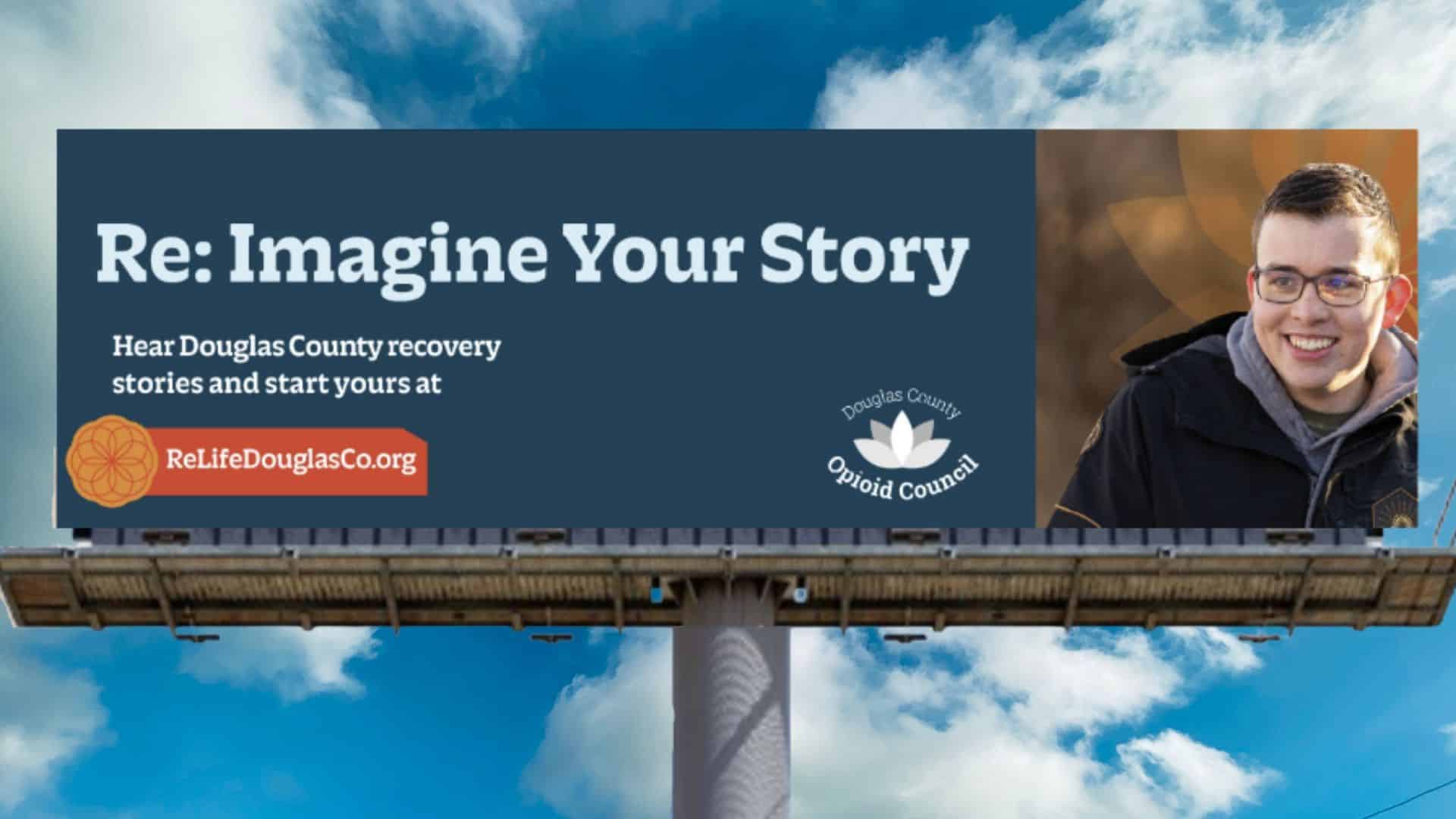
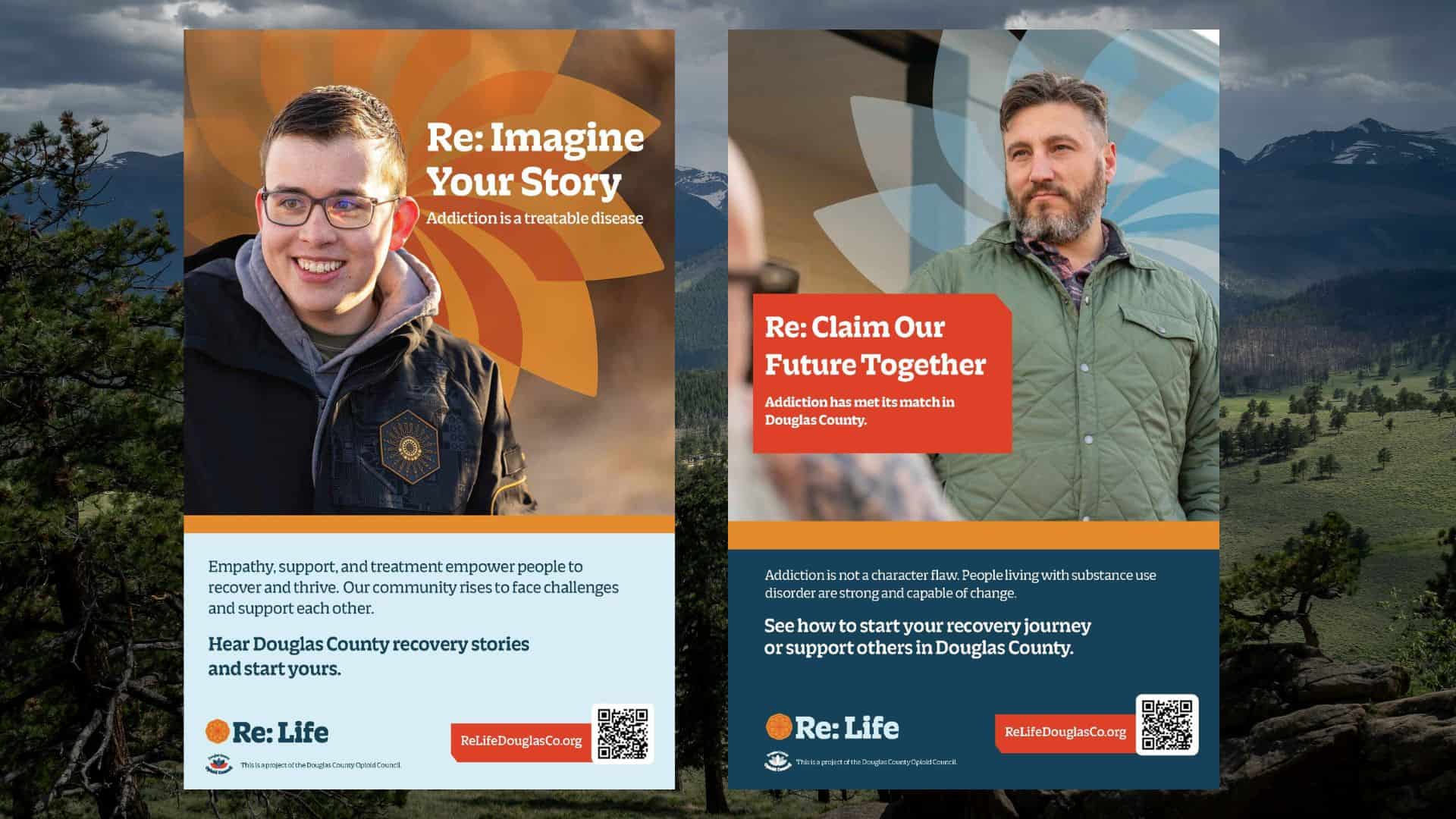
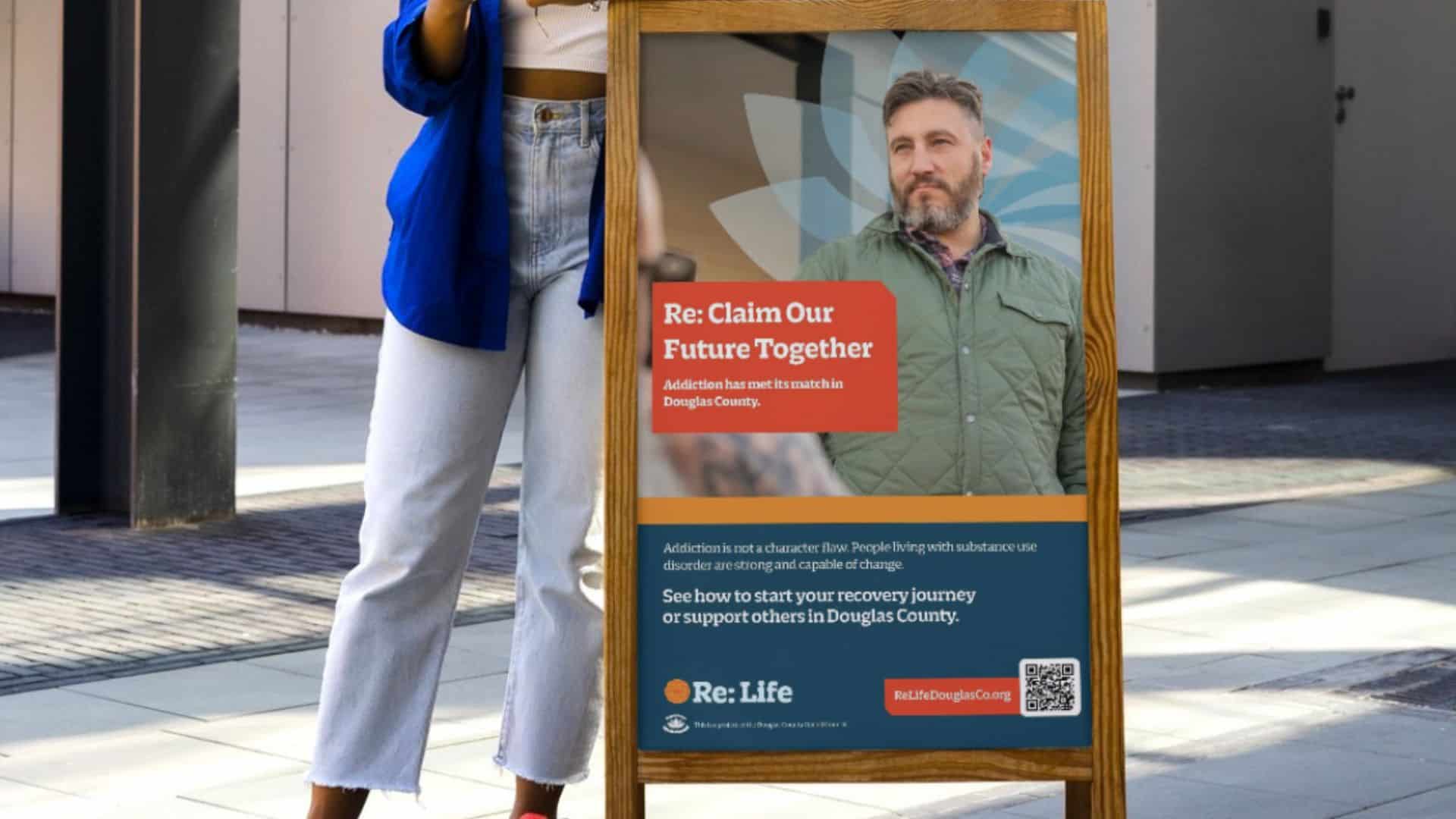
The Re:Life campaign sought to humanize addiction and recovery by sharing real stories from Douglas County residents. Through documentary-style videos and portraits, community members spoke openly about substance misuse, recovery, and the strength it takes to ask for help.
The campaign reframed recovery as a journey supported by the community rather than an individual struggle—aligning with values widely embraced in Douglas County, such as family support, personal responsibility, and neighbors looking out for one another. Targeted digital ads, hyper-local media placements, and a campaign website directed residents to local treatment resources and recovery support services.
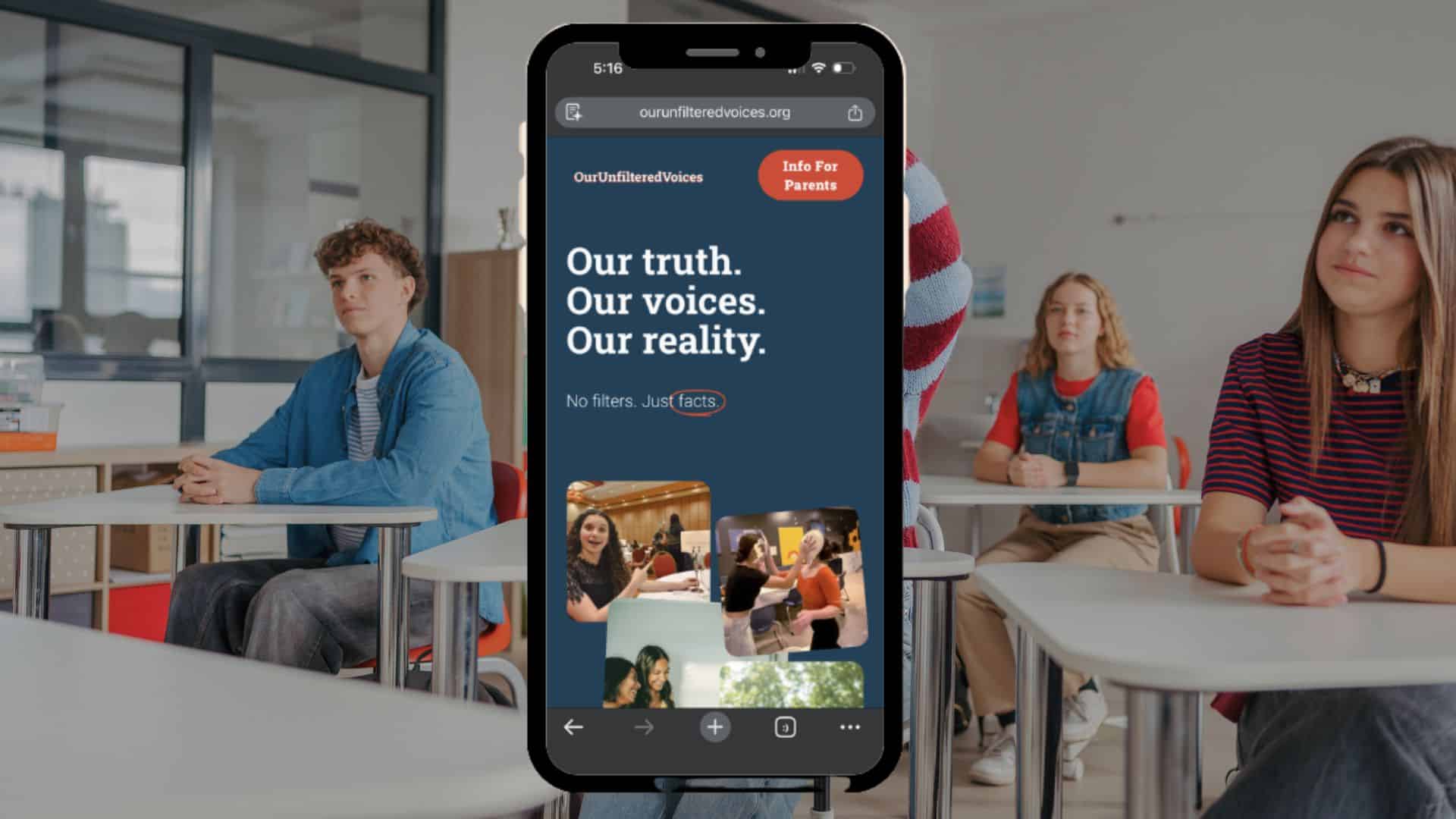
2. Our Unfiltered Voices – Youth Prevention Campaign
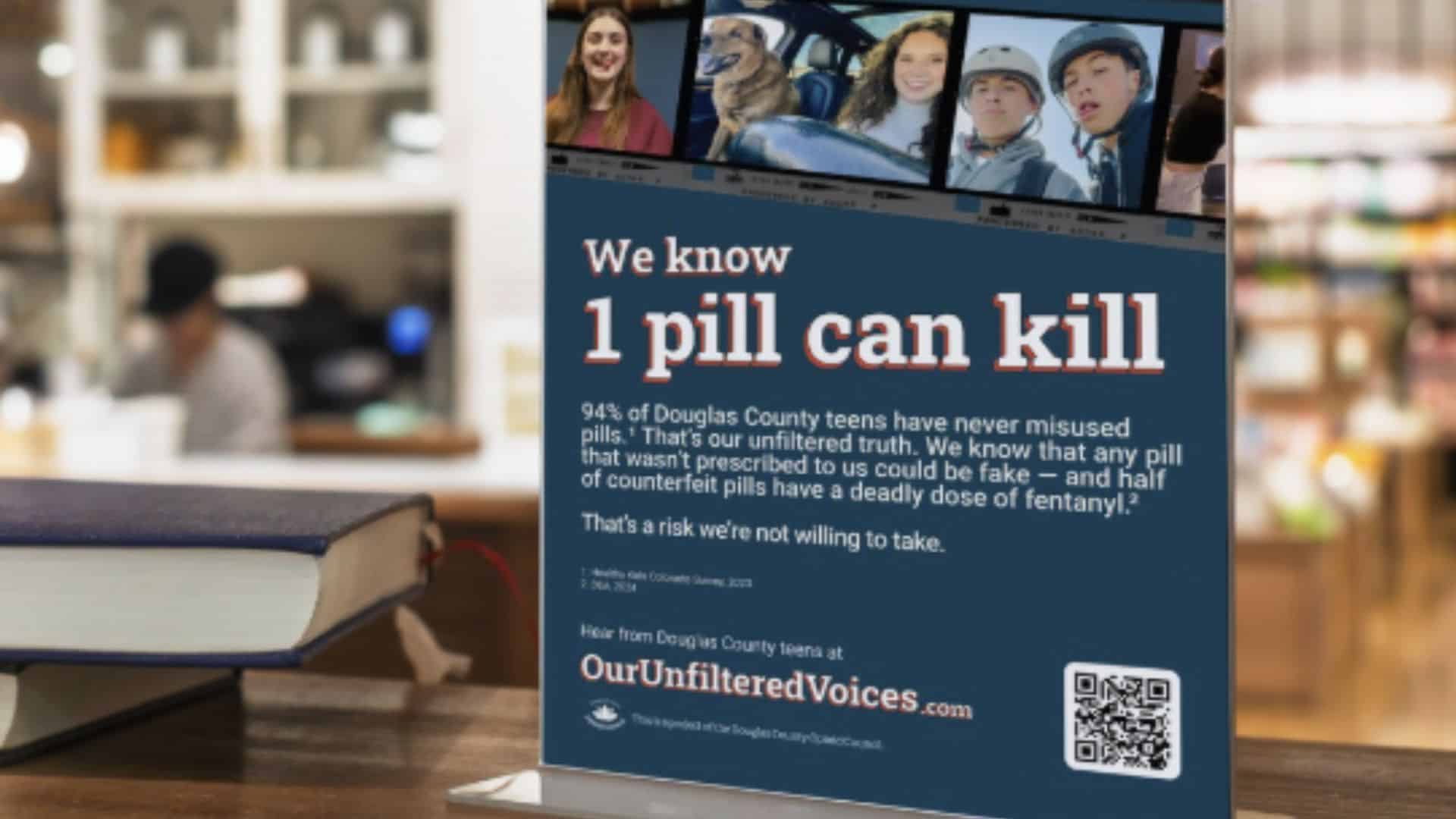
The youth-focused campaign, Our Unfiltered Voices, positioned Douglas County teens as creators. Students documented their substance-free reality using cameras, producing photos and videos that reflected their everyday experiences. Because local survey data showed that most teens in Douglas County do not use substances, the campaign used a positive social-norming approach to illustrate that reality and correct misperceptions. By showing that most of their peers are choosing to stay substance-free – and that, because of fentanyl, “one pill can kill” – the campaign reinforced healthy behavior, highlighted the risk, and encouraged peer support.
Across both initiatives, the multi-channel communications strategy included digital and social media advertising, movie theater placements, local news and sponsored content placements, out-of-home advertising in community spaces and schools. Together, these tactics ensured the campaigns reached community members through multiple touchpoints—meeting people wherever they were, whether online or in the community.
3. Local Expertise
Because the messenger matters as much as the message, SE2 and the Douglas County Department of Communication & Public Affairs worked to position the Douglas County Opioid Council as the trusted sponsor of both campaigns.
About the Douglas County Opioid Council
In 2020-2021, opioid settlements were reached nationwide with Johnson & Johnson and the nation’s three largest drug distribution companies to resolve claims by state and local governments that these companies contributed to the opioid epidemic.
The Douglas County Opioid Council is comprised of local law enforcement, local government representatives, nonprofit partners, and experts in substance use recovery. The Council receives opioid settlement funding to address gaps and opportunities in prevention, treatment, and recovery services for people with opioid use disorder (OUD) as well as other co-occurring substance use disorders (SUDs) and mental illnesses in the region.
The Douglas County Opioid Council has decided to dedicate dollars to six areas: Withdrawal Management, Medications for Opioid Use Disorder (MOUD)/Medically Assisted Treatment (MAT), Peer Support, Expansion of the CRT and HEART programs, Youth Prevention, Transportation, and Case Management. Funding awards to local organizations in each area began in 2024 and are ongoing.
Branding the Douglas County Opioid Council
To establish a clear voice for the Council, the team developed a logo and brand. A lotus flower was chosen for its ability to bloom in dark places – symbolizing that recovery is possible in Douglas County and that the Council is committed to providing those resources.
The cool, blue tones in the logo are associated with trust and reliability. This fits the brand well to position the Council as a known and trusted entity in Douglas County. The bright red accent evokes feelings of energy and excitement. This helped establish the Council as a leader in action on opioid use recovery and prevention in Douglas County.
The Impact
Together, the campaigns generated significant reach and engagement across Douglas County and helped shift the conversation around addiction and prevention. Community members said the stories felt relatable.
Across paid media, owned media, and community placements, the campaigns delivered more than 18.4 million impressions, expanding awareness of substance misuse and available support services throughout the county.
Digital media efforts alone generated more than 65,000 clicks, demonstrating strong engagement with campaign messages. Video placements featuring Douglas County residents across both campaigns generated strong engagement. Campaign websites attracted over 51,000 visits, with visitors averaging over two minutes exploring information and resources related to substance misuse and recovery.
Importantly, engagement extended beyond awareness. Traffic to local resource pages nearly doubled during the campaign period, suggesting that residents were actively seeking information and support after encountering campaign messages. The campaign also established the Douglas County Opioid Council as a trusted messenger guided by political and community leaders who ensure it reflects local priorities.
Story-driven video content proved particularly effective, exceeding performance benchmarks, with adult-focused video ads achieving nearly an 80% completion rate, demonstrating the power of community voices in public health messaging.
Finally, earned media coverage—including 18 media mentions with an estimated 2.7 million impressions—amplified campaign messages and reinforced the community conversation around prevention and recovery.
“I hope this campaign reminded people that life is the most wonderful adventure and at the end of the day, we’re all trying our best, no matter what that looks like.”
– Amara, 17, Unfiltered Voices participant

Advancing Tobacco Prevention Across Colorado Communities
The Challenge
For more than a decade, Colorado has worked to reduce the health and economic harms caused by tobacco and nicotine use. While progress has been made, particularly in reducing cigarette smoking, new challenges continue to emerge.
The tobacco landscape has evolved rapidly. Youth vaping surged. New nicotine products entered the market. Tobacco companies intensified marketing toward populations already facing health disparities. And many Coloradans—especially those experiencing economic stress, behavioral health challenges, or social marginalization—continued to rely on nicotine as a coping mechanism.
At the same time, tobacco control in Colorado relies on a complex ecosystem of partners. Local public health agencies, community organizations, schools, and advocacy groups all play critical roles in advancing prevention, cessation, and policy change. These partners need consistent, credible communications tools that can be adapted to their local communities.
The Colorado Department of Public Health and Environment’s State Tobacco Education and Prevention Partnership (STEPP) needed a long-term communications partner who could:
- Educate Coloradans about the harms of tobacco and nicotine
- Encourage people who use nicotine to seek help and quit
- Support public understanding of tobacco control policies
- Provide communications technical assistance to a statewide network of grantees and partners
The work required more than advertising. It demanded sustained storytelling, culturally responsive messaging, and tools that could help communities lead change on their own terms.
Our Approach
For more than 12 years, SE2 has partnered with CDPHE to support tobacco prevention, cessation, and policy education across Colorado through an integrated communications strategy that combines statewide campaigns, digital platforms, community storytelling, and grantee support.
Statewide Advertising Campaigns
SE2 has developed and implemented research-informed social marketing campaigns designed to shift attitudes, increase awareness of tobacco harms, and encourage quitting.
Campaigns addressed a wide range of topics, including:
- Youth vaping prevention
- Secondhand smoke and vapor exposure
- Adult cessation and support resources
- Emerging nicotine products and industry tactics
Creative strategies focused on meeting people where they are—using digital, social, video, and traditional media channels to reach diverse audiences including youth, rural residents, Hispanic/Latino communities, Black Coloradans, Indigenous communities, and people experiencing behavioral health challenges.
These campaigns were grounded in behavioral science and informed by research on the motivations, stressors, and cultural contexts that shape nicotine use.
Storytelling that Humanizes Quitting
Recognizing that quitting nicotine is rarely a simple or linear journey, SE2 developed storytelling initiatives that centered real Coloradans and their experiences with nicotine use and recovery.
These efforts reframed quitting as human, complex, and possible, helping reduce stigma and encouraging people to seek support. Through documentary-style storytelling and community narratives, the work highlighted diverse voices and lived experiences across the state.
Stories were distributed through digital media, social platforms, partner networks, and campaign websites, helping audiences see themselves reflected in the path to quitting.
Policy Education and Public Awareness
Public understanding plays a critical role in advancing tobacco control policies. SE2 developed policy education campaigns and communications materials that helped communities understand issues such as:
- Smoke-free environments
- Tobacco industry marketing tactics
- Youth access and flavored products
- Secondhand smoke exposure
These resources translated complex policy issues into accessible, plain-language materials that could be used by community leaders, advocates, and public health partners.
By connecting policy changes to real-world health impacts, the communications helped build public support for tobacco control efforts across the state.
Grantee Communications Toolkits and Technical Assistance
A defining element of SE2’s work with CDPHE has been supporting the statewide network of STEPP grantees and partners. Over the course of the partnership, SE2 has developed customizable communications toolkits, templates, and training resources that local partners can adapt for their communities.
Support has included:
- Customizable campaign assets and messaging guides
- Earned media templates and outreach support
- Social media content and graphicsWebsite resources and digital assets
Digital Platforms and Resource Hubs
SE2 has also supported the development and ongoing management of key digital platforms that serve as the public-facing hub for tobacco prevention and cessation resources in Colorado. These include:
- TobaccoFreeCO.org
- ColoradoSinTabaco.org
- Social media channels and digital engagement platforms
These platforms provide accessible information about tobacco harms, quitting resources such as the Colorado QuitLine, and tools for community partners working on tobacco prevention.
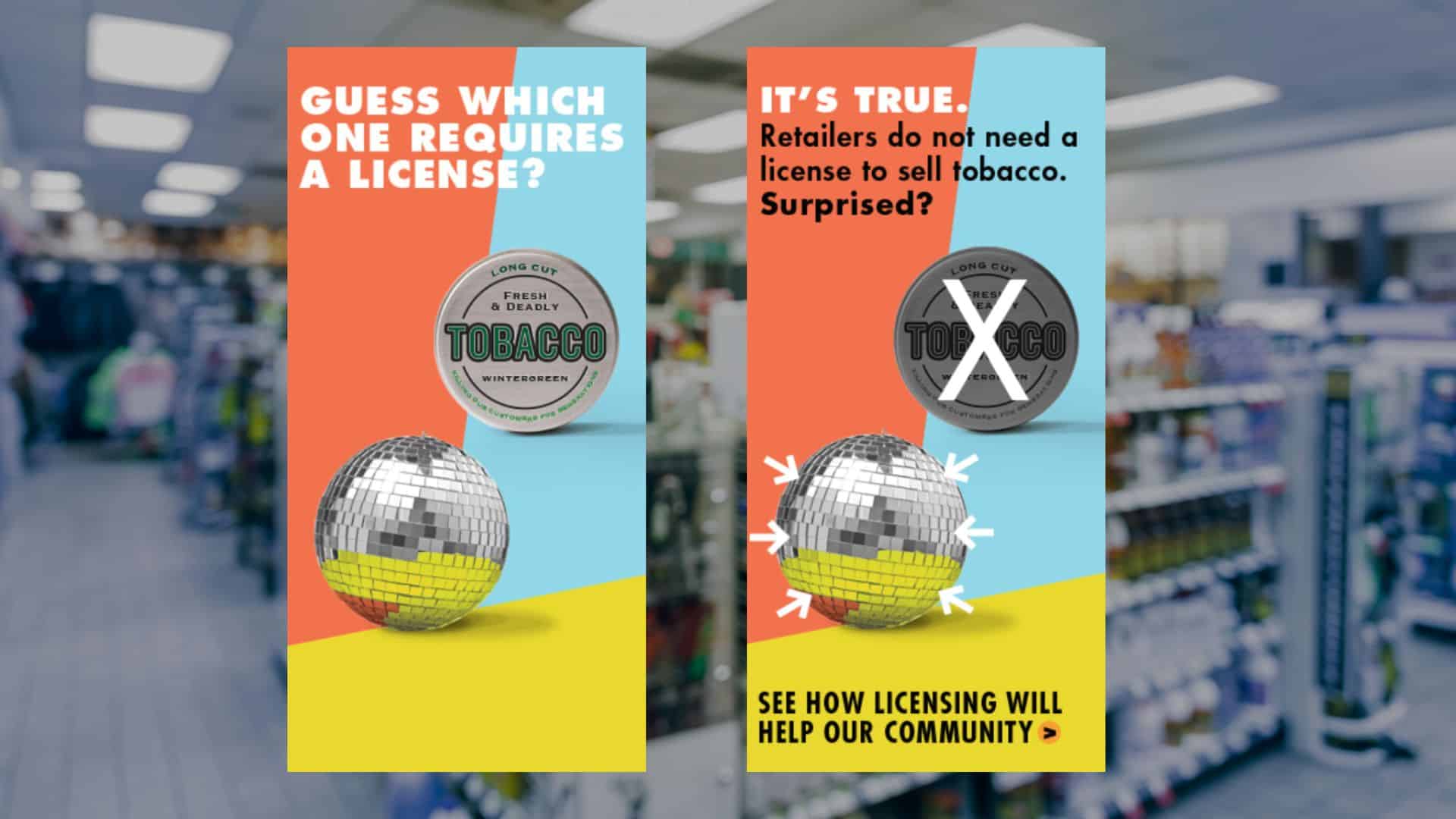
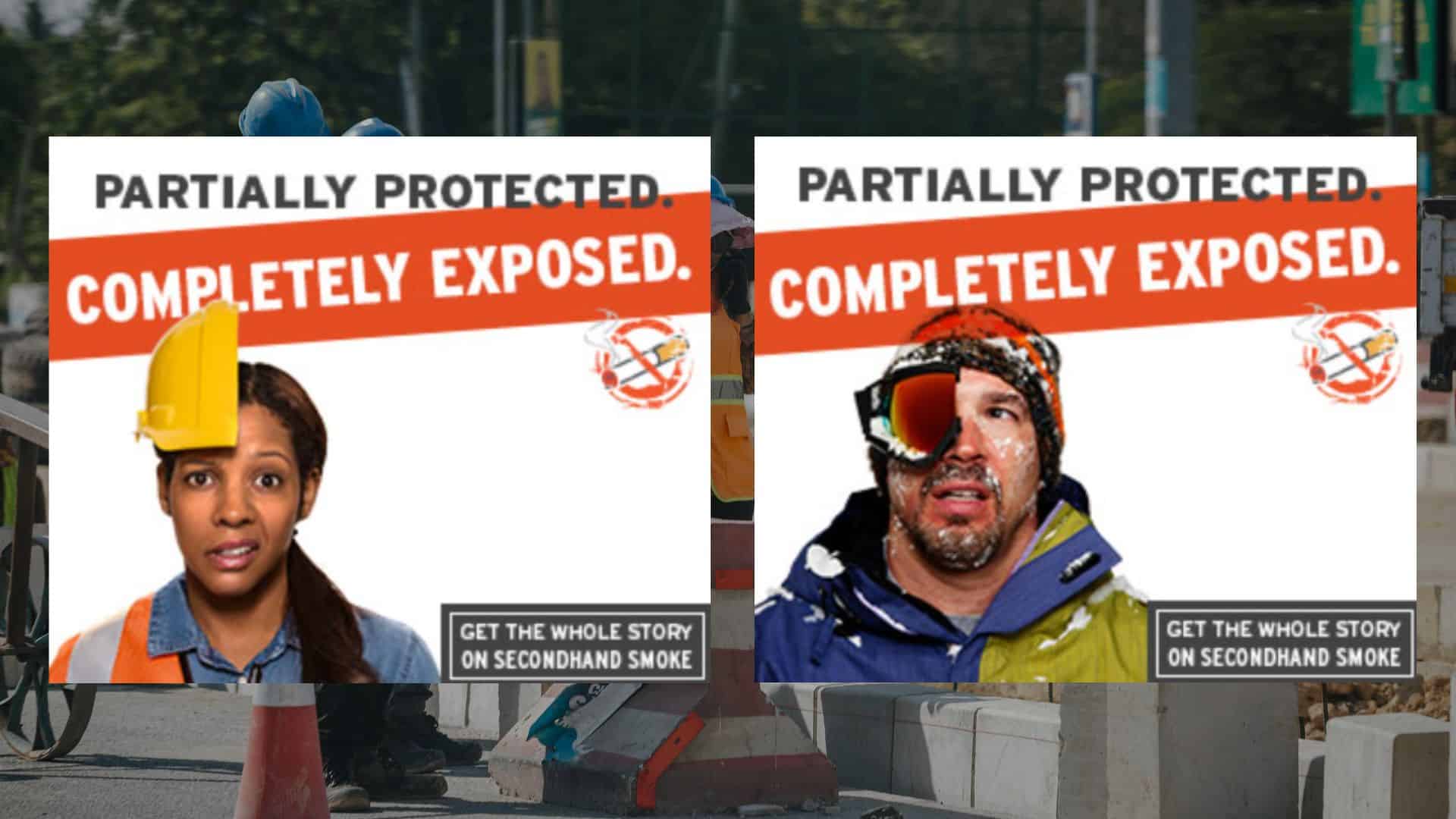
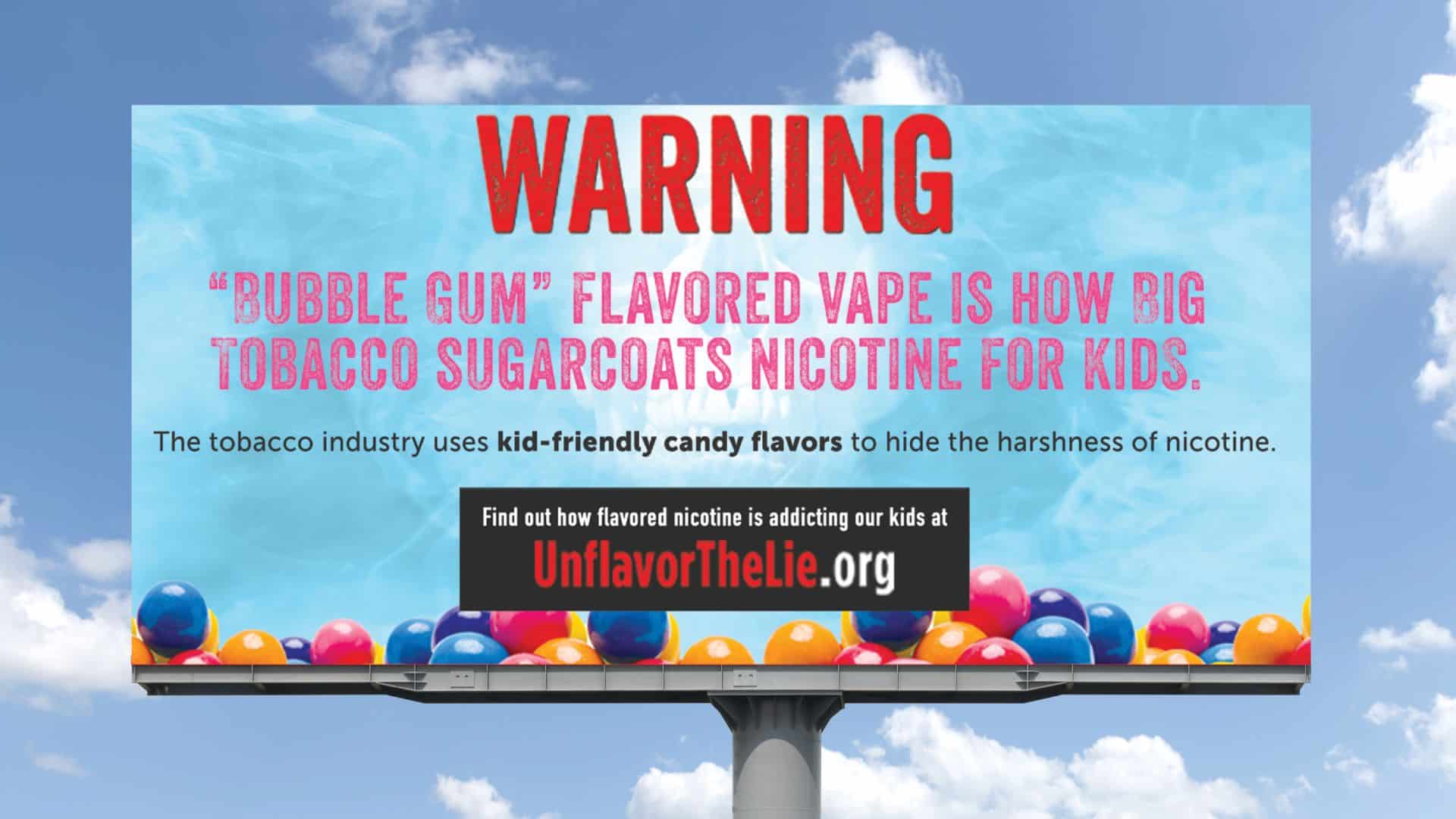
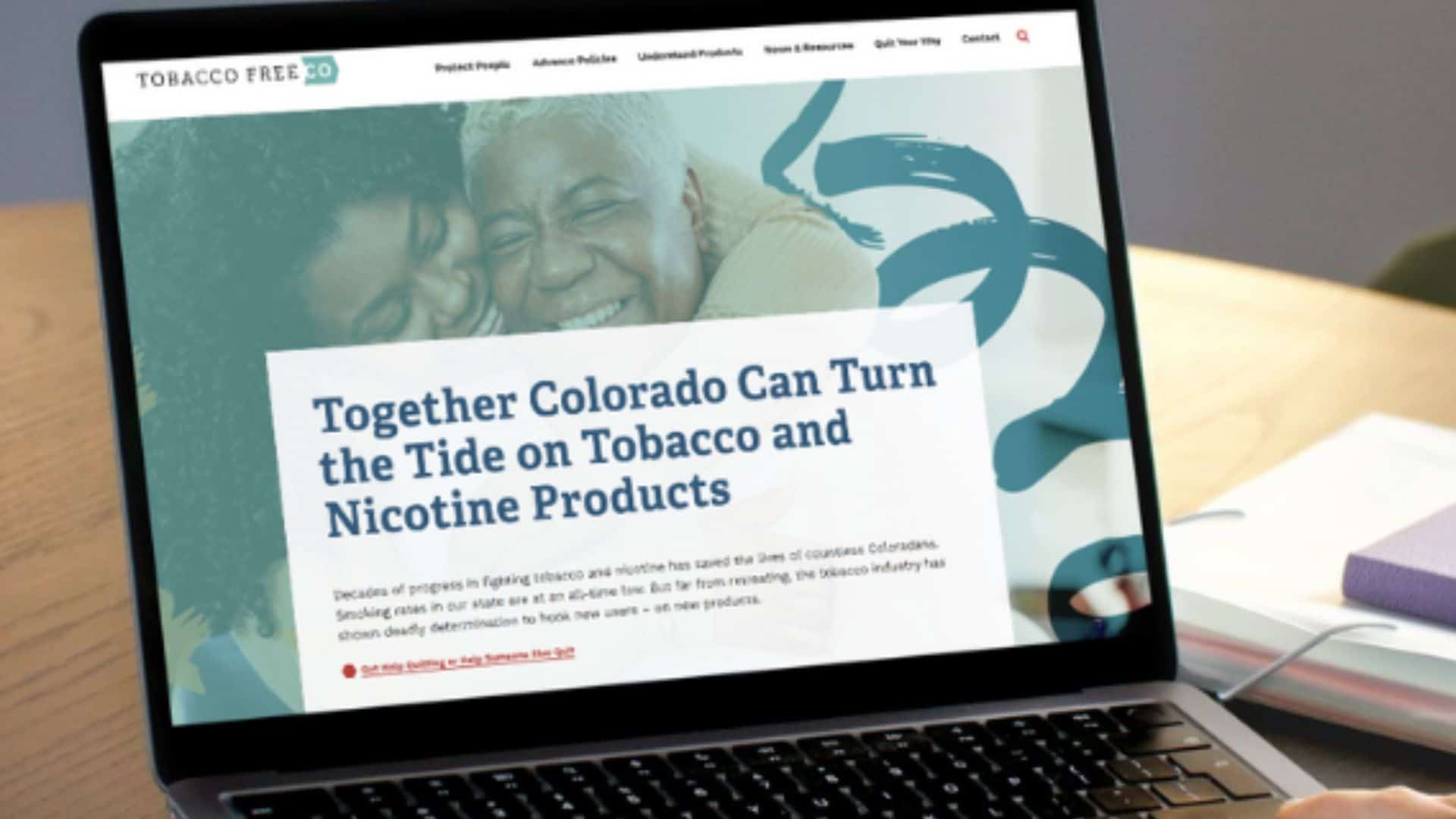

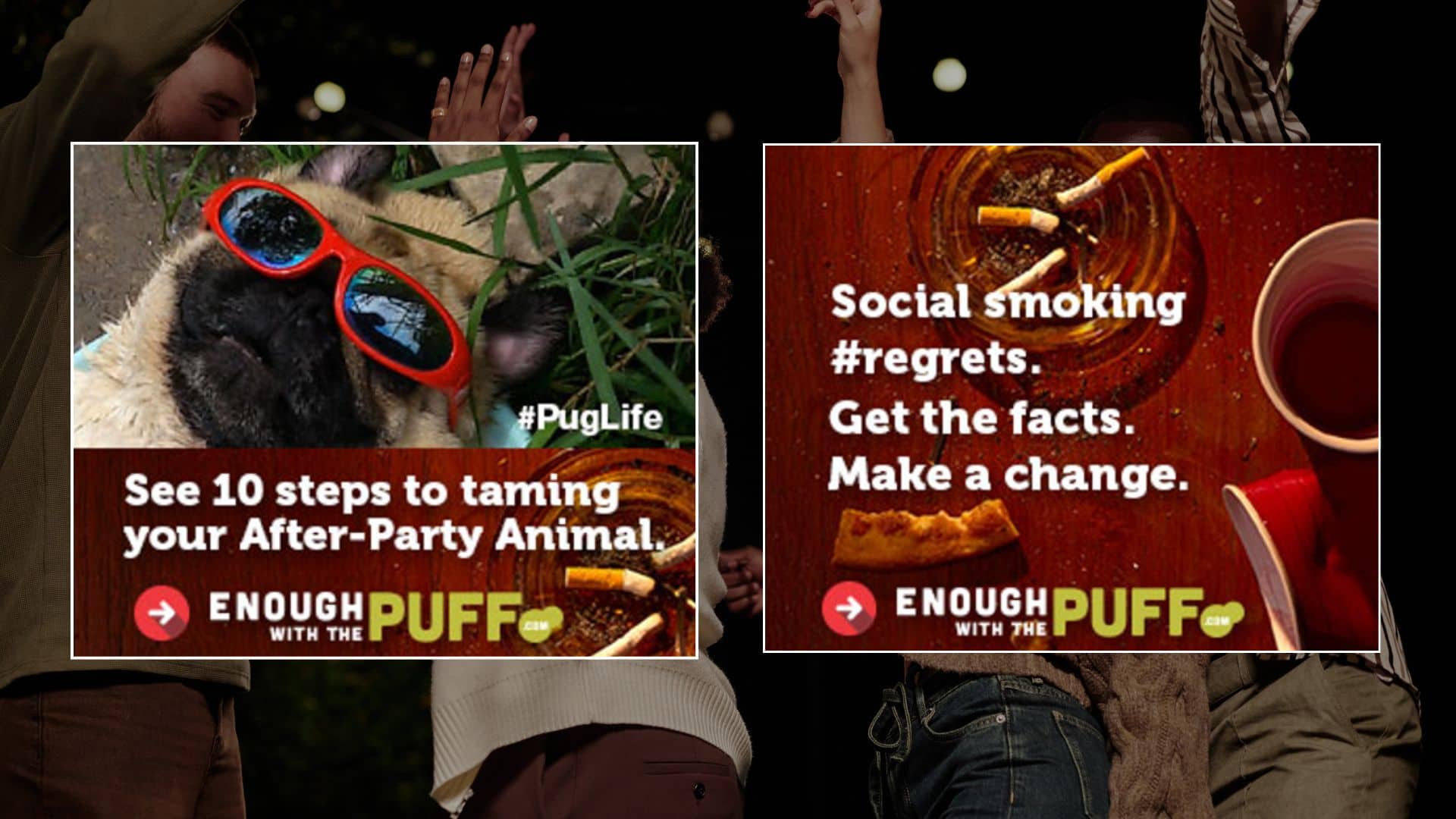
The Impact
Over more than a decade of partnership, SE2’s work with CDPHE has helped build a sustained communications infrastructure supporting tobacco prevention, cessation, and policy change across Colorado.
Key outcomes include:
Statewide Reach and Awareness | Integrated advertising campaigns have reached millions of Coloradans across digital, broadcast, and community channels, helping increase awareness of tobacco harms and available cessation resources.
Support for Diverse Communities | Campaigns and outreach strategies were tailored to reach populations disproportionately affected by tobacco and nicotine use, including youth, rural residents, and historically marginalized communities.
Strengthened Local Capacity | Through communications toolkits, training, and technical assistance, SE2 has helped empower local public health agencies and community organizations to lead tobacco education efforts within their own communities.
Sustained Public Engagement | Digital platforms and storytelling initiatives have helped maintain ongoing public dialogue around tobacco harms, nicotine addiction, and the importance of prevention and cessation.
A Foundation for Long-Term Change | By combining statewide campaigns with local capacity building, this work has supported Colorado’s broader tobacco control goals—helping reduce tobacco use, shift social norms, and build healthier communities across the state.

Empowering Affordable Housing Advocates
The Challenge
The affordable housing movement faces a paradox: Everyone agrees on the pressing need for more housing, but specific projects often face significant public opposition.
Local opponents may perceive clear risks – traffic, construction, disruption to views or open space they take for granted – and are highly motivated and well-positioned to speak up. NPR’s Planet Money described research describing some of these dynamics: “Homeowners are much more likely to participate in the crucial local political and regulatory meetings that govern new housing supply…. They were less likely to work full-time or at all. They were less likely to be students or young professionals. They were less likely to have young kids, with all the time pressures they impose. And they were more likely to be resistant to change in their neighborhoods.”
But we can make affordable housing advocacy more effective if supporters can deploy research-tested strategies and messages.
Our Approach
In 2024, the Colorado Health Foundation released the Good Neighbor Messaging Guide, based on deep multi-year audience research, on how to deploy effective persuasive messaging about affordable housing policies. This guide shows how to activate supporters, move those who are conflicted or concerned, and neutralize opposition messages.
The Colorado Health Foundation then chose SE2 to distill the robust research into easily digestible pieces: an introductory video, six one-page guides, and a checklist to help keep advocates on track.
This engaging bilingual toolkit makes research insights accessible and actionable for community advocates seeking to address local opportunities or challenges.
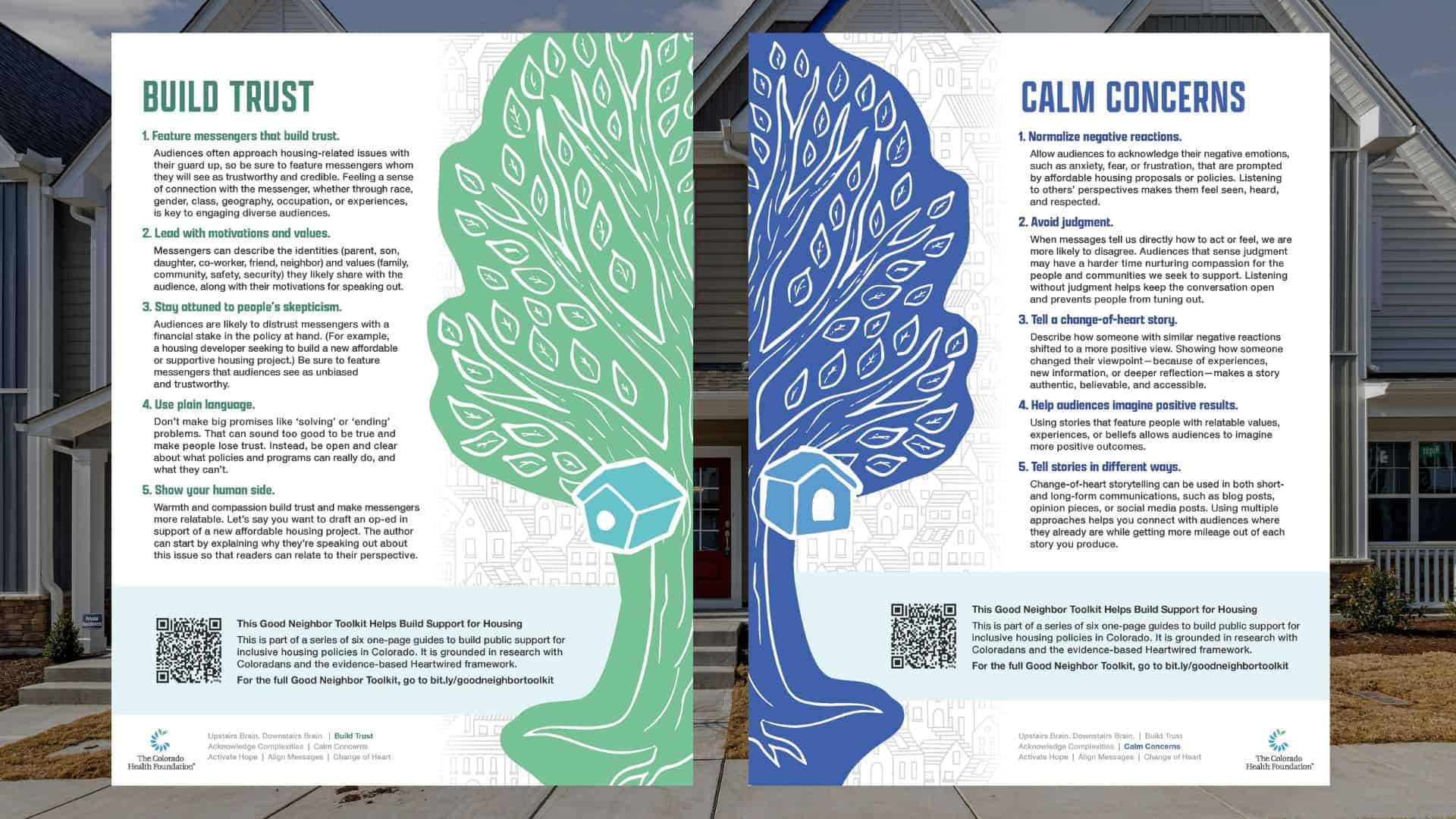
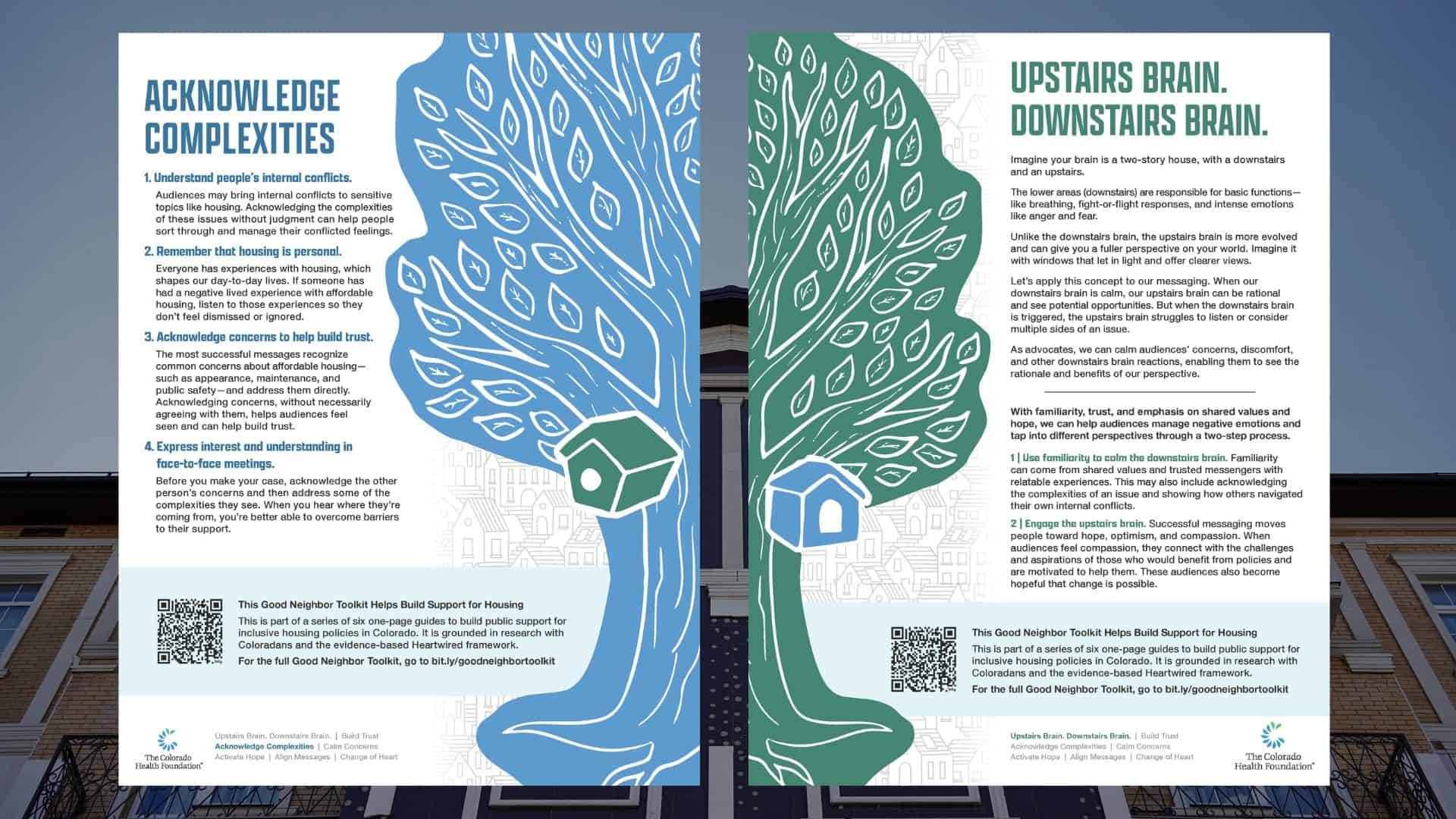
The Impact
Advocates who want to support affordable housing in their communities can now more effectively activate supporters, shift the opinions of those who are conflicted or concerned, and neutralize opposition messages.
More housing options create healthier communities. Those with stable, safe housing that fits their budget are more likely to be healthy, and they can better access educational and economic opportunities. That’s good for everyone.
The Good Neighbor toolkit is available here: The Good Neighbor Guide Toolkit | The Colorado Health Foundation

The Most Important Moment Is the One We Don’t See
In support line work, we spend a lot of time measuring what happens.
We track call volume. Clicks. Conversions. We look at what drove someone to reach out and what happened after they did. Our systems are designed to capture action because action is what we are trying to drive.
But there is a moment that sits just before all of that, and it is largely invisible to us: The moment when someone almost reaches out but stops short.
Someone sees a number or a button. They pause. They consider. Maybe they hover over a link. Maybe they open a page and read for a few seconds.
Then they stop. They close the tab. They put their phone down.
In data, that moment disappears. It registers as inaction. But from a behavior change perspective, it is one of the most important moments there is.
Every call, every text, every engagement is preceded by a decision. Not a large, deliberate decision, but a small internal negotiation: Should I do this? Is this for me? What happens if I do?
That negotiation happens quickly, often in a matter of seconds. And it is heavily influenced by how the experience feels in that moment.
What is happening in that space is not a lack of motivation. In many cases, motivation is already present. That is why the person got as far as they did.
What stops them is friction
Online marketing efforts have spent billions of dollars to eliminate friction. Amazon’s success is largely rooted in its frictionless experience. Ordering a product through Amazon is always easy – you don’t have to search the web, add a payment method, type your address, or calculate shipping costs. It’s reassuringly comfortable, and a click or two is all that’s required.
Support lines also benefit when friction is reduced.
Some of that friction is practical. The pathway may not be clear. The next step may feel like more effort than they are willing to give in that moment. But much of it is psychological.
Reaching out carries weight. It suggests something about who you are and what you are dealing with. Even if the service is positioned as low-pressure, the act itself can feel like a commitment.
If the experience reinforces that feeling, even subtly, hesitation increases. It happens in small ways:
- Language that implies a process instead of a moment. Phrases like “get started” or “begin your journey” suggest a long commitment.
- Forms that appear before any interaction.
- Unclear next steps that leave people guessing what they are committing to.
- Interfaces that resemble intake systems. Buttons that feel final. A lack of clear exits.
None of these is inherently problematic. But in the moment, especially for someone already stressed, they signal weight. They make the action feel larger than it needs to be.
If the experience reduces that sense of commitment, action becomes more likely.
- Clear, specific expectations about what happens next.
- Language that defines the interaction as contained or limited.
- Visible signals of control, like the ability to leave, pause, or not respond.
Even a simple preview can change the decision.
- “This is what the first message looks like.”
- “This is how most conversations start.”
- “You can stop at any time.”
- “You will not be contacted again unless you opt-in.”
- “We won’t ever share your personal information without your consent.”
These cues do not persuade people to act. These steps make the action they’re already considering feel safe enough to try.
Change does not happen in a straight line
People move forward, then pause. They get close, then pull back. They reconsider. They wait for a moment that feels slightly easier, slightly clearer, slightly safer.
That is not resistance. That is how people make what feel like significant decisions. So what does it mean to design for the moment before action?
It starts with reducing the perceived commitment of the first step. If reaching out feels like a major decision, people will treat it as one. If it feels like a small, easily reversible action, they are more likely to try it.
This is where modalities like text and chat play an important role. They signal flexibility. They allow people to engage without feeling locked into a conversation they cannot control. But the experience around it matters just as much.
People need to understand what will happen when they take that step. What the first message will look like. Who will they be talking to? What is expected of them, and what is not.
When those elements are clear, the moment feels more manageable.
Normalizing hesitation
Most messaging focuses on encouraging people to act. But it is normal to question, to pause, to not be fully ready.
When we design experiences that make space for that reality, we reduce the internal conflict people feel in that moment. We move from a binary decision to a more flexible approach. Not call or do not call, but explore, ask, try, step away, and perhaps return.
From a measurement standpoint, this is uncomfortable territory. The “almost” moment is difficult to quantify. It does not show up cleanly in dashboards. It requires us to infer behavior from incomplete signals. But just because it is hard to measure does not mean it is not real or important. In fact, it may be where the key decisions are made.
Expand the focus
We do not have a motivation problem. We have a hesitation problem. And hesitation does not respond to encouragement. It responds to clarity.
So instead of asking how to get more people to take action, ask:
- Where are we unintentionally making this feel bigger than it is?
- Where are we asking for commitment before trust is established?
- Where are we leaving people to fill in the blanks on their own?
Then start removing. Remove assumptions. Remove ambiguity. Remove signals that this is more than a single, contained step.
Our challenge is not just to drive action. It is to make action feel sufficiently safe.

What SE2 PowerMap® Is — and Why It Matters
At SE2, our work has always been rooted in one core belief: Real change happens through people, relationships, and trust. While today’s communications often focus on technology, platforms, and media channels, the most powerful driver of change remains human connection.
That belief is the foundation of SE2 PowerMap®, a strategic framework used at SE2 to understand how influence flows through communities and how trusted networks can be mobilized to advance meaningful social change.
For me, PowerMap is not just a methodology, it reflects decades of experience working in communities, in media, and in the political arena where relationships and trusted voices often determine whether a message truly resonates.
What SE2 PowerMap® Is
SE2 PowerMap® is a community-centered strategy that identifies and activates trusted networks, leaders, and influencers within communities to drive awareness, engagement, and action.
Rather than relying solely on traditional advertising or top-down messaging, PowerMap focuses on understanding how communities communicate internally who people trust, where information flows, and how influence spreads across relationships.
Through this process, we:
- Identify key community leaders and connectors
- Build coalitions and partnerships around shared goals
- Co-create messages with the community
- Deliver messages through credible voices
- Mobilize communities to participate in solutions
In essence, PowerMap helps ensure that communications efforts move through authentic, two-way human networks rather than simply broadcasting messages outward.
Where the Approach Comes From
My understanding of PowerMap grew out of years of experience across community organizing, media, and public affairs.
I have seen firsthand how important it is to meet communities where they are. Early in my career, I worked extensively in both Spanish-language and general-market media. That experience showed me how different audiences consume information and, more importantly, how trust shapes whether a message is accepted or ignored.
In broadcasting, the most effective communicators are those who understand their audience and reflect their audience’s lived experiences. The same principle applies to public policy and community engagement, people listen to voices they know, respect, and identify with.
Later, through my work in political campaigns and community organizing, I saw how critical these networks could be when mobilizing voters, advancing policy initiatives, or addressing complex public issues. Campaign success often depended less on paid media and more on trusted messengers within neighborhoods, faith communities, local organizations, and advocacy networks.
Those experiences reinforced a simple but powerful lesson: Influence travels through relationships.
Strengthening the Model: The PowerMap Advisory Council
As the PowerMap model continued to evolve and shape how we approach communications and community engagement at SE2, it became clear that the model itself should reflect the very principles it is built on, collective wisdom and trusted leadership.
To deepen this work, we established the PowerMap Advisory Council, a group of respected community leaders, advocates, and subject-matter experts who bring diverse perspectives and lived experiences to the table.
The Advisory Council helps ensure that PowerMap strategies remain grounded in the communities they serve. By bringing together voices from different sectors, community leadership, advocacy, public health, civic engagement, and education, the council provides invaluable insight into how messages resonate, how communities mobilize, and how trust is built.
The creation of the PowerMap Advisory Council represents an important evolution of the framework. It reinforces our commitment to collaboration, accountability, and community-centered strategy, ensuring that PowerMap is continually informed by the voices and experiences of the people closest to the issues.
Why PowerMap Matters in Today’s Communications Landscape
Today’s information environment is more crowded and fragmented than ever. Traditional media alone rarely reaches audiences in ways that inspire action. The rise of AI creates a tsunami of slop that is both overwhelming and alienating.
SE2 PowerMap® addresses this challenge by recognizing that people often rely on their personal networks, friends, community leaders, local organizations, and cultural institutions, as their most trusted sources of information.
By mapping these networks and engaging them intentionally, we:
- Build credibility and trust with communities
- Reach audiences that traditional media may overlook
- Deliver culturally relevant and authentic messages
- Strengthen coalitions around shared goals
- Drive sustained behavioral and policy change
In many cases, this approach turns communications campaigns into community movements rather than one-way messaging efforts.
How SE2 Uses PowerMap
PowerMap guides how we approach complex issues across public health, education, environmental sustainability, and civic engagement.
A PowerMap-driven strategy typically includes:
- Community listening and research | Understanding the needs, concerns, and cultural context of the communities involved.
- Identifying trusted messengers | Working with community leaders, educators, health professionals, advocates, and local organizations that already have credibility.
- Coalition building | Aligning partners and stakeholders around shared messaging and goals.
- Strategic communications integration | Combining community engagement with earned media, digital outreach, and paid media to amplify reach and impact.
This integrated approach ensures that campaigns are not only visible—but also inspire action.
SE2 PowerMap® and the Future of Community Engagement
As communications technology continues to evolve, the importance of human relationships becomes even more apparent. Algorithms and platforms may change, but trust remains the constant.
SE2 PowerMap® recognizes that communities themselves hold the power to create lasting change. When campaigns invest in authentic partnerships and elevate trusted voices, they do more than share information, they build momentum, ownership, and collective action.
That results in change for good.
For me, PowerMap represents the intersection of everything I have learned over more than two decades working in communications, media, and civic engagement. It reflects the belief that the most effective campaigns are built with communities, not just directed at them.
That philosophy continues to guide our work every day as we partner with organizations, leaders, and communities to create change that is inclusive, lasting, and driven by the people most affected.

Turning Complex Environmental Systems Into Clear, Confident Action
The Challenge
Environmental issues rarely suffer from a lack of information. They suffer from complexity.
From toxicology and chemical safety to childhood lead exposure, food waste reduction, and circular economy policy, environmental systems are layered with science, regulation, operational nuance, and community impact. Agencies must communicate across multiple audiences at once — families, regulators, local governments, businesses, schools, and community partners — each with different levels of knowledge, authority, and urgency.
At the same time:
-
Misinformation and fear can distort public understanding of environmental health risks.
-
Technical language can alienate the very communities most affected.
-
Sustainability efforts often stall at awareness rather than behavior change.
-
Digital platforms meant to support environmental initiatives can feel fragmented, outdated, or inaccessible.
The challenge is not just to inform. It is to translate complexity into clarity — and move people, institutions, and systems toward smarter, safer, more sustainable decisions.
Our Approach
Environmental work lives at the intersection of science, systems, and everyday decisions. Across toxicology education, childhood lead prevention, glass recycling, and circular economy infrastructure, SE2 approached each project not as a marketing exercise — but as a translation challenge.
In every case, the question was the same: How do we make complex environmental systems feel clear, practical, and worth participating in?
Below is how that strategy came to life across initiatives.
Toxicology Video Series
When state partners needed to explain toxicology and chemical safety to broader audiences, the challenge wasn’t lack of information — it was overload.
Toxicology is layered, technical, and often misunderstood. Public conversations about chemicals can quickly drift toward fear, misinformation, or mistrust. At the same time, regulatory processes demand precision.
We began by listening closely to subject-matter experts — toxicologists, regulators, and policy leaders — to understand not only the science, but where confusion most often occurs.
Then we did what we do best: we translated.
Rather than simplifying the science into soundbites, we built a video series that walked viewers through complex concepts step by step — how exposure works, how risk is evaluated, how regulatory decisions are made. Visual storytelling became the bridge between data and understanding. Animation and motion graphics clarified processes that would otherwise remain abstract.
The tone was deliberate: calm, credible, and clear. We avoided alarmism. We avoided jargon. We treated viewers as capable partners in understanding.
The result was not just educational content, but trust-building content — reinforcing that environmental decision-making is rooted in evidence, process, and public health protection.
Childhood Lead Testing Campaign
Lead exposure is environmental science made painfully personal. And it disproportionately affects communities already navigating systemic barriers.
In working on childhood lead testing, we understood that awareness alone would not change behavior. Families already facing economic strain or language barriers do not respond to generic warnings.
So we grounded the campaign in lived experience.
We worked to ensure materials reflected real exposure pathways — older housing, imported cookware and pottery, cultural cooking practices — not abstract risk scenarios. Messaging was transcreated, not simply translated, to resonate culturally and linguistically.
Just as importantly, we shifted the tone. Instead of framing lead as a hidden threat lurking everywhere, we framed testing as an empowering act of protection. Something parents do because they care. Something manageable. Something accessible.
The campaign met families where they were — in trusted community settings, through culturally relevant channels, in clear and direct language. By reducing fear and increasing clarity, we helped increase confidence in testing as a practical next step.
Erase the Waste
Erase the Waste was not just about recycling. It was about economic infrastructure.
Colorado had recently launched new glass recycling and circular economy businesses — companies capable of turning recycled glass into new products. The challenge was supply. These facilities needed a steady stream of clean glass to operate at scale and prove viability.
Recycling behavior became an economic lever.
Rather than treating glass recycling as an environmental virtue, we positioned it as participation in something bigger — an investment in Colorado’s emerging circular economy. Every bottle recycled wasn’t just waste diverted. It was raw material fueling local industry.
The campaign reframed glass as a valuable commodity, not trash.
We developed messaging that connected individual household action to tangible economic impact. Recycling glass became a way to:
- Support local manufacturing
- Keep materials in-state
- Reduce landfill use
- Strengthen Colorado’s sustainability leadership
Visual storytelling highlighted the lifecycle of glass — from bottle to recycled product — helping residents see the direct connection between their curbside bin and the new businesses launching across the state.
In doing so, the campaign helped “feed” the circular economy investment with the product it needed: clean, recycled glass. Behavior change became supply chain support.
Colorado Circular Communities Website Redesign
Circular economy work requires coordination across municipalities, businesses, nonprofits, and state agencies. But even the best initiatives can stall if the digital infrastructure doesn’t support action.
The Colorado Circular Communities website needed to evolve from a repository of information into a working tool.
We began by mapping user journeys: What does a local government leader need when launching a circular initiative? What does a business owner need when exploring participation? What does a nonprofit partner need when seeking funding?
Then we reorganized the site around action pathways — not bureaucratic categories.
Resources were grouped by what users are trying to accomplish, not by agency structure. Accessibility standards were strengthened to ensure equitable access. Success stories were elevated to show that circular strategies are not theoretical — they are already working in Colorado communities.
The redesigned site became more than informational. It became connective tissue — linking partners, programs, and practical next steps.
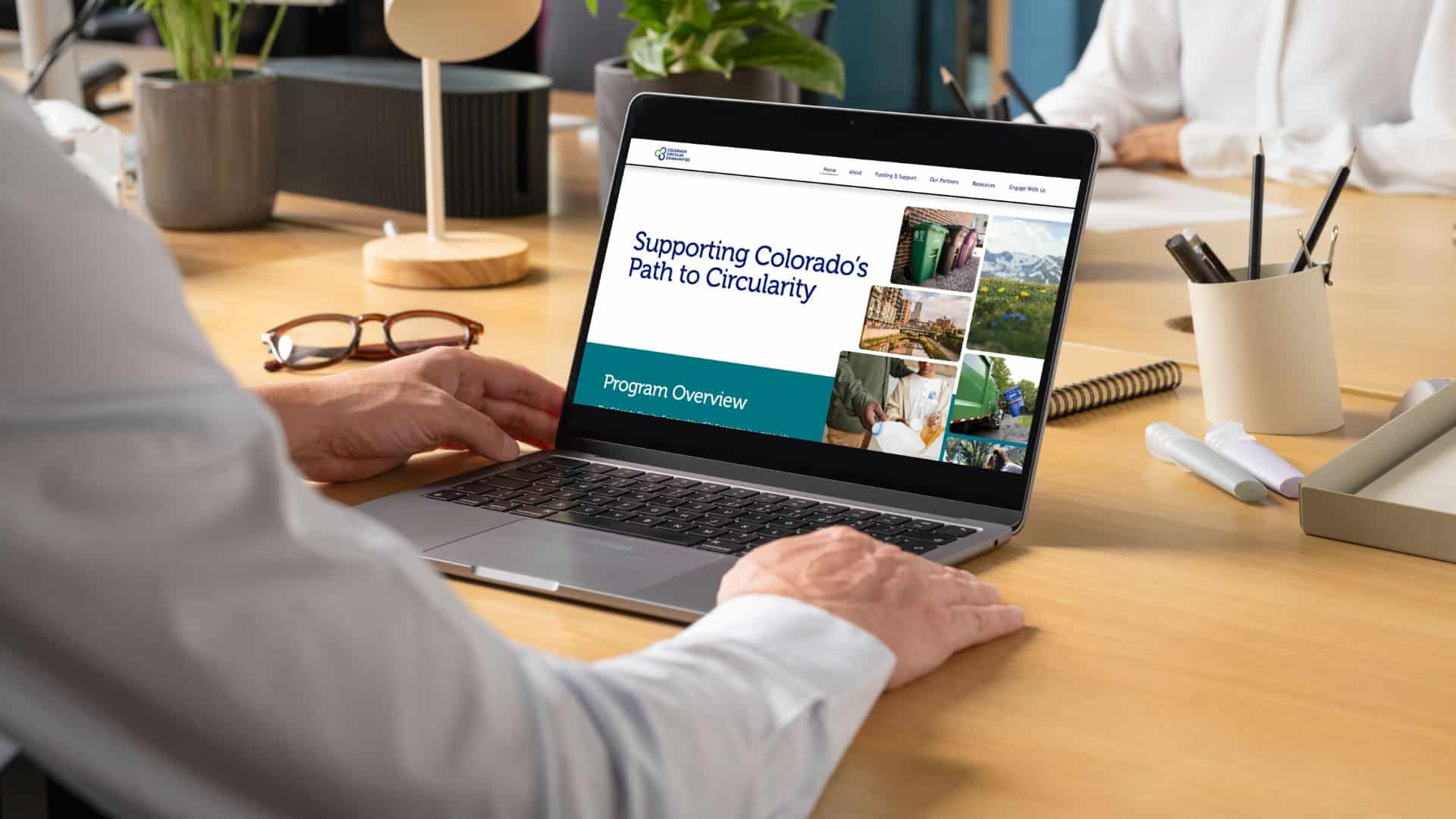



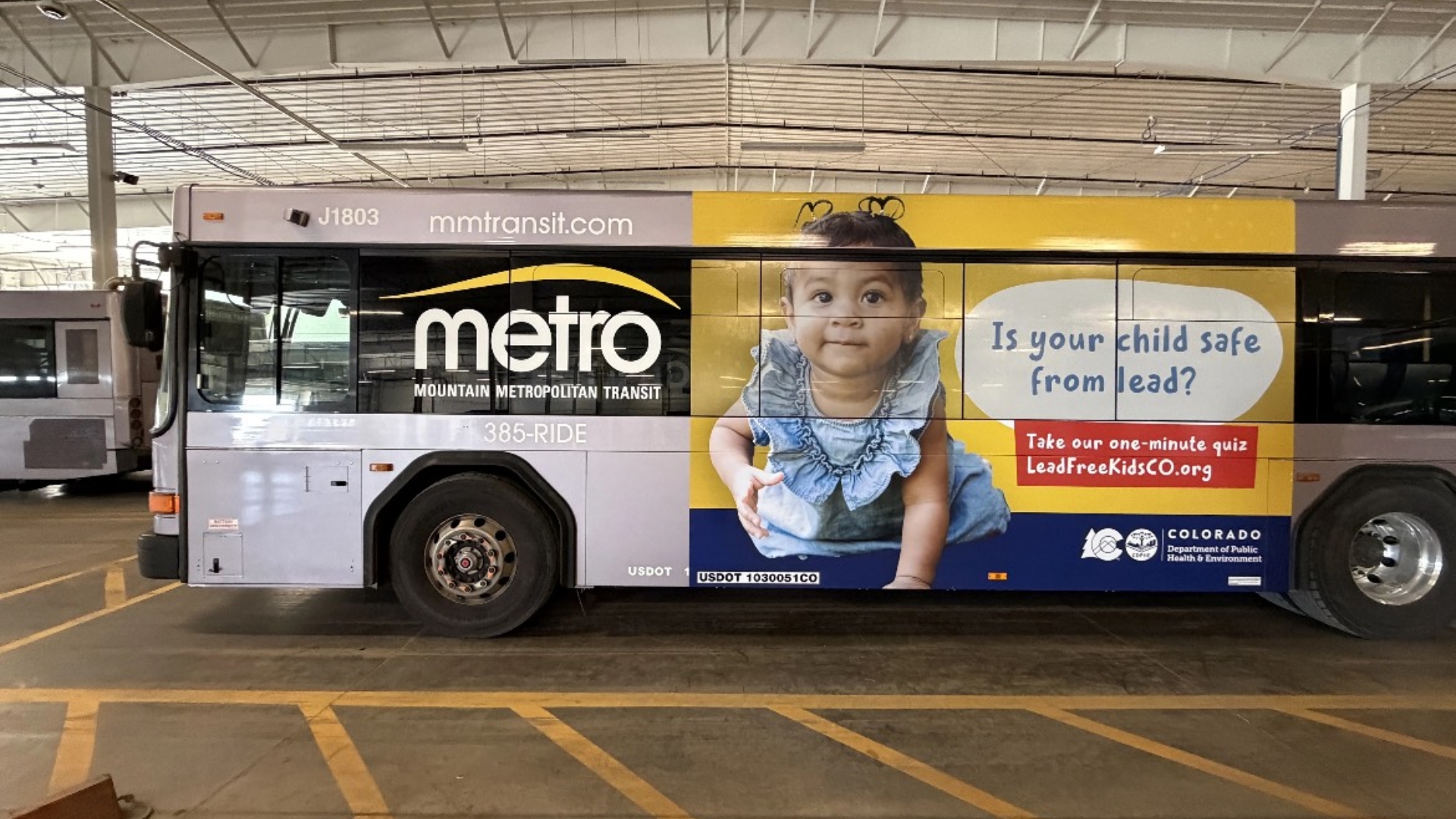
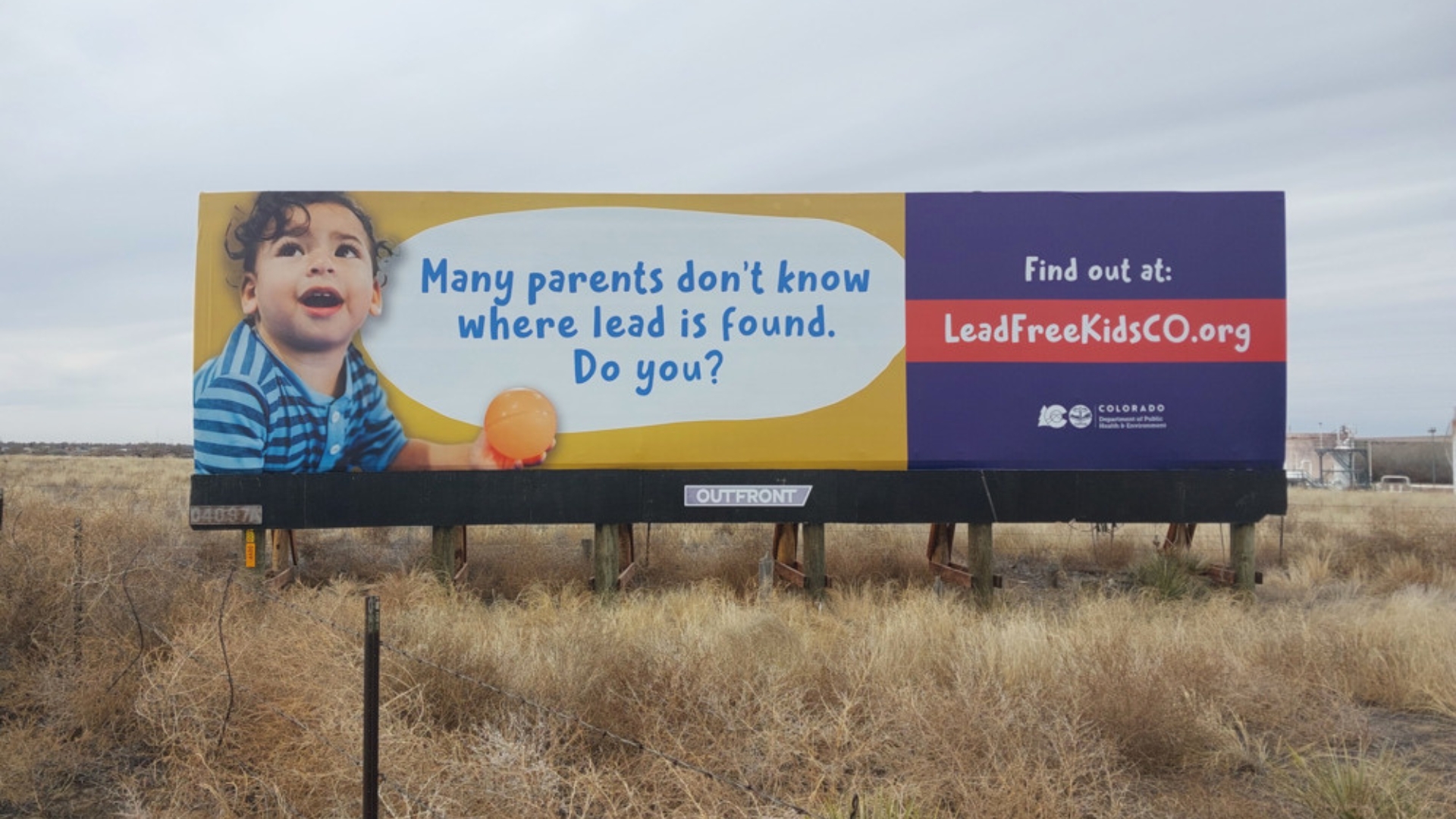
The Impact
Across projects, SE2’s environmental work has delivered measurable and systems-level impact:
- Increased Public Understanding | Complex topics like toxicology and chemical safety became accessible to non-technical audiences without sacrificing credibility.
- Greater Equity in Environmental Health | Lead testing outreach achieved deeper engagement in communities facing disproportionate risk, strengthening prevention and early intervention efforts.
- Behavior Change at Scale | Waste campaigns reframed disposal norms and supported more confident, climate-aligned household decisions.
- Stronger Implementation Infrastructure | The Colorado Circular Communities website redesign improved partner navigation, usability, and long-term sustainability of circular economy efforts.
- Durable Tools, Not One-Off Campaigns | Rather than producing isolated assets, SE2 builds ecosystems of materials — toolkits, digital hubs, training content, and community partnerships — that extend impact beyond a single media flight.

Normalizing Early Intervention Through Clear, Supportive Resources
The Challenge
Families and even some providers often miss early signs of developmental delays or are unsure where to seek help. Stigma and fear can also delay action. The challenge was to increase early identification and referrals by raising awareness, reducing stigma, and equipping partners with tools to guide families toward services.
The Colorado Department of Early Childhood’s Early Intervention (EI) services support infants and toddlers with developmental delays or disabilities, helping them build critical skills during a key developmental window.
Our Approach
SE2 approached this work by developing a comprehensive toolkit of materials designed to support both providers and caregivers in understanding and engaging with Early Intervention services.
The toolkit included clear, accessible resources that helped identify developmental concerns, explained the benefits of early support, and guided families on how to take the next step. Materials for providers focused on equipping them with practical tools to start conversations with families, make referrals, and reinforce the importance of early action.
A central focus of the approach was destigmatizing Early Intervention. Messaging was intentionally framed to normalize developmental support as a positive and proactive step—emphasizing that seeking help early can lead to stronger outcomes for children and families. Rather than focusing on deficits, content highlighted growth, potential, and the value of getting support at the right time.
Together, these materials created a shared language and approach across providers and caregivers—making Early Intervention more approachable, understood, and utilized.


The Impact
SE2’s work contributed to increased awareness and understanding of Early Intervention, helping more families and providers recognize the importance of identifying and addressing developmental delays early. As part of broader system efforts, Colorado saw growth in participation and engagement, including an increase in the number of children served—from 11,702 to 17,162 annually—and a 17% rise in average monthly caseloads.
These trends reflect a greater connection between families and services, alongside strong outcomes for those engaged: 94% of children showed developmental improvement and 99% of families reported that services helped them support their child’s learning and growth.
While multiple factors contributed to these outcomes, SE2’s communications and tools played a role in making Early Intervention more visible, understandable, and approachable—supporting earlier engagement and more informed participation across Colorado communities.

Guiding Families to Higher-Quality Child Care Choices
The Challenge
Colorado Shines is the state’s quality rating and improvement system, designed to help families identify high-quality child care and support providers in improving care. While the system offers a standardized way to evaluate quality, it requires both family awareness and provider participation to be effective.
Many families were either unaware of Colorado Shines or did not understand how to use quality ratings when choosing care. At the same time, providers faced barriers to participation, including perceived complexity and limited time. The core challenge was building trust in the system, increasing awareness, and motivating both parents and providers to actively engage with it.
Our Approach
SE2 approached this work through a multi-year, integrated strategy designed to make child care quality easier for families to understand and act on. At the foundation was the development of clear, plain-language messaging that demystified what “quality” means in early childhood care and why it matters for children’s development.
To ensure this understanding translated into action, SE2 optimized the Colorado Shines website experience—improving how families search for, compare, and identify quality-rated providers. This included refining user pathways and prioritizing content that supports decision-making at key moments.
SE2 also developed English and Spanish toolkits that break down the core components of early childhood quality into accessible, real-world guidance for families and providers. These resources helped extend understanding beyond awareness into deeper engagement.
All efforts were reinforced through sustained, targeted paid media campaigns over several years, designed to build awareness, drive traffic to the platform, and ultimately connect families across Colorado to quality child care options.


The Impact
Efforts to promote Colorado Shines contributed to measurable progress in both quality and access across the state. The percentage of high-quality providers increased from 30.9% in 2023–2024 to 33.4% in 2024–2025, alongside a 2.1% increase in licensed infant and toddler capacity, growing from 38,416 to 39,218 available spots.
Paid media campaigns played a key role in driving awareness and engagement. Facebook generated the highest overall reach with 1.8 million impressions, including 928,000 from the English-language campaign alone. Google Search delivered strong intent-driven performance, achieving a 4.99% overall click-through rate (CTR), with the English campaign reaching 6.84% CTR.
Additional channels reinforced engagement: Entravision e-blasts achieved a 1.92% CTR with a 17.7% view rate, Bright by Text outperformed benchmarks with a 2.69% CTR (exceeding the 1.25% benchmark), and dynamic display banners in both English and Spanish drove stronger performance and more clicks than static formats.
While multiple factors contributed to these outcomes, SE2’s integrated communications and media efforts helped increase visibility, engagement, and connection to quality child care—supporting continued growth in both provider quality and family access.

Making Tobacco Cessation Human, Possible, and Stigma-Free
The Challenge
For many Coloradans, nicotine use is intertwined with stress, mental health, identity, and long-standing routines. Quitting is rarely linear, yet public health messaging often treats it that way. Traditional cessation campaigns can unintentionally reinforce shame by focusing on advice, directives, or end results rather than lived experience.
At the same time, awareness of the Colorado QuitLine was high, but perceptions lagged. Dozens of focus groups and surveys conducted by our team told us that many people viewed it as a last resort. It was often seen as impersonal, clinical, or only for those who had already failed at quitting on their own. CDPHE needed a way to humanize the QuitLine, reduce stigma around nicotine use, and reflect the real complexity of quitting, especially for communities facing compounded stressors.
The challenge was not just to encourage quitting. It was to help people feel seen.
Our Approach
SE2 created the Colorado QuitLine Stories series to tell a different kind of story, one grounded in dignity, honesty, and collaboration.
Shot in a documentary style, the series centers participants as co-creators rather than subjects. Individuals were not scripted, coached, or shaped to fit a single narrative arc. Instead, they were invited to speak openly about their lives, their relationship with nicotine, and what quitting means to them on their own terms. Filmmaking choices prioritized presence over performance, allowing silence, reflection, and vulnerability to remain part of the story.
Visual storytelling played a critical role. Each film was grounded in places that mattered to the participant, including homes, neighborhoods, workplaces, and outdoor spaces. Environment became a quiet narrative device that reflected routine, stress, resilience, and change. These moments added emotional depth without instruction, voiceover, or persuasion.
Across nine short films, produced in English and Spanish, the series features diverse Coloradans. Participants ranged from lifelong tobacco users to younger people just beginning to recognize nicotine’s impact. Together, the films represent different products, different paths to quitting, and communities across the state. As a whole, the series challenges stigma and reframes the QuitLine as a human source of support rather than a last resort.
Distribution was intentional and respectful. Films were placed through targeted digital channels and timed dayparts, such as lunch breaks, to reach viewers in moments of pause and routine when reflection and connection are most likely.
The Impact
The Colorado QuitLine Stories series shifted the tone of cessation communications from directive to human. It invited viewers to see themselves reflected in the work.
Key outcomes included a reframed perception of the QuitLine as supportive, relatable, and non-judgmental, rooted in real people and real experiences rather than instructions or outcomes. The series drove strong emotional resonance and engagement through documentary storytelling that allowed complexity, vulnerability, and unfinished journeys to remain visible.
The work also strengthened relevance across diverse audiences through bilingual content and representation spanning age, geography, nicotine products, and readiness to quit.
In addition, the series became a durable storytelling asset that could be deployed across paid media, digital platforms, and partner channels, extending its impact beyond a single media flight.
Most importantly, the series helped normalize quitting as a lived experience. It showed that quitting can be complex, personal, and possible, especially when people feel seen, respected, and supported.
Growing Readers in Every Corner of Our Community
The Challenge
Early reading skills are one of the strongest predictors of long-term academic success, yet too many children face barriers to getting the support they need early. Families often want to help but may not know what to look for, when to raise concerns, or how to navigate conversations with schools. These challenges are compounded for families who are navigating language barriers, economic stress, or limited access to trusted information.
At the same time, Colorado’s school districts are deeply diverse. Districts vary widely in size, capacity, culture, and community context. A single, one-size-fits-all campaign risked being either too generic to be useful or too specific to work statewide. CDE needed communications that could elevate the importance of early reading and spotting reading challenges, while also delivering assets that districts and community partners could actually use across very different local environments.
The challenge was to create a campaign that built shared understanding statewide while still feeling local, relevant, and supportive to diverse families.
Our Approach
SE2 partnered with the Colorado Department of Education to develop Read, Learn, Lead — a bilingual, culturally relevant awareness campaign designed to strengthen the partnership between families and schools and support children’s reading success from the very beginning.
From the start, the campaign was built to be flexible and place-based. SE2 developed a clear campaign strategy, core messages, and a distinct visual brand supported by a library of custom illustrations. These assets were designed to be adaptable so districts, educators, libraries, and community organizations could deploy them in ways that made sense locally while maintaining consistency statewide.
To reach families beyond traditional school communications, the campaign relied heavily on place-based media, social, and texting. Printed materials were distributed in 173 trusted community locations across Colorado, including child care centers, clinics, grocery and convenience stores, libraries, and community centers. This ensured families encountered messages about early reading in the places they already visit as part of daily life.
Digital outreach complemented this work. A six-week paid media campaign delivered bilingual digital, radio, and social content, with a strong focus on Spanish-speaking families, rural communities, and economically disadvantaged households. Text messaging through Lantern allowed the campaign to deliver short, timely prompts that encouraged families to talk with teachers and seek support early. Messaging emphasized that reading challenges are common, support is available, and early conversations can make a lasting difference.
Throughout the campaign, SE2 prioritized plain language, affirming tone, and practical guidance. The goal was not to alarm families, but to empower them with information, normalize early reading challenges, and reinforce that families and educators are partners in building a strong foundation for lifelong learning.

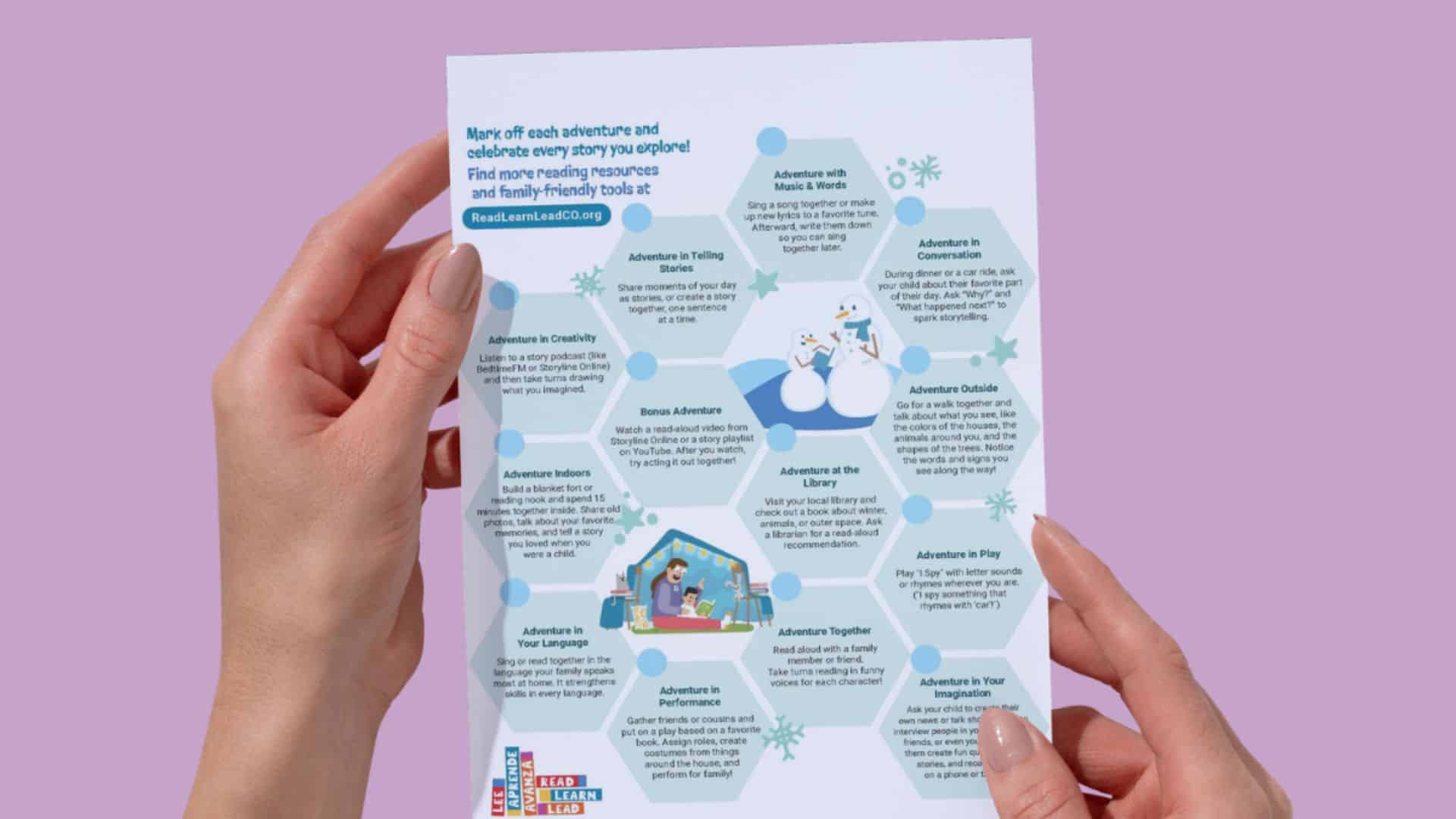
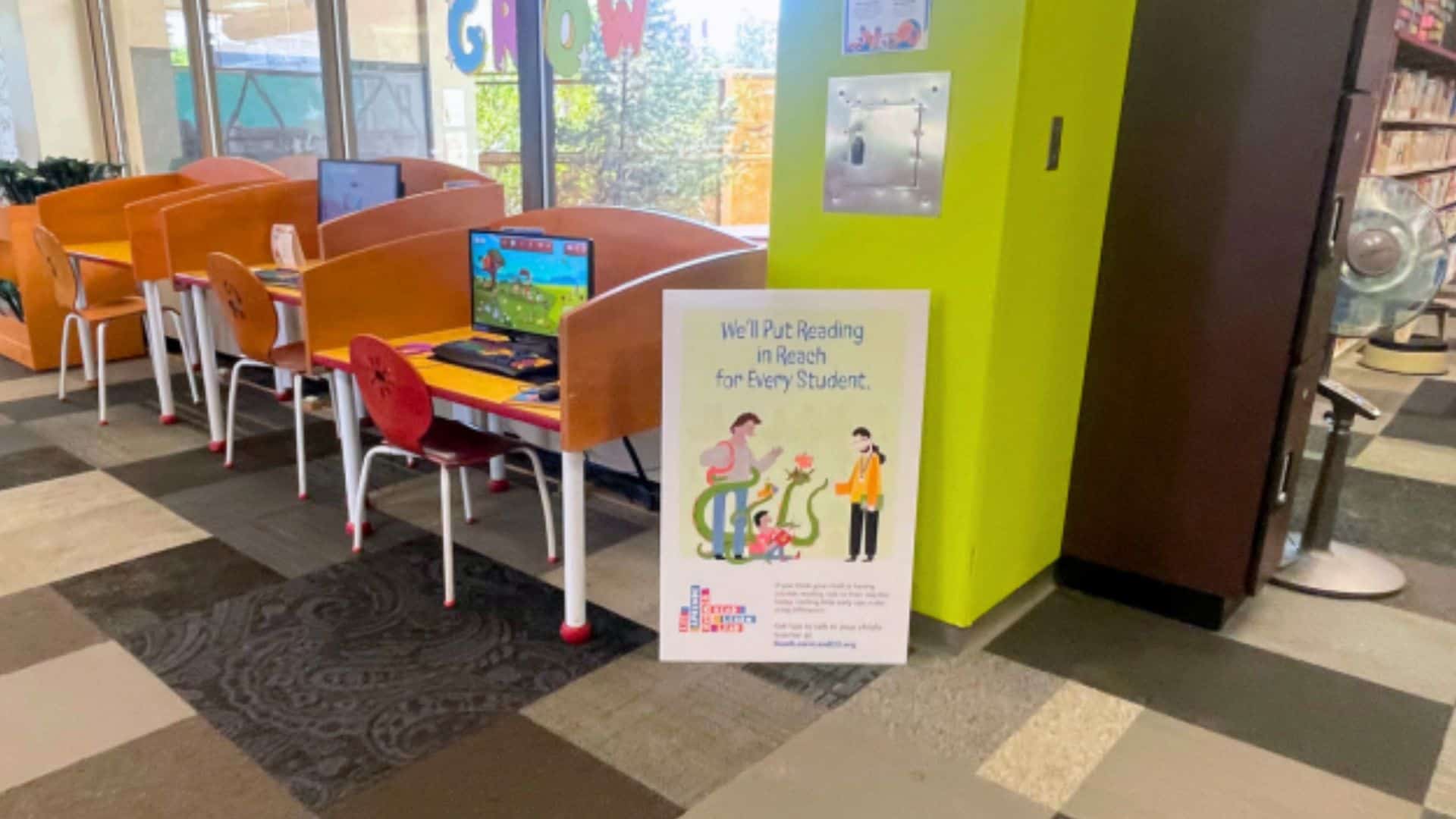
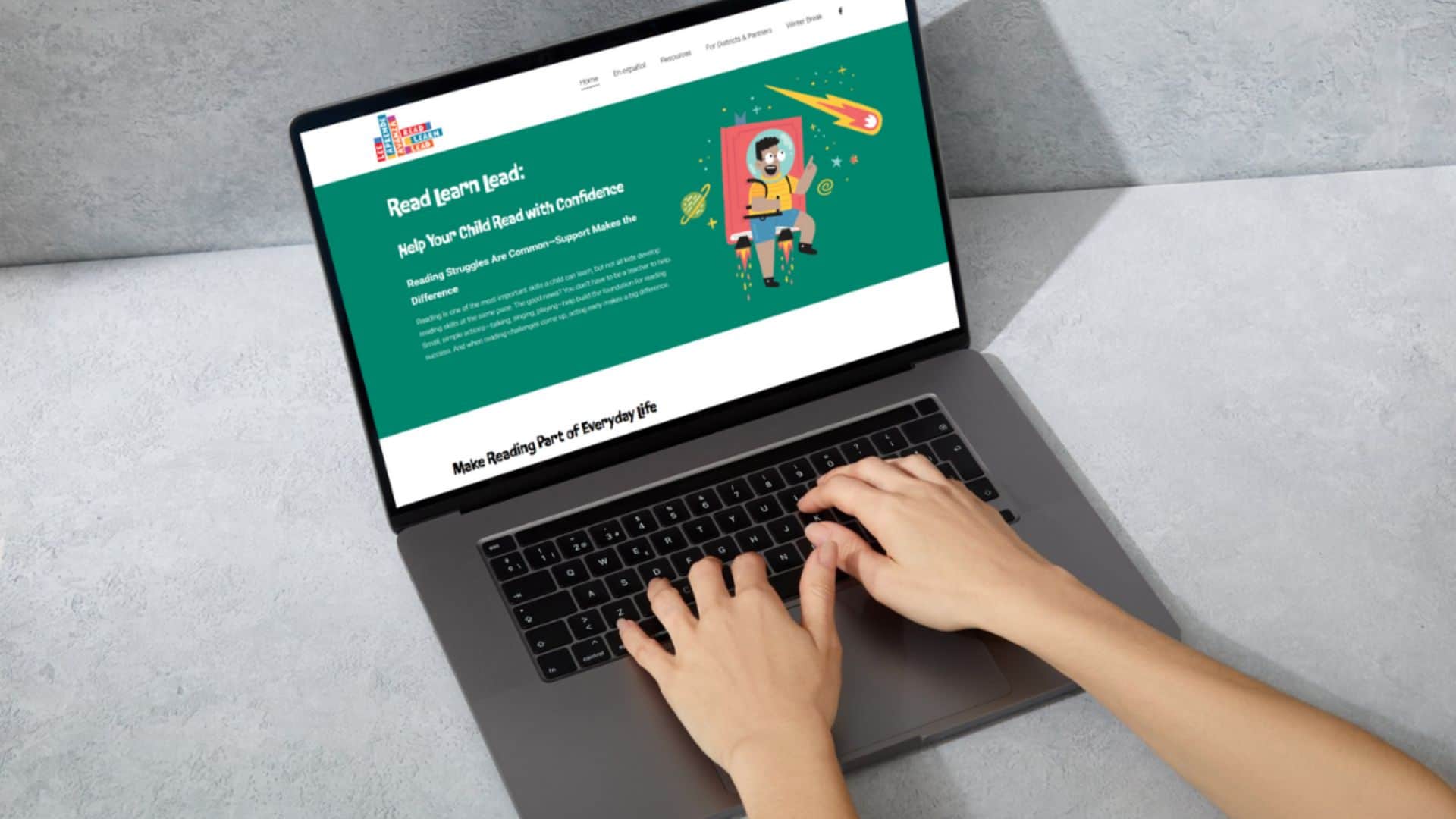

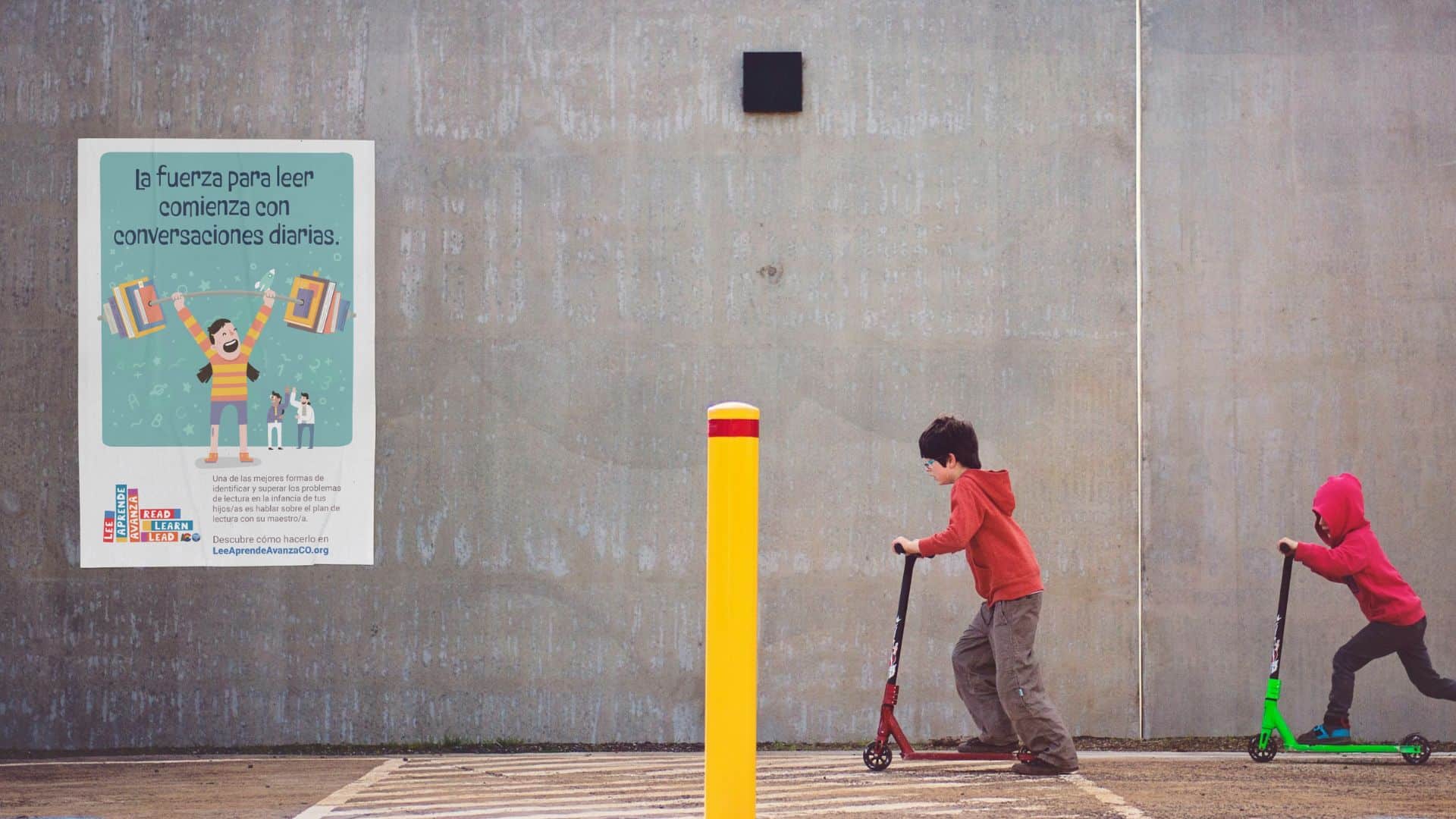
The Impact
Read, Learn, Lead achieved broad reach and strong engagement across channels, with particularly meaningful results among Spanish-speaking families and communities that are often harder to reach through traditional education communications .
Key outcomes include:
- More than 11 million total impressions statewide delivered in just six weeks, demonstrating strong visibility and scale.
- Nearly 9,000 website visits, with 76 percent of traffic directed to the Spanish-language site, highlighting deep engagement among Spanish-speaking families.
- 173 community-based locations activated through place-based media, generating an estimated 9 million impressions in trusted, everyday settings.
- High-performing social and digital placements, with click-through rates ranging from 0.06 percent to 3 percent and Instagram engagement rates reaching up to 18 percent, significantly outperforming Facebook.
- Text messaging outreach to more than 87,000 families, with some messages achieving click-through rates above 1.4 percent, reinforcing the effectiveness of timely, direct prompts.
Together, these results show that Read, Learn, Lead succeeded in reaching diverse families, delivering useful and adaptable tools to districts and community partners, and elevating early reading as a shared priority. By meeting families where they are and emphasizing early action, the campaign helped lay a stronger foundation for children’s reading success and lifelong learning.

Empowering Early Childhood Providers to Grow Through Clear, Actionable Guidance
The Challenge
Colorado’s Professional Development Information System (PDIS) and related guidelines outline the skills and competencies needed for early childhood professionals to advance in their careers and deliver high-quality care.
However, many early childhood professionals were unaware of available pathways or found the system difficult to navigate. At the same time, the early childhood sector faced ongoing workforce shortages, burnout, and barriers to entering and advancing in the field.
CDEC also sought to increase the number of licensed providers and elevate the overall quality of care across the state—goals directly tied to awareness and use of professional development resources. The challenge was to make professional development feel accessible, relevant, and worth pursuing, while reinforcing its role in supporting licensing, career growth, and the delivery of high-quality child care.
Our Approach
SE2 approached this work through a strategic communications lens—focusing on clarifying the value of professional development and positioning it as a pathway to both career growth and higher-quality care.
This included developing a clear communications strategy and messaging framework that made PDIS and the professional development guidelines easier to understand, navigate, and act on. Messaging emphasized real-world benefits for providers, including skill-building, career advancement, and the ability to deliver higher-quality experiences for children.
To activate this strategy, SE2 implemented an internal communications campaign targeting current providers. This effort focused on increasing awareness, building motivation, and encouraging deeper engagement with available tools and resources.
In parallel, SE2 extended outreach beyond the existing workforce through targeted paid media campaigns aimed at friend, family, and neighbor (FFN) caregivers—an audience often providing care informally. These efforts introduced the benefits of formal licensing and professional development, positioning it as an achievable and valuable next step.
Together, these efforts created a coordinated approach to both strengthen the current workforce and expand the pipeline of licensed, quality-focused providers across Colorado.


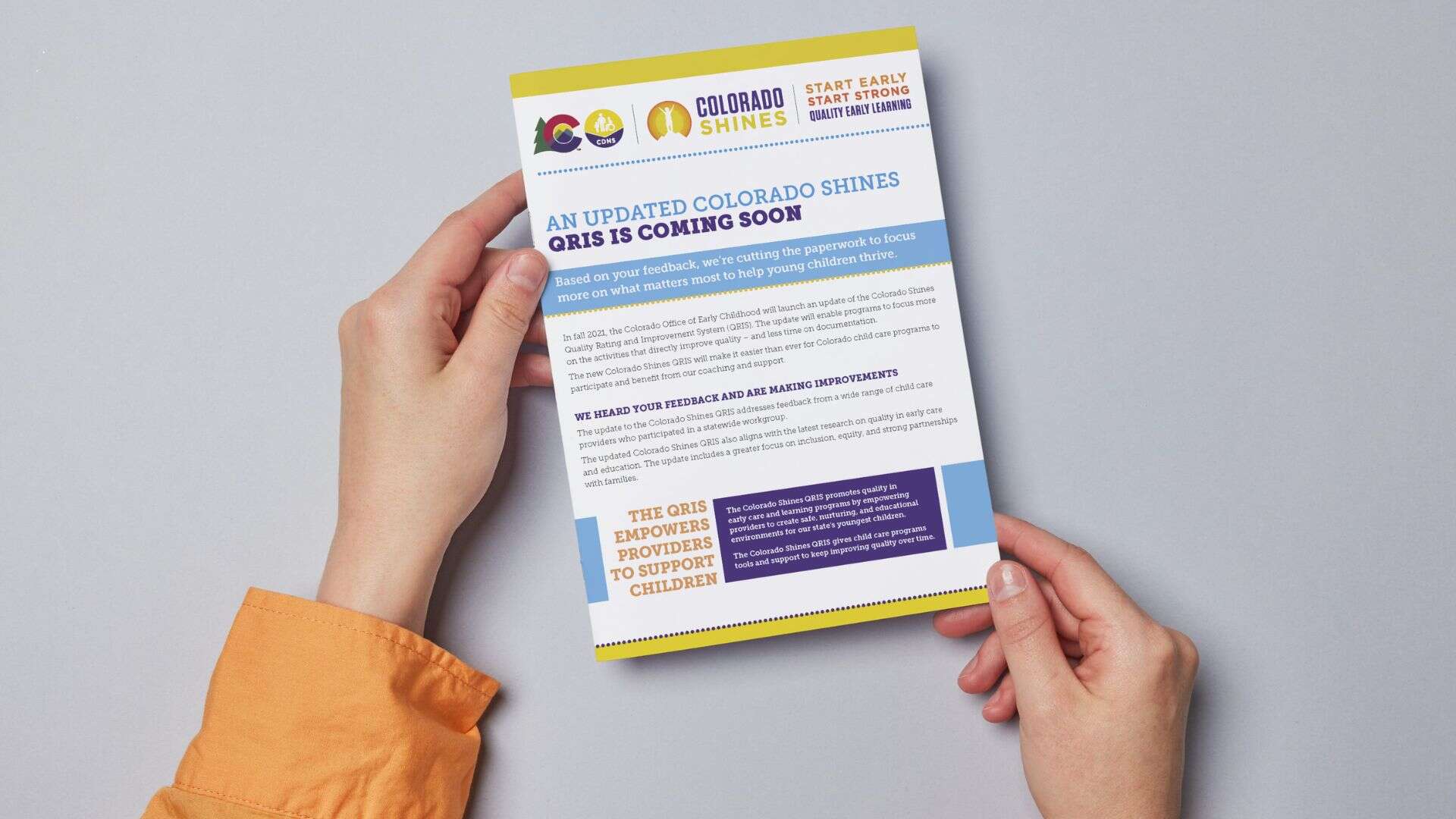
The Impact
Evaluation findings showed that the videos and toolkit materials improved providers’ understanding of the Professional Development Guidelines and how to engage with the system. Providers reported greater clarity around available pathways, requirements, and next steps for advancing their careers.
The resources also made it easier for providers to navigate PDIS and related supports, increasing confidence in accessing tools, trainings, and opportunities. Overall, the work helped reduce barriers to engagement—making professional development feel more approachable, actionable, and relevant to providers across the state.

Launching Universal Preschool with Clear, Coordinated Communication
The Challenge
Colorado’s Universal Preschool (UPK) program launched as a major statewide effort to provide free, voluntary preschool access for children in the year before kindergarten. As a new and complex system, it required families, providers, and communities to quickly understand eligibility, enrollment, and how to participate.
Awareness gaps, confusion about the process, and variations in local implementation created friction at a critical moment. At the same time, the rollout carried significant visibility and scrutiny, as it was a top priority for the Governor and closely watched by legislators, stakeholders, and the media. The challenge was to deliver clear, consistent, and timely communication that built understanding, trust, and confidence—while driving enrollment during a high-stakes launch.
Our Approach
SE2 led communications strategy and messaging to support a clear, coordinated rollout of UPK across the state. This included developing plain-language messaging that simplified complex program details—helping families understand who qualifies, how to enroll, and what to expect.
SE2 worked to align messaging across audiences, ensuring consistency for families, providers, and community partners, even as implementation varied locally. Communications were designed to anticipate and address common points of confusion, reduce uncertainty, and build trust in the program.
Through this strategic approach, SE2 helped create a unified narrative for UPK—making a complex, high-profile policy initiative more accessible, understandable, and actionable for Coloradans.
The Impact
SE2’s work established a strong, strategic foundation for the Universal Preschool communications rollout. The client expressed confidence in the clarity, consistency, and usability of the messaging, noting that it provided a solid framework to guide communications across audiences and partners.
With aligned messaging and a coordinated approach in place, CDEC was better equipped to navigate the complexity of the launch—ensuring information could be delivered clearly and consistently during a high-visibility, high-stakes rollout.

Connecting More Families to the Food They Deserve
The Challenge
Food insecurity affects families across Colorado, yet participation in nutrition assistance programs is often limited by stigma, misinformation, and uneven access to trusted information. Families may not realize they are eligible for programs like free school meals or commodity food assistance, or they may avoid participation due to fear of judgment.
At the same time, schools, food banks, and community partners must deliver these programs while meeting complex standards and operational requirements. Food service workers and frontline staff need clear guidance and training to provide meals with consistency, dignity, and compliance.
The challenge was to increase utilization of food assistance programs for children and families while supporting the systems and workers responsible for delivering them—without reinforcing stigma.
Our Approach
Across Everyday Eats (CSFP), CDE’s Free School Meals, and Blueprint for Hunger, SE2 implemented a community-centered communications and outreach strategy focused on normalization, clarity, and trust.
For families, SE2 developed plain-language, culturally relevant messaging that reframed food assistance as a shared public good and emphasized that nutritious meals are something all kids deserve. Campaigns used inclusive visuals and affirming tone to reduce shame and make programs feel accessible.
SE2 paired mass and digital media with extensive community outreach, working through schools, community organizations, food banks, and local events to meet families in trusted, everyday spaces.
In parallel, SE2 supported workforce and system readiness by developing training materials and toolkits that translated program standards into clear, actionable guidance for food service workers and administrators. This alignment ensured that outreach to families matched on-the-ground program delivery.


The Impact
SE2’s work increased awareness and understanding of food assistance programs while helping reduce stigma around participation. Community-based outreach expanded reach to families facing language, access, or trust barriers, supporting more equitable utilization of school meals and supplemental nutrition programs.
At the same time, training and communications resources strengthened program implementation, helping food service workers deliver meals confidently, consistently, and with dignity. Together, this work helped ensure nutrition programs functioned as intended—supporting children’s health, learning, and long-term wellbeing.

STI Prevention That Meets People Where They Are—Without Shame
The Challenge
Sexually transmitted infections (STIs) continue to disproportionately impact LGBTQ+ communities in Colorado—particularly gay, bisexual, and other men who have sex with men, as well as transgender and nonbinary people. Across the state, rates of chlamydia, gonorrhea, and syphilis have risen steadily in recent years, with some of the highest increases concentrated among LGBTQ+ populations.
At the same time, stigma remains a major barrier to testing and treatment. Many people delay or avoid getting tested because they fear judgment, misinformation, or being “outed” in healthcare settings. Traditional public health messaging—often clinical, generic, or fear-based—struggles to cut through, especially in digital environments where LGBTQ+ audiences are inundated with ads and content competing for attention.
The Colorado Department of Public Health and Environment (CDPHE) needed a way to break through the noise, normalize STI testing, and reach people at moments when sexual health was already top of mind—without reinforcing shame or stigma.
Our Approach
SE2 developed a digital-first media campaign designed to meet people where decisions about sex and risk are actually happening: on hookup and dating apps. Instead of interrupting users with alarmist messages, the campaign leaned into context—placing STI testing messages in spaces where people were already thinking about sex, partners, and protection.
To cut through clutter in these environments, SE2 created a bold, sports-themed creative concept—“Play the Game?”—that reframed STI testing as a smart, routine part of staying in the game, rather than a consequence of “bad” behavior. The concept used familiar sports language and visuals to spark curiosity and recognition, helping the campaign stand out in fast-scroll, high-competition digital spaces.
Messaging was intentionally non-judgmental and harm-reduction focused, emphasizing that:
- STIs are common and manageable
- Testing is about taking care of yourself and your partners
- Knowing your status is a form of confidence—not something to hide
Throughout the campaign, SE2 prioritized inclusive language, LGBTQ-affirming visuals, and a tone that felt conversational, sex-positive, and human. The result was a campaign that respected audience autonomy while making testing feel relevant, normal, and accessible.
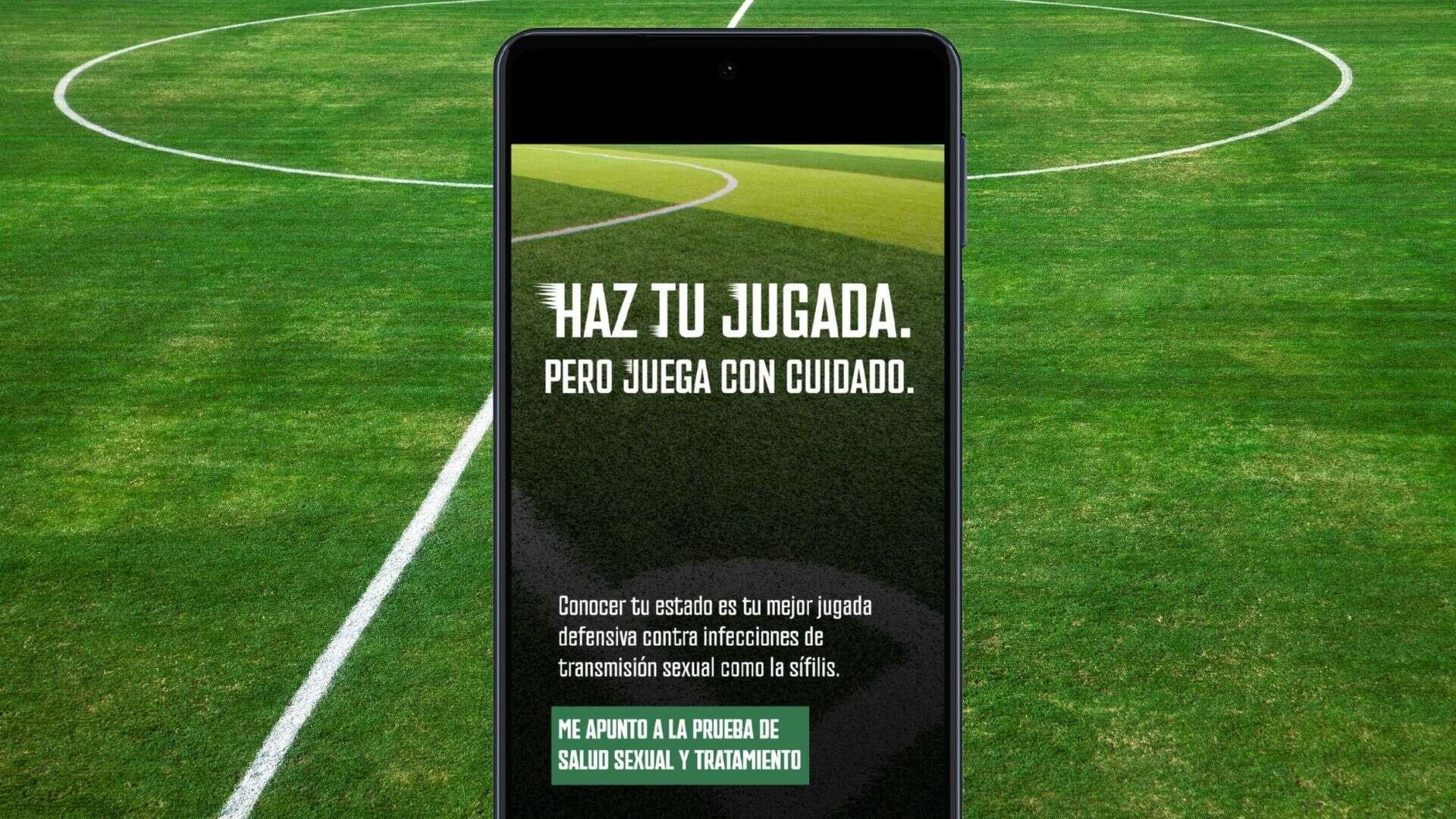
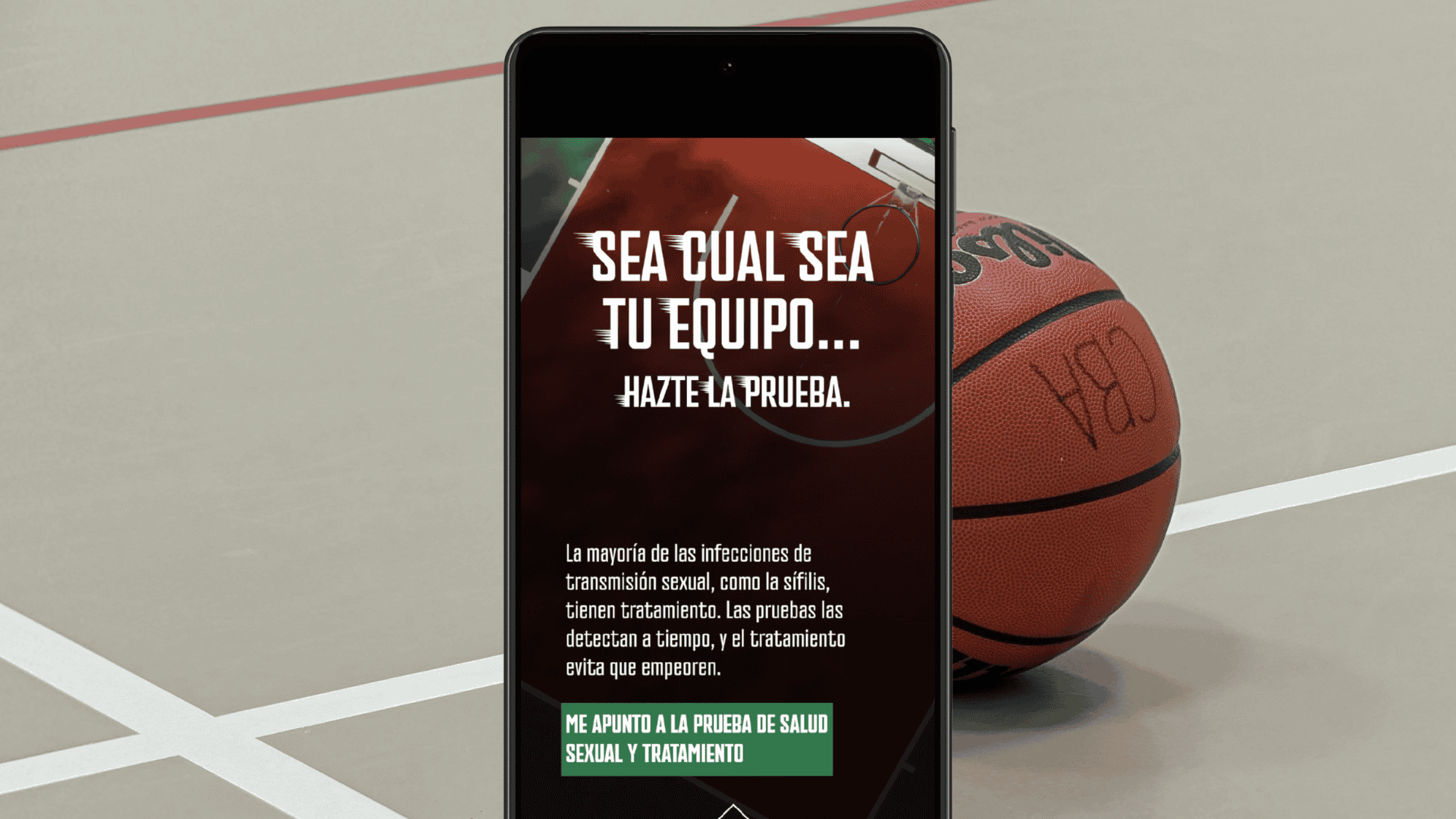
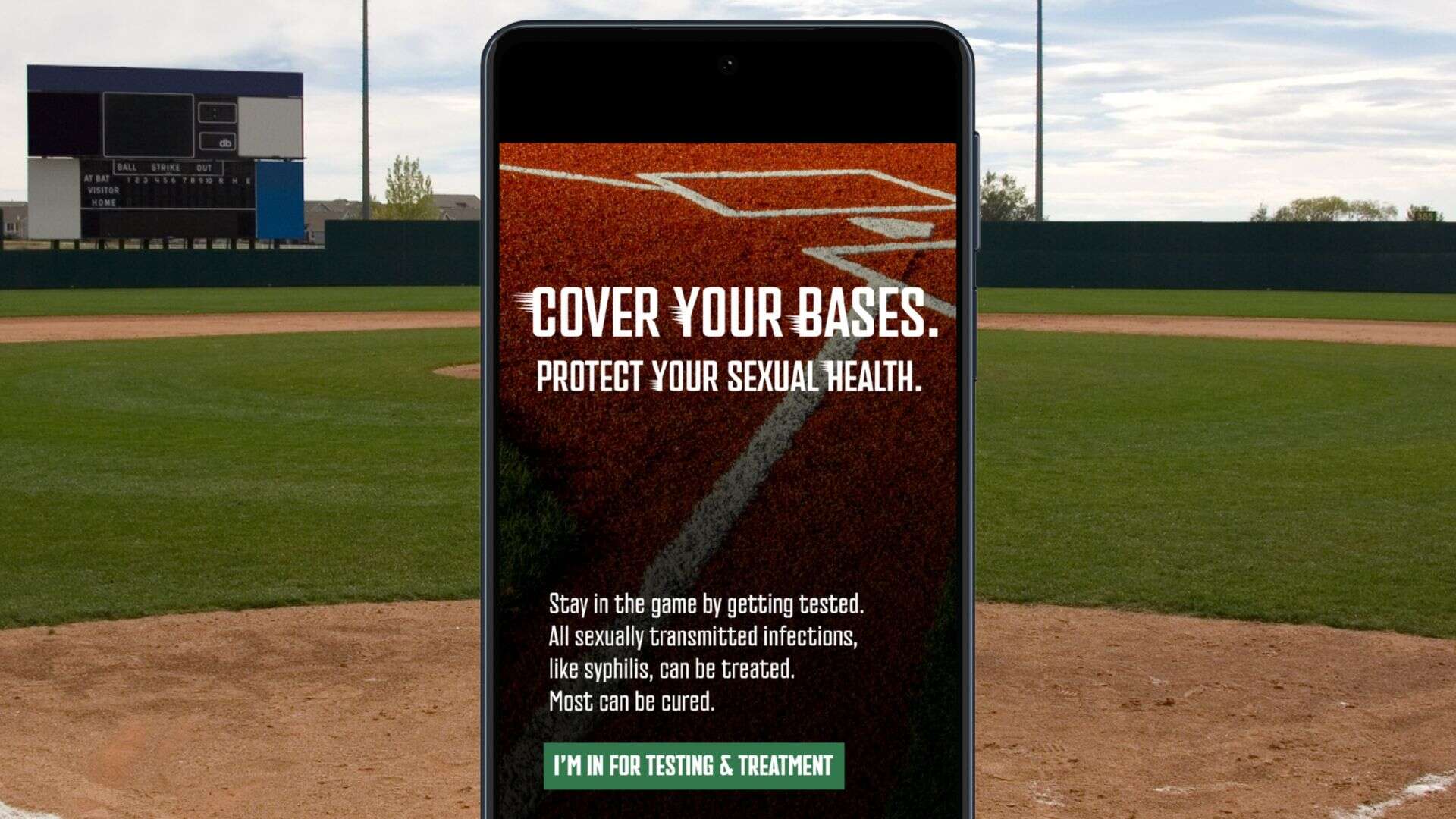
The Impact
The campaign successfully reached LGBTQ+ audiences in high-intent digital environments and drove meaningful engagement with STI testing information and resources.
Campaign performance highlights include:
- 1.85 million total impressions delivered statewide across dating apps (Jack’d, Scruff), TikTok, Snapchat, and paid search—ensuring broad visibility among priority LGBTQ+ audiences.
- Over 730,000 impressions on Snapchat and 1.12 million impressions on TikTok, leveraging high-impact, mobile-first platforms to reach users in moments of active engagement.
- Achieved large-scale reach across multiple channels while maintaining cost-effective CPMs and CPC benchmarks.
Beyond quantitative metrics, the campaign demonstrated the power of meeting people with respect—showing that STI prevention messaging can be direct, culturally relevant, and stigma-free, while still driving action. By aligning message, medium, and moment, CDPHE strengthened its connection with LGBTQ+ communities and advanced a more affirming, effective approach to sexual health communication.

Connecting Communities to Lifesaving Mental Health Resources
The Challenge
BIPOC communities in Colorado were underutilizing the 988 Mental Health line due to stigma surrounding mental health support. Misperceptions and distrust created barriers to seeking help, leaving many without accessible resources during moments of crisis. The challenge was to change attitudes, build trust, and encourage these communities to view 988 as a safe and supportive option.
Our Approach
To address these challenges, SE2 developed a storytelling-focused campaign featuring testimonials from diverse Coloradans who had personally used 988. Stories were created in both English and Spanish to reach broader audiences. Each narrative combined animated segments to illustrate the backstory of individuals’ experiences with mental health challenges and live interviews capturing their reflections and growth today.
The goal was to help community members see themselves in these stories, normalize seeking help, and reduce the stigma surrounding mental health support. In addition, the campaign highlighted various modalities of support beyond phone calls, including text and chat, to ensure people had multiple ways to access help.
We leveraged our SE2 PowerMap® approach to extend the reach of these stories. This included sharing content through presentations, community meetings, and direct engagement with community and grasstops leaders, ensuring that messaging resonated within the communities it was designed to support.
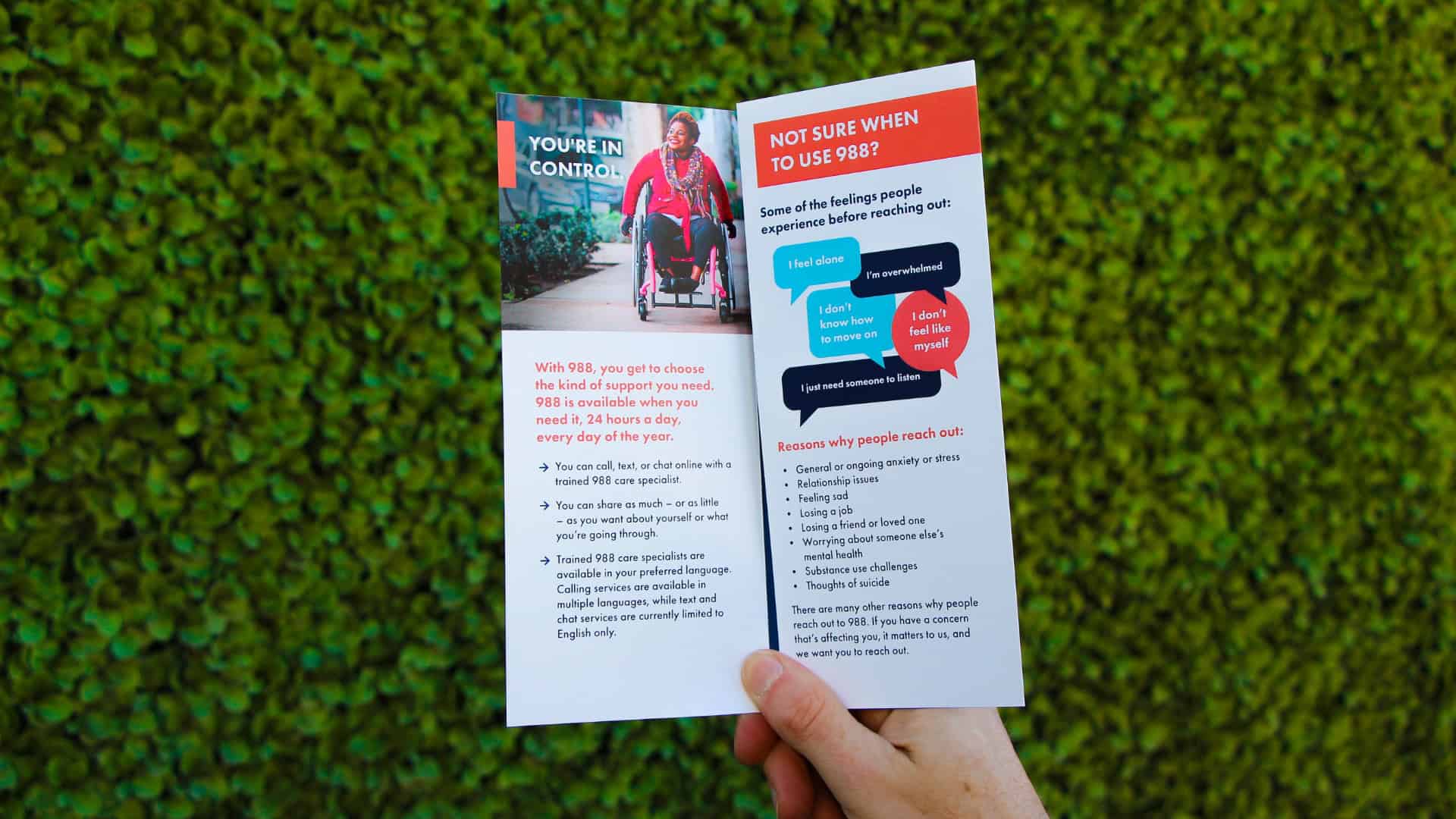
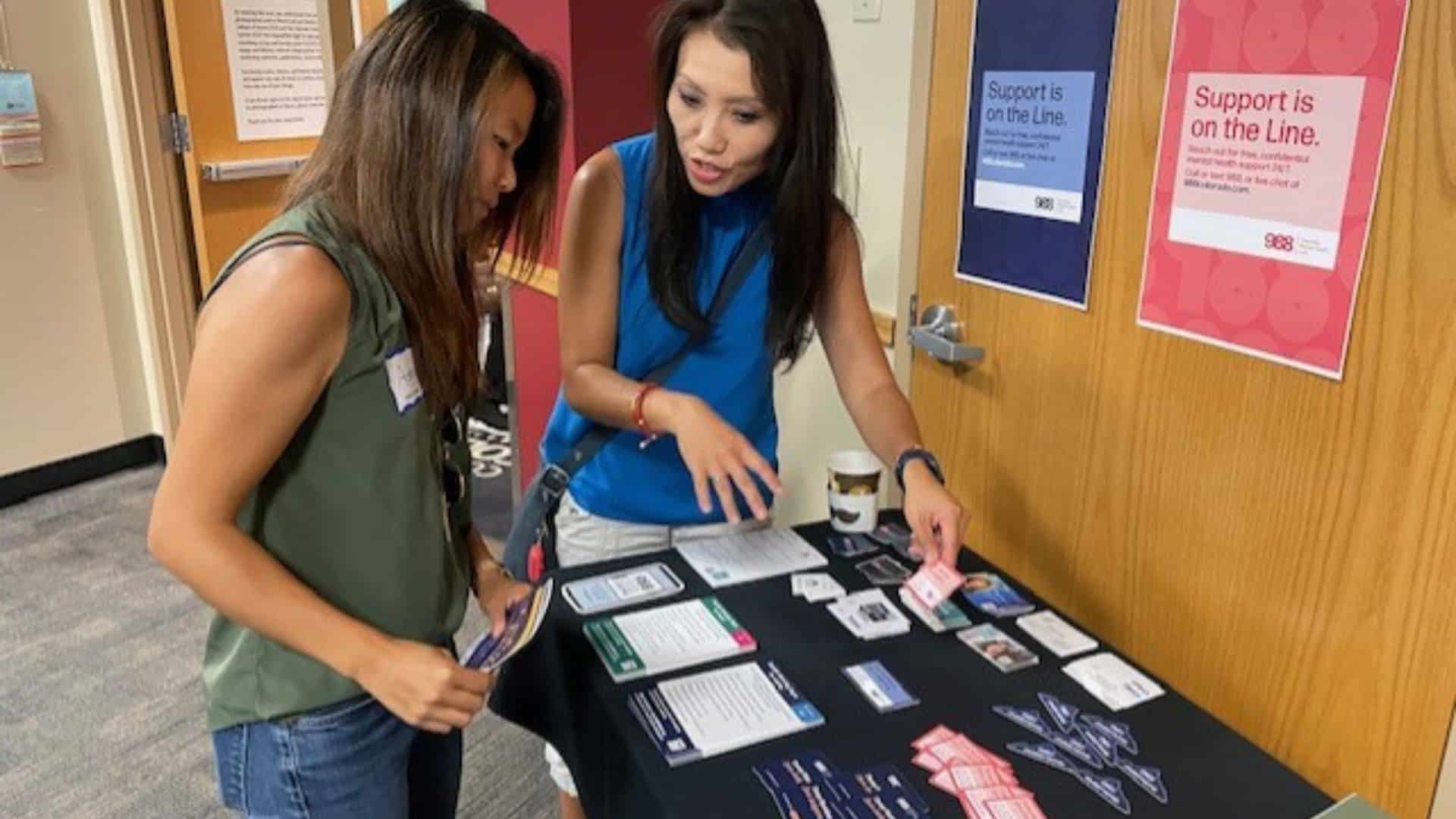
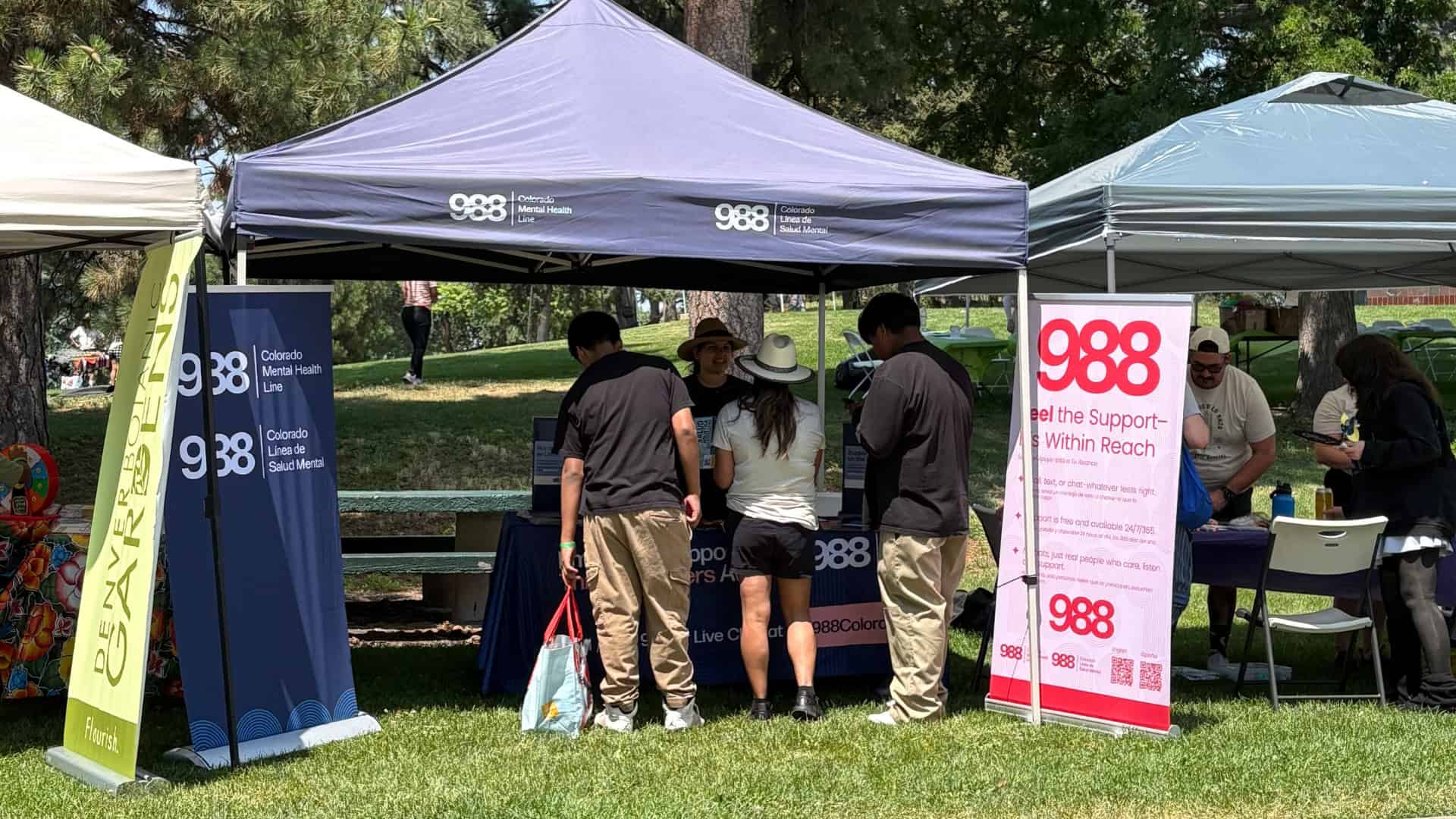
The Impact
Through storytelling grounded in real experiences, this initiative demonstrated the power of culturally relevant communication in reducing stigma and promoting mental health support in historically underserved communities.
- Shifted perceptions: BIPOC communities began viewing 988 as a trusted and approachable resource for mental health support.
- Created positive impressions: Testimonials helped build more favorable attitudes toward the service, reinforcing its accessibility and effectiveness.
- Encouraged action: By showcasing relatable experiences, the campaign motivated individuals to reach out and seek support when needed.
Building Community Immunity with the Power of Community Norms
The Challenge
Vaccines have been so successful at preventing serious diseases like polio and measles that many Americans may forget what a game-changer immunization has been. This breeds complacency or even skepticism (fueled by misinformation about the potential risks of vaccines, as opposed to the risks of the diseases they prevent). Social media algorithms and polarizing media headlines may create an exaggerated perception of skepticism, undermining broad confidence.
Our Approach
For several consecutive years, SE2 worked with the Colorado Department of Public Health & Environment to promote vaccines broadly across Colorado. We managed research-based and community-informed campaigns to encourage vaccination. We focused on both mass media and outreach/engagement using our SE2 PowerMap® framework. This approach included:
- Culturally Responsive Messaging: Tailoring communication to resonate with diverse populations and frankly addressing concerns rooted in racist health care legacies.
- Trusted Messengers: Co-creating messages and strategies with community leaders, local organizations, and health care professionals who provide credible information built on trust.
- Science-Based Information: Helping everyone navigate vaccine decisions for themselves and loved ones through clear, transparent messaging.
Sustained Engagement: Supporting annual respiratory season and routine childhood vaccine awareness year after year to build on progress and prevent erosion of trust, even when facing headwinds. - Positive Community Norms: Demonstrating that routine childhood vaccines are embraced by a large majority of families, giving others confidence that they’re in good company when they vaccinate.
SE2’s engagement on this issue included promotion of the first COVID-19 vaccines, a campaign that was launched as quickly as the vaccines become available. It featured health care providers of color addressing their motivations for getting vaccinated.
SE2 has also worked with health, community, and philanthropic organizations to fill the gaps in vaccine promotion caused by drastic cuts in federal funding and confusing messages from federal health leaders.

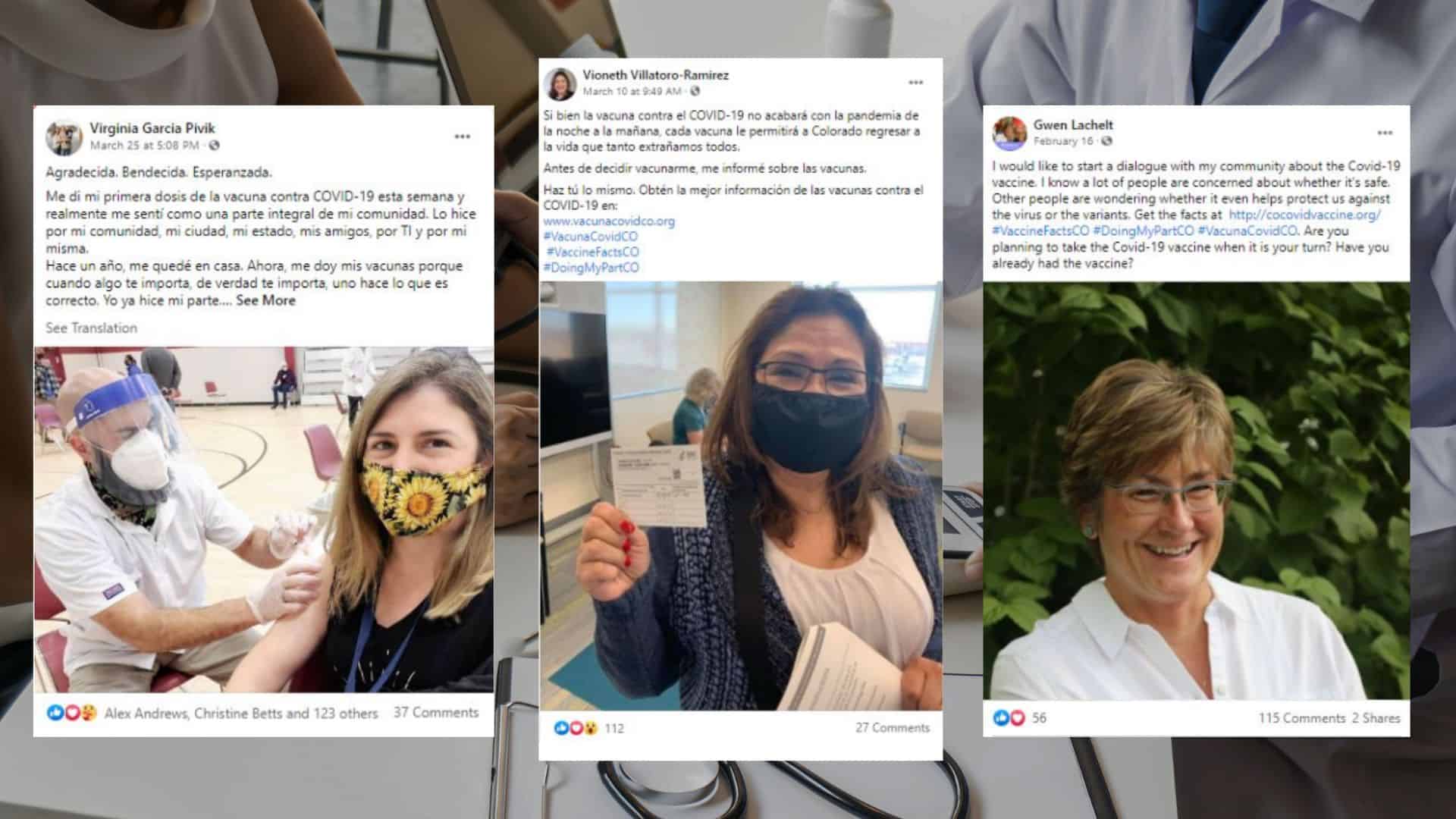
The Impact
Our most recent vaccination campaigns garnered over 100 million ad impressions, drove over 300,000 visitors to campaign websites, and surpassed industry benchmarks across all platforms.
These efforts contributed one remarkable achievement: The state achieved the nation’s highest RSV vaccination rate among those 60 and older. Following the direct mailer to 72,026 families, 9,868 (or 13.7%) kindergarten-aged children had become up to date on their MMR vaccine.
In just five weeks the “Missing” campaign:
- Generated over 4.9 million impressions and 149,000 clicks
- Drove nearly 2,000 people to act—visiting pages with theft prevention tips or victim resources
- TikTok extended reach to younger audiences, with over 1.3 million views of campaign videos and over 90% view-through rate
The emotional storytelling, combined with clear prevention steps, helped Coloradans connect the dots between how they feel about their cars—and how they act to protect them.
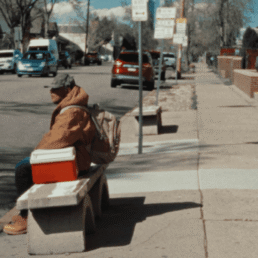



Helping Families Navigate and Access Child Care Assistance
The Challenge
The Colorado Child Care Assistance Program (CCCAP) helps low-income families afford child care while parents work, search for employment, or attend school.
Eligible families often did not apply due to lack of awareness, confusion about eligibility, or perceived stigma. Additionally, the application process was seen as complex. The challenge was to increase awareness, reduce perceived barriers, and motivate eligible families to enroll and utilize available benefits.
Our Approach
SE2 approached this work by focusing on reducing barriers and making the CCCAP easier to understand and access for eligible families.
To address confusion around the application process, SE2 developed clear, step-by-step content in both English and Spanish that guided families through how to apply. These materials were designed to simplify complex information, answer common questions, and help families feel more confident navigating the system.
To ensure this information reached those who needed it most, SE2 implemented a targeted social media campaign focused on communities where CCCAP was underutilized. Messaging and placement strategies were tailored to connect with eligible families, increase awareness of the program, and drive action toward application and enrollment.

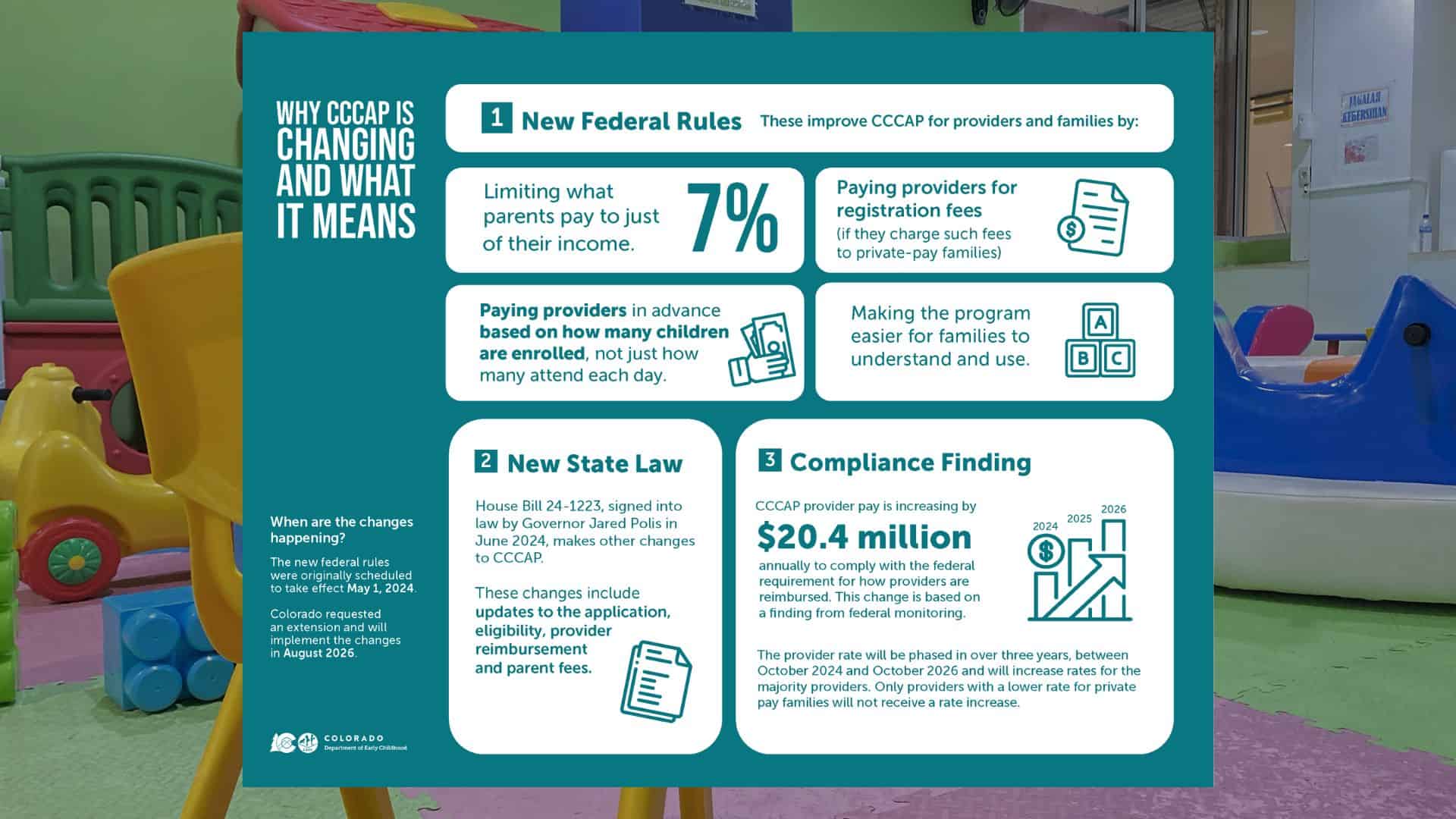
The Impact
The campaign helped strengthen awareness, engagement, and access to CCCAP, contributing to measurable improvements in both system performance and user action.
Paid media campaigns demonstrated strong performance and clear user intent. Search efforts achieved a click-through rate more than 10x above industry benchmarks, signaling that CCCAP messaging strongly resonated with families actively seeking child care support. Display campaigns drove additional awareness, with opportunities identified to further increase engagement through refreshed creative.
Most notably, conversion tracking showed a 420% increase in site conversions from campaign launch to completion, reflecting a significant lift in families taking action to explore or apply for services.
Earned and organic media further expanded reach without additional spend. Coverage across outlets like Univision Colorado and Educa Radio helped reach both English- and Spanish-speaking audiences statewide. Social amplification extended visibility even further, generating over 59,000 impressions from media coverage, 15,700+ impressions from SE2 content, and an additional 19,000+ impressions through partner sharing.
These engagement gains occurred alongside broader system progress within CCCAP. The program has increased access to high-quality care, with at least half of participating children enrolled in highly rated providers, and a growing network of providers participating statewide. CCCAP providers are now nearly twice as likely to meet high-quality standards compared to the broader provider landscape, reinforcing the program’s role in delivering strong early childhood outcomes.

Sparking Real Conversations About Mental Health Across Colorado
The Challenge
Mental health challenges affect people across every community in Colorado, yet stigma remains one of the biggest barriers to seeking support. For many individuals and families, conversations about mental health are shaped by cultural norms, fear of judgment, past experiences with systems, or uncertainty about where to turn for help. In some communities, mental health struggles are not discussed openly at all.
The challenge was to reduce stigma without oversimplifying mental health, and to create a campaign that felt human, inclusive, and useful to a wide range of communities.
Our Approach
SE2 partnered with the Metro Denver Partnership for Health to develop Let’s Talk Colorado, a storytelling-driven mental health campaign rooted in lived experience and cultural relevance.
At the heart of the campaign was storytelling. SE2 worked with community members to elevate real stories that reflected how mental health shows up in everyday life. Rather than positioning people as experts or spokespeople, the campaign centered individuals as neighbors, parents, workers, and friends. Stories focused on moments of honesty, vulnerability, and connection, helping audiences see that mental health challenges are common and that talking about them is a strength, not a failure.
Storytelling was intentionally inclusive. Content reflected diverse communities, identities, languages, and life experiences, allowing people from different backgrounds to see themselves in the campaign. The tone was warm, non-clinical, and affirming, designed to invite conversation rather than prescribe solutions.
To support these stories, SE2 developed a central campaign website that served as both a narrative extension of the campaign and a practical resource hub. The website was designed to be approachable and easy to navigate, offering clear pathways to mental health information, conversation starters, and support services. Content was organized to reduce overwhelm and help users quickly find what felt relevant to them, whether they were seeking help for themselves, supporting a loved one, or simply looking to learn more.
Together, storytelling and digital experience worked hand in hand. Stories helped reduce stigma and build trust, while the website provided a concrete next step for people ready to explore support.

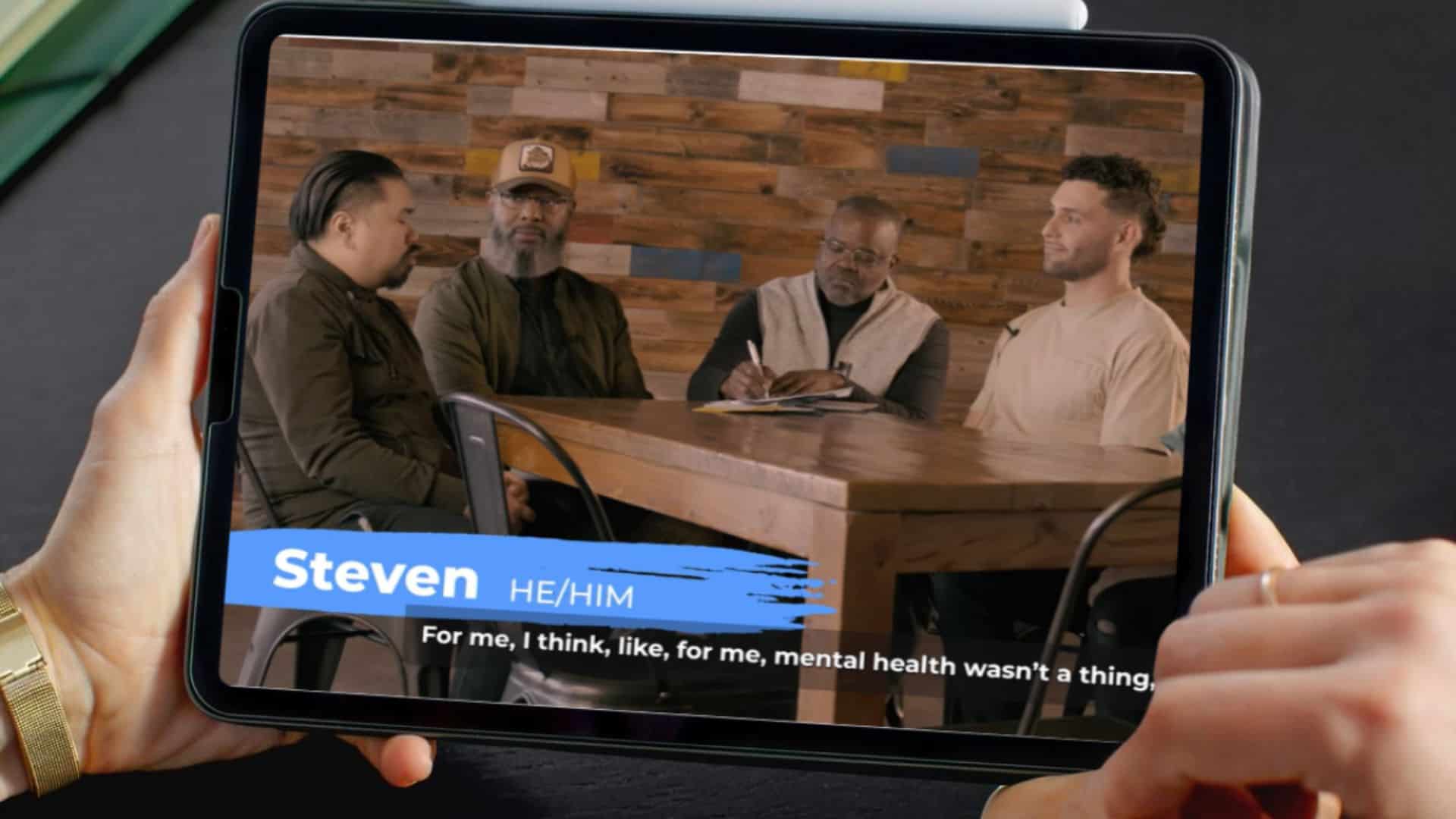


The Impact
Let’s Talk Colorado helped shift how mental health is talked about across communities by leading with humanity and connection.
Key outcomes included:
- Reduced stigma through representation, as audiences encountered stories that reflected their own experiences, cultures, and values.
- Increased comfort with mental health conversations, driven by storytelling that normalized struggle and emphasized connection over diagnosis.
- A trusted, accessible website that centralized mental health resources and made it easier for individuals and families to take the next step toward support.
- Stronger relevance across diverse communities, achieved through culturally responsive content and inclusive storytelling rather than one-size-fits-all messaging.
By pairing authentic stories with clear, accessible resources, Let’s Talk Colorado demonstrated that stigma reduction and practical support must go together. The campaign helped create space for honest conversations about mental health and reinforced a simple truth: talking is a powerful first step toward healing.

Inspiring the Next Generation of Early Childhood Providers Through Storytelling
The Challenge
The early childhood workforce is essential to the functioning of the broader economy, enabling parents to work and children to thrive. However, the field faces ongoing workforce shortages.
Low wages, high demands, and limited awareness of career pathways have made recruitment difficult. Many potential candidates do not view early childhood as a viable or rewarding career. The challenge was to reframe the profession, attract new talent, and inspire individuals to enter and remain in the field.
Our Approach
SE2 approached this work by using authentic video storytelling to elevate the voices and experiences of early childhood providers—bringing visibility to both the impact and the opportunity within the profession.
The campaign centered on real provider stories, highlighting day-to-day experiences, personal motivations, and the meaningful role providers play in supporting children, families, and communities. These stories were designed to humanize the profession, making it more relatable and appealing to prospective providers.
In parallel, the content emphasized the tangible benefits of formal licensing, including professional growth, access to resources, and the ability to deliver high-quality care. By connecting personal stories with clear pathways, the campaign helped position early childhood as both a purpose-driven and viable career option.
To ensure accessibility and relevance across Colorado’s diverse communities, videos were produced in multiple languages. This approach expanded reach, reflected the diversity of the provider network, and made it easier for individuals from a range of backgrounds to see themselves in the role and understand how to take the next step.
The Impact
The campaign contributed to increased interest in early childhood careers, generating more inquiries about becoming a provider and greater exploration of formal licensing pathways. By elevating real provider stories and clearly communicating the benefits of entering the field, the work helped make the profession feel more visible, relatable, and attainable.
These efforts aligned with broader statewide trends showing growth in the early childhood workforce. In FY 2023–2024, the number of personnel in licensed care settings increased by 4% to 25,783, and the overall early childhood care network grew by 19% to 132,711.
While multiple factors influenced these outcomes, SE2’s work played a supporting role by strengthening awareness, interest, and consideration—helping contribute to momentum around workforce growth and expanded participation in licensed care.

Turning “Missing” Posters into a Movement Against Auto Theft
The Challenge
In Colorado, car theft isn’t just a crime statistic—it’s a disruption to people’s lives, routines, and sense of safety. In 2023 alone, more than 30,000 vehicles were reported stolen statewide, putting Colorado among the highest per-capita auto theft rates in the country. Yet many Coloradans still don’t take simple actions that could prevent it.
CATPA (Colorado Auto Theft Prevention Authority), an effort of the Colorado Department of Public Safety, needed a campaign that could break through the noise, shift mindsets, and drive everyday behaviors like locking up, hiding valuables, and parking smart.
Our Approach
We leaned into emotion to spark action —and grounded it in data.
Before developing creative, we conducted robust statewide polling to understand how Coloradans perceive the risk of auto theft and what behaviors they were (or weren’t) taking to prevent it. The research revealed distinct audience segments with varying levels of awareness, perceived vulnerability, and motivation to act.
These findings became the foundation of the campaign strategy.
We created audience personas that reflected real-world attitudes and behaviors—then tailored messaging to address each group’s specific barriers and misperceptions. Some needed a wake-up call about risk. Others needed to know prevention was simple and worth doing.


The Impact
The campaign didn’t just make an impression—it changed behavior.
By tapping into emotion and pairing it with clear, doable actions, the “Missing” campaign motivated thousands of Coloradans to take steps to protect their vehicles.
In just five weeks the “Missing” campaign:
- Generated over 4.9 million impressions and 149,000 clicks
- Drove nearly 2,000 people to act—visiting pages with theft prevention tips or victim resources
- TikTok extended reach to younger audiences, with over 1.3 million views of campaign videos and over 90% view-through rate
The emotional storytelling, combined with clear prevention steps, helped Coloradans connect the dots between how they feel about their cars—and how they act to protect them.

Connecting People to Opportunity in a Changing Economy
The Challenge
Colorado’s workforce faced rapid change as industries evolved, skill requirements shifted, and new policies reshaped how people worked. Workers needed clearer pathways to upskilling, reskilling, and next skilling that felt attainable and relevant to real jobs. At the same time, employers were navigating talent shortages, new workforce platforms, and major policy rollouts such as paid family and medical leave.
Across both audiences, workforce systems were often complex and difficult to navigate. Workers struggled to see how training connected to employment. Employers needed practical, timely information that supported compliance, recruitment, and retention without adding unnecessary burden.
The challenge was to make workforce systems understandable, human, and actionable for both workers and employers.
Our Approach
Across campaigns including Ready to Rise, Connecting Colorado, community college workforce initiatives, TalentFound, and the FAMLI rollout, SE2 developed a dual-audience communications approach that addressed workers and employers as interconnected parts of the same system.
Worker-focused campaigns emphasized clarity, confidence, and possibility. Messaging translated complex systems into plain language and showed how new skills connected directly to better jobs, higher wages, and long-term stability. Campaigns normalized career transitions and were designed to reach people who did not always see themselves reflected in traditional workforce or education messaging.
Employer-focused campaigns centered on trust and practicality. SE2 framed new programs and platforms around what employers needed to know, how changes affected their workforce, and what actions to take next. Messaging positioned workforce systems and policies as tools to support business needs, strengthen retention, and build a more resilient workforce.
Across all efforts, SE2 used targeted digital outreach, storytelling, and community-based channels to reach audiences where decisions about work, training, and policy were already top of mind, with a strong focus on equity and access for rural communities, workers facing economic barriers, and small and mid-sized employers.
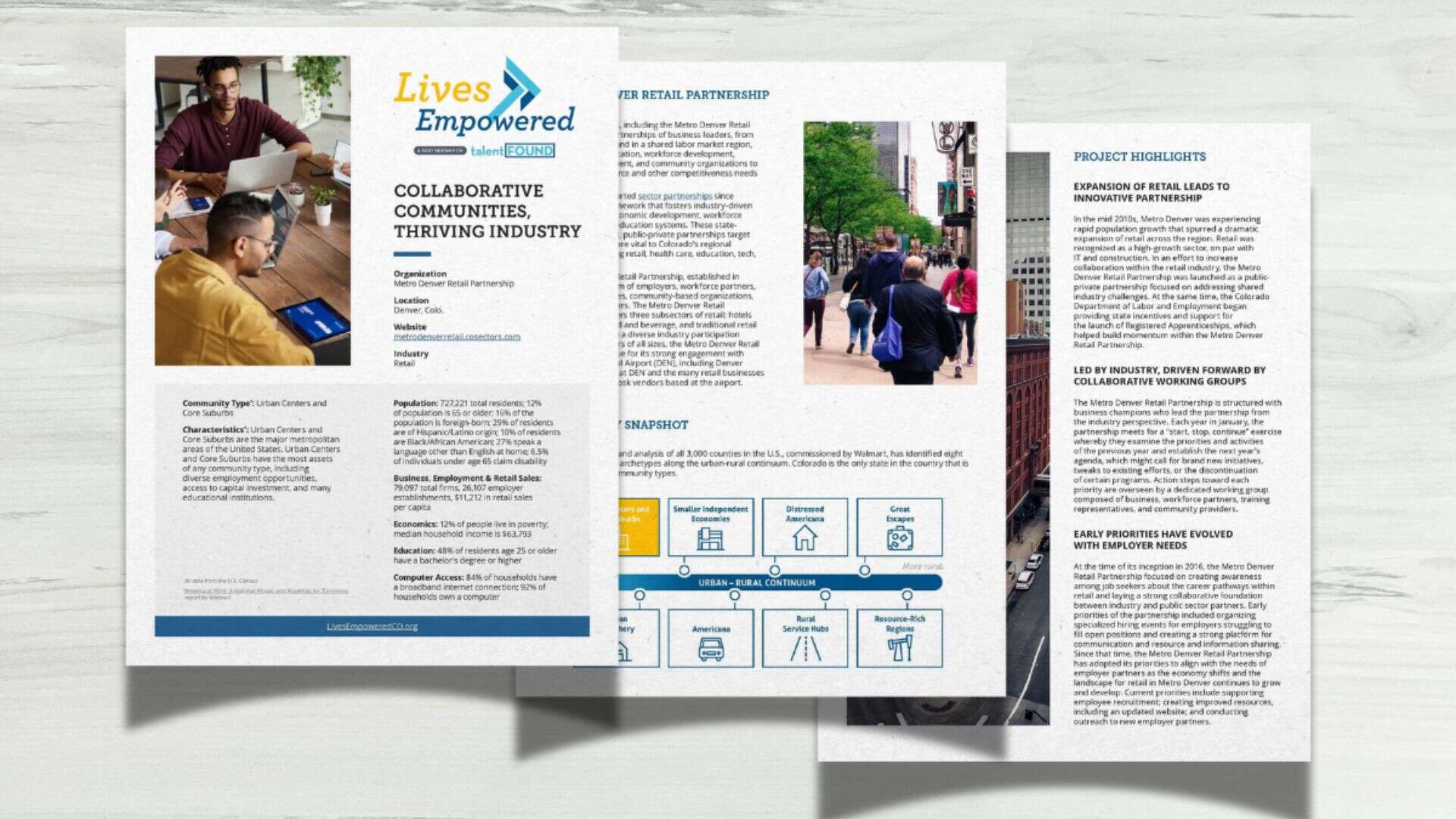


The Impact
SE2’s workforce campaigns increased understanding of workforce systems and strengthened engagement across both worker and employer audiences.
Worker-facing efforts helped individuals better understand training pathways, feel more confident pursuing new skills, and take steps toward meaningful employment. Employer-facing campaigns supported smoother adoption of new programs, reduced confusion during policy rollouts, and improved awareness of tools designed to support hiring, retention, and workforce stability.
Together, this work demonstrated SE2’s ability to translate complex workforce policy and systems into clear, human communications that connected people to opportunity and supported a more adaptable, equitable workforce.

Aligning Families, Providers, and Systems for Early Learning Success
The Challenge
Early childhood systems are complex by design. Families, providers, and educators must navigate eligibility rules, funding shifts, workforce shortages, and evolving policies, often at moments when stress and time constraints are highest. For many parents and caregivers, especially those facing language barriers, economic pressure, or limited trust in public systems, information about early learning and care can feel fragmented, overwhelming, or inaccessible.
At the same time, early childhood agencies are tasked with communicating across diverse audiences and geographies, from rural communities to urban centers, while aligning messages across multiple programs and partners. Campaigns must build awareness and drive action without increasing demand beyond system capacity or creating confusion across services.
The challenge was to translate complex early childhood systems into communications that felt clear, culturally relevant, and supportive, while strengthening trust and alignment across families, providers, and public institutions.
Our Approach
SE2 supported early childhood initiatives through a research-informed, community-centered communications approach that treated families and providers as partners, not targets.
Across ECE campaigns, SE2 focused on plain language, cultural relevance, and real-world usability. Messaging emphasized shared responsibility between families, educators, and systems, reinforcing that early learning success is a collective effort. Rather than relying on one-size-fits-all outreach, SE2 developed adaptable toolkits, bilingual materials, and campaign assets that could be used consistently across regions while still allowing for local customization.
For family-facing communications, SE2 prioritized clarity and reassurance. Campaigns met parents and caregivers where they were, using digital media, social platforms, community-based outreach, and trusted messengers to deliver information in moments of need. Messaging normalized common questions and challenges, reduced stigma around seeking help, and offered practical next steps that felt manageable and relevant.
For provider- and workforce-facing efforts, SE2 translated policy and system changes into clear, actionable guidance. Communications supported recruitment, retention, and professional pride, while acknowledging the realities of working in early childhood settings. Throughout, equity was embedded in both strategy and execution, with multilingual content, culturally responsive design, and outreach strategies tailored to communities historically underserved by traditional media.
SE2 also supported the development of accessible digital hubs that centralized information, reduced navigation burden, and helped users quickly find what mattered most to them. These platforms served as durable resources that could evolve alongside policy and program changes.


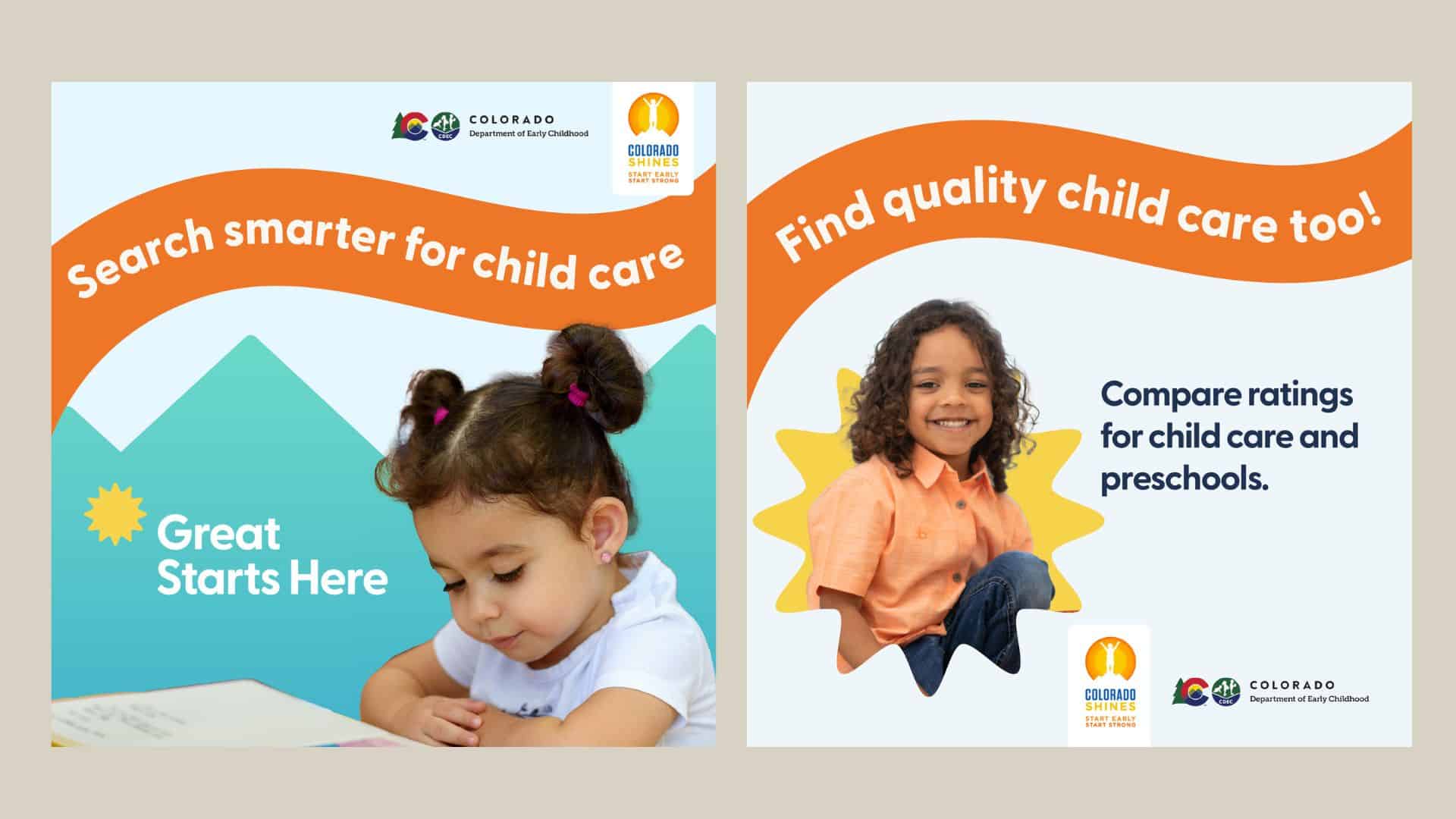
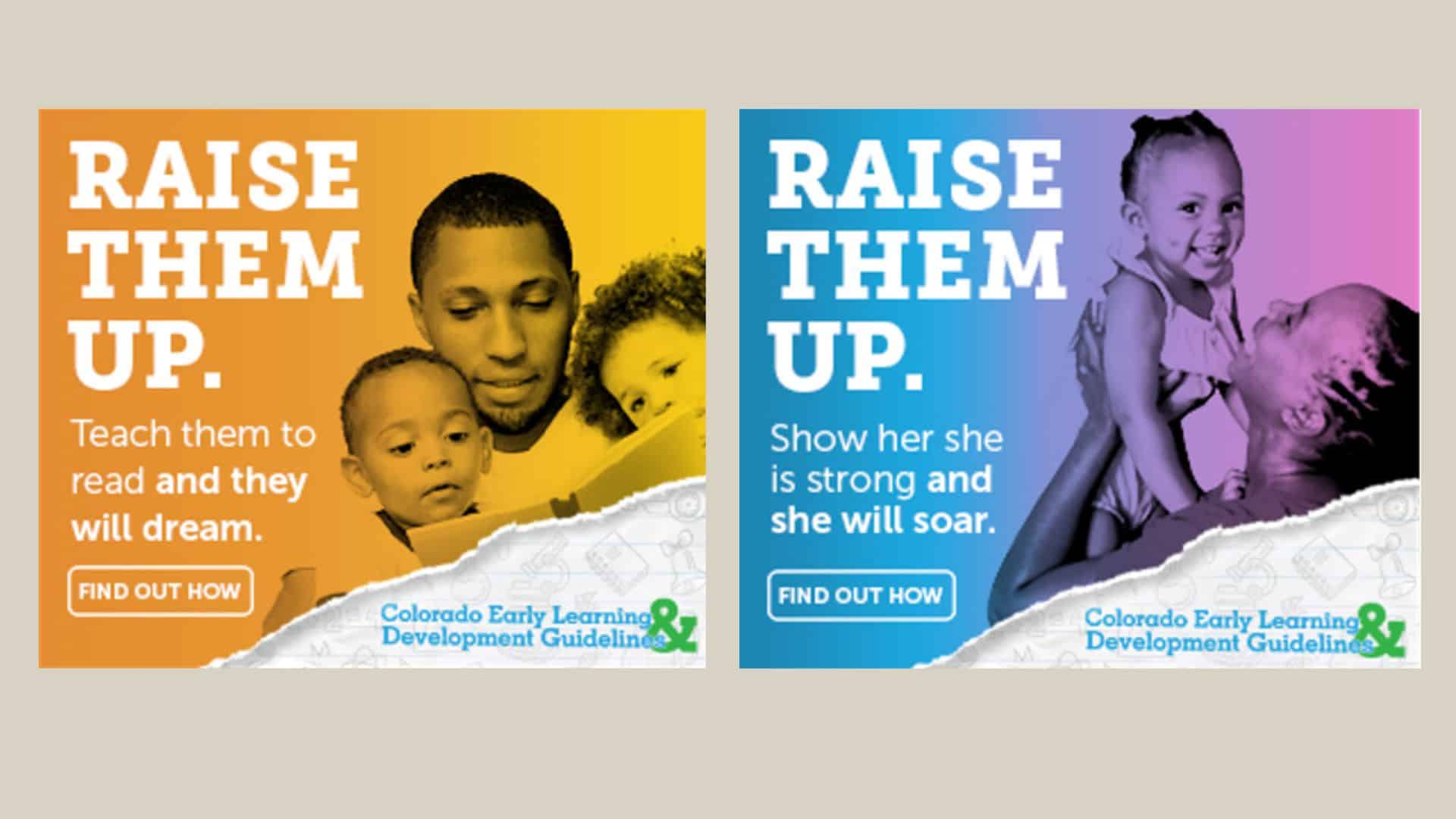
The Impact
SE2’s early childhood education work strengthened understanding, trust, and engagement across families, providers, and systems.
Campaigns reached diverse audiences statewide, with particularly strong engagement among Spanish-speaking families and communities that often face barriers to accessing early childhood information. Clear, culturally relevant messaging helped families feel more confident navigating early learning resources and initiating conversations with educators and providers.
For agencies and partners, SE2’s work delivered flexible, reusable communications assets that improved consistency across programs while allowing for local adaptation. Digital platforms and toolkits extended the life of campaigns beyond individual media flights, supporting long-term awareness and system readiness.
Together, this body of work demonstrated SE2’s ability to support early childhood systems at scale. By translating complexity into clarity and grounding communications in lived experience, SE2 helped create pathways that support children’s development, strengthen families, and build a more resilient early childhood system.

Translating Health Jargon Makes Coverage More Accessible
The Challenge
Health insurance is notoriously complex, filled with industry jargon and dense explanations. Many people struggle to understand their options, which can lead to confusion, missed benefits, or even going without necessary coverage.
Collaborating with the Colorado Department of Regulatory Agencies’ Division of Insurance, we created a series of explainer videos in English and Spanish that simplify numerous state health benefit programs, making them more accessible and user-friendly.
Our Approach
We knew that clarity was key. To ensure our videos resonated, we took a strategic approach to language, stripping away complicated terms and replacing them with everyday words. We focused on real-world scenarios to illustrate key concepts, helping people see how coverage decisions impact their lives.
Visual storytelling played a crucial role, with engaging animations and clear step-by-step breakdowns that guide viewers through essential information.

The Impact
By simplifying language and presenting information in a digestible format, our explainer videos are empowering individuals to make more informed health care choices. Viewers reported feeling more confident in understanding their options and taking the next steps in their coverage decisions.
The team at the Division of Insurance reports that the video series has been wildly popular and very useful in helping educate Coloradans about available health insurance options.
The Division’s Assistant Commissioner for Communications and Outreach says: “Working with SE2 was a fantastic experience. The team knows video making. And not just the technical components of putting it together, but they understand the importance of working with the client to grasp the key messages and develop those into easy-to-understand images and words (both text and audio). The team is willing to take the time to work through drafts, edits and reviews to get things right. And, in the end, matching their understanding of communicating with their technical knowledge produces a beautiful result.”
Turning Trusted Voices into Lifesaving Connections
The Challenge
Mental health services remain underutilized in many communities due to barriers such as stigma, lack of awareness, language access, and mistrust in traditional health systems. Historically, communities of color, rural populations, and other groups have faced unique obstacles in accessing crisis support.
To ensure all Coloradans knew about and trusted the new 988 Mental Health Line, Colorado’s Behavioral Health Administration needed a strategic approach tailored to the needs of diverse communities.
Our Approach
Rather than relying solely on traditional public awareness channels, we worked closely with trusted messengers—community leaders, local organizations, and grassroots advocates—to share information about 988 in ways that resonated with their communities.
This strategy helped address key barriers by:
- Reducing Stigma: Encouraging open conversations about mental health within communities where seeking help might be seen as a sign of weakness.
- Building Trust: Leveraging the credibility of local leaders and organizations to deliver information in culturally relevant ways.
- Improving Accessibility: Providing multilingual materials and outreach efforts to ensure that language was not a barrier to accessing 988.
- Clarifying Misconceptions: Addressing fears about law enforcement involvement and emphasizing the confidential and supportive nature of the service.
Using our SE2 PowerMap™ approach, we engaged 43 partners across the state to raise awareness of 988 through digital media and over 172 local events.
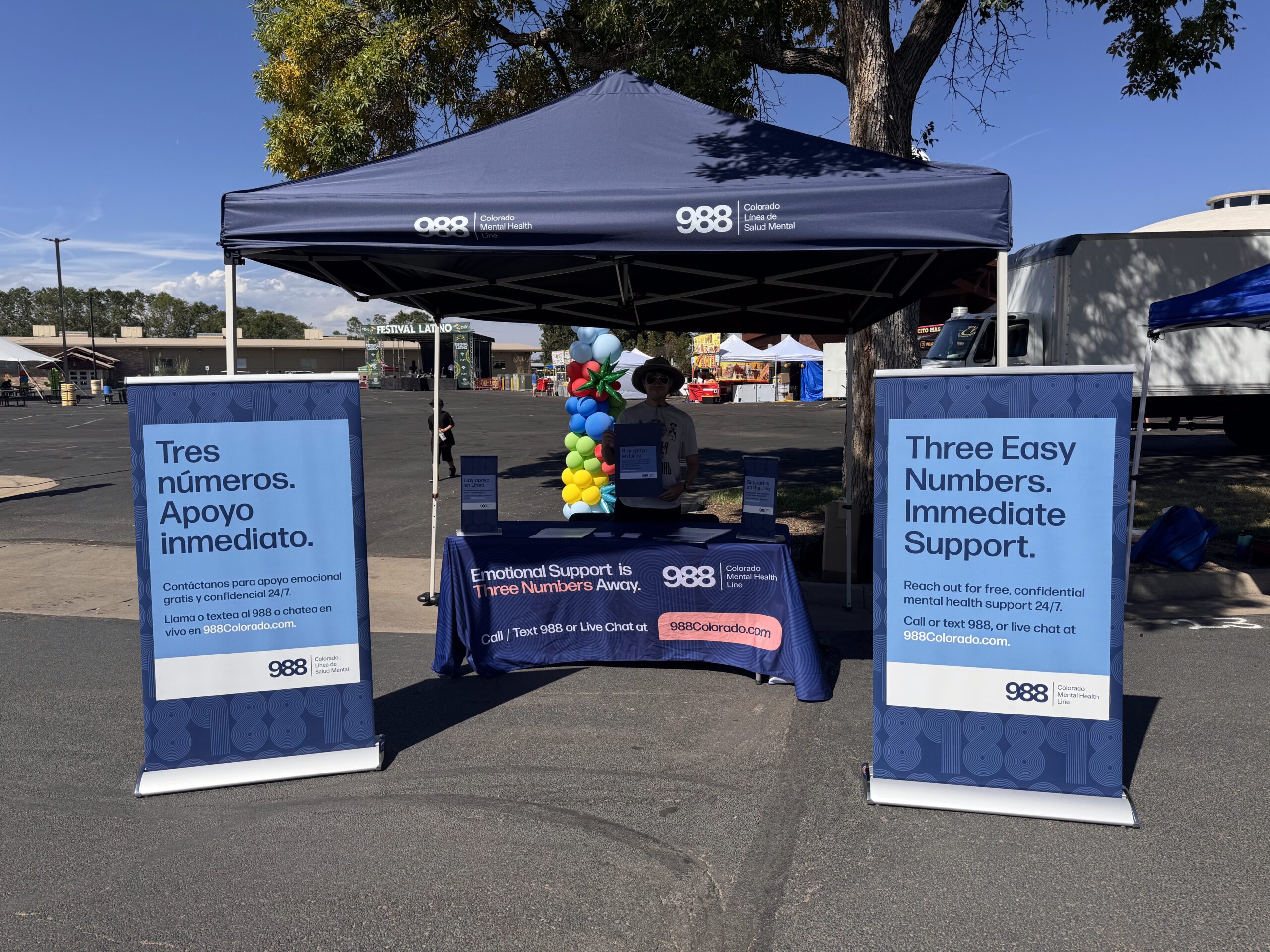

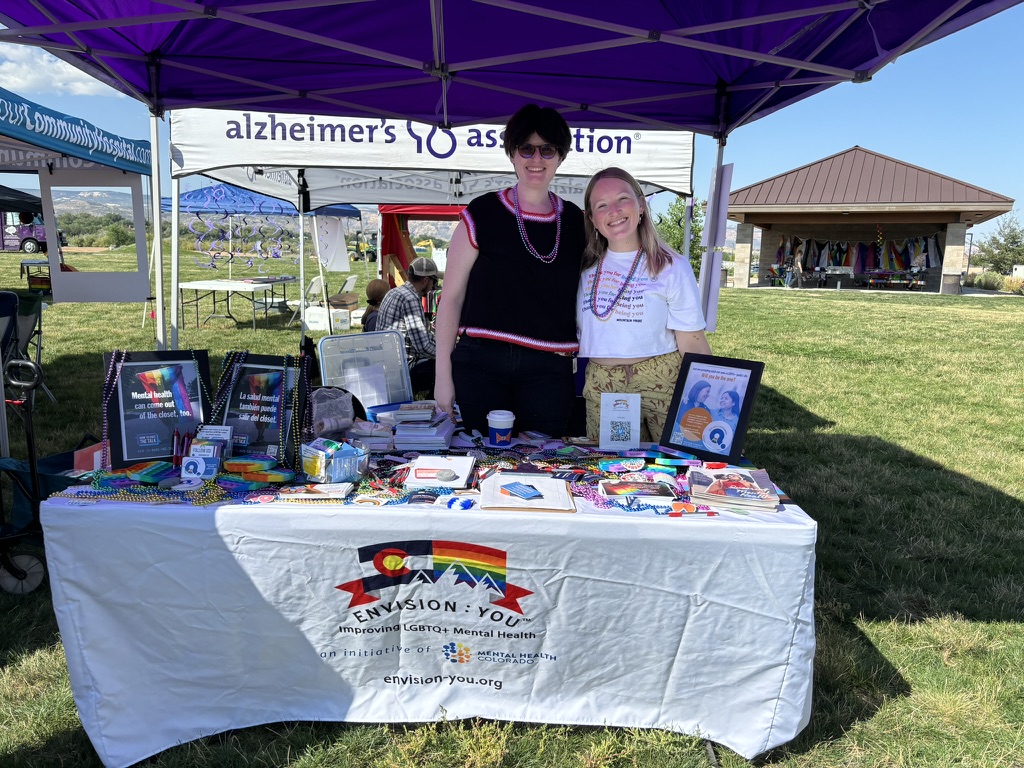
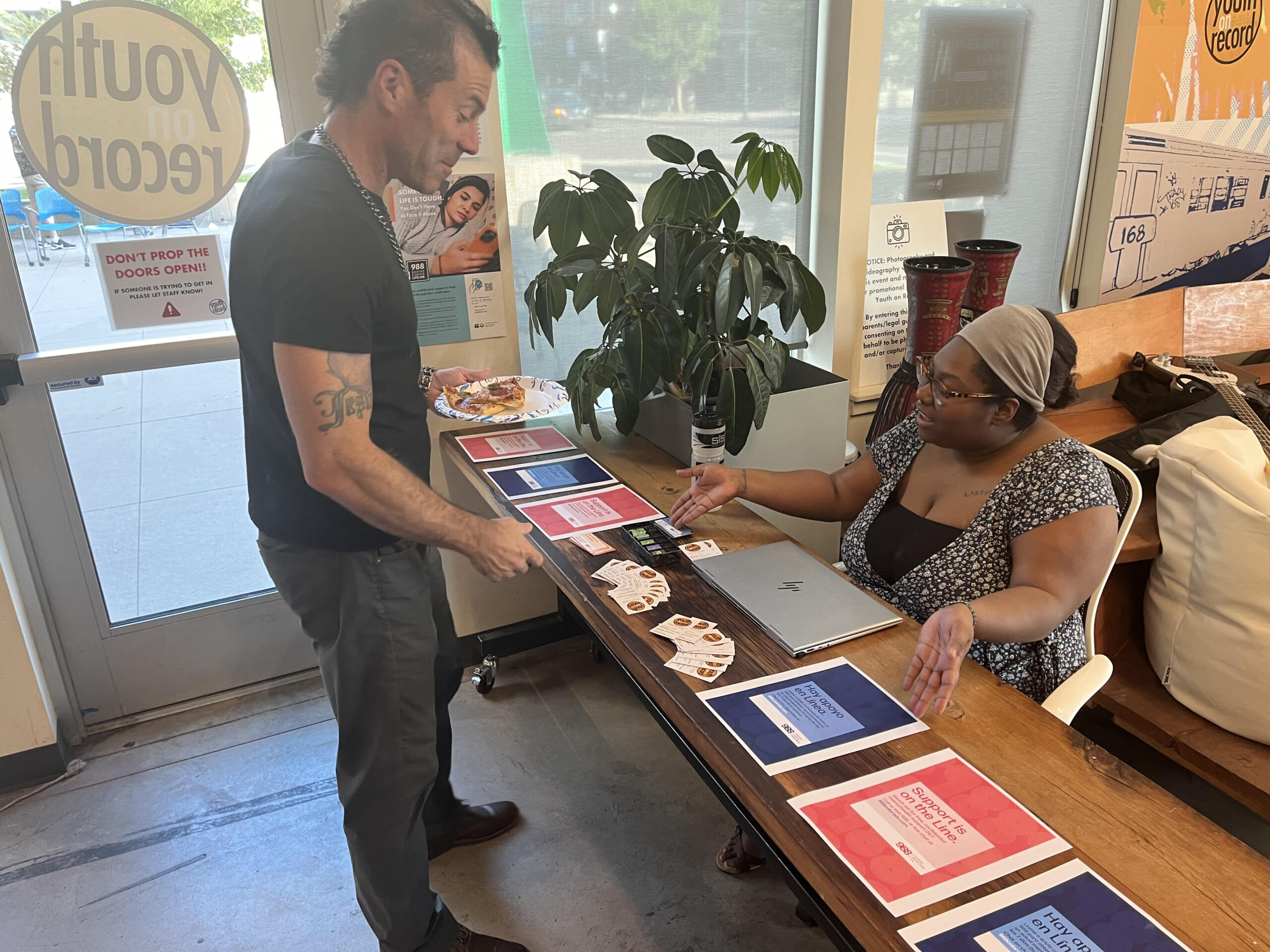

The Impact
By meeting people where they are and using voices they trust, the campaign has successfully expanded access to mental health support, particularly among communities that have historically underutilized these services.
Through our statewide network we had meaningful conversations with over 32,000 Coloradans and reached another 70,000 individuals through online platforms, leading to significant, positive changes in awareness and perceptions about 988.
The strategy was so effective that SE2 has been engaged to continue and expand this work in 2025 and beyond.

Building Youth Connection to Prevent Opioid Misuse
The Challenge
In Colorado, the rise of fentanyl-laced counterfeit pills poses a significant threat to public health, especially among teenagers. Even though most Colorado teens are not misusing prescription pills, misconceptions persist, and the danger of accidental exposure remains high.
Addressing these issues requires a strategy that not only educates but also leverages the positive behaviors and intentions already present among youth.
Our Approach
The Colorado Department of Law’s Opioid Response Unit engaged SE2 to develop and launch the Connect Effect campaign to harness the protective power of peer and lore ipsum delore est adult connections and highlight positive social norms.
The campaign emphasizes that a vast majority of Colorado teens are making healthy choices and are willing to protect their friends from potential dangers. Key components of the approach include:
- Highlighting Positive Statistics: Promoting data that shows 87% of Colorado teens would intervene to stop a friend from taking a pill not prescribed to them, reinforcing that these protective behaviors are the norm.
- Educational Resources: Providing accessible information about the risks of fentanyl, recognizing signs of an overdose, and the life-saving potential of naloxone (known by the brand name Narcan).
- Facilitating Open Dialogue: Offering guidance for parents and other trusted adults on how to engage in meaningful conversations with teens about substance misuse and peer pressure.
- Multilingual Support: Ensuring parent resources are available in both English and Spanish to reach a broad audience.
A statewide paid media campaign used social, digital, and targeted out-of-home placements in schools and community centers. Using our SE2 PowerMap™ process, we engaged our network of community partners to disseminate campaign messages (e.g., inserting Connect Effect content into their newsletters and social media channels), hanging materials throughout their facilities, and speaking about the campaign in presentations and trainings.
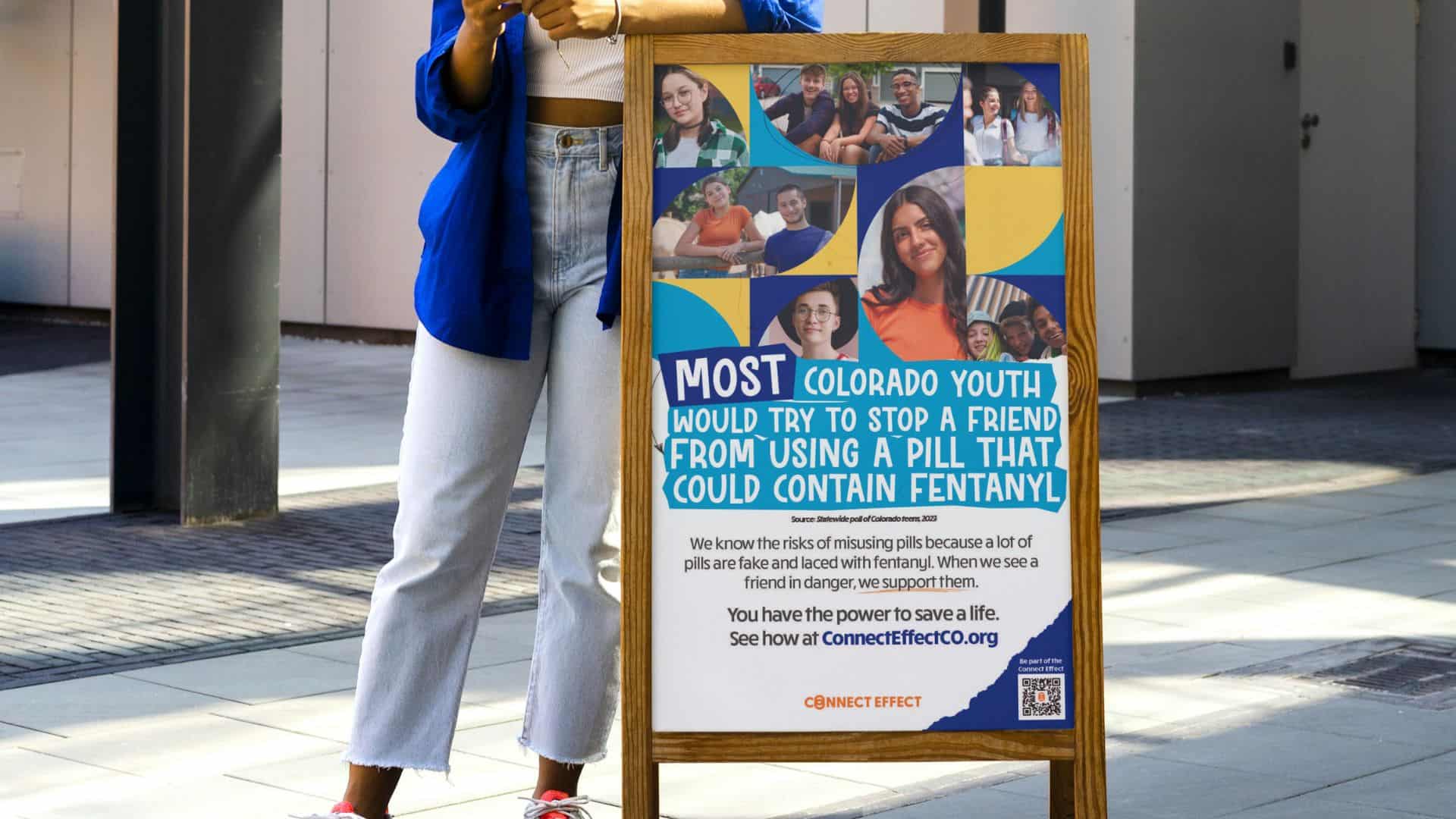
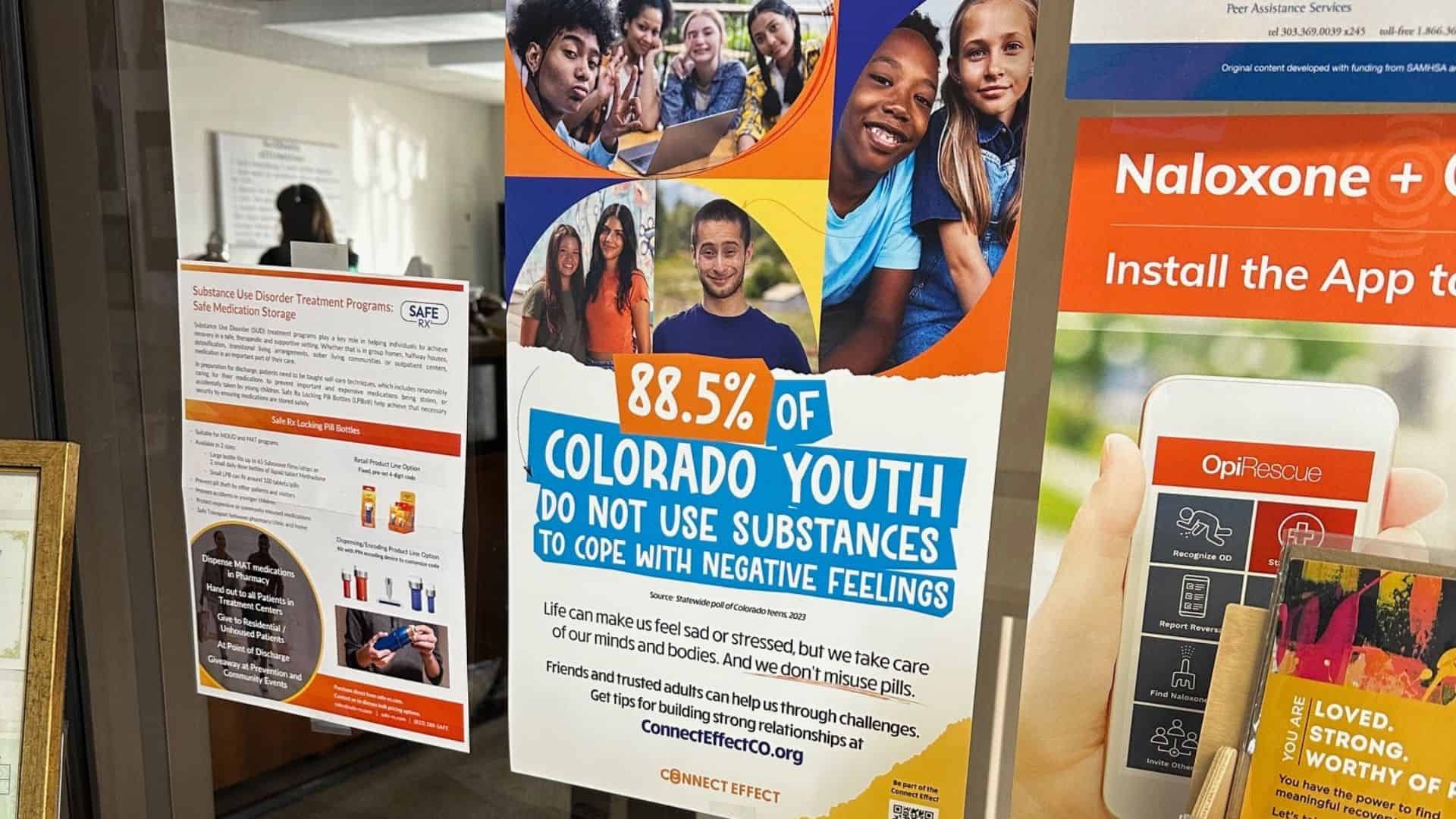


The Impact
Since its inception, the Connect Effect campaign has made significant strides in reshaping perceptions and behaviors:
- Increased Awareness and Engagement: Teens and parents report a heightened understanding of the dangers associated with counterfeit pills and the prevalence of fentanyl. Third-party evaluation showed that in just 12 weeks, nearly three out of five Colorado teens were aware of the campaign. Additionally, the campaign strongly resonated with key audiences, achieving a click-through rate six times higher than industry benchmarks.
- Strengthened Community Bonds: The campaign has fostered stronger connections between youth, their peers, and adults, creating a supportive network that encourages healthy decision making. In addition to activating our network of statewide
- partners, six regions adopted and amplified the campaign in communities across the state.
By equipping individuals with knowledge and resources, the campaign has empowered Coloradans to act confidently in preventing potential overdoses and supporting their communities.

Bringing Free Nutritious School Meals to All Students
The Challenge
In 2022, Colorado voters approved the statewide Healthy School Meals for All ballot issue. The measure was designed to ensure that all public-school students have access to no-cost nutritious meals during the school day, regardless of their family’s income.
By making the meals available to all students, not just those whose family incomes qualify them for free or reduced-price breakfast and lunch, the measure reduces stigma while creating community around mealtime at school.
While enacting this measure was a huge step, the challenge remained to expand awareness of this new option and reintroduce today’s healthy school meals to parents who may have memories of the less tasty and nutritious options (mystery meat anyone?).
Our Approach
The Colorado Blueprint to End Hunger chose SE2 to design and implement an educational and engagement campaign to enhance awareness of the new program and encourage broad family participation.
The bilingual, culturally relevant paid media included compelling digital and broadcast TV ads that reached across the state.
We also administered a community engagement program, providing support to 40 local grantees for their outreach initiatives in the communities they knew best.
During the 2023-2024 school year, every eligible school district in Colorado opted into the program. Breakfast and lunch meal participation was up 37% and 30% respectively statewide compared to prior years, and approximately 184,000 breakfasts and 435,000 lunches were served daily August 2023 through February 2024.
Participation in the new program was so strong that a new challenge emerged: ensuring that families still completed the eligibility forms that school districts use to leverage federal funds and qualify families for other benefits.
The grantees pivoted to highlight the importance of these forms and to help families complete them. This aligned with SE2’s related engagement with the Colorado Department of Education to help districts streamline and promote completing the forms.
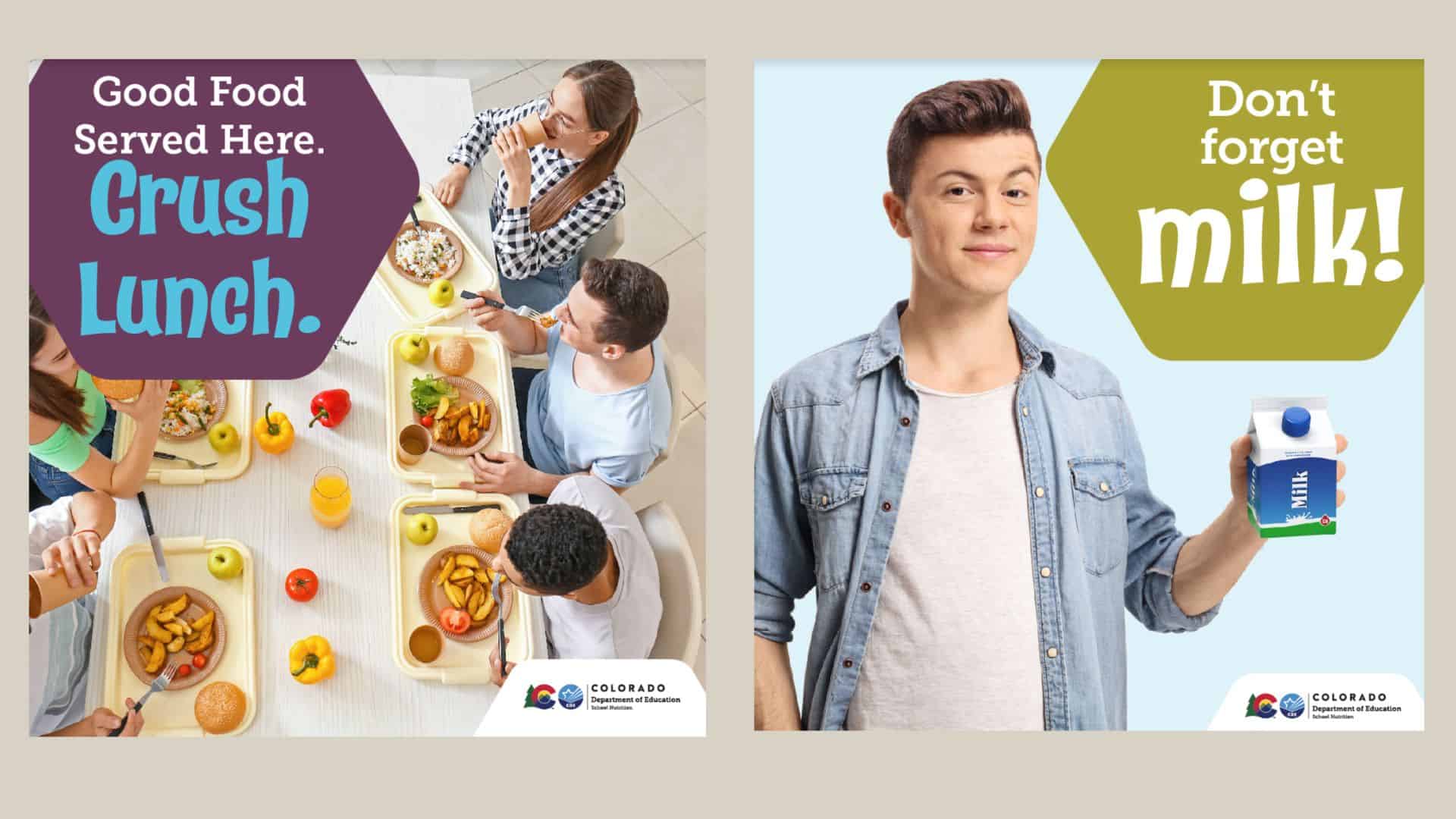
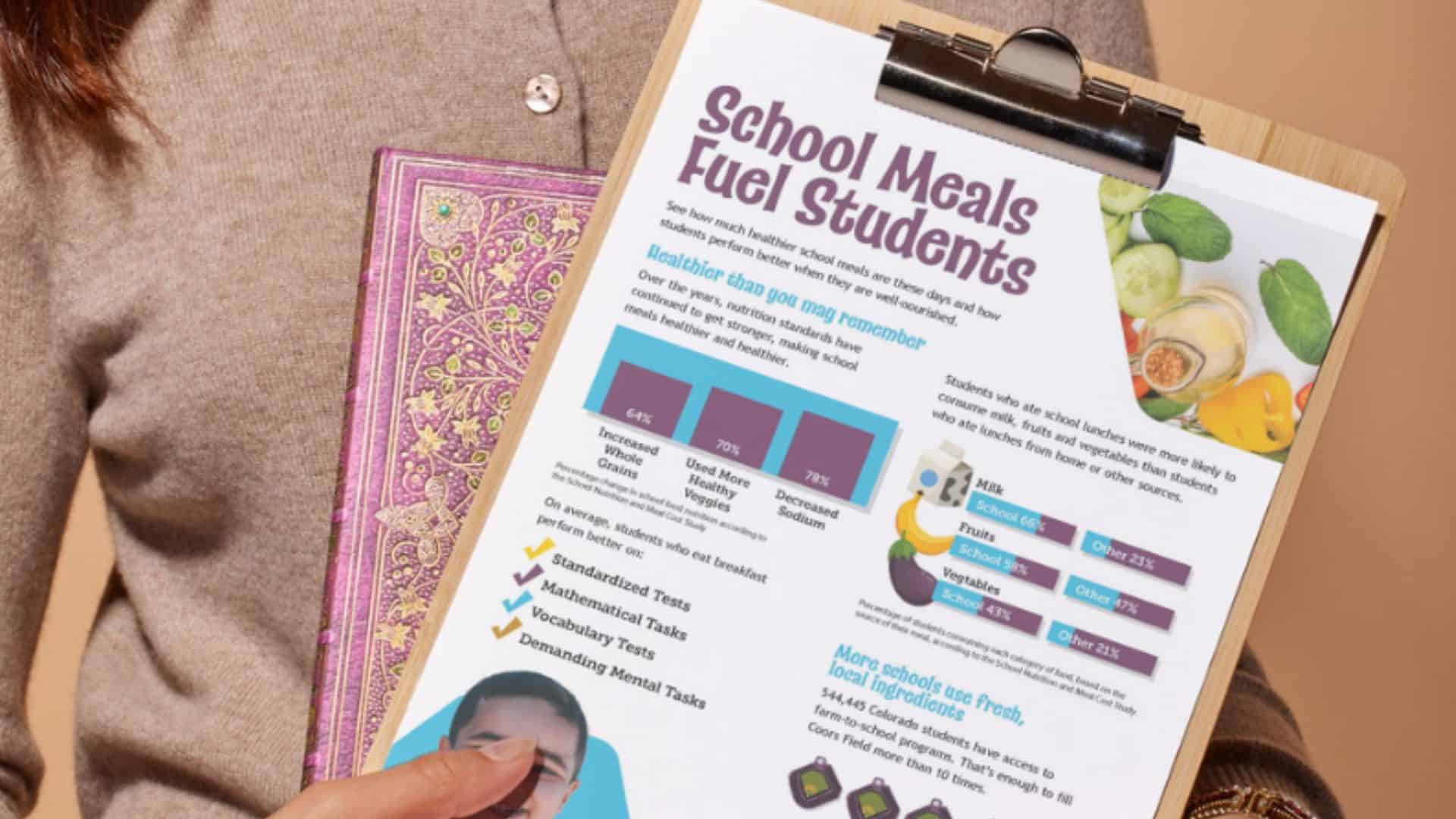

The Impact
Paid media efforts reached Coloradans online and on broadcast TV and streaming services in English and Spanish. Thanks to the outreach, GoodFoodFuelsGreatMinds.org, which offered information on the program, attracted 206,000 unique visitors for a total of 270,000 web sessions. A quarter of the traffic went to the Spanish-language version of the site.
The grantees hosted over 250 events reaching more than 100,000 families.
One grantee reported: “I had families coming up to me on a daily basis expressing how much relief this provided for their families how those extra five dollars a day (not) spent on meal costs, gave them that much more breathing room for meeting their day-to-day budgets; how that extra little bit of time spent not packing lunch made a world of difference; how being ‘just like everybody else’ and not having to wait for the free and reduced line helped kids feel included.”
Changing Adult Mindsets to Change Youth Outcomes
The Challenge
Social norming campaigns, particularly those aimed at youth, are increasingly recognized as evidence-based preventive interventions proven to positively influence behavior change. These campaigns leverage positive peer influence by highlighting healthy, common attitudes and behaviors within a community to shift perceptions and encourage healthier choices.
Despite their effectiveness, many health professionals and community leaders struggle to fully grasp the concept of social norming and how it can support youth behavior change. In a society that typically fixates on the bad news, it’s counterintuitive to focus on those who are making healthy choices. Yet many, and often the majority, of youth share positive and healthy attitudes and choose safe and health-promoting behaviors. A social norming approach uncovers the true positive that exists within a group of youth and celebrates the true positive norms of the group by sharing that information via multi-media campaigns.
Misunderstandings or confusion about the approach can create barriers to successful implementation, especially in schools and youth-focused programs, where clear communication and strategy are essential for driving impactful results.
ADAPT (A Division for Advancing Prevention and Treatment) is a national training and technical assistance division affiliated with the Office of National Drug Control Policy’s National HIDTA Program. Its focus is to promote healthy behaviors and prevent onset or escalation of substance use in youth. ADAPT supports communities across the nation to implement prevention strategies that will meet unique local needs and are grounded in the best available evidence.
The organization often collaborates with schools, community groups, law enforcement, and healthcare providers to guide them in selecting and implementing effective preventive interventions that promote healthy youth development and prevent substance use and other problems. Since 2023, ADAPT has engaged 10 middle schools across the nation interested in implementing a social norms media campaign on their campus.
ADAPT engaged SE2 to develop resources to help demystify social norming campaigns and encourage public health and school leaders to explore this strategy and apply it effectively to improve youth health outcomes.
Our Approach
We developed an engaging explainer video as a key element to support ADAPT in its outreach efforts to schools and other community partners. This video clearly articulated the concept of social norming and how school staff, parents/caregivers, and others involved could support the campaign effort. When the campaign was complete, SE2 interviewed students and staff to share their experiences and report on the positive outcomes of the campaign.
Video is an effective medium for unpacking complex concepts, as it combines visual elements with concise messaging to create a clear and compelling narrative. This approach caters to the busy schedules of professionals who seek high-level education but have limited time to dedicate to in-depth training sessions or written materials.
The explainer video humanizes and distills the essence of social norming strategies. By using animations, scenarios, and expert insights, the video captures attention and simplifies otherwise hard-to-grasp ideas, making them accessible and understandable. This format not only fosters engagement but also allows professionals to grasp the critical aspects of social norming quickly and easily.
The Impact
The videos serve as a versatile resource that is being shared across various platforms, facilitating broader dissemination of knowledge and encouraging discussions within professional networks. By providing a succinct overview of social norming strategies, it empowers professionals to implement these evidence-based practices in their own programs and initiatives, ultimately contributing to healthier outcomes for youth in their communities. The ADAPT team reports that this is a highly effective resource to set the stage for the training and technical assistance they provide to communities across the country. It was also featured in ADAPT’s annual summit, which is attended by over 1,000 public health, law and drug enforcement, and other community leaders across the country.
Resetting Youth Perceptions to Prevent Substance Use
The Challenge
Many young people mistakenly believe that their peers engage in risky substance use behaviors more frequently than they actually do. This misperception creates pressure to conform to these imagined norms, which can influence their own choices and behaviors. Addressing these incorrect perceptions is essential for developing prevention strategies that resonate with youth. This strategy is called Positive Social Norming.
Positive Social Norming campaigns leverage positive peer influence by showcasing common, healthy attitudes and behaviors within a community. By shifting perceptions, these campaigns encourage healthier choices among youth.
ADAPT (A Division for Advancing Prevention and Treatment), a national division affiliated with the Office of National Drug Control Policy’s National HIDTA Program, is a national leader on Positive Social Norming. Focused on promoting healthy behaviors and preventing substance use escalation among youth, ADAPT supports communities across the nation in implementing evidence-based prevention strategies tailored to local needs.
ADAPT partnered with SE2 to create a social norming campaign aimed at educating middle school students in four states and 10 schools nationwide.
Our Approach
To engage youth and sustain their interest, we developed a series of micro-campaigns that highlighted each school’s unique social norms around healthy behaviors. These micro-campaigns rotated every few weeks to capture students’ attention, prevent message fatigue, and encourage students to think critically about health norms within their peer groups.
SE2 also created a toolkit for each micro-campaign, providing materials such as large posters and floor decals for school hallways, stickers and buttons for teachers and staff, and table tents for cafeterias and lunchrooms.
ADAPT provided technical assistance to each school to help them implement the campaigns.
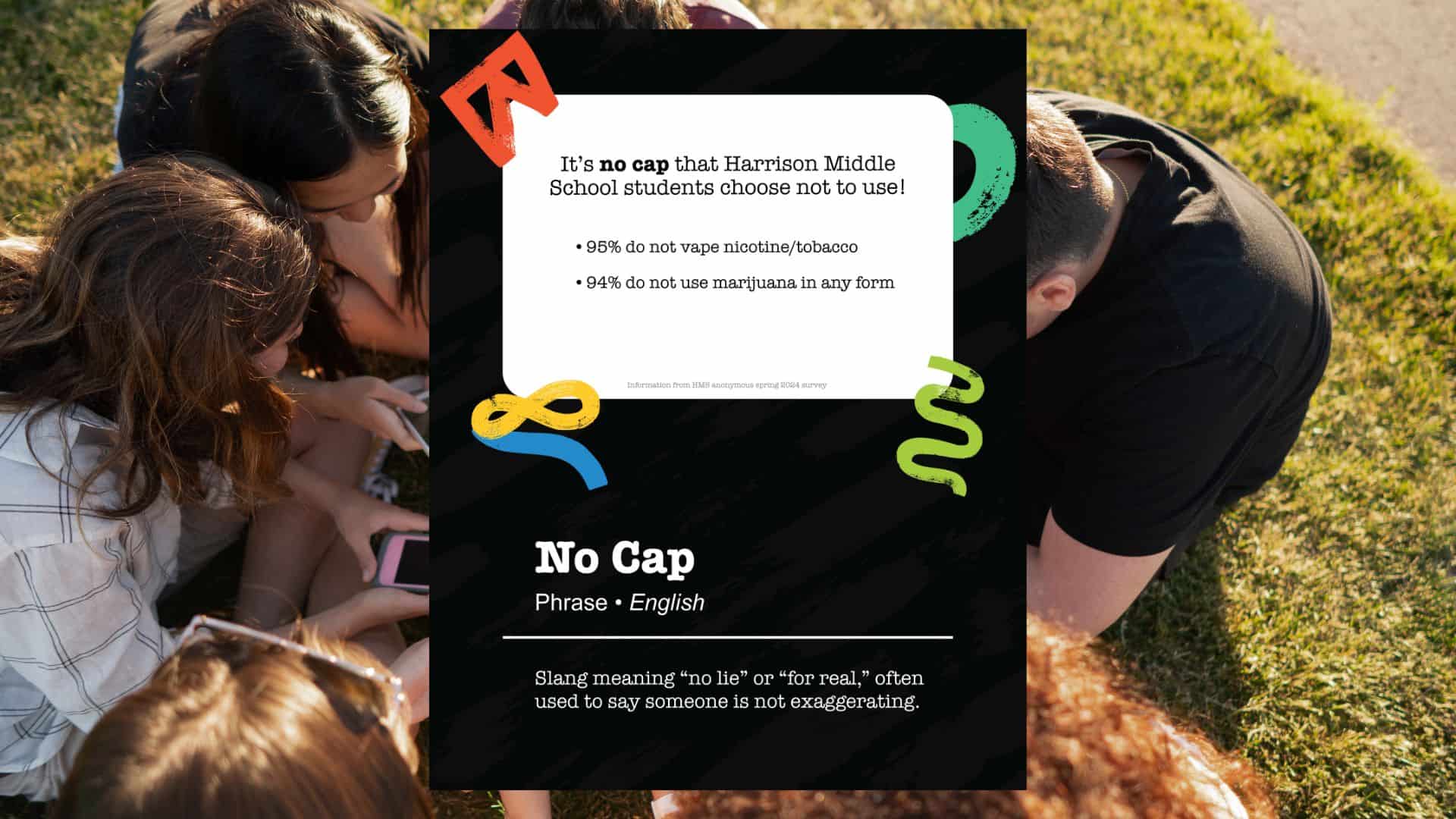

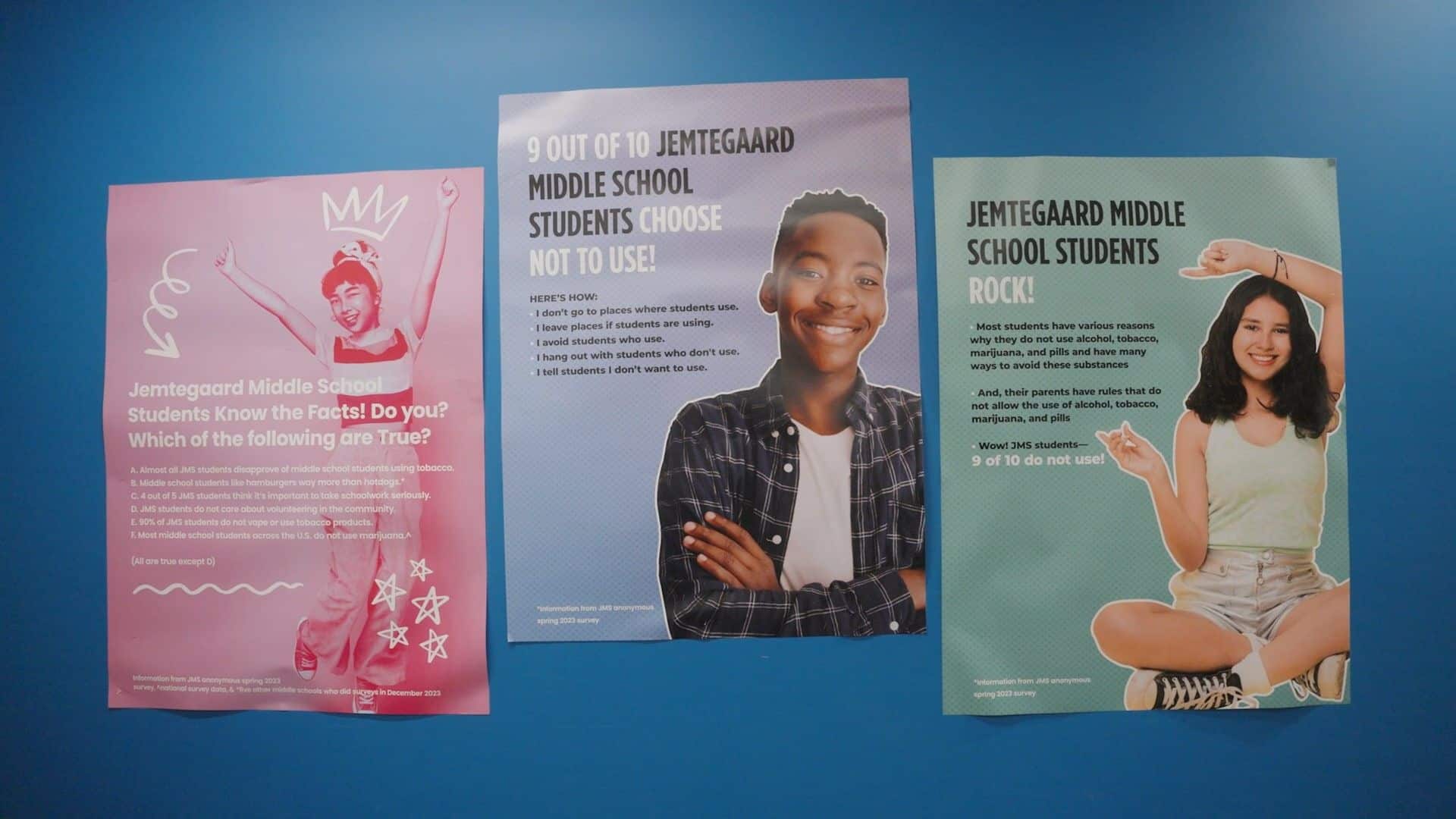

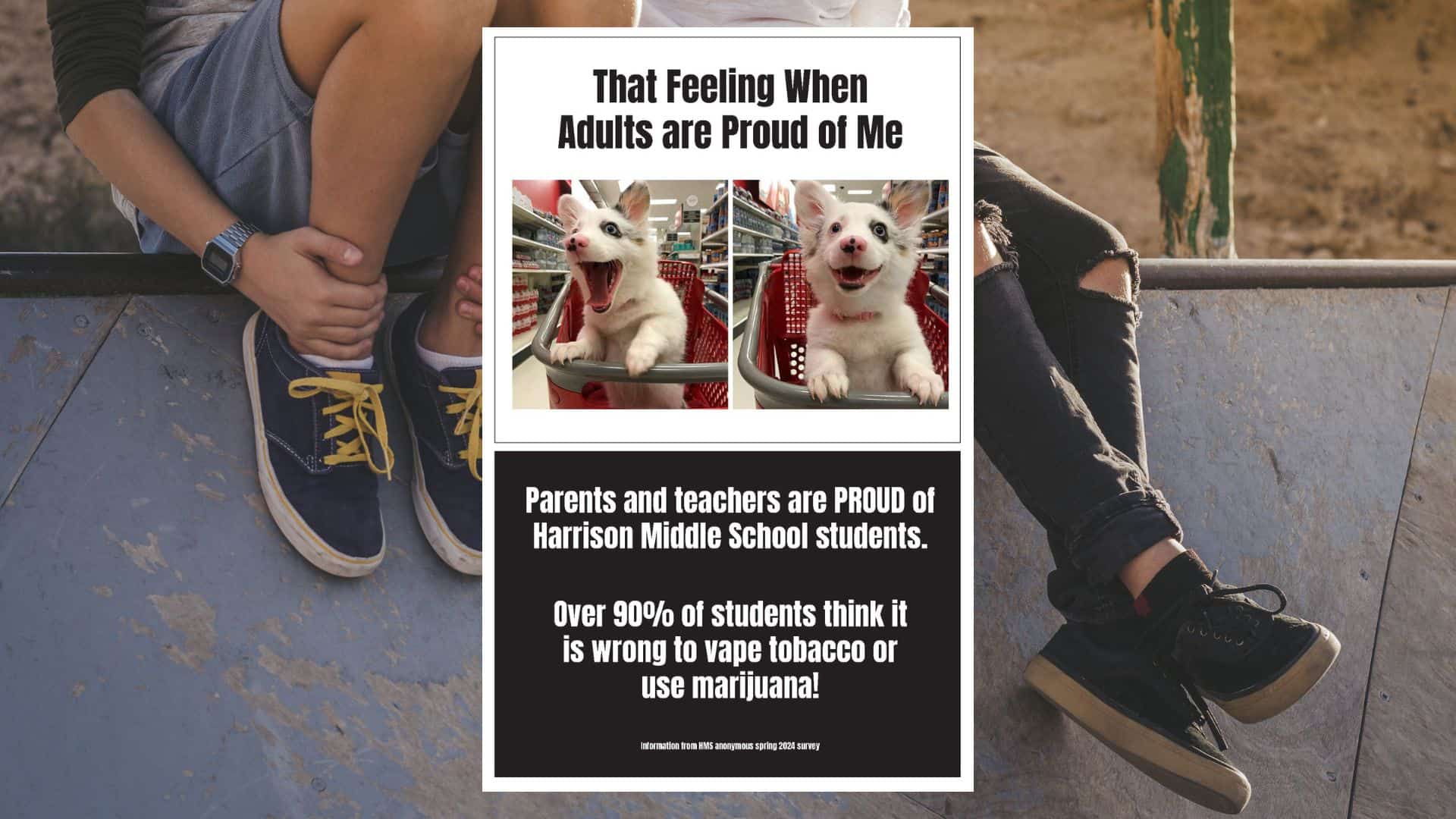


The Impact
Evaluation of the campaign shows that this approach works. 54 of the 60 measured metrics moved in the desired direction, with 70% of them being statistically significant, including:
- Misperceptions of peer substance use reduced by more than one-third.
- Rates of substance use dropped across all substances.
- Substance use was lowest among students with high exposure to campaign messages.

Simplifying Medicaid So Kids Get the Care They Need
The Challenge
Many families are unaware of the Early and Periodic Screening, Diagnostic, and Treatment (EPSDT) benefit available to Medicaid-eligible children, which expands access to vital health services that children need for their well-being. This includes routine well-child checkups, immunizations, vision and hearing screenings, dental care, mental health evaluations, developmental assessments, speech therapy, physical therapy, or corrective devices like eyeglasses and hearing aids.
Navigating the complexities of this benefit can be confusing, making it hard for families to take full advantage of the support available.
The Department of Healthcare Policy and Financing, the state agency that manages Colorado’s Medicaid program, approached SE2 to simplify and demystify this benefit, ensuring more children receive the care they need.
Our Approach
We conducted listening sessions to understand the challenges parents and caregivers face in understanding the EPSDT benefit. We also spoke with health providers and community partners about their difficulties in communicating the benefit to the target population. From these insights, we developed key messages using plain language to explain what the benefit covers and how to access it.
Next, we created a communications plan focused on deep community engagement and outreach. Given the skepticism many target audiences have toward government-sponsored health services, we prioritized collaborating with trusted community messengers to break down these barriers and make the messaging more effective.
We then developed a comprehensive toolkit designed to reach parents, caregivers, and professionals who work with eligible children, such as child welfare workers. The toolkit included explainer videos, posters, flyers, FAQs, desk guides, and other resources to help professionals talk to caregivers about the benefit.
SE2 printed and distributed toolkits to a network of 65 regional child welfare agencies, 67 community-based organizations, and 200 healthcare providers.
We also disseminated toolkit materials to daycare centers, family practices, and pediatric clinics, prioritizing rural and lower-income zip codes not already reached with the toolkit.
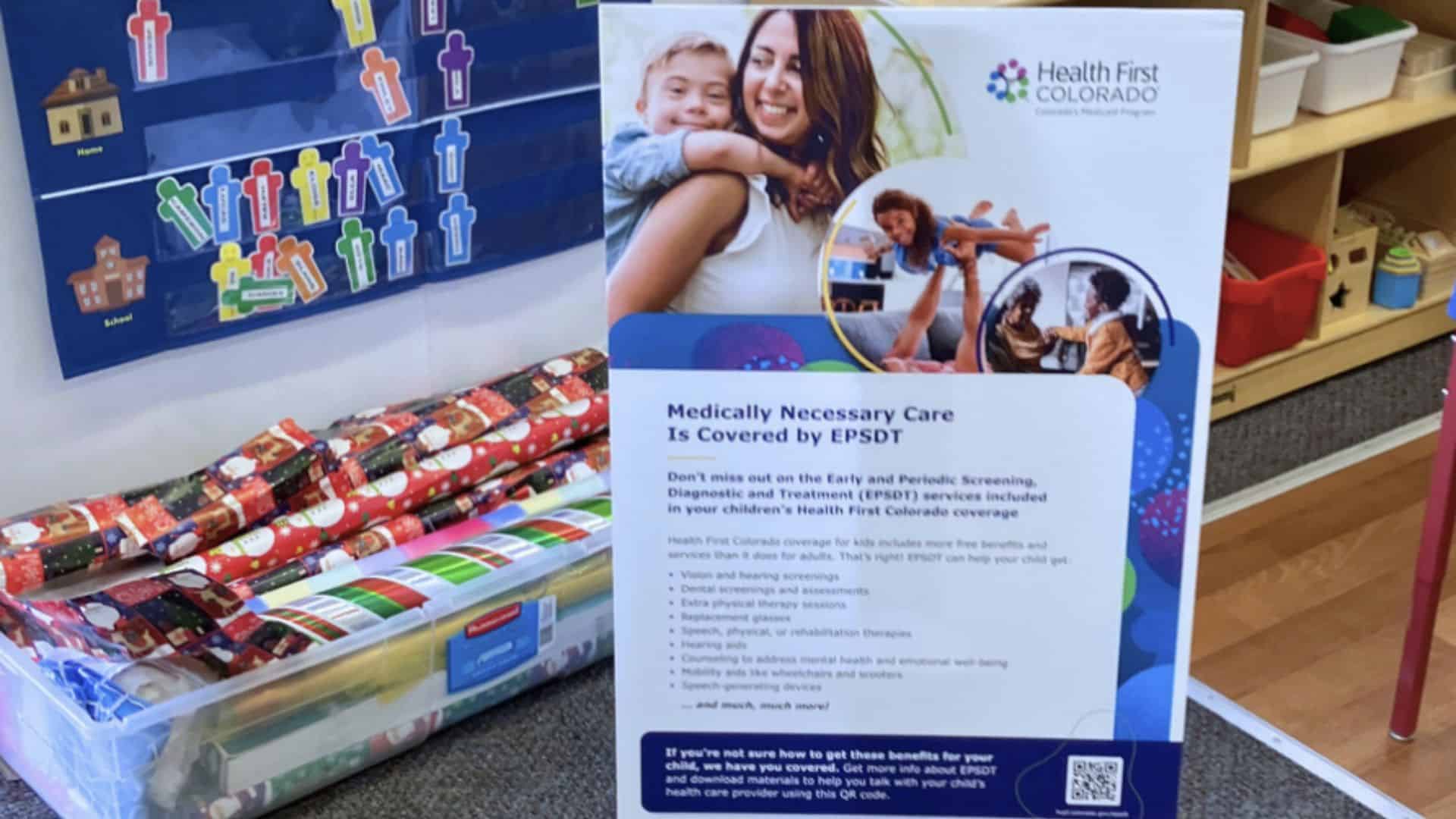


The Impact
These materials ran for a total of three months, garnering nearly 14 million views.
The Department of Healthcare Policy and Financing also reported a significant increase in inquires from youth health and child welfare professionals, as well as parents and caregivers.

Driving a Surge in Medication Recycling to Prevent Opioid Misuse
The Challenge
The Colorado Department of Public Health and Environment’s Medication Takeback Program has emerged as a vital part of a comprehensive strategy to curb the opioid crisis and protect youth from the risks of drug experimentation.
The Medication Takeback Program is just one of the many opioid prevention initiatives across Colorado that we support. They’re each important pieces of the state’s comprehensive strategy this life-and-death issue demands.
Understanding the Opioid Crisis
Opioids, recklessly marketed by unscrupulous pharmaceutical manufacturers and distributors, have caused a wave of addiction and overdose deaths.
Often, the path to opioid addiction begins with curiosity and experimentation, including among the youth. In fact, our recent research for the Colorado Attorney General’s youth opioid prevention campaign showed that most kids who experiment with pills started by trying pills they found at home in their family’s medicine cabinets. The consequences can be devastating and long-lasting, making it essential to prevent such experimentation from happening in the first place.

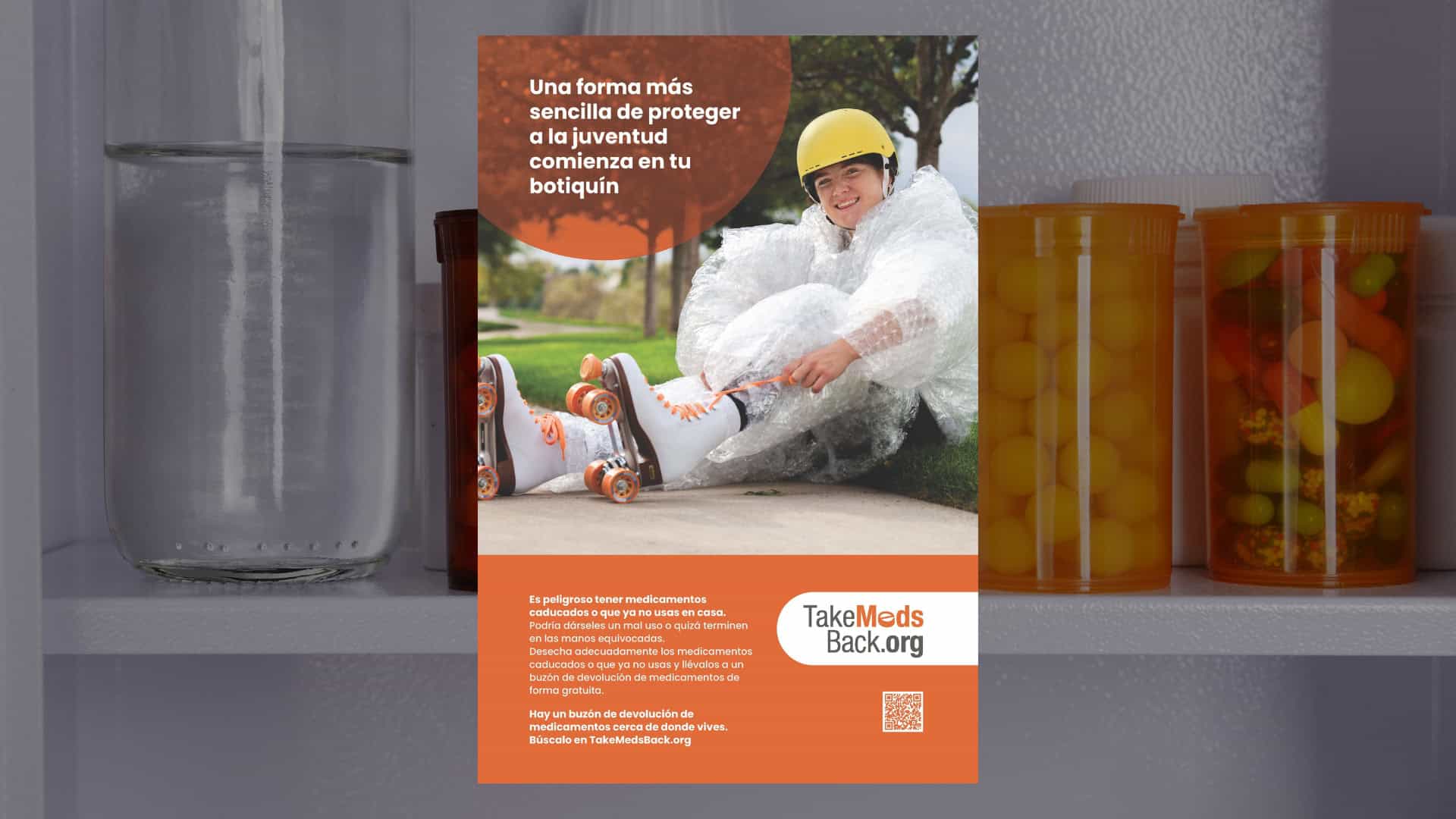
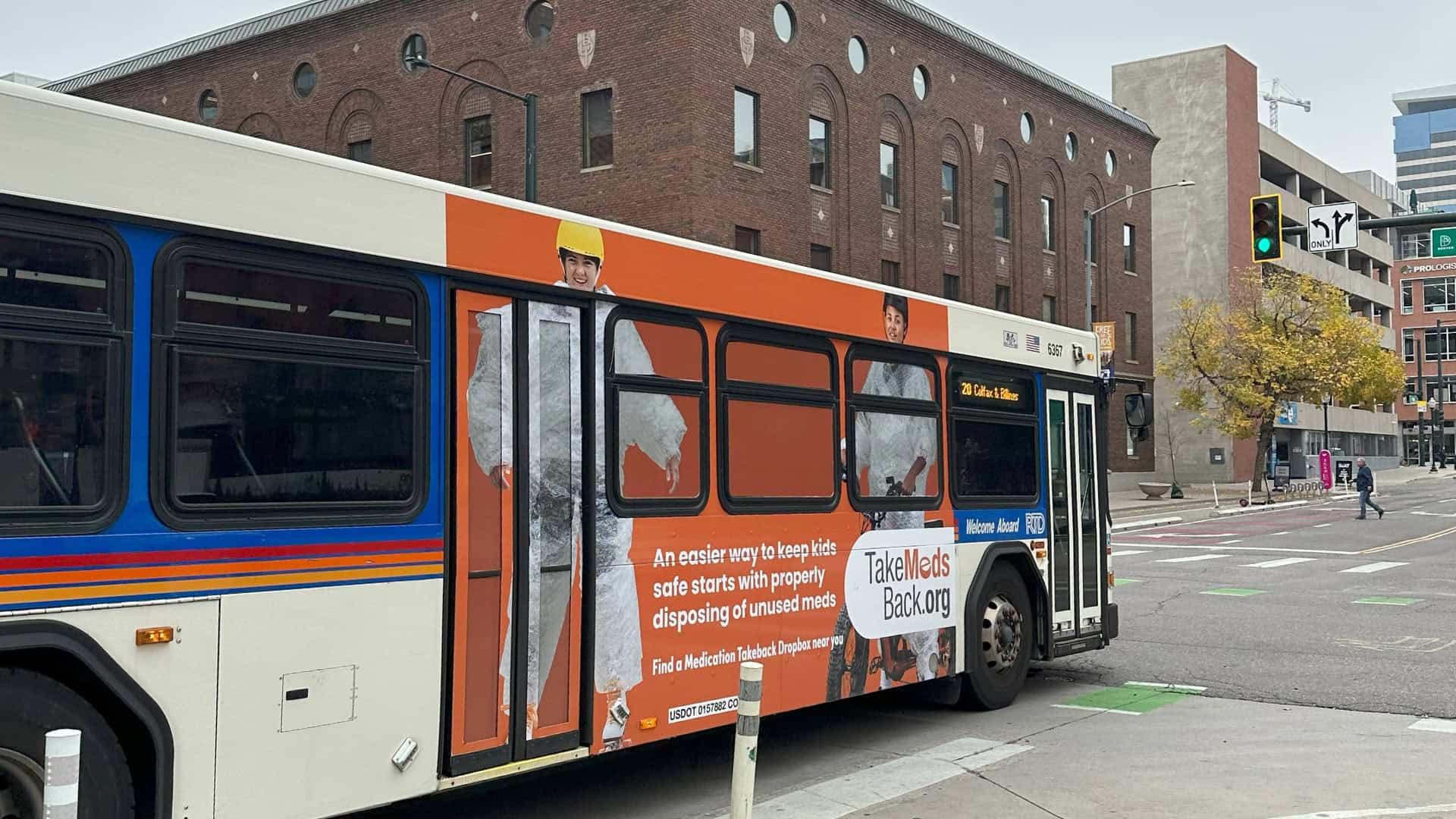

The Power of Medication Takeback
CDPHE engaged SE2 to increase use of Medication Takeback boxes across the state.
We started with statewide polling to gauge awareness of the program. While few knew about it, those informed were eager to take part, especially if a collection site was within a 10-minute drive. We targeted households with teenagers using community data to find the most engaged areas.
Our research showed that messages about preventing teen medication misuse and environmental protection resonated more than previous campaigns focused on pet safety. We implemented a multifaceted media strategy, including billboards, bus ads, and social media, customized with nearby takeback locations. We also collaborated with ten diverse community partners to enhance awareness.
Outcome
This comprehensive, research-driven strategy drove significant engagement and participation in the Medication Takeback Program.
Our 10 community partners reached nearly a quarter-million Coloradans through social reach and event attendance.
More importantly, the client reported significant year-over-year collection increases during the life of the campaign. During the campaign period (Oct. 2023-June 2024) there was an average year-over-year increase in collections of 6.38%.
Helping Keep Infants Safe While They Sleep
The Challenge
The Colorado Department of Early Childhood engaged SE2 to develop a campaign to increase understanding of the safest way for infants under one year to sleep, and encourage families to incorporate safe sleep practices into their babies’ bedtime routine. The guidelines are based on safe sleep best practices established by the U.S. Centers for Disease Control and Prevention and the American Academy of Pediatrics.
While based on scientific research, these safe sleep best practices raise cultural sensitivities. Many families, including but not limited to some from Latino and immigrant communities, choose to co-sleep with infants to soothe the child and help parents get much-needed rest. The practice is often passed along through cultural traditions and important influencers in parents’ lives such as grandmothers.
Additionally, it’s difficult for families with limited income to comfortably heat their homes and purchase infant-specific beds and bedding. That’s a challenge because the safe sleep guidelines recommend against blankets or other soft bedding.
The State of Colorado wanted to develop a campaign that was culturally sensitive and recognized the realities families face, but also reflected best practices for keeping infants safe while sleeping.
Our Approach
SE2 facilitated a discussion group of professionals who work with parents of young children, including doulas, midwives and nurses. We also conducted a statewide survey of 400 Colorado parents of children under two.
We wanted to understand what families think and believe about safe sleep practices and what messages might compel them to adopt safe sleep practices. The discussion group emphasized the
importance of kind, nurturing and compassionate messages to reinforce what providers say is safe for their children. A key: recognizing that parents are doing what they think is best for their family and respecting their values and motivations.
The survey showed that parents generally understand the need for a safe sleeping environment but start to disagree when asked about specific safe sleep practices such as having infants sleep on their back and alone in a crib without toys or blankets.
SE2 developed a culturally sensitive and approachable campaign featuring the most accessible and comforting of all mediums: a bedtime story. We brought it to life in video, digital and printable flyer formats. The campaign took a warm, encouraging approach, steering clear of anything that came close to lecturing or finger-wagging.
SE2 executed a $75,000 paid media campaign to reach parents of young children, including Spanish-speaking, lower-income, rural and immigrant families. Digital platforms included Google Search, Facebook, YouTube and display ads.
We also worked with the Infant Safe Sleep Partnership to distribute digital and printable materials around the state.


The Impact
In just 4.5 months, the campaign accumulated over 25 million impressions, 56,000 clicks and an average .22% click-through rate.
The campaign outperformed industry benchmarks by two and three times the standard metrics, and Facebook and Search were the top drivers of clicks and engagement. The largest demographic to engage with the Facebook ads (English and Spanish) were females, aged 25-34, and more than 90% of interactions came from mobile ads.
The largest audience to engage with the Safe Sleep YouTube ads (English and Spanish) were males ages 18-24 (Spanish) and 25-34 (English). Because of this, the next iteration of the campaign could benefit from ads targeted at the 18-24 population on platforms like TikTok and Snapchat.
Based on the performance data and the newly refreshed creative (produced in August of 2023 to incorporate grandparent and father caretakers), we’re well-positioned to continue the momentum with future media campaigns.
Emmy-Worthy Impact: State of Colorado’s Stories of Connection Campaign Earns Heartland Emmy®
The Challenge
Research shows that connection is an important factor in protecting youth from numerous health challenges, including poor mental health and negative behaviors related to substance use, sexual health, and violence.
According to the Healthy Kids Colorado Survey conducted by the Colorado Department of Public Health and Environment (CDPHE), youth who have a parent, guardian or other trusted adult they can talk with are less likely to use marijuana, vape or experience feelings of depression.
That impact makes it especially rewarding that the Stories of Connection campaign we created in partnership with CDPHE won a Heartland Emmy® Award.
The winning ad, called “Christine”, introduces us to a mother in Fort Collins, Colorado, who opens her heart to her transgender daughter, Sahara. Through Christine’s emotional journey of acceptance and understanding, viewers gain valuable insights into navigating the complexities of parental relationships with changing children. Her heartfelt advice serves as a beacon of support for other parents facing similar experiences.
Our Approach
It’s part of the State of Colorado’s Forward Together initiative, which provides actionable information and resources to help adults better connect with youth and to help teens develop healthy relationships with their peers.
This Heartland Emmy® is a testament to the campaign’s collaborative approach and dedication to amplifying Coloradans’ important stories about fostering connections with young people in their lives.
Our team believes the most powerful stories are those shared by the people who have lived them. So, we partnered with parents, mentors, educators, and other trusted adults who have played pivotal roles in the lives of young people. Through in-depth interviews and open-ended discussions, we discovered the beautiful intricacies of these relationships and the transformative impact they have on the lives of youth in Colorado.
To ensure these stories were brought to life with care and creativity, we teamed up with our exceptional video production partner, Lumenati. Lumenati’s expertise in video storytelling captured the raw emotion and authenticity of each story.
The Impact
The result? A collection of powerful and emotionally resonant TV spots that tugged at the heartstrings of audiences.
The Heartland Emmy® Award wouldn’t have been possible without the passion and dedication of everyone who contributed to this campaign. We are immensely grateful to the Coloradans who bravely shared their stories and trusted us to amplify their voices.
We believe that stories have the power to connect us all, and it’s our privilege to be part of the journey toward a more connected and empathetic world.
We extend our deepest gratitude to CDPHE for entrusting us with this important campaign, and to Lumenati for their exceptional collaboration. Together, we are making a difference in the lives of many young people, and this Heartland Emmy® serves as a symbol of the positive change that can be achieved through the power of storytelling.
Watch the other Forward Together campaign ads here and explore the campaign at ForwardTogetherCO.com.

How Tapping Youth Voices Helps Dispel Stigma and Support Sexual Health
The Challenge
Younger generations have done a great job of reducing shame to help us grow. A great example is the confidence they have when talking about mental health.
As we know, this has led to a major shift in what we consider “being healthy.” Many companies, schools and public health departments have expanded resources to ensure mental health is attainable.
But what about sexual health? That question still has a lot of stigma, especially when it comes to HIV.
So how do we create change? By talking about it and reframing the conversation, too. Teaching abstinence doesn’t get us far, and young individuals have the right to learn how they can enjoy their sexual health and how to prevent or treat HIV or any STI.
We need to ensure sexual health information reaches them.
Partnering with young people to create content and resources is the best way to understand their real worries or questions. This helped us come up with a strategy to support them through the Be You Colorado Campaign.
The Result
The Children’s Hospital Immunodeficiency Program’s Youth Leadership Team provided us with insights and highlighted concerns that guided our work to ensure these messages connected with our audience.
Reaching Spanish–speaking individuals was important to us as we understand there are cultural differences in how we view our sexual health. We successfully reached over 100,000 young people in Colorado and had 4,500 people go to the website to learn more about their sexual health goals with Be You Colorado.

Rise Above Colorado asks what's Denver's plan for fentanyl
Imagine if an airliner dropped from the sky. It would dominate the news. Yet far more people died from fentanyl in Denver just last year than would fit in a typical passenger jet.
In fact, many more people died in Denver last year from fentanyl than from both traffic accidents and homicides combined.
In all, 233 lives were lost last year from fentanyl, according to the Denver Medical Examiner. That’s roughly the same as fentanyl’s 2021 death toll.
We need to treat this overdose epidemic as the public health crisis it has become.
The statistics tell only part of the story.
Each one of these deaths is a unique human tragedy. Each person leaves behind loved ones. Their pain may last for generations.
That’s why the Rise Above Colorado educational campaign uses broken hearts to symbolize each of the lives lost.
The stark and thought-provoking imagery asks: What Is Denver’s Plan?
Rise Above Colorado asked the 17 candidates running for Denver mayor about their plans and 10 have responded so far to four specific questions. Their answers are provided through a convenient candidate comparison tool at WhatIsOurPlan.org.
The website also provides information for parents, educators and everyone else about how to limit fentanyl’s toll. The resources were curated with help from Rise Above Colorado’s partners on the project, the Colorado Consortium for Prescription Drug Abuse Prevention and 5280 High School. Boys and Girls Clubs of Colorado also is partnering on the campaign.
“Fentanyl has created a public health epidemic that directly or indirectly impacts everyone in the community,” said Kent MacLennan, executive director of Rise Above Colorado. “Our goal is to give practical information that anyone can use to make a positive impact. By asking ‘What Is Our Plan?’, we want to prompt everyone to think about their role.”
The educational campaign, which uses outdoor and digital ads to reach Denver residents, will continue through June.
SE2 is grateful for the opportunity collaborate with trusted community partners on this life-and-death issue. We all have a role to play.
So, what is our plan?
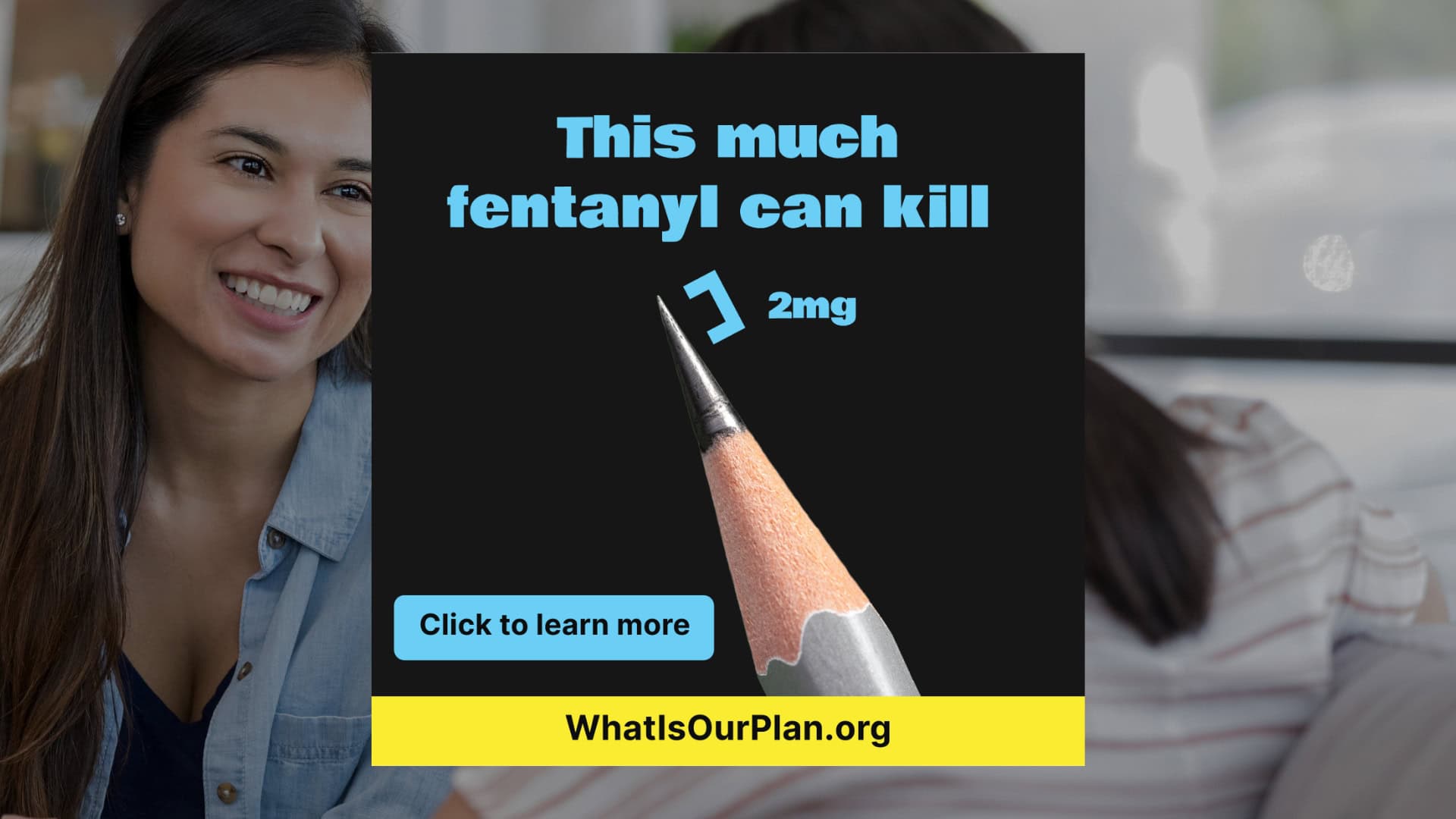
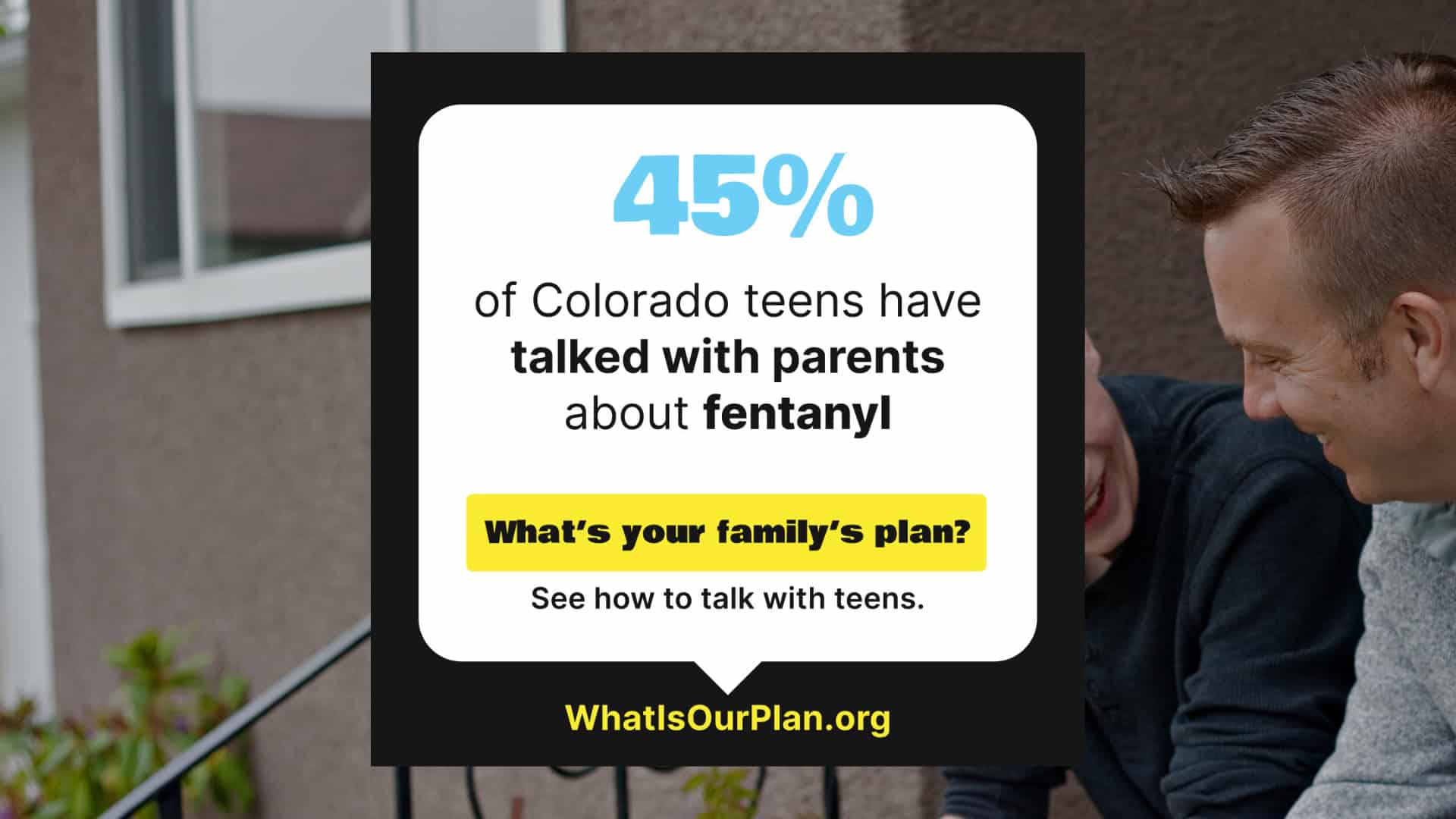
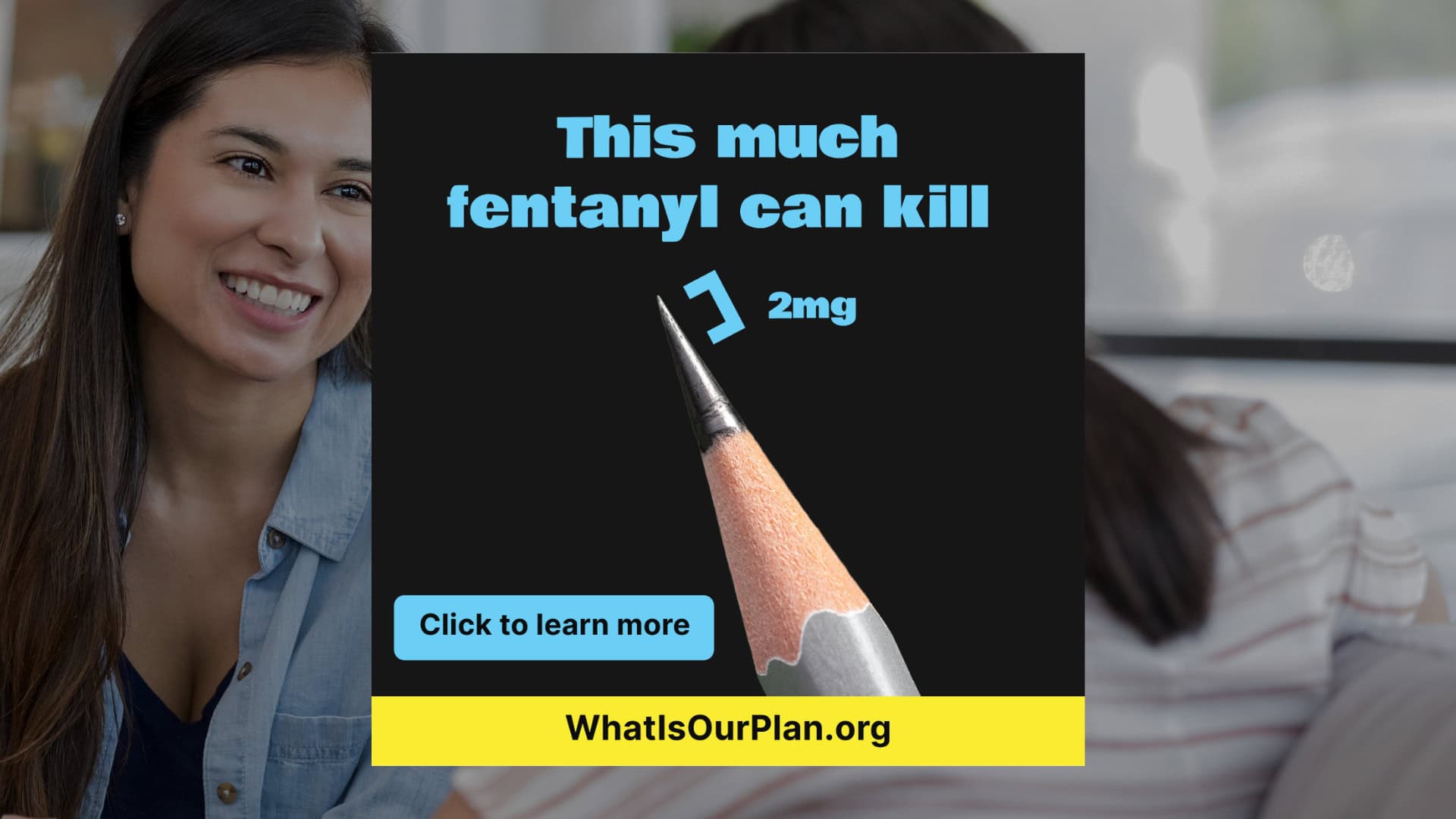
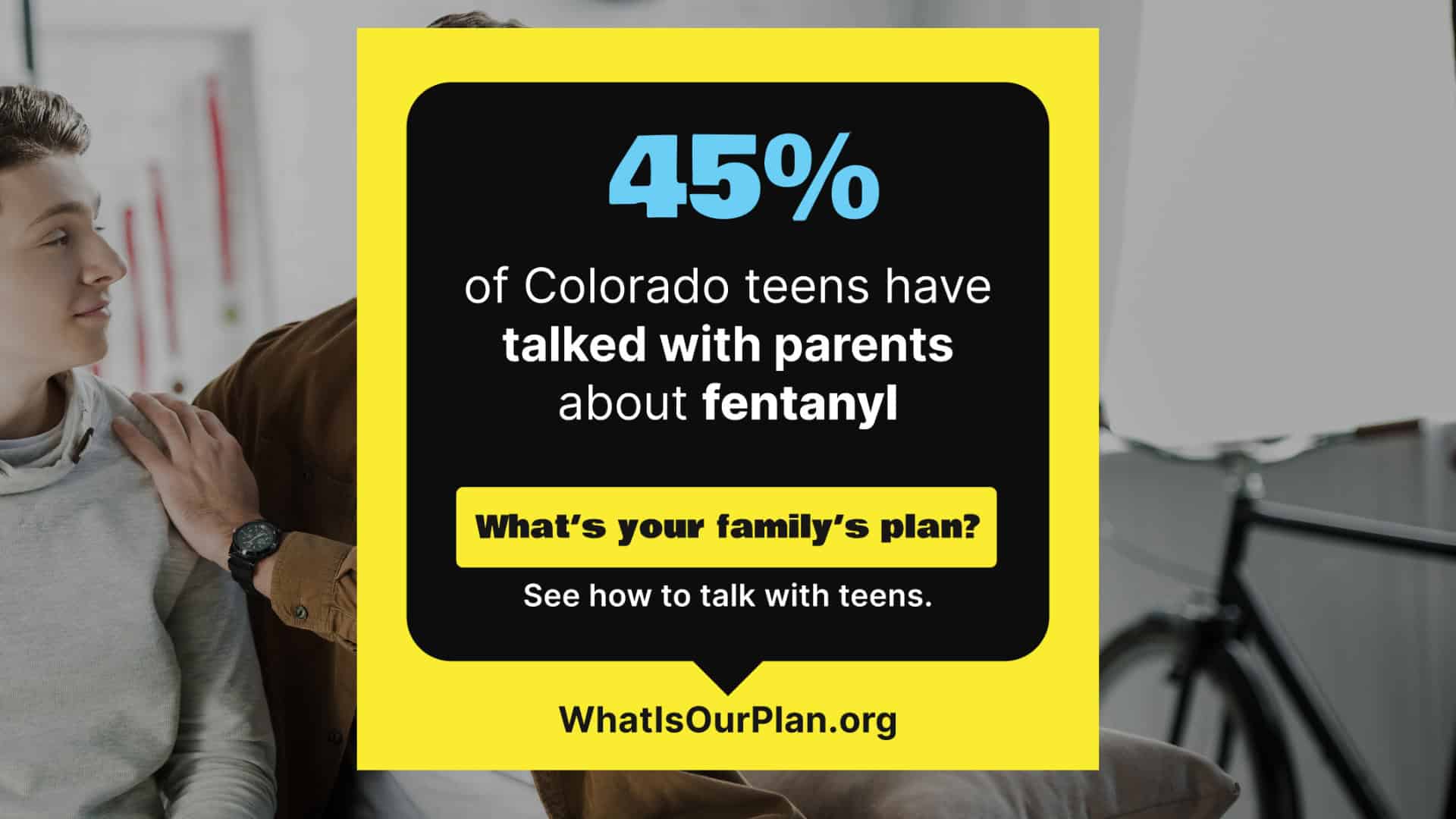

Lead Testing Surges 25% as Parents Respond to Simple One-Minute Ask
The Challenge
Colorado parents have been overwhelmed with things to worry about when it comes to their child’s health over the past few years. New threats and unknowns have raised the stakes high enough that issues like lead exposure can seem like yesterday’s problem.
However, Coloradans are still affected by lead exposure – especially young children and folks exposed regularly through their home or work environments. Lead-contaminated dust can be tracked into homes from industrial or construction sites, and lead can be found in household items like spices, pottery, home remedies, and paint. Lead exposure can lead to significant health problems and is especially harmful for young children who are still growing.
Our Approach
SE2 collaborated with the Colorado Department of Public Health and Environment to protect Coloradans with a campaign that highlights the impacts of exposure to lead and encourages parents to get their children tested.
To best connect with parents, we centered our messaging and materials around reducing real-world barriers to getting tested for lead exposure.
Keeping testing top-of-mind at routine doctors’ appointments and other health checkups is key – for both parents and health care providers. We placed campaign media in healthcare office waiting rooms, geotargeted digital display ads in communities with higher rates of lead exposure and activated community partners to share campaign toolkit materials through their newsletters, social channels, and websites.
We also developed materials to help professionals easily double-check whether their patients should be tested for lead, as well as a broader toolkit with a range of materials designed to spread awareness about exposure and testing.
These advertisements take parents to a page (LeadFreeKidsCO.org) where they can learn more about lead exposure, testing, and other resources to protect their families. See more of the creative materials below.


The Impact
In the quarter following the campaign, CDPHE observed an almost 13% increase in the number of routine childhood lead tests in targeted communities across the state — corresponding to approximately 20,000 more children tested for lead exposure.

Knowing Your Why Can Increase Your Success When Quitting Tobacco
People who quit tobacco know it can be a difficult process. Often, it takes multiple attempts before someone can quit for good.
I have been exposed to secondhand smoke from family members and close friends. I knew early on that I wanted to support those close to me in their quit journeys.
Over the years, I have watched those close to me repeatedly try to quit tobacco with various approaches (e.g., cold turkey, nicotine replacement therapy, support from their local Quitline, etc.). For some, those approaches worked immediately. For others, it was a long, winding road. There are a lot of reasons why it takes multiple attempts.
The Colorado Department of Law’s Opioid Response Unit engaged SE2 to develop and launch the Connect Effect campaign to harness the protective power of peer and lore ipsum delore est adult connections and highlight positive social norms.
The campaign emphasizes that a vast majority of Colorado teens are making healthy choices and are willing to protect their friends from potential dangers. Key components of the approach include:
- Highlighting Positive Statistics: Promoting data that shows 87% of Colorado teens would intervene to stop a friend from taking a pill not prescribed to them, reinforcing that these protective behaviors are the norm.
- Educational Resources: Providing accessible information about the risks of fentanyl, recognizing signs of an overdose, and the life-saving potential of naloxone (known by the brand name Narcan).
- Facilitating Open Dialogue: Offering guidance for parents and other trusted adults on how to engage in meaningful conversations with teens about substance misuse and peer pressure.
- Multilingual Support: Ensuring parent resources are available in both English and Spanish to reach a broad audience.
A statewide paid media campaign used social, digital, and targeted out-of-home placements in schools and community centers. Using our SE2 PowerMap™ process, we engaged our network of community partners to disseminate campaign messages (e.g., inserting Connect Effect content into their newsletters and social media channels), hanging materials throughout their facilities, and speaking about the campaign in presentations and trainings.
Resources To Help You or a Loved One Quit
Quitting tobacco is a process. Whether you are thinking about quitting, are not yet ready to quit or you’re ready to try again, Colorado QuitLine can help you every step of the way. Find out how the Colorado QuitLine (in Spanish at https://dejeloyacolorado.org) can support you on your quit journey.
TobaccoFreeCO.org (in Spanish at www.coloradosintabaco.org) has tools and resources. Learn more about how to quit tobacco for good here.
For those supporting a loved one on their quit journey, know that those quitting tobacco are more likely to succeed when they have support. Find ways you can support your loved ones quit tobacco here.

PSAs Inspire Parents, Coaches to Prevent Abuse and Support the Well-being of Athletes of All Ages
The Challenge
The U.S. Center for SafeSport is raising awareness and providing tools for parents and coaches to identify and prevent emotional, physical, and sexual abuse in sports through powerful public service announcements.
The Center’s public awareness campaign highlights the important role parents and coaches play in helping to ensure young athletes are safe. The campaign highlights educational resources for parents, coaches, and other adults.
SE2 produced the provocative campaign with Image Brew.
The ads say: “Together we can end abuse in sport.” They urge adults to “Learn to ask the right questions” at EndAbuseInSport.org. There visitors will find online training resources to help coaches and parents serve as watchdogs for the safety of athletes while supporting a culture in which athletes are safe, supported, and strengthened through sports. The campaign provides practical tips like promoting open communication, observing how kids interact at practice, and monitoring their social media activity.
Headquartered in Denver, Colorado, the U.S. Center for SafeSport is an independent, nonprofit 501(c)(3) responsible for responding to and preventing emotional, physical, and sexual misconduct and abuse in the U. S. Olympic and Paralympic Movement. The Center’s mission is to make athlete well-being the centerpiece of our nation’s sports culture through abuse prevention, education, and accountability. The Center also serves as an educational resource for sports organizations at all levels, from grassroots amateur sports organizations to professional leagues. For more information, please visit USCenterForSafeSport.org.

Bringing Opportunity Closer: A Statewide Push for Skills and Employment
The Challenge
A skilled workforce is a key to a strong economy. Yet, as the research shows, the lack of qualified talent in Colorado is inhibiting business growth.
The pandemic has further exacerbated our state’s workforce challenges for low-wage, low-skill, or early-career workers and highlighted workers’ desire for more stable (and rewarding) careers.
Creating a stronger workforce that is more gainfully employed and prepared to take on the jobs of tomorrow will require significant investment in upskilling, reskilling, and next-skilling our workforce.
The Colorado Recovery Plan, passed in March 2021, is about to make that happen through a once-in-a-generation investment in Colorado’s workforce.
Our Approach
With the assistance of SE2 and our project partners Lumenati and Generator Media, the Colorado Workforce Development Council (CWDC) and state agency partners have launched a new initiative – called Ready to Rise – that builds on the CWDC’s ongoing efforts to develop our workforce to speed our recovery and rebuild a more just and resilient Colorado.
Ready to Rise highlights the unprecedented once-in-a-lifetime opportunity for job seekers, workers and students to complete the skills-building, training and education needed for today’s in-demand careers and prepare themselves to be competitive for the jobs of tomorrow.
To connect Coloradans, especially those most significantly impacted by the pandemic, with these resources as quickly as possible, the campaign was developed at breakneck speed (just under four weeks) and launched on September 1. The campaign will continue to run into the first quarter of 2022.
The advertising will drive Coloradans to a campaign landing page (ReadyToRiseCO.org) where they can explore career paths and get connected to education and training programs and other supplemental resources to help them advance their careers.
The Impact
The Ready to Rise campaign includes an integrated and mass media approach that provides for TV and terrestrial radio placements (generously sponsored by the Colorado Broadcasters Association), streaming radio, digital out of home boards, convenience store and laundromat advertising, digital display, paid search, and gas station advertising. The campaign will reach communities statewide but targets those populations and communities that the pandemic has hardest hit.
The campaign will run in both English and Spanish and will be amplified by CWDC members such as the Colorado Departments of Higher Education, Human Services, Labor and Employment; the Colorado Offices of Adult Education and Economic Development and International Trade; the Colorado Opportunity Scholarship Initiative; Serve Colorado; and the Office of the Lieutenant Governor, through a campaign toolkit.

New COVID-19 Vaccine Campaign Educates Coloradans about Vaccine Safety and Effectiveness
The Challenge
SE2 and our long-time partners Inline Media, Lumenati, and Kupersmit Research are honored to support the Colorado Department of Health and Environment (CDPHE) to educate Coloradans about the COVID-19 vaccines.
A new statewide campaign is empowering Coloradans with the facts so that they can make an informed choice when it’s their turn to get vaccinated.
The far-reaching campaign puts an emphasis on communities disproportionately impacted by COVID-19.
The new COVID-19 vaccine education campaign explains why the COVID-19 vaccines are safe and effective and urges Coloradans to get the facts now so they’re ready when it is their turn.
Trusted messengers – including doctors and nurses of color and rural health workers – volunteered to serve as spokespeople in the TV spots and other materials.
The new Get the COVID-19 Vaccine Facts campaign, which will run through the end of March, uses various media to reach all Coloradans – including TV and digital advertising, community engagement, media outreach, and social media via influencers.
To amplify the campaign in local communities, a toolkit of campaign resources is available for local public health agencies and other community partners. Materials are available English and Spanish. If your organization is interested in promoting the campaign, a toolkit of resources can be accessed here.
It’s an honor to play a small part of the Herculean effort to combat this hopefully once-in-a-century pandemic. We thank all public health and health care workers for their relentless efforts to save lives.
To learn more about the COVID-19 vaccines, visit COCovidVaccine.org (English) and VacunaCovidCO.org (Spanish).


When Life Gets Harder, Messaging Must Get More Human
The latest Colorado Health Foundation Pulse Poll tells a stark story.
People are worried. They are uncertain about the future. And they are not convinced that the systems meant to support them are keeping up with the realities of daily life.
While the data are Colorado specific, the patterns are not.
National polling and research, from sources like Ipsos and Pew, show the same underlying dynamics playing out across the United States. Cost pressures are dominating attention. Housing feels increasingly out of reach. At the same time, rapidly changing immigration policies and enforcement actions are introducing new layers of fear and uncertainty, contributing to stress and mental strain across many communities.
Taken together, the data suggest that this is not just a moment of political disagreement or shifting priorities. It is a moment of widespread strain rooted in lived experience. And that has big implications for how organizations frame issues, communicate solutions, and engage the people they serve.
The Economy Is Personal
In the Pulse survey, cost-of-living and affordability concerns quickly rise to the surface. National data reinforce this pattern.
Pew Research has found that economic concerns today are less about macro indicators and more about whether people feel financially secure in their daily lives.
This distinction matters.
When institutions talk about the economy using technical language – inflation rates, labor participation, market trends – they often miss what people are actually experiencing. For most people, the economy is not a set of indicators. It is the stress of rent increases. The anxiety of grocery bills. The feeling that working harder does not necessarily lead to progress or even stability.
Communications that focus on economics can feel disconnected or even dismissive when they do not reflect that emotional reality. People are not looking to be told that conditions are improving on paper. They want acknowledgment of how hard it feels to get by right now, and they want to understand how systems, policies, or programs might ease that pressure in real and tangible ways.
For organizations, this means framing matters as much as facts. Effective communication starts by acknowledging lived experience, then connecting solutions to relief, stability, and a greater sense of control over everyday life.
Everything Starts with Housing
Housing affordability and housing insecurity show up repeatedly in both Colorado and national data. But their significance goes beyond housing alone.
Housing is one of the clearest signals of whether systems are working for people. When housing is unstable, everything else becomes harder. Health suffers when people must move frequently or live in overcrowded conditions. Mental strain increases when people do not know if they will be able to stay in their homes. Education is disrupted when children move from school to school. Productivity declines when workers commute long distances or constantly manage financial stress.
Research from Harvard’s Joint Center for Housing Studies and national homelessness data from the National Alliance to End Homelessness show that housing instability is rising and affordability is a growing concern for households across income levels.
For organizations working in health, behavioral health, education, workforce development, immigration, or environmental issues, housing insecurity offers an important reminder. People experience challenges as interconnected. When communications assume stability, time, trust, or bandwidth, they can miss the reality that many people are navigating.
When messages are organized around programs, they often assume people have time, trust, and capacity to navigate complexity. Framing issues around stability instead starts with what people are trying to protect in their daily lives, making communications feel more relevant and human. It also shifts the burden from asking individuals to navigate complexity to showing how systems can reduce pressure and support resilience.
Stress Is Widespread
Behavioral and mental health concerns appear throughout the Pulse data, sometimes directly and often indirectly. People may not always name mental health as their top issue, but stress, anxiety, and exhaustion are woven into how they talk about cost, housing, safety, and the future.
National data from the National Institute of Mental Health show that mental health conditions are common and that many people do not receive care for them. But just as important is how people understand their own distress. For many, it does not feel like a diagnosis. It feels like being overwhelmed, stretched too thin, or constantly bracing for what might come next.
When mental health is framed only through clinical language or crisis response, it can feel distant or irrelevant to people who are struggling but do not see themselves as needing treatment. At the same time, people are increasingly aware that stress is not just personal. It is shaped by external conditions like housing instability, job insecurity, discrimination, and environmental threats.
Communications that name stress as a reasonable response to relatable conditions are more likely to resonate. They reduce stigma and invite engagement by reflecting reality rather than labeling it.
Experiences Color Policy Views
One of the clearest signals across the data is this: While political language often dominates public conversation, the concerns people express are grounded in material conditions and daily life.
People feel pressure. They feel uncertain. They worry about maintaining stability for themselves and their families. These experiences cut across geography, ideology, and identity.
When communications fail to reflect this shared reality, people disengage, not because they do not care, but because they feel unseen. When messages acknowledge interconnected pressures and speak to universal needs like dignity, stability, and hope, they create space for trust.
What This Moment Requires
The Pulse survey and national data together point to the same recommendations:
- Start with what people are feeling before explaining what systems are doing.
- Connect issues that are too often treated separately.
- Recognize that building trust starts with empathy.
At their core, these are not communications tactics. They are responses to a deeper need people are expressing right now: the need for a sense of footing in a world that feels increasingly unstable.
As David Brooks recently wrote in The New York Times,
“…all of life is a series of daring explorations from a secure base. People need a secure base. Part of that base is emotional — unconditional attachments to family and friends. Part of that secure base is material — living in a safe community, with a measure of financial stability. Part of that secure base is spiritual — living within a shared moral order, possessing faith that hard work will be rewarded, faith in a brighter future.”
That idea helps make sense of what the data are showing. When housing feels out of reach, when costs keep rising, when policies shift quickly and unpredictably, that secure base starts to erode. And when it does, people experience issues not as isolated challenges, but as a constant state of pressure.
If we want our work to matter in this moment, our communications must reflect the reality people are navigating every day. Not the world as it looks on paper, but the world as it feels to live in.
That is where trust begins. And in a moment like this, trust is the foundation for everything else.
Preventative Campaign Invests in Connections Now for Future Health Payoffs
The Challenge
The 2018 Healthy Kids Colorado Survey confirmed that unhealthy behaviors were rising among Colorado teens and young adults. The Colorado Department of Public Health and Environment (CDPHE) and the Colorado Department of Human Services (CDHS) funded a groundbreaking campaign to work upstream to prevent risky behaviors before they start.
CDPHE and CDHS selected SE2 to lead the statewide campaign’s planning, development, and execution. SE2 conducted formative research – touring the state to talk to over 200 young people – to understand their challenges and concerns. SE2 used the findings of the research to develop the Forward Together campaign.
This upstream prevention campaign helps young people feel more connected – to peers, parents, and other trusted adults — because research shows that youth who are connected to positive relationships are less likely to use substances (e.g., drinking, marijuana, tobacco, opioids), engage in risky health behaviors (e.g., unprotected sex), or experience depression.
Our Approach
Forward Together reaches both youth and parents/trusted adults to achieve the campaign objectives. Campaign messages are disseminated through a robust paid media campaign that uses an integrated media approach – including broadcast and streaming TV and radio, targeted social media placements, digital display and search, outdoor advertising). We also collaborate with partner organizations across the state by offering mini-grants that help partners promote campaign messages and materials in ways that they think will work best for their community.
The campaign is developed in collaboration with our on-staff youth advisors and a network of young people across the state. These young people represent intersectional demographics (e.g., LBGTQ+ Black youth, rural Hispanic young adults). Their input and insights help guide campaign strategy, messaging and outreach materials.
The campaign also addresses substance use and harm reduction strategies to help young people be safe and healthy.

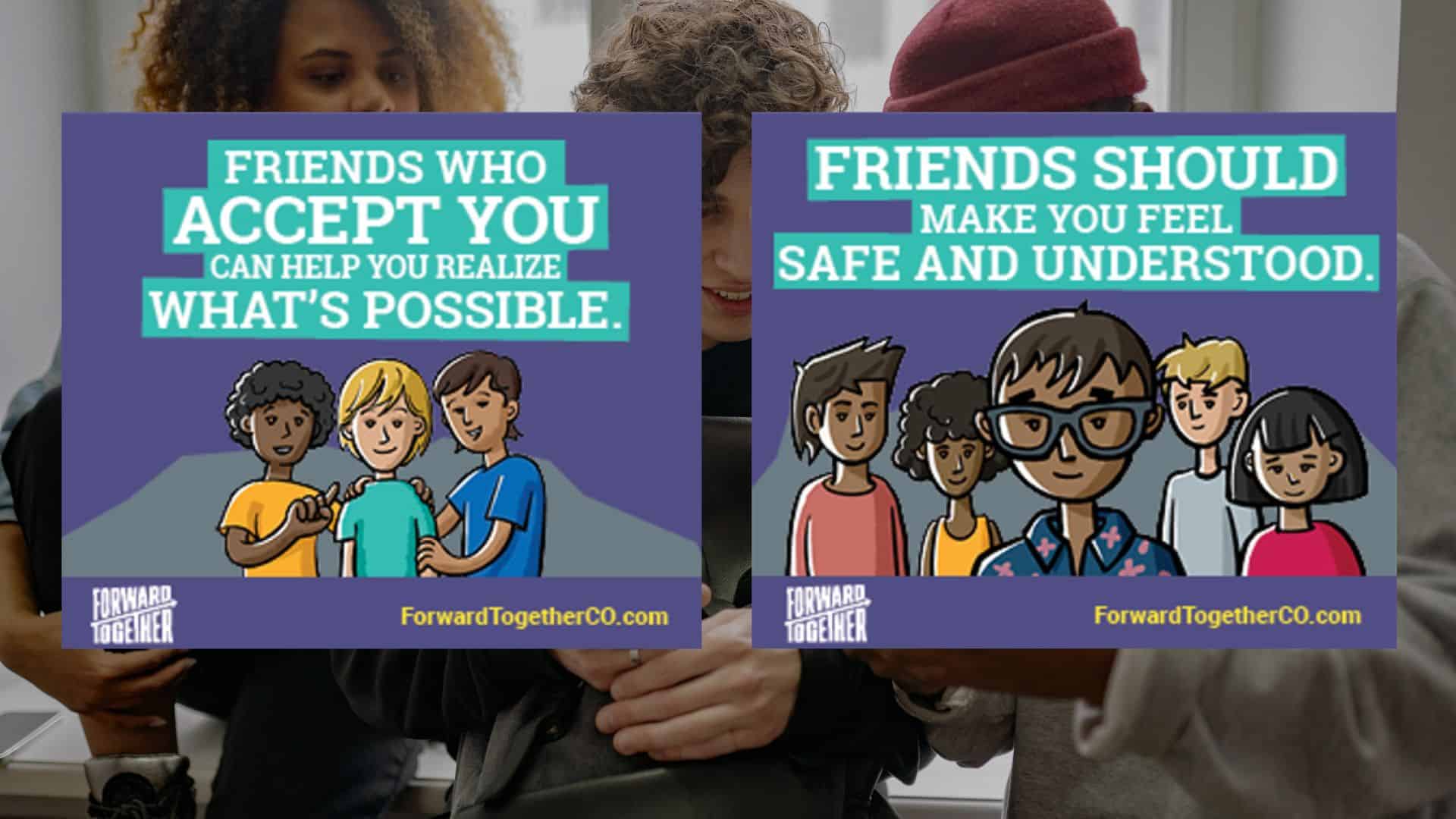
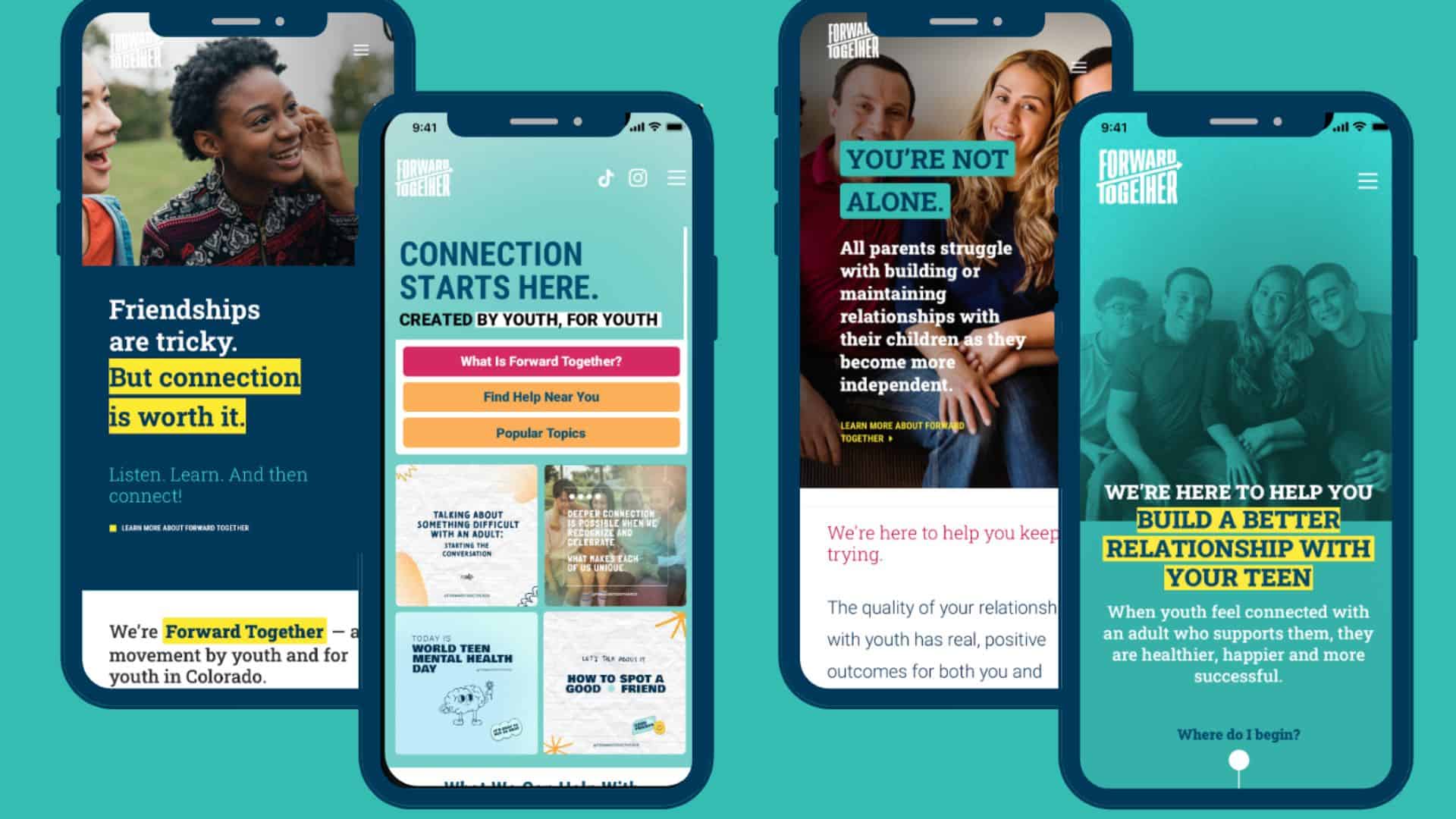
The Impact
A third-party evaluation of the campaign has shown that nearly 80% of Colorado youth and 40% of Colorado parents are aware of the Forward Together campaign.
In the first two years of the campaign, there have been 756,000 sessions and 461,000 users on the youth website. The campaign videos for youth have been viewed over 13 million times and nearly 14,000 young people have engaged with campaign content on TikTok, Snapchat, etc.

Lessons Learned at SXSW 2023
Be imperfect, and stop making things so complicated. These are just two of the emerging trends in marketing that we heard about at this year’s South By Southwest.
Read on, or watch the video below, to find out what else we learned.
For the uninitiated, South By Southwest is a yearly event that brings together challengers and game changers in business, tech, art, culture, and politics. As challengers creating change on today’s most pressing issues, it was appropriate that SE2 was there to learn about emerging issues that will affect our world today and tomorrow.
The look ahead
Every year, SXSW is an opportunity to see and experience what’s next in technology, and every year, brands and advocacy organizations find creative ways to tell their stories. Some examples from this year included:
- Lush Cosmetics, the Zen Education Project and the African American Policy Forum created an activation that offered visitors the opportunity to understand and explore the full scope of the crisis facing educators and students across the U.S.
- Visitors could explore a map highlighting the more than 2,500 books banned across the U.S. in just the past 18 months.
- An installation by the Human Rights Foundation put a face on the people that are being exploited by the fashion industry through slavery and indentured labor for fast and cheap fashion.
In addition to the active presentations showing us what’s next, we also heard from leaders in our field who told us more about the trends transforming our industry now. There are three key lessons.
1. Embrace imperfection
Storytelling is a perennial recommendation, but we heard and saw a uniquely different and unusual take on storytelling from many brands and organizations at South By. Communicators are increasingly telling imperfect stories. These stories didn’t yet have a tidy resolution or a hero who saved the day.
One of the panelists actually talked about the psychology that makes these stories effective. Imperfect stories make you an active participant. Because the outcome isn’t foregone in these stories, you still have the opportunity to get involved to become part of it.
While stories that use the common problem-solution-impact recipe have their place in marketing, psychologically speaking, this type of storytelling has one major drawback: Because our brain must manage so many inputs, it’s always taking shortcuts. One common shortcut is assessing whether something needs immediate attention or not. Another is that our brain will jump in and fill gaps when things are unresolved. Imperfect stories pique our brain’s desire to prioritize the urgent. That is a story that’s happening right now versus a less urgent story that already happened sometime in the past. And our brain will create solutions to fill in the gaps in the unresolved story.
Telling more imperfect stories is one way that you can pique interest and invite people to become part of the story and the solution.
2. Keep it simple
Across sessions, leaders spoke about the importance of pushing for simplicity in communications and marketing. Perhaps this is a reaction to a barrage of negative things happening in the world and its seemingly ever-increasing unpredictability, or perhaps it gets back to brain science.
We’re wired to have a brain bias that conflates complexity with quality, so we tend to value complex solutions over simple ones. But brain science also tells us that when we’re confronted with options, we will almost always choose the easier one or the status quo. See the problem there? To create change, communications and marketing leaders talked about embracing three tactics to simplify.
The first: one-page plans. Sally Susman, the executive vice president and chief corporate affairs officer at Pfizer, talked about how Pfizer moved to one-page plans for even the most complex communications challenges. One-page plans, force focused thinking that prioritizes the single most important issue to tackle and the most meaningful strategies to create change.
The second way they’re creating simplicity is through simplified messaging that focuses on what to gain. Lost frame messages trigger a stress response, which hinders problem-solving and adds more complexity to decision-making. Dr. Deborah Birx, who led the federal COVID response, noted that this was a fatal flaw of the government’s initial communications about the COVID vaccine. The motivating messages weren’t about avoiding serious disease and death, but rather what you had to gain – like getting back to normal.
And finally, leaders are removing barriers and not messaging around them, to create more simplicity. Often, we get so caught up in motivating people about issues that we forget about the real-world barriers that ultimately prevent them from taking action. Organizations are stepping back and leveraging experienced design principles and behavioral economics to remove barriers that prevent change.
Several nonprofit leaders talked about simplifying applications, optimizing accessibility, or even redesigning whole programs to remove as many barriers as possible. The result? Their communications are focused on the issues, not the logistics.
3. Act responsibly
The message across sessions was clear: It’s no more business as usual. Organizations of all types and sizes talked about the duty they feel to be more responsible partners to their people, their communities, and the environment.
They’ve moved beyond corporate social responsibility. Instead, ESG or Environmental Social Governance is what leading organizations are using to make a meaningful and measurable impact. ESG uses environmental, social, and governance factors and data to evaluate sustainability practices within a company. ESG helps consumers decide which businesses to support and which not to by giving them an indication of whether a company’s practices and actions align with their own values.
According to a recent study, 70% of consumers want to see a business act on social issues. Investors, too, want businesses to provide societal benefits.
For those working in the nonprofit and government space, consumers’ expectations for more socially responsible businesses is an opportunity for you to elevate your business’ issues and causes and find corporate partners who will support them financially or with their people power. The key is to find businesses that are uniquely aligned with your work.
For example, Lyft’s head of social impact talked about how they make ESG decisions. They’re of course uniquely qualified to provide transportation solutions, so they support and invest in organizations that seek to expand access to voting by providing transportation or fighting policies like those recently passed in Texas that would make drivers criminally and civilly liable for transporting pregnant people to receive abortion care.
This shift in consumer preferences creates an opportunity for nonprofit and government agencies to find synergistic fits with private businesses that advance your organization’s mission and make their business more socially responsible.
So there you have it. Those are our three big takeaways from South By. What opportunities do imperfect storytelling embracing simplicity and increased demand for brand activism have for your organization? Not sure? Reach out, and let’s talk about it.

The Hazards of Building a Presence on the Shifting Sands of Social Media Platforms
Imagine setting up your office in the lobby at Twitter, Meta or TikTok headquarters.
Even if they didn’t kick you out initially, they could at any moment. And you’d have no control over your environment.
That’s essentially what we’re doing when we invest our time and resources into developing a presence on their social media platforms. We’re living in borrowed space and the landlord has nearly complete control.
They can tell us what kinds of ads we can buy (as SE2’s Jack Cohen described in Advertising Week) or pursue strategies that undermine democracy and health (see Facebook and Instagram).
They can change the rules of engagement overnight, like when Elon Musk took over Twitter. Musk’s Twitter stepped back from any commitment to promoting constructive dialogue and putting facts and science above disinformation. Twitter became antithetical to our values.
Based on his series of erratic and ill-advised actions, I decided it wasn’t a place I wanted to plant by flag, and SE2 came to the same conclusion as an organization.
When we left, we had to write off the hundreds of hours we had spent building a network there.
We had been building our network on someone else’s platform, and the new owner made it uninhabitable for us. Yet others, including journalists, say they can’t afford to leave Twitter because it remains the place for key announcements from governments and other news sources.
Alternative platforms like Mastodon and Post haven’t filled the gap — at least not yet.
Now organizations are wondering if TikTok is a secure place to build their presence and grow audiences.
Because TikTok is owned by a Chinese company, the focus has been on whether it could spy on users or use its algorithm to manipulate what news and points of view users see. This has prompted states to ban it on government computers and at universities. A congressional bill would ban TikTok across the United States.
For organizations that want to build a significant presence on TikTok, those current and potential restrictionsat raise a lot of red flags.
Yet, they also know that TikTok is a great way to reach a key demographic. TikTok is on pace to surpass 100 million users in the United States. Those users skew younger, and it’s the go-to app for Gen Z.
So organizations must balance the benefits of reaching these users where they are with the uncertainty of TikTok’s future.
It’s an increasingly common conundrum as we rely on these private platforms for public engagement. While this is the stark reality we face, we can mitigate the risk with these three steps:
- Don’t become overreliant on a single platform. Just like you wouldn’t want all your savings invested in a single tech company, spread your efforts and engagement across the relevant social media platforms. It takes more work, but it’s worth it.
- Stay alert to the changing landscape. For example, what is the practical implication of the growing number of state bans on TikTok? Are federal policymakers or regulators likely to take action that would restrict its use in a substantive way acoss the nation?
- Keep comparing your values and your organizational values to the policies and actions of the platforms. Are they furthering the goals of your campaigns or are they undermining them? Increasingly, that presents a tough balancing act.

Forward Together Is Cultivating Connections Across Colorado
Recall for a moment being a teenager. The feelings of confusion around who you are, external forces telling you who you are “supposed to be,” and anxiety about — well everything. It can be overwhelming.
Now, consider what or rather who may have helped provide a bit of clarity during this incredibly confusing period. Maybe it was your grandparents or a family friend. It may have been a teacher or a coach. Or perhaps you were able to bond with an adult at a local community organization or your boss at your first summer job. Whomever it may have been, finding community and forming connections with others can help us on our journeys more than we may think. And particularly at this critical age, it can quite literally be a lifesaver.
Forward Together, an initiative launched by the Colorado Department of Public Health and Environment and Colorado Department of Human Services in 2020, seeks to help Colorado teens feel more connected to their peers, parents and other trusted adults. Research has shown that youth who are connected to positive relationships are less likely to smoke, drink, use other substances or have feelings of depression. Using the Developmental Relationship Elements Framework as a guide, the campaign has developed messaging and resources to help teens and parents form these strong connections.
While getting the word out to Colorado youth and trusted adults on a macro level through traditional media efforts proved to be effective, the campaign strategized ways to get the campaign “on the ground” and integrated into local communities. The team reached out to youth-serving organizations statewide, asking them to share what young people in their local communities needed to form valuable connections.
The answers were as vastly diverse in project need as they were in geographic location across the state. Everything from music lessons in Fort Collins to youth-led murals in Leadville to outdoor exploration in Buena Vista was identified as “ways in” by these youth leaders to help teens in their communities form strong connections with mentors or peers. And after identifying 24 youth groups over the course of the year, Forward Together provided funding to bring these special mission-driven programs and projects to life through community-based organization sponsorships.
Here are three main takeaways we’ve had from our work:
- Allow those doing the work to continue doing the work: Young people have said that advertisers are not always trusted sources of information for them, and, essentially, they can smell a canned public service announcement from a mile away. That means that while curated Snapchat advertisements and billboards are great for spreading the word, the campaign needed to get messages into the hands of these community’s trusted messengers, the youth organizations already doing everyday work with young people to help them form strong connections with peers and mentors. As the campaign aimed even further to reach marginalized groups of youth, it became clear these youth audiences would respond most effectively to fellow members and leaders of their specific communities. Mentees from BIPOC organizations such as Convivir, Spirit of the Sun and Muslim Youth for Positive Impact (MYPI) gave feedback to support this idea, with one young person from MYPI saying, “I got to talk to someone who had similar experiences as me, and she also went to high school in America as a hijabi, something that other adults in my life can’t relate to.” And young people from LGBTQIA+ organizations such as Four Corners Rainbow Youth and Inside Out Youth Services echoed these sentiments with one young person saying, “Rainbow Youth Center has the only safe adults in my life, and I can be myself, online or in person.” Our recommendation for those wanting to reach communities on a micro level: Hand messages over to these community leaders and empower them to disperse them in whatever ways they recommend. And to take it a step even further: Integrate community leaders in the development of campaign messaging from the start. That’s the campaign’s plan for the upcoming year, as they plan on collaborating with partners on more aspects of campaign development and implementation such as messages and greater creative control.
- Let young people lead whenever possible. A Developmental Framework Element, Sharing Power with young people has been proven to be very effective in developing strong and reciprocal relationships. Grantees continued to model this in their work as they brought projects like youth-led murals and block party concerts to life. We heard time and time again, from mentors and mentees alike, that letting young people take the lead makes the difference in their engagement with their projects and relationships with their mentors. As one mentor from Full Circle of Lake County said, “Kids love being represented and heard, and our mural is a great representation of that.”
- It works. Through Forward Together’s grantee program, the campaign has been able to directly reach over 1500+ Colorado young people and help them form strong connections with peers and trusted adults in their local communities. These are young people who may have seen Forward Together messaging in advertisements or on social media but were able to feel its purpose in a deeper way through these community efforts. The long-term effects of these projects and the campaign overall will not be able to be seen for quite some time (until we are able to survey these young people as adults). However, through the testimonials from young people and mentors, we can see that getting the campaign on the ground through direct community engagement and partnering with youth organizations as trusted messengers does work and strong connections are being formed.
Over the past year, we have seen firsthand that community organizations across Colorado are affecting real change with young people and helping cultivate strong relationships. Relationships with young people matter and finding ways to create these relationships in local communities is paramount to their future and ours.
Check out the Forward Together playlist spotlighting some of these projects Colorado Stories of Connection and check out the resource guide to help a teen in your life find organizations to get connected to.


How We Work with a Niche E-newsletter to Reach an Influential Colorado Audience
It would be a great understatement to say that journalist-run startups typically put a lot more energy into reporting than planning for financial sustainability.
While this limits their financial growth, or even long-term sustainability, many keep plugging along, producing great content along the way.
Few pull the curtain back on their finances — unless they’re nonprofits, they have no responsibility for financial transparency — and grateful readers like me are just happy to see them succeed, or at least survive.
SE2 is happy to support some of them through subscriptions. And sometimes through sponsorships. (If they’re nonprofits, donations provide us with the usual tax benefits, which helps us justify bigger investments.)
When assessing the value of a sponsorship for our public issue marketing and communications agency — or for a client — we want to know what any advertiser would ask: Will they help us reach a target audience in an impactful way?
A target audience doesn’t necessarily mean one that’s big or powerful, at least in the traditional sense, just an audience that is critical to reaching our objectives for a specific project. (A long, long time ago, we pioneered buying advertising on The Denver Post editorial page to reach that wonky audience. It worked well, but we had to convince the Post to let us do it.)
Successful media organizations usually know a lot about their audiences and are happy to tell potential advertisers.
Axios, whose ad revenue appears to be supported significantly by tech companies that want to reach its plugged-in audience, monetized this reach for a cool $525 million.
SE2 has sponsored Axios Denver emails. For those of us who focus a lot on regional issues, these influential local audiences are key.
One important group of influencers is journalists themselves. How they frame issues, who they quote and which facts they choose to share influence the broad audiences they reach.
I spend a lot of time on Twitter, and I’ve curated a free-to-follow list of more than 1,000 Colorado journalists there, so that’s one way I stay in touch with media people.
Another great way to reach Colorado journalists is through Inside the News in Colorado.
My biggest complaint about this weekly e-newsletter is that publisher/author Corey Hutchins crams too much meaty news into each edition. (Corey might want to buy a copy of the Smart Brevity handbook published by the Axios founders. Or maybe just ask an Axios scribe for one of their six copies.)
This month, our client One Chance to Grow Up, which works to limit harm to kids from marijuana, sponsored Corey’s newsletter to promote an educational campaign highlighting a State of Colorado warning on marijuana concentrates.
Too often media coverage depicts marijuana with a leaf and describes it as a harmless plant when young people, whose brains are still growing, are increasingly dabbing nearly pure THC resin. Our hope is that by exposing more journalists to the State of Colorado warning, more coverage will reflect the known risks.
It’s been great to work with Corey on this sponsorship. I’d encourage others who want to reach his uniquely influential audience to consider In the News in Colorado as a cost-effective way to connect.
Like a lot of journalists, Corey is better at reporting than promoting himself. But he’s built an audience of roughly 2,000 subscribers, and his metrics show that well over half of subscribers open his newsletter each week. In other words, he’s created something of great value.
Now he just needs to keep monetizing it so it can continue and grow — and hopefully become a model for other journalism organizations like his!

New local PBS station leader champions “impact media for Colorado” while connecting with diverse audiences
Kristen Blessman in October became president and general manager of PBS12, Denver’s independent PBS station. Previously the CEO of the Colorado Women’s Chamber of Commerce, Blessman said at the time: “There is no more important time than now for public television to play a critical role in bringing our communities together.”
SE2 is proud to support PBS12, which has long served as fertile ground for vital and distinctive grassroots programing. We asked Blessman why she felt this role provided a chance to make a uniquely meaningful impact at this time.
What interested you in taking this role at PBS12 at this time?

I’ve watched in disbelief, like I know so many of you have, how we’ve become so opposed to one another in the past several years — more divided on many levels.
I grew up in a household where my mother was a Democrat and my father was a Republican. It was okay to share your feelings on both sides of an issue. But somehow as a country we’ve become so divided, not just on political beliefs but in ways I can’t even explain. I feel like so much of this is because of the types of information we have access to or choose to find. And this gap feels like it’s getting wider.
We won’t be successful as a nation, as a culture, if we’re not brought back together again. I learned in my time fighting to create diverse workforce cultures that the ones with the most diversity in thought, culture, race and gender are the ones that are most successful. Companies make more money and have more customer satisfaction when they are diverse. It makes sense if you think about it because you get to know different cultures and hear unique perspectives that you wouldn’t have thought of otherwise.
I believe that PBS12 has the opportunity to level the playing field for access to educational and impactful content, as well as to bring different and diverse voices to everyone in Colorado. Put simply, we’re impact media for Colorado. And I believe this will make us a stronger community, a stronger Colorado.
With renewed focus on the importance of local media and new outlets emerging, what is the unique role you see for PBS12?
From a macro perspective, during a time when trust in public institutions, news media and other sources of information are at an all-time low, PBS12 enjoys — and zealously guards — the trust that our local community puts in us. We’re a source for fact-based information and storytelling from:
- Around the world with PBS12.3 (DW International News) and PBS12.4 (NHK World).
- Around the nation on PBS12.1 and PBS12.2 (FNX -First Nation’s Experience).
- Around the corner with our local programming on music, public affairs, industry, well-being, arts and culture, and diverse voices.
For PBS12, we can take this information and make it hyper-local and impactful. PBS12 has a responsibility to our community as a nonprofit that receives member and community support. We provide and give access to diverse content and storytelling to all. But what’s vital is for us to be able to show how the storytelling and content make an impact in our community.
For example, one of our programming pillars at PBS12 is health and wellness. I believe PBS12 should show our members and supporters that our community is healthier as a result of that programming. We have some work to do to get there, but I believe we have the power to do so.
Finally, we know we can’t produce all the content that’s worth creating so we look to content partners, independent producers and new sources of content to curate impactful, meaningful, relevant and entertaining programs for our community.
How will you engage younger, more diverse audiences who may not be familiar with PBS and may not watch much broadcast TV?
We spend a lot of time creating original content for younger audiences and delivering that content on platforms where young people are. We recently created a 13-part series called Generation Grit that tackled hard-hitting issues impacting Gen Z, bringing together young people and subject matter experts to talk about how Gen Z looks at issues and how they approach solving them.
We’re well known for our children’s award-winning content and for many programs that are accessible to families for viewing together like Nova, American Experience, and Antiques Roadshow. We recently premiered a new children’s series, Farmer Dave & Friends, that brings the local talents of award-winning children’s musician “Farmer” Dave Ladon to Colorado for learning adventures.
We’re committed to partnerships and programs like our original program, Street level, From Moment to Movement with Tamara Banks, and future endeavors that ensure diverse content that appeals to audiences of all ages, genders, races and socioeconomic levels.
Over time we’ve built robust communities on various social media platforms and YouTube to extend our reach into nontraditional audiences. We absolutely understand the future is digital and we evaluate how we can best create content meant for distribution on those channels and how we can serve those platforms with the time and attention each deserves while representing the PBS12 brand promise.
Most important is listening to the needs of younger audiences when it comes to content. Tapping into the voices of younger generations is critical to our ongoing work. We invite everyone to have a seat at the table when it comes to sharing ideas.
While I believe PBS12 offers some of the most diverse programming representative of multiple cultures, many of this content comes from national acquisition. We are also developing a platform that enables us to partner with local talent, filmmakers and organizations that ensure our locally produced content is diverse and includes multi-cultural representation. Including local, diverse voices is a primary pillar for programming at PBS12 now and into the future.

Is Cannabis Doomed to Repeat E-Cigarette Brands’ Mistakes?

In early September, the Food and Drug Administration faced a deadline. It was due to respond to applications from e-cigarette brands on whether they could remain in the U.S. market. Though the FDA had already denied applications for tens of thousands of vape products, regulators said they needed more time to decide the fate of big, tobacco industry-backed e-cigarette brands like Vuse and Juul. To stay on the market, they needed to demonstrate that their products helped adults quit smoking and didn’t appeal to underage teens who could become new nicotine addicts.
A little over a month later, the FDA recognized the first e-cigarette product to do just that: the Vuse Solo Power e-cigarette and its tobacco-flavored nicotine cartridges. The FDA’s authorization marks an important first for the industry, although the decision was sharply criticized by public health advocates. The fate of Juul, which has been condemned for driving the youth vaping epidemic, remains undecided.
Juul and other vape brands invited this scrutiny because they flouted ethical practices in marketing, causing teen e-cigarette usage to skyrocket. Even those outside of the market should follow e-cigarette regulation news. History has a funny way of repeating itself, after all. If they’re not careful, marijuana businesses could find themselves in the hot seat next.
What’s Next for Cannabis?
The legal marijuana market is having a moment. Much like e-cigarettes were on an upward trajectory five years ago, the marijuana business is booming. Increased legalization means it might be worth more than $70 billion globally in just seven years.
The question is: When will the other shoe drop? If the marijuana industry prioritizes ethical practices in marketing over short-term profits, marijuana businesses won’t have to face the same fall from grace as Juul.
Juul’s early ads were packed with young models having fun while vaping. Though executives tried to argue that their products were for adult use only, the advertising spoke for itself. On top of clearly appealing to youth in advertisements, Juul and other e-cigarette brands sold numerous sweet-flavored products, which naturally appealed to minors and nonsmokers.
It’s important to note that the FDA’s recent Vuse authorization applies only to tobacco-flavored e-cigarette cartridges. In fact, it rejected other requests for flavored products from Vuse. By allowing tobacco-flavored products only, the FDA is sending a message: These products aren’t candy; they’re tools for smoking cessation.
Practicing Ethical Marijuana Advertising
The cannabis industry’s products can be responsibly used by adults. However, the lines become blurred in the case of cannabis-infused chocolates and other candies. We’ve seen increased reports of children accidentally ingesting THC-laced products.
Marijuana businesses need to address this problem and clarify what their products are and are not used for — and stop selling products that are too easy to mistake as kid-safe. If sweet or fruity flavors are wrong for nicotine, they’re also wrong for THC vape products. If marketing that reaches and influences youth is wrong for Juul, it’s wrong for marijuana companies, too.
Visionary leaders must step up to set a high bar for this market and avoid the lessons that e-cigarette brands had to learn the hard way.

When Things Pile Up, We Will Shovel Out Together
When Things Pile Up,
We Will Shovel Out Together
Reflecting on 2020
Although 2020 piled on many challenges, the SE2 team remains grateful.
For work that challenged us to tackle important and impactful issues.
For positive changes made in our communities and our world.
For the fun we had along the way, as we followed every tangent and explored every fox hole in pursuit of the best creative solutions.
For our values of working with purpose, curiosity and resourcefulness, results and performance, and innovation and growth — guiding us through it all.
Most of all, we are grateful for our amazing community of staff, clients, and partners. Thank you for making this a year when grit and tenacity gave way to resilience and growth.
Here’s to a bright 2021. And shoveling out together.
Out of our gratitude, SE2 has committed year-end financial gifts to Colorado Public Radio and Food Bank of the Rockies to support local news and fight hunger. Join us in giving to their work in our communities: