Community Connection: Colorado Black Voices in Focus
In recent years there’s been a fitting shift in communications towards more directly engaging communities. However, there is still a lot more work to do engaging more authentically and deliberately with diverse communities, particularly the vibrant and small yet mighty Black Coloradan community.
How can we engage this community, and why is it crucial? We interviewed a diverse group of Black communication professionals in Colorado who offered their perspectives on how uplifting Black narratives fuels transformative change.
Why is it crucial to actively engage with communities, especially the Black community?
Albani Berryhill, Communications Partner at Caring for Denver Foundation: Actively engaging is not just a checkbox; it’s the heartbeat of progress. Ensuring that diverse voices are heard, embraced and represented is crucial for fostering positive change. By not immersing ourselves in the rich tapestry of the Black community, we’re missing out on key voices and stifling the true potential of our work. It’s about embracing the multitude of beautiful, unique, and nuanced experiences within the Black community. We have to meet the Black community where we are, collaborate authentically, and recognize that together, our strength knows no bounds.
Dianne Myles, CEO/Executive Producer at Dope Mom Life: It allows for establishing genuine relationships. Engaging in a culturally responsive and respectful manner demonstrates that the work being done is not performative. I’ll never avoid this conversation; authentic engagement should be the standard, not the rule. Organizations must demonstrate that their efforts are not just for appearance or to check a box but because they genuinely care. The authenticity of the relationship, or lack thereof, will always be apparent.
Sylvia Lambe, CEO at Lambe PR: Actively engaging with Black communities is about building and sustaining connection, understanding, and trust. As humans, we value authentic representations of ourselves. That is why it is important to authentically thread diversity, equity, and inclusion into communications and brand stories to reflect the Black experience in meaningful ways.
In one sentence, can you tell us why communications professionals should prioritize authentic community engagement?
Albani: Neglecting authentic community engagement is a disservice to you, your efforts, and the community; it negates the very essence of communication, denying both yourself and the community the transformative power of genuine connection that ensures active alignment with community needs and fuels positive change.
Sylvia: It fosters trust, ensures relevance, and amplifies diverse voices, ultimately leading to more impactful and meaningful connections between brands and their audiences.
Tasha Jones, CEO/Founder at LV Jones Consulting: It ensures that our communications resonate deeply, reflect diverse perspectives, and are backed by metrics that prove a commitment to the Black community.
Benny Samuels, President at AYA Foundation: The only way to reach people, facilitate behavior change or action is to be authentic — it has to mean something to the communicator for him/her/they to be able to make it mean something for others.
How are you uplifting Black voices in your communications and/or creative work?
Albani: In my role, I connect Black peers with resources, identify funding opportunities for Black organizations, and ensure Black voices shape grant-making decisions. I‘m dedicated to elevating Black voices in every facet of our work, recognizing their essential contribution to our community.
Benny: We tell stories that emphasize people’s brilliance and their uniqueness in this world.
Dianne: I’m a Black woman in media; we make up less than 4% of the media industry. Having my voice at the table will always change our community’s narratives and how we are represented.
Sylvia: Actively selecting clients whose core missions and activities celebrate, liberate, and engage the African American community, ensuring that their stories, perspectives, and contributions are authentically represented and respectfully showcased. We amplify the voices of the Black LGBTQIA2+ community, honor Black resilience and creativity, promote a deeper understanding of Black history and support initiatives aimed at addressing systemic oppression, actively empowering and representing Black voices in our communications efforts.
Tasha: I see myself as a connector. A bringer together of ideas, places, and people in my communications and creative work, I prioritize amplifying Black voices by actively seeking out Black creatives who can lend their expertise to the projects I’m leading. I set out to elevate diverse narratives, perspectives, and experiences in spaces where Black voices must be heard. I’ll do whatever is within my ability to shine a light on Black excellence.
What can the communications/creative spaces (or more specifically comms for change) do better for the Black community?
Benny: Focus on their brilliance, on their uniqueness, and their backstories. Make the story meaningful, find the person or organization’s essence. Make the stories accessible – people want to and enjoy reading them.
Tasha: The more comms reflects a true interest in supporting and uplifting the Black community, the more people in the community are going to know about it. And consider this—Black consumer spending hit $910 billion in 2019 and is projected to skyrocket to $1.7 trillion in less than a decade. Ignoring the influential role of the Black community is a surefire way to lose trust. Put another way, Black culture is often replicated by mainstream audiences. Preserving individuality within the culture is what drives innovation within the Black community. When creatives aspire to replicate and repurpose content from Black trendsetters, it’s imperative to give credit where credit is due. Acknowledge the originators of the innovative idea or trend; otherwise, it is another case of cultural appropriation.
Sylvia: Authentic representation, genuine partnerships, and economic empowerment are vital for uplifting the Black community. This involves prioritizing platforms for Black voices, investing in cultural competency training, supporting Black-owned businesses, and dismantling stereotypes through positive representation. Transparency, accountability, and ongoing education further drive progress. By prioritizing these actions, the communications and creative sectors can contribute to a more inclusive and equitable society where Black voices are truly valued and heard.
Dianne: Hire people who look like the people you want to engage with and pay them what they are worth! Have those same people in leadership positions and pay them! Don’t expect them to be the voice for their entire community. We are not a monolith. Authentic cultural engagement should be everyone’s responsibility.
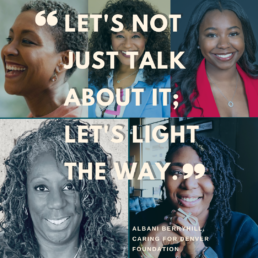
Albani: Continuous support, amplification, and intentional listening are key. Let’s not just talk about it; let’s light the way. We have to actively seek and endorse Black businesses and creatives. Keep giving Black voices a platform, not out of obligation, but because it’s an imperative necessity. Continue striving for a cultural shift where bettering marginalized communities moves beyond a mission or DEI efforts as a “trend” but ensures that such initiatives are ingrained inherently and embedded in the very fabric of what we do.
In our work connecting authentically with communities is no longer just a nice-to-have—it’s absolutely essential. When we keep it real, lift the diverse voices we hope to engage, and truly listen. We’re not just talking about change; we’re making it happen. When we continue to weave stories that reflect the beauty and complexity of our communities, we ensure every voice gets a chance to be heard.
Learn more about these Community Leaders.
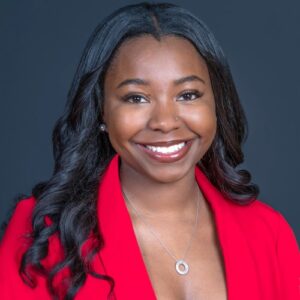 Albani Berryhill: Albani Berryhill serves as the Communications Partner at Caring for Denver Foundation, which works to better mental health and substance misuse outcomes in the Denver community. Hailing from Villa Rica, Ga., she earned her undergraduate degree in Communications Studies with a minor in Spanish from Georgia Southern University. Recently, she attained her Master’s in Strategic Communication from the University of Denver. During her time at the University of Denver, Albani served as a Teaching Assistant in the Media, Film, and Journalism Studies Department and completed internships with the Women’s Foundation of Colorado and Colorado Photographic Arts Center, specializing in digital marketing and social media management.
From her high school days onwards, Albani has been actively involved in community service, dedicating her time to youth coaching, mentoring, and tutoring. Her passion extends to mental health, wellness, and recovery, reflecting in her commitment to making a positive impact on the world and those around her each day.
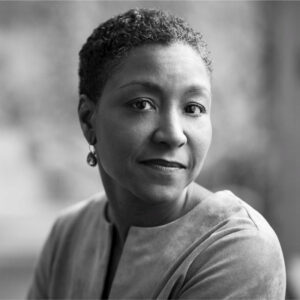
Benny Samuels: Benny Samuels is a seasoned multicultural, multi-lingual leader in health, human service, and social change. Presently, she serves as President of AYA Foundation, Colorado’s first Black-serving community foundation.
In her 35-year career, she has led transformational programs that have resulted in increased access, equity, voice, and power (in the form of self-sufficiency) for children, families, and communities, with an intentional emphasis on supporting communities of color and those living in poverty and furthest from opportunity across Colorado and nationally. Accomplishments in her career include the Statewide Colorado Family Planning Project, which reduced unintended pregnancies in Colorado by 40% in four years. Benny also implemented the W.K. Kellogg Foundation multi-million-dollar grant investment and flagship national demonstration project, Community Voices, enrolling thousands of children in the Child Health Plan Plus and uninsured adults into Medicaid and the Colorado Indigent Care Program.
More recently, Benny served as the chief marketing officer and chief operating officer for Nurse-Family Partnership, where she led the operations of a $56 million investment to scale the model by making it accessible to thousands of first-time mothers living in poverty through a national, cultural– and age-responsive marketing campaign and business development strategy.
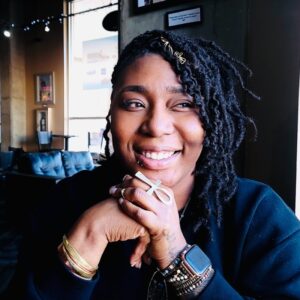
Dianne Myles : Dianne Myles is the CEO of Dope Mom Life. Dianne found her passion for storytelling and community. Her team fulfills the company’s mission daily to tell authentic, impactful stories that shift viewers’ perspectives and garner engagement. Dianne’s life experiences have given her a unique opportunity to be a powerful messenger and connector. Dianne prioritizes spending time with her two adult children, DJ and Tiara, who attend CU Denver, as they are her world. She also spends countless hours volunteering for organizations and serving on boards. Dianne is also a celebrated business leader in the community, having won several awards, including a Heartland Emmy.
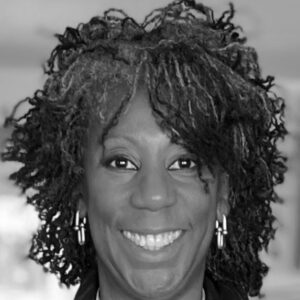
Sylvia Lambe: Sylvia Lambe, the CEO of Lambe PR, is a public relations expert and an accomplished BBC journalist with an insightful skill for impactful storytelling. Her rich background in media and communications, coupled with her award-winning tenure as a radio producer in London, has equipped her with a unique perspective on driving meaningful change through tactical messaging. Sylvia is recognized in Denver, for her dedication to amplifying marginalized voices and her commitment to integrity in journalistic storytelling.
At Lambe PR, Sylvia leads comprehensive media and marketing campaigns for diverse nonprofit and public sector organizations, consistently delivering impactful content and media coverage to engage and inform communities. Her career highlights include pioneering brand awareness strategies for organizations like Black Pride Colorado and Juneteenth Music Festival.

Tasha Jones: Tasha Jones champions the development of integrative marketing strategies meticulously tailored to amplify the significance of diversity, equity, inclusion, and belonging. With an unyielding commitment to storytelling through an inclusive perspective, she brings forth the power of representation by embracing the tapestry of lived experiences and voices from a myriad of identities.
In addition to her vast marketing experience, Tasha has carved a niche as a distinguished executive coach, empowering leaders to navigate their professional journeys with clarity and conviction. She has masterminded an executive session titled “Boldly Forward: Leading with Impact.” This immersive experience is designed to guide participants in charting their imminent career milestones, employing what she refers to as the “Focus Four Principles.” These principles, ingeniously extrapolated from corporate fiscal strategies, serve as a compass to align individual aspirations with organizational goals.


The Power of Collaboration: A Journey from Grassroots Advocacy to Strategic Partnerships
As I reflect on my journey from founding my public relations firm to joining forces with SE2, a Denver-based agency focused on creating positive change, I am struck by the transformative power of collaboration. What started as a dream to build a successful business has evolved into a commitment to make a meaningful impact on communities, particularly for Latina entrepreneurs like myself.
The landscape for Latina-owned businesses is both promising and challenging. On one hand, we see incredible growth and resilience, with millions of businesses generating substantial revenue across the United States. Yet, accessing capital and navigating the complexities of scaling a business remain significant hurdles. It’s a journey filled with highs and lows, victories and setbacks, but through it all, one thing remains clear: the importance of advocating for change, winning strategic battles, implementing policies, and advocating once again.
My own experience mirrors this cycle. Selling my business was not something I had envisioned, but it opened doors to new opportunities and possibilities. It taught me the importance of thinking big, staying open to new opportunities, investing in my network, and prioritizing education and research. These lessons have guided me as I navigate the ever-changing landscape of entrepreneurship.
But the journey doesn’t end with individual success. It extends to the broader community, where issues like access to resources, representation, and systemic barriers continue to ignite my passion. I believe in making a genuine impact on people’s lives by challenging existing systems and bridging gaps in support and resources. It’s about creating real alternatives that meet the needs of individuals and families, particularly those who have been marginalized or overlooked.
Joining forces with SE2 has been a natural evolution of this commitment. Together, we share a vision of creating Perpetual Movements: Change for Good®. We recognize the power of collaboration in driving positive change on pressing public issues, from health and education to economic empowerment and environmental sustainability. By integrating our talents, expertise, and networks, we can amplify our impact and reach new heights of success.
 Central to this collaboration is a deep commitment to community engagement. Effective movements require pushing power out to diverse community leaders and organizations, leveraging their credibility and trust to drive meaningful change. As someone with deep roots in Colorado and extensive experience in community engagement and political strategy, I am excited to expand our network and elevate our commitment to serving diverse communities.
Looking ahead, I am energized by the possibilities that lie ahead. Whether it’s through my work with SE2, hosting my podcast, or serving on organizational boards, I am dedicated to making a difference in the lives of others. The journey from grassroots advocacy to strategic partnerships is a cycle of growth, learning, and transformation. And together, we can create a brighter, more equitable future for all.
As SE2 celebrates its 25th anniversary, I am proud to be part of this journey and excited to see where it takes us next. Together, we can build on our legacy of positive change and continue to make a lasting impact on communities across Colorado and beyond.


Colorado Counties Collaborate on an Awareness Campaign to Dispel Stigma and Promote Recovery from Addiction
“Recovery starts when stigma ends.”
That’s the message of a new local public awareness campaign created to dispel stigma around addiction, including opioid use disorder, and to inspire the community to rise together to meet the challenge of this devastating epidemic.
The bilingual campaign, a collaborative effort of Chaffee, Custer, Fremont and Park counties, directs the community to information and resources available at EndStigmaStartRecovery.org and ParaElEstigma.org.
The campaign notes that one in six Americans has a substance use disorder. It states: “Whatever the substance, these are our neighbors, friends and family members. They deserve compassion, support, and evidence-based treatment to recover and thrive. We all can play an important role.”
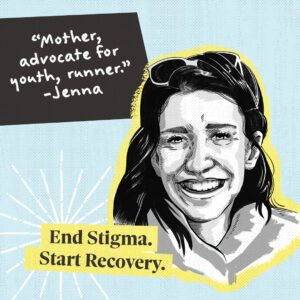
The campaign features original portraits of four Coloradans who are in recovery from substance use disorder. Their nuanced portraits and the words they chose to describe themselves – dad, mother, grandfather, son, adventurer, advocate, runner, community member – illustrate their multifaceted identities.
The campaign uses digital ads, billboards, posters, drink coasters, and pocket cards to spread the word around the region.
 The four counties are organized as the Region 15 Opioid Abatement Council, one of 19 regions established by the Colorado Department of Law to distribute opioid settlement funds for substance use disorder treatment, recovery, harm reduction, law enforcement, and prevention/education programs.
The Colorado Department of Law has sued pharmaceutical manufacturers and distributors and is on track to receive over $750 million in opioid settlement funds.
“Many people unintentionally became addicted to opioids, which were aggressively and misleadingly marketed by drug companies,” said Andrea Carlstrom, director of Chaffee County Public Health. “People with opioid use disorder or other types of substance use disorder need support and evidence-based treatment to recover and thrive. This campaign aims to inspire more people to start their recovery journey.”
“Our community can and must rise to meet the growing threat of fentanyl, which has caused a surge in overdoses,” said Patrick Fiore, substance abuse coordinator with the Custer County Public Health Agency.
“Effective treatment for opioid use disorder requires that we prevent overdoses. That entails making naloxone, known by the brand name Narcan, widely available, learning how to use it, and keeping it nearby.”
“Openly and candidly discussing these issues with friends and loved ones is an essential step toward recovery,” said Paula Buser, director of Fremont County Public Health and Environment. “This campaign is designed to spark those discussions across our community and among local families.”
“People recover from addiction, going on to live long, healthy, and rewarding lives,” said Lynn Ramey, director of the Park County Public Health Agency.
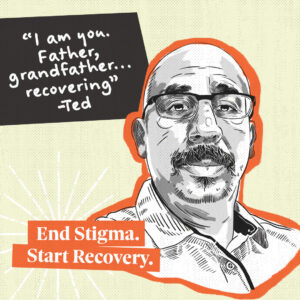
“Recovering from an opioid use disorder or dependence on another substance requires more than just willpower. Evidence-based treatment works.”
The campaign was created by SE2, a Colorado-based behavior change marketing agency. The portraits were drawn for SE2 by Javier Robles, a Colorado illustrator.
“We’re grateful for the vision of these health leaders at the four counties and for the courage of the local folks in recovery who agreed to be featured in the campaign,” said SE2 Co-Founder Eric Anderson. “Our team has been touched personally by this issue and we’re honored to be able to highlight how we all have a role to play in addressing it.”

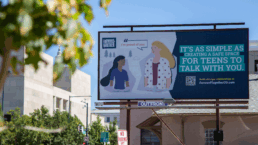
Preventative Campaign Invests in Connections Now for Future Health Payoffs
The Challenge
The 2018 Healthy Kids Colorado Survey confirmed that unhealthy behaviors were rising among Colorado teens and young adults. The Colorado Department of Public Health and Environment (CDPHE) and the Colorado Department of Human Services (CDHS) funded a groundbreaking campaign to work upstream to prevent risky behaviors before they start.
CDPHE and CDHS selected SE2 to lead the statewide campaign’s planning, development, and execution. SE2 conducted formative research – touring the state to talk to over 200 young people – to understand their challenges and concerns. SE2 used the findings of the research to develop the Forward Together campaign.
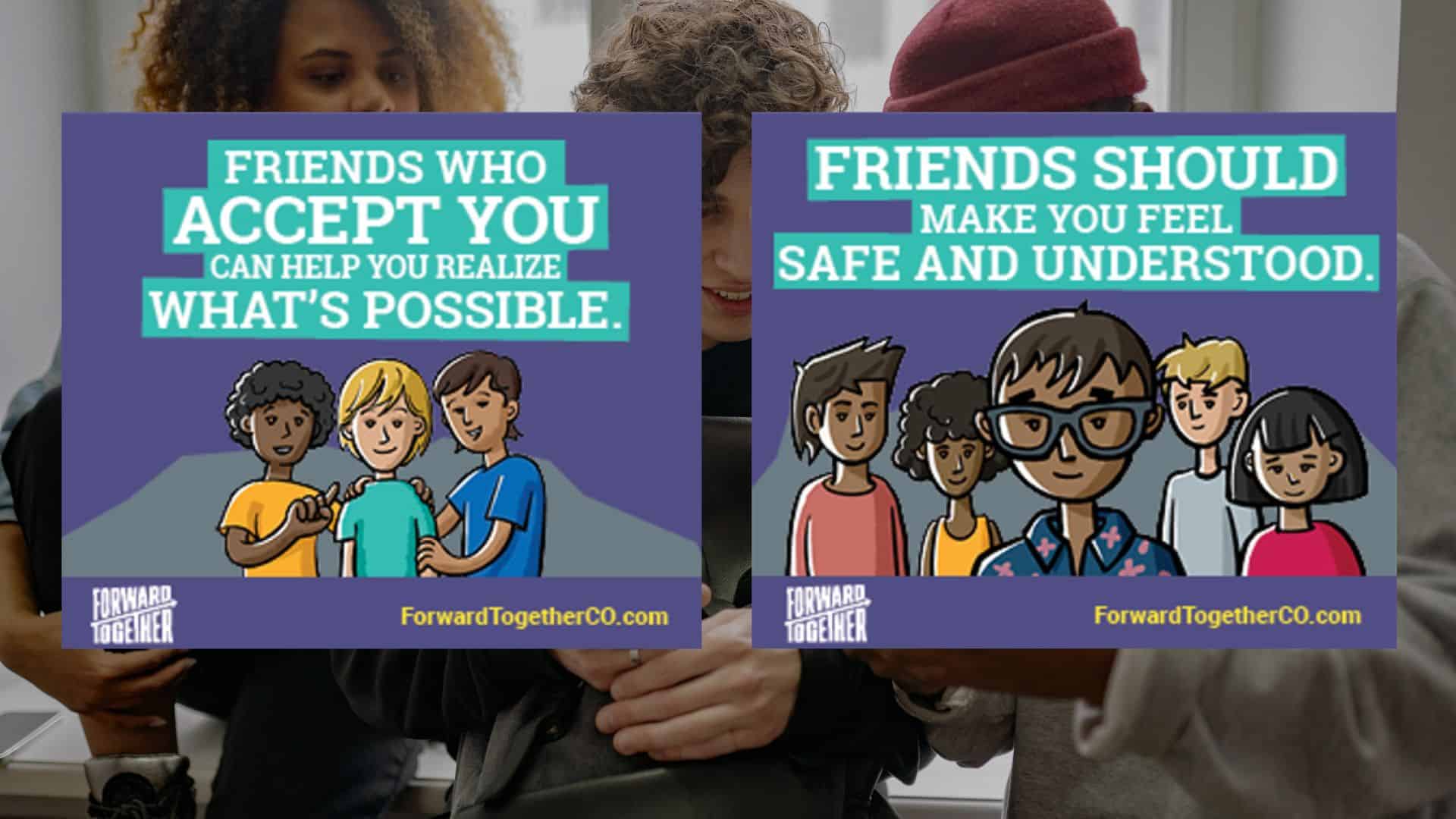
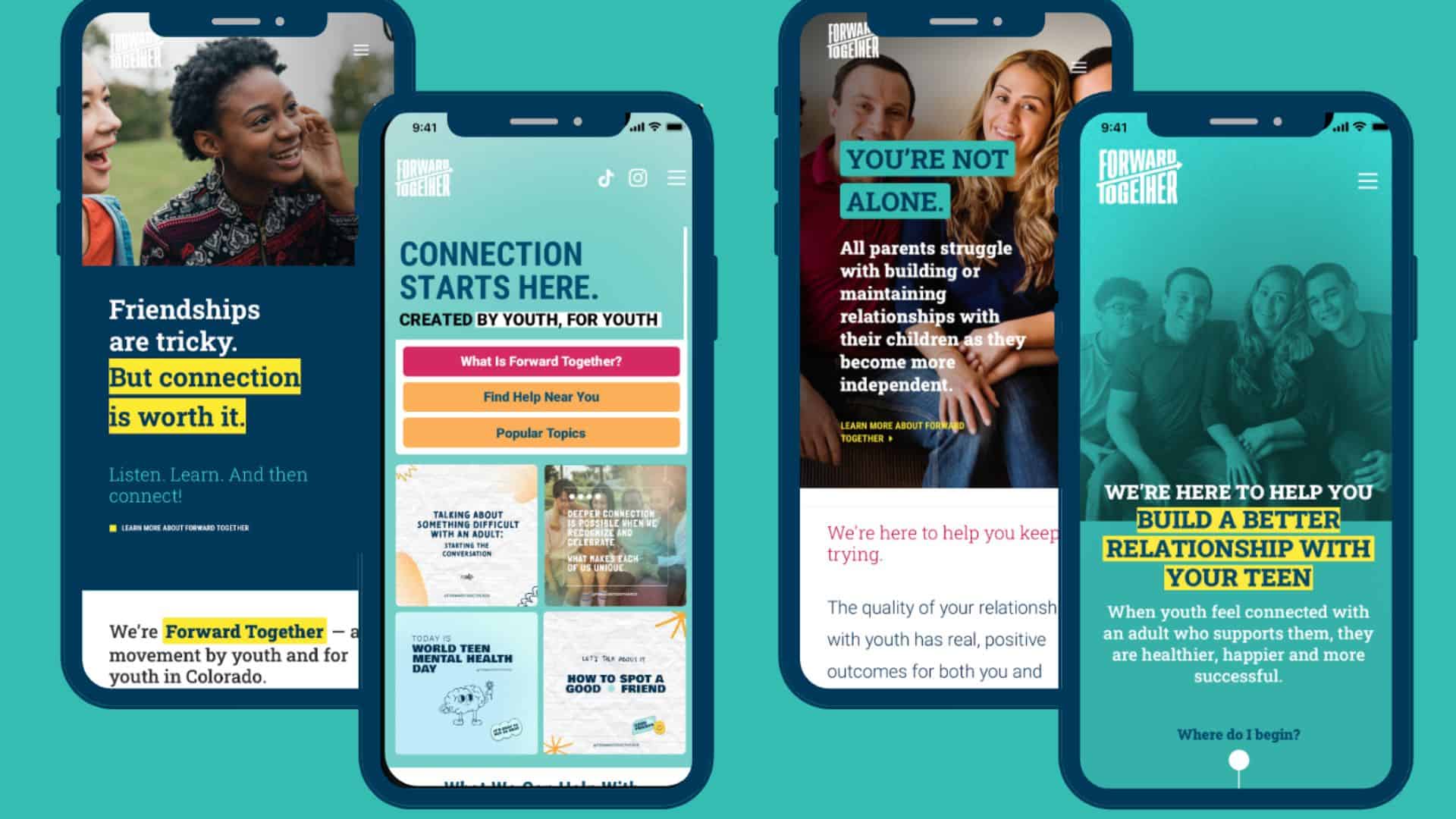
This upstream prevention campaign helps young people feel more connected – to peers, parents, and other trusted adults — because research shows that youth who are connected to positive relationships are less likely to use substances (e.g., drinking, marijuana, tobacco, opioids), engage in risky health behaviors (e.g., unprotected sex), or experience depression.
Our Approach
Forward Together reaches both youth and parents/trusted adults to achieve the campaign objectives. Campaign messages are disseminated through a robust paid media campaign that uses an integrated media approach – including broadcast and streaming TV and radio, targeted social media placements, digital display and search, outdoor advertising). We also collaborate with partner organizations across the state by offering mini-grants that help partners promote campaign messages and materials in ways that they think will work best for their community.
The campaign is developed in collaboration with our on-staff youth advisors and a network of young people across the state. These young people represent intersectional demographics (e.g., LBGTQ+ Black youth, rural Hispanic young adults). Their input and insights help guide campaign strategy, messaging and outreach materials.
The campaign also addresses substance use and harm reduction strategies to help young people be safe and healthy.


The Impact
A third-party evaluation of the campaign has shown that nearly 80% of Colorado youth and 40% of Colorado parents are aware of the Forward Together campaign.
In the first two years of the campaign, there have been 756,000 sessions and 461,000 users on the youth website. The campaign videos for youth have been viewed over 13 million times and nearly 14,000 young people have engaged with campaign content on TikTok, Snapchat, etc.