
Driving a Surge in Medication Recycling to Prevent Opioid Misuse
The Challenge
The Colorado Department of Public Health and Environment’s Medication Takeback Program has emerged as a vital part of a comprehensive strategy to curb the opioid crisis and protect youth from the risks of drug experimentation.
The Medication Takeback Program is just one of the many opioid prevention initiatives across Colorado that we support. They’re each important pieces of the state’s comprehensive strategy this life-and-death issue demands.
Understanding the Opioid Crisis
Opioids, recklessly marketed by unscrupulous pharmaceutical manufacturers and distributors, have caused a wave of addiction and overdose deaths.
Often, the path to opioid addiction begins with curiosity and experimentation, including among the youth. In fact, our recent research for the Colorado Attorney General’s youth opioid prevention campaign showed that most kids who experiment with pills started by trying pills they found at home in their family’s medicine cabinets. The consequences can be devastating and long-lasting, making it essential to prevent such experimentation from happening in the first place.


The Power of Medication Takeback
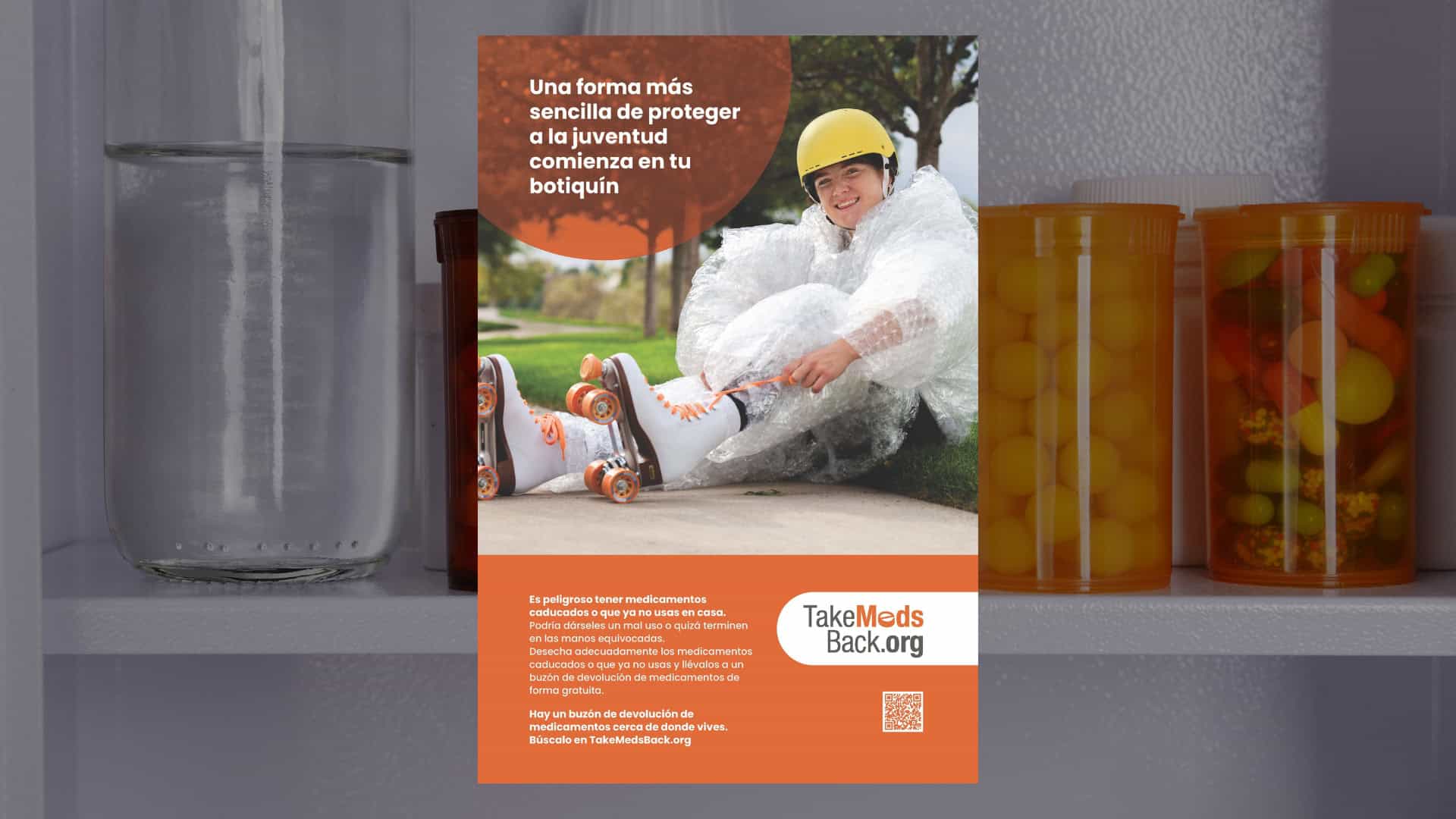
CDPHE engaged SE2 to increase use of Medication Takeback boxes across the state.
We started with statewide polling to gauge awareness of the program. While few knew about it, those informed were eager to take part, especially if a collection site was within a 10-minute drive. We targeted households with teenagers using community data to find the most engaged areas.
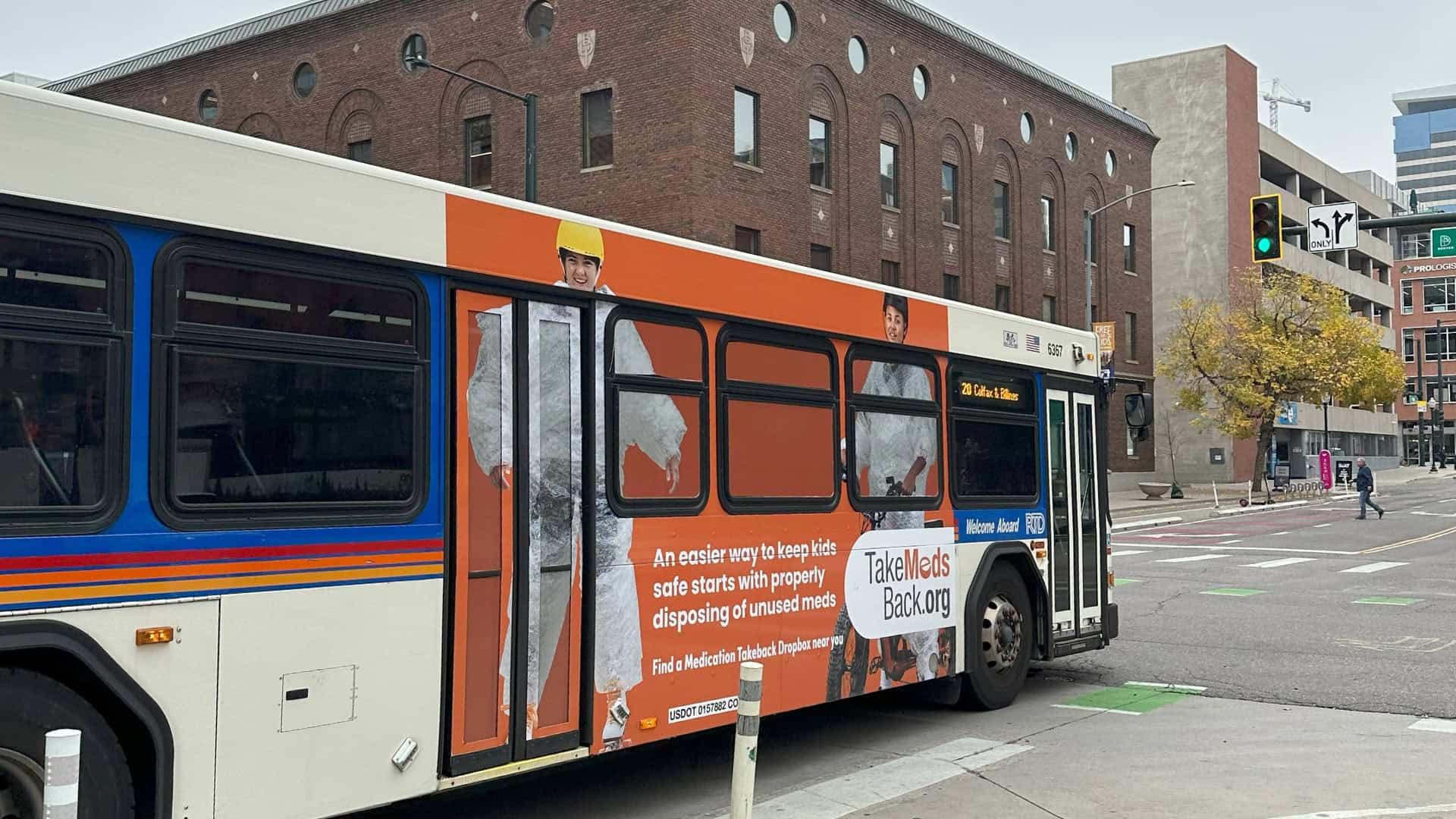
Our research showed that messages about preventing teen medication misuse and environmental protection resonated more than previous campaigns focused on pet safety. We implemented a multifaceted media strategy, including billboards, bus ads, and social media, customized with nearby takeback locations. We also collaborated with ten diverse community partners to enhance awareness.
Outcome
This comprehensive, research-driven strategy drove significant engagement and participation in the Medication Takeback Program.
Our 10 community partners reached nearly a quarter-million Coloradans through social reach and event attendance.
More importantly, the client reported significant year-over-year collection increases during the life of the campaign. During the campaign period (Oct. 2023-June 2024) there was an average year-over-year increase in collections of 6.38%.

Helping Keep Infants Safe While They Sleep
The Challenge
The Colorado Department of Early Childhood engaged SE2 to develop a campaign to increase understanding of the safest way for infants under one year to sleep, and encourage families to incorporate safe sleep practices into their babies’ bedtime routine. The guidelines are based on safe sleep best practices established by the U.S. Centers for Disease Control and Prevention and the American Academy of Pediatrics.
While based on scientific research, these safe sleep best practices raise cultural sensitivities. Many families, including but not limited to some from Latino and immigrant communities, choose to co-sleep with infants to soothe the child and help parents get much-needed rest. The practice is often passed along through cultural traditions and important influencers in parents’ lives such as grandmothers.
Additionally, it’s difficult for families with limited income to comfortably heat their homes and purchase infant-specific beds and bedding. That’s a challenge because the safe sleep guidelines recommend against blankets or other soft bedding.
The State of Colorado wanted to develop a campaign that was culturally sensitive and recognized the realities families face, but also reflected best practices for keeping infants safe while sleeping.
Our Approach
SE2 facilitated a discussion group of professionals who work with parents of young children, including doulas, midwives and nurses. We also conducted a statewide survey of 400 Colorado parents of children under two.
We wanted to understand what families think and believe about safe sleep practices and what messages might compel them to adopt safe sleep practices. The discussion group emphasized the
importance of kind, nurturing and compassionate messages to reinforce what providers say is safe for their children. A key: recognizing that parents are doing what they think is best for their family and respecting their values and motivations.
The survey showed that parents generally understand the need for a safe sleeping environment but start to disagree when asked about specific safe sleep practices such as having infants sleep on their back and alone in a crib without toys or blankets.
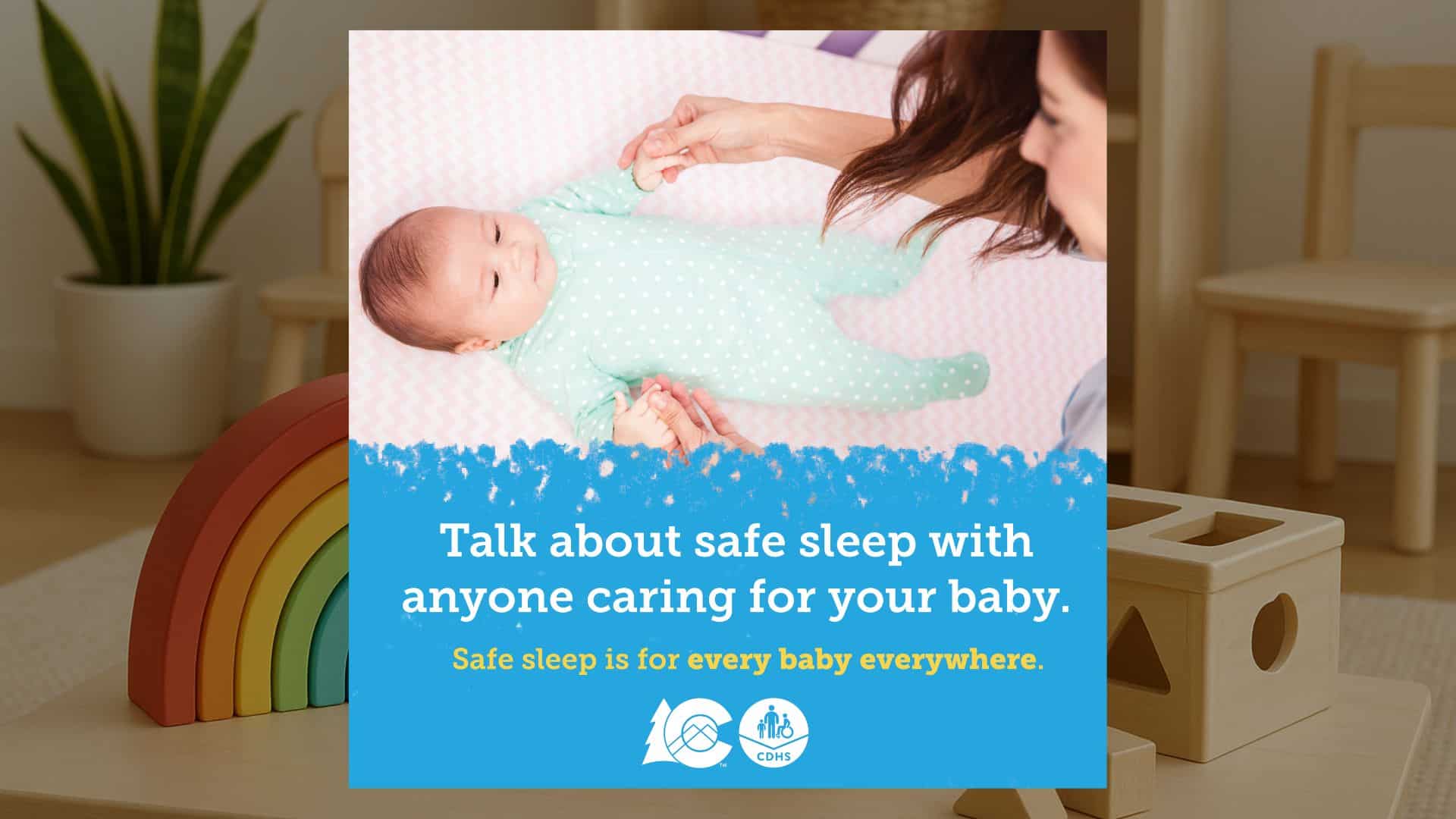
SE2 developed a culturally sensitive and approachable campaign featuring the most accessible and comforting of all mediums: a bedtime story. We brought it to life in video, digital and printable flyer formats. The campaign took a warm, encouraging approach, steering clear of anything that came close to lecturing or finger-wagging.
SE2 executed a $75,000 paid media campaign to reach parents of young children, including Spanish-speaking, lower-income, rural and immigrant families. Digital platforms included Google Search, Facebook, YouTube and display ads.
We also worked with the Infant Safe Sleep Partnership to distribute digital and printable materials around the state.


The Impact
In just 4.5 months, the campaign accumulated over 25 million impressions, 56,000 clicks and an average .22% click-through rate.
The campaign outperformed industry benchmarks by two and three times the standard metrics, and Facebook and Search were the top drivers of clicks and engagement. The largest demographic to engage with the Facebook ads (English and Spanish) were females, aged 25-34, and more than 90% of interactions came from mobile ads.
The largest audience to engage with the Safe Sleep YouTube ads (English and Spanish) were males ages 18-24 (Spanish) and 25-34 (English). Because of this, the next iteration of the campaign could benefit from ads targeted at the 18-24 population on platforms like TikTok and Snapchat.
Based on the performance data and the newly refreshed creative (produced in August of 2023 to incorporate grandparent and father caretakers), we’re well-positioned to continue the momentum with future media campaigns.

A Generational Turning Point: The Juul Settlement's Promise of a Nicotine-Free Future
In the ongoing effort to address the epidemic of youth vaping, the recent settlement six states plus the District of Columbia secured against Juul presents a groundbreaking opportunity to secure the future health and well-being of an entire generation.
Using this $460 million-plus settlement to advance youth prevention isn’t just an investment; it’s a chance to avoid a new generation of nicotine-addicted adults.
Youth vaping is more than just a trend; it’s a public health crisis. Research shows that nicotine, regardless of how it’s derived or delivered, harms developing brains. We also know that teens become addicted to nicotine through vaping and often end up smoking regular cigarettes.
Big Vape, the Netflix four-part documentary series based on the book by the same name, vividly describes how Juul marketed its highly addictive devices to teens, causing an epidemic of underage use.
The legal settlement with Juul offers an unprecedented opportunity. By investing the funds into comprehensive and evidence-based prevention campaigns, we can start rewriting this grim narrative.
Prevention is, without a doubt, the most cost-effective and impactful way to address this issue. Every dollar directed towards campaigns aimed at dissuading young people from vaping has the potential to save countless more in future healthcare expenses. In fact, a body of research shows that there is a positive return on every dollar invested in prevention campaigns – with some analyses showing as much as $18 saved for every $1 spent.
The Juul settlement provides an infusion of resources that can be channeled into comprehensive educational programs and community outreach. These campaigns will provide youth with the knowledge they need to make informed decisions to support their health.
These investments offer a profound return on the broader societal scale. A generation of healthier, addiction-free individuals is better able to live happy, productive lives and contribute to our communities. By curbing youth vaping now, we pave the way for a stronger, more prosperous future. And as research indicates, nicotine addiction can pave the way for other addiction later in life. This underscores the importance of preventing addiction early on, not only as a morally sound choice but also to mitigate societal impacts in the future.
Yet, the significance of these prevention campaigns extends far beyond the immediate health and economic benefits. It is intertwined with the crucial aspect of youth connection.
Adolescents often turn to unhealthy behaviors like vaping when they lack a sense of belonging, purpose, or connection. By directing settlement funds into youth engagement and support programs, we not only address the symptoms but the root causes of a wide range of unhealthy or risky behaviors.
Youth connection initiatives not only create a sense of belonging but also provide opportunities for skill-building, resilience, and personal growth. When our young people are connected to trusted adults and peers, they are happier and healthier. By nurturing their sense of purpose, we create an environment where the choice to vape becomes less enticing and less likely.
Our communities and schools can become hubs of connection, where young people can explore their interests, passions, and futures while avoiding substances that would only get in the way of their dreams. When we connect our youth with mentors, positive role models, and resources, we offer them alternatives that will enrich their lives rather than endanger them.
The Juul settlement dollars offer an unprecedented chance to rewrite the story of our youth, to prevent lifetimes of nicotine addiction.
This is not just a financial investment; it’s a moral one. It’s an investment in the health, well-being, and potential of our nation’s youth. We cannot afford to let this opportunity pass us by. It’s a chance to save a generation, and we must seize it. Their future depe

Empathy is a Marketing Essential: Understanding Agricultural Communities and Beyond
Empathy and understanding are two of the most important qualities we can bring to marketing and life. When we take the time to connect with others on a deeper level, we can build stronger relationships, create more meaningful experiences, and ultimately achieve greater success.
Learning from the Colorado Farm Bureau

Rural Americans face stereotypes, prejudices, unique dynamics, and challenges like any community or group. SE2 has worked in these communities, spreading the word on mental health, ending stigma against addiction, and more. But to deepen our understanding, we brought in two experts from the Colorado Farm Bureau, Becca Edlund and Taylor (Lobato) Szilagyi.
Taylor, a former SE2 employee who grew up on a ranch in Center in the San Luis Valley, now holds the top staff position at the Colorado Farm Bureau.
Becca presented on the Colorado Agricultural Addiction and Mental Health Program.
As the largest agriculture association in Colorado, the Farm Bureau advocates for policy, offers leadership development, and supports farmers and ranchers living in the state.
I grew up on a cattle ranch, and I learned from the presentation that the vast majority of farms and ranches in Colorado are family-owned, like my family’s is.
Understanding Rural Coloradans
Farmers and ranchers face unique dynamics.
- They are family-oriented and community-motivated.
- Children face the stress of carrying on their parent’s legacies. They are often under scrutiny by their community, resulting in a fishbowl effect. Everyone knows everyone, and expectations are high.
- Money is often a hot topic.
- The average earnings for a family farm is $36,000 a year, which puts them below the national poverty line.
- In addition, they are at the mercy of volatile commodity prices (the prices at which raw materials or basic foodstuffs are bought and sold, such as the cost of cattle or fruit).
- They may have massive debt from purchasing equipment or even have to leverage their land and property to get operating loans. The legacy of debt falls not only on the adults but also on their children.
- Success is highly uncertain when your only paycheck comes once a year.
- Livelihoods depend on weather, water, health, and even public policy.
- Flooding, droughts, and diseases can kill crops and livestock.
- Who is in public office can change a farmer’s life.
- Unfortunately, insurance options are minimal, so if you lose your stock or something takes a turn for the worse, you’re often out the money.
- Creating prize-winning and profitable genetics (meaning a prize bull for breeding or a specific strain of corn) can take generations, and a single instance could destroy it.
- Work is hard and seasonal. Many workers travel with the season.
Bringing Much-Needed Resources
The suicide rate amongst farmers and ranchers is three and a half times higher than in the general population.
Rural and agricultural settings can be isolating and lonely, so when COVID-19 began in 2020, the program Becca described was created.
The Colorado Farm Bureau asked farmers what they needed and how to meet that need regarding mental health and addiction. The program offers farmers and ranchers six free mental health counseling sessions with a rural competent counselor who has completed a three-hour specific training.
Another critical resource for farmers has been online Alcoholics Anonymous, giving easy access that’s confidential and avoids the stigma of in-person sessions. Programs like these help address accessibility while continuing to spread awareness and fight stigma.
Applying Empathy Always
My biggest takeaway from the training wasn’t about rural people in particular; it was the emphasis on simply doing your best to understand others always.
“Always consider people’s challenges and boundaries in life. Stare at people and pick beneath the surface to understand them, ask questions, and see what their barriers to entry are,” Becca said.
Empathy is essential in marketing. By putting ourselves in our audiences’ shoes, we can better understand what motivates them, their challenges, and the solutions they seek. This allows us to create more effective marketing campaigns that resonate with our audiences.
But empathy is essential not just in marketing but also in life. When we take the time to listen to others and understand their perspectives truly, we can build stronger relationships, resolve conflicts more effectively, and create a more harmonious world.
One way to cultivate empathy is by sharing personal stories and experiences. Whether we are farmers or marketers, we all face unique challenges and struggles. We can create a more profound sense of connection and understanding by sharing these stories with others.
Let’s take the time to listen to others, share our stories, and show empathy and understanding in all we do, no matter who we’re talking to or about.


National Youth Prevention Summit Highlights Colorado Campaign to Protect Teens from Fentanyl
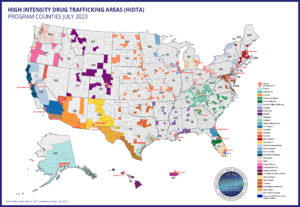
A national youth prevention summit organized by the National High-Intensity Drug Trafficking Areas (HIDTA) Program in October highlighted Colorado’s new youth fentanyl prevention campaign, which uses the power of positive social norms to limit pill misuse by adolescents.
The National HIDTA Program, which was created by Congress with the Anti-Drug Abuse Act of 1988, works to disrupt and dismantle the market for illegal drugs in the United States. ADAPT serves the unique needs of the HIDTA region across the Nation in advancing substance use prevention by providing technical assistance for substance use prevention.
ADAPT organized the 2023 HIDTA Prevention Summit, which addressed complex prevention issues of today with a focus on integrating activities focused on current and emerging substances into a comprehensive strategy. Two important tools were released to support communities in developing a comprehensive community-based prevention plan and sharing substance-related information with youth while preventing unintended harm. More than 1,100 people from across the nation attended.
To inform the campaign, the Colorado Attorney General’s Office turned to ADAPT early on for guidance on the science around effective communication strategies for substance use prevention and that sparked further exploration of the social norms intervention.
Eric Anderson and Brandon Zelasko, principals at SE2, the behavior change marketing agency chosen to create and implement the campaign, described the research that led to the campaign. That included surveys of youth and parents, focus groups and engagement with youth organizations like Rise Above Colorado, which served as a partner in the campaign.
“It started to become clear that fear-based campaigns were not the right approach for our work here in Colorado. Social norming emerged as a promising approach to opioid prevention,” Zelasko said.
The science of social norms shows that humans are influenced by peer norms. While perceived norms are one of the strongest predictors of behavior, youth overestimate how many of their peers use substances, and underestimate how many would act to protect themselves or others.
Colorado surveys of youth supported that. Anderson said: “We found that youth overwhelmingly make healthy choices not just related to pills, but much more broadly in terms of the various choices they make to support their health. But at the same time, and our partner Rise Above Colorado talks about this, they overestimate the percentage of their peers who make unhealthy choices.”
At the same time, Anderson noted, it was clear that the campaign could not perpetuate stigma, which can result in risky behaviors like using substances alone while also creating barriers to treatment. “We do believe that you can reduce stigma and promote social norms by taking a carefully crafted approach and walking the line between those two strategies,” Anderson added.

The campaign also leveraged the proven value of connection – both peer-to-peer and youth-to-parent – as a powerful upstream protective factor.
The result is the Connect Effect campaign (ConnectEffectCO.org). It highlights, among other statistics, that 87% of Colorado teens would act to protect their friends from pills that could contain fentanyl. It also includes facts about fentanyl’s risks, interactive quizzes, tips to promote connection and conversation, and information about naloxone, which can reverse opioid overdoses.
The campaign includes videos promoted on TikTok and Instagram, digital display ads, and collaboration with community organizations to extend its reach through trusted nonprofits.
The Colorado Attorney General’s Office is eager to share the campaign with organizations that want to use the framework in their communities.
Recordings of the full summit, including the presentation on the Colorado campaign and related materials, can be accessed at ADAPT’s website.


How to Prevent Opioid Misuse and Protect Youth on Medication Takeback Day
In the ongoing efforts against opioid misuse, one event supports a comprehensive opioid prevention strategy: the Annual Medication Takeback Day on Oct. 28.
This initiative, which is supported locally through the Colorado Department of Public Health and Environment’s Medication Takeback Program, has emerged as a vital component of a comprehensive strategy to curb the opioid crisis and protect youth from the risks of drug experimentation. 
The Medication Takeback Program is just one of the many opioid prevention initiatives across Colorado that we support. They’re each important pieces of the state’s comprehensive strategy this life-and-death issue demands.
Understanding the Opioid Crisis
Opioids, recklessly marketed by unscrupulous pharmaceutical manufacturers and distributors, have caused a wave of addiction and overdose deaths.
Often, the path to opioid addiction begins with curiosity and experimentation, including among the youth. In fact, our recent research for the Colorado Attorney General’s youth opioid prevention campaign showed that most kids who experiment with pills started by trying pills they found at home in their family’s medicine cabinets. The consequences can be devastating and long-lasting, making it essential to prevent such experimentation from happening in the first place.
The Power of Medication Takeback Day
The Annual Medication Takeback Day is a nationwide effort that encourages everyone to return their unused or expired prescription medications to designated drop-off locations. The significance of this event lies in its multifaceted approach to tackling the opioid crisis and safeguarding youth.
Medication Takeback Day underscores the belief that every pill counts. A single unused prescription pill can save lives by preventing youth experimentation and furthering the fight against opioid misuse. Moreover, it highlights the power of community action in solving complex societal problems.
As we come together for the Annual Medication Takeback Day, we take a collective step towards protecting our youth, reducing the availability of opioids, and preventing the often tragic consequences of addiction.
Take Action
Many Colorado communities will host events for National Prescription Drug Take Back Day from 10 a.m. to 2 p.m. A list of drop-off locations is available at the National Prescription Drug Take Back Day website.
By safely disposing of unused medications, we contribute to the health and well-being of our communities, ensuring that curiosity doesn’t lead kids down a dangerous path. It’s an important initiative that holds the promise of a safer, healthier future for all.

Turning Screens, Stages, and Stories into Youth Vaping Prevention Power
Challenge:
Teens in our state are vaping nicotine at twice the national average – the highest of all 37 states surveyed by the U.S. Centers for Disease Control and Prevention. While only 7 percent of high school students currently smoke cigarettes, one in four Colorado adolescents vapes nicotine – sometimes known as JUULing.
Then-Gov. John Hickenlooper of Colorado energetically engaged in the issue, eager to shed the state’s dubious distinction and protect the health of kids.
It was a disturbingly familiar story – an industry addicts youth through marketing tricks to hook the next generation of customers. It was time to amplify the voices of youth who refuse to be manipulated by these “vape tricks.”
Approach:
SE2 conceived of an event that would do more than fill an auditorium for a single day. It would give teens a visible platform to speak out — and generate immediate statewide attention around youth vaping.
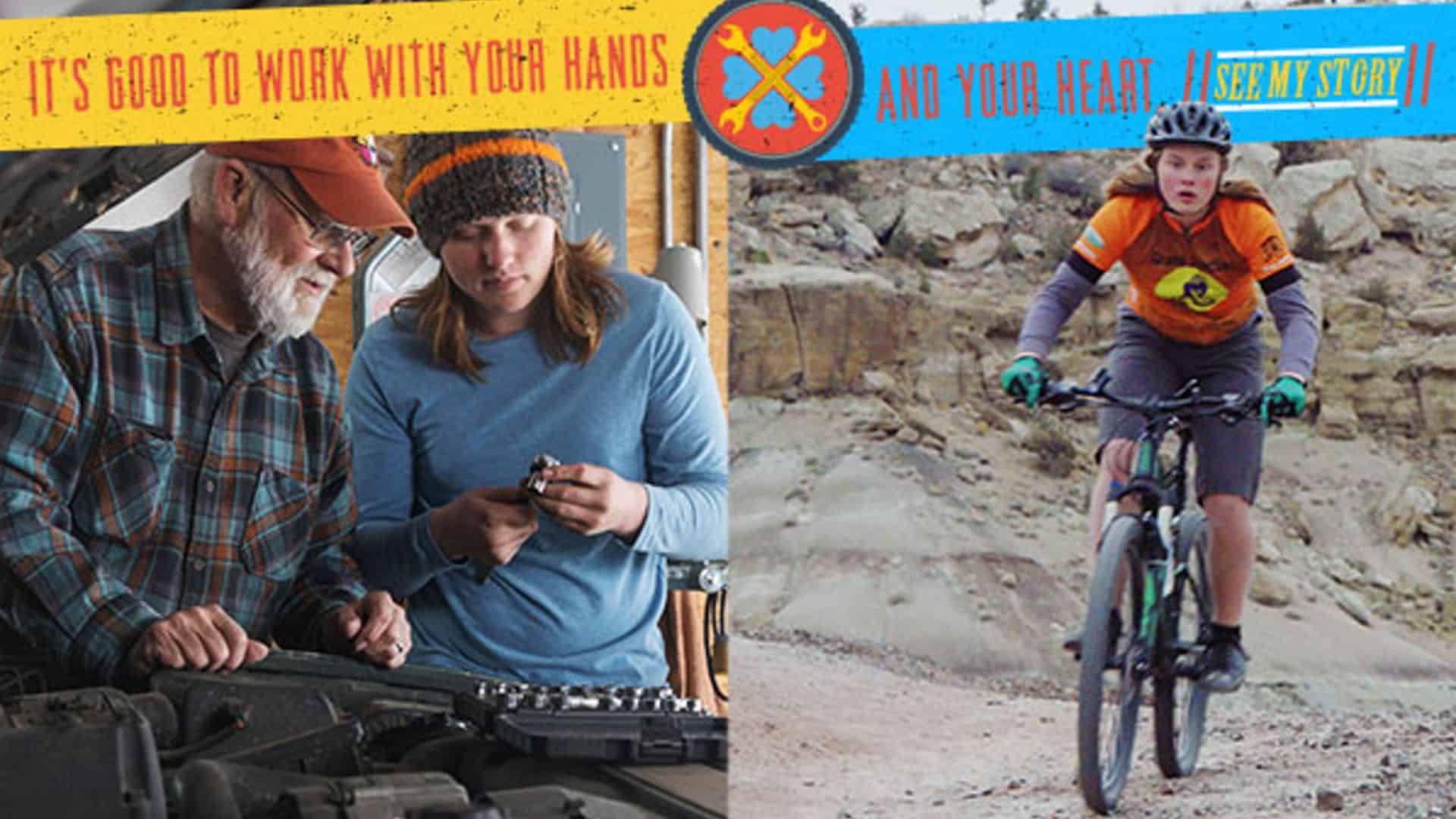
Imagine 250 freshmen packed into the auditorium at Denver South High School, energized by performances from the drum line, cheerleaders, and dance team. More than 50 handmade posters dotted the crowd — #NoMoreVapeTricks, No Pods for My Squad, Don’t Cloud My Future. Former Gov. Hickenlooper joined student leaders at the podium, speaking not only to the teens in the room but to a throng of reporters and cameras capturing the moment.
The rally created strong earned media coverage and positioned youth as credible, authentic messengers in the prevention conversation.
At the same time, SE2 advanced a complementary multimedia prevention strategy designed to reach young people and the adults in their lives wherever they were — in schools, online, and in their communities.
Video storytelling played a central role. Separate from the event, SE2 developed compelling video content that elevated youth perspectives, addressed common myths about vaping, and modeled refusal and resilience. These videos were deployed across social media platforms and digital channels to sustain awareness and reinforce prevention norms beyond a single moment in time.
School-based advertising extended the message directly into student environments, placing prevention messaging in hallways and shared spaces where it could influence daily decision-making. Meanwhile, a customizable toolkit equipped local partners with ready-to-use materials — social posts, graphics, messaging guidance, and outreach assets — enabling consistent messaging across communities statewide.
Together, the live event and the broader multimedia campaign created layered reinforcement. The rally generated visibility and urgency. The videos, social media, school placements, and partner toolkit sustained reach and deepened engagement. By combining youth-led visibility with strategic media execution, SE2 helped ensure vape prevention messaging was not confined to one stage or one day — but echoed across platforms and throughout Colorado communities.


The Impact
Youth vaping in Colorado has declined sharply since its peak in the late 2010s. After reaching a statewide high of roughly 27 % of high school students reporting current vaping in 2019 — when Colorado led the nation in youth e-cigarette use — that rate dropped to about 16 % by 2021 and further to around 9 % by 2023–24.
While multiple factors contributed to this decline — including policy changes, pandemic disruptions, and broader public health action — targeted prevention work has played a role in shaping perceptions and norms. Efforts like statewide multimedia campaigns, youth-led events, and adult education helped reinforce the risks of vaping, correct misperceptions, and amplify protective messages in schools and communities. These activities, especially when paired with data-driven messaging and trusted voices, aligned with decreasing prevalence and contributed to a sustained downward trend in youth vaping.