
Building Trust in the Covid-19 Vaccine Among People of Color
This article was originally published on Route Fifty, a national publication that connects state and local government leaders
The darkest days of the pandemic are hopefully behind us now that coronavirus vaccines are being distributed to millions of Americans. The long-awaited promise of protection provides much-needed hope to an exhausted public.
But we’re not yet at the finish line. While state and local governments are working to combat distrust in vaccines through education campaigns, not all concerns can be easily addressed, particularly among communities of color.
Unfortunately, decades of skepticism—largely the result of a long history of racist policies—have made people of color less likely to obtain the Covid-19 vaccine. For example, the Pew Research Center found that while 61% of white survey respondents would “definitely or probably” get vaccinated, only 42% of African Americans would.
That apprehension is understandable given the many examples of past medical abuses perpetrated against people of color. The most well-known example is the Tuskegee experiment, where for 40 years Black men were lied to about receiving medical care for syphilis while in fact, they were being observed to document the effects of the disease when left untreated. Less well-known is the story of medical abuses against Native Americans, including the sterilizations of Native women without their consent. More recently, Latina immigrants have reported medical abuse while in custody of the U.S. Immigration and Customs Enforcement.
After violations like these, rebuilding trust takes a lot of work. And accepting any vaccine requires trust from the recipient. That’s why state and local governments need to focus a large share of their efforts on communicating with people of color.
Three Golden Rules
When it comes to public health campaigns, it’s important to identify best practices and replicate them. Creativity is always important to making marketing campaigns stand out, but creativity has to build on a foundation of proven strategies. Being creative just for the sake of being different isn’t a formula for success. The primary focus should be on connecting with audiences in a relevant and impactful way that acknowledges language and cultural differences and respects the lived experiences of the people we’re trying to reach.
While campaigns must reflect the unique traits of the communities they serve, they also can tap into these best practices that hold true across communities:
1. Pass the mic. Give the platform to people of color to speak and connect directly to their communities. Health care providers of color can be especially trustworthy and influential, but the more people, the better. Public health and health care organizations have also highlighted people of color who are stepping up to say they’re getting the vaccine and recommending that others do as well. This sends a powerful message.
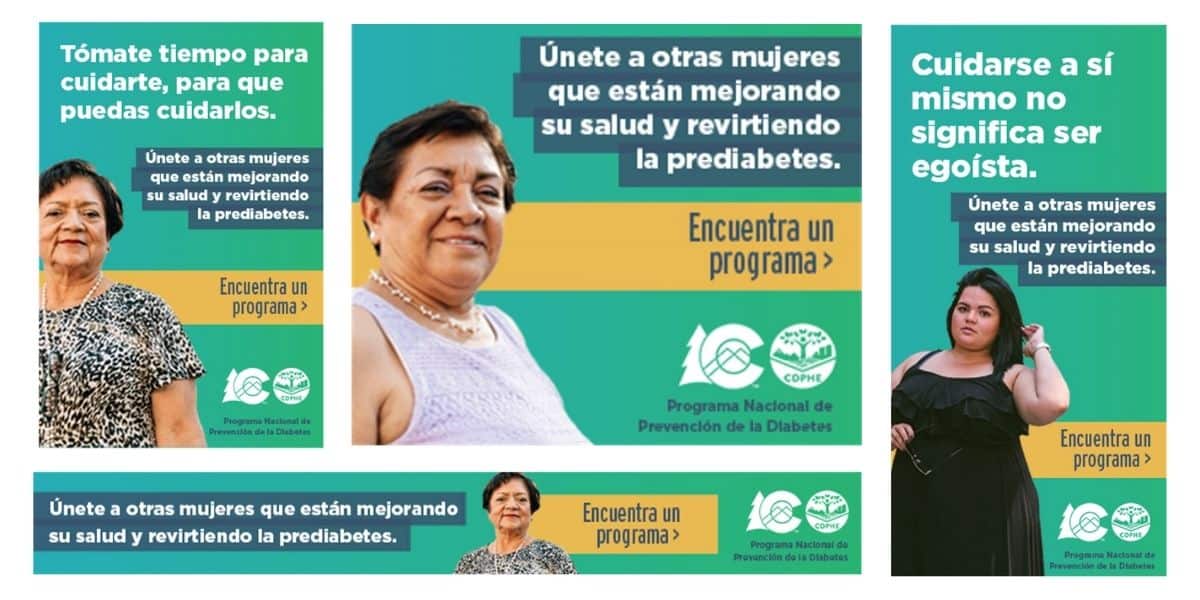
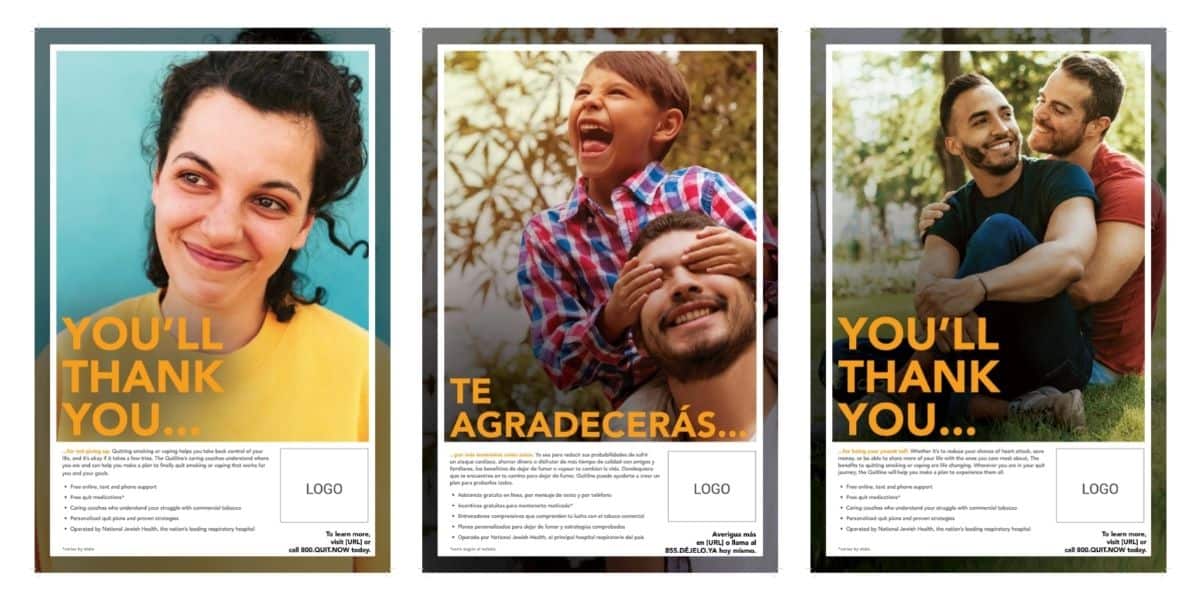
The Colorado Department of Public Health and Environment is conducting a Covid-19 vaccine campaign that highlights health care providers of color discussing why they got the vaccine and how it can help the state move closer to recovery. Similar initiatives around the country are leveraging similar strategies.
Dr. Anthony Fauci, director of the National Institute of Allergy and Infectious Diseases and chief medical advisor to President Joe Biden, has highlighted the key role that Dr. Kizzmekia Corbett, a Black scientist, played in the development of one of the Covid-19 vaccines. Showcasing her valuable work in the National Institutes of Health’s efforts with pharmaceutical company Moderna can help alleviate the trepidation and hesitancy that many African Americans feel around getting vaccinated.
2. Acknowledge the elephant in the room. There’s no way to run from the uncomfortable truths of the past, so it’s better for state and local governments to recognize the roots of distrust among people of color and address their concerns directly. This is something the first American vaccine recipient, Sandra Lindsay, a Black nurse and the director of critical care nursing at the Long Island Jewish Medical Center, did when she explained she volunteered to “inspire people who look like me, who are skeptical in general about taking vaccines.”
3. Educate and collaborate. It’s critical to provide updated information and to make it accessible to your audience. That includes monitoring media coverage and social media for misinformation and addressing frequently mentioned issues head-on.
Accessibility also requires you to consider the mediums for outreach—for example, text messaging to reach adults in low socioeconomic conditions and call lines for seniors who may prefer talking to a live person about their questions and concerns.
Grassroots efforts to ensure vaccine access to people of color have sprung up in communities across the nation. Because many minority populations are at an elevated risk of contracting and dying from the coronavirus, partnering with the diverse nonprofits in disproportionately affected neighborhoods can help state and local governments learn the complexities around vaccination distrust and help heal old wounds. Organizations representing people of color should lead these efforts.
There is still a lot of work to be done regarding the Covid-19 vaccination, its distribution and its public perception—particularly in communities of color. Like all effective communications, success starts and ends with trust.


Lessons for Today from the Colorado Resiliency Framework
After the tragic and disruptive 2012 wildfires and 2013 floods, the State of Colorado recognized the need to be more proactive in preparing for unprecedented events.
Enter the Colorado Resiliency Framework
In response, it established the Colorado Resiliency Office and released Colorado’s Resiliency Framework in 2015 — the first of its kind in the nation.
The Framework helps the state to uncover issues, improve conditions and better protect against future events and vulnerabilities. And while the Framework arose from the need to tackle many of the climate-related struggles that lie ahead, insights and lessons are applicable to the other challenges we face as a state — like a pandemic.
Key areas of focus in the 2015 Framework include:
- Maintaining Colorado’s economic success, supporting the workforce, and increasing the ability of the state and local economies to rebound from immediate stress or shock.
- Addressing the health and well-being of all community members.
- Supporting housing supply and stability.
- Supporting infrastructure maintenance and improvements.
With a 2020 update, the Colorado Resiliency Framework has evolved to include addressing social inequities and unique community needs, and pursuing economic diversity and vibrancy.

Using the Framework to Guide our Recovery
Together, the key sectors and themes highlight the interconnectedness of the challenges we face. The framework makes it clear that to solve these problems and become more resilient as a state, we must work across sectors, industries and communities.
Collaboration is in Colorado’s DNA. It helped us get to the thriving Colorado that worked for some people pre-pandemic, and it will get us back to a thriving Colorado that works for all people post-pandemic.
As we think of life beyond the pandemic, the Framework — and its collaborative and interconnected way of thinking — reminds us that nonprofit, business, and public entities all have a role to play.
And the new federal stimulus package, set to deliver billions of dollars to Colorado, provides the resources to help make that happen.
Strategies may include:
- Cross-sector and/or public-private collaborations that work at the intersection of these complex issues.
- Promoting programs that suffered during the pandemic to protect and support Colorado’s most vulnerable populations.
- Engaging all Colorado communities to understand their needs so that we can support resiliency within all populations.
- Creating innovative and inclusive approaches to encourage continued improvement and advancement of Colorado communities.
To move Colorado forward to a more resilient tomorrow, we must remember that we can only get there together. An opportunity exists for us to collaborate and cultivate new strategies. Let’s continue to work together, find new ways to support Coloradans, and make positive change within our communities.
Read the full 2020 Colorado Resiliency Framework.