
Communications Lessons from 2024 and a Vision for 2025
As 2024 draws to a close, the marketing and communications world finds itself in a fascinating moment of transition. This year brought rapid technological advancements, shifting audience expectations, and putting an even greater demand for authenticity in a crowded media landscape.
At SE2, we’ve been navigating the challenges and opportunities that defined 2024 and exploring the trends that will shape the future.
2024: A Crisis in Confidence for Communicators
The most important shift in 2024 wasn’t just a new platform or technology—it was a change in audience expectations. “Audiences became increasingly skeptical and selective, seeking messages that resonate with their values,” said RJ Johnson, SE2’s content producer. With shrinking attention spans and heightened skepticism of traditional marketing tactics, authenticity emerged as a vital currency for building trust.
Video formats—especially short-form—cemented their dominance. As Public Relations and Community Outreach Specialist Elizabet Garcia noted, “Instagram and TikTok amplified the power of short videos. They’re the perfect length to deliver big messages without losing focus.”
At the same time, alternative channels like podcasts gained momentum, with political figures and brands alike exploring new ways to connect directly with these audiences.
AI wasn’t just a buzzword—it became a tool. “AI isn’t the enemy or the savior,” said Principal Eric Anderson. “It allows us to automate mundane tasks and elevate our focus on things only humans can do.”
Principal Susan Morrisey observed that AI matured from a novelty to a practical resource, reshaping workflows without replacing the core of good communication: human creativity.
2025: Authenticity Takes Center Stage
Looking ahead, authenticity will remain the bedrock of effective communication. “Audiences crave narratives grounded in genuine experiences—not polished campaigns,” shared RJ Johnson.
Real stories rooted in shared values will cut through the noise, fostering trust in a divided and cluttered media landscape.
AI will continue to grow in prominence, but its role will evolve. “People are becoming more attuned to recognizing how AI is used,” observed Mikhail Talley, associate. “They’ll place greater value on what AI can’t replicate: authentic human emotion.”
To stand out, brands must pair AI-driven efficiency with deeply human storytelling.
At the same time, face-to-face connections will reclaim importance. “In-person interactions build trust in ways AI and digital tools cannot,” said Eric Anderson. This trend highlights the need for human-centered strategies that go beyond screens, from meaningful community engagement to real-world collaborations.
And as misinformation and disinformation loom large, regulator shifts could redefine the boundaries of communication. “Emerging regulations like COPPA 2.0 could drastically impact how advertisers engage with young people,” said Jack Cohen, associate. COPPA 2.0 refers to proposed updates to the Children’s Online Privacy Protection Act (COPPA) aimed at strengthening online privacy protections for children, addressing emerging technologies, and expanding regulations to better safeguard minors’ data in the digital age.
Navigating these changes will require agility and a deep understanding of evolving platforms.
Bridge 2024 to 2025 and Beyond
The world of communications never stops evolving, and 2024 underscored the importance of adaptability. As we look to 2025, our focus remains on fostering connections, telling real stories, and meeting audiences where they are—whether through AI-enhanced strategies, video platforms, or in-person interactions.
At SE2, we’re committed to navigating the challenges ahead with creativity, resilience, and an unwavering dedication to the communities we serve. As Mikhail Talley summed up, “In an increasingly divided world, the most important thing is to focus on the common values that connect us all.”


Power Your Creativity: 4 Resources Every Designer Should Know and 1 Bonus Tip
Every designer has go-to resources that spark creativity and help bring ideas to life. For me, SE2’s graphic designer, the key is balancing discovery with the right digital tools. Browsing top rebrands, unique color combinations, and storytelling campaigns sharpens my design eye and keeps me inspired.
Here’s a look at my creative toolkit:
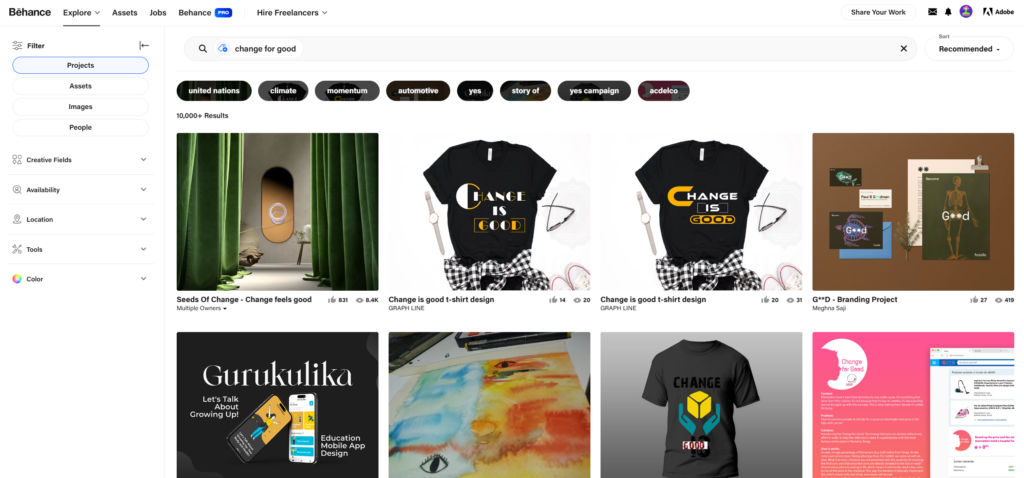 1. Behance
Behance showcases design solutions from freelancers and agencies worldwide. It’s my first stop for inspiration—whether I’m seeking visuals or practical resources like free mockups and fonts. It’s a global gallery of creativity.
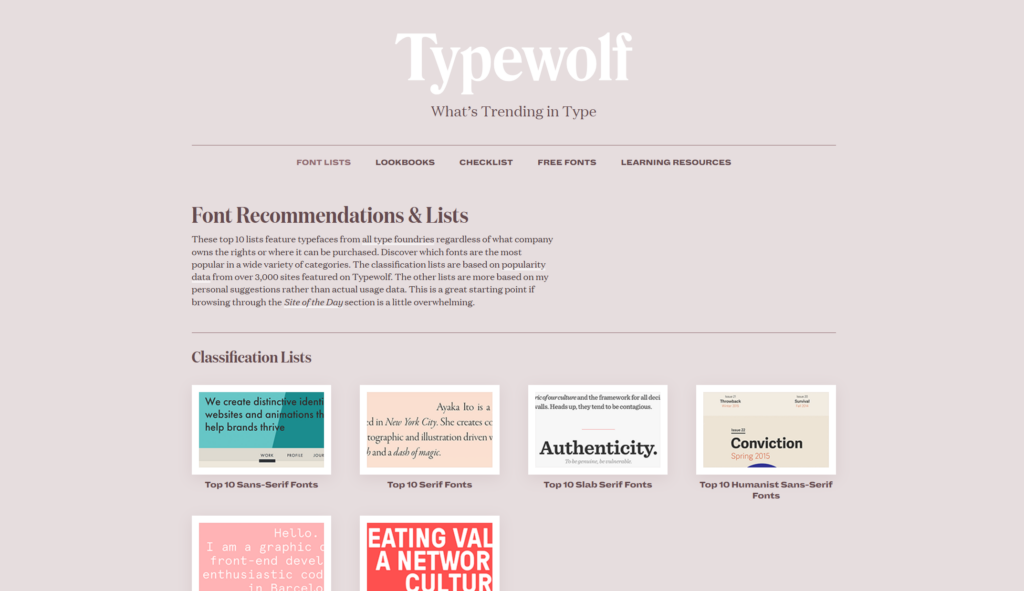 2. TypeWolf
When selecting fonts, TypeWolf helps me find the perfect type pairing. From classic choices to the latest in typography, it offers examples that capture the character and tone of any project.
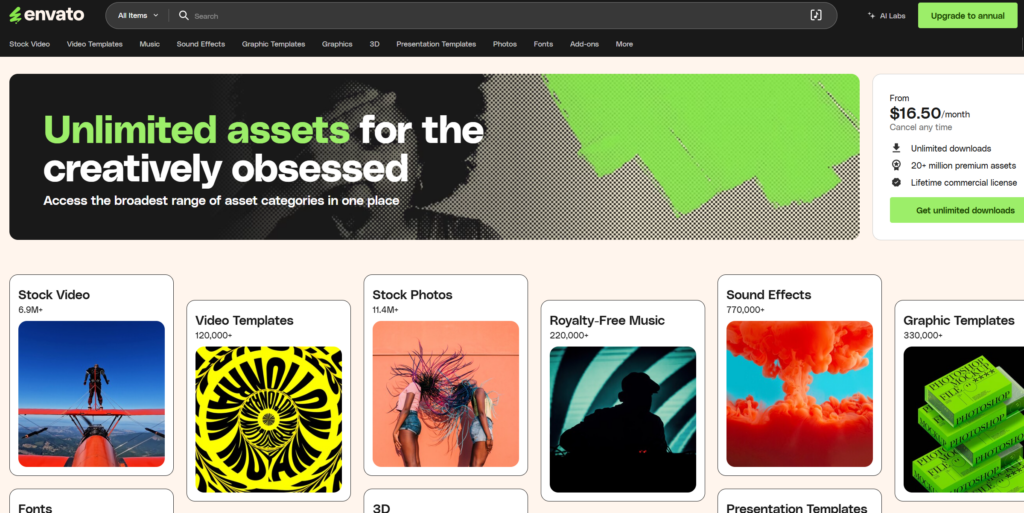 3. Envato Elements
Envato Elements provides everything from illustrations to high-quality stock photos. Our SE2 subscription covers a huge range of licensed materials, making it easy to find what I need to bring a concept to life.
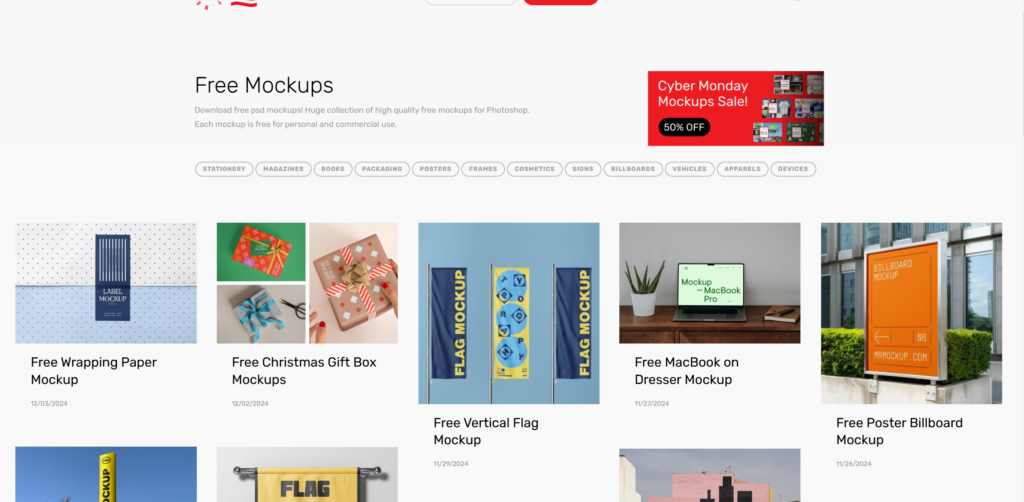 4. Mr. Mockup
Mockups help present designs in real-world settings. Mr. Mockup offers a variety of templates that give clients a vivid preview of the final result, enhancing their connection to the project.
Connect with Other Creatives
In-person events, like those by Creative Mornings, create opportunities to meet other creatives, exchange ideas, and discover even more resources.
These tools keep my work sharp and inspired. They make the creative process more dynamic and connect me to a community of designers who enrich my work every day. Whether through digital platforms or in-person networking, staying inspired is all about finding—and sharing—the right resources.


PowerMapping: Why We Must Double Down on Human Interaction in the AI Age
In recent years, the landscape of communication has undergone a seismic shift, driven by the rise of artificial intelligence (AI) and a notable decline in trust towards legacy news media. As AI technologies become increasingly capable of generating content, the implications for communications professionals are profound and multifaceted.
The Rise of AI in Content Creation
AI has transformed how we produce and consume information. Tools like natural language processing and machine learning enable AI to create articles, reports, and even creative writing with remarkable efficiency and accuracy. This democratization of content creation means that anyone with access to AI can generate high-quality material, blurring the lines between professional journalism and amateur content.
Benefits of AI in Communication
Speed and Efficiency: AI can analyze vast amounts of data and produce content in seconds, allowing for real-time reporting and updates.
Personalization: AI algorithms can tailor content to individual preferences, enhancing user engagement and satisfaction.
Cost-Effectiveness: Organizations can reduce costs associated with content production, reallocating resources to other critical areas.
However, this rapid advancement also raises concerns about quality, authenticity, and the potential for misinformation.
Declining Trust in Legacy Media
As AI-generated content becomes more prevalent, trust in traditional news outlets has waned. Factors contributing to this decline include:
Perceived Bias: Many consumers believe that legacy media outlets have inherent biases, leading to skepticism about their reporting.
Misinformation: The rise of fake news and sensationalism has eroded public confidence in the accuracy of information disseminated by established media.
Alternative Sources: Social media and independent platforms provide alternative narratives, often bypassing traditional gatekeepers and allowing for a wider range of voices.
The above distillation of the challenges facing communicators in today’s rapidly evolving landscape was written in seconds by the free-to-use Microsoft Copilot based on my one-paragraph prompt. I didn’t make a single edit. (It went on, but you get the idea.)
Besides hitting the mark, this AI-generated copy highlights that the talented people at our communications and marketing agency shouldn’t be spending our time creating things that AI can do nearly as well and much, much faster.
Our clients will soon have the keys to the car. They won’t need us to drive them anymore.
Sure, humans will still be needed to proof content, check for accuracy, ensure it’s on message, and refine it (at least the AI prompts, if not the output).
When it comes to creativity, AI is not ready for prime time – as this year’s cringey AI-produced Coke Christmas ad showed – and it’s been shown perpetuate racist stereotypes and bias.
But it’s going to get better and take over more and more roles that once required the human touch.
How can communications and marketing professionals avoid becoming this century’s version of the Luddites, the 19th century textile workers who smashed the mechanized looming frames they knew would make their skills obsolete?
This raises two questions:
- What valuable communications and marketing tasks can AI not do today – or ever?
- What strategies will cut through the fast-rising flood of unreliable, inaccurate content that’s drowning audiences in a sea of junk?
The answer to both questions is the same, and surprisingly simple. We must focus more on what humans have been doing since the dawn of time: communicate in person.
People crave connections and trust, especially in a world where digital interactions are increasingly mediated by algorithms and bots. The election highlighted that the “broadcast” model is dying as people increasingly rely on friends and families for trusted info on pressing issues.
AI can only fake empathy. AI can’t sit across from someone and react naturally and with genuine understanding and concern.
By focusing on human-centered strategies, we can cultivate meaningful relationships with audiences, understanding their unique needs, values, and aspirations by actually getting to know them.
Long before digital networks, societies were built with people networks. People naturally come together and organize to bring solutions to societies’ biggest challenges.
Established relationships and trust power human networks, with influential people or organizations serving as the connectors.
Our community engagement initiatives allow us to tap into the collective wisdom and spirit of the communities we serve, creating campaigns that resonate on a deeper, more personal level, and leverage these organic networks to authentically reach our key audiences where they are.
The trust and loyalty we build through genuine human interactions are irreplaceable and invaluable.
The phone call, the meeting over coffee, the community meeting. Inefficient? Yes. Irreplaceable? Absolutely.
Mapping out how communities are connected, identifying the trusted messengers, authentically energizing these networks, and co-creating solutions with them provides the playbook for creating sustainable behavior and systems change.
Communications 3.0 is really a return to communications 1.0, minus the fax machine.
Relationships are key and they’re developed the old-fashioned way: meaningful connections built on trust, reputation and expertise. In other words, there are no short cuts.
Pick up the phone. Get out of the office. Replace that video conference with an in-person discussion.
That’s the guiding philosophy of SE2 PowerMap™ . We activate community networks to tackle urgent public challenges. Our strength is our relationships with diverse community connectors. We build those, nurture them, and map them. We are partners, united in our belief of people-powered solutions are the future, not AI.
When these people share their insights, credibility and trust, we can achieve the extraordinary.


Leadership in Action: Alvina Vasquez on Political Engagement and Networking
SE2’s newest Principal, Alvina Vasquez brings a wealth of experience and passion for community outreach. She reflects on her journey of professional growth, shares advice on how to make a meaningful impact in today’s political climate, and offers insights on building a strong, supportive network. Whether you’re looking to engage with your community or elevate your career, Alvina’s perspective offers real, actionable advice to help you succeed.
Q: Since joining SE2, what ways have you felt challenged/grown in?
A: I didn’t invent community outreach, but I’ve dedicated my career to professionalizing it. This approach is new to many, and one of the biggest opportunities I’ve encountered is inspiring others to see its significance. It’s immensely rewarding to communicate the importance of building strong relationships and to demonstrate how our efforts create positive, lasting impacts in our communities.
Q: In our current political climate, what advice do you have for folks to get involved and make a difference, outside of just voting? How can people get together? Especially post-election?
A: The easiest way to get started in working in and advancing political messages is meeting people where they are at, listening to their pain points and finding common ground. Hosting themed gatherings to bring awareness to issues that matter is a great way to help. Also not just voting but telling people that you are voting. Social pressure is a great tool to make others make time to vote. Colorado has the safest and most accessible voting process in the country, help a friend out on how to get registered and how to vote.
Q: What’s your advice for building up your network and connections?
A: My advice for building a network is to meet in person, make yourself valuable to others by asking them how you can help them succeed, and do it if it’s within your skill set. We are all trying our best to do our best work, and if you can help others feel good about themselves and the work that they do, your network will grow, and you will also be trusted and sought out.