
Translating Health Jargon Makes Coverage More Accessible
The Challenge
Health insurance is notoriously complex, filled with industry jargon and dense explanations. Many people struggle to understand their options, which can lead to confusion, missed benefits, or even going without necessary coverage.
Collaborating with the Colorado Department of Regulatory Agencies’ Division of Insurance, we created a series of explainer videos in English and Spanish that simplify numerous state health benefit programs, making them more accessible and user-friendly.
Our Approach
We knew that clarity was key. To ensure our videos resonated, we took a strategic approach to language, stripping away complicated terms and replacing them with everyday words. We focused on real-world scenarios to illustrate key concepts, helping people see how coverage decisions impact their lives.
Visual storytelling played a crucial role, with engaging animations and clear step-by-step breakdowns that guide viewers through essential information.

The Impact
By simplifying language and presenting information in a digestible format, our explainer videos are empowering individuals to make more informed health care choices. Viewers reported feeling more confident in understanding their options and taking the next steps in their coverage decisions.
The team at the Division of Insurance reports that the video series has been wildly popular and very useful in helping educate Coloradans about available health insurance options.
The Division’s Assistant Commissioner for Communications and Outreach says: “Working with SE2 was a fantastic experience. The team knows video making. And not just the technical components of putting it together, but they understand the importance of working with the client to grasp the key messages and develop those into easy-to-understand images and words (both text and audio). The team is willing to take the time to work through drafts, edits and reviews to get things right. And, in the end, matching their understanding of communicating with their technical knowledge produces a beautiful result.”


Turning Trusted Voices into Lifesaving Connections
The Challenge
Mental health services remain underutilized in many communities due to barriers such as stigma, lack of awareness, language access, and mistrust in traditional health systems. Historically, communities of color, rural populations, and other groups have faced unique obstacles in accessing crisis support.
To ensure all Coloradans knew about and trusted the new 988 Mental Health Line, Colorado’s Behavioral Health Administration needed a strategic approach tailored to the needs of diverse communities.
Our Approach
Rather than relying solely on traditional public awareness channels, we worked closely with trusted messengers—community leaders, local organizations, and grassroots advocates—to share information about 988 in ways that resonated with their communities.
This strategy helped address key barriers by:
- Reducing Stigma: Encouraging open conversations about mental health within communities where seeking help might be seen as a sign of weakness.
- Building Trust: Leveraging the credibility of local leaders and organizations to deliver information in culturally relevant ways.
- Improving Accessibility: Providing multilingual materials and outreach efforts to ensure that language was not a barrier to accessing 988.
- Clarifying Misconceptions: Addressing fears about law enforcement involvement and emphasizing the confidential and supportive nature of the service.
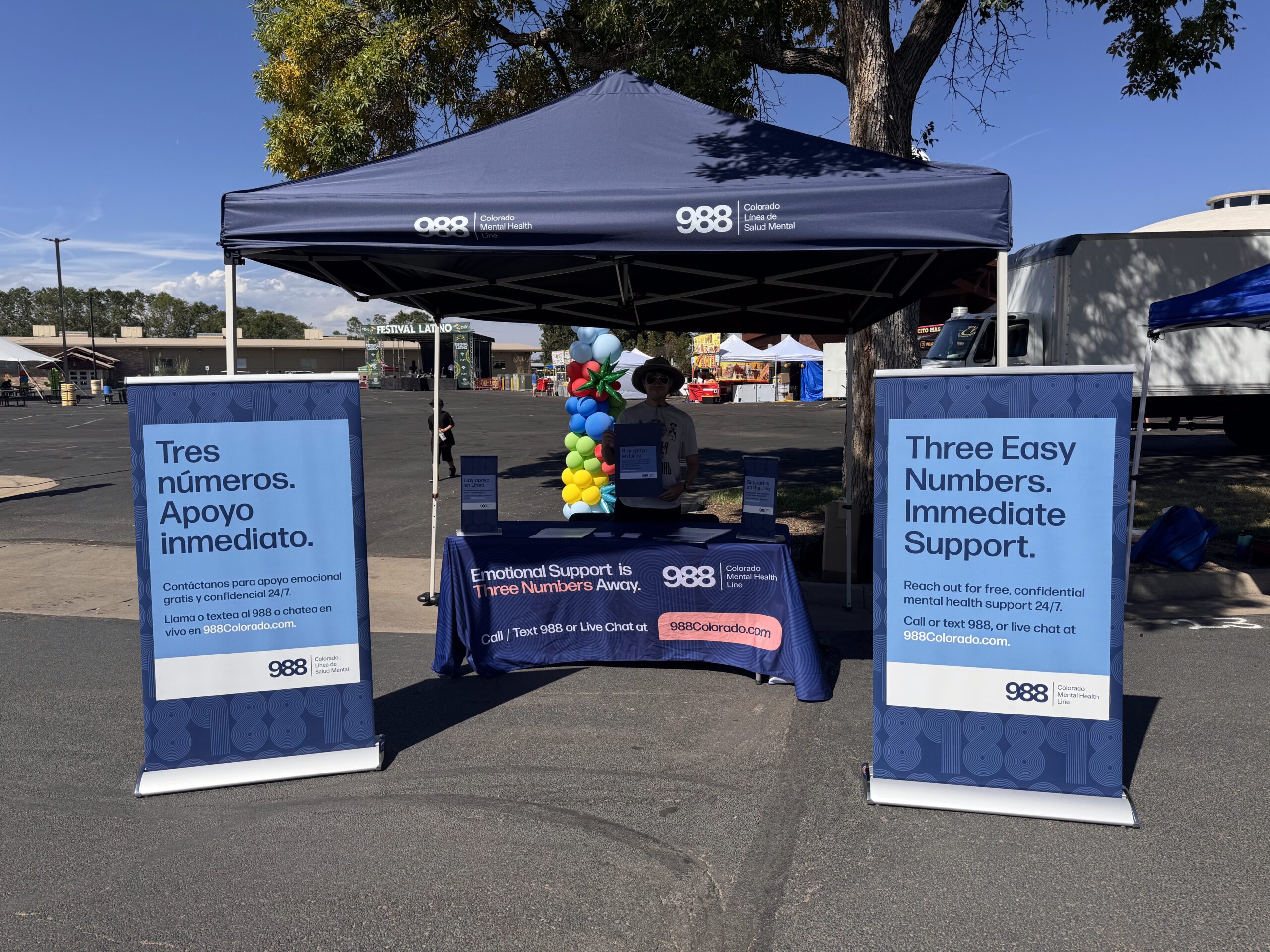
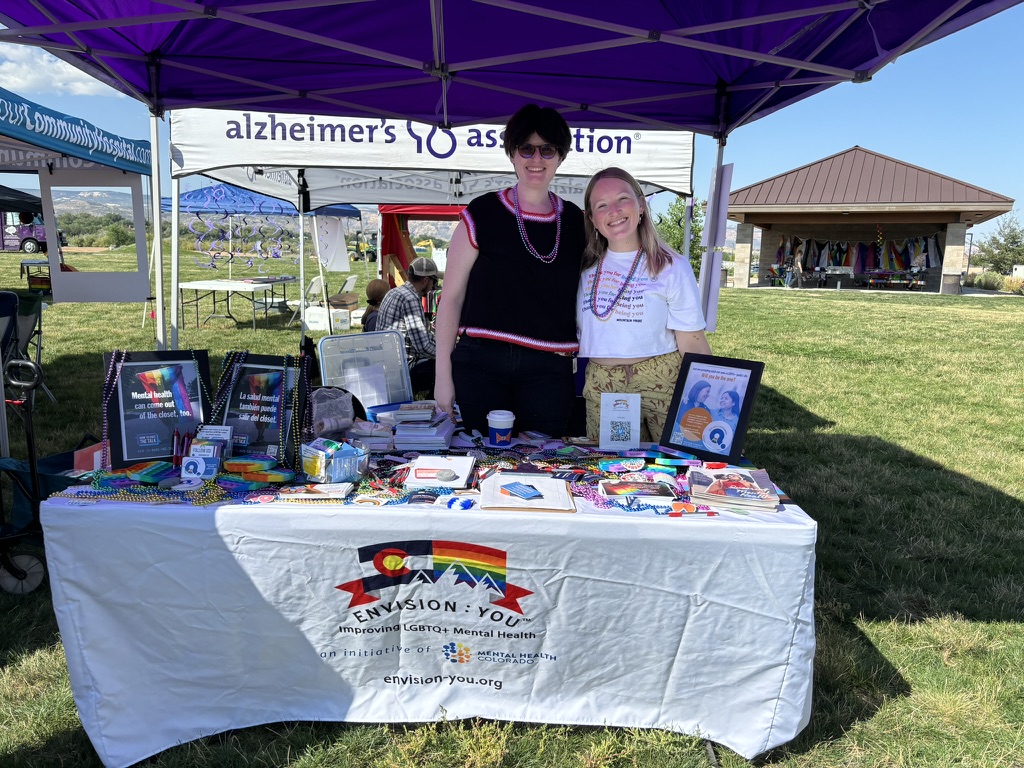
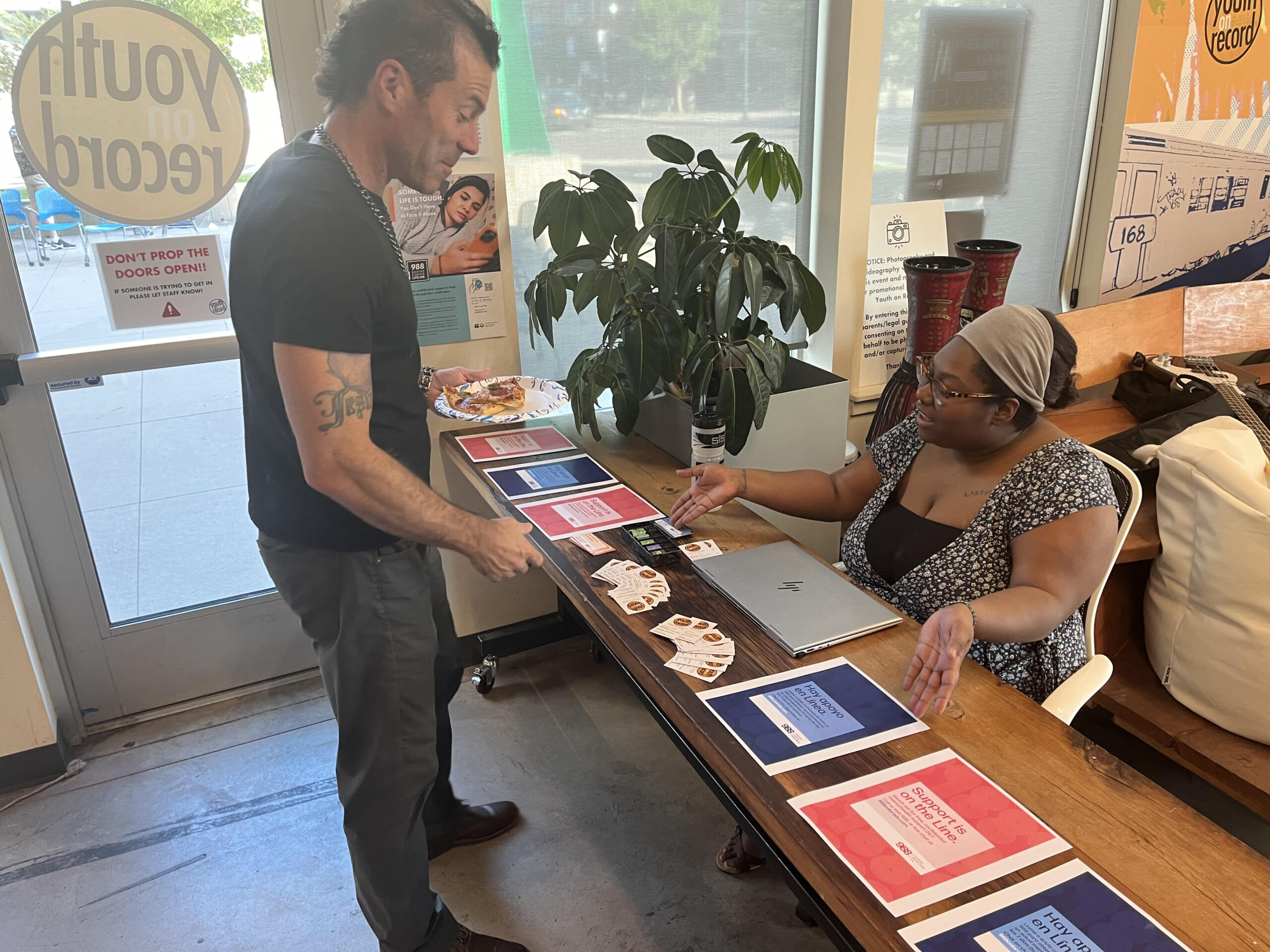
Using our SE2 PowerMap™ approach, we engaged 43 partners across the state to raise awareness of 988 through digital media and over 172 local events.

The Impact
By meeting people where they are and using voices they trust, the campaign has successfully expanded access to mental health support, particularly among communities that have historically underutilized these services.
Through our statewide network we had meaningful conversations with over 32,000 Coloradans and reached another 70,000 individuals through online platforms, leading to significant, positive changes in awareness and perceptions about 988.
The strategy was so effective that SE2 has been engaged to continue and expand this work in 2025 and beyond.

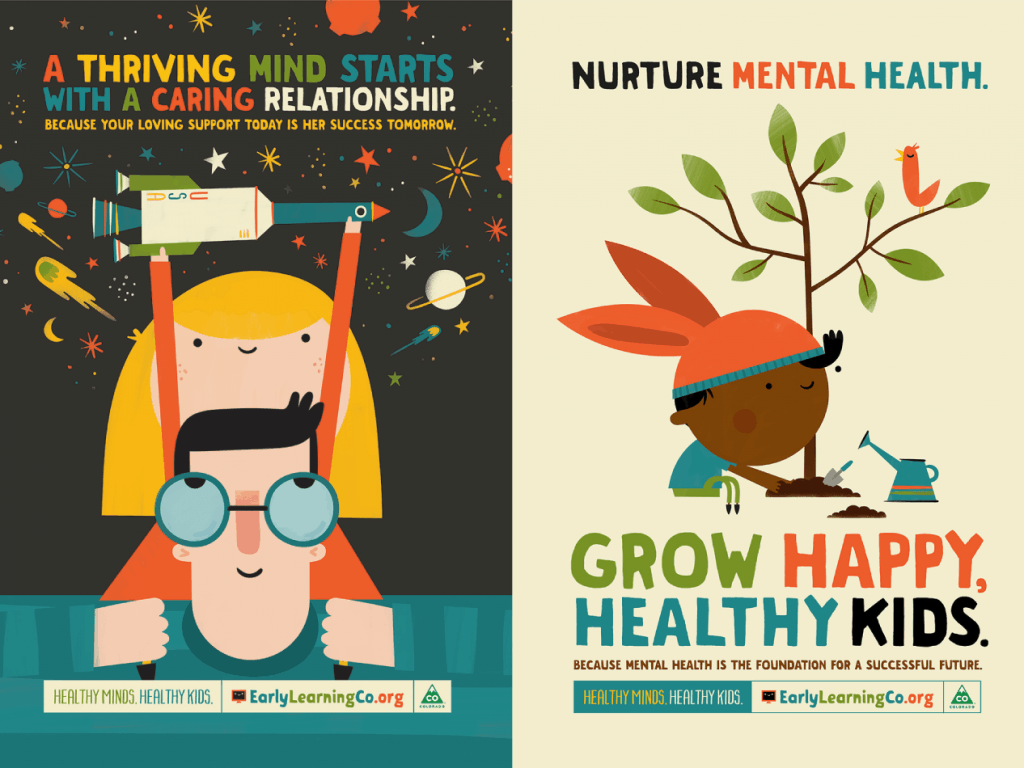
Building Youth Connection to Prevent Opioid Misuse
The Challenge
In Colorado, the rise of fentanyl-laced counterfeit pills poses a significant threat to public health, especially among teenagers. Even though most Colorado teens are not misusing prescription pills, misconceptions persist, and the danger of accidental exposure remains high.
Addressing these issues requires a strategy that not only educates but also leverages the positive behaviors and intentions already present among youth.
Our Approach
The Colorado Department of Law’s Opioid Response Unit engaged SE2 to develop and launch the Connect Effect campaign to harness the protective power of peer and lore ipsum delore est adult connections and highlight positive social norms.
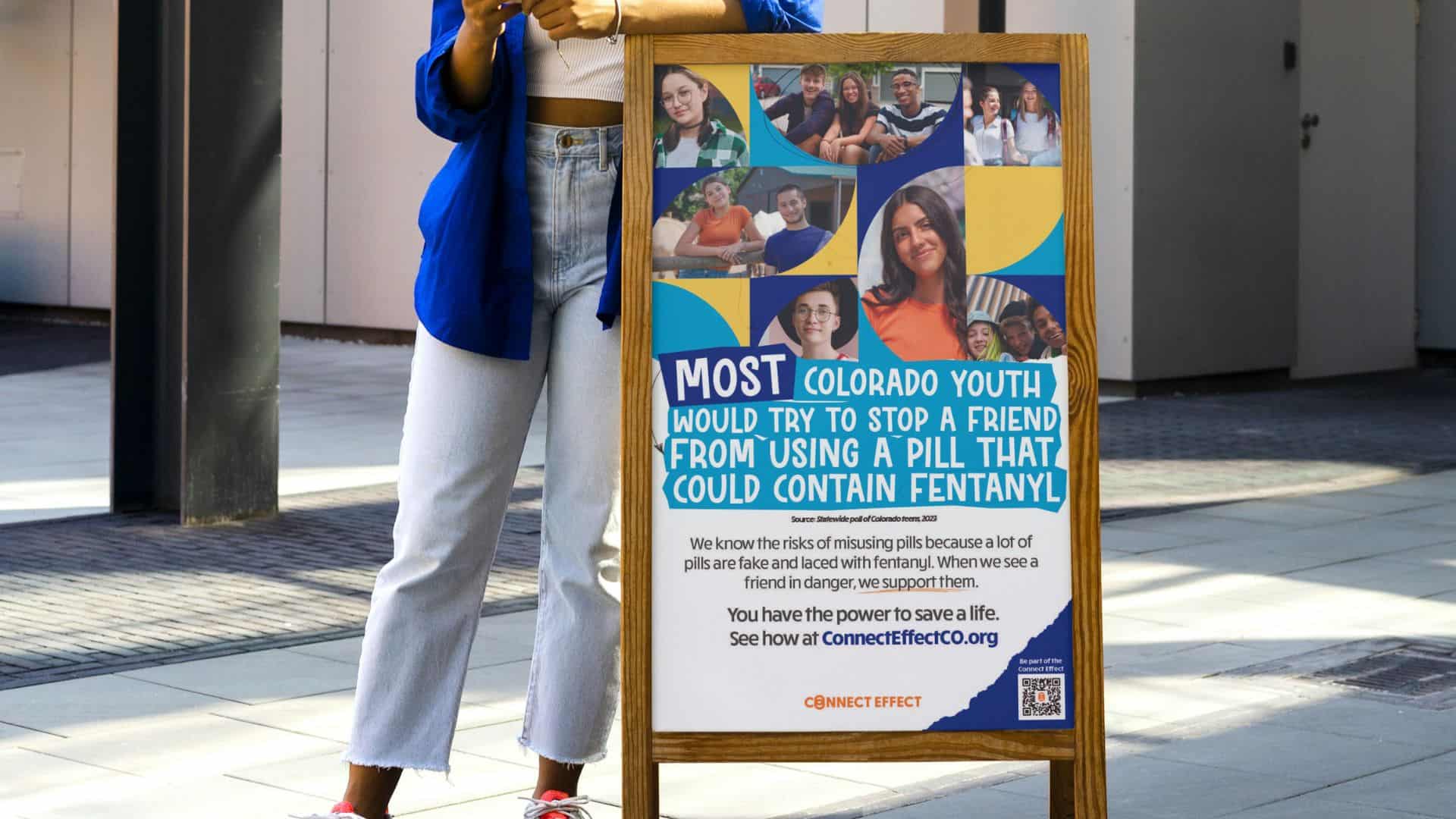
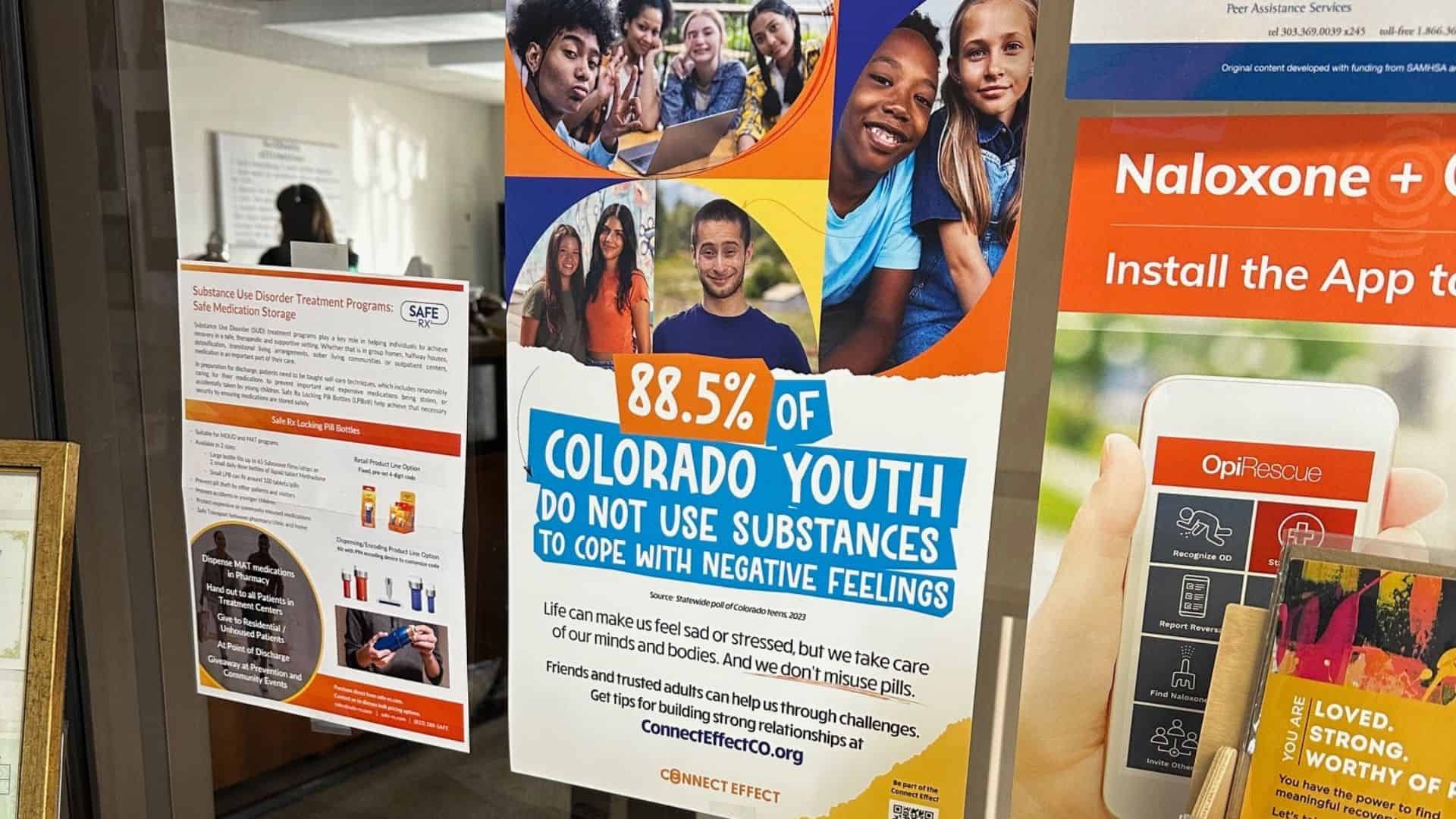
The campaign emphasizes that a vast majority of Colorado teens are making healthy choices and are willing to protect their friends from potential dangers. Key components of the approach include:
- Highlighting Positive Statistics: Promoting data that shows 87% of Colorado teens would intervene to stop a friend from taking a pill not prescribed to them, reinforcing that these protective behaviors are the norm.
- Educational Resources: Providing accessible information about the risks of fentanyl, recognizing signs of an overdose, and the life-saving potential of naloxone (known by the brand name Narcan).
- Facilitating Open Dialogue: Offering guidance for parents and other trusted adults on how to engage in meaningful conversations with teens about substance misuse and peer pressure.
- Multilingual Support: Ensuring parent resources are available in both English and Spanish to reach a broad audience.
A statewide paid media campaign used social, digital, and targeted out-of-home placements in schools and community centers. Using our SE2 PowerMap™ process, we engaged our network of community partners to disseminate campaign messages (e.g., inserting Connect Effect content into their newsletters and social media channels), hanging materials throughout their facilities, and speaking about the campaign in presentations and trainings.


The Impact
Since its inception, the Connect Effect campaign has made significant strides in reshaping perceptions and behaviors:
- Increased Awareness and Engagement: Teens and parents report a heightened understanding of the dangers associated with counterfeit pills and the prevalence of fentanyl. Third-party evaluation showed that in just 12 weeks, nearly three out of five Colorado teens were aware of the campaign. Additionally, the campaign strongly resonated with key audiences, achieving a click-through rate six times higher than industry benchmarks.
- Strengthened Community Bonds: The campaign has fostered stronger connections between youth, their peers, and adults, creating a supportive network that encourages healthy decision making. In addition to activating our network of statewide
- partners, six regions adopted and amplified the campaign in communities across the state.
By equipping individuals with knowledge and resources, the campaign has empowered Coloradans to act confidently in preventing potential overdoses and supporting their communities.

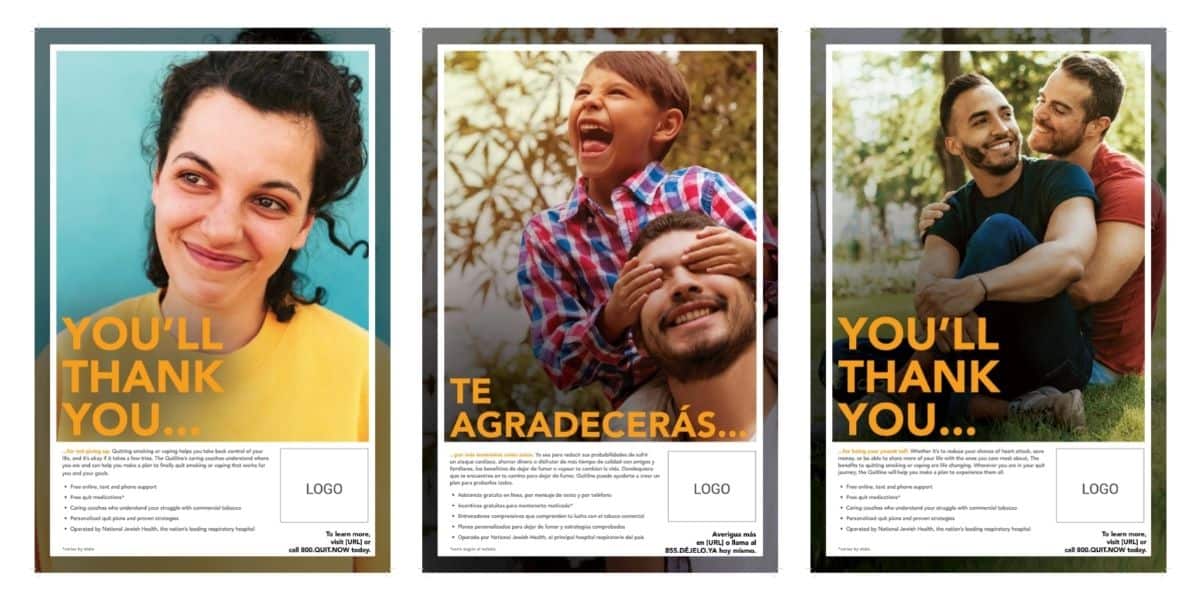
Angel Quit Nicotine and Took Back Control: Six Years, Zero Regrets
The Challenge
Six years ago, we met Angel Ramirez, a Denver mom determined to quit smoking. At the time, she was deep in the struggle, juggling life, stress, and the weight of an addiction she wanted to break. She let us into her world, sharing the highs and lows of quitting, the shame she felt as a closet smoker, and the moment she decided she had enough.
For Tobacco Free Colorado, we’ve told countless stories about quitting. But Angel’s stands apart. Hers is the only one we have followed for six years, watching her journey unfold from the first call to the Colorado QuitLine to six years smoke-free. Today, Angel is thriving, and we are honored to share her next chapter. Elevating Diverse Voices in the Fight Against Nicotine Addiction
The Approach
Six years ago, we met Angel Ramirez, a Denver mom determined to quit smoking. At the time, she was deep in the struggle, juggling life, stress, and the weight of an addiction she wanted to break. She let us into her world, sharing the highs and lows of quitting, the shame she felt as a closet smoker, and the moment she decided she had enough.
For Tobacco Free Colorado, we’ve told countless stories about quitting. But Angel’s stands apart. Hers is the only one we have followed for six years, watching her journey unfold from the first call to the Colorado QuitLine to six years smoke-free. Today, Angel is thriving, and we are honored to share her next chapter. Elevating Diverse Voices in the Fight Against Nicotine Addiction
We believe that elevating diverse voices is crucial in tackling addiction and promoting healthier communities. That’s why we invited Angel to chronicle her quit journey through weekly vlogs, sharing both her challenges and triumphs. Her authentic story has been a source of inspiration and valuable insight for others who may feel isolated in their struggles. Angel’s perspective, as a mother and a woman navigating the complexities of addiction, adds depth to the conversation around quitting smoking, proving that all stories matter and deserve to be heard.
Angel started smoking at 15, surrounded by family members who made it seem normal—even cool. At first, it was just one cigarette here and there. Then it became one a day. Then three. Then five. By the time we met her in 2019, she was hiding it from co-workers, slouching in her car at red lights, avoiding eye contact with strangers.
Her kids saw through it. One day at the doctor’s office, her daughter pointed to a poster of diseased lungs. “Look, Mommy,” she said. “It’s like your lungs.” Angel knew she had to stop.
The Impact
Quitting wasn’t easy. She tried before, especially during pregnancy, but always went back. This time, she reached out for help. She called the Colorado QuitLine and got a coach who had been through it. No judgment. No shame. Just support.
“After my first call, I got off the phone and thought, ‘That’s it? That was easy.’”
Then the nicotine replacement therapy (NRT) products arrived. Everything she needed—patches, gum, lozenges—showed up at her door, free of charge. Her kids became her biggest supporters, always checking in, making sure she stuck with it. Step by step, she pushed through.
Today, Angel stands on the other side. No more sneaking cigarettes. No more shame. She breathes easier, feels stronger, and knows she made the right choice—for herself and her kids.
Looking back, she knows quitting wasn’t just about breaking a habit. It was about reclaiming control, proving to herself that she could do it. And now, she wants others to know they can, too.
“If you’re ready to quit, just start. Make the call. Get a coach. Trust me, it gets easier. One day, you’ll be sitting where I am, feeling free.”
Angel’s journey isn’t just hers. It’s inspiration for every person thinking about quitting but feeling stuck. It’s proof that change is possible. That support makes a difference. That life on the other side is worth it.
Six years ago, Angel said, “I’m just ready.” Today, she’s proof of what happens when you take that first step.


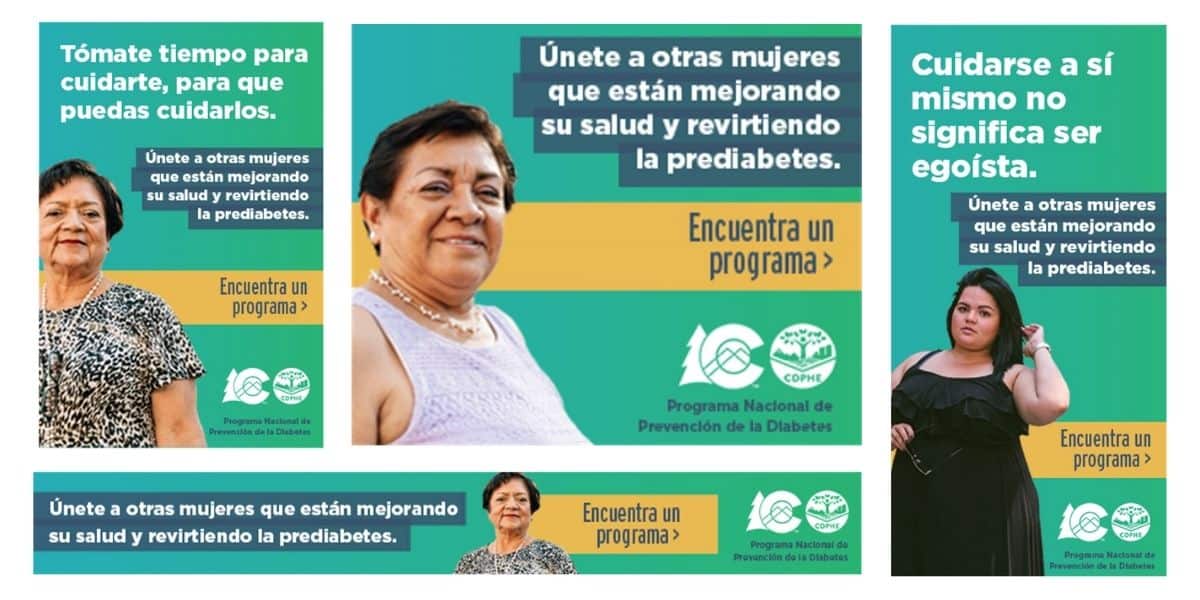
Break Barriers with Transcreation+: Adapt, Connect, Succeed
Words and images hold power, especially when they reach people in ways that make sense to them.
Too often, messaging and marketing get lost in translation—literally and figuratively. A word-for-word swap might capture meaning, but does it capture connection? Do the images connect across cultures? Do they hit home?
That’s where transcreation comes in. Instead of just translating, transcreation reshapes messaging to match cultural context, emotional nuance, and audience expectations.
When we think about culture and community, we need to understand values and lived experiences. The goal is to create a full experience—concepts, images, and language all working together.
Ensure Creative Matches the Audience
Translation is a word-by-word literal change to another language. Transcreation ensures impact.
- Translation: Converts words from one language to another. Additionally, interpretation takes spoken word to another language.
- Transcreation: Merriam-Webster defines transcreation as “The process of adapting a message from one language to another while maintaining its intent, style, tone, and context.”
Introducing Transcreation+
Transcreation+ expands the concept beyond translation to encompass all forms of marketing and communication to all types of audiences. It’s about adapting not just words, but also visuals, tone, and storytelling structures to ensure every message lands the right way with the right people – even if you’re an English speaker trying to reach a specific English-speaking audience, or a Spanish speaker trying to reach a specific Spanish-speaking audience, etc.
Because communication isn’t just about words, it’s about context, values, and cultural nuance.
Adapt Words, Images, and Concepts
Words don’t exist in a vacuum. Different audiences respond to different styles of communication and storytelling approaches.
- A middle-aged Spanish-speaking man might prefer a formal, respectful tone with traditional imagery.
- A bilingual Spanish-speaking teen might connect more with Spanglish, emojis, and dynamic visuals.
Transcreation+ isn’t just about translating between languages. It’s about adjusting how we communicate — verbally and visually — across different cultural and social groups.
Shape Stories That Resonate
Whether communicating in English, Spanish, or another language, Transcreation+ ensures messaging resonates—not just in words, but in the way they connect.
That means:
- Using images that reflect the audience and their experiences.
- Choosing words that feel natural and inviting.
- Structuring campaigns with concepts that align with cultural values.
Because when words, images, and ideas connect—change happens.
Invest Where it Counts
A one-size-fits-all campaign might seem like the most budget-friendly option, but it often falls flat—failing to connect with key audiences. Transcreation+ is a more complex approach, and it may require a larger budget.
Adapting messaging, visuals, and storytelling for multiple audiences takes time, research, and resources. But investing in the right strategy upfront prevents wasted spend on ineffective outreach. Instead of asking, “Can we afford this?” consider: “Can we afford not to?” Because real impact comes from messaging that truly resonates—and that’s worth the investment