
How Tapping Youth Voices Helps Dispel Stigma and Support Sexual Health
The Challenge
Younger generations have done a great job of reducing shame to help us grow. A great example is the confidence they have when talking about mental health.
As we know, this has led to a major shift in what we consider “being healthy.” Many companies, schools and public health departments have expanded resources to ensure mental health is attainable.
But what about sexual health? That question still has a lot of stigma, especially when it comes to HIV.
So how do we create change? By talking about it and reframing the conversation, too. Teaching abstinence doesn’t get us far, and young individuals have the right to learn how they can enjoy their sexual health and how to prevent or treat HIV or any STI.
We need to ensure sexual health information reaches them.
Partnering with young people to create content and resources is the best way to understand their real worries or questions. This helped us come up with a strategy to support them through the Be You Colorado Campaign.
The Result
The Children’s Hospital Immunodeficiency Program’s Youth Leadership Team provided us with insights and highlighted concerns that guided our work to ensure these messages connected with our audience.
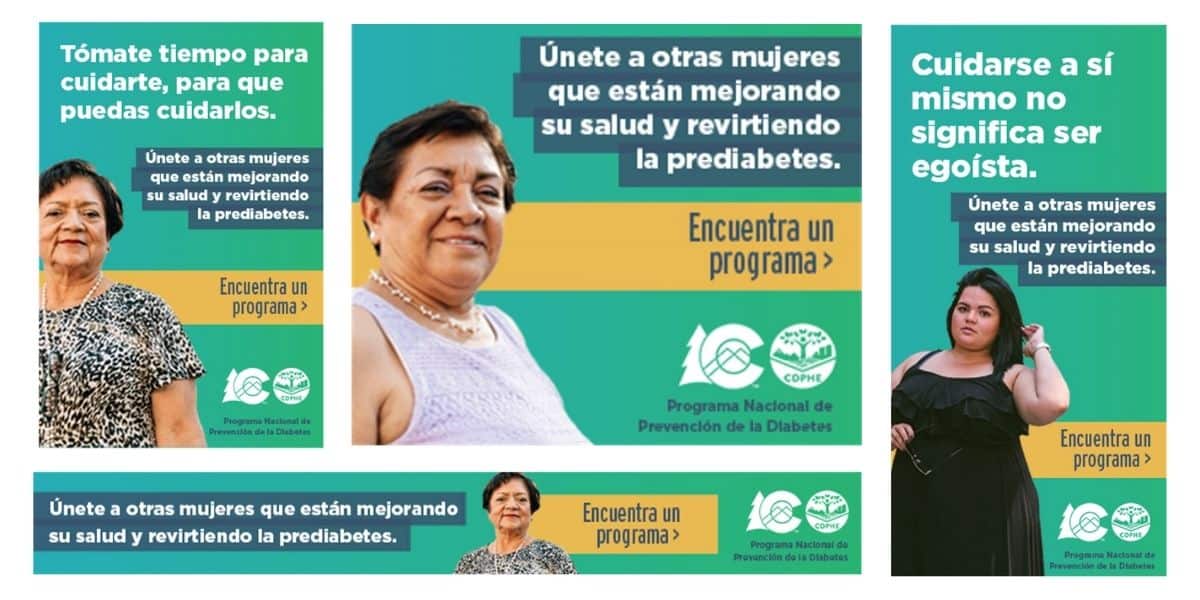
Reaching Spanish–speaking individuals was important to us as we understand there are cultural differences in how we view our sexual health. We successfully reached over 100,000 young people in Colorado and had 4,500 people go to the website to learn more about their sexual health goals with Be You Colorado.

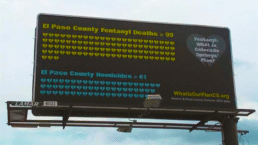
Rise Above Colorado asks what's Denver's plan for fentanyl
Imagine if an airliner dropped from the sky. It would dominate the news. Yet far more people died from fentanyl in Denver just last year than would fit in a typical passenger jet.
In fact, many more people died in Denver last year from fentanyl than from both traffic accidents and homicides combined.
In all, 233 lives were lost last year from fentanyl, according to the Denver Medical Examiner. That’s roughly the same as fentanyl’s 2021 death toll.
We need to treat this overdose epidemic as the public health crisis it has become.
The statistics tell only part of the story.
Each one of these deaths is a unique human tragedy. Each person leaves behind loved ones. Their pain may last for generations.
That’s why the Rise Above Colorado educational campaign uses broken hearts to symbolize each of the lives lost.
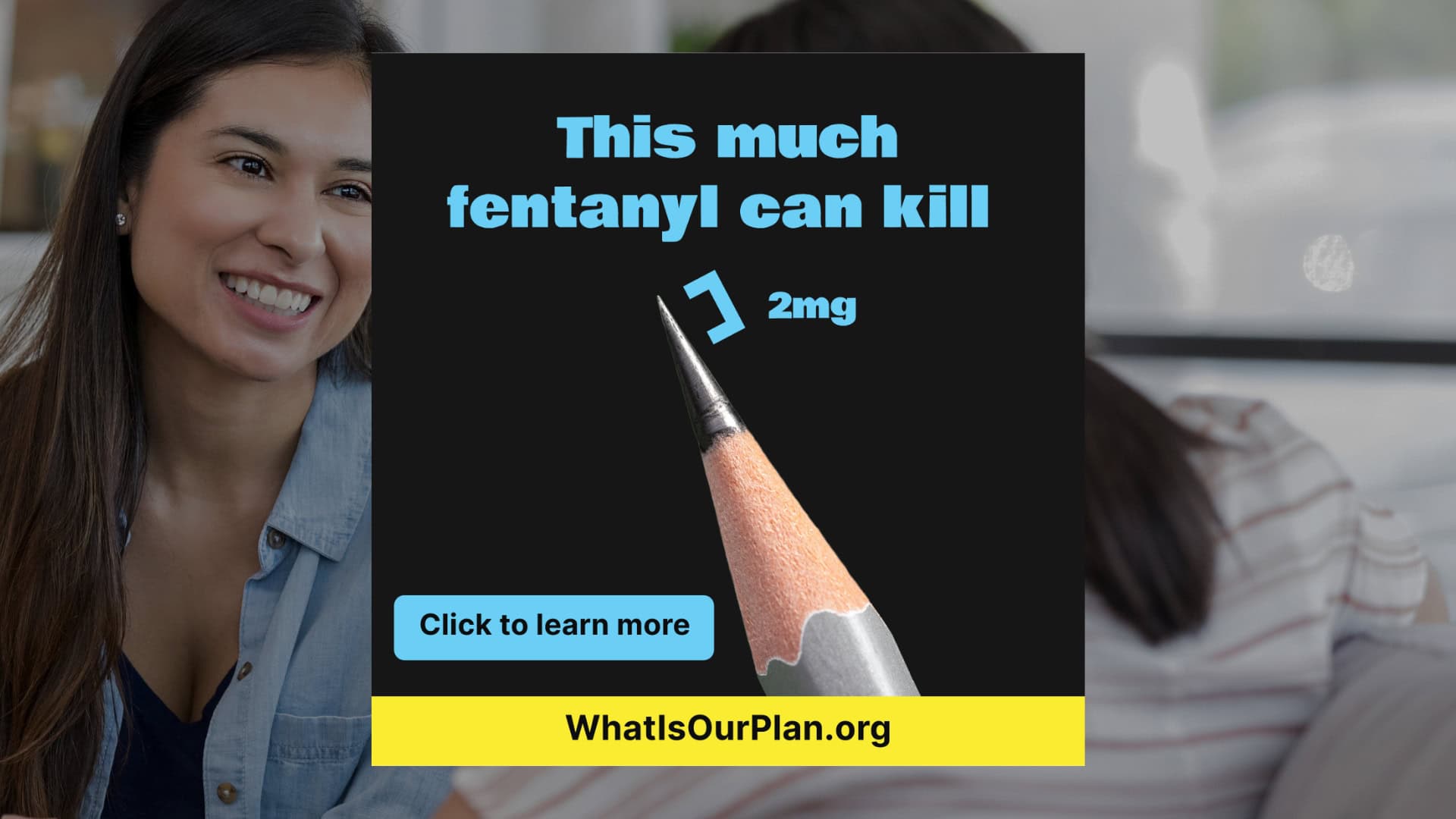
The stark and thought-provoking imagery asks: What Is Denver’s Plan?
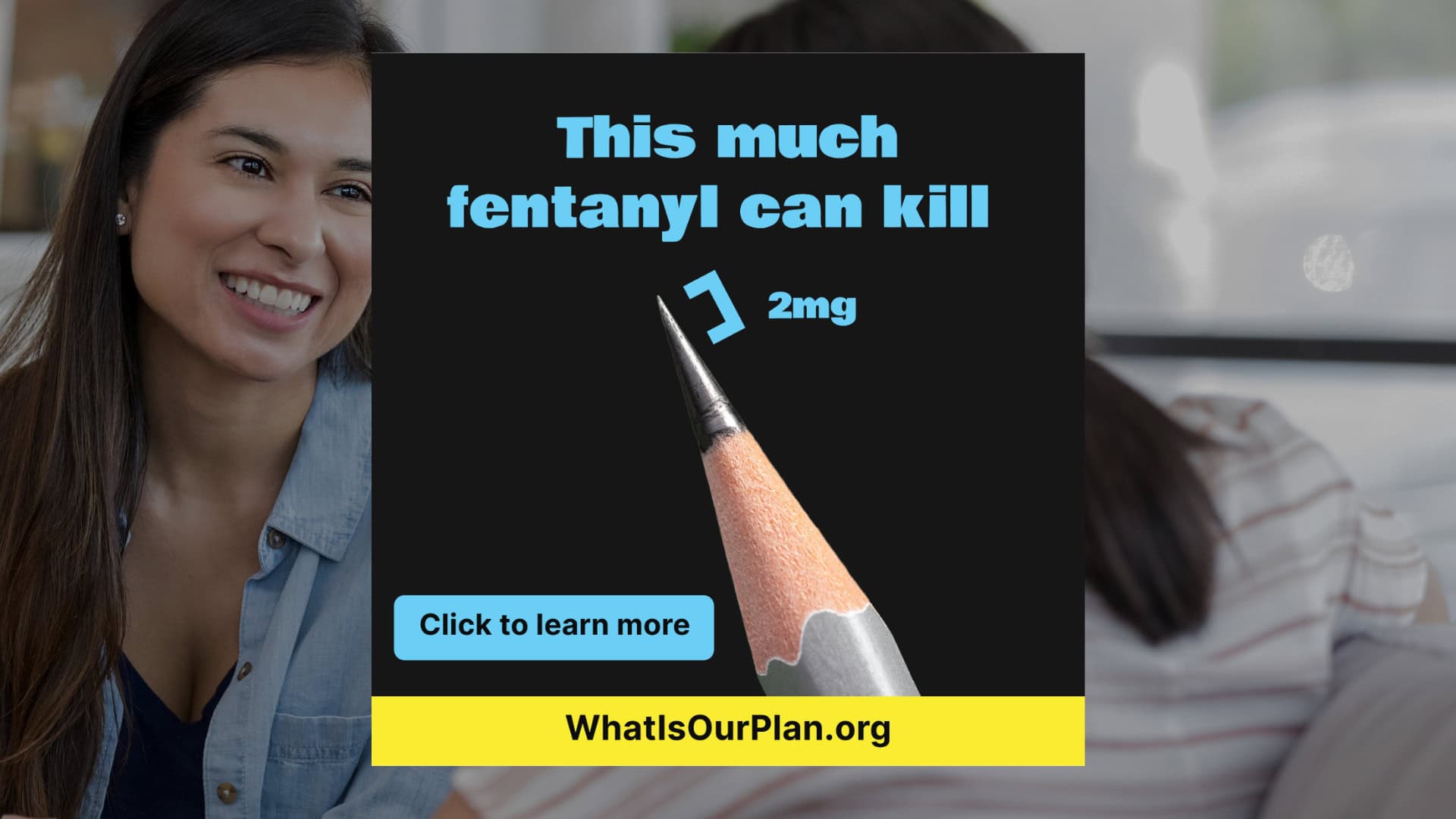
Rise Above Colorado asked the 17 candidates running for Denver mayor about their plans and 10 have responded so far to four specific questions. Their answers are provided through a convenient candidate comparison tool at WhatIsOurPlan.org.
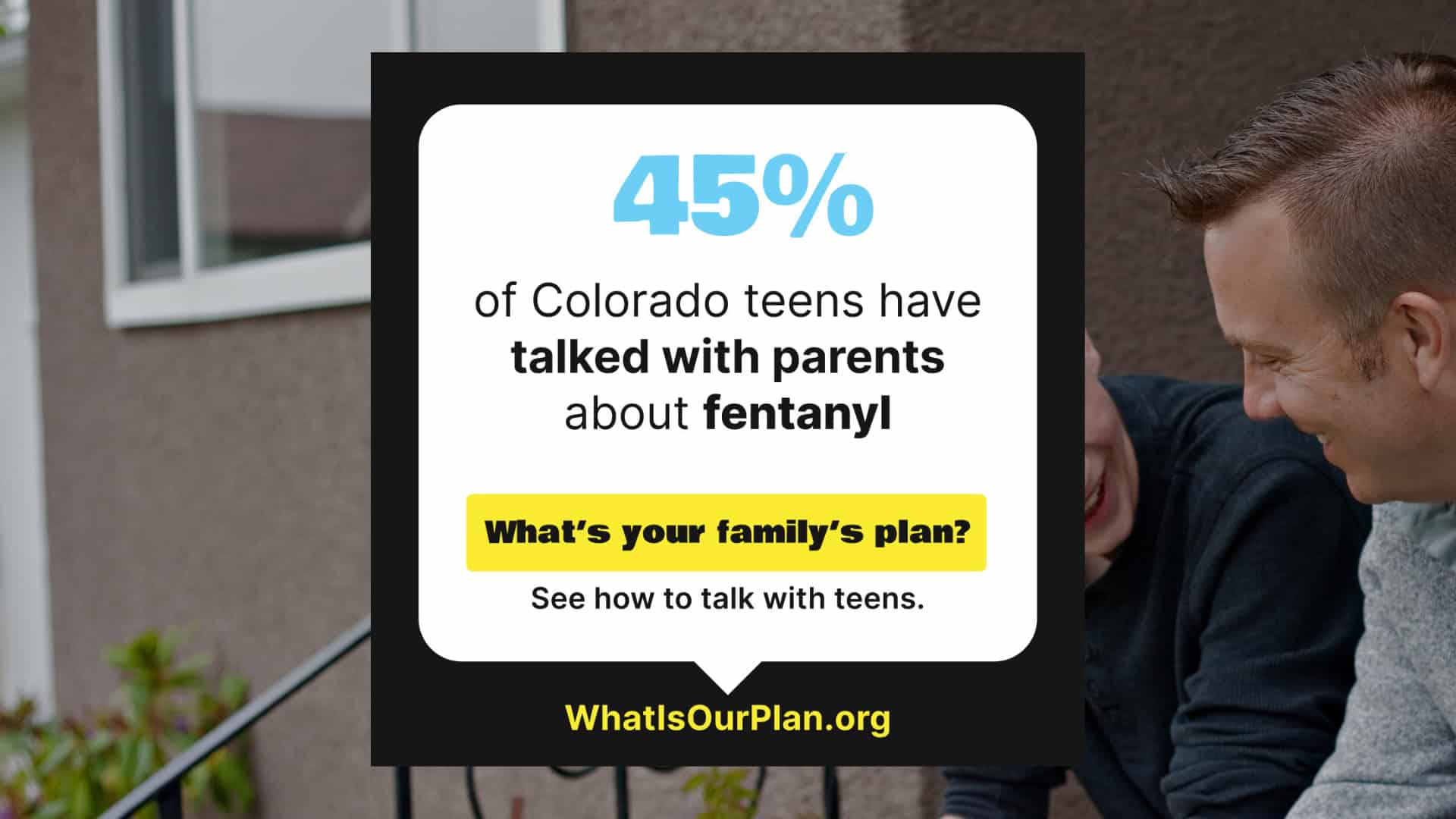
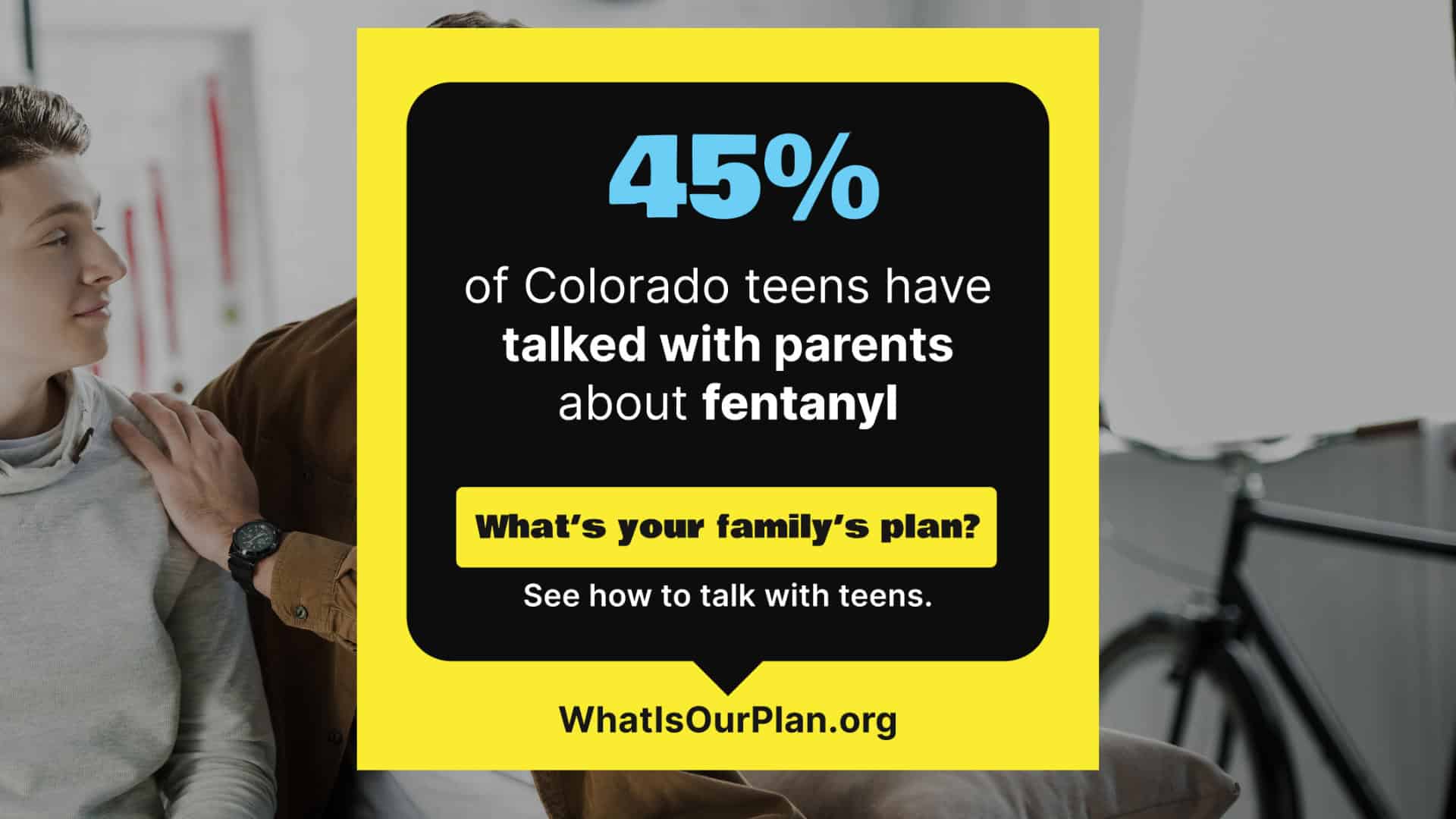
The website also provides information for parents, educators and everyone else about how to limit fentanyl’s toll. The resources were curated with help from Rise Above Colorado’s partners on the project, the Colorado Consortium for Prescription Drug Abuse Prevention and 5280 High School. Boys and Girls Clubs of Colorado also is partnering on the campaign.
“Fentanyl has created a public health epidemic that directly or indirectly impacts everyone in the community,” said Kent MacLennan, executive director of Rise Above Colorado. “Our goal is to give practical information that anyone can use to make a positive impact. By asking ‘What Is Our Plan?’, we want to prompt everyone to think about their role.”
The educational campaign, which uses outdoor and digital ads to reach Denver residents, will continue through June.
SE2 is grateful for the opportunity collaborate with trusted community partners on this life-and-death issue. We all have a role to play.
So, what is our plan?

Lessons Learned at SXSW 2023
Be imperfect, and stop making things so complicated. These are just two of the emerging trends in marketing that we heard about at this year’s South By Southwest.
Read on, or watch the video below, to find out what else we learned.
For the uninitiated, South By Southwest is a yearly event that brings together challengers and game changers in business, tech, art, culture, and politics. As challengers creating change on today’s most pressing issues, it was appropriate that SE2 was there to learn about emerging issues that will affect our world today and tomorrow.
The look ahead
Every year, SXSW is an opportunity to see and experience what’s next in technology, and every year, brands and advocacy organizations find creative ways to tell their stories. Some examples from this year included:
- Lush Cosmetics, the Zen Education Project and the African American Policy Forum created an activation that offered visitors the opportunity to understand and explore the full scope of the crisis facing educators and students across the U.S.
- Visitors could explore a map highlighting the more than 2,500 books banned across the U.S. in just the past 18 months.
- An installation by the Human Rights Foundation put a face on the people that are being exploited by the fashion industry through slavery and indentured labor for fast and cheap fashion.
In addition to the active presentations showing us what’s next, we also heard from leaders in our field who told us more about the trends transforming our industry now. There are three key lessons.
1. Embrace imperfection
Storytelling is a perennial recommendation, but we heard and saw a uniquely different and unusual take on storytelling from many brands and organizations at South By. Communicators are increasingly telling imperfect stories. These stories didn’t yet have a tidy resolution or a hero who saved the day.
One of the panelists actually talked about the psychology that makes these stories effective. Imperfect stories make you an active participant. Because the outcome isn’t foregone in these stories, you still have the opportunity to get involved to become part of it.
While stories that use the common problem-solution-impact recipe have their place in marketing, psychologically speaking, this type of storytelling has one major drawback: Because our brain must manage so many inputs, it’s always taking shortcuts. One common shortcut is assessing whether something needs immediate attention or not. Another is that our brain will jump in and fill gaps when things are unresolved. Imperfect stories pique our brain’s desire to prioritize the urgent. That is a story that’s happening right now versus a less urgent story that already happened sometime in the past. And our brain will create solutions to fill in the gaps in the unresolved story.
Telling more imperfect stories is one way that you can pique interest and invite people to become part of the story and the solution.
2. Keep it simple
Across sessions, leaders spoke about the importance of pushing for simplicity in communications and marketing. Perhaps this is a reaction to a barrage of negative things happening in the world and its seemingly ever-increasing unpredictability, or perhaps it gets back to brain science.
We’re wired to have a brain bias that conflates complexity with quality, so we tend to value complex solutions over simple ones. But brain science also tells us that when we’re confronted with options, we will almost always choose the easier one or the status quo. See the problem there? To create change, communications and marketing leaders talked about embracing three tactics to simplify.
The first: one-page plans. Sally Susman, the executive vice president and chief corporate affairs officer at Pfizer, talked about how Pfizer moved to one-page plans for even the most complex communications challenges. One-page plans, force focused thinking that prioritizes the single most important issue to tackle and the most meaningful strategies to create change.
The second way they’re creating simplicity is through simplified messaging that focuses on what to gain. Lost frame messages trigger a stress response, which hinders problem-solving and adds more complexity to decision-making. Dr. Deborah Birx, who led the federal COVID response, noted that this was a fatal flaw of the government’s initial communications about the COVID vaccine. The motivating messages weren’t about avoiding serious disease and death, but rather what you had to gain – like getting back to normal.
And finally, leaders are removing barriers and not messaging around them, to create more simplicity. Often, we get so caught up in motivating people about issues that we forget about the real-world barriers that ultimately prevent them from taking action. Organizations are stepping back and leveraging experienced design principles and behavioral economics to remove barriers that prevent change.
Several nonprofit leaders talked about simplifying applications, optimizing accessibility, or even redesigning whole programs to remove as many barriers as possible. The result? Their communications are focused on the issues, not the logistics.
3. Act responsibly
The message across sessions was clear: It’s no more business as usual. Organizations of all types and sizes talked about the duty they feel to be more responsible partners to their people, their communities, and the environment.
They’ve moved beyond corporate social responsibility. Instead, ESG or Environmental Social Governance is what leading organizations are using to make a meaningful and measurable impact. ESG uses environmental, social, and governance factors and data to evaluate sustainability practices within a company. ESG helps consumers decide which businesses to support and which not to by giving them an indication of whether a company’s practices and actions align with their own values.
According to a recent study, 70% of consumers want to see a business act on social issues. Investors, too, want businesses to provide societal benefits.
For those working in the nonprofit and government space, consumers’ expectations for more socially responsible businesses is an opportunity for you to elevate your business’ issues and causes and find corporate partners who will support them financially or with their people power. The key is to find businesses that are uniquely aligned with your work.
For example, Lyft’s head of social impact talked about how they make ESG decisions. They’re of course uniquely qualified to provide transportation solutions, so they support and invest in organizations that seek to expand access to voting by providing transportation or fighting policies like those recently passed in Texas that would make drivers criminally and civilly liable for transporting pregnant people to receive abortion care.
This shift in consumer preferences creates an opportunity for nonprofit and government agencies to find synergistic fits with private businesses that advance your organization’s mission and make their business more socially responsible.
So there you have it. Those are our three big takeaways from South By. What opportunities do imperfect storytelling embracing simplicity and increased demand for brand activism have for your organization? Not sure? Reach out, and let’s talk about it.

What We've Learned About Youth Interests and Issues
We believe that young people have an important outlook on the world and that they experience unique issues. As we target young folks in our messaging campaigns, it’s important that we understand those issues so we can move forward and create authentic and relevant messaging.
As part of our work, we talk with young folks aged 12 to 19 to capture their opinions on the issues most affecting them and their peers. In the video below, we discuss what we’ve learned: Young folks have told us that mental health, social media, and substance use are a few of the most important issues facing them today.
Mental health
Mental health has become an increasingly important issue. Young people, Just like many of us, are concerned. They’re concerned about their peers, their communities, and their personal well-being.
Gen Z has been known to be fiery regarding advocacy. It’s no surprise that they’re working to destigmatize mental health by creating places and taking up space to talk openly about it. And they’re not just scratching the surface. They’re getting deep into it by talking about the factors that impact mental well-being, such as access and environment.
A Colorado Health Access survey reported that Coloradans with insurance are more likely to report having better mental well-being. Yet in 2019, 360,000 Coloradans went uninsured. How might that inequity affect Colorado youth?
Not only that, but young folks are feeling pressure as they navigate digital learning environments, public safety concerns and adolescence.
Social media
Young folks also told us about how the time they spend on social media impacts their lives. On average, Young folks under 18 are using it six hours per day.
Although this time could be a cause for concern for some, young folks, say no. The time they spend online helps them explore their identities, create connections, and privately explore the world. However, some young folks say they don’t know how to use social media productively. With a lack of guidelines on safety and productivity, some young folks say that they feel sucked into using social media just to use it.
While not all young people could agree on how much time is appropriate, most could agree on one thing: Spending too much time online can be risky. Seeing influencers and peers at their best and their worst all the time can spark harmful comparisons and erode one’s self-image.
Substance use
Substance use also has a unique and powerful impact on youth. We know from research, from youth experiences, and even our own upbringings that peer pressure is a normal thing for young folks to experience. But with today’s high-risk substances such as high-potency marijuana and fentanyl, experimentation can be risky or even fatal.
We know that substance use in a young person’s environment can lead to them using substances later on. According to a 2022 Rise Above Colorado survey, two out of five youth have lived in a home where an adult was using substances.
Young folks are familiar with the issue of substance use, and some of them are familiar with the issue of overdose. Young folks in Colorado are likely to know someone or know of someone who has overdosed on substances.
From these insights, we’re able to better understand and serve youth across the state of Colorado. Our understanding helps us to empower healthier and more informed young folks.