
Turning “Missing” Posters into a Movement Against Auto Theft
The Challenge
In Colorado, car theft isn’t just a crime statistic—it’s a disruption to people’s lives, routines, and sense of safety. In 2023 alone, more than 30,000 vehicles were reported stolen statewide, putting Colorado among the highest per-capita auto theft rates in the country. Yet many Coloradans still don’t take simple actions that could prevent it.
CATPA (Colorado Auto Theft Prevention Authority), an effort of the Colorado Department of Public Safety, needed a campaign that could break through the noise, shift mindsets, and drive everyday behaviors like locking up, hiding valuables, and parking smart.
Our Approach
We leaned into emotion to spark action —and grounded it in data.
Before developing creative, we conducted robust statewide polling to understand how Coloradans perceive the risk of auto theft and what behaviors they were (or weren’t) taking to prevent it. The research revealed distinct audience segments with varying levels of awareness, perceived vulnerability, and motivation to act.
These findings became the foundation of the campaign strategy.
We created audience personas that reflected real-world attitudes and behaviors—then tailored messaging to address each group’s specific barriers and misperceptions. Some needed a wake-up call about risk. Others needed to know prevention was simple and worth doing.


The Impact
The campaign didn’t just make an impression—it changed behavior.
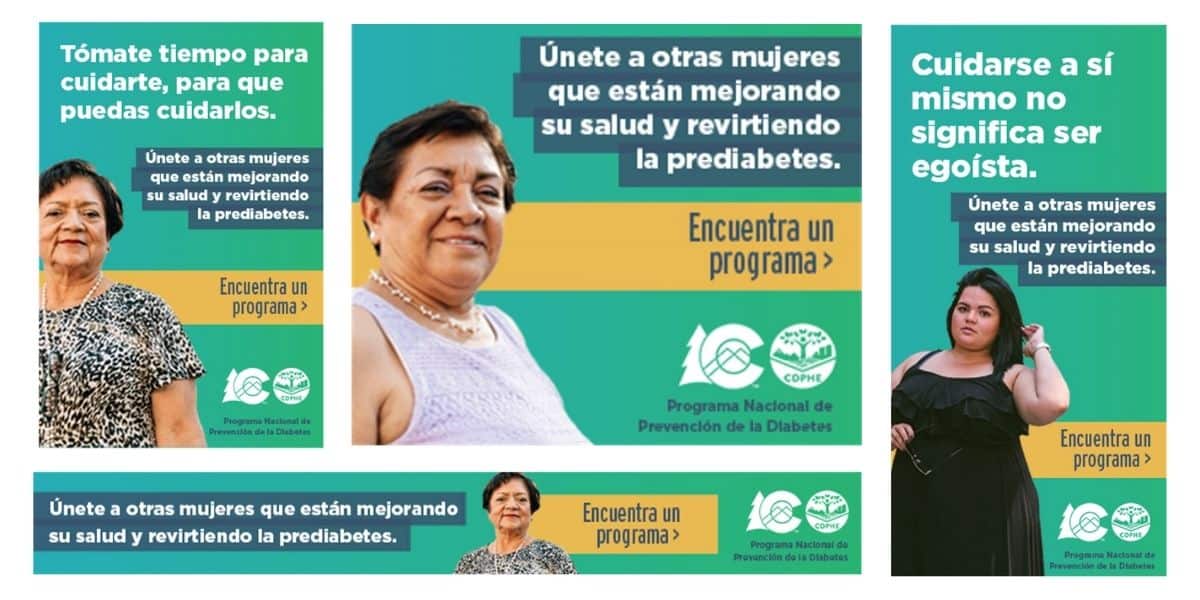
By tapping into emotion and pairing it with clear, doable actions, the “Missing” campaign motivated thousands of Coloradans to take steps to protect their vehicles.
In just five weeks the “Missing” campaign:
- Generated over 4.9 million impressions and 149,000 clicks
- Drove nearly 2,000 people to act—visiting pages with theft prevention tips or victim resources
- TikTok extended reach to younger audiences, with over 1.3 million views of campaign videos and over 90% view-through rate
The emotional storytelling, combined with clear prevention steps, helped Coloradans connect the dots between how they feel about their cars—and how they act to protect them.

Connecting People to Opportunity in a Changing Economy
The Challenge
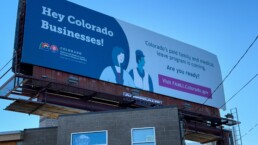
Colorado’s workforce faced rapid change as industries evolved, skill requirements shifted, and new policies reshaped how people worked. Workers needed clearer pathways to upskilling, reskilling, and next skilling that felt attainable and relevant to real jobs. At the same time, employers were navigating talent shortages, new workforce platforms, and major policy rollouts such as paid family and medical leave.
Across both audiences, workforce systems were often complex and difficult to navigate. Workers struggled to see how training connected to employment. Employers needed practical, timely information that supported compliance, recruitment, and retention without adding unnecessary burden.
The challenge was to make workforce systems understandable, human, and actionable for both workers and employers.
Our Approach
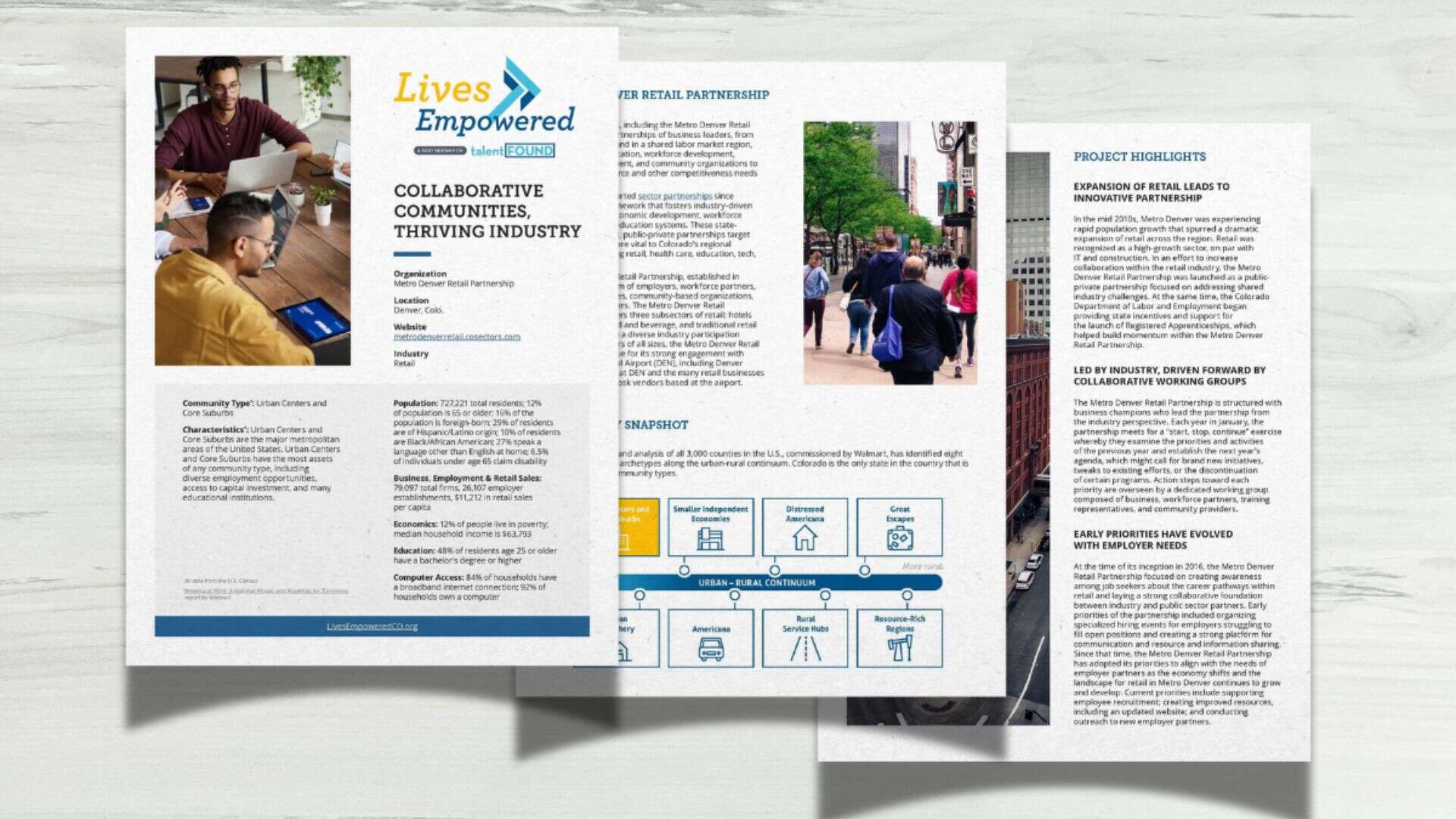
Across campaigns including Ready to Rise, Connecting Colorado, community college workforce initiatives, TalentFound, and the FAMLI rollout, SE2 developed a dual-audience communications approach that addressed workers and employers as interconnected parts of the same system.
Worker-focused campaigns emphasized clarity, confidence, and possibility. Messaging translated complex systems into plain language and showed how new skills connected directly to better jobs, higher wages, and long-term stability. Campaigns normalized career transitions and were designed to reach people who did not always see themselves reflected in traditional workforce or education messaging.
Employer-focused campaigns centered on trust and practicality. SE2 framed new programs and platforms around what employers needed to know, how changes affected their workforce, and what actions to take next. Messaging positioned workforce systems and policies as tools to support business needs, strengthen retention, and build a more resilient workforce.
Across all efforts, SE2 used targeted digital outreach, storytelling, and community-based channels to reach audiences where decisions about work, training, and policy were already top of mind, with a strong focus on equity and access for rural communities, workers facing economic barriers, and small and mid-sized employers.


The Impact
SE2’s workforce campaigns increased understanding of workforce systems and strengthened engagement across both worker and employer audiences.
Worker-facing efforts helped individuals better understand training pathways, feel more confident pursuing new skills, and take steps toward meaningful employment. Employer-facing campaigns supported smoother adoption of new programs, reduced confusion during policy rollouts, and improved awareness of tools designed to support hiring, retention, and workforce stability.
Together, this work demonstrated SE2’s ability to translate complex workforce policy and systems into clear, human communications that connected people to opportunity and supported a more adaptable, equitable workforce.


Healthy Choices Are the Norm: Our 2025 National Conference on Tobacco or Health Presentation on Youth Prevention
-
Using local survey data that students recognize and trust
-
Keeping messages simple, fresh, and youth-friendly
-
Empowering youth to design and deliver the messages
-
Involving trusted adults to reinforce positive norms
-
Measuring results to track real impact

Reclaiming the Power of Story: Reflections from the 2025 Colorado Health Symposium
In volatile times, stories protect, connect, and keep culture alive
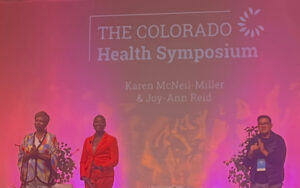 This year’s Colorado Health Symposium, hosted by The Colorado Health Foundation, was more than a conference; it was a gathering of people working on the frontlines of health, equity, and justice across Colorado. It served as a space to strengthen strategies, challenge assumptions, and fuel the resilience needed for the work ahead.
The theme was appropriate: Fortifying the Movement in Volatile Times.
Symposium speaker Joy Reid, in conversation with Colorado Health Foundation President and CEO Karen McNeil-Miller, reminded us why this moment matters. Institutions may falter. Systems may fail. But communities continue to show up for one another, creating safe, healthy spaces where people can live, connect, and thrive.
Storytelling as Strategy
SE2’s Telling the Truth with Care workshop, which I led with my colleagues Alvina Vasquez and Elizabet Garcia-Hernandez across three sessions, explored how to tell stories ethically and why it matters.
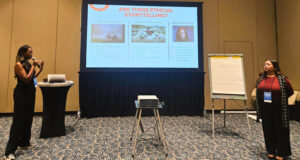 Ethical storytelling is crucial because stories shape perception, influence action, and can either reinforce harm or foster understanding. The sessions emphasized care for both the storyteller and the community, with key principles including centering people over agendas, seeking consent and collaboration, situating stories in social and cultural context, capturing layered identities rather than stereotypes, and using storytelling to build trust, understanding, and positive change.
Storytelling is never just about visibility. And it’s not a decorative add-on to research or programming. Done right, it drives change, helping people see themselves in the work, shifting not only what they feel but also how they act and connect.
The most powerful stories come from real people, but they must be told with intention and care.
“Story is the antidote to control. Story feeds the narrative.” – Joy Reid
When systems fail, stories protect.
They carry our truth when institutions can’t or won’t.
They clarify, connect, and keep culture alive.
A Call to Ethical Storytelling
At the Symposium, I left inspired by the work people across Colorado are already doing, and at times without resources, support, and for communities under attack. In communities everywhere, leaders are not just telling stories, they’re telling them ethically, urgently, and with care.
That matters. Because ethical storytelling isn’t about performance for power, it’s about honoring people. It’s about creating stories that are not just polished, but purposeful.
As our team shared in our session:
- You’re already doing the hard and beautiful work of telling real stories in your communities. Stories rooted in care, identity, and truth.
- In this moment, that work is essential. Systems are faltering, but stories hold. They’re how we look out for one another, how we preserve memory, share belonging, and shape what comes next.
- Storytelling isn’t just a campaign tool. It’s resistance. It’s legacy. It’s the one thing no one can take from our communities when it’s done with care and purpose.
Or as we put it:
“When the system forgets us, the story remembers. In the absence of justice, our stories still speak.”
The Work Ahead
 Now more than ever, it’s urgent to reclaim our narratives before they’re distorted, diluted, or erased altogether. Storytelling isn’t just personal, it’s collective. Together, we safeguard truth and ensure our communities remain visible on their terms.
The Colorado Health Symposium served as a poignant reminder of that truth. Seeing people from across the state share stories, strategies, and lessons was not just inspiring; it was fortifying.
Our movements aren’t held up by stories alone, but without them, the work risks being misunderstood, sidelined, or forgotten.
Because when we protect our stories, we protect our communities. And in volatile times, that may be the strongest tool we have.


Nicotine: Big Tobacco’s Latest Dangerous Lie
When I started consulting in tobacco prevention nearly three decades ago, some of the anti-tobacco pioneers I came across seemed almost paranoid to me. It was like they saw Big Tobacco conspiracies everywhere they turned.
Well, as the saying goes, you’re not paranoid if they’re really out to get you.
Over time I learned that the tobacco industry’s dirty tricks are stranger than fiction, and much more deadly.
Here’s the simple truth: Big Tobacco’s superpower is that its customers are physically addicted to its products. It’s the best customer retention strategy ever.
This strategy had just one flaw: Cigarettes kill about half of lifelong smokers. So, the customers were hooked, but they then died, an inconvenient fact for the industry.
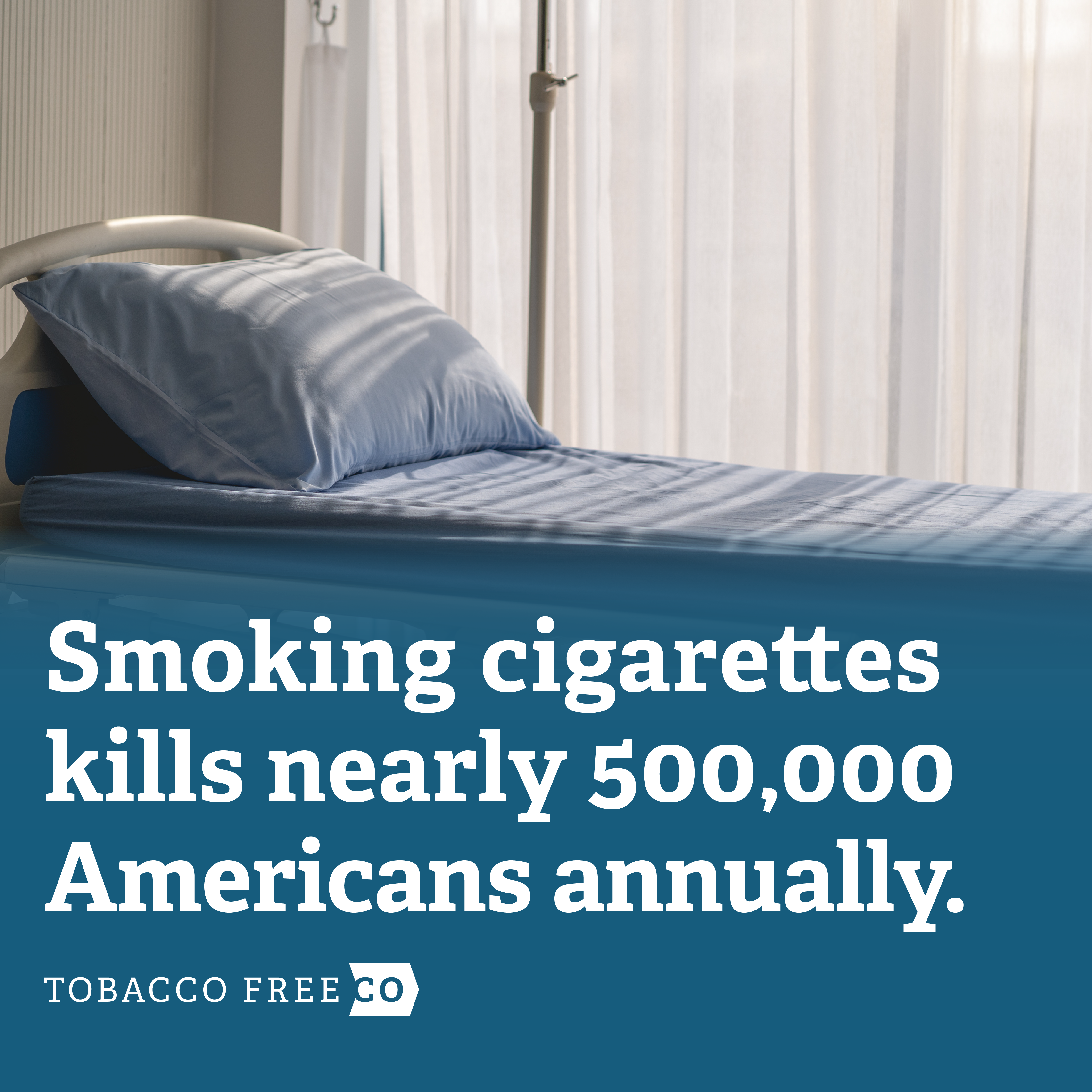
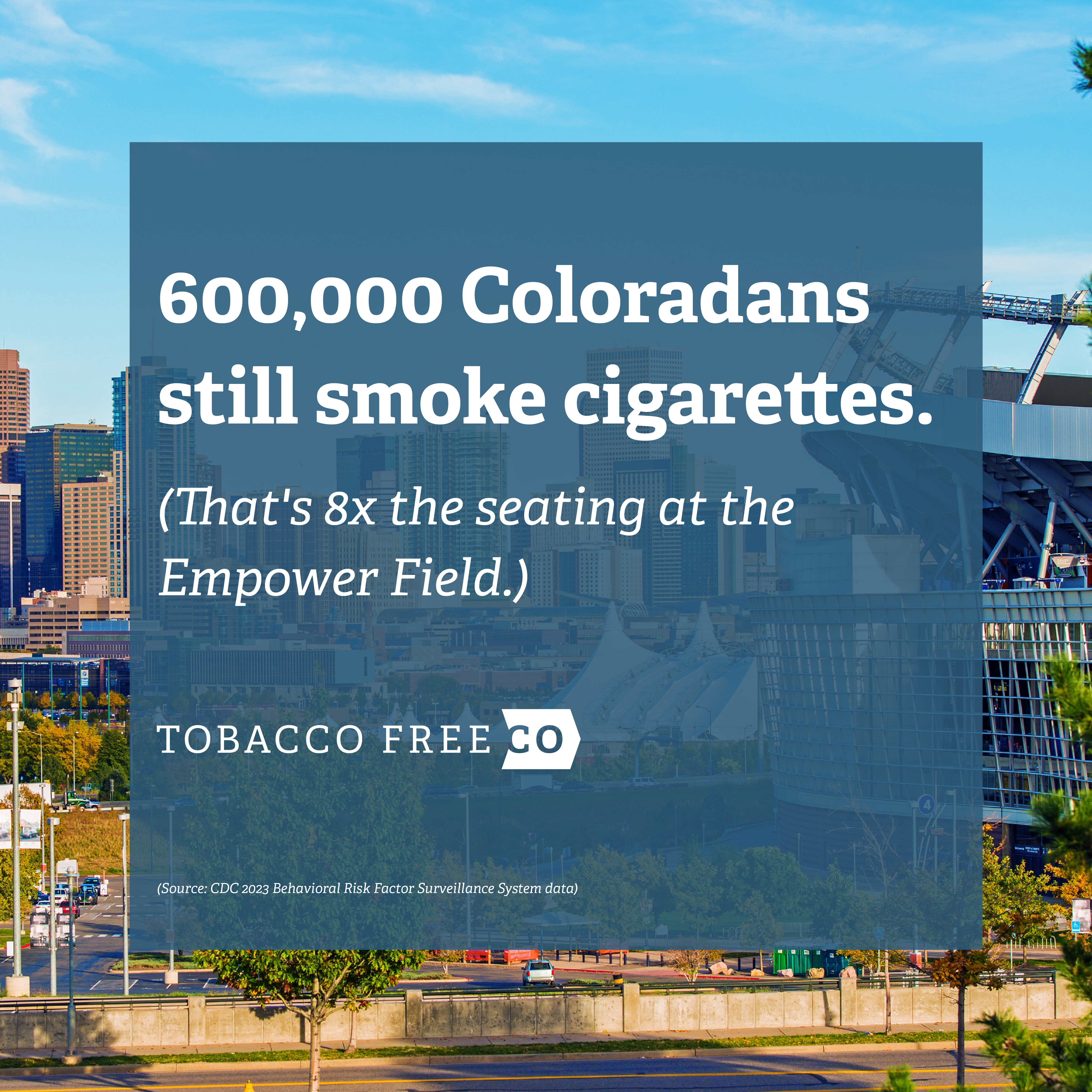
That’s why the industry lured kids to pick up smoking. They were, as one industry memo stated, “replacement smokers.” The marketing formula: Teen-focused ads, discounts for cost-sensitive teens, and fruity and menthol (i.e., minty) flavors that masked tobacco’s harshness for young smokers.
Technological advances allowed Big Tobacco to move beyond cigarettes to flavored vape and now oral nicotine products (ONPs) — and attempt to launder its dirty past.
If you aren’t familiar with ONPs, look at the signs and the displays at your local convenience store. They are discreet, cheap, and ultra-potent. A winning formula for addicting kids.
Some claim ONPs like Zyn from Philip Morris International U.S., which now has a factory in Adams County, Colorado, offer “harm reduction” for smokers, providing nicotine without the risks from burning tobacco. (It also was the pitch of Juul Labs, before that lie was exposed.)
 But this pitch ignores the harms of nicotine itself. Nicotine is a naturally occurring insecticide because it’s poison. The health risks to humans are well documented, beyond addiction.
Yet the latest tobacco industry trick is to reframe nicotine as “misunderstood,” even claiming alleged cognitive benefits.
After three decades of work in this sector, I am no longer surprised.
The Big Tobacco playbook is to lie and deny.
Deny that nicotine is addictive (until that lie ran its course).
Deny that the industry markets to kids (despite the mounting volume of evidence to the contrary, including its own internal documents).
To readers, it may seem that I’ve become one of the advocates who I once discounted as almost paranoid. I encourage you to venture out on your own fact-finding journey. You may be amazed and dismayed by what you find.
You may want to start with this short piece on ONPs and tobacco industry claims.