
Lead Testing Surges 25% as Parents Respond to Simple One-Minute Ask
The Challenge
Colorado parents have been overwhelmed with things to worry about when it comes to their child’s health over the past few years. New threats and unknowns have raised the stakes high enough that issues like lead exposure can seem like yesterday’s problem.
However, Coloradans are still affected by lead exposure – especially young children and folks exposed regularly through their home or work environments. Lead-contaminated dust can be tracked into homes from industrial or construction sites, and lead can be found in household items like spices, pottery, home remedies, and paint. Lead exposure can lead to significant health problems and is especially harmful for young children who are still growing.
Our Approach
SE2 collaborated with the Colorado Department of Public Health and Environment to protect Coloradans with a campaign that highlights the impacts of exposure to lead and encourages parents to get their children tested.
To best connect with parents, we centered our messaging and materials around reducing real-world barriers to getting tested for lead exposure.
Keeping testing top-of-mind at routine doctors’ appointments and other health checkups is key – for both parents and health care providers. We placed campaign media in healthcare office waiting rooms, geotargeted digital display ads in communities with higher rates of lead exposure and activated community partners to share campaign toolkit materials through their newsletters, social channels, and websites.
We also developed materials to help professionals easily double-check whether their patients should be tested for lead, as well as a broader toolkit with a range of materials designed to spread awareness about exposure and testing.
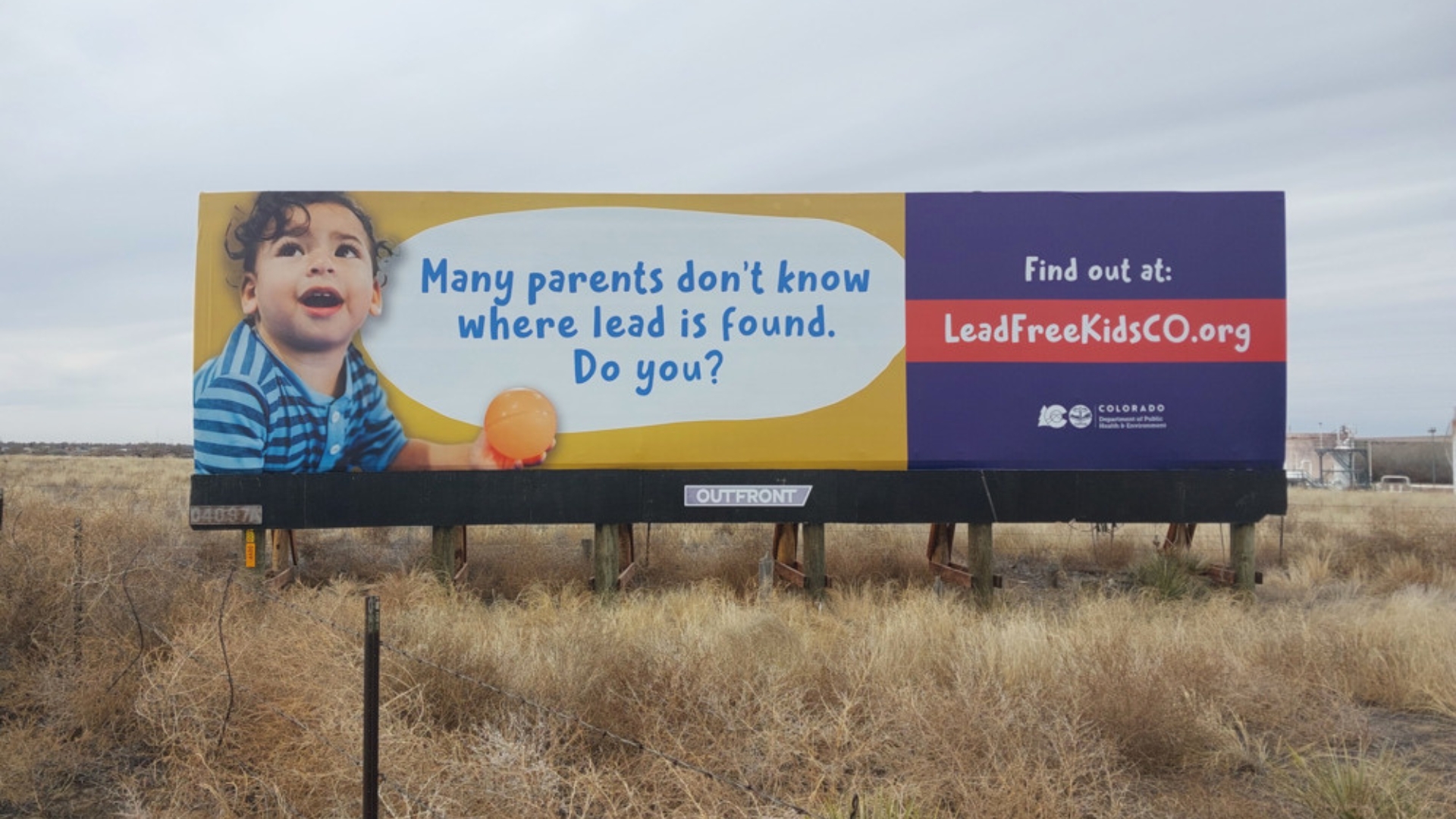
These advertisements take parents to a page (LeadFreeKidsCO.org) where they can learn more about lead exposure, testing, and other resources to protect their families. See more of the creative materials below.




The Impact
In the quarter following the campaign, CDPHE observed an almost 13% increase in the number of routine childhood lead tests in targeted communities across the state — corresponding to approximately 20,000 more children tested for lead exposure.


Why SE2 Won’t be Spending Our Money to Advertise on Twitter Anymore
I really, really liked Twitter.
Want to know how much?
Since signing up in 2008, I have tweeted 14,000 times.
I also have curated and regularly updated a list of more than 1,000 Colorado media accounts on Twitter.
Beyond the numbers, I have found it a great way to explore ideas, see issues through the eyes of others, debate policy (usually constructively), and monitor the news and reporting in real time.
I hesitate to try to calculate how many hours I’ve spent on Twitter.
SE2 also has spent a lot of money on Twitter — well over $100,000 — specifically to boost tweets for our own content and for our clients. This is the way to break through the algorithm and reach a wider audience.
Elon Musk’s takeover of Twitter has made us rethink all that.
As of this week, we won’t be paying Twitter anymore to boost SE2’s own tweets. This won’t impact our clients’ use of Twitter, or our availability and willingness to support them in getting their messages out through Twitter. That’s a decision they must make based on their own assessments.
Despite Musk’s promises to advertisers and users that he wouldn’t allow it to become a “hellscape”, he quickly and predictably opened the doors to new levels of toxicity.
Musk increasingly has demonstrated a disdain for any sort of accountability and he showed why his approach is so harmful when he amplified a corrosive lie over the weekend. His tweet served as a signal to many who were waiting for tacit permission to perpetuate more hate and lies.
The floodgates opened and a toxic stew poured in.
I don’t want to whitewash Twitter’s legacy; It was constantly teetering on the edge of anarchy well before Musk’s takeover. Now it seems to have fallen off the edge.
It’s ironic that SE2 furthers our positive communications and marketing initiatives by using social media platforms, yet those platforms often undermine our work’s goals.
We acknowledged this when we decided to stop spending money on Facebook a year ago.
We understand our spending amounts to just a drop in the ocean so we encourage others in the communications and marketing sector to consider how they spend their ad dollars and whether it undermines their values.
GM has already paused advertising on Twitter and some high-profile celebrities have walked away from the platform.
What are the alternatives?
LinkedIn has become a much more robust arena for ideas and, because it’s a professional networking site without anonymity, users generally behave themselves.
Feel free to follow SE2 and connect with me over there!
For now, I’ll still keep an eye on Twitter but I’ll consider The Washington Post’s suggestions for alternatives, including spending more time reading long-form news stories, subscribing to insightful newsletters and — gasp! — reading e-books.