
Unleash the Power of Twitch for Marketing to Youth
In the ever-evolving digital marketing landscape, staying ahead of the curve is crucial, especially when engaging with youth. One platform that has been gaining significant traction is Twitch, a powerhouse in the world of live streaming and interactive content.
Let’s delve into what Twitch is, who uses it, and the potential pros and cons of marketing on this platform.
What is Twitch?
Twitch is a live streaming platform primarily focused on video games, but it has expanded to include diverse content, including music, art, cooking, and even talk shows. At its core, Twitch allows users to broadcast themselves playing video games or engaging in various activities. Viewers and streamers can interact via chat in real-time.
Who is the Audience?
The Twitch audience is predominantly comprised of young people, particularly millennials and Generation Z. Gen Z has grown up watching other people do everything, which has led to the popularity of platforms like Twitch and, earlier, YouTube. Gen Z is also passionate about gaming, entertainment, and connecting with like-minded individuals.
Marketing on Twitch: Pros and Cons
Pros:
- Highly Engaged Audience: Twitch boasts a highly engaged user base, with viewers spending hours watching their favorite streamers and interacting with the community. This presents a unique opportunity for marketers to capture the attention of an attentive audience.
- Authenticity: Unlike traditional advertising, marketing on Twitch often feels more authentic and genuine. Streamers have a close relationship with their audience, making sponsored content feel more like a recommendation from a friend rather than a blatant advertisement.
- Targeted Advertising: Twitch offers robust targeting options, allowing marketers to tailor their campaigns to specific demographics, interests, and gaming preferences. This precision targeting ensures that your message reaches the right audience.
Cons:
- Saturation: With Twitch’s increasing popularity, the platform has become saturated with content and advertisements. Standing out amid the noise can be challenging, requiring marketers to develop creative and innovative strategies to capture attention.
- Ad Aversion: Many Twitch users are ad-savvy and may have ad-blocking software, making it difficult to reach them through typical methods. Marketers must find alternative approaches, such as influencer partnerships and sponsored content.
- Community Backlash: While authenticity is a significant advantage of marketing on Twitch, it also comes with risks. If a sponsored campaign feels forced or insincere, it can lead to backlash from the community, damaging the sponsor’s reputation and credibility.
Another platform worth mentioning alongside Twitch is Discord. Originally popularized as a communication tool for gamers, Discord has evolved into a versatile platform for building communities around shared interests. Its integration with Twitch allows for seamless interaction between streamers and their audience, enhancing community engagement. Utilizing Discord in conjunction with Twitch can amplify marketing efforts by fostering deeper connections and creating a more immersive brand experience. By tapping into the synergistic potential of these platforms, brands can effectively engage with and grow their youthful audience base.
Leveraging Twitch for marketing to youth offers a dynamic and engaging way to connect with a tech-savvy, entertainment-focused audience. The platform’s unique combination of live interaction and diverse content streams provides an unparalleled opportunity for brands to showcase their authenticity and resonate with younger demographics. However, marketers must navigate the challenges of a saturated platform and the discerning nature of its users by employing creative, genuine, and targeted strategies.

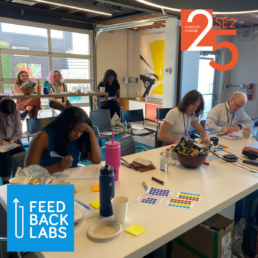
Amplifying Voices: SE2's Immersion in Feedback Labs
SE2 had the privilege of diving deep into the power of receiving feedback and closing the feedback loop with Feedback Labs, a dynamic nonprofit based in DC. The engaging course was led by Alexis Banks, Associate Director of Learning and Operations, Feedback Labs.
Feedback Labs’ Crash Course experience was enlightening and transformative, leaving a lasting impression on our team members. As people deeply invested in SE2’s mission, Mikhail (Mikey) Talley, Graciella (Gracie) Saucedo-Rivera, and I participated in the crash course alongside a diverse array of professionals from nonprofits and companies like housing authorities, grantee organizations, and advocacy groups.
Feedback, as I discovered, is the lifeblood of progress. It encompasses the thoughts, feelings, and perceptions of those directly impacted by an organization’s work. More than just a tool for evaluation, feedback has the power to shape future endeavors and foster equity. This fundamental concept lies at the core of Feedback Labs’ methodology, which centers around creating a feedback loop comprising five essential steps.
Before embarking on the feedback journey, establishing buy-in is crucial. Building trust and interest among stakeholders is the foundation for the entire process. Identifying these stakeholders – be they constituents, decision-makers, or frontline staff – ensures that the feedback gathered is comprehensive and representative.
- Design
- The journey through the feedback loop begins with design, where goals are set, and contextual factors are considered.
- Collect
- Next comes collection, a diverse array of methods ranging from surveys to focus groups, tailored to suit the unique needs of our audience.
- Analyze
- An analysis follows suit, employing methodologies best suited to the data at hand.
- Dialogue
- Dialogue then ensues, bridging the gap between data and action and refining feedback through open communication.
- Course correct
- Finally, course correction allows us to enact meaningful change informed by the feedback received, fostering transparency and accountability.
During the crash course, I considered two ways to apply this concept in my life.
The first was for professional reasons: to reach rural audiences to get their feedback and tell their stories. The second was for a personal passion project, a monthly drag show I produce and host once a month called StageFluid: an Open Stage Drag show. I considered how to continually improve the experience through feedback.
Gracie delved into the intricacies of equitable collaboration with community-based organizations, seeking to amplify their voices in a meaningful way. Meanwhile, Mikey explored the integration of community feedback into the early stages of campaign development, aiming for more authentic and impactful engagement.
Leaving the crash course, armed with newfound knowledge and actionable insights, I am eager to apply these methodologies in our work at SE2 and in my personal projects and passions. Feedback isn’t just a checkbox on our to-do list; it’s ingrained in our DNA and essential to the authenticity and efficacy of our marketing efforts.
We pave the way for a more equitable and impactful future by amplifying voices, fostering dialogue, and embracing change.
As I reflect on our experience with Feedback Labs, I invite you to consider the role of feedback in your own endeavors. How can you harness the power of feedback to drive meaningful change? And how will you ensure that your feedback loop remains open, inclusive, and responsive to the needs of those you serve? If you’re interested in taking part in a Feedback Labs event or workshop, you can learn more at feedbacklabs.org.

Embracing Pronouns Builds Inclusive Workplaces and Improves Marketing
In recent years, pronouns have become a focal point in discussions surrounding diversity, equity, and inclusion in the workplace. While the topic may spark controversy or confusion for some, the importance of respecting and acknowledging individuals’ pronouns cannot be overstated. I am a nonbinary individual who uses they/them pronouns. I’ve experienced highly supportive workplaces and environments and other professional environments where I was met with scorn when trying to advocate for myself and others.
You probably already know what pronouns are, but let’s explore why inclusive workplaces where people share and respect pronouns are essential for fostering a culture of respect, understanding, and belonging. If you’re new to pronouns, check out this great resource to learn more.
Pronouns: More Than Just Words
Pronouns are a fundamental aspect of identity, reflecting how individuals wish to be addressed and referenced. While traditional pronouns such as he/him and she/her are widely recognized, it’s essential to acknowledge that pronoun preferences can vary widely among individuals.
Some may identify with they/them pronouns, while others may use neo pronouns (newly created pronouns that vary by the person). The English language requires pronouns when speaking about someone or to someone. Everyone has them, and you probably use them more than you think.
The Power of Pronoun Sharing
Sharing one’s pronouns – whether in meetings, email signatures, introductions, or virtual meeting names – is a simple yet powerful gesture that promotes inclusivity and respect.
By normalizing pronoun sharing, individuals create a safer and more supportive environment for their trans, nonbinary, and gender-nonconforming colleagues to do the same. It also helps prevent assumptions and misgendering, fostering a culture of awareness and understanding.
It’s a simple step that can be normalized through practice. If you haven’t already, update your email signature, LinkedIn profile, Instagram account, etc. Doing something this small can make a big difference. For a colleague, client, or someone in your personal life, it’s a big indicator that you’re on their side.
Embracing Diversity in Pronouns
Recognizing that pronoun preferences can be fluid and may change from day to day or situation to situation is essential. Some individuals may use multiple sets of pronouns or experiment with different pronouns as they explore their gender identity. Some folks even use any and all pronouns – meaning you can use any pronoun for them or perhaps they like if when you switch it up. Asking for and respecting someone’s pronouns demonstrates a commitment to creating an inclusive and supportive environment where all identities are valued and respected. If you don’t know – ask.
Mistakes Happen: It’s about Effort
Navigating pronouns may seem daunting at first. It’s okay to make mistakes as long as there’s a genuine effort to learn and improve. If unsure about someone’s pronouns, asking for clarification politely is perfectly acceptable. Checking in with colleagues and using the correct pronouns shows respect and consideration for their identity, fostering trust and rapport within the workplace.
If you make a mistake, just quickly correct yourself – don’t make a show of apologizing and saying how hard it is. Try to shift your perception of the person instead of just memorizing words to use. I promise it’ll help.
Beyond Pronouns: Gender-Inclusive Language
In addition to pronouns, it’s crucial to use gender-inclusive language that avoids assumptions about gender identity. Phrases like “ladies and gentlemen” or “men and women” can inadvertently exclude individuals who don’t identify as binary. Instead, opt for inclusive alternatives like “everyone,” “folks,” or “colleagues” to create a welcoming and affirming environment for all.
Creating Safe, Inclusive Environments
Ultimately, embracing pronouns and fostering gender inclusivity in language are integral to creating safe, inclusive workplaces where all employees feel valued, respected, and empowered to bring their authentic selves to work. By prioritizing pronoun sharing, respecting individual identities, and cultivating a culture of openness and understanding, organizations can drive positive change and lead by example in the journey toward greater diversity and inclusion.
The Power of Gender-Neutral Language in Marketing
In marketing efforts, the importance of gender-neutral language and inclusive pronouns cannot be overstated. By embracing they/them pronouns and other gender-inclusive terms, organizations demonstrate their commitment to diversity, equity, and inclusion. Inclusive language resonates with a broader audience and fosters a sense of belonging and acceptance among audiences. As organizations strive to connect with diverse demographics, integrating gender-neutral language into marketing materials sends a powerful message of inclusivity and respect, ultimately strengthening loyalty and trust.

Navigating Pride Month Marketing: Dos and Don'ts for Authentic Engagement
Pride Month is a time of celebration, reflection, and advocacy for the LGBTQIA+ community, and for businesses, it presents an opportunity to show support and solidarity. However, creating effective and authentic pride-themed marketing campaigns requires sensitivity, awareness, and a commitment to inclusivity.
The time is over of simply slapping a rainbow on materials and attending a pride parade; LGBTQIA+ audiences want to see more from companies and marketing. Here are some dos and don’ts to ensure that your marketing efforts resonate with LGBTQIA+ audiences and uphold the values of pride, not just during Pride Month but year-round.
Do:
- Use real, authentic voices and stories:
-
- Center your marketing campaigns around real experiences and narratives from the LGBTQIA+ community. Authenticity breeds connection and fosters trust.
- Spotlight the actions your company is taking to support inclusive values:
- Showcase the tangible steps your company is taking to support LGBTQIA+ inclusion, whether through policies, initiatives, or partnerships.
- Make your messages about the community, not your product or service:
- Focus on celebrating and uplifting the LGBTQIA+ community rather than using pride-themed marketing as a sales pitch. Show genuine support and solidarity without commodifying the LGBTQIA+ experience.
- Do your research:
- Educate yourself and your team about LGBTQIA+ history, terminology, and current issues. Understanding the nuances of the community will help you create more informed and respectful marketing campaigns.
- Represent diverse voices and don’t just focus on one part:
- Ensure that your marketing materials reflect the diversity within the LGBTQIA+ community, including people of different genders, sexual orientations, races, ages, abilities, and backgrounds.
- Stand your ground and keep your values:
- Stay true to your company’s inclusivity, equality, and diversity values, even in the face of potential backlash or criticism. Authenticity and integrity should guide your marketing efforts.
- Support your LGBTQIA+ employees year-round:
- Create a workplace culture that supports and uplifts LGBTQIA+ employees beyond Pride Month. Offer resources, training, and support networks to foster inclusivity and belonging.
- Participate in “rainbow capitalism” thoughtfully:
- If your company sponsors pride events or markets pride-themed products, ensure that it’s done with genuine support and contribution to the LGBTQIA+ community rather than just profiting from it.
- Know the history of pride:
- Understand the origins of Pride Month and its significance as a commemoration of LGBTQIA+ rights and activism. Respect the legacy of those who fought for equality and continue to advocate for progress.
- Donate and amplify:
- Support LGBTQIA+ organizations and causes through charitable donations. Use your platform and resources to uplift and amplify the voices of marginalized communities.
Don’t:
- Only support this demographic during Pride month:
- Authentic support for the LGBTQIA+ community extends beyond Pride Month. Make a commitment to ongoing advocacy and allyship throughout the year.
- Just update your logo for a month:
- Superficial gestures like changing your logo to a rainbow version without substantive action will come across as performative and insincere.
- Prioritize profits over people:
- Avoid exploiting Pride Month for profit or using LGBTQIA+ imagery as a marketing tactic without genuine support for the community’s rights and well-being.
- Stereotype or tokenize:
- Resist the urge to rely on stereotypes or token representations of LGBTQIA+ individuals in your marketing materials. Respect the complexity and diversity of LGBTQIA+ experiences.
- Virtue signal with flat-lined statements:
- Empty statements of support without meaningful action behind them can ring hollow and alienate LGBTQIA+ audiences.
- Be performative:
- Authenticity is key. Ensure that your support for the LGBTQIA+ community is genuine and rooted in a commitment to equality and inclusion.
- Stay silent:
- Silence in the face of LGBTQIA+ rights issues or discrimination sends a message of indifference or complicity. Use your platform to speak out against injustice and advocate for positive change.
By adhering to these dos and don’ts, businesses can create meaningful and impactful Pride Month marketing campaigns that resonate with LGBTQIA+ audiences and contribute to a more inclusive and equitable society. Let’s celebrate Pride Month with authenticity, respect, and a commitment to positive change.