

Our strength comes from our relationships
Meaningful change doesn’t happen in isolation. It grows through trust, collaboration, and shared power.
At the heart of our work is SE2 PowerMap® — a community-led process that brings together people, stories, data, and experiences to shape strategies that are grounded, credible, and deeply human.
We listen first. We map relationships and influence. We lift the voices of those most affected. Together, we build momentum that lasts.
We tailor every strategy because every community is unique.
Strategies that drive change
For nearly three decades, we’ve partnered with nonprofits, foundations, and government agencies to tackle some of the most complex public challenges of our time.
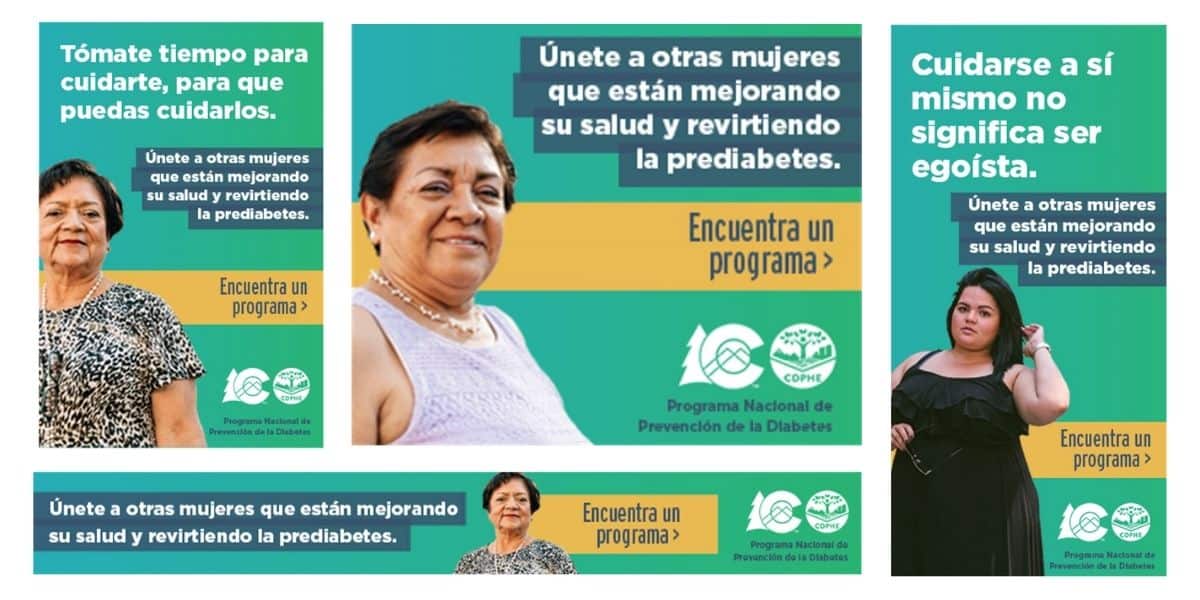
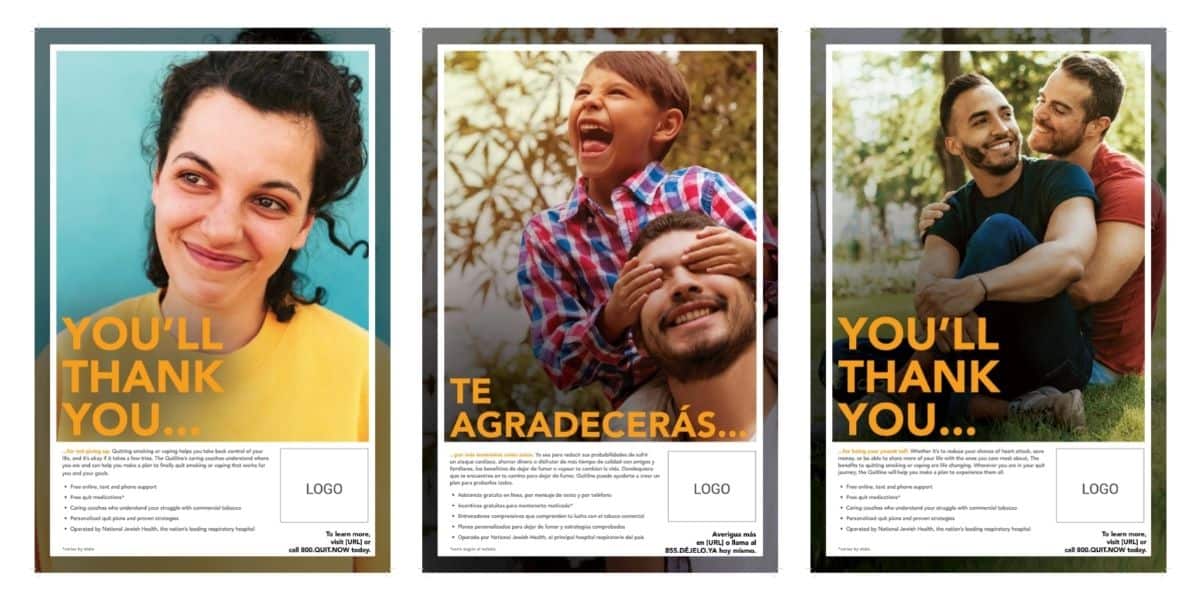
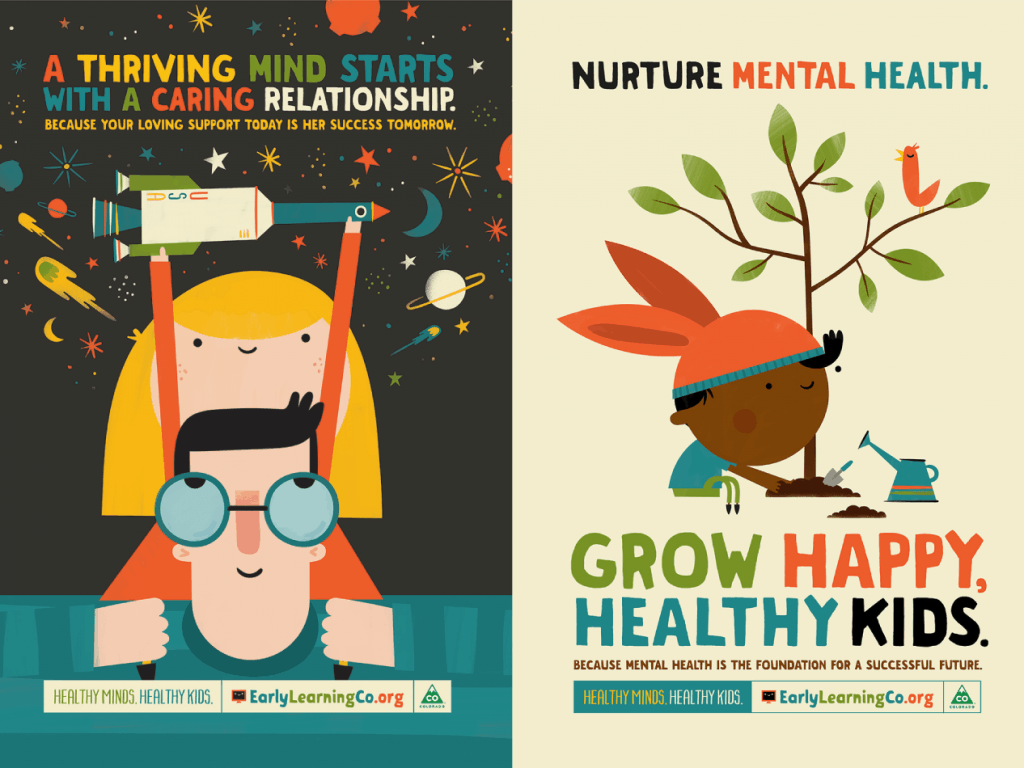
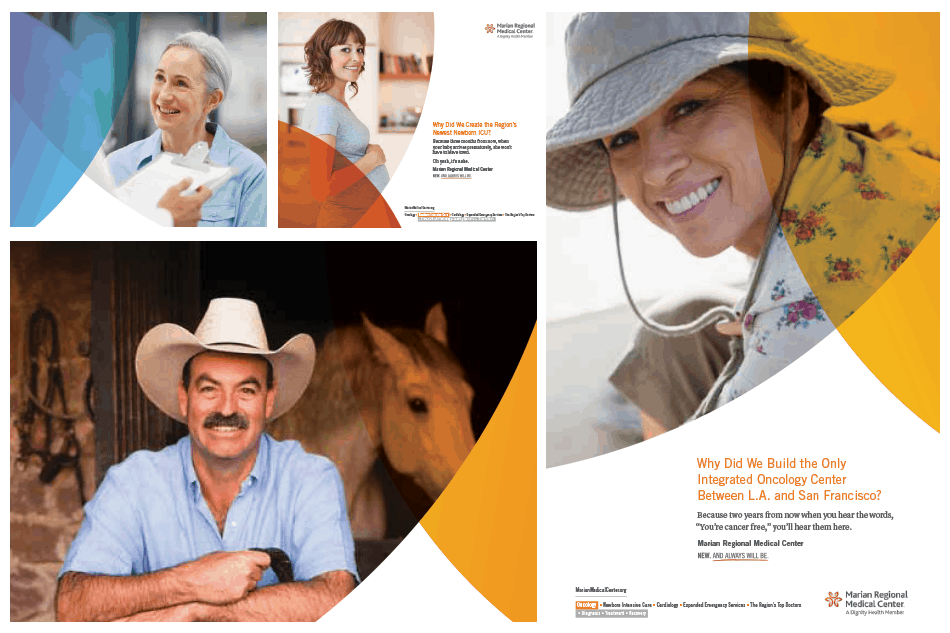
From research and messaging to creative, outreach, and media, our work blends evidence with empathy. We embrace diverse voices at every stage — because campaigns work better when they reflect real lives.
Trusted by organizations driving change

Recent Blog Posts

When AI Helps a Little Too Much
AI can make our work easier. It can also cause harm we never intended. A recent YouTube surprise was a good reminder to pay attention to what AI is doing on our behalf.

The West Needs to Use Less Water: Behavioral Science Can Help
A clever tagline might win attention. It doesn’t necessarily change behavior. As the West faces increasingly serious water shortages, we should be asking more of conservation campaigns than whether…
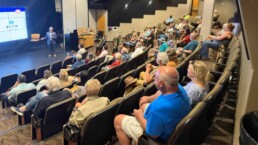
222 Meetings Reinforced Lessons about Building Community Trust
222 public meetings reinforced one lesson: meaningful engagement isn’t about broadcasting a plan—it’s about building trust and creating solutions together.
Stories Make Facts Matter
Changing minds takes more than the right facts. It takes stories that connect, build trust and help people see what’s possible.
Why is Drug Prevention Last in Line for Funding?
Drug prevention works. So why does it get just a fraction of the funding? A look at why investing upstream in young people can pay off for generations.