STI Prevention That Meets People Where They Are—Without Shame
The Challenge
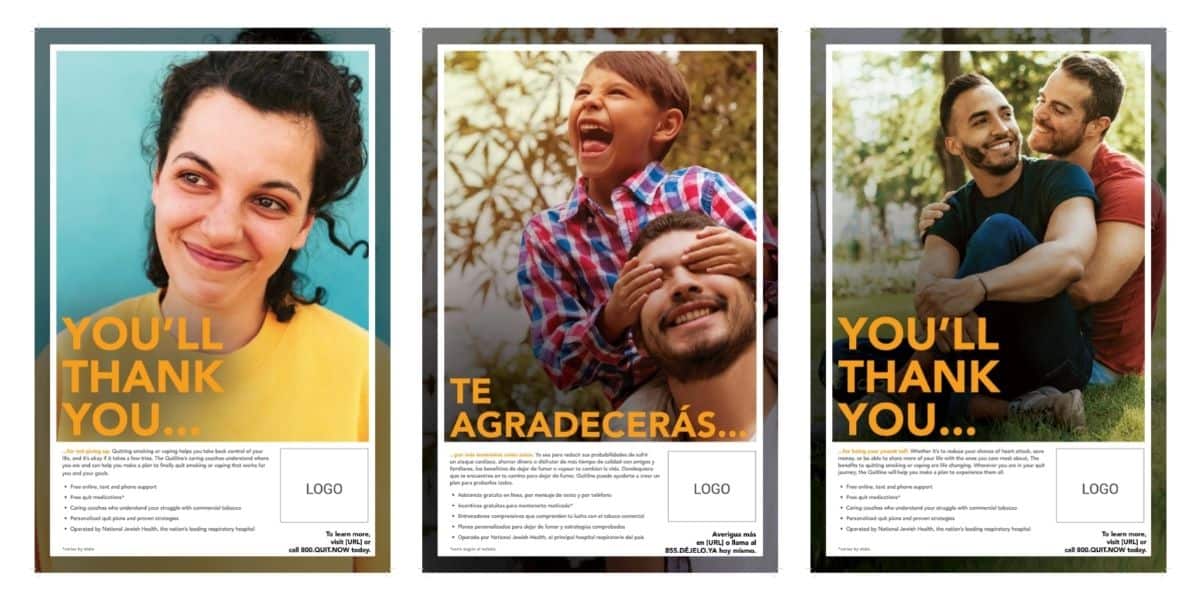
Sexually transmitted infections (STIs) continue to disproportionately impact LGBTQ+ communities in Colorado—particularly gay, bisexual, and other men who have sex with men, as well as transgender and nonbinary people. Across the state, rates of chlamydia, gonorrhea, and syphilis have risen steadily in recent years, with some of the highest increases concentrated among LGBTQ+ populations.
At the same time, stigma remains a major barrier to testing and treatment. Many people delay or avoid getting tested because they fear judgment, misinformation, or being “outed” in healthcare settings. Traditional public health messaging—often clinical, generic, or fear-based—struggles to cut through, especially in digital environments where LGBTQ+ audiences are inundated with ads and content competing for attention.
The Colorado Department of Public Health and Environment (CDPHE) needed a way to break through the noise, normalize STI testing, and reach people at moments when sexual health was already top of mind—without reinforcing shame or stigma.
Our Approach
SE2 developed a digital-first media campaign designed to meet people where decisions about sex and risk are actually happening: on hookup and dating apps. Instead of interrupting users with alarmist messages, the campaign leaned into context—placing STI testing messages in spaces where people were already thinking about sex, partners, and protection.
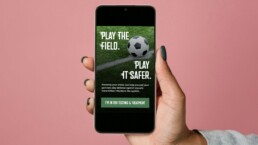
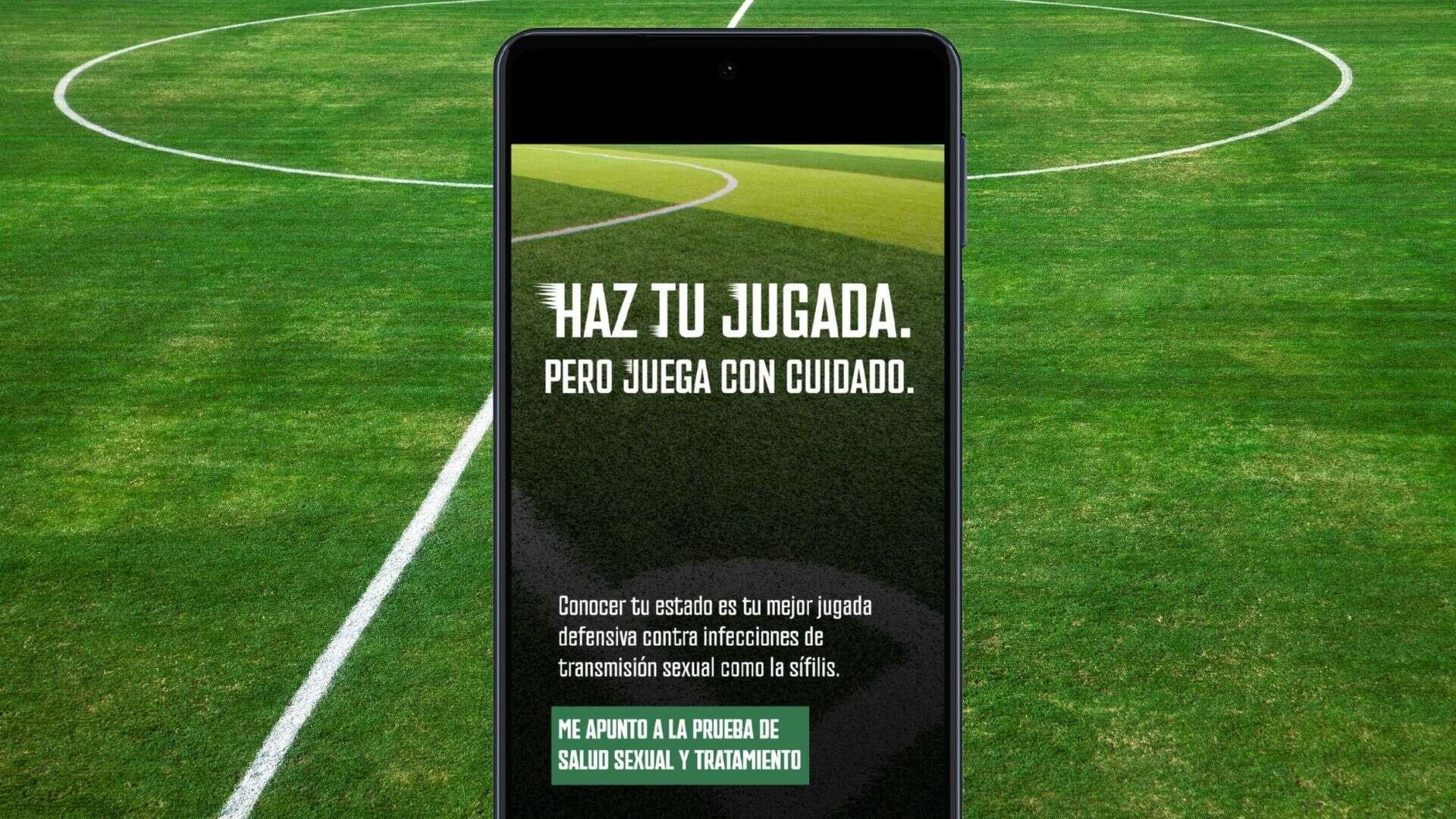
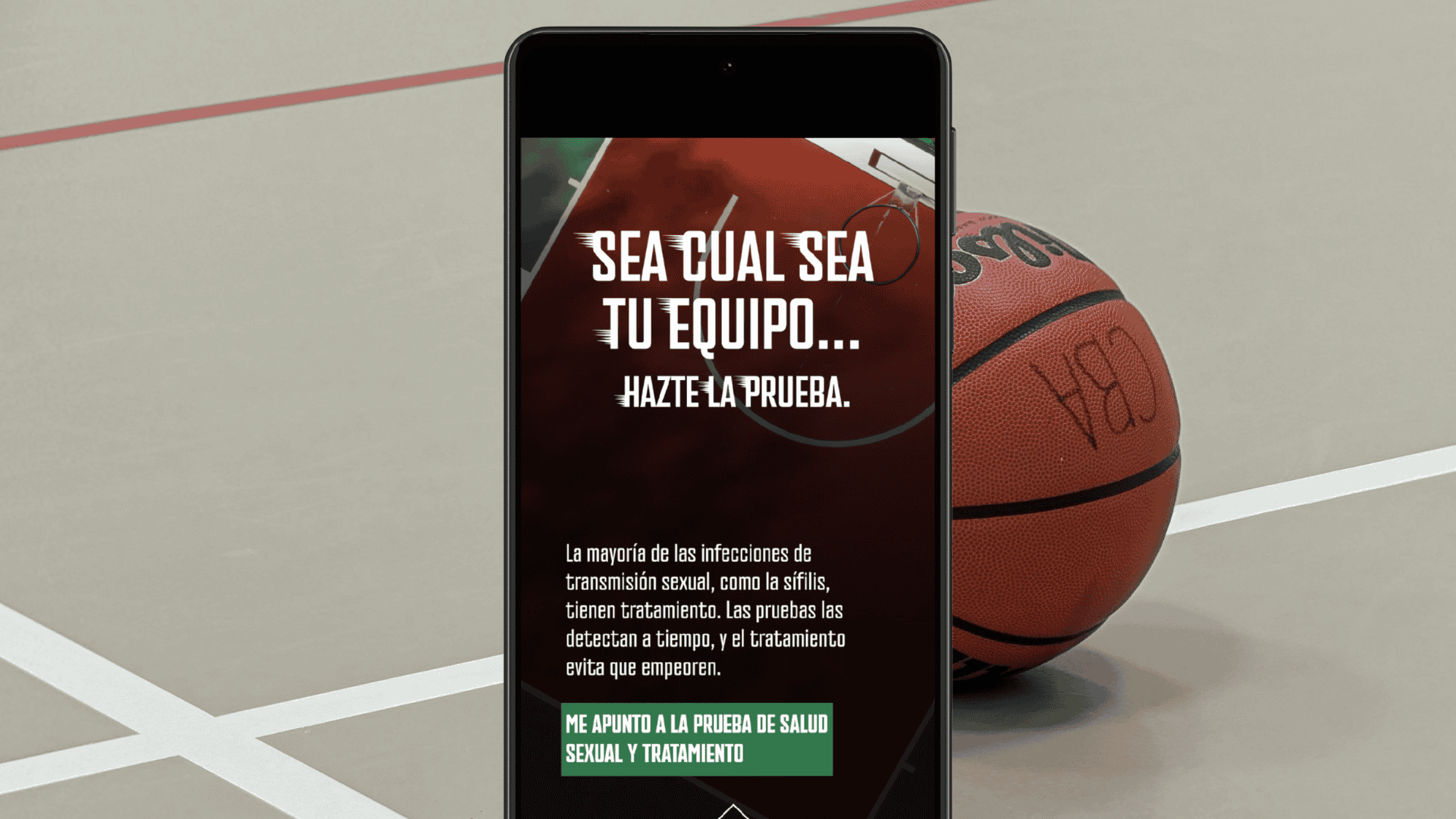
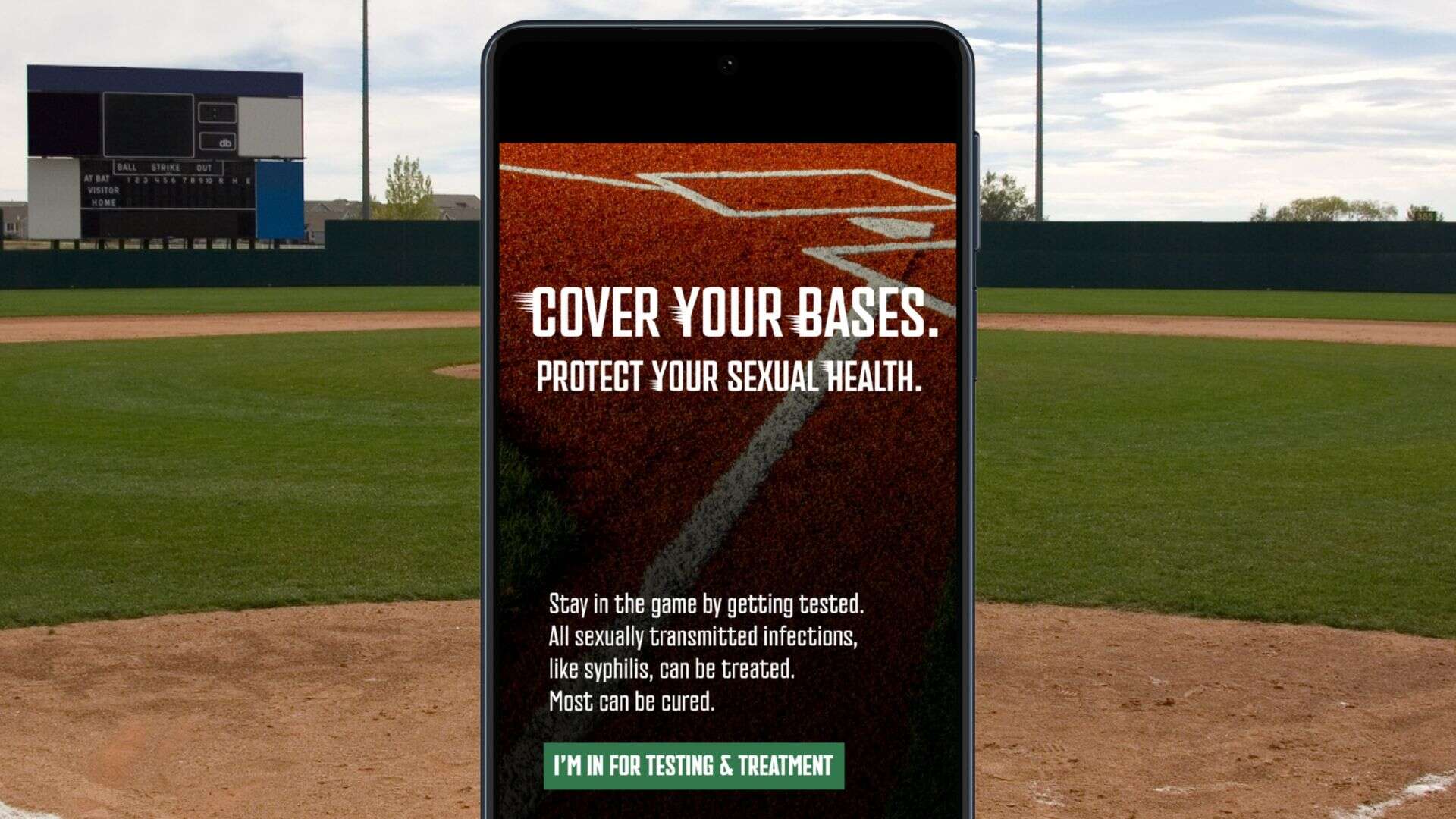
To cut through clutter in these environments, SE2 created a bold, sports-themed creative concept—“Play the Game?”—that reframed STI testing as a smart, routine part of staying in the game, rather than a consequence of “bad” behavior. The concept used familiar sports language and visuals to spark curiosity and recognition, helping the campaign stand out in fast-scroll, high-competition digital spaces.
Messaging was intentionally non-judgmental and harm-reduction focused, emphasizing that:
- STIs are common and manageable
- Testing is about taking care of yourself and your partners
- Knowing your status is a form of confidence—not something to hide
Throughout the campaign, SE2 prioritized inclusive language, LGBTQ-affirming visuals, and a tone that felt conversational, sex-positive, and human. The result was a campaign that respected audience autonomy while making testing feel relevant, normal, and accessible.
The Impact
The campaign successfully reached LGBTQ+ audiences in high-intent digital environments and drove meaningful engagement with STI testing information and resources.
Campaign performance highlights include:
- 1.85 million total impressions delivered statewide across dating apps (Jack’d, Scruff), TikTok, Snapchat, and paid search—ensuring broad visibility among priority LGBTQ+ audiences.
- Over 730,000 impressions on Snapchat and 1.12 million impressions on TikTok, leveraging high-impact, mobile-first platforms to reach users in moments of active engagement.
- Achieved large-scale reach across multiple channels while maintaining cost-effective CPMs and CPC benchmarks.
Beyond quantitative metrics, the campaign demonstrated the power of meeting people with respect—showing that STI prevention messaging can be direct, culturally relevant, and stigma-free, while still driving action. By aligning message, medium, and moment, CDPHE strengthened its connection with LGBTQ+ communities and advanced a more affirming, effective approach to sexual health communication.


Connecting Communities to Lifesaving Mental Health Resources
The Challenge
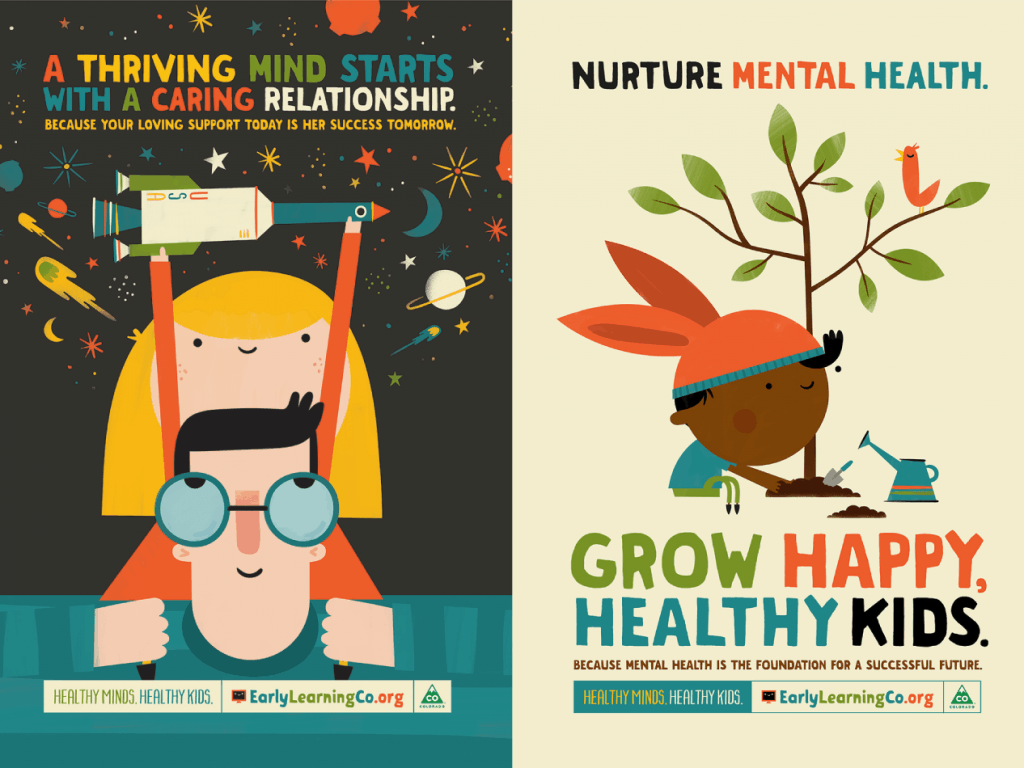
BIPOC communities in Colorado were underutilizing the 988 Mental Health line due to stigma surrounding mental health support. Misperceptions and distrust created barriers to seeking help, leaving many without accessible resources during moments of crisis. The challenge was to change attitudes, build trust, and encourage these communities to view 988 as a safe and supportive option.
Our Approach
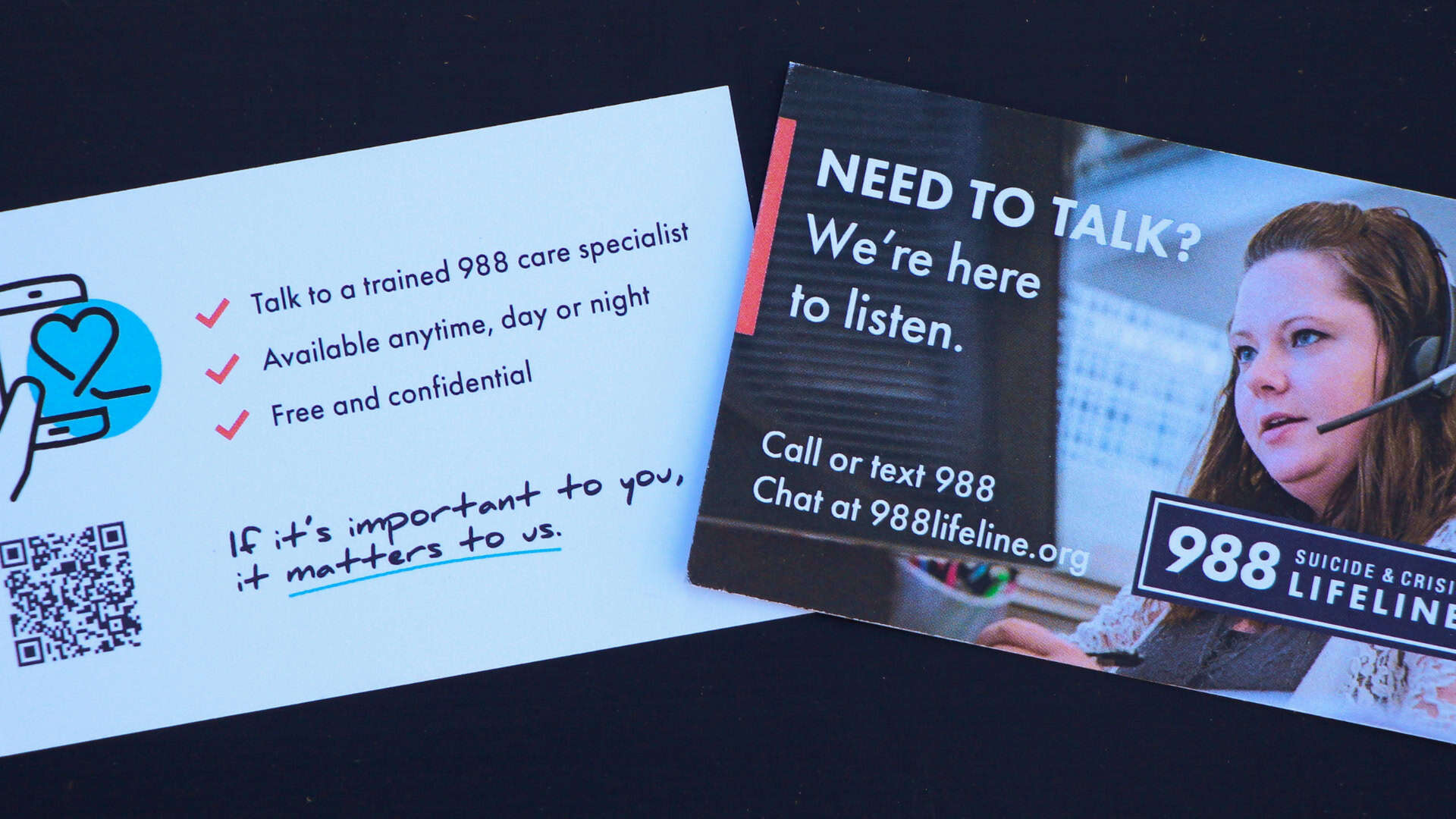
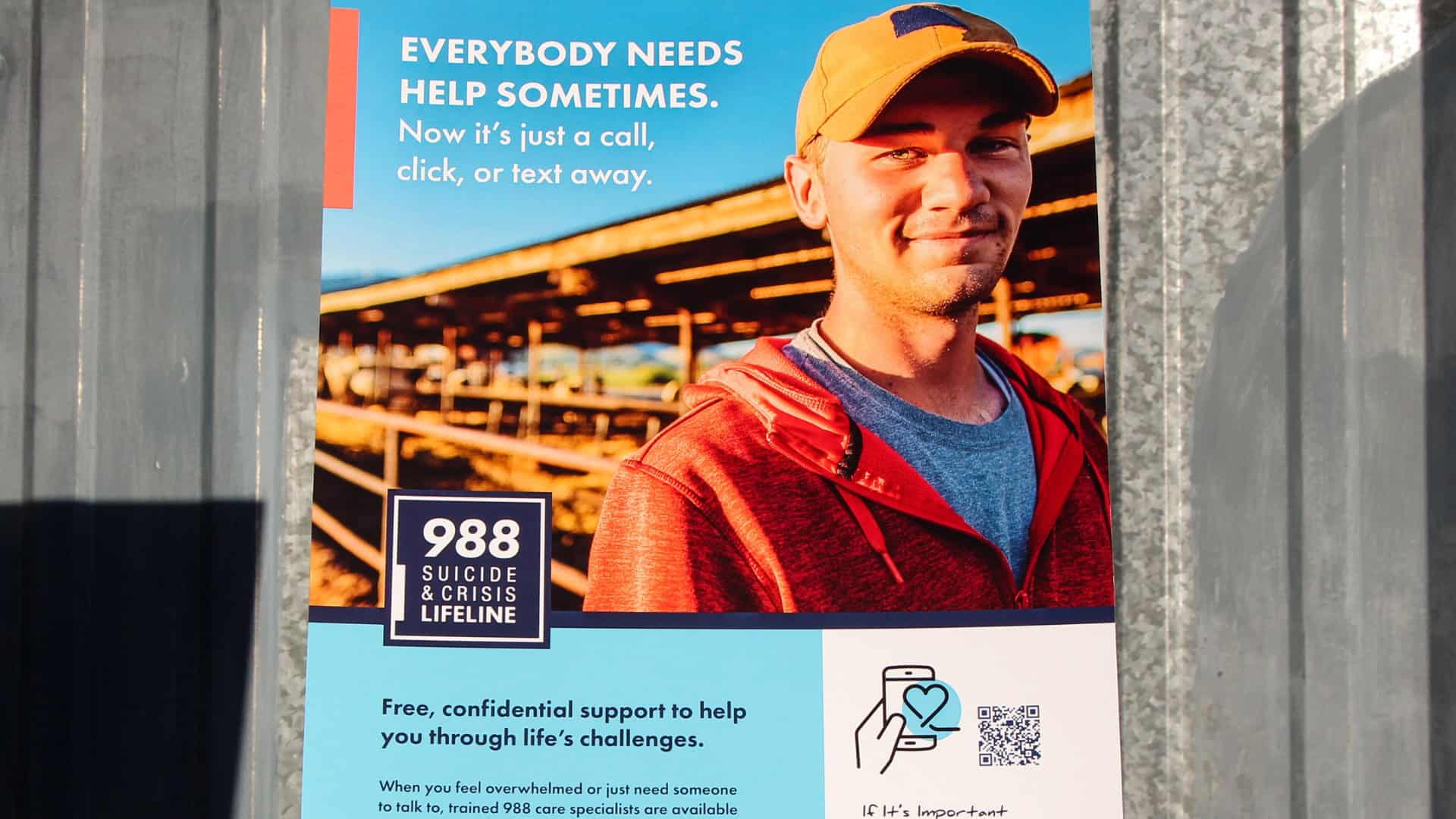
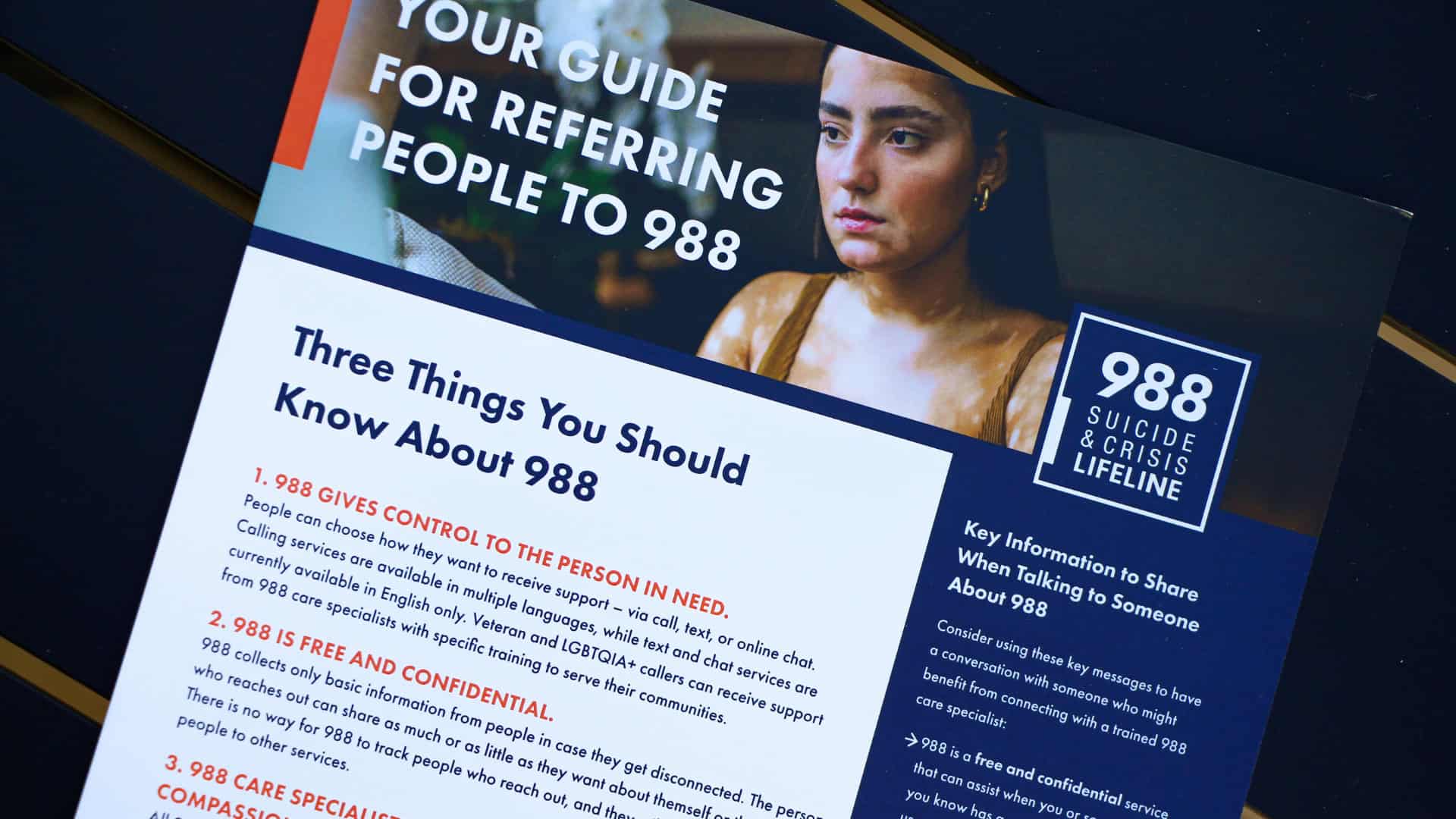
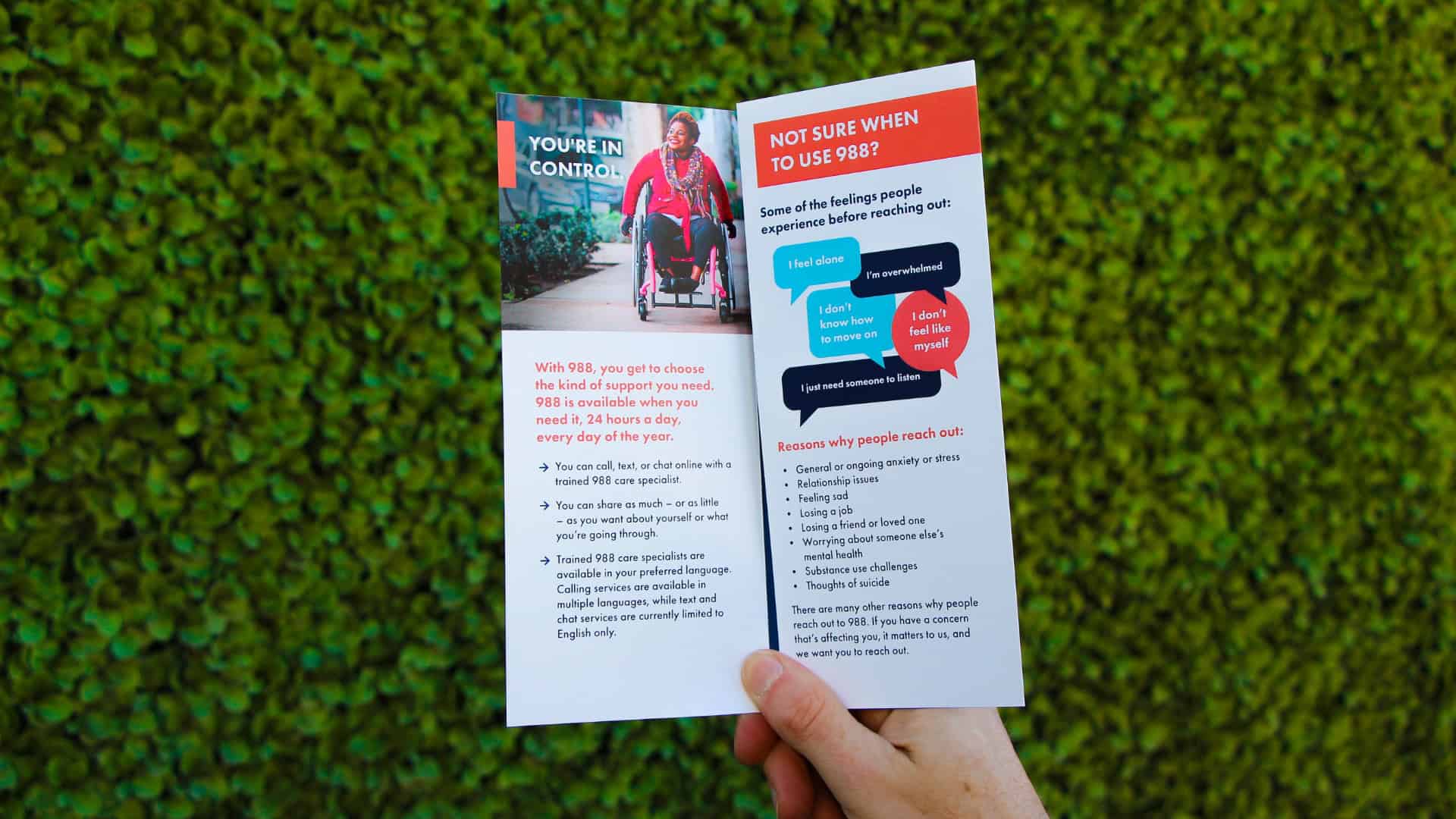
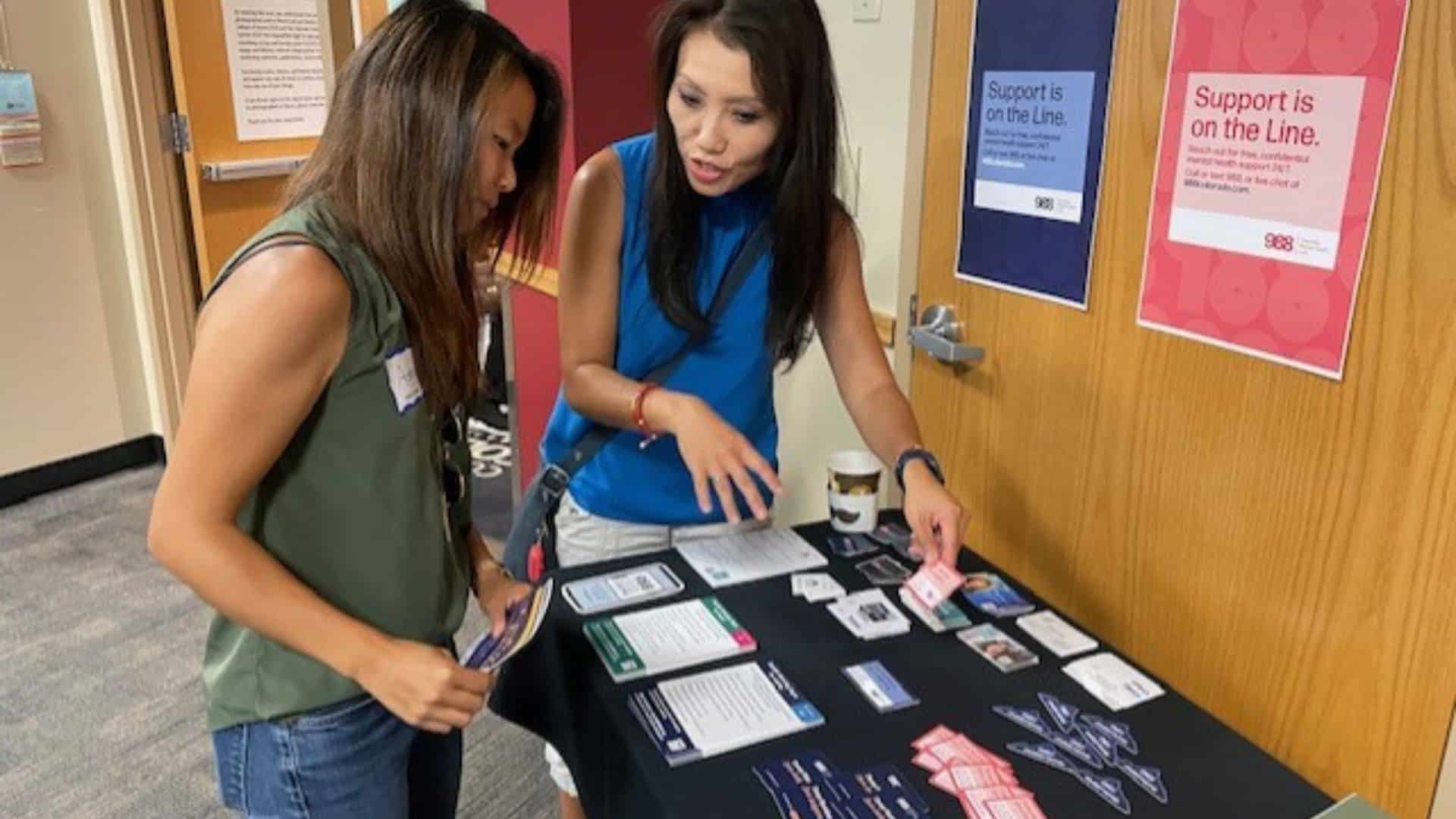
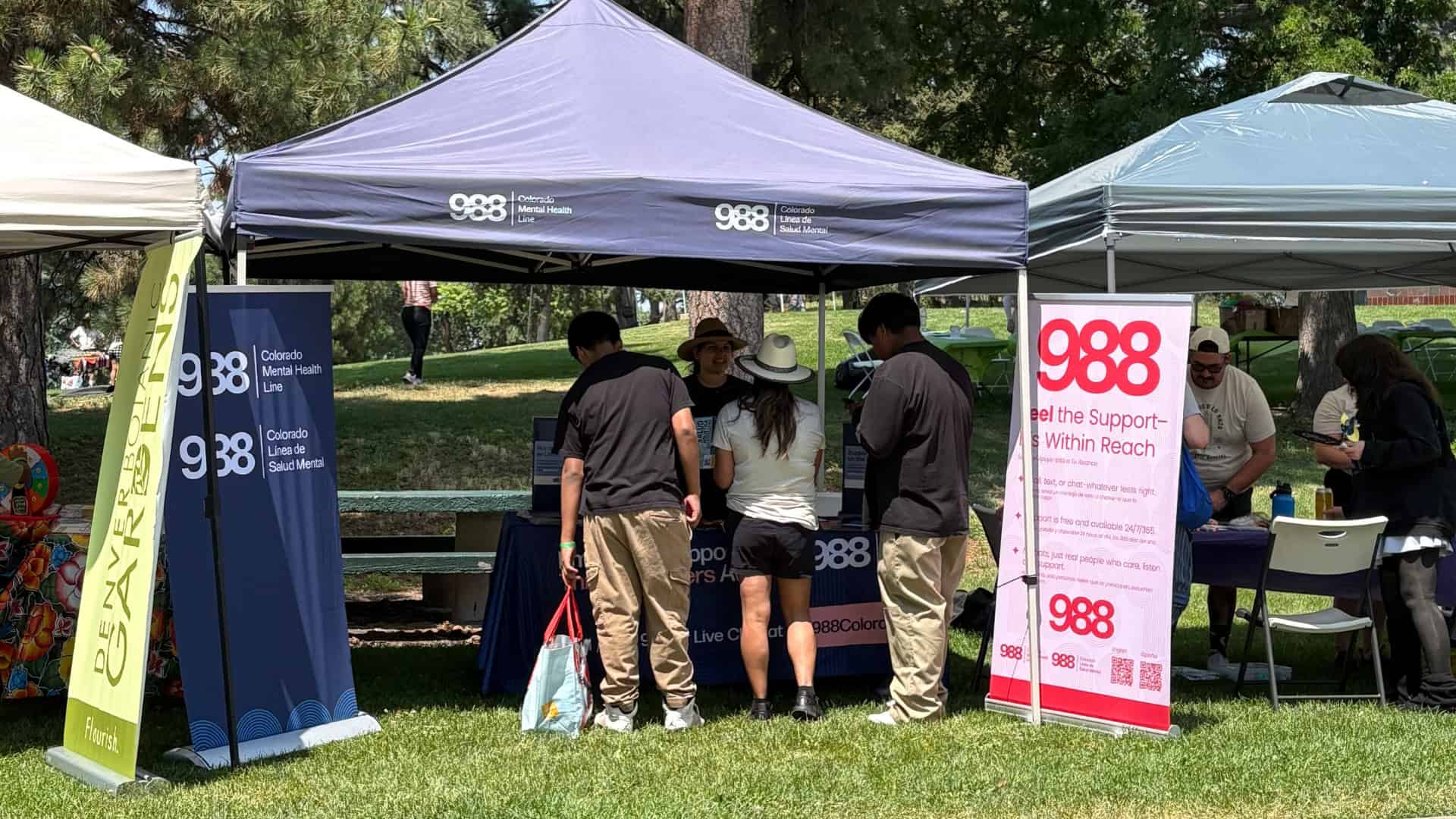
To address these challenges, SE2 developed a storytelling-focused campaign featuring testimonials from diverse Coloradans who had personally used 988. Stories were created in both English and Spanish to reach broader audiences. Each narrative combined animated segments to illustrate the backstory of individuals’ experiences with mental health challenges and live interviews capturing their reflections and growth today.
The goal was to help community members see themselves in these stories, normalize seeking help, and reduce the stigma surrounding mental health support. In addition, the campaign highlighted various modalities of support beyond phone calls, including text and chat, to ensure people had multiple ways to access help.
We leveraged our SE2 PowerMap® approach to extend the reach of these stories. This included sharing content through presentations, community meetings, and direct engagement with community and grasstops leaders, ensuring that messaging resonated within the communities it was designed to support.
The Impact
Through storytelling grounded in real experiences, this initiative demonstrated the power of culturally relevant communication in reducing stigma and promoting mental health support in historically underserved communities.
- Shifted perceptions: BIPOC communities began viewing 988 as a trusted and approachable resource for mental health support.
- Created positive impressions: Testimonials helped build more favorable attitudes toward the service, reinforcing its accessibility and effectiveness.
- Encouraged action: By showcasing relatable experiences, the campaign motivated individuals to reach out and seek support when needed.

Building Community Immunity with the Power of Community Norms
The Challenge
Vaccines have been so successful at preventing serious diseases like polio and measles that many Americans may forget what a game-changer immunization has been. This breeds complacency or even skepticism (fueled by misinformation about the potential risks of vaccines, as opposed to the risks of the diseases they prevent). Social media algorithms and polarizing media headlines may create an exaggerated perception of skepticism, undermining broad confidence.
Our Approach
For several consecutive years, SE2 worked with the Colorado Department of Public Health & Environment to promote vaccines broadly across Colorado. We managed research-based and community-informed campaigns to encourage vaccination. We focused on both mass media and outreach/engagement using our SE2 PowerMap® framework. This approach included:
- Culturally Responsive Messaging: Tailoring communication to resonate with diverse populations and frankly addressing concerns rooted in racist health care legacies.
- Trusted Messengers: Co-creating messages and strategies with community leaders, local organizations, and health care professionals who provide credible information built on trust.
- Science-Based Information: Helping everyone navigate vaccine decisions for themselves and loved ones through clear, transparent messaging.
Sustained Engagement: Supporting annual respiratory season and routine childhood vaccine awareness year after year to build on progress and prevent erosion of trust, even when facing headwinds. - Positive Community Norms: Demonstrating that routine childhood vaccines are embraced by a large majority of families, giving others confidence that they’re in good company when they vaccinate.
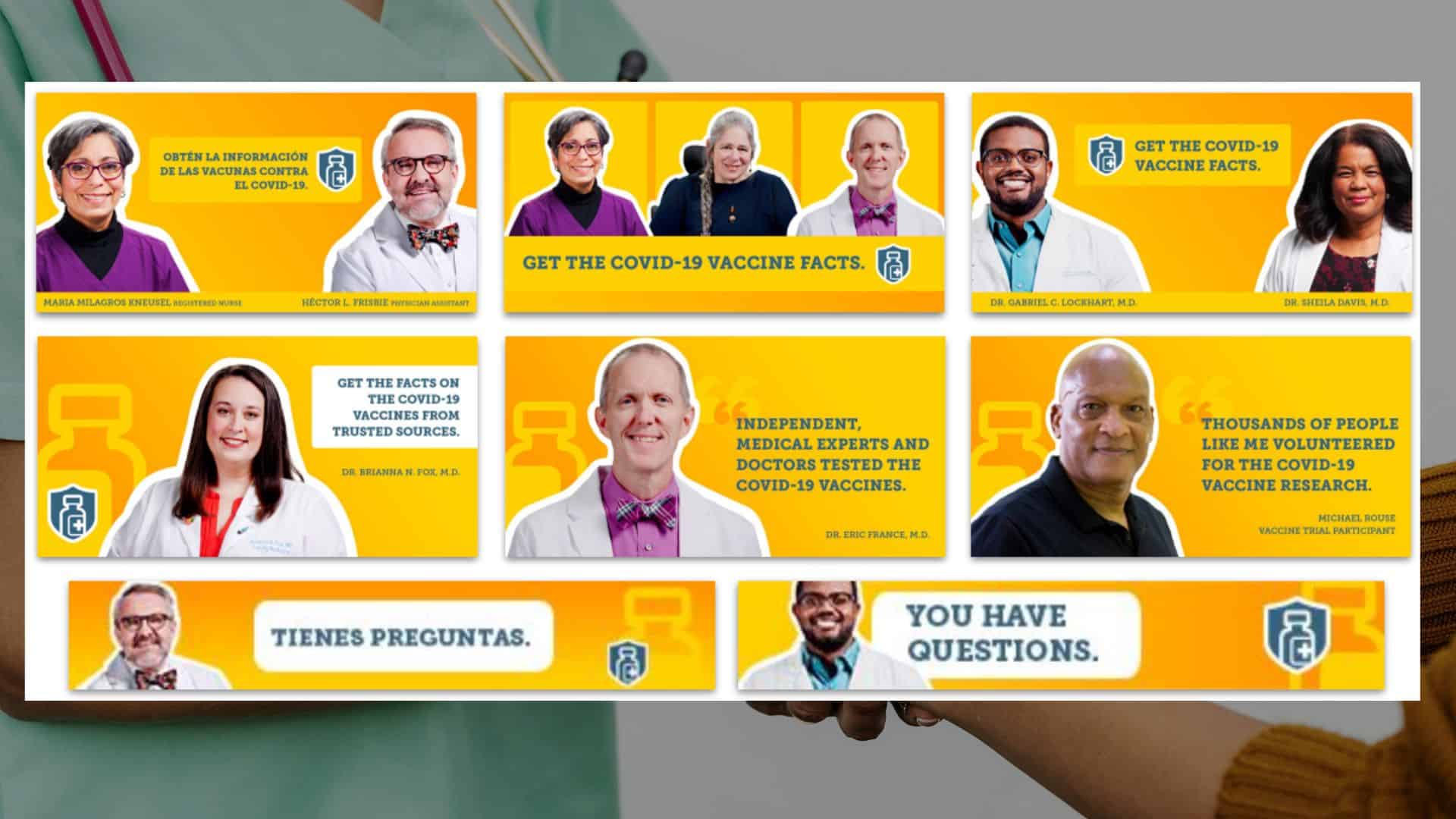
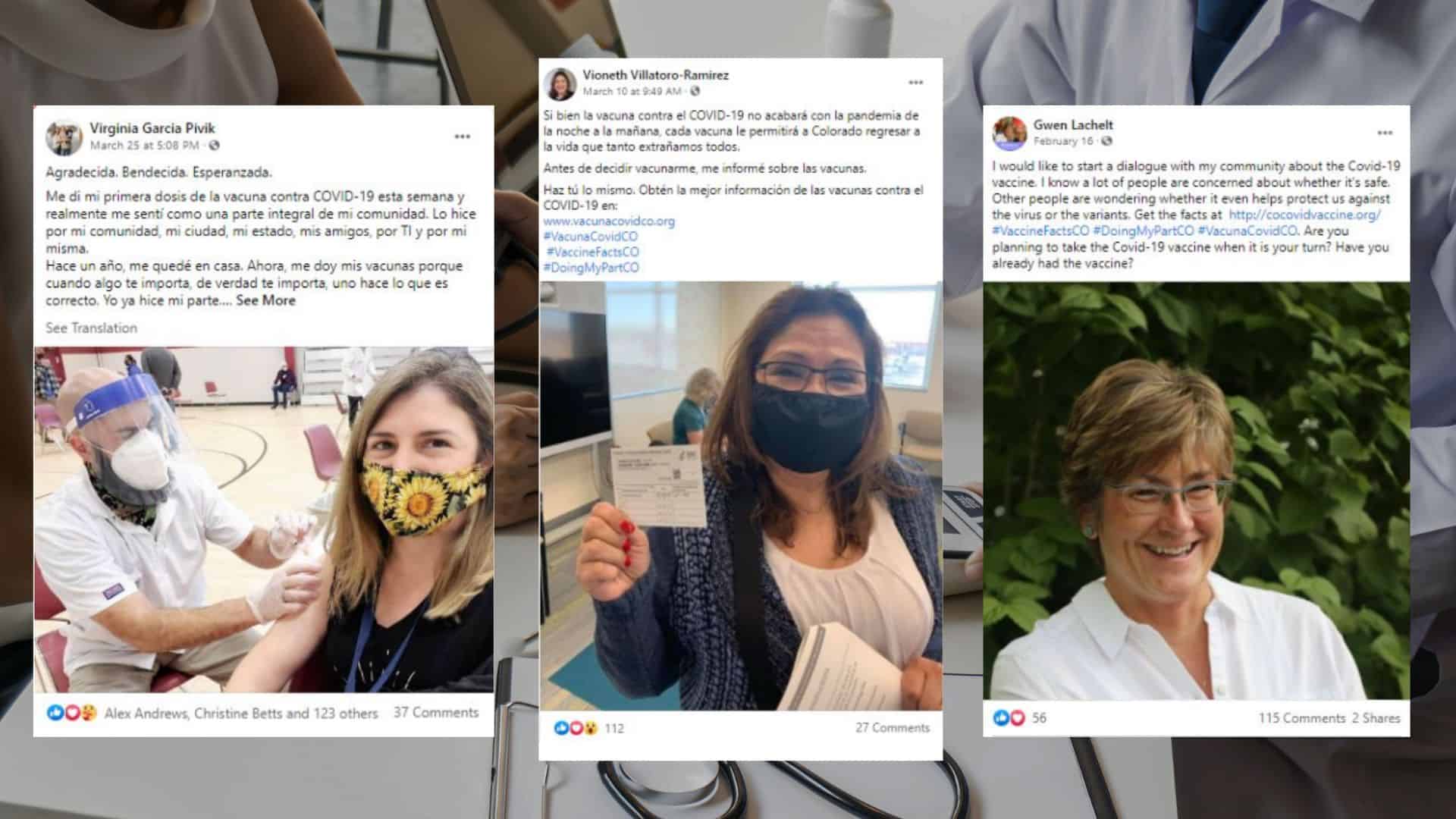
SE2’s engagement on this issue included promotion of the first COVID-19 vaccines, a campaign that was launched as quickly as the vaccines become available. It featured health care providers of color addressing their motivations for getting vaccinated.
SE2 has also worked with health, community, and philanthropic organizations to fill the gaps in vaccine promotion caused by drastic cuts in federal funding and confusing messages from federal health leaders.
The Impact
Our most recent vaccination campaigns garnered over 100 million ad impressions, drove over 300,000 visitors to campaign websites, and surpassed industry benchmarks across all platforms.
These efforts contributed one remarkable achievement: The state achieved the nation’s highest RSV vaccination rate among those 60 and older. Following the direct mailer to 72,026 families, 9,868 (or 13.7%) kindergarten-aged children had become up to date on their MMR vaccine.
In just five weeks the “Missing” campaign:
- Generated over 4.9 million impressions and 149,000 clicks
- Drove nearly 2,000 people to act—visiting pages with theft prevention tips or victim resources
- TikTok extended reach to younger audiences, with over 1.3 million views of campaign videos and over 90% view-through rate
The emotional storytelling, combined with clear prevention steps, helped Coloradans connect the dots between how they feel about their cars—and how they act to protect them.




Changing What’s ‘Normal’: A Presentation on Youth Prevention at the Washington State Public Health Association Conference
When young people lead the message, their peers listen. Social norming campaigns that highlight healthy teen choices don’t just correct misperceptions — they help build connection, confidence, and stronger communities.
At this year’s Washington State Public Health Association Annual Conference, SE2 Principal Brandon Zelasko joined Safe Yakima Valley and youth advisor Ryder to explore how youth-led social norming campaigns are helping reshape perceptions around substance use and inspire lasting behavior change.
Through authentic youth voices and positive storytelling, these campaigns make the real norm visible — showing that most young people are already making healthy choices. When that truth is shared by peers, it becomes powerful motivation for others to do the same.
Check out the presentation and reach out if you’d like to learn more about using social norming for health promotion and prevention:
FEAR DOESN’T WORK – FACTS DO: by Brandon Zelasko

The Human Side of AI: How SE2 Uses Technology Without Losing Touch
We’ve always believed in the power of people — their stories, their insights, and their ability to move communities to action. So when artificial intelligence entered the conversation, we saw it not as a replacement for human creativity, but as a tool to strengthen it.
Yes, we use AI. But we use it thoughtfully.
AI helps us work smarter — handling repetitive or time-consuming tasks so that our energy stays focused where it matters most: strategy, storytelling, and human connection. When the machines take care of the rote work, our team can spend more time in the community, listening, learning, and shaping campaigns that reflect real lives and experiences.
That’s how our clients benefit. Efficiency increases. Budgets go further. And the work — the deeply human work — gets even better.
Of course, we also take great care to use AI responsibly. Our team works within a private, secure workspace to ensure client materials never enter the public cloud. And no AI-generated content ever goes unchecked. Every fact, phrase, and footnote is reviewed by our strategists, writers, and designers to make sure it’s accurate, ethical, and aligned with your goals.
At its best, AI amplifies what people can do. But it can’t replace what makes SE2, SE2 — our empathy, our critical thinking, our purpose, and our commitment to community.
Technology may evolve, but our values remain the same: listen first, think deeply, and create change for good.


Anatomy of Ethical Storytelling: How We Tell Stories That Heal, Not Harm
At SE2, we believe storytelling is one of the most powerful tools we have to shape opinions, influence policy, and connect with communities. That’s why we’re proud to share our “Anatomy of Ethical Storytelling” poster at ComNet25 in Denver this month—a visual guide that reflects our commitment to telling stories that heal, not harm.
We created this piece to challenge communicators to think critically about the impact of their narratives. Too often, stories are shaped by the agenda of the storyteller rather than the lived experiences of the people at the heart of them. When that happens, storytelling can unintentionally reinforce stereotypes, retraumatize communities, and miss opportunities for truth and transformation.
So what’s the alternative? Ethical storytelling. For us, that means listening deeply, respecting lived experiences, and elevating community voices. It’s not just about visibility—it’s about influence, resistance, and connection.
To bring this concept to life, we used the metaphor of the human body. Each part represents a principle we believe is essential to ethical storytelling:
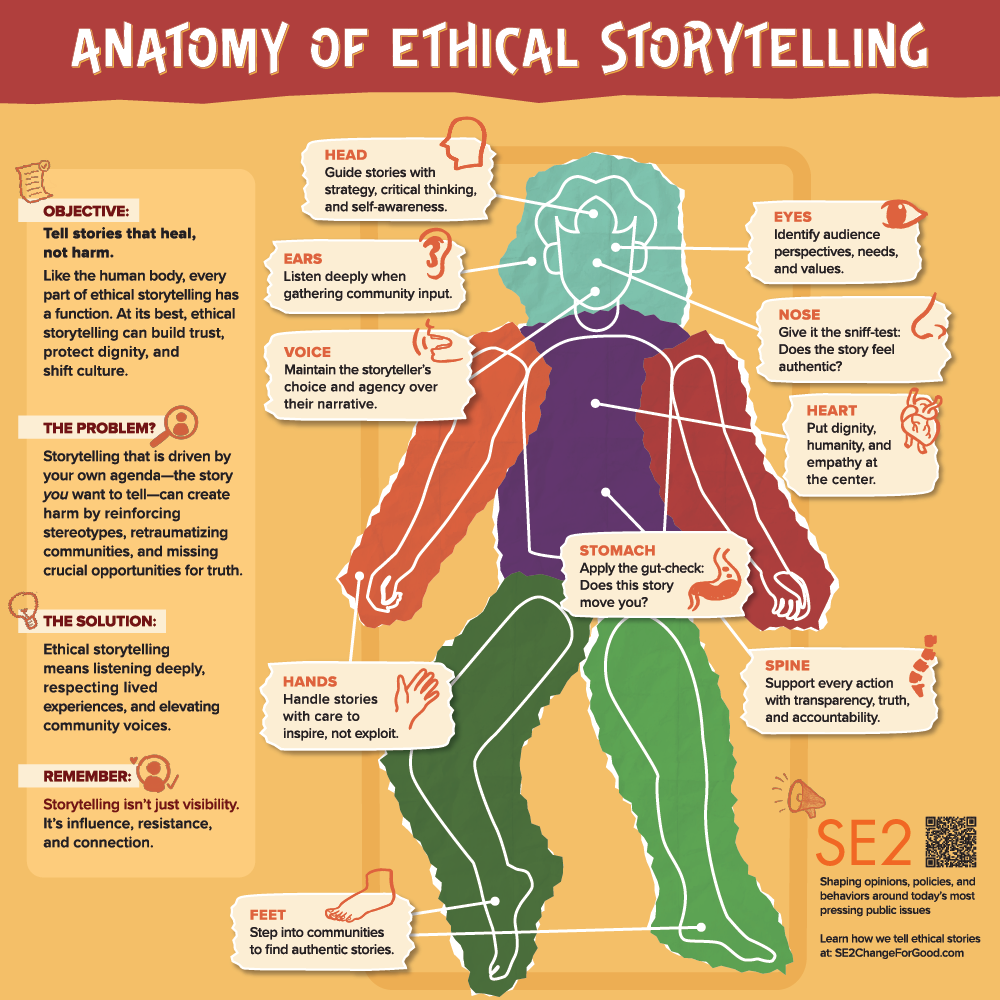
- Head – Strategy, critical thinking, and self-awareness guide the narrative.
- Eyes – We consider audience perspectives, needs, and values.
- Ears – We listen deeply to community input.
- Nose – We apply the “sniff test”: Does the story feel authentic?
- Voice – We ensure storytellers maintain agency over their own narratives.
- Heart – We center dignity, humanity, and empathy.
- Stomach – We use the “gut check”: Does the story move us?
- Hands – We handle stories with care to inspire, not exploit.
- Spine – We support storytelling with transparency, truth, and accountability.
- Feet – We step into communities to find authentic stories.
This framework isn’t just theoretical—it’s how we work every day. Whether we’re crafting a campaign, producing a video, or writing a feature, we strive to honor the people whose stories we tell. Download a PDF version of the Ethical Storytelling Framework here.
If you’re at ComNet25, come see the poster in person and let’s talk about how we can all do better by the stories we share. And if you’re curious to learn more, check out our other blogs.
Let’s keep storytelling human.

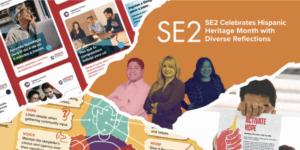
Hispanic Heritage Month: Honoring Our Roots, Strengthening Our Future
We believe that stories shape the way people see themselves and each other. Every campaign, partnership, and conversation we’re part of is rooted in the belief that representation matters and that honoring where we come from is essential to moving forward together.
Each year, from September 15 to October 15, the United States celebrates Hispanic Heritage Month, a time dedicated to recognizing the histories, cultures, and contributions of Americans whose ancestors came from Mexico, the Caribbean, Central America, South America, and Spain. The dates are significant: They encompass the independence anniversaries of several Latin American countries, including Costa Rica, El Salvador, Guatemala, Honduras, Nicaragua, Mexico, and Chile.
But more than dates on a calendar, Hispanic Heritage Month is a celebration of identity, one that is both collective and deeply personal. It’s an opportunity to celebrate the communities whose stories, strength, and innovation continue to move our country forward.
This year, our team at SE2 took time to reflect on what this month means and how it connects to the work we do every day.
Elizabet Garcia Hernandez | Public Relations & Community Outreach Specialist
As I think about Hispanic Heritage Month this year, I find myself sitting with a mix of emotions. On one hand, it’s hard to ignore the ways in which our communities continue to face resistance, moments when our contributions aren’t fully seen or valued. But alongside that tension, I feel a deep sense of gratitude. Working at SE2 has given me the opportunity to stay connected to my roots and to uplift the very communities that raised me.
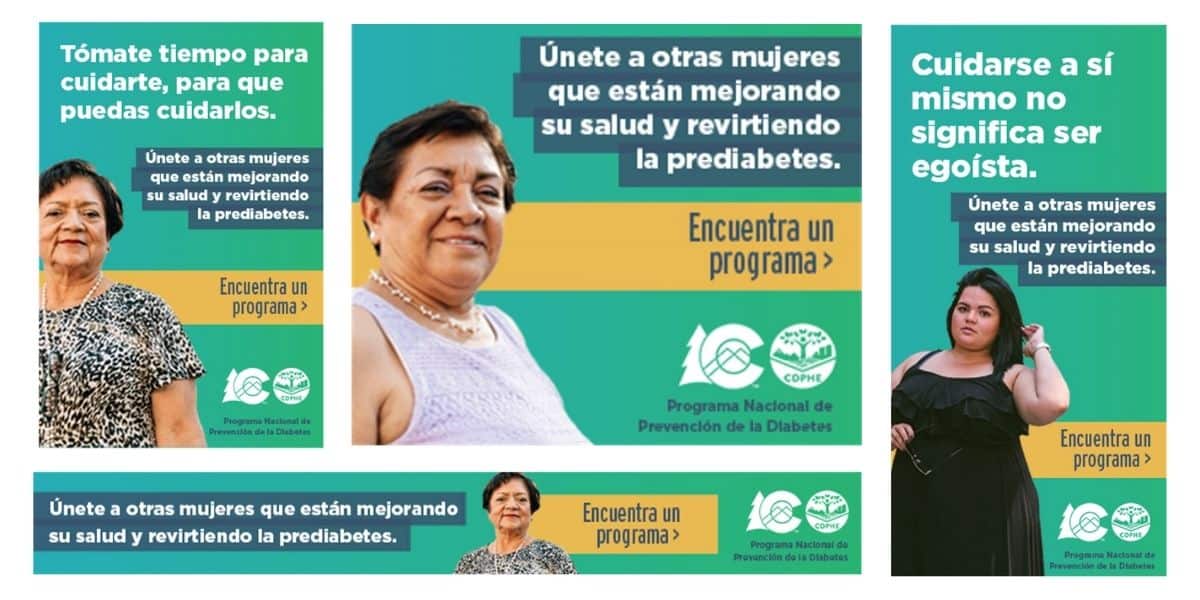
This past year, I’ve had the privilege of helping distribute mini-grants and building partnerships for SE2’s work with the Behavioral Health Administration’s 988 Colorado Mental Health Line marketing campaign. Through that work, I’ve collaborated with incredible community partners who are making a real difference in people’s lives, especially in moments when access to care and understanding truly matter.
I also had the chance to take part in community events across Colorado, including Fiestas Patrias and the Greeley Stampede, events that mean so much to me personally because I grew up in Greeley. Standing there, surrounded by the same kind of energy and pride that shaped my own story, I felt a renewed sense of purpose. It reminded me that representation is not just about visibility; it’s about belonging.
Another meaningful project this year was SE2’s alcohol moderation campaign in the Yampa Valley, where I worked directly with Spanish-speaking community members to gather their stories. Hearing them share their experiences and emotions in their native language was incredibly powerful. It reminded me how essential it is to create space for people to express themselves authentically, to give agency to their voices, not shape them for convenience.
This year has reinforced why I do this work. Despite the challenges, it’s moments like these, standing in community spaces, listening to people’s stories, and seeing them reflected in campaigns that honor their experiences that keep me going.
Willy Chamu | Graphic Designer
As a recent addition to the SE2 team, I feel so honored to be part of such a talented group of people whose values and commitment to positive change are at the forefront of all the work they do. As a recent graduate of MSU Denver, at the start of my career, being part of this team is a huge honor and privilege.
My new role as SE2’s graphic designer is invaluable for helping me stay connected to what’s going on with the diverse communities around me.
Having people within my family and community – whose stories and contributions have impacted not only me, but others whose stories are woven into the history of this country – serves to encourage reflection on how their stories can continue to be told through the work I produce in this role.
As a graphic designer, I am fully aware of the importance of written and visual language within design. With the perspective my diverse background brings, I am able to create visuals that convey narrative, inform and resonate with audiences in ways that go above and beyond simple, written language.
I am grateful for projects like Adelante Connect, where I can look to people within my own community who struggle with language and technology. I see first-hand how limited access to the technological knowledge, and common grasp of the English language, that we take so much for granted make life increasingly difficult for these people in a world that is becoming more and more digital.
Working on deliverables for the Safe Yakima Valley County schools in Washington brings to mind my personal experiences in my local public middle and high school. I consider how I can utilize my background to create items that will leave a lasting impact on these students to make better choices that will positively influence their future.
This position serves as a powerful reminder to appreciate my Latino heritage and unique life experiences, which serve as a wellspring of inspiration and an opportunity to connect with the audiences I intend to help serve.
Alvina Vasquez | Principal
My commitment to Community is rooted in generations of resistance and resilience. The challenges Latino families face today are not new—they are part of a long, ongoing struggle for equity and dignity. My ancestors fought colonialism and oppression; Colorado Civil Rights leaders like Rudy Gonzales, Nita Gonzales, and former State Senator Polly Baca paved the way; and my grandparents and parents stood up to everyday racism. I honor their legacy by dedicating my work to advancing children, women, Latine, and other under-resourced and at-risk communities.
At SE2, our mission is to move people to action through powerful, purpose-driven communication—and that begins with truly listening to the communities we serve and understanding their lived experiences. Through our work in behavioral health, substance use prevention, and public health, we’ve seen how culturally relevant storytelling can break down stigma and build genuine connection.
Language equity, cultural representation, and authentic partnership aren’t seasonal values for us—they’re the foundation of everything we do. Whether we’re collaborating with local nonprofits, uplifting bilingual voices, supporting grassroots organizations, or learning from the wisdom and leadership of community trailblazers like Polly, Nita, and many others, we are grateful to work alongside leaders who continue to shape and strengthen our communities. SE2 remains deeply committed to ensuring that every story we tell reflects the richness, resilience, and diversity of Colorado’s people.
The Celebration Doesn’t End Here
As Hispanic Heritage Month comes to a close, we’re reminded that this celebration doesn’t end here. The spirit of la comunidad—of resilience, pride, and solidarity—continues in every campaign, every partnership, and every story that moves someone to act.
At SE2, we carry that spirit forward. We celebrate the people who make this work possible, the partners who inspire us, and the stories that connect us.
Because honoring heritage isn’t just about looking back. It’s about shaping a future where every community sees itself represented, respected, and heard.

A Turning Point for Democracy & Belonging in Colorado
Last week’s killing of conservative political commentator and activist Charlie Kirk is a tragedy – for his loved ones, of course, and for anyone who believes in the principle of being able to express their opinions without fear or retribution.
It was another in a string of attacks on political leaders in recent years but hopefully is a turning point for a country that surely now sees that something inside us is broken.
We can’t look at political leaders, pundits, or influencers to solve this problem. It’s something only we can fix – one relationship, interaction, and conversation at a time.
Seeing the humanity in others and approaching conversations with tolerance and a commitment to working together is what a bold new effort here in Colorado is all about. Belonging Colorado is focused on bringing Coloradans together across lines of difference – regardless of their race, political affiliation, income, or where we are from – to foster a greater sense of belonging in our state. Across Colorado, people are stepping up to lead locally based efforts to bridge differences and create belonging in their communities.
This unique, innovative statewide approach includes support for community-based organizations that are bringing people together to connect around shared interests and address shared challenges; funding for entrepreneurs to pioneer new ways to increase connection and belonging; and training and support for community-led leadership networks that are working to spread strategies for bridging differences. The initiative is made possible by a special fund at The Denver Foundation and supported with the expertise of the Greater Good Science Center, Colorado Health Institute (CHI), and Startup Colorado.
The Belonging Colorado project is based on research conducted by CHI that found that only about half of Coloradans feel a strong sense of belonging in their local community. According to the 2024 Colorado Belonging Barometer:
“While a majority of Coloradans reported belonging, there was a significant percentage who felt uncertain, at best, about whether they belonged in the state, community, workplace, and in their child’s school. Socioeconomic factors, such as education level and income, as well as people’s feelings about belonging, loneliness, and political ideology, are most often associated with whether someone feels they belong.”
The effects and benefits of belonging range from individual to community wide.
“An emerging body of research,” the CHI report says, “indicates that belonging is associated with better physical and mental health, greater workforce retention, increased trust in one’s neighbors and in local government, more openness to diversity and less fear of demographic change, and greater satisfaction with U.S. democracy.”
Bridging our inevitable differences involves seeing the humanity of people whose backgrounds or views differ from our own and better understanding them. It does not ignore the differences that make us unique, nor does it mean agreeing on everything – or tolerating hate, bigotry, or incitement to violence. It is about valuing one another, extending mutual respect, and working towards shared goals and a future we can co-create.
Regardless of whether you shared Kirk’s opinions, no person deserves to be dehumanized or killed because of their views, background, or beliefs. Belonging means being valued and accepted for who you are, without the need to act in ways that erase your identity or what you believe.
When people are given a seat at the table and treated as valued participants in shaping their future, they feel heard, connected, and supported – which benefits everyone. Belonging ensures that progress for one person strengthens the whole community.
Colorado is not immune to many of the political and social dynamics that divide people. But, by focusing on ensuring all voices are welcome at the table to talk about our issues, we can walk out of this darkness together and create a brighter future in a state where everyone can thrive.


The Return of Things We Thought Were Gone
“Gays are not welcome here,” said the man through the window of the blacked-out Tesla.
My sheepish response, “Oh, really?” But in my defense, it’s not something you expect to hear while walking your dog with your husband of 21 years in the City Park neighborhood of Denver. After all, Denver is a fairly progressive, major city. And it had been years since the last time I had someone so brazenly verbally harass me in public. Had I expected it, I might have had a more thoughtful response that made him think twice about believing he could be so cavalier with his bigotry.
“Gays are not welcome here.” It kept ringing in my head all night.
If you haven’t been on the receiving end of hate speech, it’s difficult to imagine the violation you feel. It’s scary because you think, if someone can so easily say such awful things to a stranger, what might they be willing to do to you physically as a demonstration of their intolerance for who you are?
I think I have a somewhat interesting perspective on the issue of growing intolerance.
As a white, cisgender man who can “pass”, I can blend in. I see and experience the privilege that white, cisgender men have. But at the same time, I can also understand what it feels like to live as a minority. Certainly not in the same ways and to the same degree that many people experience it. But at least a little.
I have also been around long enough to have gained the perspective that time brings.
Back when my husband and I first met, it wasn’t ok to be gay. We faced nearly daily harassment. However, as time passed, things improved for us. I can now see that 20 years of progress are being lost.
Not just for the LGBTQ+ community, but for immigrants, women, people of color, people with disabilities, religious minorities, and anyone whose existence challenges the rigid boundaries of those who define belonging through fear.
It feels like we’re slipping backward into something darker—something we thought we’d outgrown as a country. And maybe that’s what unsettles me most. Not the words themselves, but the realization that this kind of hate can exist comfortably in daylight again, met too often with silence.
We tell ourselves it’s isolated. We scroll past the stories. We say, “That’s terrible,” and move on with our day. But silence is not neutrality. It’s permission. When we don’t speak up, when we look away, we make space for hate to take root and grow bolder.
This isn’t about politics. It’s about people, our neighbors, our friends, our families, being told they don’t belong. We all have a stake in the kind of community we choose to build.
So, if you’ve found yourself sitting on the fence, wondering whether it’s really that bad, I invite you to look closer. Listen to what’s being said in your neighborhood, your workplace, your statehouse. Pay attention to who’s being targeted and who’s staying quiet.
And if you know me — if you consider me a good neighbor, a friend, a colleague — I ask you to think about what it would feel like to watch someone stand by while I was told I don’t belong. Then extend that thought to the people you don’t know, the ones being targeted, dismissed, or dehumanized in ways that might feel distant from your own life.
Today, it’s, “Gays are not welcome here.” Tomorrow, it will be someone else. As Pastor Martin Niemöller warned:
“First they came for the socialists, and I did not speak out—because I was not a socialist. Then they came for the trade unionists, and I did not speak out—because I was not a trade unionist. Then they came for the Jews, and I did not speak out—because I was not a Jew. Then they came for me—and there was no one left to speak for me.”
Because being complacent is being complicit. And right now, what’s needed most isn’t outrage. It’s courage. The courage to see clearly, to speak up, and to stand beside those who are being pushed to the margins.
Progress doesn’t sustain itself. People do.