
Inspiring the Next Generation of Early Childhood Providers Through Storytelling
The Challenge
The early childhood workforce is essential to the functioning of the broader economy, enabling parents to work and children to thrive. However, the field faces ongoing workforce shortages.
Low wages, high demands, and limited awareness of career pathways have made recruitment difficult. Many potential candidates do not view early childhood as a viable or rewarding career. The challenge was to reframe the profession, attract new talent, and inspire individuals to enter and remain in the field.
Our Approach
SE2 approached this work by using authentic video storytelling to elevate the voices and experiences of early childhood providers—bringing visibility to both the impact and the opportunity within the profession.
The campaign centered on real provider stories, highlighting day-to-day experiences, personal motivations, and the meaningful role providers play in supporting children, families, and communities. These stories were designed to humanize the profession, making it more relatable and appealing to prospective providers.
In parallel, the content emphasized the tangible benefits of formal licensing, including professional growth, access to resources, and the ability to deliver high-quality care. By connecting personal stories with clear pathways, the campaign helped position early childhood as both a purpose-driven and viable career option.
To ensure accessibility and relevance across Colorado’s diverse communities, videos were produced in multiple languages. This approach expanded reach, reflected the diversity of the provider network, and made it easier for individuals from a range of backgrounds to see themselves in the role and understand how to take the next step.
The Impact
The campaign contributed to increased interest in early childhood careers, generating more inquiries about becoming a provider and greater exploration of formal licensing pathways. By elevating real provider stories and clearly communicating the benefits of entering the field, the work helped make the profession feel more visible, relatable, and attainable.
These efforts aligned with broader statewide trends showing growth in the early childhood workforce. In FY 2023–2024, the number of personnel in licensed care settings increased by 4% to 25,783, and the overall early childhood care network grew by 19% to 132,711.
While multiple factors influenced these outcomes, SE2’s work played a supporting role by strengthening awareness, interest, and consideration—helping contribute to momentum around workforce growth and expanded participation in licensed care.


Being the Change: A Weekend Neighborhood Cleanup
For months, I’d walk through my neighborhood, noticing the litter that collected along the sidewalks and in front of people’s homes. Candy wrappers, plastic bottles and cans, the occasional stray grocery bag—it was always there, and I always found myself wondering, Why doesn’t someone clean this up?
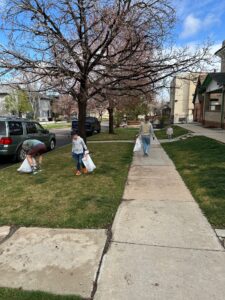 This weekend, I decided that someone could be me. And not just me—my niece, nephew, sister and husband joined in, turning what could have been a chore into something surprisingly fun and meaningful.
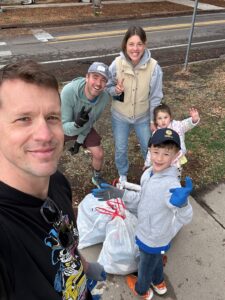 Armed with gloves, trash bags, and a sense of purpose, we spent a couple of hours picking up litter. It was simple, but the impact felt big. The streets looked better, of course, but more than that, it was a lesson in action. My niece and nephew got to see firsthand how small efforts add up, how being a good neighbor isn’t just about waving hello but about taking care of the place we all share.
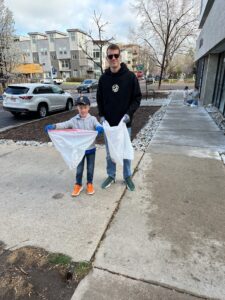 Beyond cleaning up the trash, we were also helping to create a new social norm for our community. When people see others taking pride in a clean neighborhood, it sets an example. It makes it more likely that others will step up too—or at the very least, think twice before littering in the first place. Change starts small, but when enough people see it happening, it becomes the new normal.
It’s easy to feel overwhelmed by problems bigger than us—climate change, pollution, all the chaos in the world. But this was one thing we could control. And in doing it, we felt just a little more hopeful, a little more empowered.
As we worked, a few neighbors stopped to say thank you. One even mentioned they might bring their own kids out to help next time. That’s the thing about small acts of change—they ripple outward. Maybe next time, there’ll be even more of us.
So if you’ve ever walked past a mess and thought, Someone should do something about that—maybe that someone is you. You might be surprised by how good it feels.