Reaching Rural Communities with Messages of Dignity, Recovery, and Hope
The Challenge
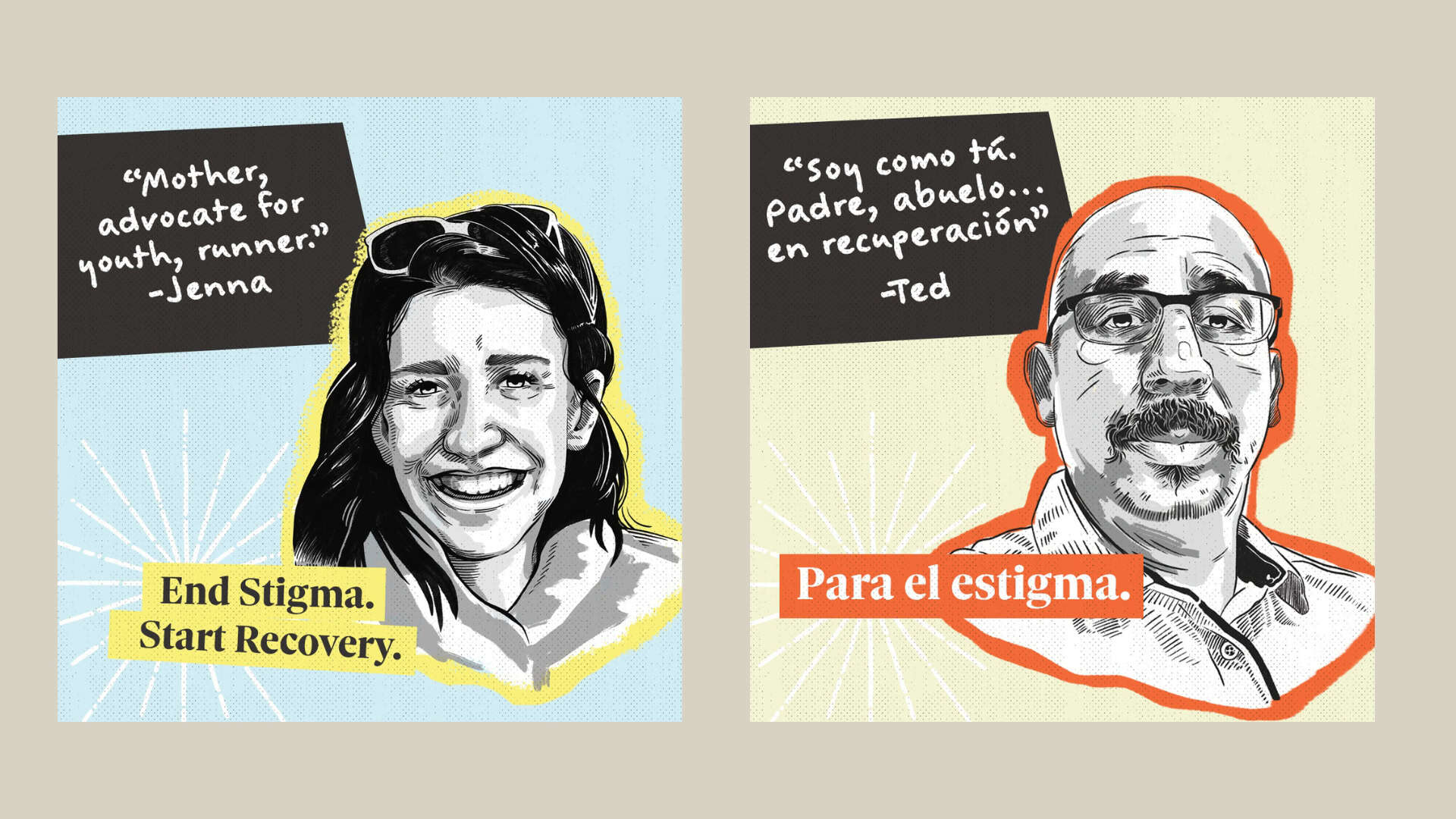
Rural communities across Region 15 (Colorado’s Chaffee, Custer, Fremont, and Park Counties) faced the opioid crisis under uniquely difficult conditions. Geographic isolation, limited treatment availability, workforce shortages, and transportation barriers made accessing care harder than in urban areas. At the same time, stigma surrounding substance use disorder ran deep in small communities where privacy is limited and fear of judgment can prevent people from seeking help.
Many residents did not see treatment as accessible or meant for them. Misconceptions about addiction, recovery, and medication-assisted treatment continued to reinforce silence and delay care. Region 15 needed a campaign that could reduce stigma, normalize recovery, and connect people to local treatment and support in ways that felt credible, respectful, and relevant to rural life.
The challenge was not only to raise awareness, but to create trust and open the door to treatment in communities where asking for help often feels risky.
Our Approach
SE2 partnered with the Region 15 Opioid Governance Committee to develop a stigma-reduction and treatment awareness campaign grounded in real stories, rural identity, and harm-reduction principles.
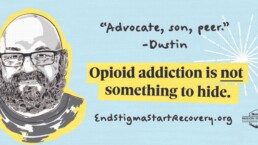
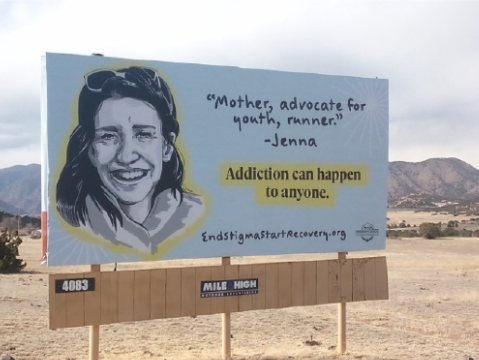
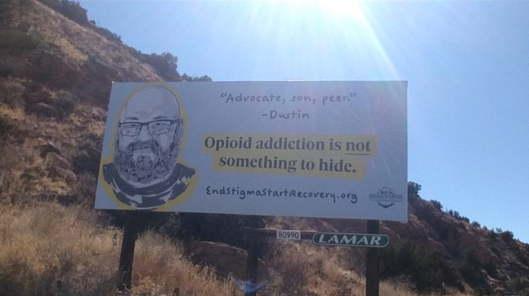
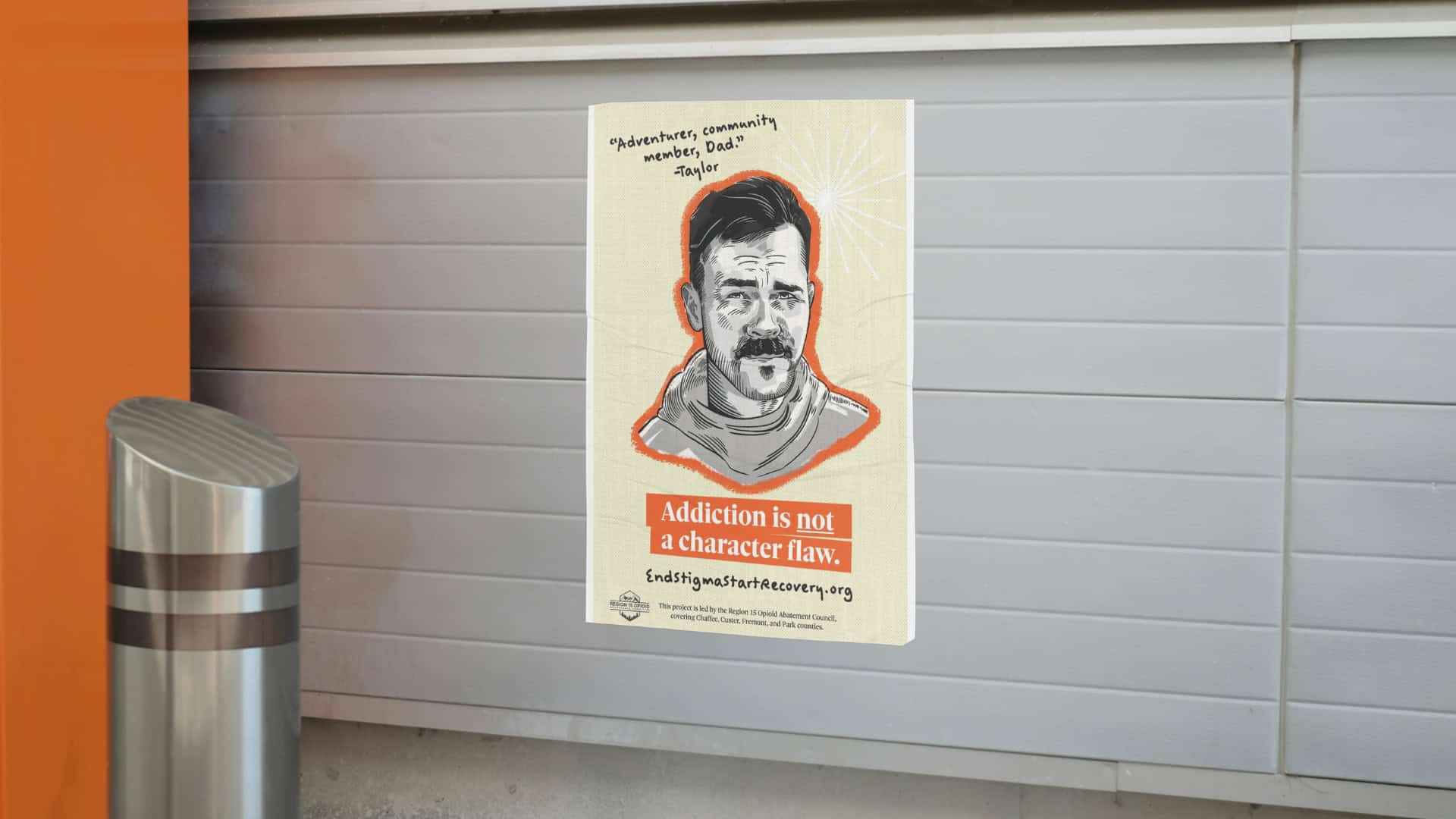
The campaign centered on storytelling that reflected the lived experiences of people in recovery, family members, and community members. Creative featured real voices and plainspoken language, reinforcing that recovery is possible and that people who use drugs are neighbors, parents, workers, and friends. Messaging emphasized dignity, connection, and hope rather than fear or shame.
To reach rural audiences effectively, SE2 deployed a multi-channel strategy that balanced scale with relevance. Paid media ran across Meta, Display, and YouTube, with creative optimized for mobile-first consumption. Display and social placements ensured repeated exposure in everyday digital environments, while video storytelling on YouTube allowed space for deeper engagement and emotional resonance.
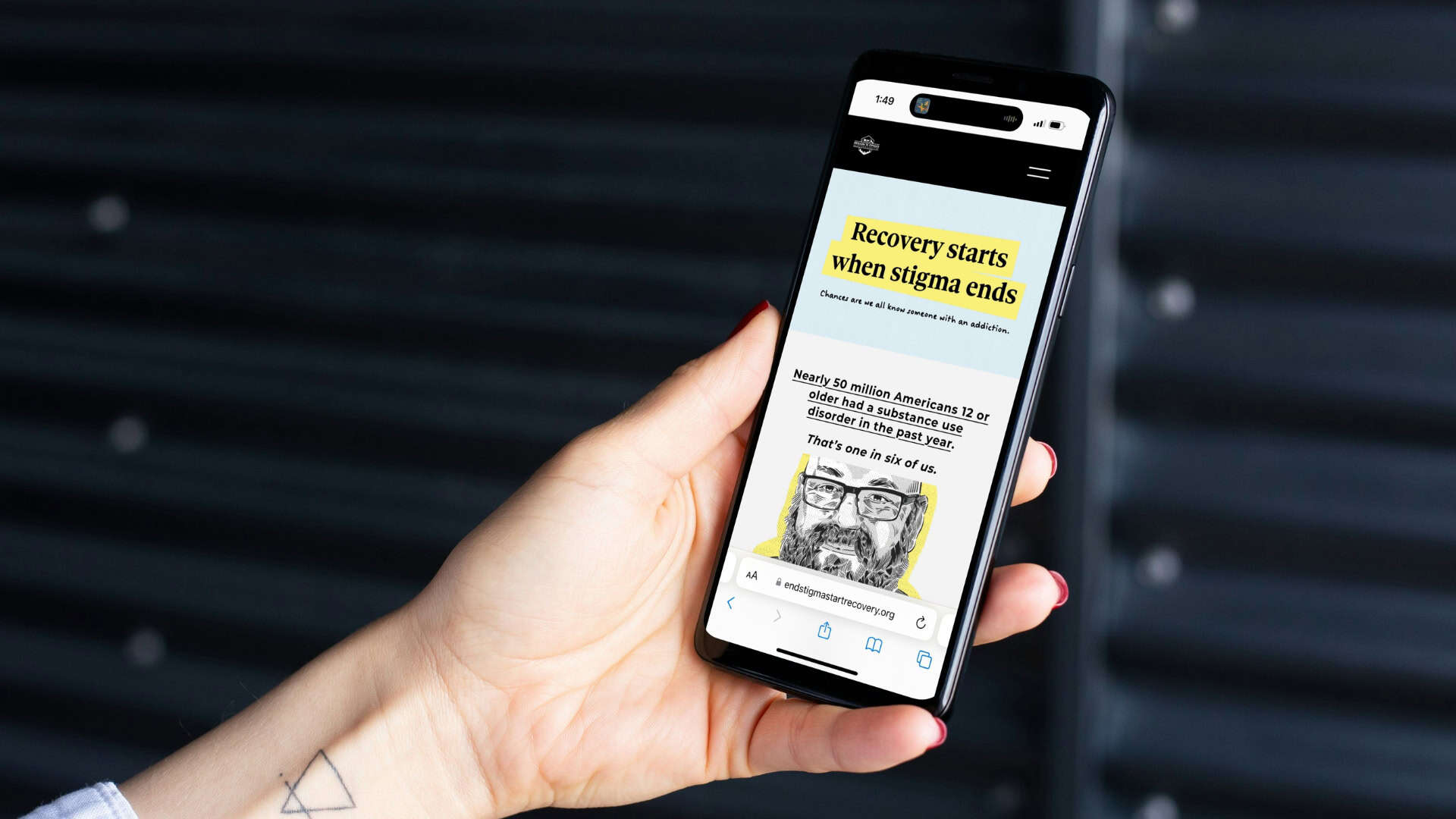
Earned media amplified the campaign through trusted local outlets, helping normalize conversations about addiction and recovery within communities themselves. In parallel, SE2 supported the development and promotion of a campaign website that served as a central hub for treatment information and local resources. The site provided a clear, stigma-free pathway to help, designed to be accessible and easy to navigate for both English- and Spanish-speaking users.
Throughout the campaign, SE2 used performance data to guide optimization, ensuring resources were focused on the channels and creative approaches that resonated most with rural audiences.
The Impact
The Region 15 campaign demonstrated strong reach, engagement, and early signs of stigma reduction across rural communities. Key outcomes included:
- More than 3.1 million impressions delivered across paid media channels in the first month, providing broad regional visibility.
- Over 10,000 total clicks, with an overall 0.32% click-through rate, indicating strong engagement for a public health stigma-reduction campaign.
- Earned media coverage across local outlets, generating 23,000 impressions and reinforcing campaign messages through trusted rural news sources.
- More than 6,000 website visits to the campaign resource hub in the first month, creating a direct pathway to treatment information and local support.
Together, these results show that stigma-reduction messaging rooted in storytelling and rural realities can break through silence and connect people to care. The Region 15 campaign helped shift the narrative around opioid use from shame to support, reinforcing that recovery is possible and treatment is available, even in the most rural parts of Colorado.


Making Tobacco Cessation Human, Possible, and Stigma-Free
The Challenge
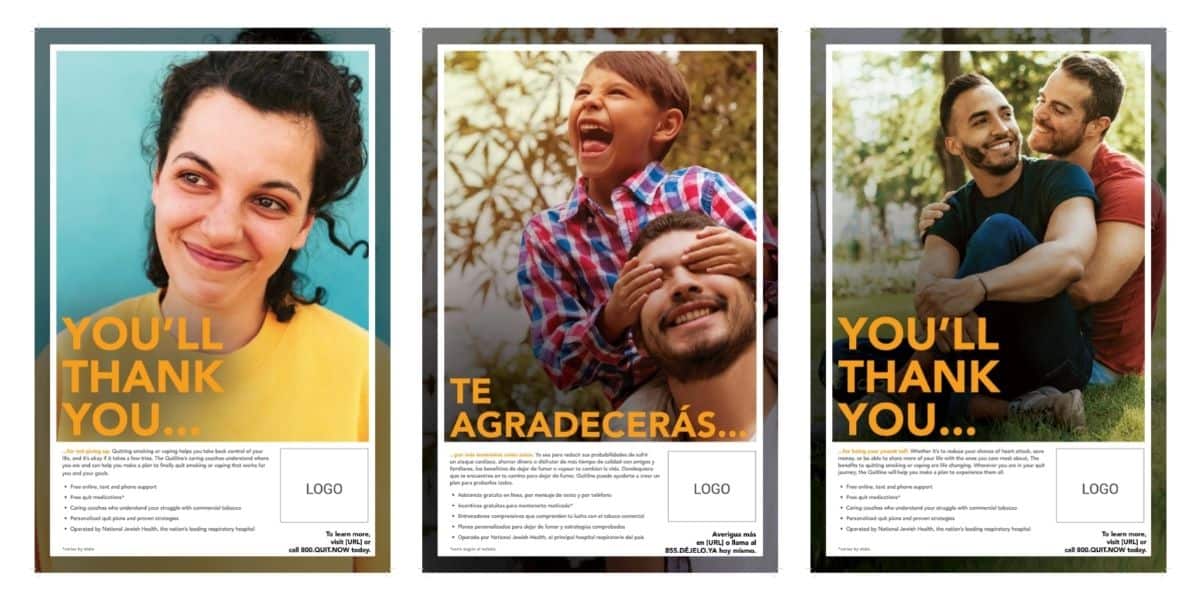
For many Coloradans, nicotine use is intertwined with stress, mental health, identity, and long-standing routines. Quitting is rarely linear, yet public health messaging often treats it that way. Traditional cessation campaigns can unintentionally reinforce shame by focusing on advice, directives, or end results rather than lived experience.
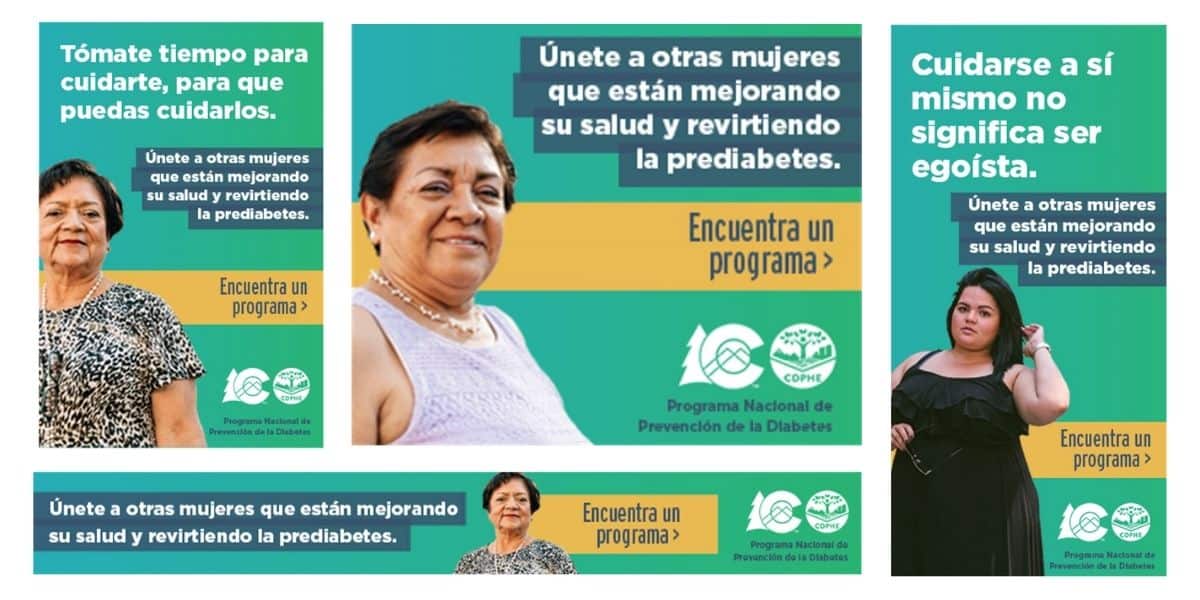
At the same time, awareness of the Colorado QuitLine was high, but perceptions lagged. Dozens of focus groups and surveys conducted by our team told us that many people viewed it as a last resort. It was often seen as impersonal, clinical, or only for those who had already failed at quitting on their own. CDPHE needed a way to humanize the QuitLine, reduce stigma around nicotine use, and reflect the real complexity of quitting, especially for communities facing compounded stressors.
The challenge was not just to encourage quitting. It was to help people feel seen.
Our Approach
SE2 created the Colorado QuitLine Stories series to tell a different kind of story, one grounded in dignity, honesty, and collaboration.
Shot in a documentary style, the series centers participants as co-creators rather than subjects. Individuals were not scripted, coached, or shaped to fit a single narrative arc. Instead, they were invited to speak openly about their lives, their relationship with nicotine, and what quitting means to them on their own terms. Filmmaking choices prioritized presence over performance, allowing silence, reflection, and vulnerability to remain part of the story.
Visual storytelling played a critical role. Each film was grounded in places that mattered to the participant, including homes, neighborhoods, workplaces, and outdoor spaces. Environment became a quiet narrative device that reflected routine, stress, resilience, and change. These moments added emotional depth without instruction, voiceover, or persuasion.
Across nine short films, produced in English and Spanish, the series features diverse Coloradans. Participants ranged from lifelong tobacco users to younger people just beginning to recognize nicotine’s impact. Together, the films represent different products, different paths to quitting, and communities across the state. As a whole, the series challenges stigma and reframes the QuitLine as a human source of support rather than a last resort.
Distribution was intentional and respectful. Films were placed through targeted digital channels and timed dayparts, such as lunch breaks, to reach viewers in moments of pause and routine when reflection and connection are most likely.
The Impact
The Colorado QuitLine Stories series shifted the tone of cessation communications from directive to human. It invited viewers to see themselves reflected in the work.
Key outcomes included a reframed perception of the QuitLine as supportive, relatable, and non-judgmental, rooted in real people and real experiences rather than instructions or outcomes. The series drove strong emotional resonance and engagement through documentary storytelling that allowed complexity, vulnerability, and unfinished journeys to remain visible.
The work also strengthened relevance across diverse audiences through bilingual content and representation spanning age, geography, nicotine products, and readiness to quit.
In addition, the series became a durable storytelling asset that could be deployed across paid media, digital platforms, and partner channels, extending its impact beyond a single media flight.
Most importantly, the series helped normalize quitting as a lived experience. It showed that quitting can be complex, personal, and possible, especially when people feel seen, respected, and supported.
Growing Readers in Every Corner of Our Community
The Challenge
Early reading skills are one of the strongest predictors of long-term academic success, yet too many children face barriers to getting the support they need early. Families often want to help but may not know what to look for, when to raise concerns, or how to navigate conversations with schools. These challenges are compounded for families who are navigating language barriers, economic stress, or limited access to trusted information.
At the same time, Colorado’s school districts are deeply diverse. Districts vary widely in size, capacity, culture, and community context. A single, one-size-fits-all campaign risked being either too generic to be useful or too specific to work statewide. CDE needed communications that could elevate the importance of early reading and spotting reading challenges, while also delivering assets that districts and community partners could actually use across very different local environments.
The challenge was to create a campaign that built shared understanding statewide while still feeling local, relevant, and supportive to diverse families.
Our Approach
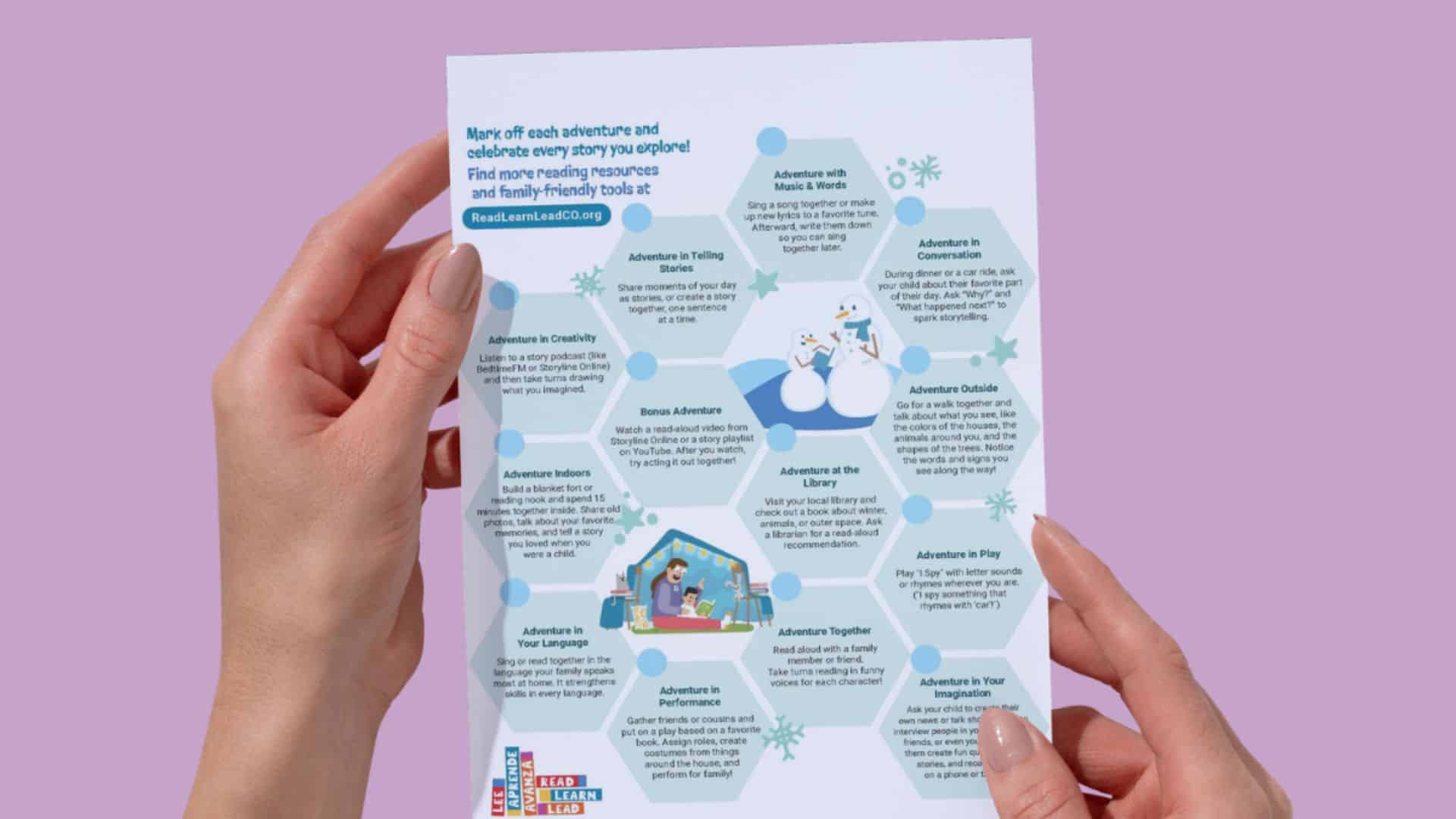
SE2 partnered with the Colorado Department of Education to develop Read, Learn, Lead — a bilingual, culturally relevant awareness campaign designed to strengthen the partnership between families and schools and support children’s reading success from the very beginning.
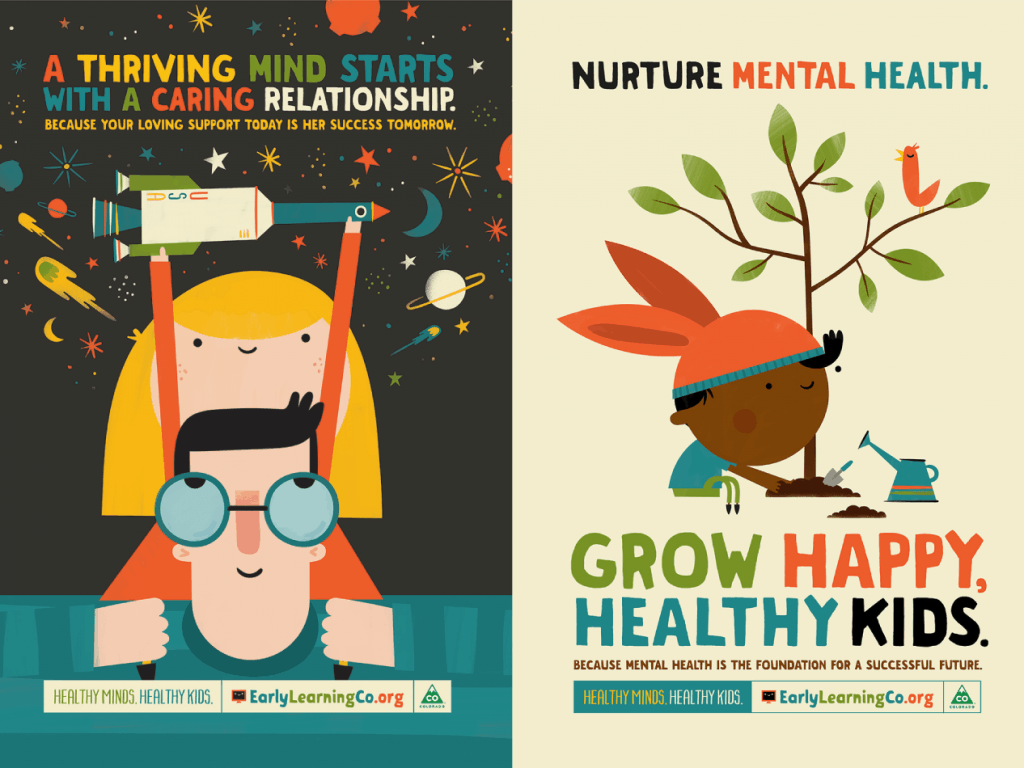
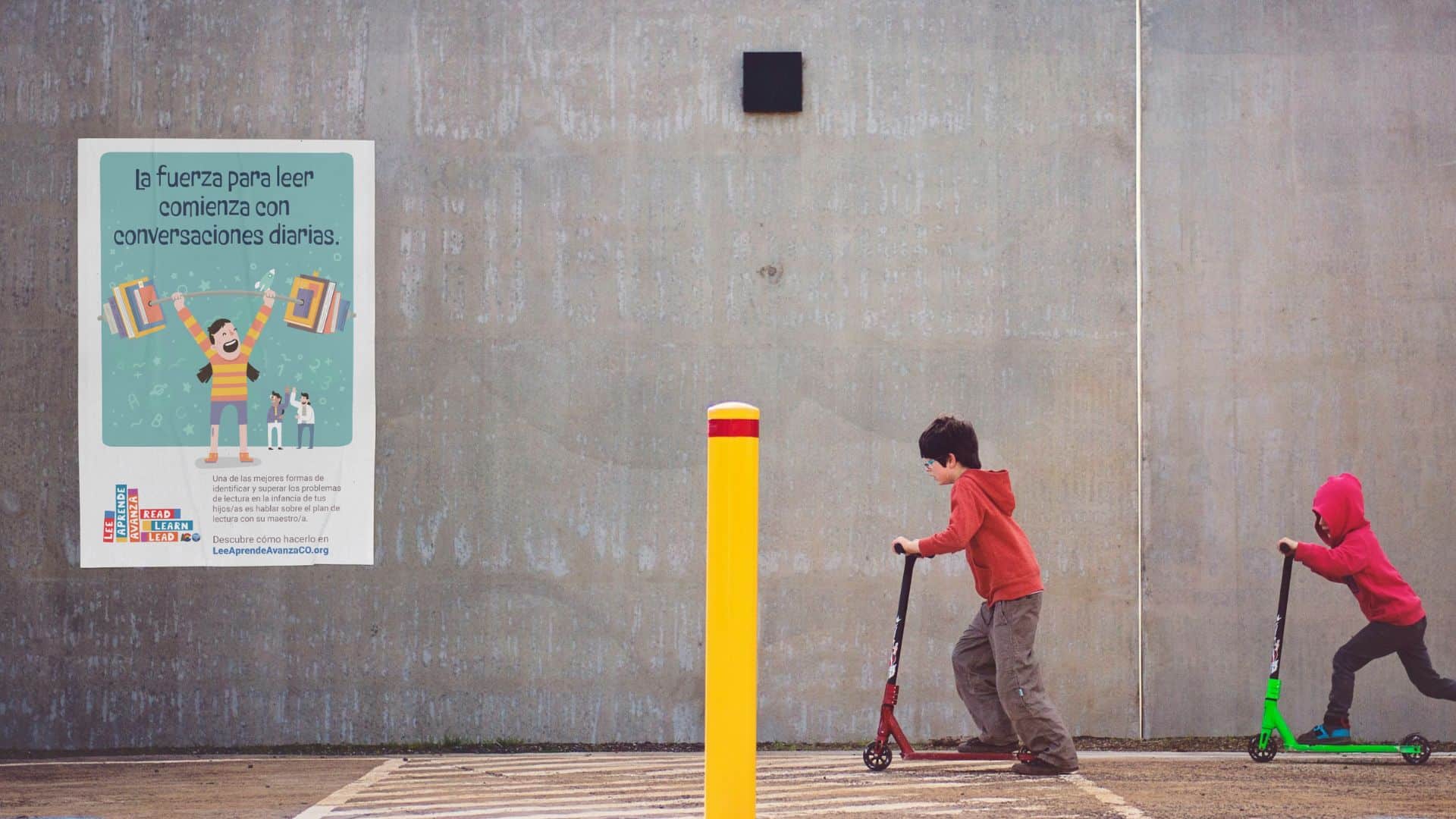
From the start, the campaign was built to be flexible and place-based. SE2 developed a clear campaign strategy, core messages, and a distinct visual brand supported by a library of custom illustrations. These assets were designed to be adaptable so districts, educators, libraries, and community organizations could deploy them in ways that made sense locally while maintaining consistency statewide.
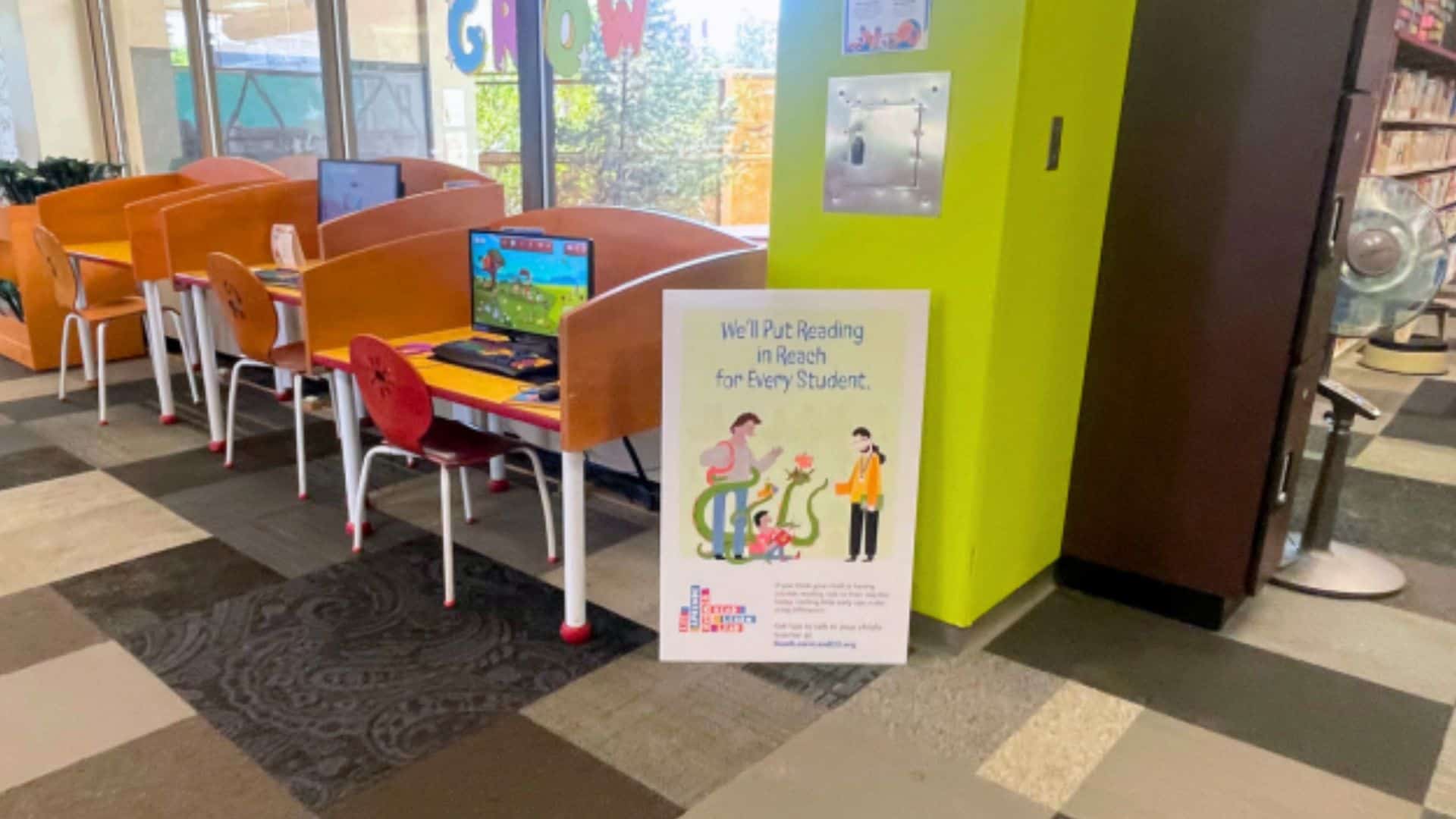
To reach families beyond traditional school communications, the campaign relied heavily on place-based media, social, and texting. Printed materials were distributed in 173 trusted community locations across Colorado, including child care centers, clinics, grocery and convenience stores, libraries, and community centers. This ensured families encountered messages about early reading in the places they already visit as part of daily life.
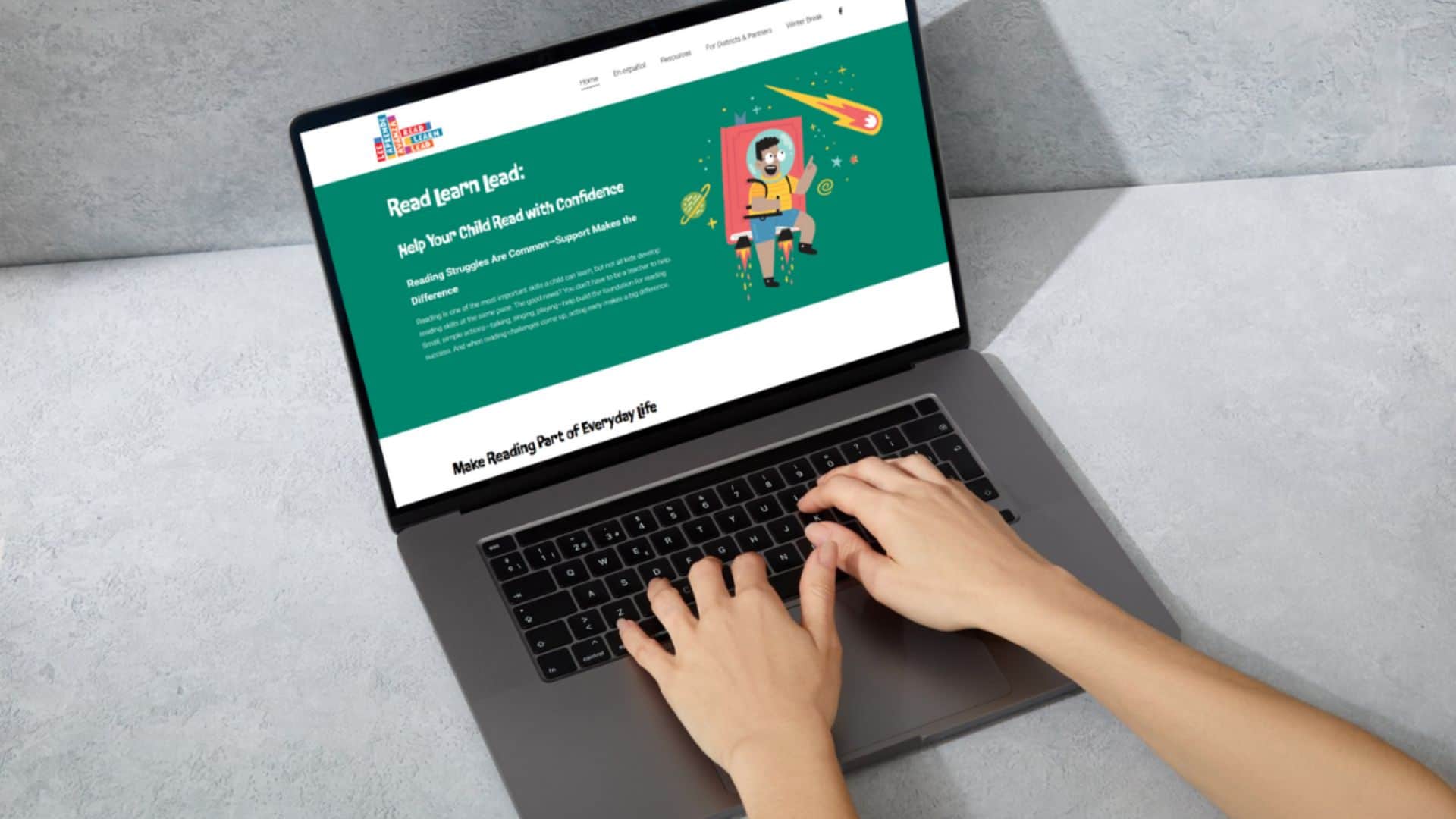
Digital outreach complemented this work. A six-week paid media campaign delivered bilingual digital, radio, and social content, with a strong focus on Spanish-speaking families, rural communities, and economically disadvantaged households. Text messaging through Lantern allowed the campaign to deliver short, timely prompts that encouraged families to talk with teachers and seek support early. Messaging emphasized that reading challenges are common, support is available, and early conversations can make a lasting difference.
Throughout the campaign, SE2 prioritized plain language, affirming tone, and practical guidance. The goal was not to alarm families, but to empower them with information, normalize early reading challenges, and reinforce that families and educators are partners in building a strong foundation for lifelong learning.


The Impact
Read, Learn, Lead achieved broad reach and strong engagement across channels, with particularly meaningful results among Spanish-speaking families and communities that are often harder to reach through traditional education communications .
Key outcomes include:
- More than 11 million total impressions statewide delivered in just six weeks, demonstrating strong visibility and scale.
- Nearly 9,000 website visits, with 76 percent of traffic directed to the Spanish-language site, highlighting deep engagement among Spanish-speaking families.
- 173 community-based locations activated through place-based media, generating an estimated 9 million impressions in trusted, everyday settings.
- High-performing social and digital placements, with click-through rates ranging from 0.06 percent to 3 percent and Instagram engagement rates reaching up to 18 percent, significantly outperforming Facebook.
- Text messaging outreach to more than 87,000 families, with some messages achieving click-through rates above 1.4 percent, reinforcing the effectiveness of timely, direct prompts.
Together, these results show that Read, Learn, Lead succeeded in reaching diverse families, delivering useful and adaptable tools to districts and community partners, and elevating early reading as a shared priority. By meeting families where they are and emphasizing early action, the campaign helped lay a stronger foundation for children’s reading success and lifelong learning.

Connecting More Families to the Food They Deserve
The Challenge
Food insecurity affects families across Colorado, yet participation in nutrition assistance programs is often limited by stigma, misinformation, and uneven access to trusted information. Families may not realize they are eligible for programs like free school meals or commodity food assistance, or they may avoid participation due to fear of judgment.
At the same time, schools, food banks, and community partners must deliver these programs while meeting complex standards and operational requirements. Food service workers and frontline staff need clear guidance and training to provide meals with consistency, dignity, and compliance.
The challenge was to increase utilization of food assistance programs for children and families while supporting the systems and workers responsible for delivering them—without reinforcing stigma.
Our Approach
Across Everyday Eats (CSFP), CDE’s Free School Meals, and Blueprint for Hunger, SE2 implemented a community-centered communications and outreach strategy focused on normalization, clarity, and trust.
For families, SE2 developed plain-language, culturally relevant messaging that reframed food assistance as a shared public good and emphasized that nutritious meals are something all kids deserve. Campaigns used inclusive visuals and affirming tone to reduce shame and make programs feel accessible.
SE2 paired mass and digital media with extensive community outreach, working through schools, community organizations, food banks, and local events to meet families in trusted, everyday spaces.
In parallel, SE2 supported workforce and system readiness by developing training materials and toolkits that translated program standards into clear, actionable guidance for food service workers and administrators. This alignment ensured that outreach to families matched on-the-ground program delivery.


The Impact
SE2’s work increased awareness and understanding of food assistance programs while helping reduce stigma around participation. Community-based outreach expanded reach to families facing language, access, or trust barriers, supporting more equitable utilization of school meals and supplemental nutrition programs.
At the same time, training and communications resources strengthened program implementation, helping food service workers deliver meals confidently, consistently, and with dignity. Together, this work helped ensure nutrition programs functioned as intended—supporting children’s health, learning, and long-term wellbeing.

STI Prevention That Meets People Where They Are—Without Shame
The Challenge
Sexually transmitted infections (STIs) continue to disproportionately impact LGBTQ+ communities in Colorado—particularly gay, bisexual, and other men who have sex with men, as well as transgender and nonbinary people. Across the state, rates of chlamydia, gonorrhea, and syphilis have risen steadily in recent years, with some of the highest increases concentrated among LGBTQ+ populations.
At the same time, stigma remains a major barrier to testing and treatment. Many people delay or avoid getting tested because they fear judgment, misinformation, or being “outed” in healthcare settings. Traditional public health messaging—often clinical, generic, or fear-based—struggles to cut through, especially in digital environments where LGBTQ+ audiences are inundated with ads and content competing for attention.
The Colorado Department of Public Health and Environment (CDPHE) needed a way to break through the noise, normalize STI testing, and reach people at moments when sexual health was already top of mind—without reinforcing shame or stigma.
Our Approach
SE2 developed a digital-first media campaign designed to meet people where decisions about sex and risk are actually happening: on hookup and dating apps. Instead of interrupting users with alarmist messages, the campaign leaned into context—placing STI testing messages in spaces where people were already thinking about sex, partners, and protection.
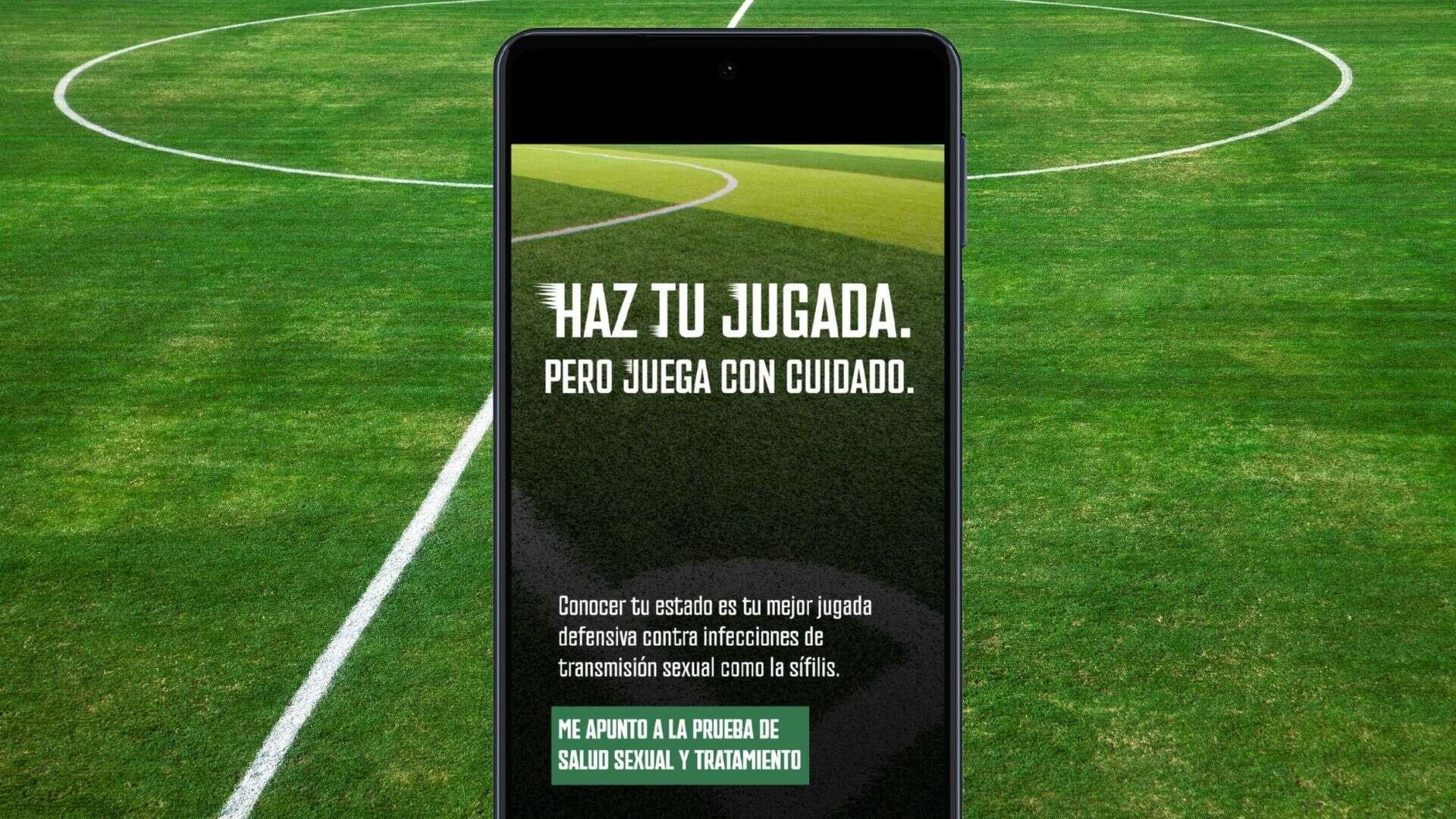
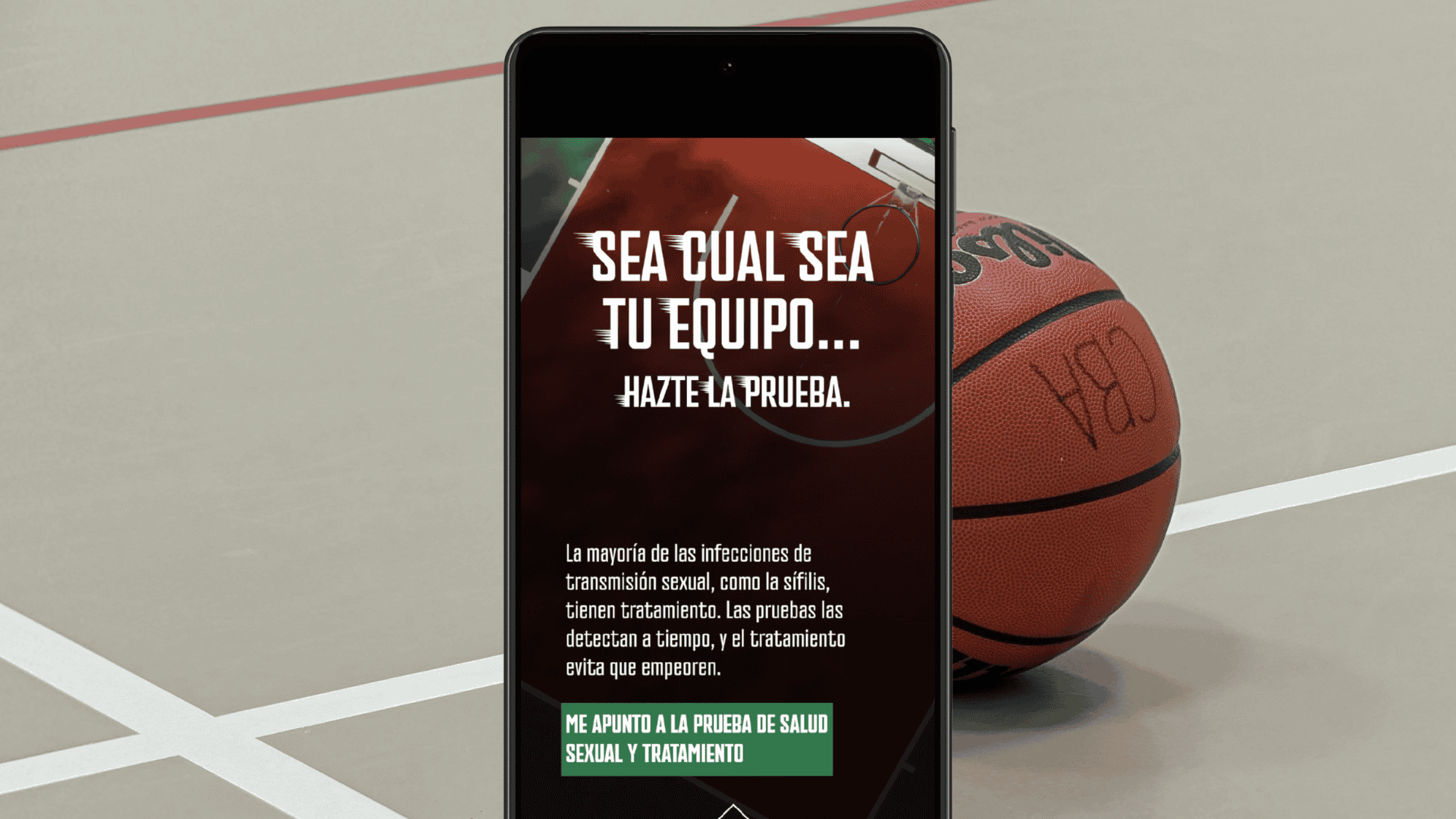
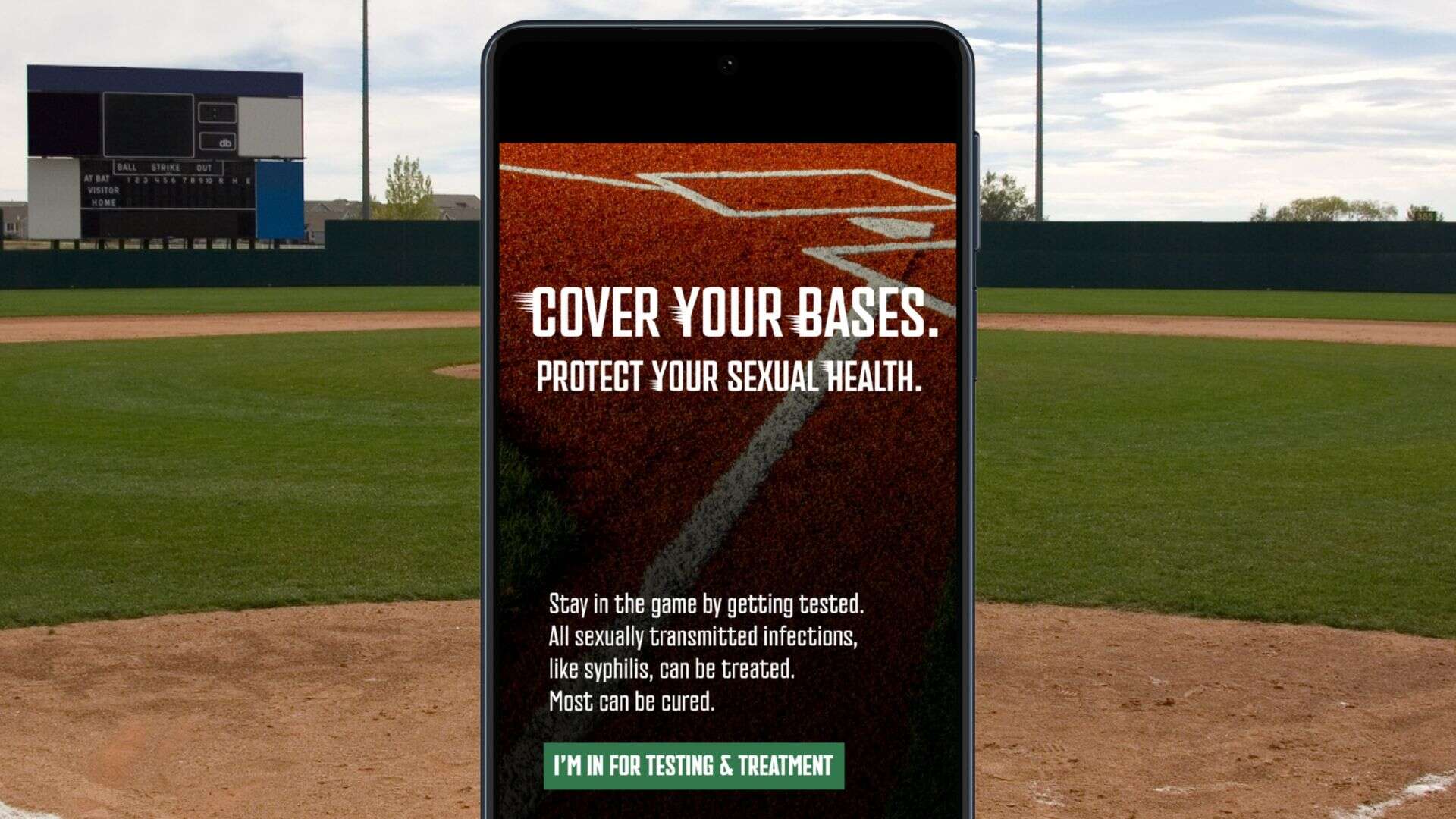
To cut through clutter in these environments, SE2 created a bold, sports-themed creative concept—“Play the Game?”—that reframed STI testing as a smart, routine part of staying in the game, rather than a consequence of “bad” behavior. The concept used familiar sports language and visuals to spark curiosity and recognition, helping the campaign stand out in fast-scroll, high-competition digital spaces.
Messaging was intentionally non-judgmental and harm-reduction focused, emphasizing that:
- STIs are common and manageable
- Testing is about taking care of yourself and your partners
- Knowing your status is a form of confidence—not something to hide
Throughout the campaign, SE2 prioritized inclusive language, LGBTQ-affirming visuals, and a tone that felt conversational, sex-positive, and human. The result was a campaign that respected audience autonomy while making testing feel relevant, normal, and accessible.
The Impact
The campaign successfully reached LGBTQ+ audiences in high-intent digital environments and drove meaningful engagement with STI testing information and resources.
Campaign performance highlights include:
- 1.85 million total impressions delivered statewide across dating apps (Jack’d, Scruff), TikTok, Snapchat, and paid search—ensuring broad visibility among priority LGBTQ+ audiences.
- Over 730,000 impressions on Snapchat and 1.12 million impressions on TikTok, leveraging high-impact, mobile-first platforms to reach users in moments of active engagement.
- Achieved large-scale reach across multiple channels while maintaining cost-effective CPMs and CPC benchmarks.
Beyond quantitative metrics, the campaign demonstrated the power of meeting people with respect—showing that STI prevention messaging can be direct, culturally relevant, and stigma-free, while still driving action. By aligning message, medium, and moment, CDPHE strengthened its connection with LGBTQ+ communities and advanced a more affirming, effective approach to sexual health communication.
Sparking Real Conversations About Mental Health Across Colorado
The Challenge
Mental health challenges affect people across every community in Colorado, yet stigma remains one of the biggest barriers to seeking support. For many individuals and families, conversations about mental health are shaped by cultural norms, fear of judgment, past experiences with systems, or uncertainty about where to turn for help. In some communities, mental health struggles are not discussed openly at all.
The challenge was to reduce stigma without oversimplifying mental health, and to create a campaign that felt human, inclusive, and useful to a wide range of communities.
Our Approach
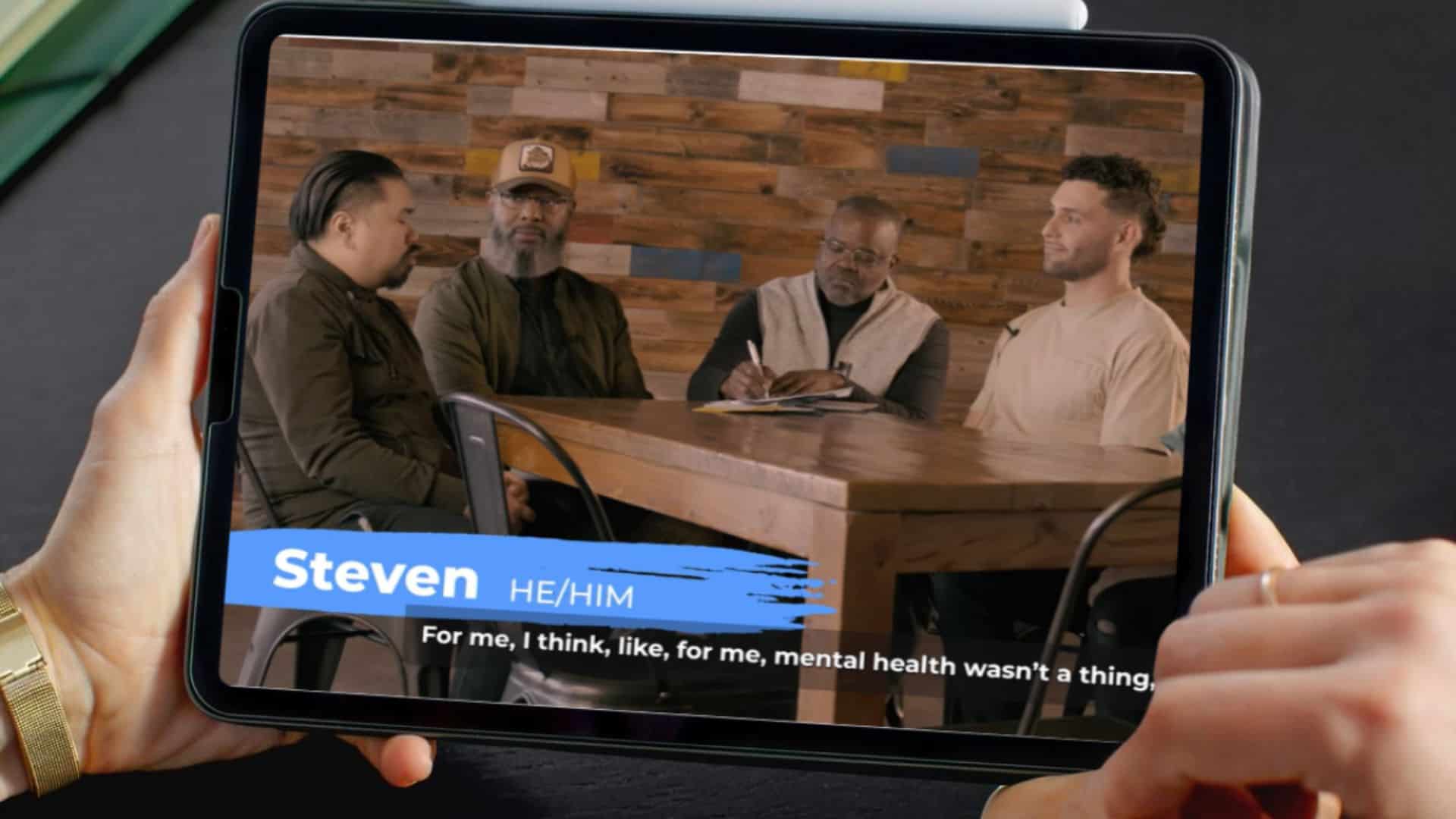
SE2 partnered with the Metro Denver Partnership for Health to develop Let’s Talk Colorado, a storytelling-driven mental health campaign rooted in lived experience and cultural relevance.
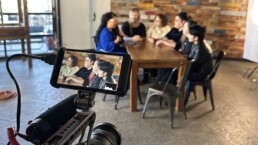
At the heart of the campaign was storytelling. SE2 worked with community members to elevate real stories that reflected how mental health shows up in everyday life. Rather than positioning people as experts or spokespeople, the campaign centered individuals as neighbors, parents, workers, and friends. Stories focused on moments of honesty, vulnerability, and connection, helping audiences see that mental health challenges are common and that talking about them is a strength, not a failure.
Storytelling was intentionally inclusive. Content reflected diverse communities, identities, languages, and life experiences, allowing people from different backgrounds to see themselves in the campaign. The tone was warm, non-clinical, and affirming, designed to invite conversation rather than prescribe solutions.
To support these stories, SE2 developed a central campaign website that served as both a narrative extension of the campaign and a practical resource hub. The website was designed to be approachable and easy to navigate, offering clear pathways to mental health information, conversation starters, and support services. Content was organized to reduce overwhelm and help users quickly find what felt relevant to them, whether they were seeking help for themselves, supporting a loved one, or simply looking to learn more.
Together, storytelling and digital experience worked hand in hand. Stories helped reduce stigma and build trust, while the website provided a concrete next step for people ready to explore support.



The Impact
Let’s Talk Colorado helped shift how mental health is talked about across communities by leading with humanity and connection.
Key outcomes included:
- Reduced stigma through representation, as audiences encountered stories that reflected their own experiences, cultures, and values.
- Increased comfort with mental health conversations, driven by storytelling that normalized struggle and emphasized connection over diagnosis.
- A trusted, accessible website that centralized mental health resources and made it easier for individuals and families to take the next step toward support.
- Stronger relevance across diverse communities, achieved through culturally responsive content and inclusive storytelling rather than one-size-fits-all messaging.
By pairing authentic stories with clear, accessible resources, Let’s Talk Colorado demonstrated that stigma reduction and practical support must go together. The campaign helped create space for honest conversations about mental health and reinforced a simple truth: talking is a powerful first step toward healing.

Connecting People to Opportunity in a Changing Economy
The Challenge
Colorado’s workforce faced rapid change as industries evolved, skill requirements shifted, and new policies reshaped how people worked. Workers needed clearer pathways to upskilling, reskilling, and next skilling that felt attainable and relevant to real jobs. At the same time, employers were navigating talent shortages, new workforce platforms, and major policy rollouts such as paid family and medical leave.
Across both audiences, workforce systems were often complex and difficult to navigate. Workers struggled to see how training connected to employment. Employers needed practical, timely information that supported compliance, recruitment, and retention without adding unnecessary burden.
The challenge was to make workforce systems understandable, human, and actionable for both workers and employers.
Our Approach
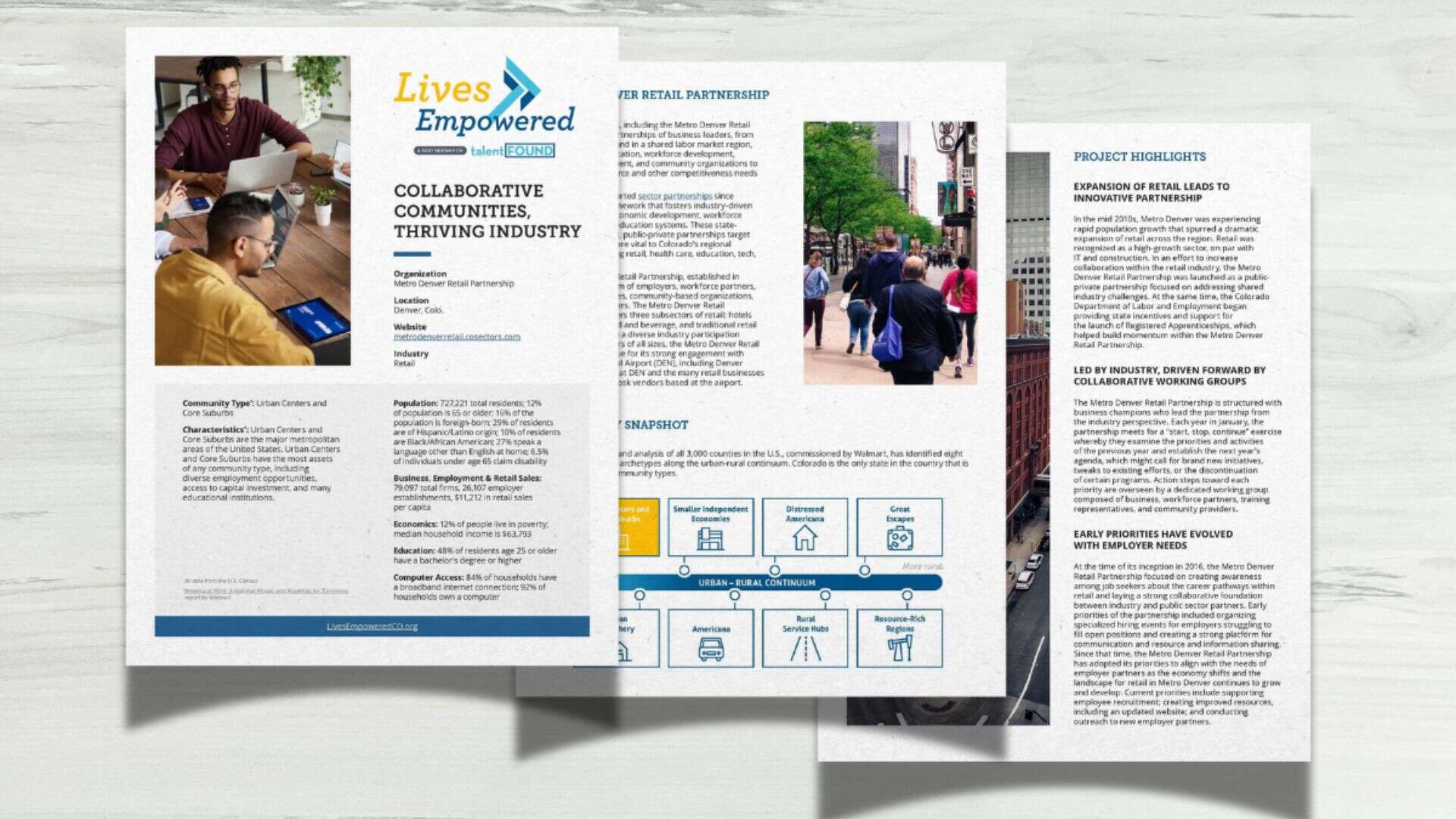
Across campaigns including Ready to Rise, Connecting Colorado, community college workforce initiatives, TalentFound, and the FAMLI rollout, SE2 developed a dual-audience communications approach that addressed workers and employers as interconnected parts of the same system.
Worker-focused campaigns emphasized clarity, confidence, and possibility. Messaging translated complex systems into plain language and showed how new skills connected directly to better jobs, higher wages, and long-term stability. Campaigns normalized career transitions and were designed to reach people who did not always see themselves reflected in traditional workforce or education messaging.
Employer-focused campaigns centered on trust and practicality. SE2 framed new programs and platforms around what employers needed to know, how changes affected their workforce, and what actions to take next. Messaging positioned workforce systems and policies as tools to support business needs, strengthen retention, and build a more resilient workforce.
Across all efforts, SE2 used targeted digital outreach, storytelling, and community-based channels to reach audiences where decisions about work, training, and policy were already top of mind, with a strong focus on equity and access for rural communities, workers facing economic barriers, and small and mid-sized employers.


The Impact
SE2’s workforce campaigns increased understanding of workforce systems and strengthened engagement across both worker and employer audiences.
Worker-facing efforts helped individuals better understand training pathways, feel more confident pursuing new skills, and take steps toward meaningful employment. Employer-facing campaigns supported smoother adoption of new programs, reduced confusion during policy rollouts, and improved awareness of tools designed to support hiring, retention, and workforce stability.
Together, this work demonstrated SE2’s ability to translate complex workforce policy and systems into clear, human communications that connected people to opportunity and supported a more adaptable, equitable workforce.
Aligning Families, Providers, and Systems for Early Learning Success
The Challenge
Early childhood systems are complex by design. Families, providers, and educators must navigate eligibility rules, funding shifts, workforce shortages, and evolving policies, often at moments when stress and time constraints are highest. For many parents and caregivers, especially those facing language barriers, economic pressure, or limited trust in public systems, information about early learning and care can feel fragmented, overwhelming, or inaccessible.
At the same time, early childhood agencies are tasked with communicating across diverse audiences and geographies, from rural communities to urban centers, while aligning messages across multiple programs and partners. Campaigns must build awareness and drive action without increasing demand beyond system capacity or creating confusion across services.
The challenge was to translate complex early childhood systems into communications that felt clear, culturally relevant, and supportive, while strengthening trust and alignment across families, providers, and public institutions.
Our Approach
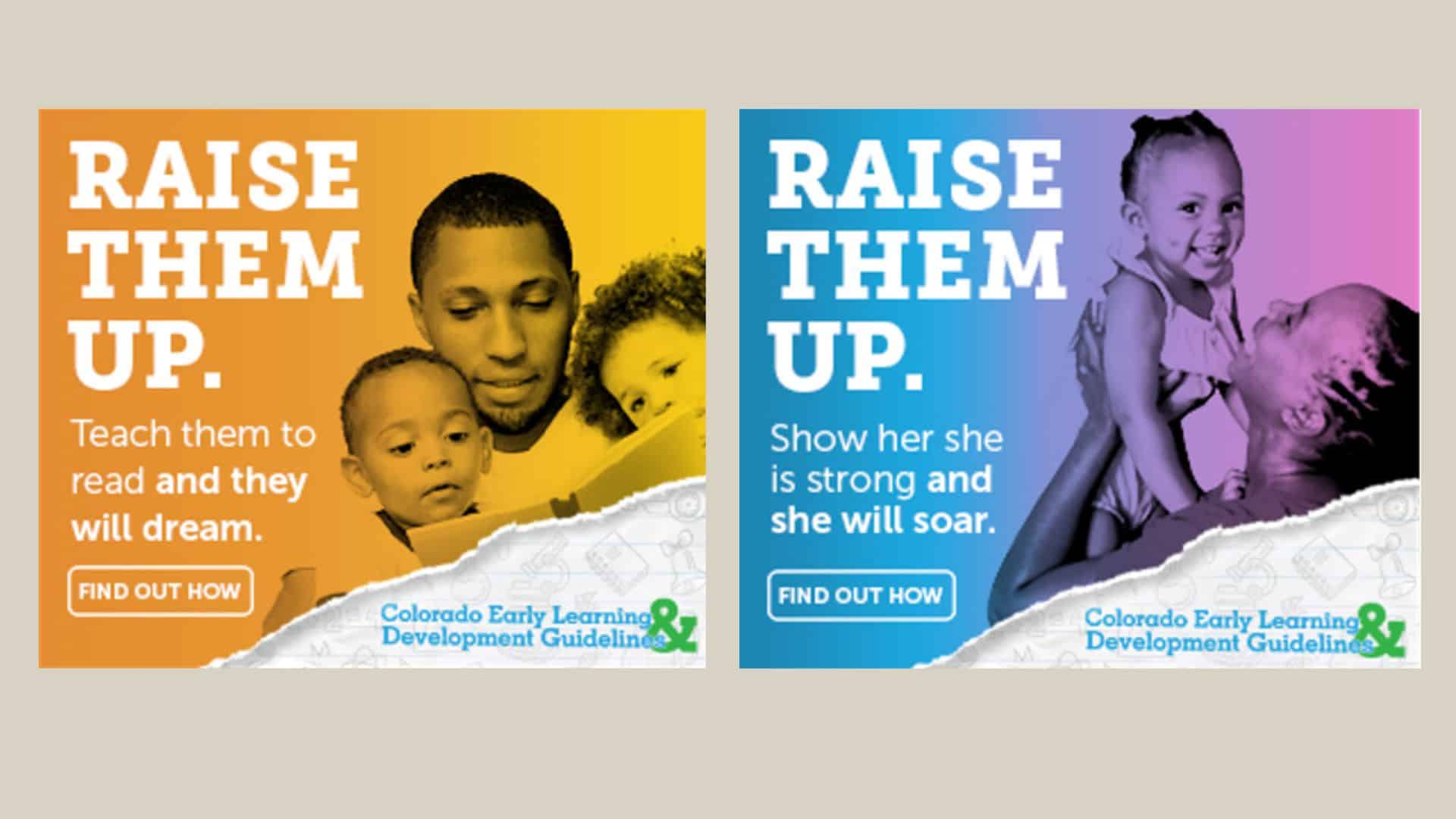
SE2 supported early childhood initiatives through a research-informed, community-centered communications approach that treated families and providers as partners, not targets.
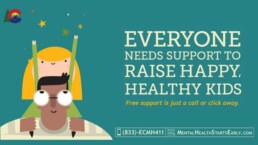
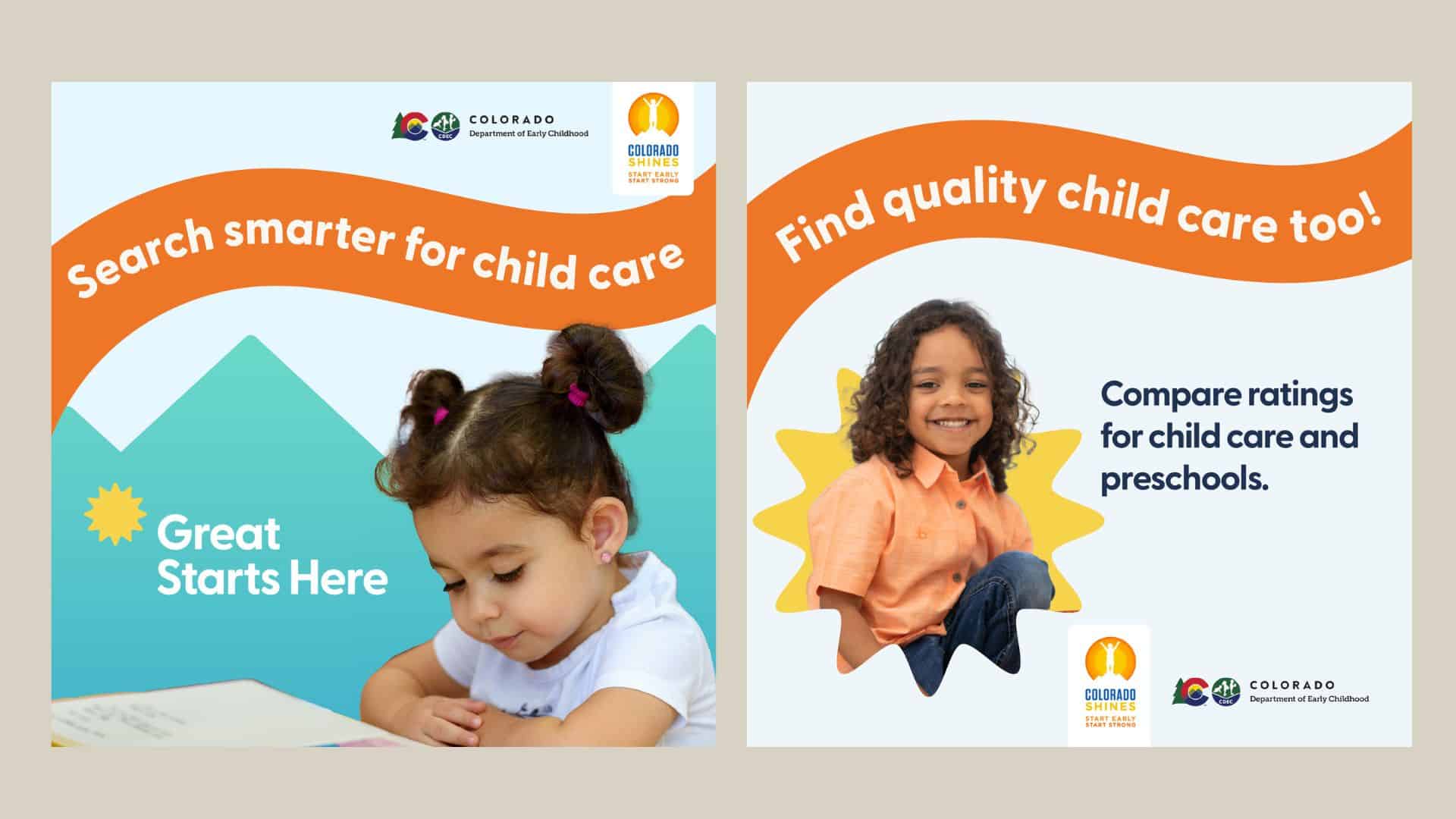
Across ECE campaigns, SE2 focused on plain language, cultural relevance, and real-world usability. Messaging emphasized shared responsibility between families, educators, and systems, reinforcing that early learning success is a collective effort. Rather than relying on one-size-fits-all outreach, SE2 developed adaptable toolkits, bilingual materials, and campaign assets that could be used consistently across regions while still allowing for local customization.
For family-facing communications, SE2 prioritized clarity and reassurance. Campaigns met parents and caregivers where they were, using digital media, social platforms, community-based outreach, and trusted messengers to deliver information in moments of need. Messaging normalized common questions and challenges, reduced stigma around seeking help, and offered practical next steps that felt manageable and relevant.
For provider- and workforce-facing efforts, SE2 translated policy and system changes into clear, actionable guidance. Communications supported recruitment, retention, and professional pride, while acknowledging the realities of working in early childhood settings. Throughout, equity was embedded in both strategy and execution, with multilingual content, culturally responsive design, and outreach strategies tailored to communities historically underserved by traditional media.
SE2 also supported the development of accessible digital hubs that centralized information, reduced navigation burden, and helped users quickly find what mattered most to them. These platforms served as durable resources that could evolve alongside policy and program changes.


The Impact
SE2’s early childhood education work strengthened understanding, trust, and engagement across families, providers, and systems.
Campaigns reached diverse audiences statewide, with particularly strong engagement among Spanish-speaking families and communities that often face barriers to accessing early childhood information. Clear, culturally relevant messaging helped families feel more confident navigating early learning resources and initiating conversations with educators and providers.
For agencies and partners, SE2’s work delivered flexible, reusable communications assets that improved consistency across programs while allowing for local adaptation. Digital platforms and toolkits extended the life of campaigns beyond individual media flights, supporting long-term awareness and system readiness.
Together, this body of work demonstrated SE2’s ability to support early childhood systems at scale. By translating complexity into clarity and grounding communications in lived experience, SE2 helped create pathways that support children’s development, strengthen families, and build a more resilient early childhood system.