Imagine a town with 500 houses. One catches fire.
Which house makes the evening news?
The burning one.
That’s understandable. News organizations exist to report what is unusual, urgent, and alarming. Prevention campaigns have often done the same thing. We focus on overdoses, youth vaping, bullying, unsafe driving, or vaccine hesitancy because those are the problems we’re trying to solve.
And, as a former journalist, I realize that’s what is newsworthy, shaping perceptions that these challenges are prevalent – even the norm.
But here’s the catch: If we spend all of our time talking about the one house that’s on fire, we may unintentionally convince people the neighborhood is burning down.
Positive Community Norms, also known as Positive Social Norms, asks us to tell a more complete—and more accurate—story.
It’s about the 499 houses that aren’t on fire.
That idea feels counterintuitive. In fact, that’s often the first reaction people have when they encounter Positive Community Norms. Surely we should focus on the problem if we want to solve it.
Behavioral science suggests otherwise.
For decades, researchers have demonstrated that making healthy behavior visible can often be more effective than amplifying the problem of unhealthy behavior. Rather than ignoring problems, Positive Community Norms helps communities recognize that healthy choices are frequently far more common than people realize.
That’s why Positive Community Norms has become one of the most influential communication frameworks in modern prevention. It’s grounded in a simple but powerful insight: people are more likely to adopt positive behaviors when they understand those behaviors are already the norm.
What Is Positive Community Norms?
Positive Community Norms is an evidence-based communication approach that identifies healthy behaviors already occurring within a community and makes those behaviors more visible.
Instead of saying: “Too many teens are vaping.”
Positive Community Norms might communicate: “Nine out of ten local teens choose not to vape.”
Both statements may be true. Only one reinforces the behavior we hope to strengthen.
The approach is grounded in research showing that people routinely overestimate unhealthy behaviors while underestimating healthy ones.
Students may believe “everyone drinks.”
Parents assume “everyone lets their kids drink at parties.”
Residents think “nobody stores medications safely.”
Communities may believe vaccine hesitancy is widespread because that’s what dominates headlines and social media.
Reliable local data frequently tells a different story.
Those misperceptions matter because human beings are deeply social. We constantly look to others to determine what is normal, acceptable, and expected. Psychologists call these descriptive norms—our beliefs about what other people actually do.
When we correct those perceptions with accurate local data, behavior often follows.
Why This Feels So Strange
Positive Community Norms challenges one of our strongest communication instincts. Most of us believe that if we want people to change, we need to emphasize the seriousness of the problem.
Media rewards conflict. Politics rewards conflict. Social media rewards conflict. Even many prevention campaigns have highlighted worst-case scenarios.
Positive Community Norms flips that instinct on its head.
Instead of asking, “How do we convince people the problem is serious?” it asks, “What if most people are already making the healthy choice—and they simply don’t know they’re the majority?”
That’s a profound shift.
Rather than amplifying unhealthy behavior, Positive Community Norms amplifies healthy behavior that already exists.
It doesn’t minimize challenges. It puts them into their proper context.
Communities often need time to embrace this way of thinking because it feels almost backward. Yet that’s exactly why it works. Humans naturally conform to what they believe is normal. When communities accurately communicate that healthy behaviors are already common, they strengthen those behaviors rather than inadvertently normalizing unhealthy ones.
Simply put, if we spend all our time talking about the one house that’s burning, people may conclude the neighborhood is unsafe.
When we truthfully acknowledge the other 499 houses that are standing strong, we reinforce the behaviors that keep communities healthy in the first place.
The Science Behind Positive Community Norms
Positive Community Norms is built upon decades of research in prevention science, psychology, and behavioral economics.
Among the leading researchers advancing this work is Dr. Nathaniel Riggs at Colorado State University’s Prevention Research Center. His research has explored how community environments, protective factors, and social norms influence youth development and substance use prevention. Rather than waiting until problems emerge, his work emphasizes strengthening the conditions that help young people thrive.
Nationally, organizations like ADAPT, the prevention arm of the High Intensity Drug Trafficking Areas (HIDTA) program, have helped communities implement Positive Community Norms strategies. Their work translates social norms research into practical prevention campaigns that help communities reduce substance misuse by accurately communicating healthy majority behaviors.
The evidence consistently shows that people frequently overestimate risky behaviors among their peers. Correcting those misperceptions has been associated with improvements in alcohol use, tobacco prevention, impaired driving, prescription drug misuse, and other public health outcomes.
Importantly, Positive Community Norms is not about putting a positive spin on difficult issues.
It depends on:
- Credible local data
- Honest reporting
- Scientific evaluation
- Community engagement
- Strategic communication
- Repetition over time
If the data don’t support the message, practitioners don’t use it. Truth—not optimism—is the foundation.
From Substance Use to Vaccines—and Beyond
Although Positive Community Norms first gained traction in substance use prevention, researchers increasingly recognize that the underlying behavioral science applies to many challenges.
One emerging example is vaccine confidence.
As Dr. David Higgins of the University of Colorado has observed, the same social norms principles that reduce substance misuse can also strengthen confidence in vaccines. Instead of centering conversations on misinformation or hesitancy, communities can accurately communicate that most parents vaccinate their children, most healthcare professionals recommend vaccination, and most families choose prevention.
The psychology remains remarkably consistent: People are more likely to adopt healthy behaviors when they understand that those behaviors are already common.
Positive Community Norms in Practice
Positive Community Norms has moved well beyond academic research.
At SE2, Positive Community Norms has become one of the behavioral science frameworks that informs our strategies. Whether we’re working with youth substance use prevention, opioid settlement initiatives, vaccine confidence, or broader community engagement, we begin by asking an important question:
What strengths already exist that deserve to be made more visible?
That philosophy has informed projects including:
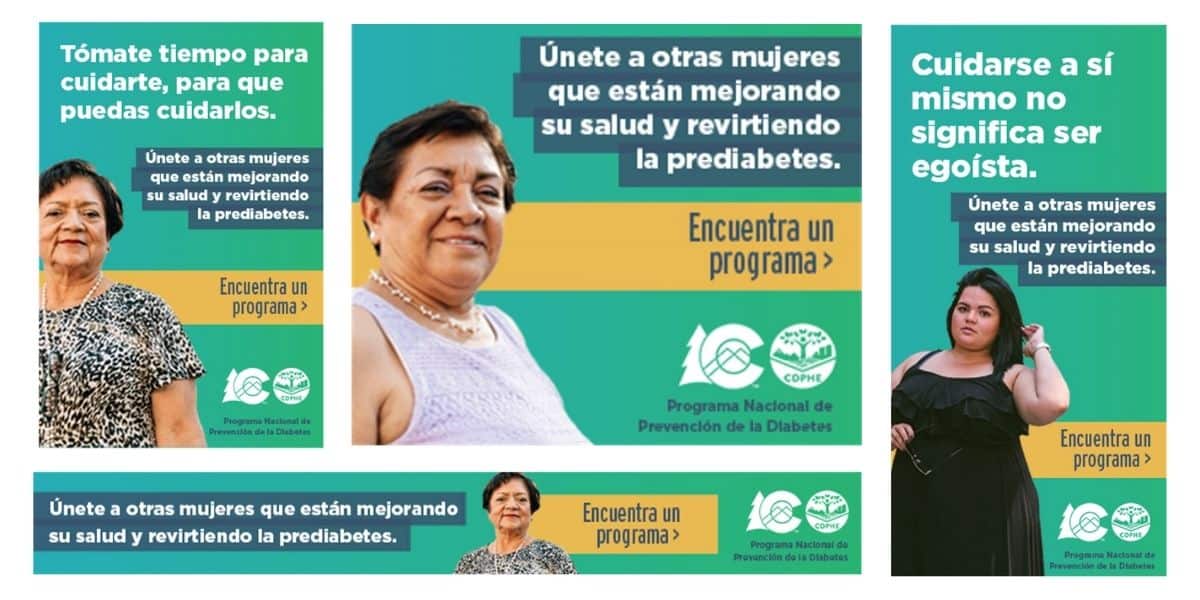
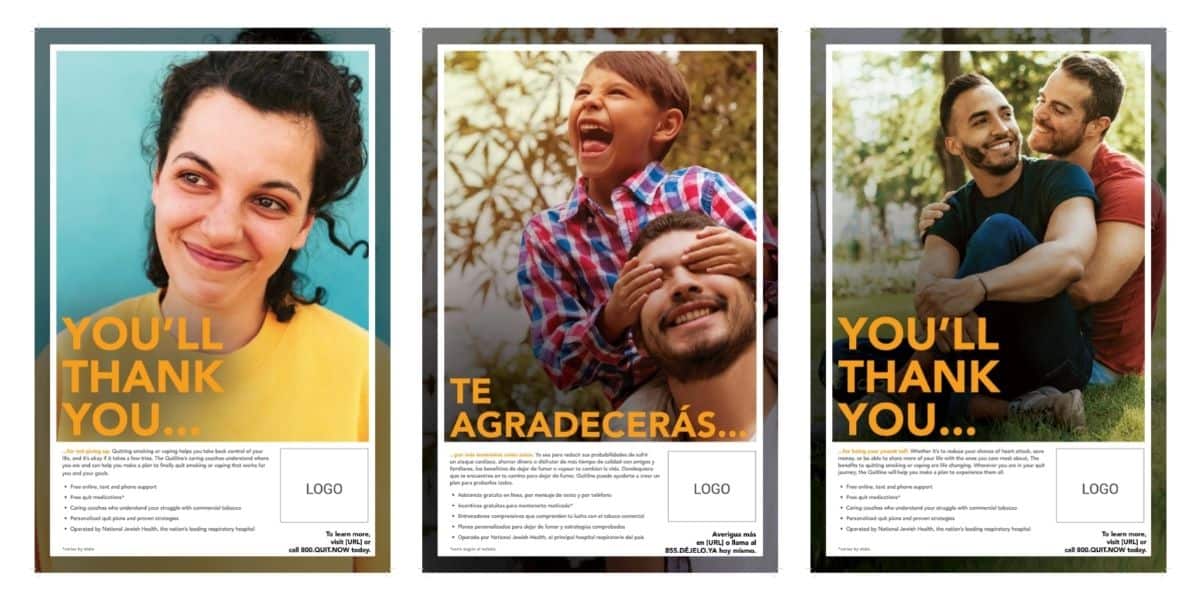
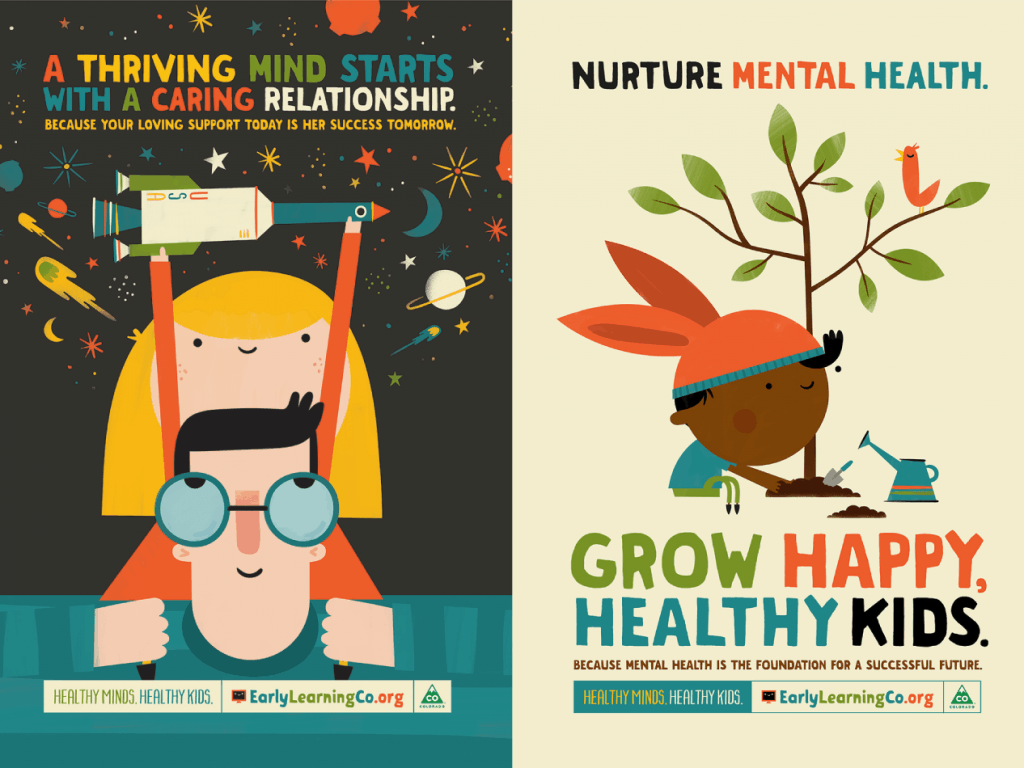
- Safe Yakima Valley, where Positive Community Norms principles helped elevate healthy choices and trusted local voices within community prevention efforts.
- The Connect Effect, developed with Rise Above Colorado for the Colorado Department of Law, emphasizes how most teens would take action to protect their peers from risky pills.
- Communications supporting Colorado’s opioid settlement regions, helping communities frame prevention around protective behaviors instead of focusing exclusively on addiction and crisis.
Across each of these efforts, we’ve seen the same lesson reinforced: Communities are often far stronger than residents believe.
Our role is not to manufacture optimism. It is to uncover authentic strengths through credible data, behavioral science, and strategic storytelling—and then help communities recognize those strengths in themselves.
When people understand that healthy behavior is already normal, healthy behavior becomes even more normal.
Why Positive Community Norms Matter More Than Ever
We live in an era where algorithms reward outrage. Social media amplifies extremes. News coverage understandably focuses on crises. The result is that people often mistake the loudest voices for the largest groups.
Positive Community Norms offers an important recalibration. It reminds us that the overwhelming majority of people are already doing many of the things that make communities healthier.
Parents are talking with their children.
Young people are choosing not to misuse substances.
Families are safely storing medications.
Healthcare providers are recommending evidence-based care.
Neighbors are supporting one another.
Those stories rarely become headlines. But they’re true. And they’re powerful.
One More Thing!
Patty Ferssizidis, PhD of ADAPT reminds us that Positive Community Norms is one strategy within a larger set of prevention strategies. Positive Community Norms can be paired with other strategies that address other risk and protective factors, she notes. I encourage anyone interested in a deeper dive to explore the ADAPT online resources and, if possible, attend one of the ADAPT trainings. ADAPT is the gold standard for prevention best practices.