The Challenge
Food insecurity affects families across Colorado, yet participation in nutrition assistance programs is often limited by stigma, misinformation, and uneven access to trusted information. Families may not realize they are eligible for programs like free school meals or commodity food assistance, or they may avoid participation due to fear of judgment.
At the same time, schools, food banks, and community partners must deliver these programs while meeting complex standards and operational requirements. Food service workers and frontline staff need clear guidance and training to provide meals with consistency, dignity, and compliance.
The challenge was to increase utilization of food assistance programs for children and families while supporting the systems and workers responsible for delivering them—without reinforcing stigma.
Our Approach
Across Everyday Eats (CSFP), CDE’s Free School Meals, and Blueprint for Hunger, SE2 implemented a community-centered communications and outreach strategy focused on normalization, clarity, and trust.
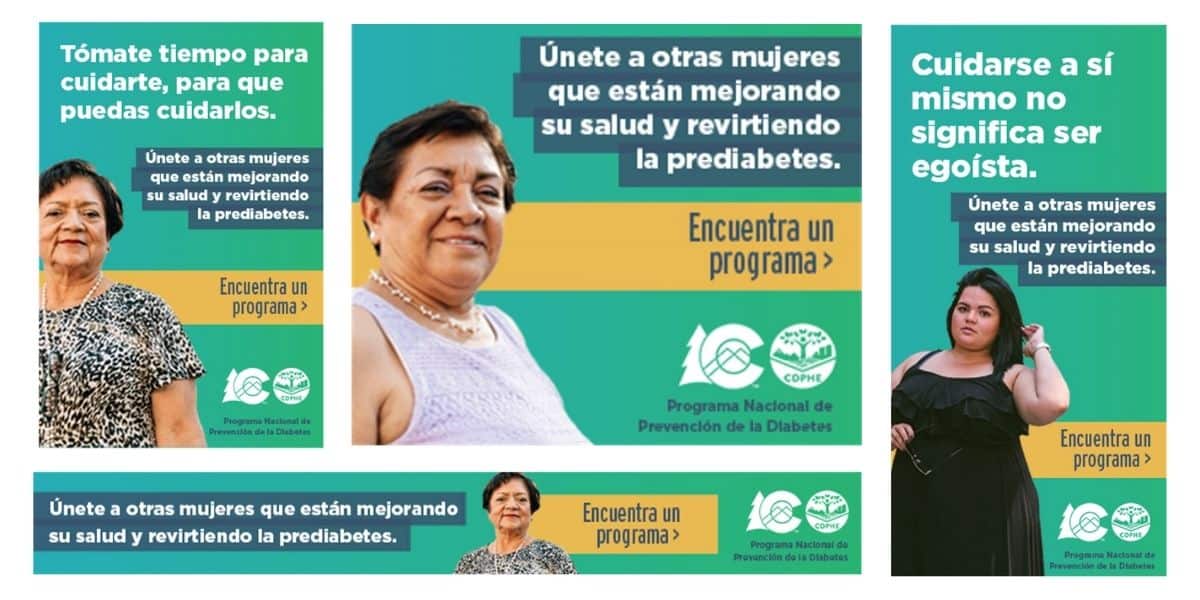
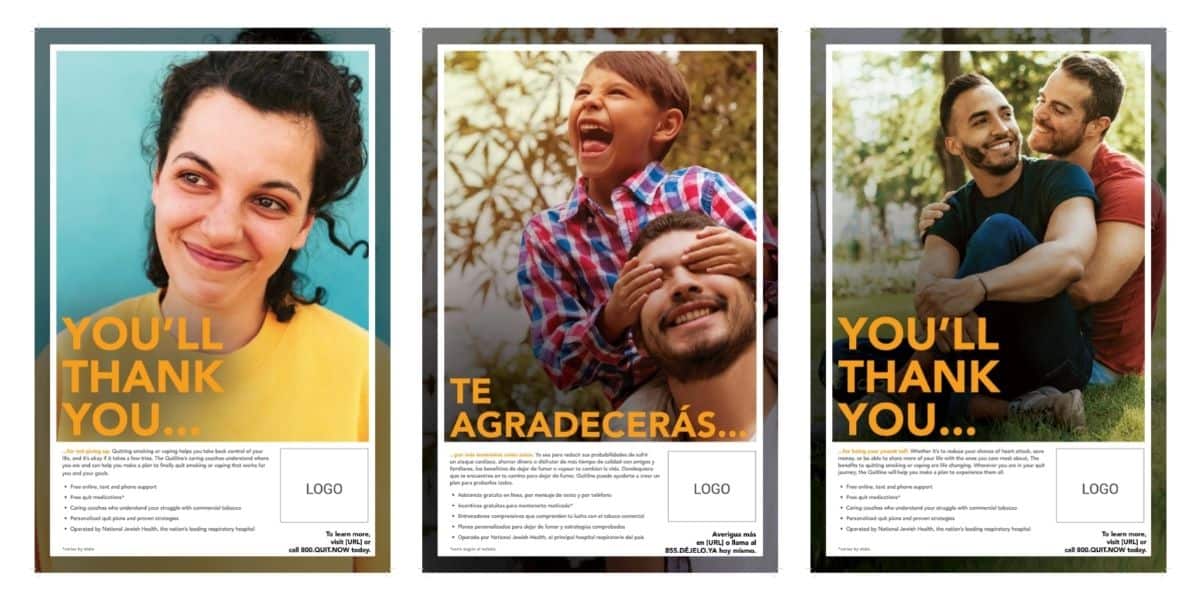
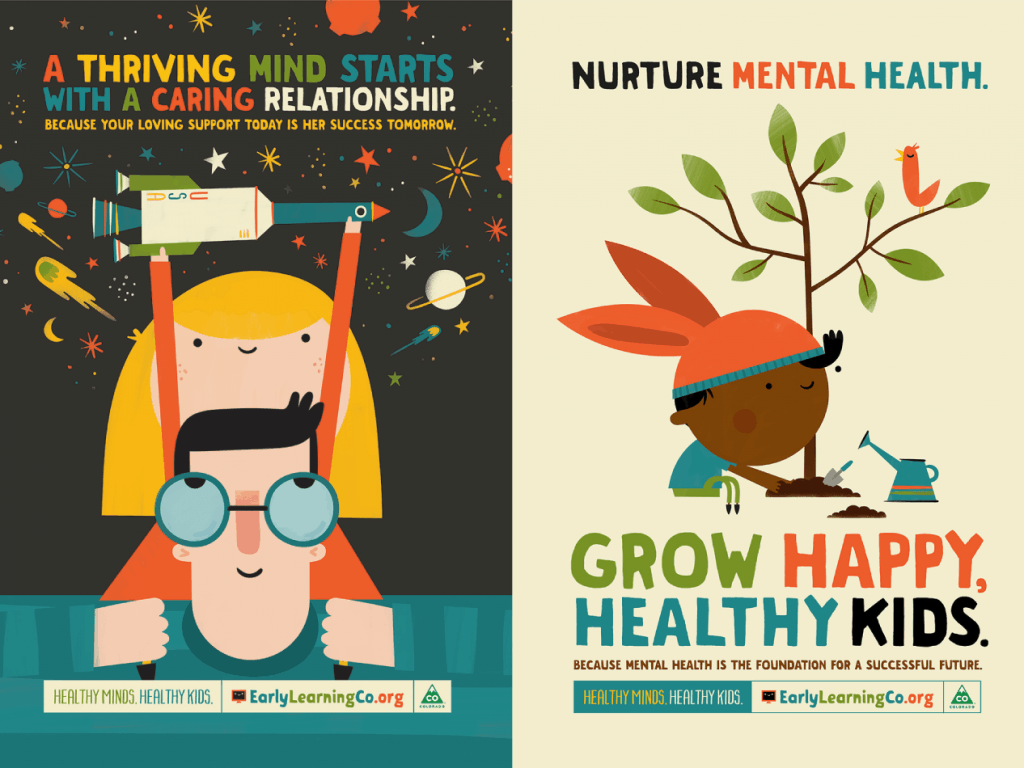
For families, SE2 developed plain-language, culturally relevant messaging that reframed food assistance as a shared public good and emphasized that nutritious meals are something all kids deserve. Campaigns used inclusive visuals and affirming tone to reduce shame and make programs feel accessible.
SE2 paired mass and digital media with extensive community outreach, working through schools, community organizations, food banks, and local events to meet families in trusted, everyday spaces.
In parallel, SE2 supported workforce and system readiness by developing training materials and toolkits that translated program standards into clear, actionable guidance for food service workers and administrators. This alignment ensured that outreach to families matched on-the-ground program delivery.


The Impact
SE2’s work increased awareness and understanding of food assistance programs while helping reduce stigma around participation. Community-based outreach expanded reach to families facing language, access, or trust barriers, supporting more equitable utilization of school meals and supplemental nutrition programs.
At the same time, training and communications resources strengthened program implementation, helping food service workers deliver meals confidently, consistently, and with dignity. Together, this work helped ensure nutrition programs functioned as intended—supporting children’s health, learning, and long-term wellbeing.