
Facebook is the New Big Tobacco
The recent coverage of Facebook’s manipulative practices is hardly an anomaly. Through its 17-year history, the company has built its fortunes through exploitation, manipulation, and deceit.
Its own internal research showed that its algorithm radicalizes and polarizes many of its users. It helped foment the deadly Jan. 6 insurrection at the U.S. Capitol. It amplifies misinformation that has increased vaccine hesitancy and harmful conspiracy theories. And it has helped radical leaders to come to power by turning a blind eye to disinformation networks.
There is a precedent for this type of corporate behavior.
For decades, Big Tobacco has preyed on people through its deceitful and manipulative practices. The tobacco industry knew perfectly well, as evidenced through a trove of research exposed in the 1990s, that it was addicting kids and killing its customers. Big Tobacco put profits over people.
And just as businesses and communities had to make a choice in the 1990s – to either ignore the clear evidence that tobacco was killing people to make a profit or to take a stand against Big Tobacco – we need to make a choice today.
Back then, most of our competitors in the public affairs sector happily cashed tobacco industry checks. It was easy money but we never took it.
In fact, our roots are in the anti-tobacco movement. More than 20 years ago, CEO Susan Morrisey led the state’s tobacco prevention coalition and hired SE2 to support the nonprofit’s work. She chose SE2 based on our already strong record in the tobacco prevention movement at that time.
SE2 helps clients create meaningful, positive change. We collaborate with clients to improve teens’ mental health and wellness, and bring people together to solve today’s toughest issues.
Facebook and its Instagram platform contribute to teens’ anxiety and depression and amplify content that further divides society.
To put it bluntly: Facebook’s actions stand in direct conflict with our values and our clients’ goals. And so, we can no longer idly sit by and ignore the intentional harm that Facebook commits.
Until Facebook institutes meaningful changes that contribute to our collective good, we will no longer recommend to our clients that they spend money on its products, including paid promotion of their content on Facebook or Instagram. Furthermore, SE2 will no longer spend its own money on Facebook’s platforms. (In just the past two years, our own spending on Facebook platforms totaled over $15,000.)
Just as we turned down Big Tobacco dollars in the late-90s – joining public health’s fight to protect people against deadly products – we now choose to stop supporting Facebook.
We recognize that we’re a small fish and that the revenue Facebook loses from our decision to pull advertising dollars off its platform won’t put the tiniest dent in its earnings.
But when is it enough? For us, it’s now.
We’re asking our clients, other agencies, and advertisers to join us (and the dozens of other human rights, public health, nonprofit and private businesses) in demanding change.
Not giving Facebook our money is one small thing we can do to live our values, but, perhaps more importantly, it also brings greater public awareness and public pressure on Facebook to change and will protect us from other digital media networks that attempt the same harmful tactics.
Together we can solve our world’s biggest challenges – and Facebook is one of the main problems right now.
We welcome the opportunity to discuss and debate this decision with our clients, partners and colleagues across the industry. Do you have questions, comments or concerns? Let’s talk.
Eric Anderson | Eric [at] SE2ChangeForGood [dot] com
Susan Morrisey | Susan [at] SE2ChangeForGood [dot] com
Brandon Zelasko | Brandon [at] SE2ChangeForGood [dot] com


Unlocking Paws-abilities Through Influencer Outreach
The Challenge
Membership and trade association professionals are struggling to manage members’ escalating expectations.
Members increasingly demand additional benefits beyond training, certification and discounts. And, they want their association to support them in raising their profile in the communities they serve.
So, what is an association to do?
This was the challenge that the American Animal Hospital Association (AAHA), the only organization that accredits veterinary practices in the United States and Canada, faced in early 2019.
Recognizing that this trend in member expectations created a future liability, AAHA proactively sought out ways to deliver added value to members while raising its members’ profiles – all on a shoestring budget.
The Approach
To satisfy its membership and its Board of Directors (which wanted to see the organization try new and innovate ways to reach out to the broader pet owner community), AAHA approached SE2 for ideas on how it could efficiently and effectively create additional member benefits while getting the word out about the value of AAHA-accredited practices and they high-quality care its veterinary practices provide.
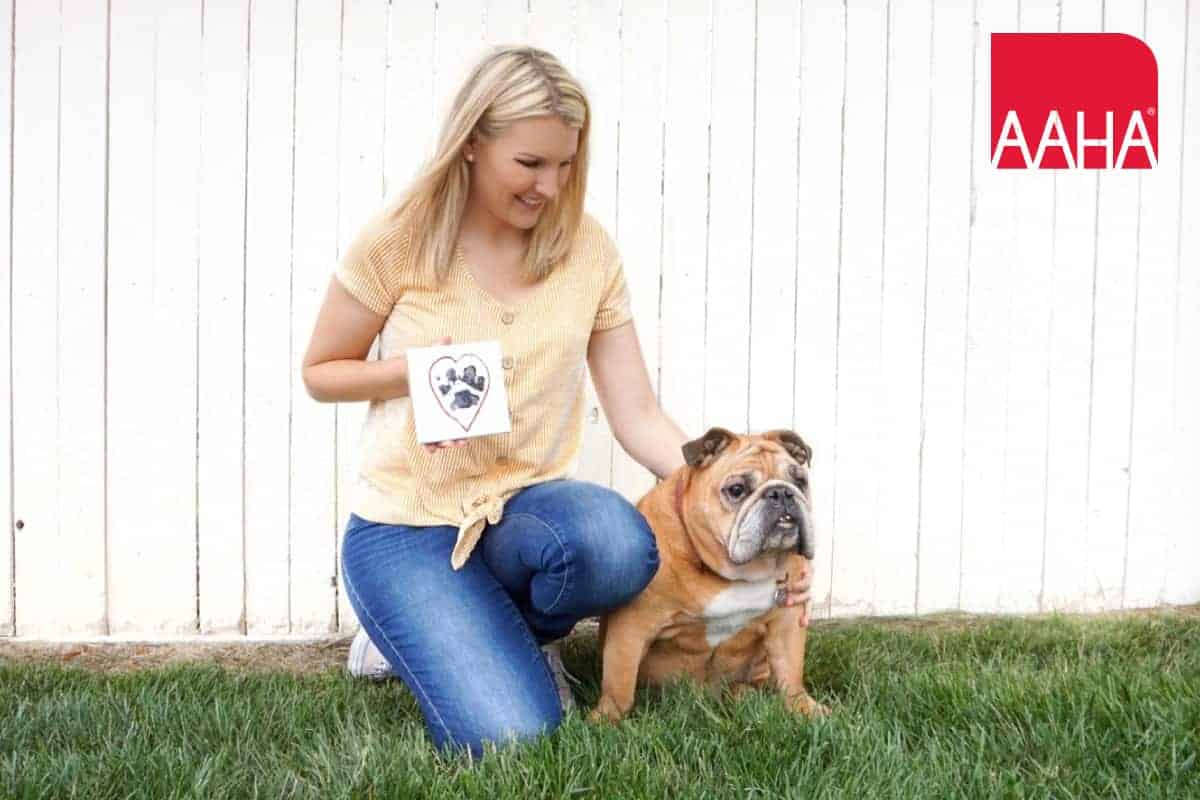
Recognizing the popularity of pet content on social media, and the power of word-of-mouth has at driving referrals to service providers, SE2 recommended a national influencer outreach strategy – a first for AAHA’s marketing and communications team.
As one of the only agencies in the country that exclusively employs influencer outreach for causes and issues, we tapped our national network of influencers to participate in a campaign we titled Paws-abilities.
This concept reinforced AAHA’s key messages and provided influencers with a new and novel way to create content featuring their pet and the AAHA brand. Additionally, while close to 80 percent of veterinary practices aren’t accredited by AAHA, the organization’s own research showed that pet owners assume that their favorite/preferred practice is accredited. Because of this, the Paws-abilities concept also challenged pet owners to find out if their current care provider has AAHA accreditation.
The Results
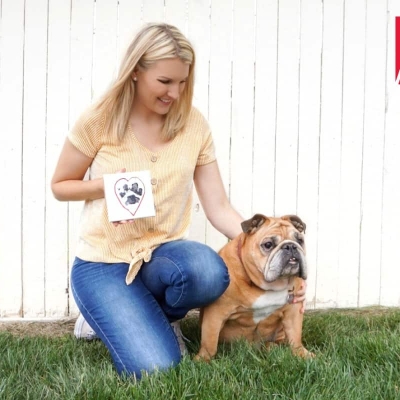
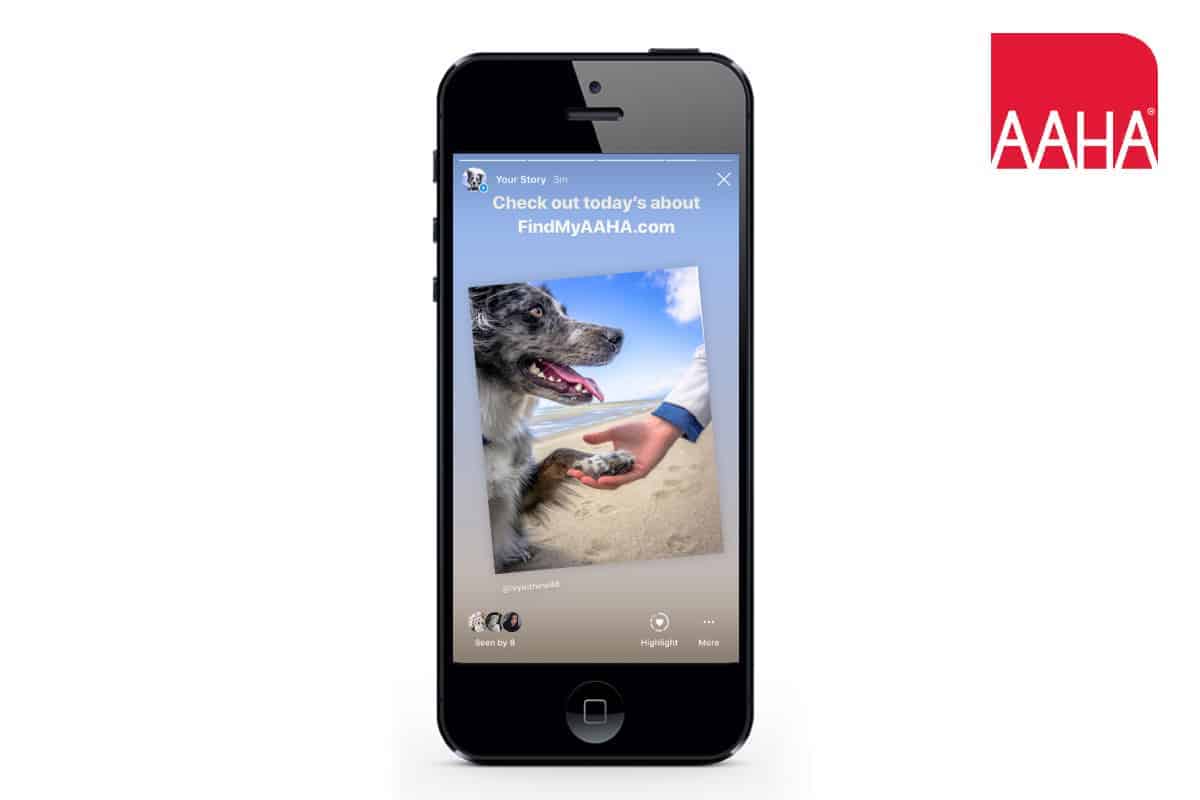
The campaign engaged close to three dozen high-profile pet influencers across North America. These influencers produced photos, blogs and even videos featuring AAHA key messaging. Some even took up our offer to visit their local AAHA-accredited clinic for a tour, which they then talked about in their posts. Many of the influencer posts received additional paid promotion to extend the reach of the campaign.
The influencers produced over 60 pieces of original AAHA-themed content. Each piece of content generated an average of 28,000 impressions and a significant number of likes, comments and shares per post.
In total, the campaign generated nearly 70,000 engagements from pet owners – many of whom expressed surprise and shock that they had never considered whether their preferred practice is accredited – achieving our campaign objective of highlighting the importance of quality pet care provided by AAHA-accredited practices.
Over 1,000 pet owners went a step further and visited the campaign landing page to find an accredited practice in their community. While there, they also spent nearly one and a half minutes on the landing page learning more about pet care and AAHA’s benefits to pets and their owners.
Lastly, the influencer campaign generated dozens of new pieces of content that the organization is repurposing for other marketing activities – such as including these influencer stories in annual reports, resharing this content on its owned social media channels, and including these stories in its newsletter. All of which help AAHA eek additional value of this campaign.
And, AAHA’s board and members raved about the campaign – fulfilling the objective of delivering added member benefits and promoting local practices. Because of the campaign’s success, AAHA is exploring the paws-ability of investing in additional influencer outreach campaigns in the future and making influencer marketing a dedicated component of its marketing mix.