At SE2, our work has always been rooted in one core belief: Real change happens through people, relationships, and trust. While today’s communications often focus on technology, platforms, and media channels, the most powerful driver of change remains human connection.
That belief is the foundation of SE2 PowerMap®, a strategic framework used at SE2 to understand how influence flows through communities and how trusted networks can be mobilized to advance meaningful social change.
For me, PowerMap is not just a methodology, it reflects decades of experience working in communities, in media, and in the political arena where relationships and trusted voices often determine whether a message truly resonates.
What SE2 PowerMap® Is
SE2 PowerMap® is a community-centered strategy that identifies and activates trusted networks, leaders, and influencers within communities to drive awareness, engagement, and action.
Rather than relying solely on traditional advertising or top-down messaging, PowerMap focuses on understanding how communities communicate internally who people trust, where information flows, and how influence spreads across relationships.
Through this process, we:
- Identify key community leaders and connectors
- Build coalitions and partnerships around shared goals
- Co-create messages with the community
- Deliver messages through credible voices
- Mobilize communities to participate in solutions
In essence, PowerMap helps ensure that communications efforts move through authentic, two-way human networks rather than simply broadcasting messages outward.
Where the Approach Comes From
My understanding of PowerMap grew out of years of experience across community organizing, media, and public affairs.
I have seen firsthand how important it is to meet communities where they are. Early in my career, I worked extensively in both Spanish-language and general-market media. That experience showed me how different audiences consume information and, more importantly, how trust shapes whether a message is accepted or ignored.
In broadcasting, the most effective communicators are those who understand their audience and reflect their audience’s lived experiences. The same principle applies to public policy and community engagement, people listen to voices they know, respect, and identify with.
Later, through my work in political campaigns and community organizing, I saw how critical these networks could be when mobilizing voters, advancing policy initiatives, or addressing complex public issues. Campaign success often depended less on paid media and more on trusted messengers within neighborhoods, faith communities, local organizations, and advocacy networks.
Those experiences reinforced a simple but powerful lesson: Influence travels through relationships.
Strengthening the Model: The PowerMap Advisory Council
As the PowerMap model continued to evolve and shape how we approach communications and community engagement at SE2, it became clear that the model itself should reflect the very principles it is built on, collective wisdom and trusted leadership.
To deepen this work, we established the PowerMap Advisory Council, a group of respected community leaders, advocates, and subject-matter experts who bring diverse perspectives and lived experiences to the table.
The Advisory Council helps ensure that PowerMap strategies remain grounded in the communities they serve. By bringing together voices from different sectors, community leadership, advocacy, public health, civic engagement, and education, the council provides invaluable insight into how messages resonate, how communities mobilize, and how trust is built.
The creation of the PowerMap Advisory Council represents an important evolution of the framework. It reinforces our commitment to collaboration, accountability, and community-centered strategy, ensuring that PowerMap is continually informed by the voices and experiences of the people closest to the issues.
Why PowerMap Matters in Today’s Communications Landscape
Today’s information environment is more crowded and fragmented than ever. Traditional media alone rarely reaches audiences in ways that inspire action. The rise of AI creates a tsunami of slop that is both overwhelming and alienating.
SE2 PowerMap® addresses this challenge by recognizing that people often rely on their personal networks, friends, community leaders, local organizations, and cultural institutions, as their most trusted sources of information.
By mapping these networks and engaging them intentionally, we:
- Build credibility and trust with communities
- Reach audiences that traditional media may overlook
- Deliver culturally relevant and authentic messages
- Strengthen coalitions around shared goals
- Drive sustained behavioral and policy change
In many cases, this approach turns communications campaigns into community movements rather than one-way messaging efforts.
How SE2 Uses PowerMap
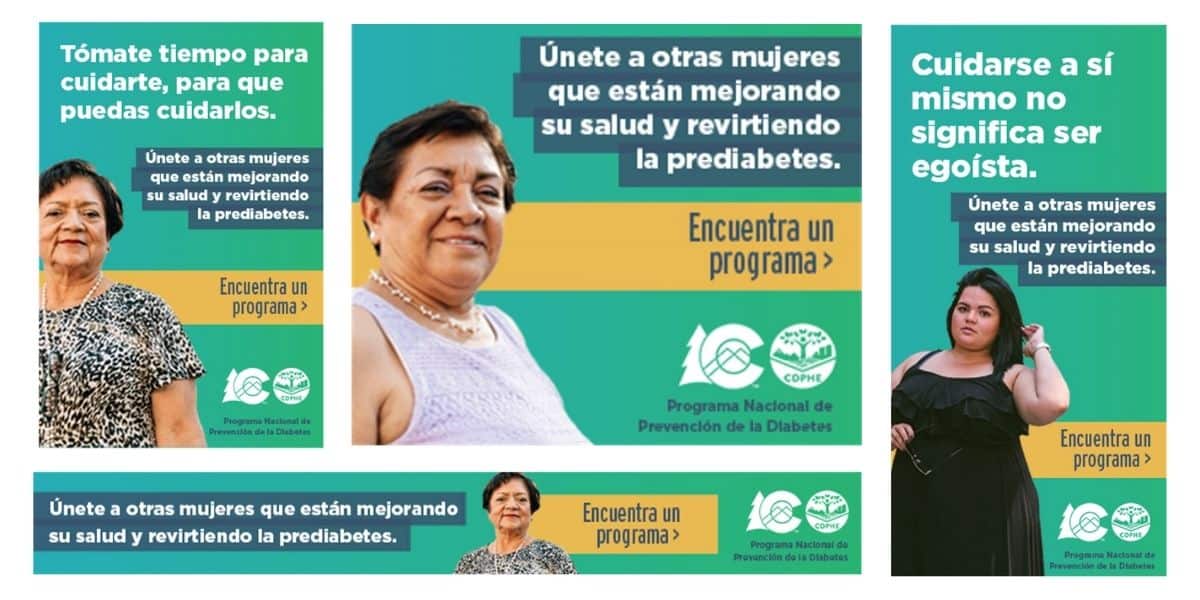
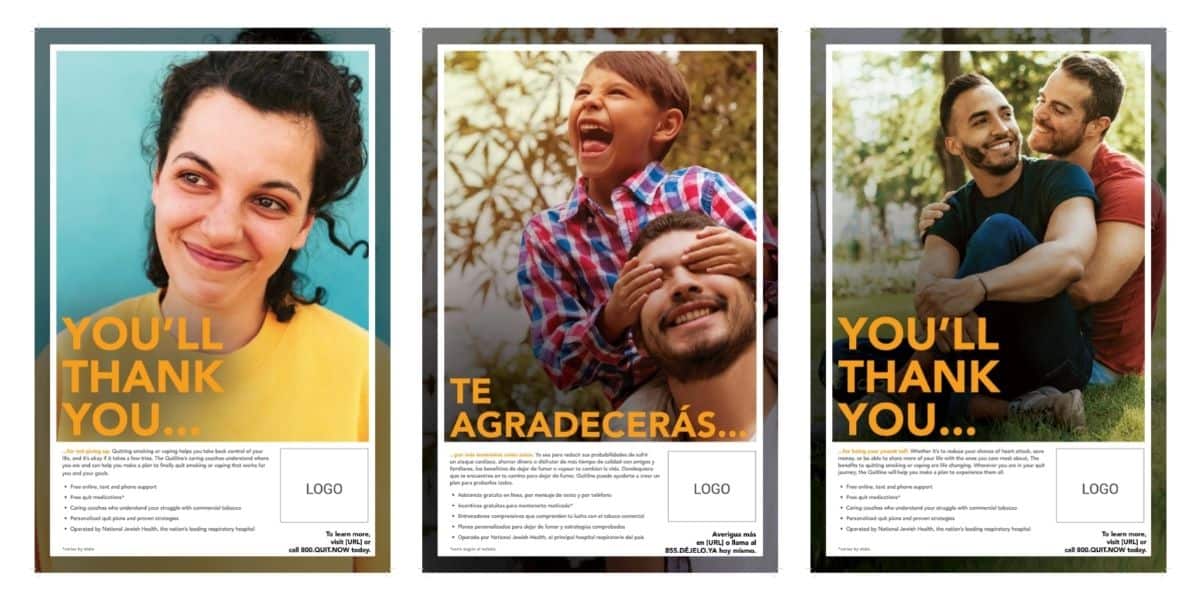
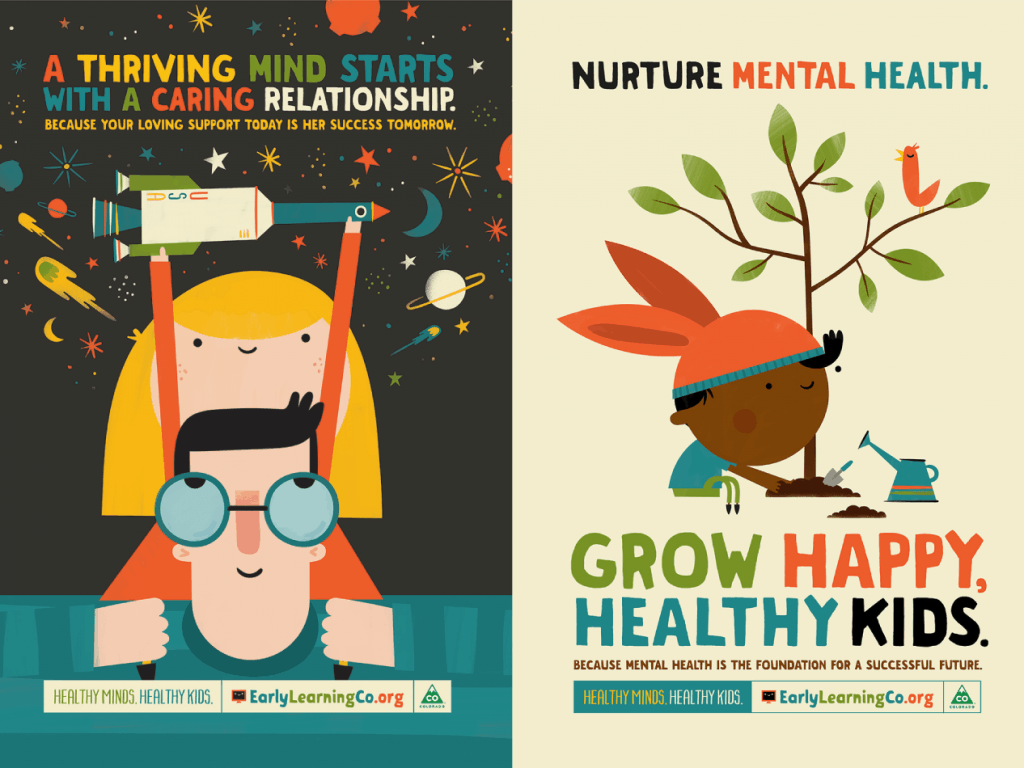
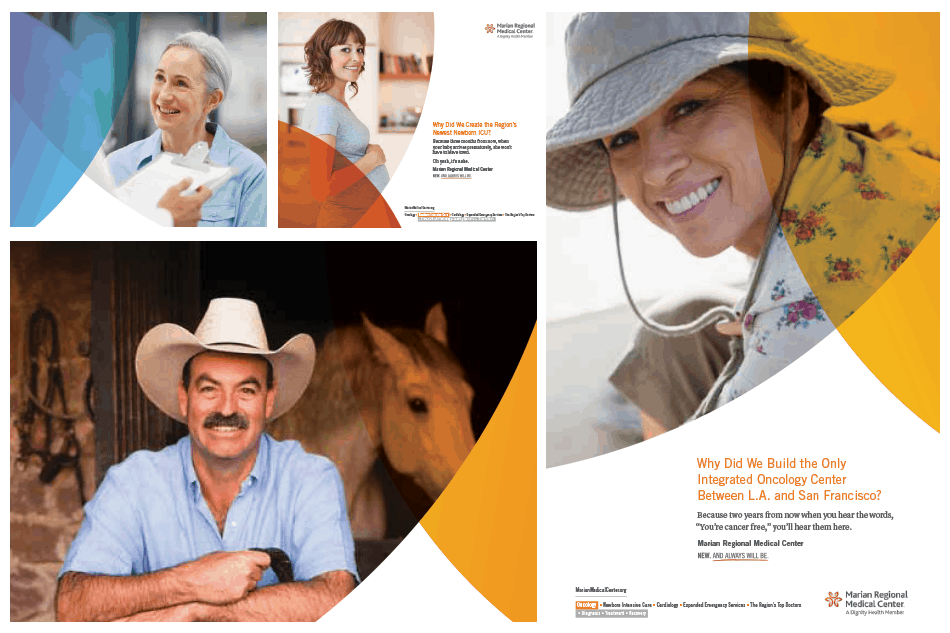
PowerMap guides how we approach complex issues across public health, education, environmental sustainability, and civic engagement.
A PowerMap-driven strategy typically includes:
- Community listening and research | Understanding the needs, concerns, and cultural context of the communities involved.
- Identifying trusted messengers | Working with community leaders, educators, health professionals, advocates, and local organizations that already have credibility.
- Coalition building | Aligning partners and stakeholders around shared messaging and goals.
- Strategic communications integration | Combining community engagement with earned media, digital outreach, and paid media to amplify reach and impact.
This integrated approach ensures that campaigns are not only visible—but also inspire action.
SE2 PowerMap® and the Future of Community Engagement
As communications technology continues to evolve, the importance of human relationships becomes even more apparent. Algorithms and platforms may change, but trust remains the constant.
SE2 PowerMap® recognizes that communities themselves hold the power to create lasting change. When campaigns invest in authentic partnerships and elevate trusted voices, they do more than share information, they build momentum, ownership, and collective action.
That results in change for good.
For me, PowerMap represents the intersection of everything I have learned over more than two decades working in communications, media, and civic engagement. It reflects the belief that the most effective campaigns are built with communities, not just directed at them.
That philosophy continues to guide our work every day as we partner with organizations, leaders, and communities to create change that is inclusive, lasting, and driven by the people most affected.