
Make It Easy for Your Audience: Accessibility Improves Every Message and Campaign
Improve Readability and Visual Connection
Most Americans read at a sixth-grade level (source)—yet too many marketing campaigns use language that’s overly complex. If a message takes too much effort to understand, people tune out. Plain, direct language always wins.
Start with strong, clear writing:
- Use simple, everyday words.
- Keep sentences short.
- Cut out jargon and acronyms.
- Write the way people talk.
Tip: Reading your copy out loud takes time—but it works. If it sounds awkward, it probably reads that way too.
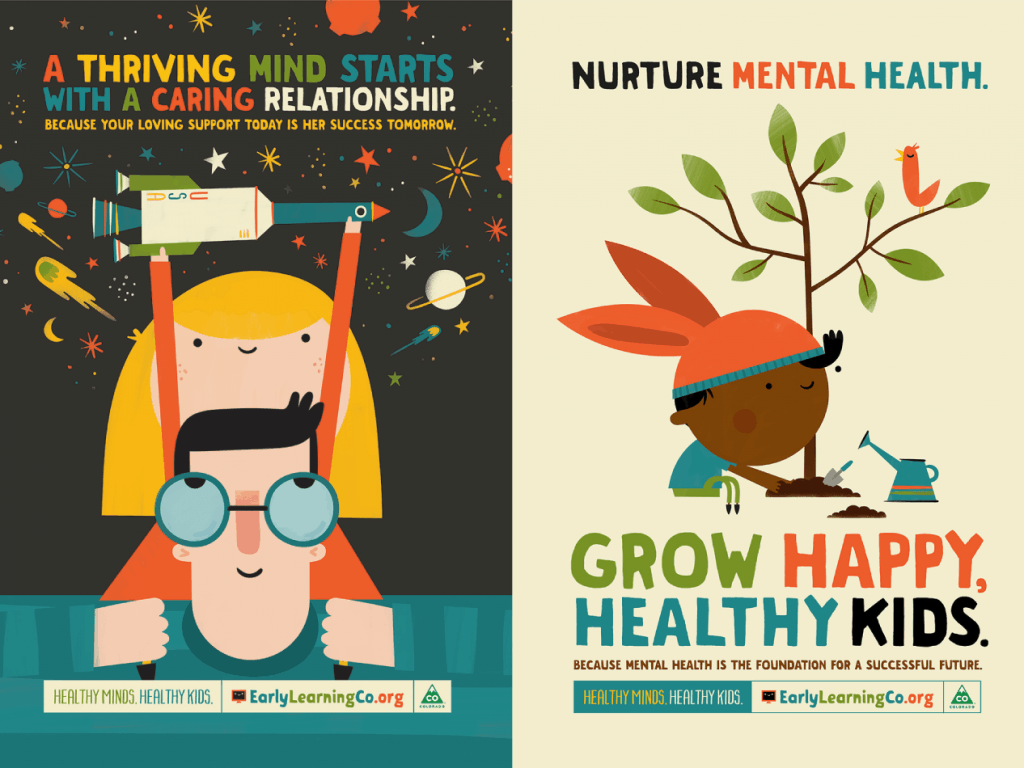
Use visuals that support the story—not distract from it.
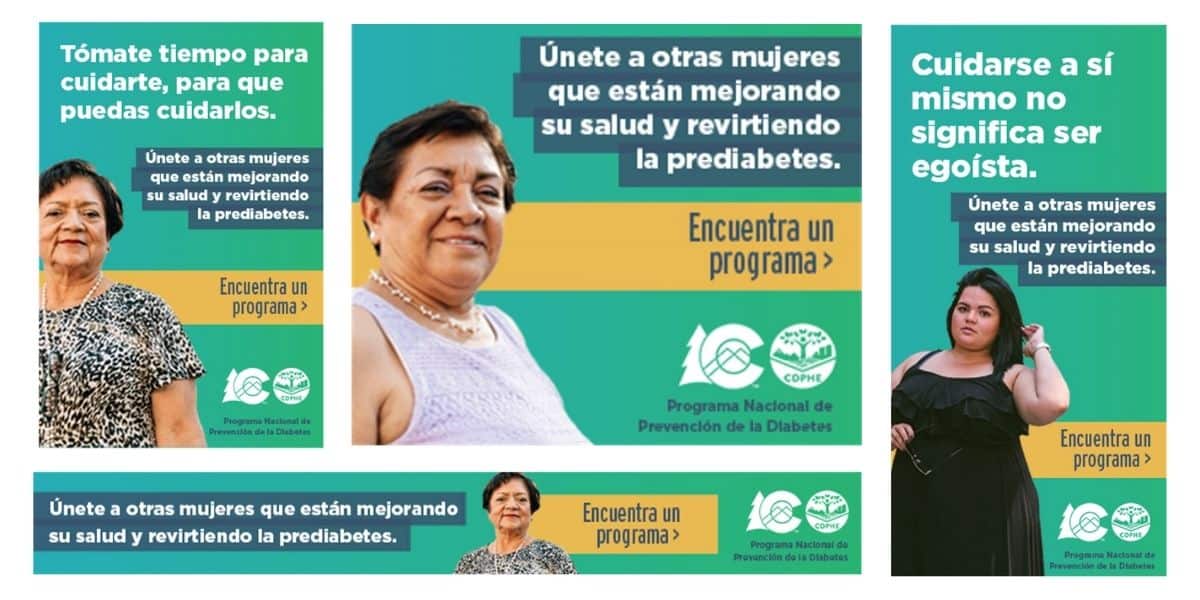
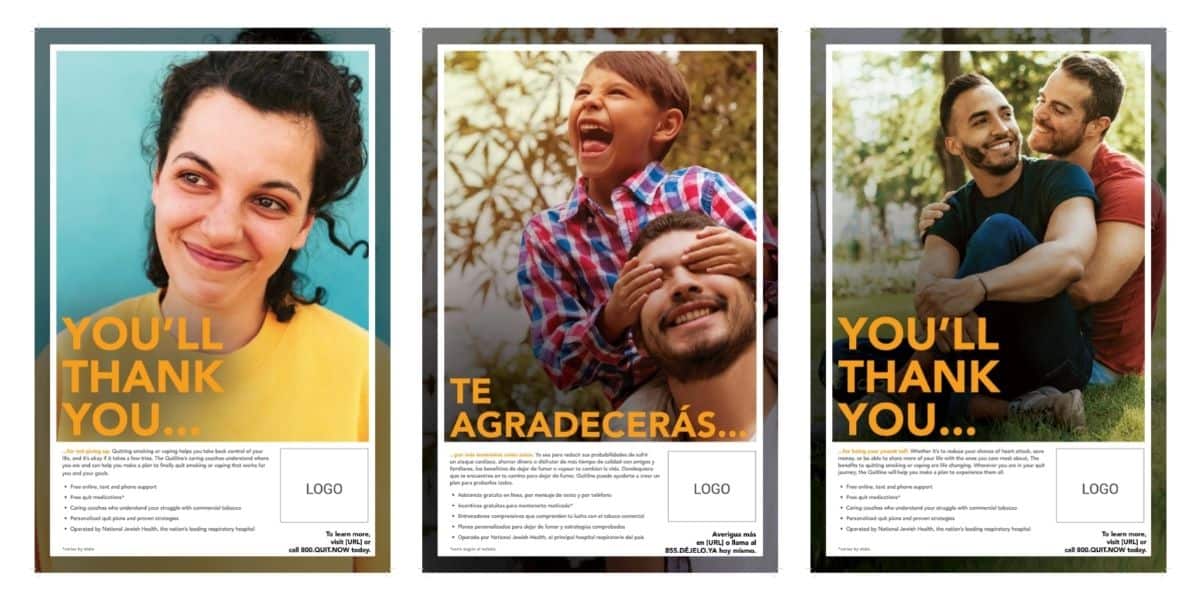
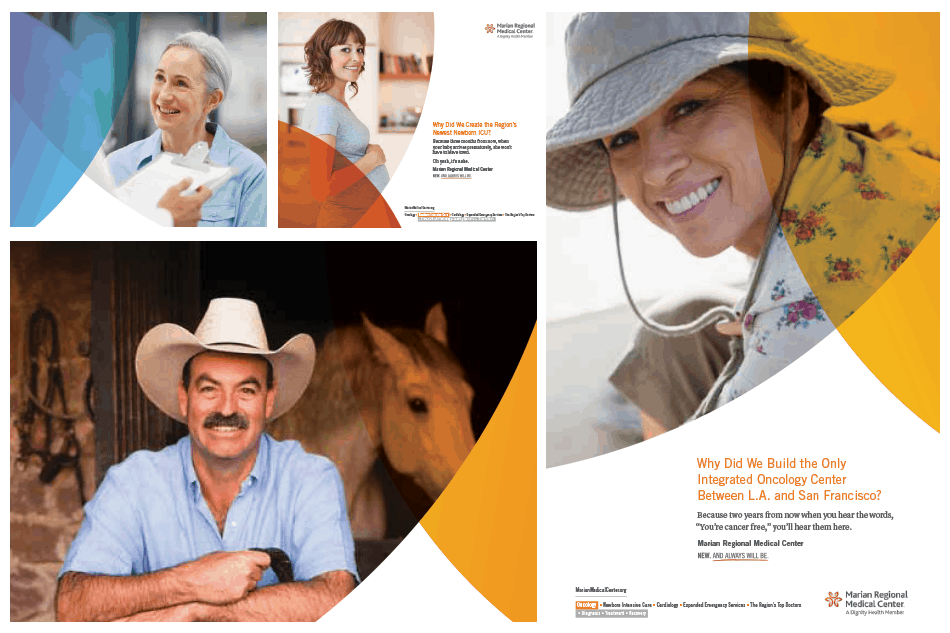
People want to see themselves—or people like them. Choose images that feel real and add meaning. Skip anything that adds clutter or confusion. And of course avoid cheesy stock photos that look staged.
- Make It Visually Accessible: Design choices can either include or exclude people. Accessibility helps everyone, especially people with vision impairments, learning differences, or just aging eyes.
- Use high-contrast colors: Black text on a white background remains one of the most readable combinations. Avoid light gray text, bright yellow text, or text over busy images. Use a contrast checker (like WebAIM) to confirm your design meets WCAG (Web Content Accessibility Guidelines) standards.
- Pick readable fonts—and size them up: Use sans serif fonts like Arial, Helvetica, or Verdana. Keep body text at least 16 point font. For printed materials, 12-point font or larger works best.
- Avoid ALL CAPS and italics: All caps slows reading speed. Italics can blur on screen. Use bold type for emphasis instead.
- Break up the page: Add white space between lines and sections. Use headers, bullet points, and short paragraphs. This keeps readers engaged and prevents overwhelm.
Go Beyond Compliance: Design with People in Mind
Accessible content isn’t just a box to check—it’s a mindset. We build stronger campaigns when we center them around the needs of the people we’re trying to reach.
More accessibility tips:
- Add image alt text for screen readers.
- Open caption videos.
- Avoid flashing elements.
- Write descriptive link text (“Read more about accessible design” beats “Click here”).
- Test your content with real users, not just internal teams.
Accessibility Is Good Strategy
When you make your message easier to understand, you expand your reach. It brings more people in, keeps them engaged, and shows you care enough to meet them where they are.
Want help building a more accessible campaign? Let’s talk.


Get Uncomfortable. Get Loud. Return to Pride’s Radical Roots.
Sponsors love rainbows until doing real work gets involved. They slap logos on floats, pump cash into parades, and post glossy allyship on June 1. Then they vanish.
This year, corporate sponsors ghosted Pride events faster than a closeted politician in an election year. Organizers announced cancellations. Cities scaled back. Brands blamed “safety concerns.” But let’s name it: These corporations folded under pressure. Far-right blowback scared them, and instead of standing with the LGBTQ+ community, they sprinted for the exit.
No explanation can excuse that.
If a company can’t show up when people face real threats, then it never stood with us in the first place. It stood with marketing. It stood with visibility, not vulnerability. And visibility without courage means nothing.
Stop Pretending Pride Needs Sponsors
Pride started as a riot. Not a brand partnership.
No one threw bricks at Stonewall for the chance to snag a Gatorade logo on a banner. They fought for survival, for dignity, for breath. Pride lived in alleyways, church basements, dance floors, clubs, and marches where no one handed out coupons. We showed up because we had each other. Not because someone handed us a branded stress ball.
And here’s where the mirror turns: some Pride organizers helped the shift to commercialization happen. Some traded people for polish. They built events that looked good on Instagram but felt hollow on the ground. They let brand money dictate the vibe. They chased clean, “family-friendly” images that erased the drag performers, trans folks, sex workers, and fierce femmes of color who built the movement.
So now, when those same brands flake out, we see the cost.
Kick Cowardice Out of the Parade
Corporations can’t lead this movement. They never did. But we can hold them accountable.
Stop calling them allies. Call them what they are—cowards.
Stop begging them back. Build something stronger.
Fill the gaps with local vendors, resource organizations, community mutual aid, and unapologetic queer joy. Fund drag shows with grassroots dollars. Pack parks and streets with families, elders, youth, and fierce-as-hell trans folks who never needed a bank logo behind them.
Queer people never relied on approval before. We don’t need it now.
Bring Pride Back to the Street
Let’s end the illusion: Rainbow capitalism won’t save us.
Community will.
We can’t let sponsors define our visibility. We can’t let glossy campaigns erase the mess, the grief, the joy, and the power that make Pride real. This moment calls for more than just celebration. It demands reckoning. And resurrection.
Let’s build Pride that scares cowards again.
Let’s build Pride that honors its roots—loud, sweaty, righteous, and bold.

Angel Quit Nicotine and Took Back Control: Six Years, Zero Regrets
The Challenge
Six years ago, we met Angel Ramirez, a Denver mom determined to quit smoking. At the time, she was deep in the struggle, juggling life, stress, and the weight of an addiction she wanted to break. She let us into her world, sharing the highs and lows of quitting, the shame she felt as a closet smoker, and the moment she decided she had enough.
For Tobacco Free Colorado, we’ve told countless stories about quitting. But Angel’s stands apart. Hers is the only one we have followed for six years, watching her journey unfold from the first call to the Colorado QuitLine to six years smoke-free. Today, Angel is thriving, and we are honored to share her next chapter. Elevating Diverse Voices in the Fight Against Nicotine Addiction
The Approach
Six years ago, we met Angel Ramirez, a Denver mom determined to quit smoking. At the time, she was deep in the struggle, juggling life, stress, and the weight of an addiction she wanted to break. She let us into her world, sharing the highs and lows of quitting, the shame she felt as a closet smoker, and the moment she decided she had enough.
For Tobacco Free Colorado, we’ve told countless stories about quitting. But Angel’s stands apart. Hers is the only one we have followed for six years, watching her journey unfold from the first call to the Colorado QuitLine to six years smoke-free. Today, Angel is thriving, and we are honored to share her next chapter. Elevating Diverse Voices in the Fight Against Nicotine Addiction
We believe that elevating diverse voices is crucial in tackling addiction and promoting healthier communities. That’s why we invited Angel to chronicle her quit journey through weekly vlogs, sharing both her challenges and triumphs. Her authentic story has been a source of inspiration and valuable insight for others who may feel isolated in their struggles. Angel’s perspective, as a mother and a woman navigating the complexities of addiction, adds depth to the conversation around quitting smoking, proving that all stories matter and deserve to be heard.
Angel started smoking at 15, surrounded by family members who made it seem normal—even cool. At first, it was just one cigarette here and there. Then it became one a day. Then three. Then five. By the time we met her in 2019, she was hiding it from co-workers, slouching in her car at red lights, avoiding eye contact with strangers.
Her kids saw through it. One day at the doctor’s office, her daughter pointed to a poster of diseased lungs. “Look, Mommy,” she said. “It’s like your lungs.” Angel knew she had to stop.
The Impact
Quitting wasn’t easy. She tried before, especially during pregnancy, but always went back. This time, she reached out for help. She called the Colorado QuitLine and got a coach who had been through it. No judgment. No shame. Just support.
“After my first call, I got off the phone and thought, ‘That’s it? That was easy.’”
Then the nicotine replacement therapy (NRT) products arrived. Everything she needed—patches, gum, lozenges—showed up at her door, free of charge. Her kids became her biggest supporters, always checking in, making sure she stuck with it. Step by step, she pushed through.
Today, Angel stands on the other side. No more sneaking cigarettes. No more shame. She breathes easier, feels stronger, and knows she made the right choice—for herself and her kids.
Looking back, she knows quitting wasn’t just about breaking a habit. It was about reclaiming control, proving to herself that she could do it. And now, she wants others to know they can, too.
“If you’re ready to quit, just start. Make the call. Get a coach. Trust me, it gets easier. One day, you’ll be sitting where I am, feeling free.”
Angel’s journey isn’t just hers. It’s inspiration for every person thinking about quitting but feeling stuck. It’s proof that change is possible. That support makes a difference. That life on the other side is worth it.
Six years ago, Angel said, “I’m just ready.” Today, she’s proof of what happens when you take that first step.

Break Barriers with Transcreation+: Adapt, Connect, Succeed
Words and images hold power, especially when they reach people in ways that make sense to them.
Too often, messaging and marketing get lost in translation—literally and figuratively. A word-for-word swap might capture meaning, but does it capture connection? Do the images connect across cultures? Do they hit home?
That’s where transcreation comes in. Instead of just translating, transcreation reshapes messaging to match cultural context, emotional nuance, and audience expectations.
When we think about culture and community, we need to understand values and lived experiences. The goal is to create a full experience—concepts, images, and language all working together.
Ensure Creative Matches the Audience
Translation is a word-by-word literal change to another language. Transcreation ensures impact.
- Translation: Converts words from one language to another. Additionally, interpretation takes spoken word to another language.
- Transcreation: Merriam-Webster defines transcreation as “The process of adapting a message from one language to another while maintaining its intent, style, tone, and context.”
Introducing Transcreation+
Transcreation+ expands the concept beyond translation to encompass all forms of marketing and communication to all types of audiences. It’s about adapting not just words, but also visuals, tone, and storytelling structures to ensure every message lands the right way with the right people – even if you’re an English speaker trying to reach a specific English-speaking audience, or a Spanish speaker trying to reach a specific Spanish-speaking audience, etc.
Because communication isn’t just about words, it’s about context, values, and cultural nuance.
Adapt Words, Images, and Concepts
Words don’t exist in a vacuum. Different audiences respond to different styles of communication and storytelling approaches.
- A middle-aged Spanish-speaking man might prefer a formal, respectful tone with traditional imagery.
- A bilingual Spanish-speaking teen might connect more with Spanglish, emojis, and dynamic visuals.
Transcreation+ isn’t just about translating between languages. It’s about adjusting how we communicate — verbally and visually — across different cultural and social groups.
Shape Stories That Resonate
Whether communicating in English, Spanish, or another language, Transcreation+ ensures messaging resonates—not just in words, but in the way they connect.
That means:
- Using images that reflect the audience and their experiences.
- Choosing words that feel natural and inviting.
- Structuring campaigns with concepts that align with cultural values.
Because when words, images, and ideas connect—change happens.
Invest Where it Counts
A one-size-fits-all campaign might seem like the most budget-friendly option, but it often falls flat—failing to connect with key audiences. Transcreation+ is a more complex approach, and it may require a larger budget.
Adapting messaging, visuals, and storytelling for multiple audiences takes time, research, and resources. But investing in the right strategy upfront prevents wasted spend on ineffective outreach. Instead of asking, “Can we afford this?” consider: “Can we afford not to?” Because real impact comes from messaging that truly resonates—and that’s worth the investment

Tumblr's New Politics-Free Position and Attempted Comeback
For a while, Tumblr seemed like a ghost town.
After its heyday in the early 2010s, the platform faded into the background as Instagram, Twitter (now X), and TikTok took center stage.
But lately, Tumblr has been creeping back into cultural conversation. Not as the chaotic free-for-all it once was, but as something better—or at least, something different.
They seem to be rebranding as a space safe from politics and toxic-masculinity – with new TV ads to boot. You can see info about their campaign here.
Can it reclaim its place as an internet haven, or is it just a relic of a bygone era? If the internet feels exhausting, Tumblr might be your refuge—or maybe not.
What Made Tumblr, Tumblr
In its prime, Tumblr felt like the Wild West of the internet.
People used it to build micro-communities around everything from niche aesthetic vibes to full-blown fandom empires.
Unlike other platforms, where clout and engagement metrics rule, Tumblr thrived on anonymity. You could be anyone, post anything (sometimes to a fault), and disappear into your curated world of memes, art, and hyper-specific obsessions.
Some of the things that made Tumblr unique:
- No Algorithms – Your feed showed posts in chronological order, not whatever the algorithm decided you should see.
- Micro-Communities – Whether you loved gothic architecture, vintage anime clips, or surreal memes, there was a corner for you.
- Creative Expression – Writing, art, and GIFs thrived without pressure for likes or shares.
For me, Tumblr was all about Superwholock— Frankenstein’s monster of fandoms combining Supernatural, Doctor Who, and Sherlock. That corner of the site lived on inside jokes, fan fiction, and GIFs moving at light speed.
I had around 5,000 followers, though most of what I did was reblogging content that aligned with my specific interests. My partner, on the other hand, was deep in “stoner Tumblr,” which was exactly what it sounds like.
The variety of subcultures made Tumblr feel endless—there was a place for everyone.
For others, like SE2 Associate (and self-described recovered Tumblr fanatic) Mikey Talley, it was a vision board before Pinterest, a space to curate dream outfits from fashion magazines, capture aesthetics and scenic escapes, and craft aspirational collages.
It became a hub for discovering underground music, fresh perspectives, and inspiring quotes while connecting with like-minded people across the globe. More than just a collection of images, it was a personal sanctuary—a little corner of the internet where creativity, exploration, and self-expression flourished.
The Vine Connection and Tumblr’s Influence
People forget how much Tumblr shaped internet culture. Many of the viral trends that defined early social media either started or thrived there. The now-defunct Vine owes a lot to Tumblr; many of its biggest moments first gained traction through reblogs before hitting wider audiences.
Some ways Tumblr influenced internet culture:
- Absurdist Humor – Nonsensical memes and inside jokes ran wild.
- Remixing Content – Users reworked and built on each other’s creations.
- Fan Culture – Fandoms grew deep roots, creating lore and traditions still seen today.
Why Tumblr Feels Right Again—Or Does It?
In a digital landscape dominated by Meta’s ad-choked feeds and X’s toxic free-for-all, Tumblr’s weirdness feels like a relief. But does it still have a place?
Some arguments for its renewed relevance include:
- No Pressure to Perform – There’s no race for engagement or clout.
- No Algorithm Manipulation – You see what you follow, nothing more.
- No Endless Ads – Unlike other platforms, Tumblr hasn’t turned into an ad-filled wasteland.
I’ve been tempted to dust off my old account, clean up the chaos, and get back into it.
Tumblr has always been silly, fun, and surprisingly pure in its weirdness. Maybe that’s exactly what the internet needs right now. Or maybe it’s just a nostalgic relic from a different era of the internet.
What do you think? Is Tumblr making a comeback, or is it just trying? Let’s talk about it.

DEI and the Bottom Line: How Inclusion Drives Marketing ROI
Diversity, Equity, and Inclusion (DEI) isn’t just a trendy buzzword—it’s a critical driver of business success. Yet, many companies today are backtracking on their commitments because of the current political climate.
This regression doesn’t just harm marginalized communities; it undercuts the very foundation of modern marketing strategies.
Let’s break this down: DEI delivers results. It builds trust, fosters loyalty, and creates genuine connections. Ignoring it means leaving money—and humanity—on the table.
Define DEI with Clarity
Diversity means representing a mix of identities, backgrounds, and experiences. Equity ensures everyone receives fair treatment, access, and opportunities. Inclusion means creating spaces where all people feel valued and welcomed.
Together, these principles form a powerful framework that fuels innovation and growth.
However, DEI is more than policies and training sessions. It demands integration into every facet of a company, especially marketing.
When brands prioritize representation and equity, they connect with audiences who see themselves reflected in campaigns.
Use DEI to Build Emotional Connections
People crave connection. They want brands to understand their stories, struggles, and victories. Representation creates that bond.
For a young transgender individual, seeing someone like them in an ad isn’t just a marketing move—it’s a lifeline.
For a Black professional, spotting their identity celebrated in a campaign validates their experience.
When brands embrace DEI authentically, they build emotional connections that foster loyalty. This commitment translates directly to the bottom line. Inclusive marketing doesn’t just feel good—it works.
Back It Up with Results
DEI efforts boost revenue. McKinsey’s study on diversity in leadership found companies in the top quartile for racial and ethnic diversity outperform competitors by 36% in profitability. Firms with diverse teams generate more innovative ideas, appeal to broader markets, and maintain stronger reputations.
Take Procter & Gamble’s “The Talk,” a campaign addressing conversations Black parents have with their children about racism. It won accolades for its honest storytelling and drove consumer trust.
Representation creates relatability, which translates into consumer action.
Respond to Today’s Needs
In today’s fractured world, connection matters more than ever. Consumers demand authenticity and accountability.
Performative gestures—like slapping a rainbow logo on a product in June—no longer suffice. People want meaningful action. Brands must move beyond surface-level commitments and demonstrate real investment in DEI values. Regression in DEI initiatives threatens to erode the progress made. Brands that retreat risk alienating vast segments of their audience.
Conversely, companies doubling down on DEI efforts stand out as leaders. They demonstrate courage, empathy, and a commitment to equity—traits that build unshakable loyalty.
Make DEI Your Marketing Advantage
Brands must integrate DEI into their core strategies. Start by listening to marginalized communities and amplifying their voices. Build campaigns rooted in authentic stories. Take actions that reflect your values. Measure your impact, refine your approach, and prioritize transparency.
The cost of ignoring DEI is far greater than the investment needed to embrace it. Companies that lean into inclusion reap the rewards of loyalty, innovation, and long-term growth. More importantly, they contribute to a world where everyone feels seen, valued, and respected.
So, let’s ask ourselves: What kind of impact do we want our marketing to make? Let’s ensure our brands are more than businesses. Let’s make them forces for equity and connection—because when DEI wins, everyone wins.

Communications Lessons from 2024 and a Vision for 2025
As 2024 draws to a close, the marketing and communications world finds itself in a fascinating moment of transition. This year brought rapid technological advancements, shifting audience expectations, and putting an even greater demand for authenticity in a crowded media landscape.
At SE2, we’ve been navigating the challenges and opportunities that defined 2024 and exploring the trends that will shape the future.
2024: A Crisis in Confidence for Communicators
The most important shift in 2024 wasn’t just a new platform or technology—it was a change in audience expectations. “Audiences became increasingly skeptical and selective, seeking messages that resonate with their values,” said RJ Johnson, SE2’s content producer. With shrinking attention spans and heightened skepticism of traditional marketing tactics, authenticity emerged as a vital currency for building trust.
Video formats—especially short-form—cemented their dominance. As Public Relations and Community Outreach Specialist Elizabet Garcia noted, “Instagram and TikTok amplified the power of short videos. They’re the perfect length to deliver big messages without losing focus.”
At the same time, alternative channels like podcasts gained momentum, with political figures and brands alike exploring new ways to connect directly with these audiences.
AI wasn’t just a buzzword—it became a tool. “AI isn’t the enemy or the savior,” said Principal Eric Anderson. “It allows us to automate mundane tasks and elevate our focus on things only humans can do.”
Principal Susan Morrisey observed that AI matured from a novelty to a practical resource, reshaping workflows without replacing the core of good communication: human creativity.
2025: Authenticity Takes Center Stage
Looking ahead, authenticity will remain the bedrock of effective communication. “Audiences crave narratives grounded in genuine experiences—not polished campaigns,” shared RJ Johnson.
Real stories rooted in shared values will cut through the noise, fostering trust in a divided and cluttered media landscape.
AI will continue to grow in prominence, but its role will evolve. “People are becoming more attuned to recognizing how AI is used,” observed Mikhail Talley, associate. “They’ll place greater value on what AI can’t replicate: authentic human emotion.”
To stand out, brands must pair AI-driven efficiency with deeply human storytelling.
At the same time, face-to-face connections will reclaim importance. “In-person interactions build trust in ways AI and digital tools cannot,” said Eric Anderson. This trend highlights the need for human-centered strategies that go beyond screens, from meaningful community engagement to real-world collaborations.
And as misinformation and disinformation loom large, regulator shifts could redefine the boundaries of communication. “Emerging regulations like COPPA 2.0 could drastically impact how advertisers engage with young people,” said Jack Cohen, associate. COPPA 2.0 refers to proposed updates to the Children’s Online Privacy Protection Act (COPPA) aimed at strengthening online privacy protections for children, addressing emerging technologies, and expanding regulations to better safeguard minors’ data in the digital age.
Navigating these changes will require agility and a deep understanding of evolving platforms.
Bridge 2024 to 2025 and Beyond
The world of communications never stops evolving, and 2024 underscored the importance of adaptability. As we look to 2025, our focus remains on fostering connections, telling real stories, and meeting audiences where they are—whether through AI-enhanced strategies, video platforms, or in-person interactions.
At SE2, we’re committed to navigating the challenges ahead with creativity, resilience, and an unwavering dedication to the communities we serve. As Mikhail Talley summed up, “In an increasingly divided world, the most important thing is to focus on the common values that connect us all.”

Cut the Fluff: Lessons in Smart Brevity from ComNet 24
Making complex stories scannable for busy readers? Easier said than done.
The training on Smart Brevity at The Communications Network’s ComNet 24 in Kansas City, led by Axios, reshaped my approach to content.
This piece? It’s me putting that training to work—trimming down, focusing on what’s relevant, and trying to keep you reading.
Key Lessons I’m Using Right Here:
- Shorter is stronger.
Axios laid out the facts: Only 5% of people finish an 800-word article. Aim for half that length. It’s not about cutting words; it’s about cutting fluff. This blog? Around 400 words max, so every sentence here earns its place.
- Hook them with what’s new.
You’ll notice we skipped a big intro here. That’s on purpose. Readers—especially busy communications pros—want to know what’s new right away.
- Be a “word surgeon.”
Words have weight. At ComNet, we practiced paring paragraphs down to a word or two. It’s about removing filler, and that’s why I’ve kept each lesson short here—you’re getting only what matters.
- Think story, not facts.
People remember stories, not fact after fact. Even in brevity, storytelling should guide us. This blog aims to share not just tips but tell the story, however brief, of how Smart Brevity changed how I think about my writing.
- Be human, not robotic.
Smart Brevity isn’t just stripping language down; it’s about clarity. Writing as if I’m speaking directly to you keeps it natural, conversational, and clear. Read it out loud—if it doesn’t sound right, refine it until it does.
Practical Tips Applied:
- Audience first. I’m writing with you in mind—one of SE2’s key audience members looking for actionable insights.
- Scannable structure. Notice the bold headers, bullet points, and the most important words first? This format lets you quickly decide whether to dive deeper or move on.
- Precise headline. Headlines should be 10 words or fewer. No clickbait. And yes, emojis boost engagement by 6%—which is why I added one here.
Why It Matters
Smart Brevity isn’t just a technique; it shows respect for your reader’s time. Making every word work double-duty requires us to put our audience first. As communicators, the challenge is clear: Write so they stay.

How to Create Memorable In-Person Events that Foster Connection: 3 Takeaways from An Expert (Plus Lessons I Learned from My Drag Show)
Creating memorable in-person events is a challenge and an opportunity in a post-pandemic world buzzing with virtual options. Recently, we gathered for an insightful training session led by Val Nosler-Beck, founder of Upstream and the Steady Network. Her wealth of experience in event planning, particularly in the political realm, gave us valuable tips to elevate our events.
Here’s what we learned, along with my own journey in event planning and how these insights apply to SE2 and the broader marketing landscape.
It’s All About the Experience
The landscape of event planning has changed dramatically. As audiences have grown accustomed to attending events from the comfort of their homes, they now seek in-person experiences that offer genuine value for their time.
Gone are the days of generic galas and dull dinners. Instead, people crave vibrant gatherings that engage and excite.
Organizers must be creative in building for each event. There is no one way to reach out; it’s best to use multiple platforms to reach the desired event participants. Going beyond emails and event pages, it is important to leverage personal connections—direct messages, phone calls, and even involving the venues themselves in outreach. This personal touch not only boosts attendance but also fosters a sense of community before the event begins.
One key takeaway—which has always been important—is the need for meticulous planning. As soon as you know an event is on the horizon, start organizing. Avoid or minimize days of emergencies and bumps in the road by establishing the event team’s clear roles and responsibilities. This clarity leads to a smoother process and allows for effective collaboration. In addition to defining roles, it’s crucial to set internal deadlines and regular check-ins throughout the planning process. These checkpoints help you assess progress, decide which elements to move forward with, and identify what may need to be adjusted or cut. As the event day approaches, make time to meet with your team and conduct thorough checks on the status of tasks. This will catch any oversights. To improve the process and take advantage of learning opportunities, gather your team within a day to discuss what worked, what didn’t, and how to improve for next time, fuels growth and enhances future planning efforts.
Lessons from my Journey with Event Planning
I’m RJ Johnson, a content producer at SE2 with over six years of experience in event planning. My journey began in college and took a vibrant turn as I embraced drag, became my drag king persona, George Not-Strait, and began to produce shows. Alongside my partner, who is also a drag performer, we launched StageFluid, a monthly open-stage drag show, in March 2022.
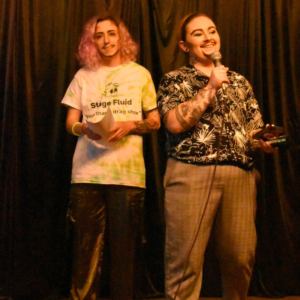
StageFluid began as a space for performers of all levels, inspired by the inclusive spirit of the “Rise of Kings” show that we both loved, which ended during COVID when the venue closed and the troupe producing it disbanded. Initially hosted at a smaller venue, we faced turnout and venue challenges. However, our event transformed into a beloved community gathering after moving to the Mercury Cafe in July 2023. We regularly pack the venue with 100 hundred attendees, fostering a lively atmosphere filled with creativity and talent.
StageFluid began as a space for performers of all levels, inspired by the inclusive spirit of the “Rise of Kings” show that we both loved, which ended during COVID when the venue closed and the troupe producing it disbanded. Initially hosted at a smaller venue, we faced turnout and venue challenges. However, our event transformed into a beloved community gathering after moving to the Mercury Cafe in July 2023. We regularly pack the venue with 100 hundred attendees, fostering a lively atmosphere filled with creativity and talent.

At StageFluid, we pride ourselves on creating an inclusive environment. There is no theme, allowing performers the freedom to express themselves in whatever way resonates with them. Performers can explore various roles—emcees, stagehands, DJs—gaining valuable experience that enhances their skills and confidence. We prioritize creating a safe space where everyone feels welcome, no matter their experience level.
We cater to two key audiences: performers and attendees. For our performers, we offer a welcoming space to express themselves freely, regardless of experience level. They can try new roles, explore creativity, and develop skills enhancing their drag careers. Many performers who have graced our stage have gone on to start their own shows, contributing to a thriving performer ecosystem.
Additionally, we foster collaboration within the drag community. We recommend other venues and events to our performers, creating a network that supports everyone involved. In turn, we also welcome other producers who invite us to participate in their shows, reinforcing a sense of unity and collaboration among creators.

For our audience, we provide great entertainment and a chance to engage with and support the community. The more people who attend and have a fantastic experience, the more likely they are to return and invite others. This ripple effect cultivates interest in trying to drag and join the community.
Accessibility is paramount for us. We keep StageFluid free to attend, ensuring that anyone can enjoy the show without a cover fee. We heavily utilize Facebook for outreach, as we know that many drag performers and supporters are active on that platform. We actively engage with our community, inviting everyone to become a part of this celebration of creativity.

To promote our shows, we encourage our cast to invite friends and family and provide them with a toolkit of promotional materials to share across social media. I boost our event on Meta about $40 a month and share it in relevant groups to attract new attendees. Our approach to outreach emphasizes personal connections; I often send DMs or texts to invite people directly, making them feel valued.
Feedback is essential to our growth. At each show, we announce the next event, fostering anticipation. We listen to our community’s suggestions, ensuring that we evolve and meet their desires. This engagement cultivates a loyal audience eager to return month after month.
Our event has put into practice many of the practices Val brought up in her training; we just had to learn them the hard way. Some of our big takeaways have been that a venue can make or break an event, personal invites go way further than simply posting or sharing an event, and knowing your audience is critical to success. We have created a safe and fun experience for both our performers and our audience, which has led to tremendous interest and loyal attendees who come back month after month.
Transferring These Insights to Marketing and Communications Space
The lessons from event planning extend well beyond the logistics of execution—they’re about creating lasting impact and fostering genuine connection. Here are three key takeaways that can be applied to the marketing and communications space:
- Make It an Experience: People want something memorable, whether it’s an event or a marketing campaign. Beyond just delivering information—focus on creating an engaging experience that resonates with your audience and provides rdistinct value. Experiences stick with people and give them a reason to invest their time and attention.
- Know Your Audience and Invite Them Personally: Effective outreach starts with understanding your audience and tailoring your approach to meet them where they are. Personal connections make all the difference; whether direct messages, calls, or targeted outreach, inviting people individually makes them feel seen and valued. In marketing, this is how you create loyal customers who feel connected to your brand or mission.
- Always Reflect Post-Event: Consider what worked and what didn’t after every event or campaign. Immediate post-event or post-campaign analysis is critical for continuous improvement. Through these reflections, you can fine-tune your approach, ensuring future success and growth.
These principles—creating a memorable experience, fostering personal connections, and always reflecting— apply to all forms of engagement. In a crowded marketplace, making your interactions stand out, connecting with people personally, and constantly evolving is critical to building solid, lasting relationships that drive success.

Three Big Insights from SE2’s Eric Anderson: Change, Connection, and Fun
SE2’s Principal Eric Anderson has been with the company since the beginning. He is an ex-journalist chancing new communications challenges. Get some of his fresh perspectives and get to know him a little better through these three questions.
Q: In what ways has SE2 shifted in the 25+ years of change-making marketing and communications?
A: From the start we committed to focus exclusively on pressing public issues – not products — and that’s remained a constant. Most of the shifts since then have been evolutionary.
When we started, we still relied on the “sneaker net” (i.e., sharing files between computers by carrying floppy disks). Faxed and hand-delivered media releases were the norm. But the the foundations of success, regardless of the technology, are the same. For example:
- Strong messages are everything.
- Meaningful relationships matter.
- Pay attention to the forest and the trees.
- Find the courage to make bold strokes.
Along with technological advances, we’ve seen the science of behavior change and the best practices for building successful movements become clearer over the years. It’s our job to stay on top of those developments as we innovate.
Q: How do you suggest bringing people together to create change in this polarized election season and beyond?
A: From the start, SE2 existed in a sort of empty space between ideological extremes. I had friends and SE2 colleagues who were politically diverse. When we spent a lot of time together, we learned that we had a lot in common.
Unfortunately, these days fewer opportunities exist in society to interact in person and find this common ground. Social media sniping may provide a dopamine rush, but it can become an addiction that just pushes us further to our corners.
The best advice I have is that we all take the time to get to know people around us, even if that pushes us out of our comfort zones. And we need to engage in person whenever we can!
Q: What’s one way you suggest making work more fun?
A: We’ve always been committed to having fun doing serious work. That means creating a community that offers opportunities for everyone to take part and be themselves. This is less about staff outings, though those can be fun, and more about finding joy in everyday activities.

Unleash the Power of Twitch for Marketing to Youth
In the ever-evolving digital marketing landscape, staying ahead of the curve is crucial, especially when engaging with youth. One platform that has been gaining significant traction is Twitch, a powerhouse in the world of live streaming and interactive content.
Let’s delve into what Twitch is, who uses it, and the potential pros and cons of marketing on this platform.
What is Twitch?
Twitch is a live streaming platform primarily focused on video games, but it has expanded to include diverse content, including music, art, cooking, and even talk shows. At its core, Twitch allows users to broadcast themselves playing video games or engaging in various activities. Viewers and streamers can interact via chat in real-time.
Who is the Audience?
The Twitch audience is predominantly comprised of young people, particularly millennials and Generation Z. Gen Z has grown up watching other people do everything, which has led to the popularity of platforms like Twitch and, earlier, YouTube. Gen Z is also passionate about gaming, entertainment, and connecting with like-minded individuals.
Marketing on Twitch: Pros and Cons
Pros:
- Highly Engaged Audience: Twitch boasts a highly engaged user base, with viewers spending hours watching their favorite streamers and interacting with the community. This presents a unique opportunity for marketers to capture the attention of an attentive audience.
- Authenticity: Unlike traditional advertising, marketing on Twitch often feels more authentic and genuine. Streamers have a close relationship with their audience, making sponsored content feel more like a recommendation from a friend rather than a blatant advertisement.
- Targeted Advertising: Twitch offers robust targeting options, allowing marketers to tailor their campaigns to specific demographics, interests, and gaming preferences. This precision targeting ensures that your message reaches the right audience.
Cons:
- Saturation: With Twitch’s increasing popularity, the platform has become saturated with content and advertisements. Standing out amid the noise can be challenging, requiring marketers to develop creative and innovative strategies to capture attention.
- Ad Aversion: Many Twitch users are ad-savvy and may have ad-blocking software, making it difficult to reach them through typical methods. Marketers must find alternative approaches, such as influencer partnerships and sponsored content.
- Community Backlash: While authenticity is a significant advantage of marketing on Twitch, it also comes with risks. If a sponsored campaign feels forced or insincere, it can lead to backlash from the community, damaging the sponsor’s reputation and credibility.
Another platform worth mentioning alongside Twitch is Discord. Originally popularized as a communication tool for gamers, Discord has evolved into a versatile platform for building communities around shared interests. Its integration with Twitch allows for seamless interaction between streamers and their audience, enhancing community engagement. Utilizing Discord in conjunction with Twitch can amplify marketing efforts by fostering deeper connections and creating a more immersive brand experience. By tapping into the synergistic potential of these platforms, brands can effectively engage with and grow their youthful audience base.
Leveraging Twitch for marketing to youth offers a dynamic and engaging way to connect with a tech-savvy, entertainment-focused audience. The platform’s unique combination of live interaction and diverse content streams provides an unparalleled opportunity for brands to showcase their authenticity and resonate with younger demographics. However, marketers must navigate the challenges of a saturated platform and the discerning nature of its users by employing creative, genuine, and targeted strategies.
Amplifying Voices: SE2's Immersion in Feedback Labs
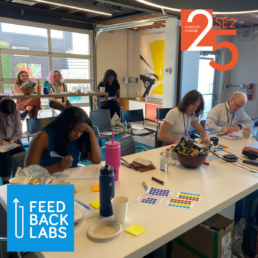
SE2 had the privilege of diving deep into the power of receiving feedback and closing the feedback loop with Feedback Labs, a dynamic nonprofit based in DC. The engaging course was led by Alexis Banks, Associate Director of Learning and Operations, Feedback Labs.
Feedback Labs’ Crash Course experience was enlightening and transformative, leaving a lasting impression on our team members. As people deeply invested in SE2’s mission, Mikhail (Mikey) Talley, Graciella (Gracie) Saucedo-Rivera, and I participated in the crash course alongside a diverse array of professionals from nonprofits and companies like housing authorities, grantee organizations, and advocacy groups.
Feedback, as I discovered, is the lifeblood of progress. It encompasses the thoughts, feelings, and perceptions of those directly impacted by an organization’s work. More than just a tool for evaluation, feedback has the power to shape future endeavors and foster equity. This fundamental concept lies at the core of Feedback Labs’ methodology, which centers around creating a feedback loop comprising five essential steps.
Before embarking on the feedback journey, establishing buy-in is crucial. Building trust and interest among stakeholders is the foundation for the entire process. Identifying these stakeholders – be they constituents, decision-makers, or frontline staff – ensures that the feedback gathered is comprehensive and representative.
- Design
- The journey through the feedback loop begins with design, where goals are set, and contextual factors are considered.
- Collect
- Next comes collection, a diverse array of methods ranging from surveys to focus groups, tailored to suit the unique needs of our audience.
- Analyze
- An analysis follows suit, employing methodologies best suited to the data at hand.
- Dialogue
- Dialogue then ensues, bridging the gap between data and action and refining feedback through open communication.
- Course correct
- Finally, course correction allows us to enact meaningful change informed by the feedback received, fostering transparency and accountability.
During the crash course, I considered two ways to apply this concept in my life.
The first was for professional reasons: to reach rural audiences to get their feedback and tell their stories. The second was for a personal passion project, a monthly drag show I produce and host once a month called StageFluid: an Open Stage Drag show. I considered how to continually improve the experience through feedback.
Gracie delved into the intricacies of equitable collaboration with community-based organizations, seeking to amplify their voices in a meaningful way. Meanwhile, Mikey explored the integration of community feedback into the early stages of campaign development, aiming for more authentic and impactful engagement.
Leaving the crash course, armed with newfound knowledge and actionable insights, I am eager to apply these methodologies in our work at SE2 and in my personal projects and passions. Feedback isn’t just a checkbox on our to-do list; it’s ingrained in our DNA and essential to the authenticity and efficacy of our marketing efforts.
We pave the way for a more equitable and impactful future by amplifying voices, fostering dialogue, and embracing change.
As I reflect on our experience with Feedback Labs, I invite you to consider the role of feedback in your own endeavors. How can you harness the power of feedback to drive meaningful change? And how will you ensure that your feedback loop remains open, inclusive, and responsive to the needs of those you serve? If you’re interested in taking part in a Feedback Labs event or workshop, you can learn more at feedbacklabs.org.

Embracing Pronouns Builds Inclusive Workplaces and Improves Marketing
In recent years, pronouns have become a focal point in discussions surrounding diversity, equity, and inclusion in the workplace. While the topic may spark controversy or confusion for some, the importance of respecting and acknowledging individuals’ pronouns cannot be overstated. I am a nonbinary individual who uses they/them pronouns. I’ve experienced highly supportive workplaces and environments and other professional environments where I was met with scorn when trying to advocate for myself and others.
You probably already know what pronouns are, but let’s explore why inclusive workplaces where people share and respect pronouns are essential for fostering a culture of respect, understanding, and belonging. If you’re new to pronouns, check out this great resource to learn more.
Pronouns: More Than Just Words
Pronouns are a fundamental aspect of identity, reflecting how individuals wish to be addressed and referenced. While traditional pronouns such as he/him and she/her are widely recognized, it’s essential to acknowledge that pronoun preferences can vary widely among individuals.
Some may identify with they/them pronouns, while others may use neo pronouns (newly created pronouns that vary by the person). The English language requires pronouns when speaking about someone or to someone. Everyone has them, and you probably use them more than you think.
The Power of Pronoun Sharing
Sharing one’s pronouns – whether in meetings, email signatures, introductions, or virtual meeting names – is a simple yet powerful gesture that promotes inclusivity and respect.
By normalizing pronoun sharing, individuals create a safer and more supportive environment for their trans, nonbinary, and gender-nonconforming colleagues to do the same. It also helps prevent assumptions and misgendering, fostering a culture of awareness and understanding.
It’s a simple step that can be normalized through practice. If you haven’t already, update your email signature, LinkedIn profile, Instagram account, etc. Doing something this small can make a big difference. For a colleague, client, or someone in your personal life, it’s a big indicator that you’re on their side.
Embracing Diversity in Pronouns
Recognizing that pronoun preferences can be fluid and may change from day to day or situation to situation is essential. Some individuals may use multiple sets of pronouns or experiment with different pronouns as they explore their gender identity. Some folks even use any and all pronouns – meaning you can use any pronoun for them or perhaps they like if when you switch it up. Asking for and respecting someone’s pronouns demonstrates a commitment to creating an inclusive and supportive environment where all identities are valued and respected. If you don’t know – ask.
Mistakes Happen: It’s about Effort
Navigating pronouns may seem daunting at first. It’s okay to make mistakes as long as there’s a genuine effort to learn and improve. If unsure about someone’s pronouns, asking for clarification politely is perfectly acceptable. Checking in with colleagues and using the correct pronouns shows respect and consideration for their identity, fostering trust and rapport within the workplace.
If you make a mistake, just quickly correct yourself – don’t make a show of apologizing and saying how hard it is. Try to shift your perception of the person instead of just memorizing words to use. I promise it’ll help.
Beyond Pronouns: Gender-Inclusive Language
In addition to pronouns, it’s crucial to use gender-inclusive language that avoids assumptions about gender identity. Phrases like “ladies and gentlemen” or “men and women” can inadvertently exclude individuals who don’t identify as binary. Instead, opt for inclusive alternatives like “everyone,” “folks,” or “colleagues” to create a welcoming and affirming environment for all.
Creating Safe, Inclusive Environments
Ultimately, embracing pronouns and fostering gender inclusivity in language are integral to creating safe, inclusive workplaces where all employees feel valued, respected, and empowered to bring their authentic selves to work. By prioritizing pronoun sharing, respecting individual identities, and cultivating a culture of openness and understanding, organizations can drive positive change and lead by example in the journey toward greater diversity and inclusion.
The Power of Gender-Neutral Language in Marketing
In marketing efforts, the importance of gender-neutral language and inclusive pronouns cannot be overstated. By embracing they/them pronouns and other gender-inclusive terms, organizations demonstrate their commitment to diversity, equity, and inclusion. Inclusive language resonates with a broader audience and fosters a sense of belonging and acceptance among audiences. As organizations strive to connect with diverse demographics, integrating gender-neutral language into marketing materials sends a powerful message of inclusivity and respect, ultimately strengthening loyalty and trust.

Navigating Pride Month Marketing: Dos and Don'ts for Authentic Engagement
Pride Month is a time of celebration, reflection, and advocacy for the LGBTQIA+ community, and for businesses, it presents an opportunity to show support and solidarity. However, creating effective and authentic pride-themed marketing campaigns requires sensitivity, awareness, and a commitment to inclusivity.
The time is over of simply slapping a rainbow on materials and attending a pride parade; LGBTQIA+ audiences want to see more from companies and marketing. Here are some dos and don’ts to ensure that your marketing efforts resonate with LGBTQIA+ audiences and uphold the values of pride, not just during Pride Month but year-round.
Do:
- Use real, authentic voices and stories:
-
- Center your marketing campaigns around real experiences and narratives from the LGBTQIA+ community. Authenticity breeds connection and fosters trust.
- Spotlight the actions your company is taking to support inclusive values:
- Showcase the tangible steps your company is taking to support LGBTQIA+ inclusion, whether through policies, initiatives, or partnerships.
- Make your messages about the community, not your product or service:
- Focus on celebrating and uplifting the LGBTQIA+ community rather than using pride-themed marketing as a sales pitch. Show genuine support and solidarity without commodifying the LGBTQIA+ experience.
- Do your research:
- Educate yourself and your team about LGBTQIA+ history, terminology, and current issues. Understanding the nuances of the community will help you create more informed and respectful marketing campaigns.
- Represent diverse voices and don’t just focus on one part:
- Ensure that your marketing materials reflect the diversity within the LGBTQIA+ community, including people of different genders, sexual orientations, races, ages, abilities, and backgrounds.
- Stand your ground and keep your values:
- Stay true to your company’s inclusivity, equality, and diversity values, even in the face of potential backlash or criticism. Authenticity and integrity should guide your marketing efforts.
- Support your LGBTQIA+ employees year-round:
- Create a workplace culture that supports and uplifts LGBTQIA+ employees beyond Pride Month. Offer resources, training, and support networks to foster inclusivity and belonging.
- Participate in “rainbow capitalism” thoughtfully:
- If your company sponsors pride events or markets pride-themed products, ensure that it’s done with genuine support and contribution to the LGBTQIA+ community rather than just profiting from it.
- Know the history of pride:
- Understand the origins of Pride Month and its significance as a commemoration of LGBTQIA+ rights and activism. Respect the legacy of those who fought for equality and continue to advocate for progress.
- Donate and amplify:
- Support LGBTQIA+ organizations and causes through charitable donations. Use your platform and resources to uplift and amplify the voices of marginalized communities.
Don’t:
- Only support this demographic during Pride month:
- Authentic support for the LGBTQIA+ community extends beyond Pride Month. Make a commitment to ongoing advocacy and allyship throughout the year.
- Just update your logo for a month:
- Superficial gestures like changing your logo to a rainbow version without substantive action will come across as performative and insincere.
- Prioritize profits over people:
- Avoid exploiting Pride Month for profit or using LGBTQIA+ imagery as a marketing tactic without genuine support for the community’s rights and well-being.
- Stereotype or tokenize:
- Resist the urge to rely on stereotypes or token representations of LGBTQIA+ individuals in your marketing materials. Respect the complexity and diversity of LGBTQIA+ experiences.
- Virtue signal with flat-lined statements:
- Empty statements of support without meaningful action behind them can ring hollow and alienate LGBTQIA+ audiences.
- Be performative:
- Authenticity is key. Ensure that your support for the LGBTQIA+ community is genuine and rooted in a commitment to equality and inclusion.
- Stay silent:
- Silence in the face of LGBTQIA+ rights issues or discrimination sends a message of indifference or complicity. Use your platform to speak out against injustice and advocate for positive change.
By adhering to these dos and don’ts, businesses can create meaningful and impactful Pride Month marketing campaigns that resonate with LGBTQIA+ audiences and contribute to a more inclusive and equitable society. Let’s celebrate Pride Month with authenticity, respect, and a commitment to positive change.

My Journey Reveals the Human Cost of Gaps In Trans Healthcare
Picture this: you have an appointment with a dermatologist to discuss acne treatments. For the paperwork, you have to use a name that isn’t yours, and makes you uncomfortable when people use it and say that you’re a woman on paper, even though you aren’t. Nowhere does it ask if you go by another name, even a nickname, and when you arrive, the wrong name is used repeatedly, and people keep calling you “she” and “her.” When you’re taken back to see the doctor, they ask what medications you’re on. You don’t want to leave anything out, so you say it.
“Testosterone.”
The doctor raises an eyebrow, and instead of asking you what to call you or how you’d like to be referred to, he makes assumptions and begins a spiel about how you’ll never be able to fully treat your acne since as long as you’re on hormones, you’re in an eternal “puberty,” and the only option is Accutane, which requires a monthly pregnancy test. While this diagnosis has some merit, such a snap assessment isn’t true.
Since I started my transition and journey as a transmasculine (a term used for those assigned female at birth who lean towards being more masculine-identified, but not necessarily a man), nonbinary individual, I have had countless interactions with doctors, other health professionals, and staff along these lines.
It’s experiences like this that make trans folks around the world feel alienated and alone every day. For trans women, trans men, and people who identify elsewhere off the spectrum, the experience is often similar. A glaring lack of trained professionals is evident, and while many have good intentions, it can be tempting to avoid medical care whenever possible.
Shedding Light on Transgender Healthcare Services in the United States
The United States faces a significant deficiency in comprehensive and educated health professionals, particularly doctors, when it comes to transgender healthcare. Despite strides (and steps back) in societal understanding and acceptance of diverse gender identities, the medical field has lagged in providing adequate training and education on transgender-specific health issues.
Many healthcare providers lack the knowledge and cultural competence necessary to deliver affirming and effective care to transgender individuals. The consequences of this gap are profound, as it contributes to the perpetuation of health disparities and barriers to accessing essential services.
Healthcare settings and practitioners generally emphasize “men’s health” or “women’s health,” overlooking gender-diverse individuals. Registration forms typically lack options for indicating a gender identity distinct from the assigned sex at birth, and health screenings and insurance policies are based on a binary male-female model, neglecting the needs of gender-diverse patients.
Medical education is affected by societal biases, sometimes leading to stereotypes and prejudices by medical students. Only 26% of doctors overseeing family medicine clerkships feel comfortable teaching transgender healthcare to students.
Recognizing this deficiency, the Association of American Medical Colleges advocates for a comprehensive approach to LGBTQ+ health education at all levels of medical training. It suggests a “layered” strategy, integrating gender-affirming healthcare education throughout the curriculum. However, many medical schools still fall short of incorporating such care seamlessly, often resorting to add-on approaches like standalone lectures or small-group activities. On average, medical schools provide just five hours of instruction on gender-affirming healthcare practices, highlighting the lack of comprehensive training in this crucial area.
Lack of Educated Doctors Equals Avoidance of Treatment
Another instance of incompetent care I experienced was in 2021 when I received top surgery (subcutaneous mastectomy, male/masculinizing chest contouring) through Kaiser Permanente in Denver.
My surgeon was well-intentioned and really took the time to listen, inspired by her trans best friend to provide comprehensive and continually improving care. However, despite her best efforts, many other staff fell far short of her level of understanding.
After completing the World Professional Association for Transgender Health or WPATH screening (a grueling process trans folks have to complete by answering questions with a licensed therapist to prove that their care is necessary) and having many appointments up until the surgery, I arrived the day of the surgery and was called every pronoun under the sun, mostly incorrect — I use they/them — when my surgery team should have been prepped on what to call me.
My partner was also misgendered through my surgery and their own about six months later by the same team for the same procedure. Of course, people make mistakes, and I don’t expect perfection, but I expect some level of effort when receiving care.
Due to limited training on gender-affirming care during medical education, gender-diverse individuals often find themselves educating their primary care providers. I have found myself in the position of teacher instead of simply being a patient over the years. This deficiency in understanding and provision of competent care has significant consequences, with one in three gender-diverse adults avoiding preventive care or not being offered such services. Alarmingly, 19% of transgender individuals report being outright refused care.
These disparities may contribute to the higher rates of tobacco use, obesity, alcohol consumption, depression, and cancer risk factors among gender-diverse populations.
With so much stress surrounding being transgender already, I know many people who will outright avoid going to the doctor and instead get hormones and even services without safe consultation, relying on more shady methods such as buying from a friend who has a prescription or even relying on illegal and risky sources.
I know a trans woman, for instance, who went in to see her doctor and disclosed at the beginning of the appointment that she was trans and hadn’t yet had bottom surgery. They got through most of the exam, talking about how she had been buying unused hormones from other trans women and how she wanted to start her transition properly with a doctor. After this whole conversation, the doctor told her to prep for a pap smear, leading to an awkward experience for both of them when the doctor should have known that wasn’t something physically possible to provide yet.
Transgender Health Services are Life Saving
A 2020 study in The American Journal of Psychiatry revealed that transgender individuals who underwent gender-affirmation surgery experienced an 8% reduction in the likelihood of seeking mental health treatment each year post-surgery. This surgery also brought about various positive effects, such as improved self-image, enhanced sexuality, sexual satisfaction, and increased social affirmation, contributing to a better quality of life.
I know many people who have struggled emotionally with depression and suicidal ideation while awaiting surgeries and care around their identities. While gender-affirming services aren’t a cure-all, they greatly increase quality of life once completed.
Despite these evident health benefits, a substantial knowledge gap exists among physicians when it comes to caring for transgender patients. Many doctors lack training in gender-affirmation procedures, leading to inadequate care, especially when complications arise from these surgeries. This gap is particularly problematic since trans patients often seek surgery in states where such procedures are legal, yet aftercare is managed by primary physicians unfamiliar with transgender care. This overall lack of awareness and training can significantly impact the outcomes for trans patients.
When I started hormone replacement therapy in 2019, I started with Plume Health (when it was still called Mariposa), a trans-led healthcare company that offers discreet hormone prescriptions and monitoring for $100 a month. Initially, the company didn’t accept insurance, but I didn’t want to use insurance anyway for safety purposes within my family. Now, Plume offers its services for $40/month with qualifying insurance, but even with that, care like this is often out of reach financially. You shouldn’t have to go somewhere special to get the care you deserve that will likely change the course of your life for the better.
The barriers are manyfold, whether it be uneducated doctors, the WPATH process, getting good therapists, financial roadblocks, etc. These services are guarded, and they make sure you really need it before it’s provided. Only about 3% of adults who transition end up de-transitioning.
How Can We Do Better?
So, what can be done to help address this issue? Behavior change marketers can be crucial in addressing the lack of trauma-informed, culturally relevant, and trans-specific healthcare by implementing targeted strategies that promote awareness, education, and inclusivity. (Similar progress, of course, must be made in closing broader health inequities).
For trans-specific health care, I recommend:
- Creating inclusive messaging:
- Develop messaging that is inclusive, respectful, trauma-informed, culturally diverse, and affirming of gender identities and sexual orientations for doctors and healthcare professionals.
- Collaborating with advocacy groups and healthcare professionals
- Work closely with LGBTQIA+ advocacy groups, healthcare professionals, and organizations to gain insights and collaborate on creating effective campaigns.
- Creating educational campaigns
- Develop educational campaigns that raise awareness about trauma-informed care, cultural competence, and trans-specific healthcare needs for doctors and healthcare professionals, as well as transgender individuals and allies.
- Helping facilitate and encourage training for healthcare providers
- Invite healthcare providers who are knowledgeable and sensitive to the community’s needs to offer training sessions to increase their peers’ understanding of trans-specific healthcare needs.
- Using positive role models and testimonials
- Highlight positive stories and testimonials from individuals within the trans communities who have had positive healthcare experiences to inspire and encourage individuals to keep medical care.
- Showcase diverse role models within the healthcare field to inspire confidence and trust in providing the correct care to the community.
- Addressing systemic barriers
- Advocate for policy changes and institutional practices to eliminate systemic barriers to trauma-informed, culturally relevant healthcare and ensure inclusive healthcare policies.
- Providing accessible resources
- Develop easily accessible resources, such as brochures, online materials, and helplines, that offer information on trauma-informed, culturally relevant, LGBTQIA+, and trans-specific healthcare services for doctors, healthcare workings, and patients.
By employing these strategies, we can create a more inclusive and supportive healthcare environment and happier, healthier patients.

Empathy is a Marketing Essential: Understanding Agricultural Communities and Beyond
Empathy and understanding are two of the most important qualities we can bring to marketing and life. When we take the time to connect with others on a deeper level, we can build stronger relationships, create more meaningful experiences, and ultimately achieve greater success.
Learning from the Colorado Farm Bureau


Rural Americans face stereotypes, prejudices, unique dynamics, and challenges like any community or group. SE2 has worked in these communities, spreading the word on mental health, ending stigma against addiction, and more. But to deepen our understanding, we brought in two experts from the Colorado Farm Bureau, Becca Edlund and Taylor (Lobato) Szilagyi.
Taylor, a former SE2 employee who grew up on a ranch in Center in the San Luis Valley, now holds the top staff position at the Colorado Farm Bureau.
Becca presented on the Colorado Agricultural Addiction and Mental Health Program.
As the largest agriculture association in Colorado, the Farm Bureau advocates for policy, offers leadership development, and supports farmers and ranchers living in the state.
I grew up on a cattle ranch, and I learned from the presentation that the vast majority of farms and ranches in Colorado are family-owned, like my family’s is.
Understanding Rural Coloradans
Farmers and ranchers face unique dynamics.
- They are family-oriented and community-motivated.
- Children face the stress of carrying on their parent’s legacies. They are often under scrutiny by their community, resulting in a fishbowl effect. Everyone knows everyone, and expectations are high.
- Money is often a hot topic.
- The average earnings for a family farm is $36,000 a year, which puts them below the national poverty line.
- In addition, they are at the mercy of volatile commodity prices (the prices at which raw materials or basic foodstuffs are bought and sold, such as the cost of cattle or fruit).
- They may have massive debt from purchasing equipment or even have to leverage their land and property to get operating loans. The legacy of debt falls not only on the adults but also on their children.
- Success is highly uncertain when your only paycheck comes once a year.
- Livelihoods depend on weather, water, health, and even public policy.
- Flooding, droughts, and diseases can kill crops and livestock.
- Who is in public office can change a farmer’s life.
- Unfortunately, insurance options are minimal, so if you lose your stock or something takes a turn for the worse, you’re often out the money.
- Creating prize-winning and profitable genetics (meaning a prize bull for breeding or a specific strain of corn) can take generations, and a single instance could destroy it.
- Work is hard and seasonal. Many workers travel with the season.
Bringing Much-Needed Resources
The suicide rate amongst farmers and ranchers is three and a half times higher than in the general population.
Rural and agricultural settings can be isolating and lonely, so when COVID-19 began in 2020, the program Becca described was created.
The Colorado Farm Bureau asked farmers what they needed and how to meet that need regarding mental health and addiction. The program offers farmers and ranchers six free mental health counseling sessions with a rural competent counselor who has completed a three-hour specific training.
Another critical resource for farmers has been online Alcoholics Anonymous, giving easy access that’s confidential and avoids the stigma of in-person sessions. Programs like these help address accessibility while continuing to spread awareness and fight stigma.
Applying Empathy Always
My biggest takeaway from the training wasn’t about rural people in particular; it was the emphasis on simply doing your best to understand others always.
“Always consider people’s challenges and boundaries in life. Stare at people and pick beneath the surface to understand them, ask questions, and see what their barriers to entry are,” Becca said.
Empathy is essential in marketing. By putting ourselves in our audiences’ shoes, we can better understand what motivates them, their challenges, and the solutions they seek. This allows us to create more effective marketing campaigns that resonate with our audiences.
But empathy is essential not just in marketing but also in life. When we take the time to listen to others and understand their perspectives truly, we can build stronger relationships, resolve conflicts more effectively, and create a more harmonious world.
One way to cultivate empathy is by sharing personal stories and experiences. Whether we are farmers or marketers, we all face unique challenges and struggles. We can create a more profound sense of connection and understanding by sharing these stories with others.
Let’s take the time to listen to others, share our stories, and show empathy and understanding in all we do, no matter who we’re talking to or about.