Notes from July’s Inaugural Fentanyl Free America Summit in Orlando:
- Even in a muggy week in Florida, Drug Enforcement Agency officials wear dark suits and ties.
- The DEA gets that addressing the drug crisis requires both cutting the supply and reducing the demand.
Yet prevention – keeping drugs from ever harming young people – is consistently shortchanged nationally when it comes to addressing the opioid epidemic and the radically new drugs flooding your local gas station or corner store.
The importance of rigorously enforcing drug laws is intuitive. Immoral drug traffickers relentlessly pursue illicit profit without regard for the high human cost of their illegal products. Law enforcement holds them accountable and reduces the flow of their deadly substances. That’s the supply-side intervention.
Addressing the demand side by reducing the market for drugs is a more nuanced effort that lacks the drama we expect from drug busts on the news or in popular culture.
But that was the focus of the conference, hosted by the Community Anti-Drug Coalitions of America (CADCA) and the DEA. The sessions were full of hundreds of engaged teens and community leaders from around the country putting their heads together to support young people in making healthy choices.
No one questions the need to provide treatment and recovery services for those who want to get clean, including those who were deceived by unethical marketing to believe that prescription opioids were safe.
But as Allison Dodge of One Chance to Grow Up, a nonprofit dedicated to protecting young people from the harms of high-potency marijuana and other substances, and I outlined in a presentation at the conference, primary prevention focused on young people offers the highest return on investment. (It provides $18 return on a $1 investment, according to one study sponsored by the U.S. Substance Abuse and Mental Health Services Administration.) It also has the longest-lasting benefits.
As Colorado’s state and local governments continue to appropriate our share of $59 billion of national opioid settlement funding, it’s worth considering the data.
Nationally, only 9% of the funding is going to prevention. But consider the benefits of this approach, as described in this year’s National Drug Control Strategy:
“A well-known public health parable illustrates our approach to the drug crisis. Villagers living by a river were alarmed when children began floating downstream, struggling. They organized rescue teams, pulling victims from the water, but soon became overwhelmed as more people were swept away. Finally, one villager declared, ‘Instead of only pulling people out, I’m going upstream to see why they are falling in!” This simple story holds a profound truth: while rescue is vital, prevention is paramount.’”
Prevention may be paramount, but it is always a hard sell.
If the parable above included a TV news crew, it would be filming the dramatic rescues, not the exploration upstream.
Stories of people who have recovered from addiction are deservedly compelling. But the narrative of how many young people never use drugs or experience substance use disorder doesn’t have the same intense drama. The crisis that never happened is hard to describe, but it is life-altering.
When it comes to prevention, behavioral science, pioneered by nationally renowned experts like the Colorado State University Prevention Research Center, shows us what works, based on decades of data.
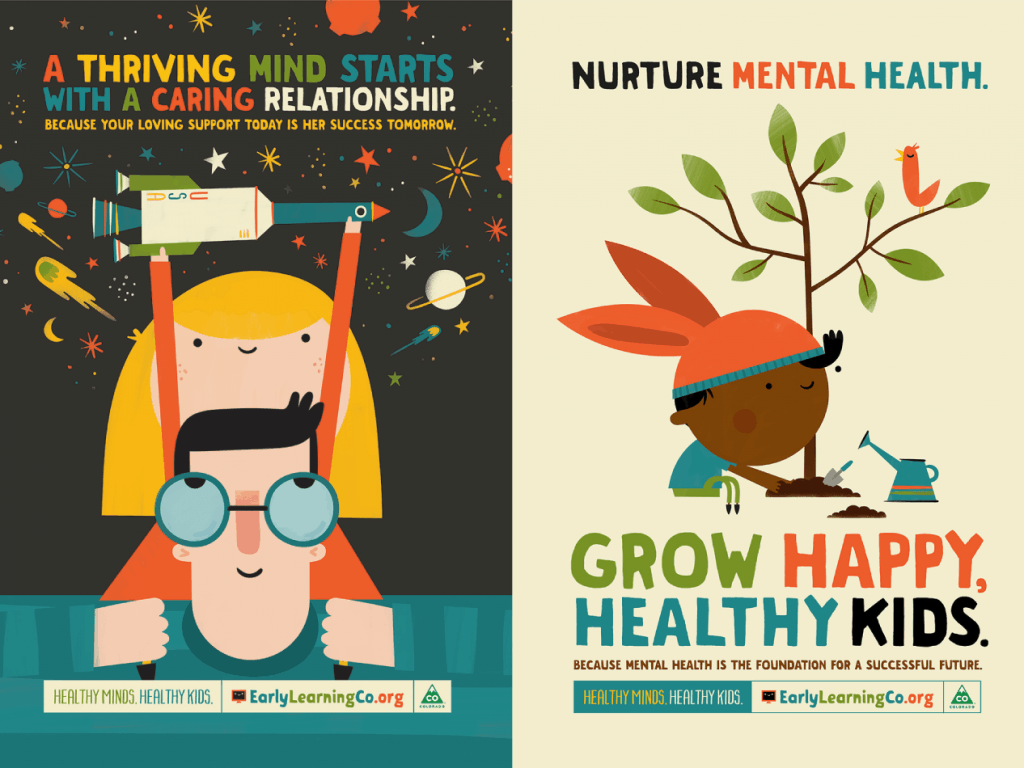
Drug prevention doesn’t rely on some dated “just say no” cliche. Rather, today’s youth prevention blueprint includes:
- Nurturing strong connections with peers, parents, and other trusted adults like coaches and teachers.
- Understanding that most teens are making healthy choices (the positive community norms approach).
- Clear rules, support, and open conversations at home.
We know what works, but it must be prioritized.
Kids don’t typically testify at hearings or write funding proposals, so their voices aren’t heard as loudly as others.
As adults, it’s our job to speak up for them. We’ll all benefit from their healthy choices – for generations to come.