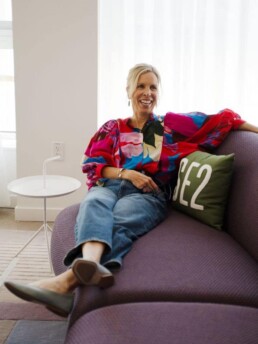
For more than 25 years, SE2 Principal Susan Morrisey has helped shape who we are, the work we do, and the difference we make for our clients and communities.
Her leadership has been instrumental in building SE2 into the agency it is today. She’s helped us navigate challenges, pursue new opportunities, develop talented professionals, and hold ourselves to high standards for the work we deliver. Her contributions are reflected in the strength of our business, the relationships we’ve built, and the impact of our work.
At the end of this year, Susan will retire from day-to-day consulting and begin her next chapter. It’s a significant transition for SE2 and an opportunity to recognize the extraordinary commitment she’s made to the agency and the people who have been part of it.
Susan’s influence on SE2 will continue well beyond her retirement. We are grateful for the business she helped build, the people she mentored, the clients she served, and the example she set.
Beginning in 2027, Principals Alvina Vasquez, Brandon Zelasko, and Eric Anderson will lead SE2 and carry forward the agency’s commitment to work that makes a difference.
Before she steps away, we asked Susan to reflect on her career, the changes she’s witnessed in communications, the accomplishments that mean the most to her, and what she’d tell the next generation of professionals.
You’ve been doing this work for over three decades, including the last quarter-century at SE2. Beyond the shift from fax machines to the Internet, how have you seen the dynamics of cause communications evolve over that time?
We bring more research and behavioral science to understanding what people believe, what influences their decisions, and what gets in the way of change. We’re also more deliberate about defining success and measuring results. Awareness can be a starting point, but we need to know whether people actually did something differently.
These days, there’s a lot of discussion about AI and what it means for communications, writing, and marketing. Do you think there’s a role for AI in this field and, if so, what guardrails are needed?
Used well, AI can increase efficiency, which benefits clients. It can also help us explore different approaches before deciding which ones merit further research or testing.
But you still have to work to get a quality result. That takes better prompts, iteration, and human review. You have to check the facts, protect confidential information, and question what it gives you. When the kind of slop you see in AI-generated social content starts passing as good-enough professional writing, we’ve got a problem.
The human value is in knowing which questions to ask, recognizing what’s missing, and judging how a message will land with the people it’s meant to reach. That comes from experience, relationships, and listening. We’re also accountable for what we put into the world.
As you reflect on your time as a principal at SE2, what achievements stand out for you, either for the agency and/or our clients?
I am probably proudest of our staying power as a business and the expertise we’ve built. We’ve provided good, stable jobs and a challenging learning environment for many rising communications stars. When we introduce young people to this work and nurture their growth, they can go on to do just about anything in business, government, or nonprofits.
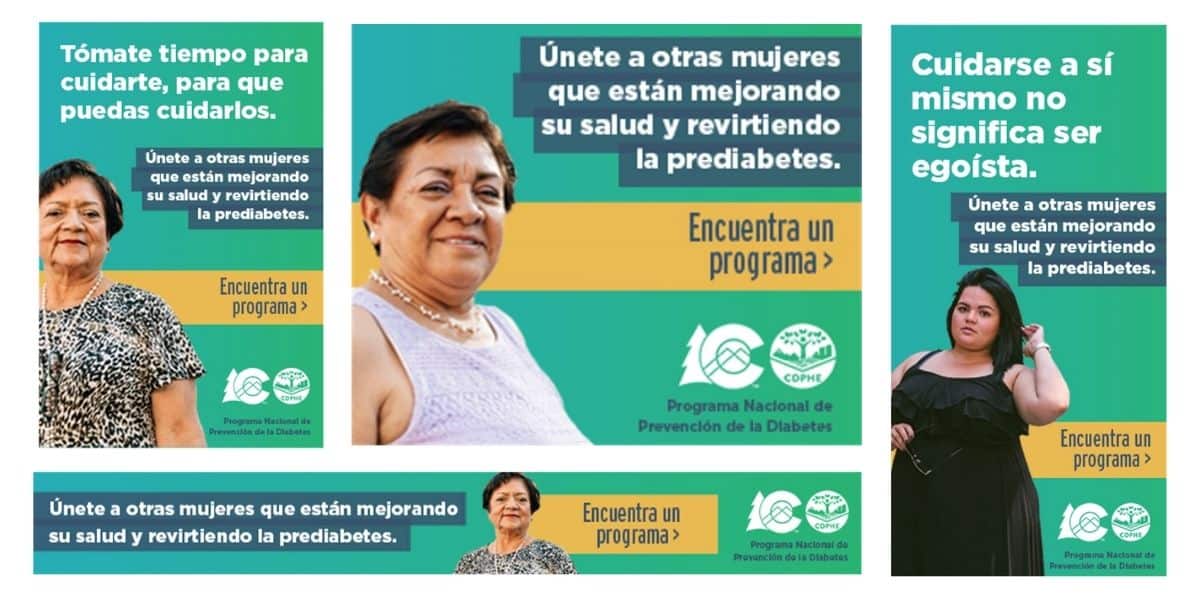
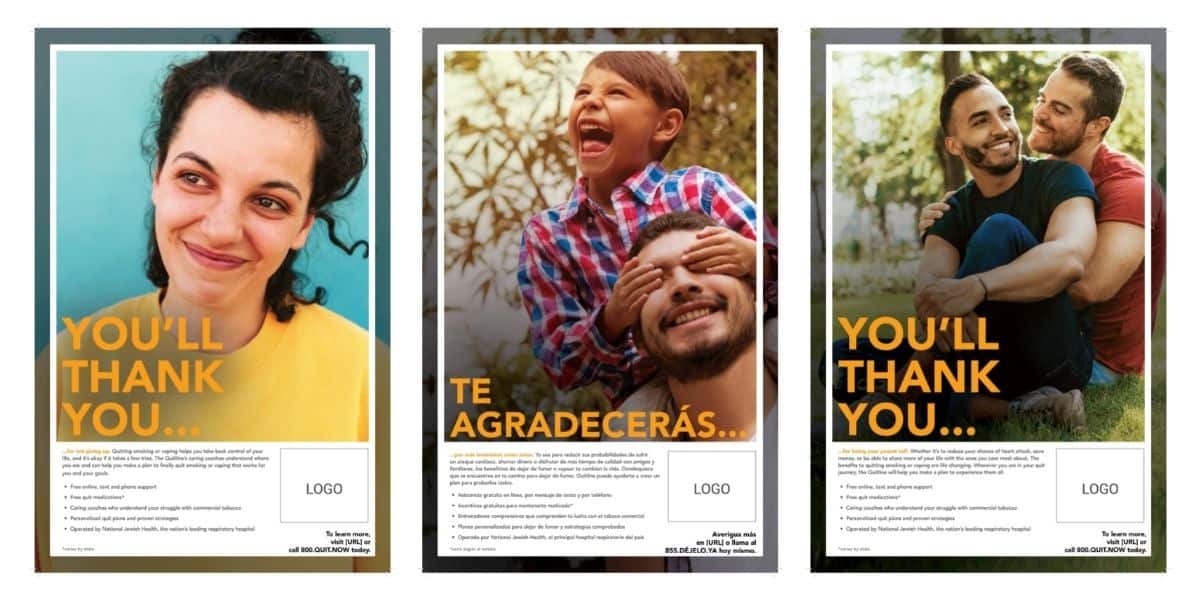
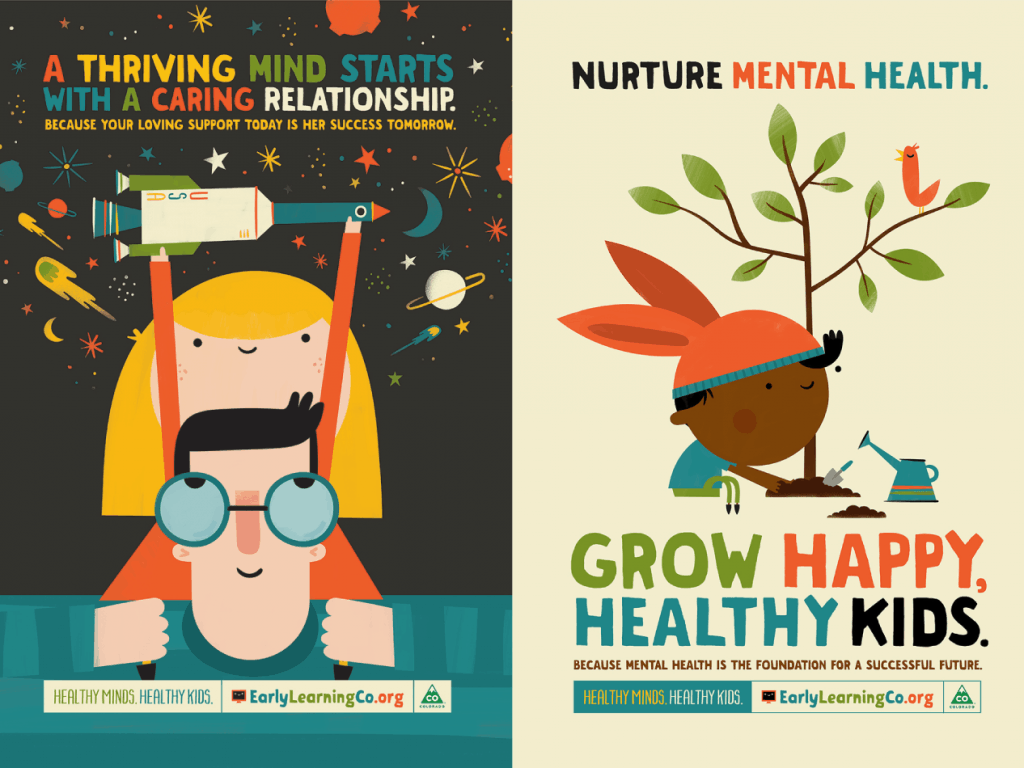
I’m also really proud of the work we’ve done for government agencies, foundations, and nonprofits. Just because you have a smaller-than-corporate budget doesn’t mean you should expect any less from the agency you hire. We owe our clients the creativity, care, and follow-through it takes to make a real difference in the communities they serve.
For Denver’s National Western Center, for example, we recruited 20 residents as Block Captains to help connect the project with its neighbors. Through canvassing and ongoing conversations, we created more ways for residents to ask questions and share concerns. That’s work I’m proud of: helping a client reach people while giving those people a stronger voice in what happens in their community.
Early in your career, you worked for the late U.S. Rep. Pat Schroeder, who was a titan in progressive politics and ran for president. Decades later, no woman has been elected U.S. president, nor has one served as a U.S. Senator or Governor in Colorado. What do you think needs to change to address this?
I’m optimistic, but I don’t think time alone will solve it. We have many talented women coming up in politics, business, and nonprofit leadership. We need to recruit them, support them early, fund their campaigns, and take their leadership ambitions seriously.
We also need to question whose experience gets treated as preparation for higher office. Talented women are ready to lead. The support has to match the talent.
What advice would you give young people looking to enter this field?
Don’t settle, but don’t be afraid to try lots of things along the way. The communications, writing, or outreach job you get today can prepare you for cause-related work in the future. I worked in many different marketing roles before landing at SE2, and learned something from each of them.
Also, recognize the value of working side by side with people in real life. If your communications role is entirely remote, find other ways to work with people in person through volunteer roles, nonprofit boards, or community activism.
You can’t design communications that move people without understanding how to work with people. Get out into your community, meet people, and learn something. It’ll make you a better and more valuable communications strategist down the road.