The West has a water problem. That’s not news to those of us who live here. But the numbers are getting harder and harder to ignore.
The Colorado River supplies water to more than 40 million people, 30 Tribal Nations and 5.5 million acres of agricultural land. More than two decades of drought have put the system under enormous strain.
A record-low snowpack in the winter of 2025–26 has caused Lake Powell and Lake Mead to fall to their lowest levels since before Lake Powell began filling more than 60 years ago.
So, do we need people to conserve water? Yes. A lot of it. But what’s the best way to get them to do it?
Knowing there’s a problem isn’t always enough
For over 15 years, I have worked with governments to help people change behavior. The instinct is often to make sure they understand the problem.
Tell people how bad the problem is. Show them the impact. Remind them of things they can do to fix it.
Oftentimes the media highlights bad actors, those who violate the rules.
But one of the most important lessons from behavior-change work is that knowing something is important and actually changing what you do are two very different things.
When people already understand that water is scarce, cheeky campaigns that remind people of that fact aren’t going to cut it. Sure, it might make a PR splash, but it doesn’t follow best practices for behavior change.
Shaming those who overwater is similarly ineffective and may backfire by suggesting that many people are violating the rules.
What does behavioral science show motivates people to conserve?
We have evidence to answer this question: Show them that conservation is the norm in their community.
Imagine opening your water bill and seeing:
8 in 10 of your neighbors are taking steps to use less water and together, we’re saving millions of gallons every month.
Now you have some context. And, perhaps more importantly, you have a little motivation not to be the household using way more water than everyone else.
That’s not just a theory. The community norm approach has been proven to promote positive behavior in areas ranging from traffic safety to vaccinations to drug prevention.
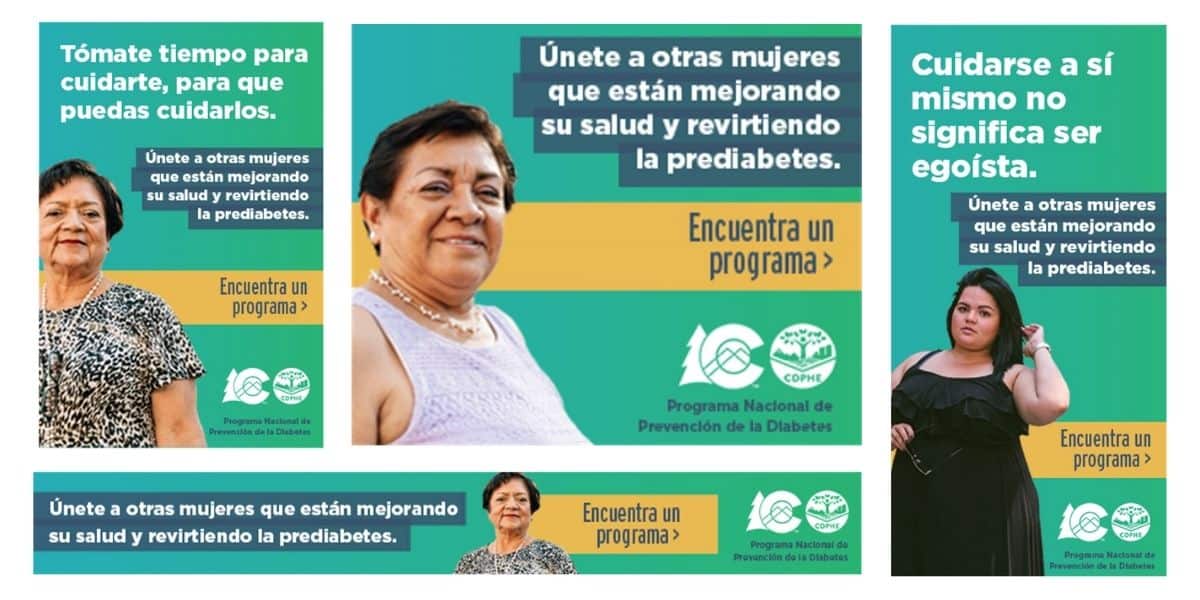
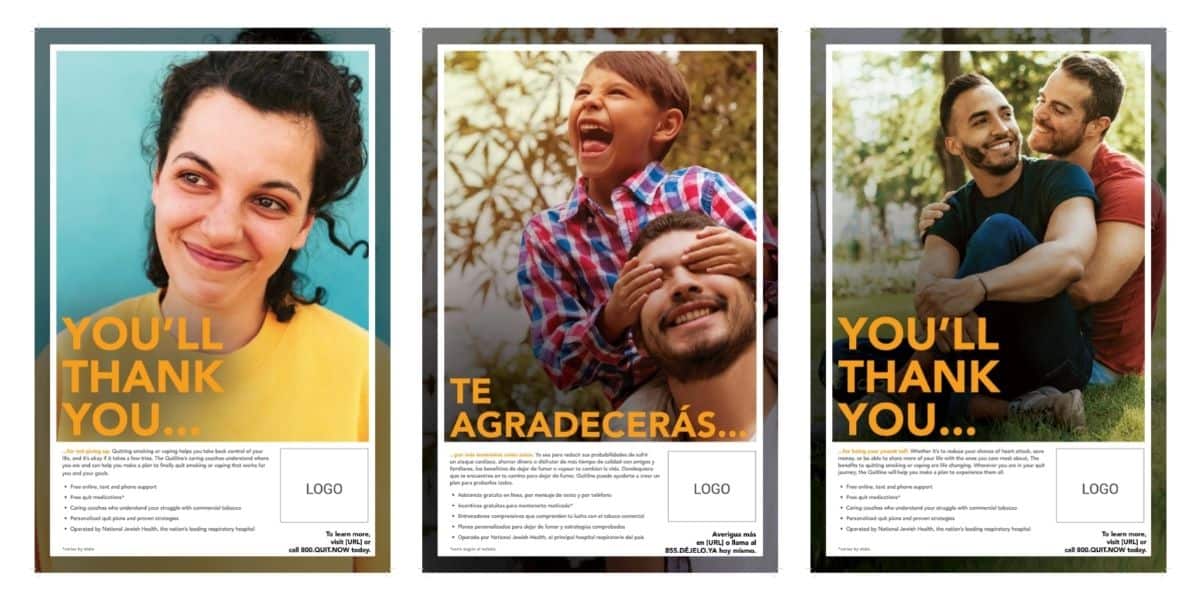
It uses local data points about a community’s positive behaviors or beliefs that often contradict the negative narratives promoted by the media and politicians.
We can make conservation feel normal
Positive community norms work because most of us look to the people around us for cues about how we’re supposed to behave. We do it constantly, often without realizing it.
- If everyone brings their own bags to the grocery store, you notice when you’re the one who doesn’t.
- If everyone on your block puts out their recycling bin, recycling starts to feel like simply what people in your neighborhood do.
Water conservation can work the same way. Most current water conservation messages are prescriptive:
- Water your lawn less often.
- Take shorter showers.
- Don’t incur the wrath of authorities.
Positive community norms give us another reason to act: other people are already conserving.
Imagine learning, for example:
- 74% of people in your community keep showers under five minutes.
- 85% of households in your neighborhood water their lawns just two days a week.
- 3 out of 4 homeowners are choosing plants that need less water.
That’s the power of a social norm. It changes the message from “You should conserve water” to “This is what people like me do.”
Positive community norms won’t solve the West’s water crisis
This complex challenge requires a multifaceted approach. Strategies can include price tiers that charge higher rates for more use, mandatory restrictions, and smart meters that provide real-time data.
As water supplies tighten and states are increasingly asked to do more with less, we should use everything we know about what actually helps people change.
Start with the behavior we need. Understand what’s getting in the way. Use evidence-based strategies to address those barriers. Test them. And evaluate whether they actually worked.
Because the measure of a water conservation media campaign shouldn’t be how clever, memorable, or award-worthy it is. It should be whether people use less water.