The Challenge
Families and even some providers often miss early signs of developmental delays or are unsure where to seek help. Stigma and fear can also delay action. The challenge was to increase early identification and referrals by raising awareness, reducing stigma, and equipping partners with tools to guide families toward services.
The Colorado Department of Early Childhood’s Early Intervention (EI) services support infants and toddlers with developmental delays or disabilities, helping them build critical skills during a key developmental window.
Our Approach
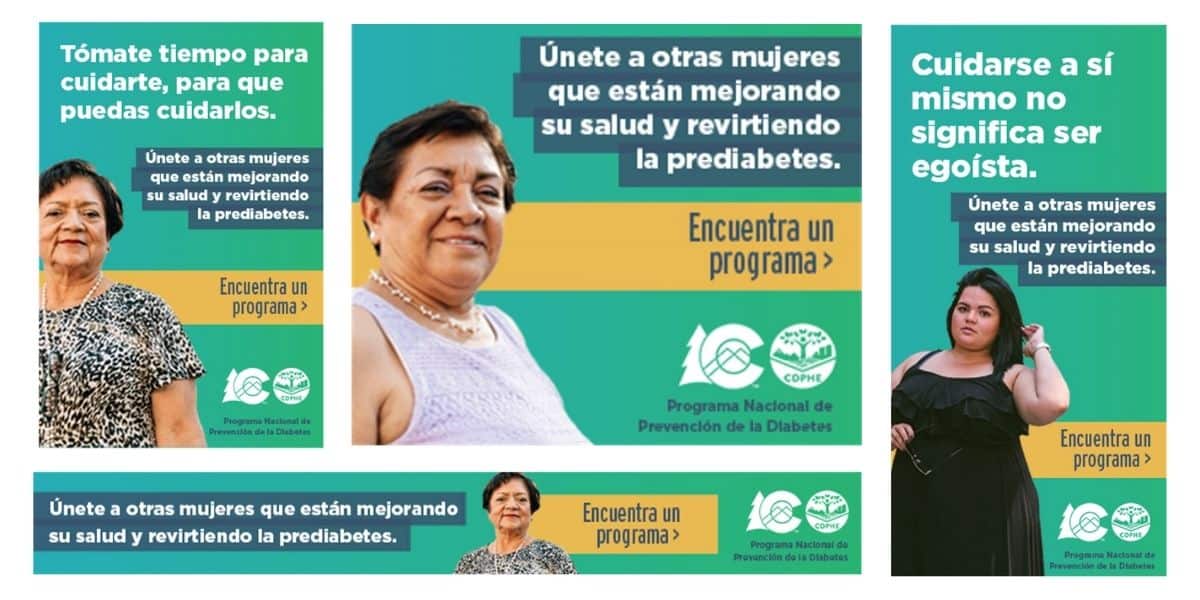
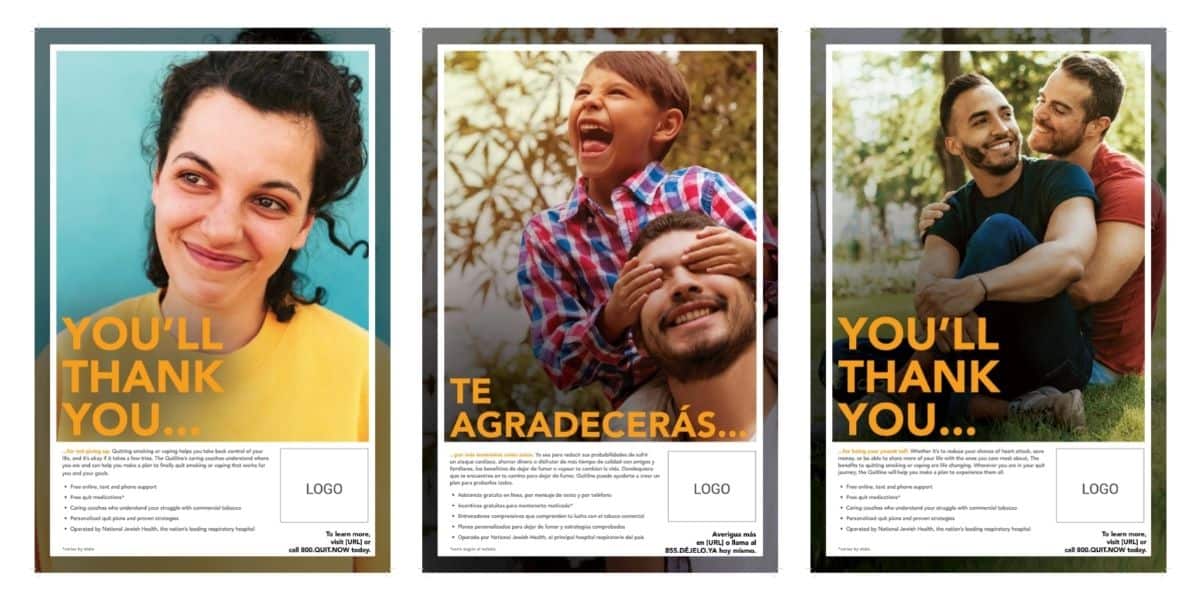
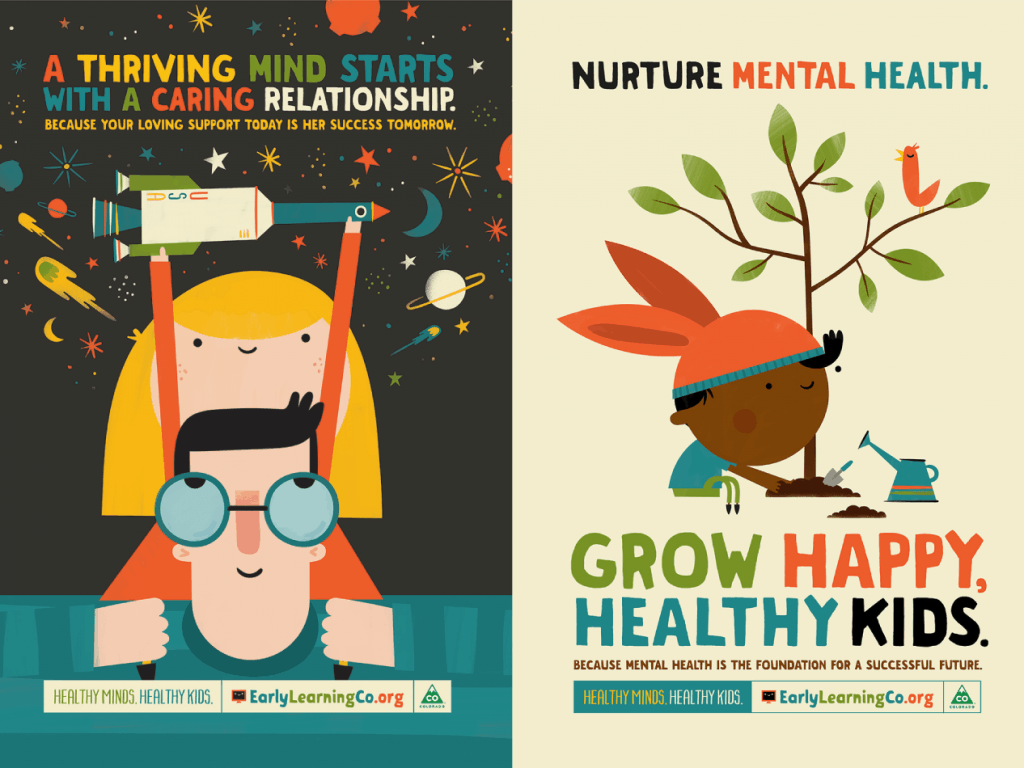
SE2 approached this work by developing a comprehensive toolkit of materials designed to support both providers and caregivers in understanding and engaging with Early Intervention services.
The toolkit included clear, accessible resources that helped identify developmental concerns, explained the benefits of early support, and guided families on how to take the next step. Materials for providers focused on equipping them with practical tools to start conversations with families, make referrals, and reinforce the importance of early action.
A central focus of the approach was destigmatizing Early Intervention. Messaging was intentionally framed to normalize developmental support as a positive and proactive step—emphasizing that seeking help early can lead to stronger outcomes for children and families. Rather than focusing on deficits, content highlighted growth, potential, and the value of getting support at the right time.
Together, these materials created a shared language and approach across providers and caregivers—making Early Intervention more approachable, understood, and utilized.


The Impact
SE2’s work contributed to increased awareness and understanding of Early Intervention, helping more families and providers recognize the importance of identifying and addressing developmental delays early. As part of broader system efforts, Colorado saw growth in participation and engagement, including an increase in the number of children served—from 11,702 to 17,162 annually—and a 17% rise in average monthly caseloads.
These trends reflect a greater connection between families and services, alongside strong outcomes for those engaged: 94% of children showed developmental improvement and 99% of families reported that services helped them support their child’s learning and growth.
While multiple factors contributed to these outcomes, SE2’s communications and tools played a role in making Early Intervention more visible, understandable, and approachable—supporting earlier engagement and more informed participation across Colorado communities.