The Challenge
Environmental issues rarely suffer from a lack of information. They suffer from complexity.
From toxicology and chemical safety to childhood lead exposure, food waste reduction, and circular economy policy, environmental systems are layered with science, regulation, operational nuance, and community impact. Agencies must communicate across multiple audiences at once — families, regulators, local governments, businesses, schools, and community partners — each with different levels of knowledge, authority, and urgency.
At the same time:
-
Misinformation and fear can distort public understanding of environmental health risks.
-
Technical language can alienate the very communities most affected.
-
Sustainability efforts often stall at awareness rather than behavior change.
-
Digital platforms meant to support environmental initiatives can feel fragmented, outdated, or inaccessible.
The challenge is not just to inform. It is to translate complexity into clarity — and move people, institutions, and systems toward smarter, safer, more sustainable decisions.
Our Approach
Environmental work lives at the intersection of science, systems, and everyday decisions. Across toxicology education, childhood lead prevention, glass recycling, and circular economy infrastructure, SE2 approached each project not as a marketing exercise — but as a translation challenge.
In every case, the question was the same: How do we make complex environmental systems feel clear, practical, and worth participating in?
Below is how that strategy came to life across initiatives.
Toxicology Video Series
When state partners needed to explain toxicology and chemical safety to broader audiences, the challenge wasn’t lack of information — it was overload.
Toxicology is layered, technical, and often misunderstood. Public conversations about chemicals can quickly drift toward fear, misinformation, or mistrust. At the same time, regulatory processes demand precision.
We began by listening closely to subject-matter experts — toxicologists, regulators, and policy leaders — to understand not only the science, but where confusion most often occurs.
Then we did what we do best: we translated.
Rather than simplifying the science into soundbites, we built a video series that walked viewers through complex concepts step by step — how exposure works, how risk is evaluated, how regulatory decisions are made. Visual storytelling became the bridge between data and understanding. Animation and motion graphics clarified processes that would otherwise remain abstract.
The tone was deliberate: calm, credible, and clear. We avoided alarmism. We avoided jargon. We treated viewers as capable partners in understanding.
The result was not just educational content, but trust-building content — reinforcing that environmental decision-making is rooted in evidence, process, and public health protection.
Childhood Lead Testing Campaign
Lead exposure is environmental science made painfully personal. And it disproportionately affects communities already navigating systemic barriers.
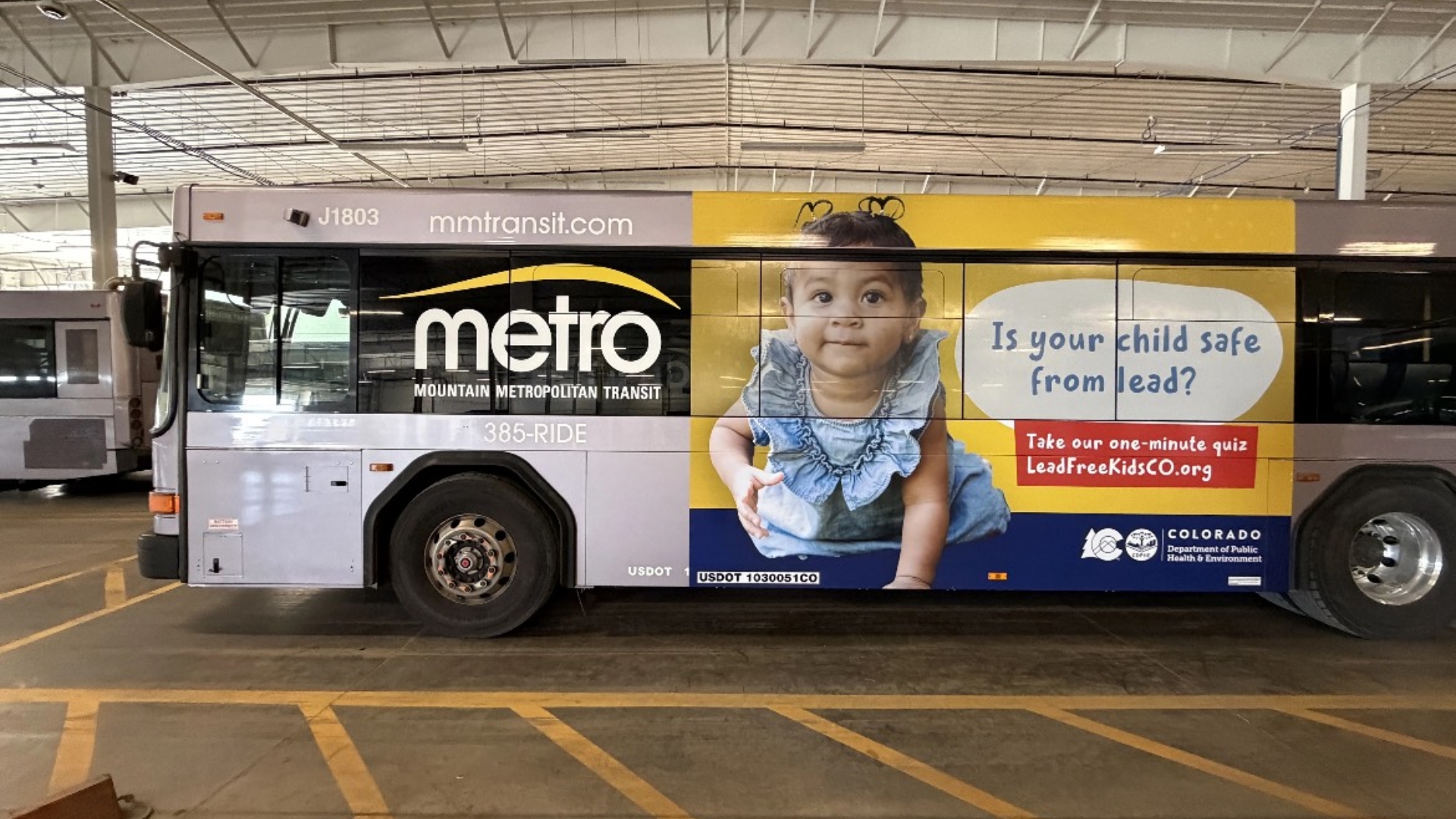
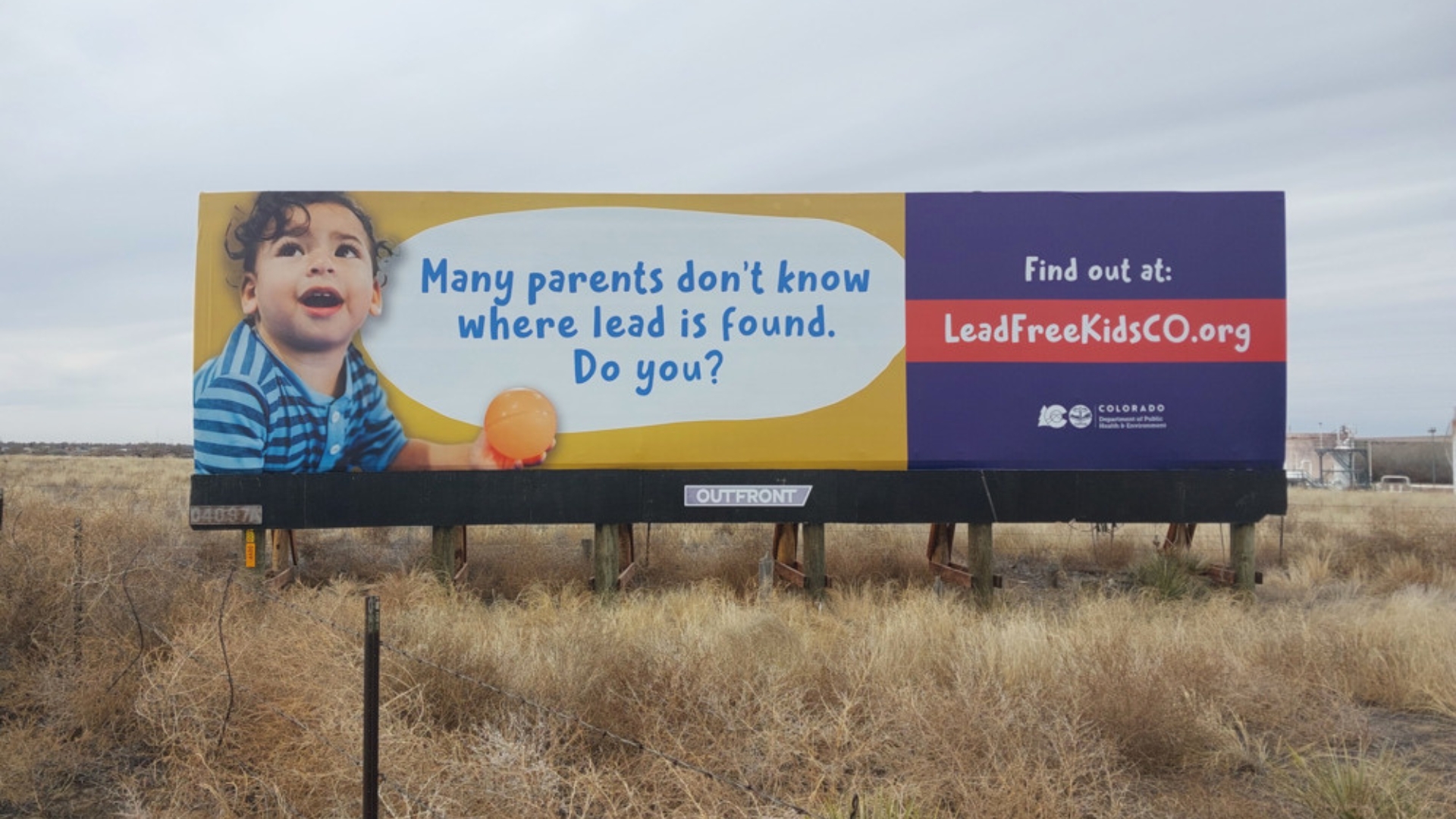
In working on childhood lead testing, we understood that awareness alone would not change behavior. Families already facing economic strain or language barriers do not respond to generic warnings.
So we grounded the campaign in lived experience.
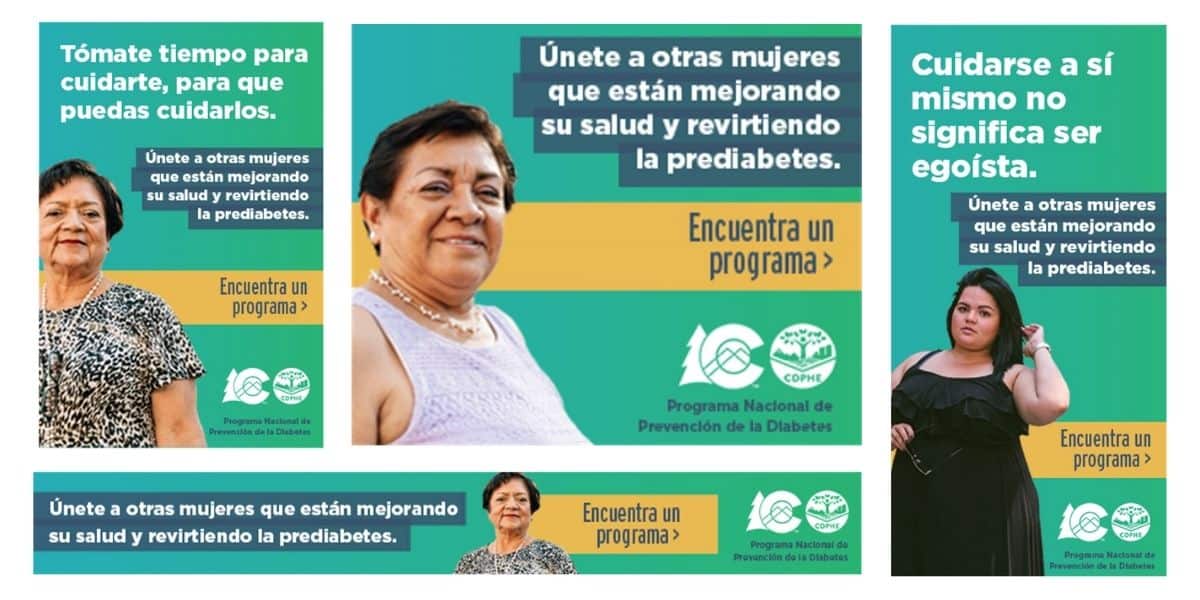
We worked to ensure materials reflected real exposure pathways — older housing, imported cookware and pottery, cultural cooking practices — not abstract risk scenarios. Messaging was transcreated, not simply translated, to resonate culturally and linguistically.
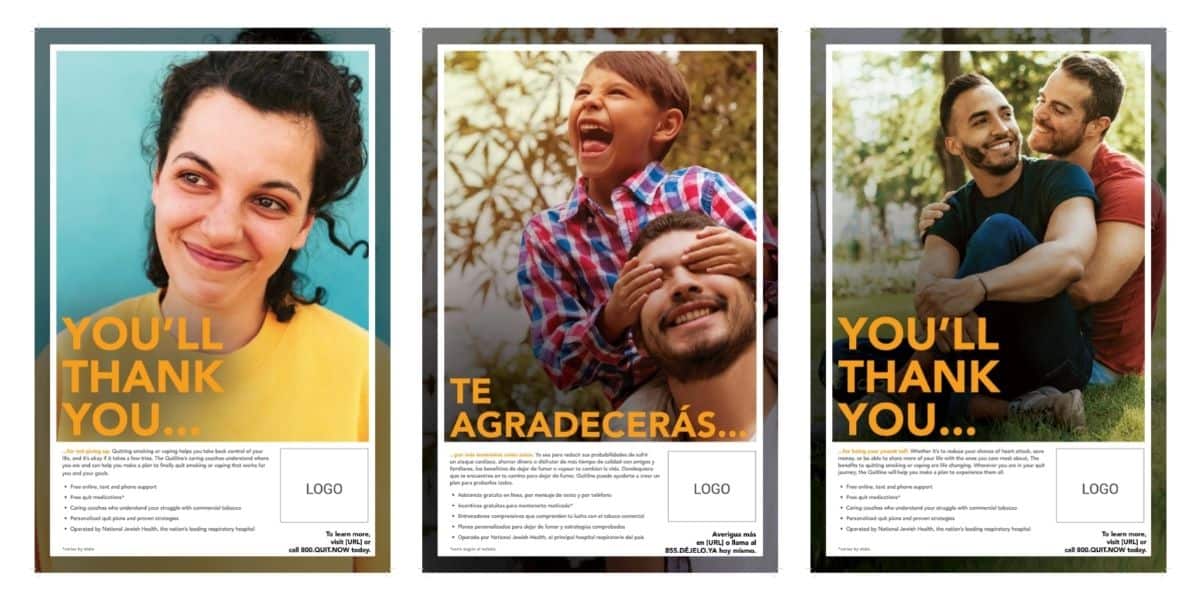
Just as importantly, we shifted the tone. Instead of framing lead as a hidden threat lurking everywhere, we framed testing as an empowering act of protection. Something parents do because they care. Something manageable. Something accessible.
The campaign met families where they were — in trusted community settings, through culturally relevant channels, in clear and direct language. By reducing fear and increasing clarity, we helped increase confidence in testing as a practical next step.
Erase the Waste
Erase the Waste was not just about recycling. It was about economic infrastructure.
Colorado had recently launched new glass recycling and circular economy businesses — companies capable of turning recycled glass into new products. The challenge was supply. These facilities needed a steady stream of clean glass to operate at scale and prove viability.
Recycling behavior became an economic lever.
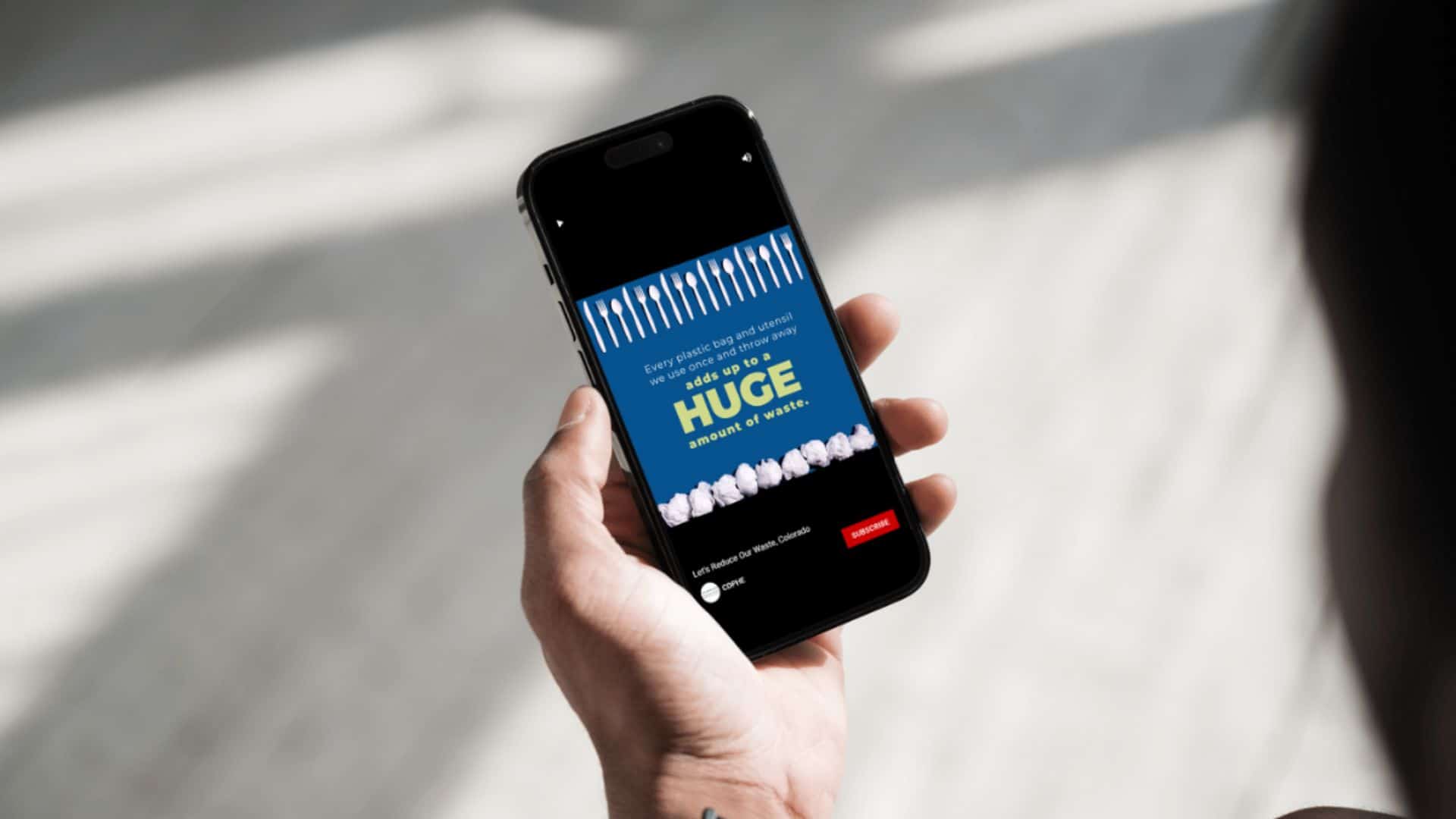
Rather than treating glass recycling as an environmental virtue, we positioned it as participation in something bigger — an investment in Colorado’s emerging circular economy. Every bottle recycled wasn’t just waste diverted. It was raw material fueling local industry.
The campaign reframed glass as a valuable commodity, not trash.
We developed messaging that connected individual household action to tangible economic impact. Recycling glass became a way to:
- Support local manufacturing
- Keep materials in-state
- Reduce landfill use
- Strengthen Colorado’s sustainability leadership
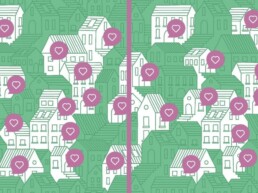
Visual storytelling highlighted the lifecycle of glass — from bottle to recycled product — helping residents see the direct connection between their curbside bin and the new businesses launching across the state.
In doing so, the campaign helped “feed” the circular economy investment with the product it needed: clean, recycled glass. Behavior change became supply chain support.
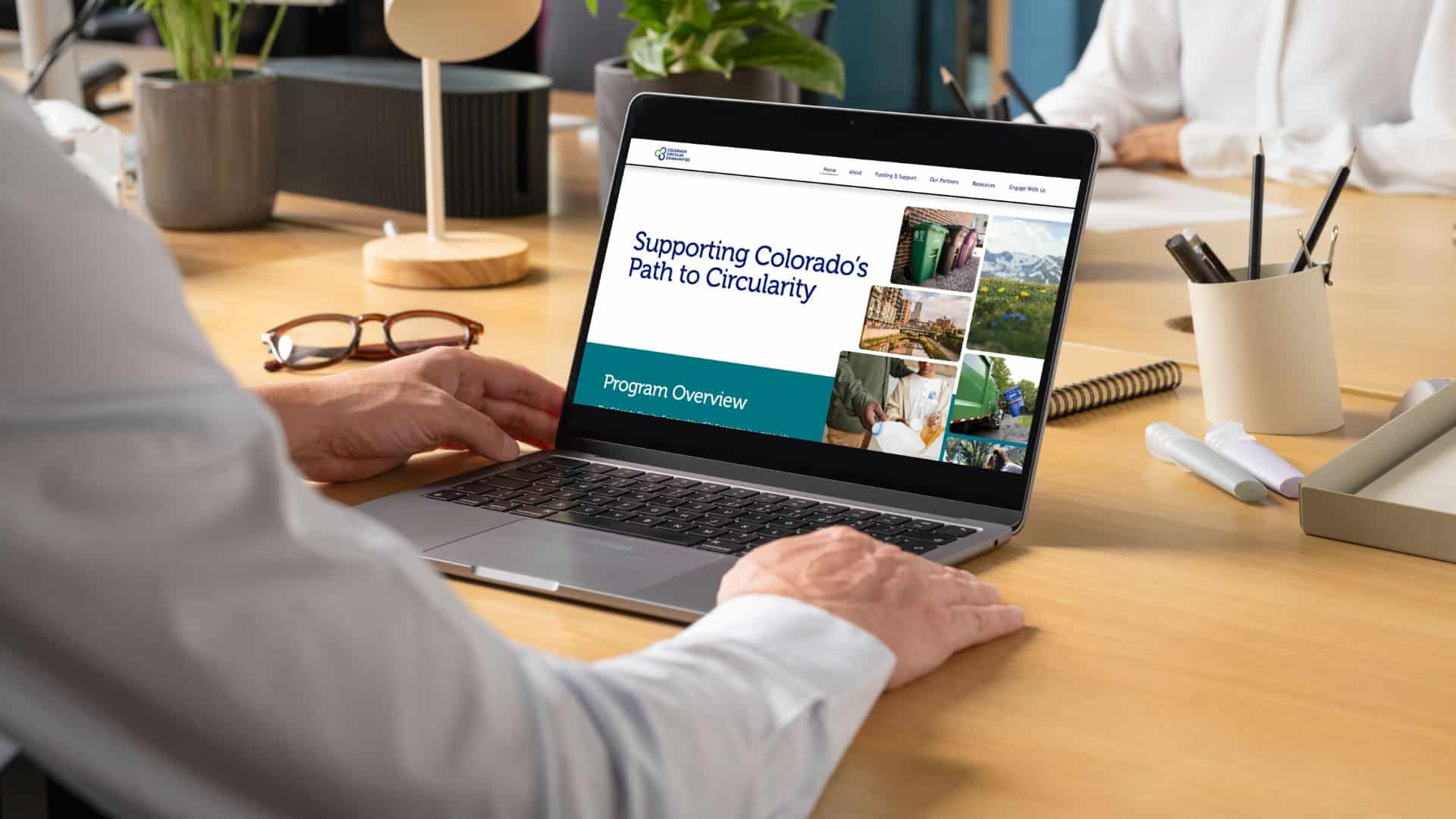
Colorado Circular Communities Website Redesign
Circular economy work requires coordination across municipalities, businesses, nonprofits, and state agencies. But even the best initiatives can stall if the digital infrastructure doesn’t support action.
The Colorado Circular Communities website needed to evolve from a repository of information into a working tool.
We began by mapping user journeys: What does a local government leader need when launching a circular initiative? What does a business owner need when exploring participation? What does a nonprofit partner need when seeking funding?
Then we reorganized the site around action pathways — not bureaucratic categories.
Resources were grouped by what users are trying to accomplish, not by agency structure. Accessibility standards were strengthened to ensure equitable access. Success stories were elevated to show that circular strategies are not theoretical — they are already working in Colorado communities.
The redesigned site became more than informational. It became connective tissue — linking partners, programs, and practical next steps.


The Impact
Across projects, SE2’s environmental work has delivered measurable and systems-level impact:
- Increased Public Understanding | Complex topics like toxicology and chemical safety became accessible to non-technical audiences without sacrificing credibility.
- Greater Equity in Environmental Health | Lead testing outreach achieved deeper engagement in communities facing disproportionate risk, strengthening prevention and early intervention efforts.
- Behavior Change at Scale | Waste campaigns reframed disposal norms and supported more confident, climate-aligned household decisions.
- Stronger Implementation Infrastructure | The Colorado Circular Communities website redesign improved partner navigation, usability, and long-term sustainability of circular economy efforts.
- Durable Tools, Not One-Off Campaigns | Rather than producing isolated assets, SE2 builds ecosystems of materials — toolkits, digital hubs, training content, and community partnerships — that extend impact beyond a single media flight.