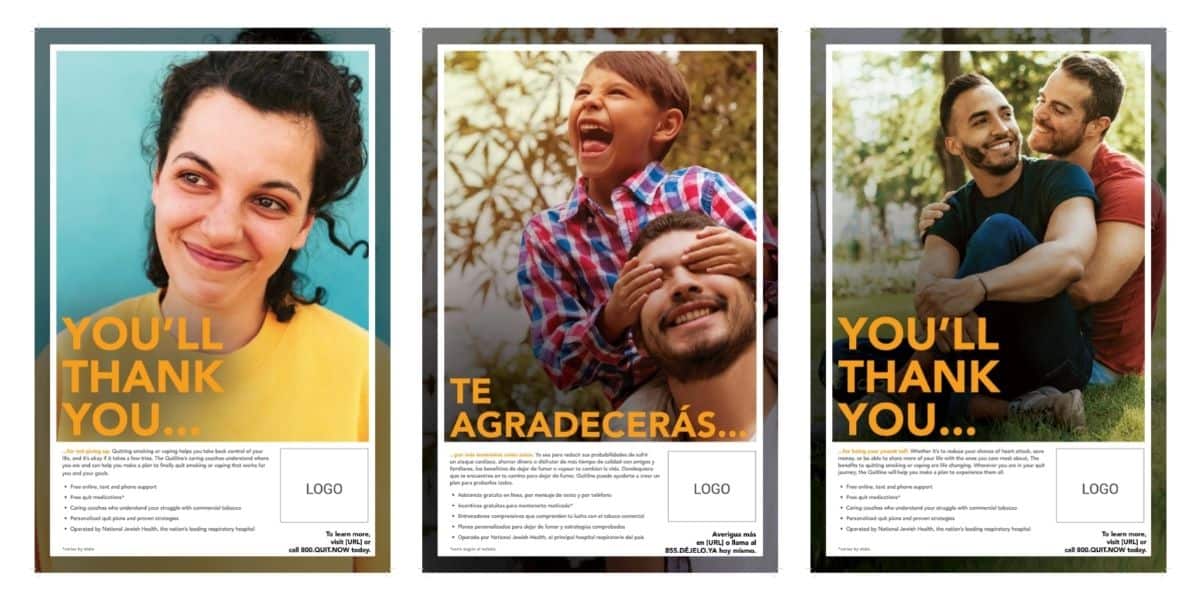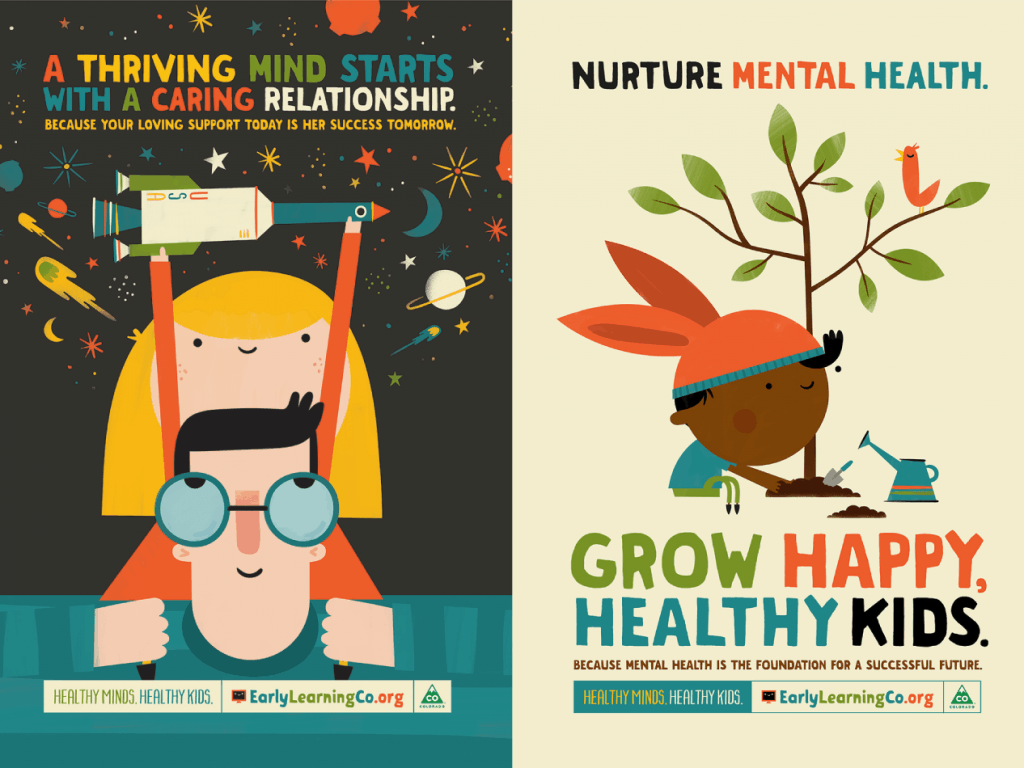
We don’t encounter facts in a vacuum. We interpret them through stories.
That doesn’t make facts less important. It means the way we frame them matters.
At the Colorado Health Foundation’s 2026 Colorado Health Symposium, my SE2 colleague Elizabet Garcia and I led a workshop on narrative power—the stories and assumptions that shape how people understand an issue before a message even reaches them.
One idea anchored the conversation: Narratives are not messages. They are the stories that make messages make sense.
Narratives develop through patterns of stories told over time. They shape what facts mean and what people believe is possible. A message can reinforce or challenge a narrative, but a message alone doesn’t change a narrative.
Every fact enters a story already in progress.
Communities must help shape and tell the stories that affect them.
Narrative change is cumulative. Consistency matters more than a clever turn of phrase.
What Narrative Change Demands
Understand the context
People bring existing beliefs and experiences to every discussion. Before deciding what to say, ask: What story are people already hearing? Does it reinforce scarcity or shared opportunity? Blame or collective responsibility? Fatalism or the possibility of change?
Communities author their stories
The narratives we amplify influence who feels seen, heard, and valued. Elizabet reflected on the people behind the headlines, policies, and statistics—and the importance of communities telling their own stories rather than having those stories told for them.
Work through trusted messengers
People assess information partly by considering who is sharing it and whether that person understands their lives. The right messenger is not always the person with the most formal authority. Create space for those voices and support people in speaking for themselves.
Keep the focus
Narratives rarely shift because of one campaign, report, or perfectly worded message. Simple, consistent, values-based communication can feel less exciting than new, creative concepts. But repetition builds familiarity—and familiarity can build trust, belonging, and momentum.